The variability of the Succinic Semialdehyde Dehydrogenase (SSADH, or ALDH5A1) gene affects both pathological and normal phenotypes correlated to cognitive function. We tested the association between the C538T polymorphism of the SSADH gene and preservation of cognitive function in the elderly, and its possible effects on survival. A sample from southern Italy (514 subjects; 18–107 years) was screened for C538T variability. We found that, within the 65–85 years age range, the T/T genotype is overrepresented in subjects with impaired cognitive function (MMSE ≤ 23) compared to those with conserved cognitive function (MMSE > 23). Furthermore, we found that the T/T genotype affects survival after 65 years of age. In fact, after this age, the survival function of T/T homozygous subjects is lower than that of the others. Given that the enzymatic activity of the protein encoded by allele T is 82.5% of the activity of the protein encoded by allele C, our results suggest that the efficiency of the SSADH enzyme is important for the preservation of cognitive function and survival in the elderly.
The definition of a precise and consistent aging phenotype that allows to measure the physical and cognitive decline, as well as the increase of mortality hazard late in life, is a major problem for studies aimed at finding the genetic factors modulating rate and quality of human aging. In this frame, it seems promising the concept of frailty which tends to figure out the subjects who are more vulnerable and more prone to negative outcomes, such as death or hospitalization. Cognitive, functional and psychological measures turned out to be the most effective measures to define frailty, as they condense most of the frailty cycle that occurs in the elderly and is probably responsible of the aging related physical decline. We used MMSE, Hand Grip strength, and GDS as variable parameters in a hierarchical Cluster Analysis (CA) in order to recognise aging phenotypes. By using a sample of 65-85 years old subjects we identified three frailty phenotypes that were consistent from both geriatric and genetic perspectives. Therefore, the method we propose may provide unbiased phenotypes suitable for the identification of genetic variants affecting the quality of aging in this age range. The CA method was less effective in ultranonagenarians, probably due to the high prevalence of frail subjects in this age group that makes difficult to distinguish discrete phenotypes.
SIR2 genes control life span in model organisms, playing a central role in evolutionarily conserved pathways of aging and longevity. We wanted to verify whether similar effects may act in humans too. First, we searched for variability in the human sirtuin 3 gene (SIRT3) and discovered a VNTR polymorphism (72-bp repeat core) in intron 5. The alleles differed both for the number of repeats and for presence/absence of potential regulatory sites. Second, by transient transfection experiments, we demonstrated that the VNTR region has an allele-specific enhancer activity. Third, by analyzing allele frequencies as a function of age in a sample of 945 individuals (20–106 years), we found that the allele completely lacking enhancer activity is virtually absent in males older than 90 years. Thus the underexpression of a human sirtuin gene seems to be detrimental for longevity as it occurs in model organisms.
Heat shock proteins (HSPs) are crucial for maintenance of cell homeostasis and survival both during and after various stresses. The capability to cope with stress is believed to affect the chance of health and survival at organismal level. We have investigated whether the gene pool relevant to the (A/C)-110 polymorphism in the promoter region of the HSP70-1 gene changes as the population ages and survival selection occurs. A total of 591 southern Italian subjects were enrolled in the study (263 males and 328 females; age range 18–109 years), free of clinically manifest diseases and with normal haemato-chemical parameters. A significant age-related decrease of the frequency of allele (A)-110 was observed in females. The probability ratio of 0.403 (95% confidence interval [0.163, 0.910]) computed by considering female centenarians as cases and young women (18–49 years old) as controls showed that the (A)-110 allele is unfavorable to longevity in females.
The human sirtuin 3 (SIRT3) gene encodes a putative mitochondrial NAD-dependent deacetylase (SIRT3) which belongs to the evolutionary conserved family of sirtuin 2 proteins. Studies in model organisms have demonstrated that SIR2 genes control lifespan, while no data are available regarding a possible role of SIRT3 in human longevity. By analysing the genotype-specific survival function relevant to the G477T marker of SIRT3, we found that in males the TT genotype increases (p=0.0272), while the GT genotype decreases (p=0.0391) survival in the elderly. Since SIRT3 lies in a chromosomal region (11p15.5) where four genes potentially associated with longevity are located (HRAS1, Insulin-like Growth Factor 2, Proinsulin, and Tyrosine Hydroxylase) we tested for linkage-disequilibrium between G477T alleles and alleles of the above genes. The disequilibrium was not significant in any case, thus suggesting that SIRT3 itself, or a gene strictly linked to SIRT3, may have a role in human longevity.
The genes coding for apolipoprotein A1 (APOA1), apolipoprotein C3 (APOC3) and apolipoprotein A4 (APOA4) are tandemly organised within a short region on chromosome 11q23-q24. Polymorphisms of these genes have been extensively investigated in lipoprotein disorders and cardiovascular diseases, but poorly investigated in healthy ageing. The aim of this study was to describe possible modifications of the APOA1, APOC3, and APOA4 gene pool by cross-sectional studies carried out in a healthy ageing population whose ages ranged from 18 to 109 years (800 subjects, 327 males and 473 females, free of clinically manifested disease, and with emato-chemical parameters in the norm). APOA1-MspI-RFLP (-75 nt from the transcription starting site), APOC3-SstI-RFLP (3'UTR, 3238 nt), and APOA4-HincII-RFLP (Asp127/Ser127) were analysed according to age and sex. A significant age-related variation of the APOA1 gene pool was observed in males. An analysis of the allele average effect exerted by APOA1-MspI-RFLP A/P alleles (Absence/Presence of the restriction site) on lipidemic parameters in 46-80 year old males showed that allele A decreased, while allele P significantly increased, serum LDL-cholesterol. Unexpectedly, the P allele was over-represented in the group of the oldest old subjects, thus giving evidence of another "genetic paradox of centenarians".
The possibility that four loci (REN, THO, PARP, SOD2) are associated with longevity was explored by comparing the genotypic pools of subjects older than 100 years with those of younger subjects matched for sex and geographic area (northern and southern Italy). The markers (all located within the respective gene) were HUMREN4; HUMTHO1; HUMPARP (gt)845nt; SOD2(C/T)401nt. In order to reduce the number of genotypes, multiallelic polymorphisms were recoded as diallelic according to allele size and frequency patterns (small: S, and large: L, alleles). A significant loss of LL homozygous genotypes was found at the THO locus in male but not in female centenarians with respect to matched controls. On the other hand no significant difference was found between case/control genotypic frequencies at REN, PARP, SOD2 loci. The latter loci therefore do not affect inter-individual variability in life expectancy (at least in terms of qualitative variants associated with the tested markers). However, the data is consistent with an association between the THO locus and longevity.
Dozens of publications have been written on the safety and efficacy of Terazosin (Hytdn@) and Carteolol (Cadrol®).However, the good clinical practices (GCPs) employed in monitoring these two antihypertensive drugs have not been discussed.Documentation required for FDA approval and the GCP monitonng practices involved in the dinicel tnals of these two antihypertensive drags will be reviewed.A complete set of standard operating procedures and good GCP training (including protocol development, study design and data analysis) were required.Investigator interest, patient population and a complete site evaluation were also required.Regulatory documentation collection consisted of as many as 10 separate documents necessary for shipping drug and treating the first patient.Current practices may require investigator and sponsor electronic signature verification depending on the type of IND and NDA submission intended.These two antihypertensives required a paper trail, however Terazosin was the fkst electronic NDA submission.Specific mguletory documentation collected ( e.g.FDA form 1572, curriculum vitae), mechanisms for source document verification ( e.g.medicel histories, odginal charts and records), site, patient and budget trecldng as well as monitonng frequency was managed.The author personally monitored least three Phase I sites, and approximately 20 different Phase II and lU sites every 4-8 weeks depending on the protocol and patient enrollment.Approximately 500 patients were monitored.Decisions regarding their evaluability and payments were made.Consistency between sites, CPA's and the CRO's involved was managed.All adverse events were repoded.A complete review of the required data corrections was made pnor to site close out visits when drug was returned.Statistical analysis and medical summmy were completed.Internal auditing of all key safety and efficacy parameters was completed prior to FDA submission.
Assessment of exercise capacity has been widely used in the evaluation of chronic heart failure (CHF), both to define the severity of the syndrome and to assess the changes induced by therapy. Various exercise tests and protocols can be used. The simple stress test using the exercise bicycle or the treadmill can give useful indications only in patients with severe or lower functional reductions. Maximum exercise duration usually depends on the patient's and the physician's motivation. The addition of respiratory gas exchange measurements, maximum oxygen consumption (VO2) or anaerobic threshold, increases the exactness of the assessment of the exercise limitation in CHF. VO2 maximum provides an objective marker of aerobic capacity and it is biased by neither the patient nor the physician. This technique, however, requires the patient to exercise to exhaustion, and it is somewhat subjective and not indicative of normal daily exercise routine. The anaerobic threshold is a useful way of evaluating adaptability to submaximal efforts and the impact of the therapy on the daily performance. Nevertheless, it is significantly influenced by the fitness level and it has a reduced prognostic capability compared to VO2 maximum. Submaximal exercise tests discriminate particularly between patients with severe CHF. The major limits are the influence of the patient's motivation and its limited validation in terms of reproducibility and prediction in controlled surveys.
Although syncope is a common clinical problem in the elderly, little is known of its epidemiology and social costs. According to some epidemiological enquiries, syncope is responsible for 3% of emergency room visits and for 6% of the medical admissions in general hospitals. Although some types of syncope are benign and self-limited, those of traumatic origin with abrupt loss of consciousness represent a considerable morbidity, particularly in elderly patients. The prevalence in 10 years was of 23%, with an annual occurrence of 6-7% and a recurrence rate of 30%. Despite accurate investigations, syncope remains unexplained in about 50% of the patients. The first year mortality for cardiac syncope is 20-30%, against 5% for non-cardiac causes and 10% for syncope of unknown origin. Sudden death occurred in 17% of cardiac syncope cases. An approximate cost analysis can be obtained through the survey of costs relative to the length of the hospitalization and to the number of the main diagnostic tests applied. It must be underlined, however, that the clinical history and physical examination supply the most important contribution to the diagnosis in old patients, and these often are more than sufficient to suggest the suitable choice among the instrumental tests to be applied; this approach helps considerably to reduce the hospital costs.
The aim of the study was to evaluate, in a population of elderly hypertensives, the efficacy for 24 hours, the safety and the effects on carbohydrates and lipids metabolism of amlodipine (A) and nitrendipine (N). After a 3-week placebo wash-out, 50 patients with mild to moderate essential hypertension (HBP) or isolated systolic hypertension (ISH), were randomized in 4 groups treated with once-daily A 5,10mg or N 10,20mg increasing until patients responded to treatment.All subjects were submitted to a 24-hour non invasive ambulatory blood pressure monitoring (ABPM) at the start of the study (t0) and after four weeks of therapy (t4). It was registered a mean daily reduction in the pressure load of 15.0 % in group A, 14.1 % in group B, 13.9 % n group C and 15.6 % in group D; (p<0.001). 82 % of the patients treated with A and 85 % treated wi th N resulted ''responder''. The metabolic parameters considered showed no significant changes. The overall incidence of adverse effects were temporary and extremely limited (2 %) . As monotherapies, am lodipine and nitrendipine are both suitable for the management of mild to moderate hypertension in elderly.
Cardiac transplantation has become an established therapy for selected patients with end-stage heart disease. Hemodynamic status immediately after cardiac transplantation is often characterized by residual pulmonary hypertension and early left ventricular dysfunction,1,2 which, as a rule, rapidly improve. Cyclosporine-associated systemic hypertension, however, develops within the first several weeks after transplantation in the vast majority of patients.3 Accordingly, to evaluate the extent and timing of the hemodynamic alterations in the postoperative period, right-sided heart catheterization was performed in conjunction with endomyocardial biopsy at 1 week and 4 weeks in 90 cardiac transplant patients.
In an attempt to determine predictive factors of spontaneous death in patients needing heart transplantation, we studied 27 clinical and paraclinical variables in 171 patients aged from 14 to 61 years. Sixty-one of these patients died before transplantation could be performed, 59 were still alive awaiting transplantation and 51 received a heart transplant. The actuarial survival rate with or without transplantation was 65 percent at 1 year and 51 percent at 2 years. Univariate analysis showed that the following factors were associated with a higher mortality rate: age, history or symptoms of right heart failure, poor general condition, end-diastolic left ventricular diameter and ejection fraction. There was no correlation between high mortality rate and type of heart disease, sex, duration of symptoms, NYHA functional class, cardiothoracic ratio and data obtained from electrocardiography and right heart catheterization. At multivariate analysis (Cox's model), no variable could be selected as predictive factor of mortality. The natural outcome of patients needing heart transplantation therefore is globally unfavourable. This means that once has been decided to perform heart transplantation the operation should not be delayed.
 G. De Benedictis合作论文数7Grandinetti O合作论文数6
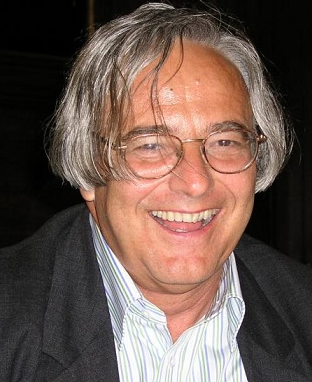 Claudio Franceschi合作论文数Faculty of Medicine, University of Bologna6V. Mari合作论文数6G Rose合作论文数5Tamburino Claudia合作论文数5
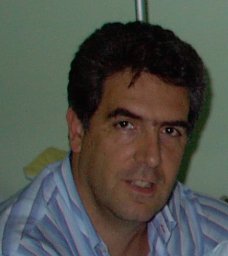 Giuseppe Passarino合作论文数University of Calabria5Garasto Sabrina合作论文数4
 Thierry Corcos合作论文数Department of Interventional Cardiology, Clinique Turin4Gregory Cosentino合作论文数4Maurizio Berardelli合作论文数4
 Serena Dato合作论文数Department of Cell Biology, University of Calabria4M Desruennes合作论文数3
 Alain J. Pavie合作论文数Heart Institute, Pitie-Salpetriere3
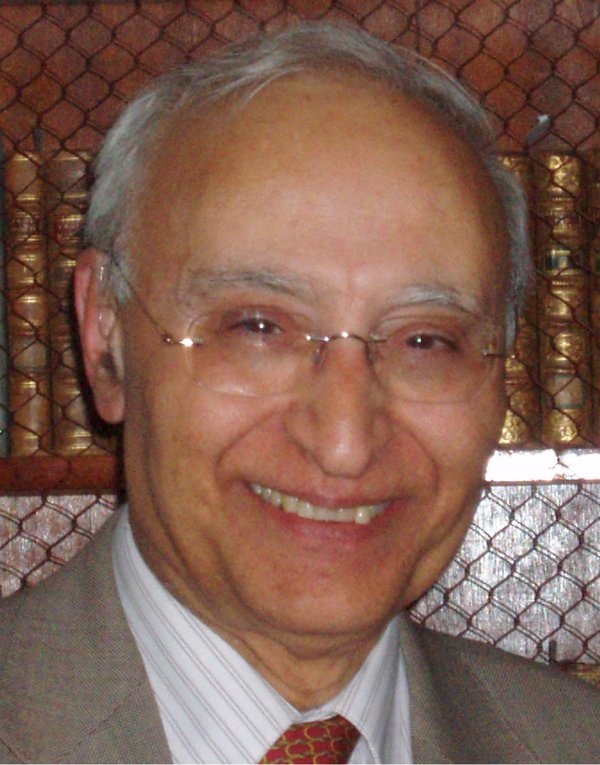 Iradj Gandjbakhch合作论文数Assistance Publique - Hôpitaux de Paris3Dina Bellizzi合作论文数Department of Cell Biology, University of Calabria3Annick Cabrol合作论文数3
 Alessandro Lauro合作论文数3Christian Cabrol合作论文数3
 Philippe Leger合作论文数2Mb Zisa合作论文数2V Greco合作论文数2L Carotenuto合作论文数2S Felis合作论文数2Fontanel M合作论文数2Anatoliy I. Yashin合作论文数2
 Antonio Madeo合作论文数Department of Cardiology, Italian National Research Centre on Aging (I.N.R.C.A.),2
 Massimiliano Bonafè合作论文数Department of Medical and Surgical Sciences, University of Bologna2
 Amalia Cecilia Bruni合作论文数Centro Regionale di Neurogenetica, Azienda Sanitaria Provinciale Catanzaro2
 Antonino Drago合作论文数University of Naples “Federico II, University of Pisa2Valeria Calvi合作论文数2A Monaco合作论文数1G Licciardello合作论文数1I Gandjbachkh合作论文数1R Mattace合作论文数1G Giuffrida合作论文数1C Cinnirella合作论文数1D Mari合作论文数1C Barbi合作论文数1T Papalia合作论文数1N De Napoli合作论文数1O Leone合作论文数1A Alì合作论文数1M Abbate合作论文数1G Carrieri合作论文数1E Falcone合作论文数1E Vaissier合作论文数1R Grassi合作论文数1A Lomeo合作论文数1




