Cultured macrophages and endothelial cells have been reported to secrete 27-oxygenated metabolites of cholesterol. This mechanism was compared with the classical high density lipoprotein (HDL)-dependent reverse cholesterol transport. Under standard conditions, macrophage preparations had considerably higher capacity to secrete 27-hydroxycholesterol and 3beta-hydroxy-5-cholestenoic acid than had endothelial cells and fibroblasts. Western blotting showed that lung macrophages contained the most sterol 27-hydroxylase protein of the cells tested. The relative amounts of 3beta-hydroxy-5-cholestenoic acid produced by the macrophages were also highest. Macrophages derived from monocytes of patients with sterol 27-hydroxylase deficiency did not secrete 27-oxygenated products, demonstrating that sterol 27-hydroxylase is the critical enzyme for the conversion of cholesterol into the 27-oxygenated steroids. That sterol 27-hydroxylase is responsible not only for 27-hydroxylation of cholesterol but also for the further oxidation of this steroid into 3beta-hydroxy-5-cholestenoic acid was shown with use of tritium-labeled 27-hydroxycholesterol and an inhibitor of sterol 27-hydroxylase. Secretion of 27-oxygenated products by the cultured macrophages as well as the ratio between the alcohol and the acid appeared to be dependent upon total 27-hydroxylase activity, the availability of substrate cholesterol, and the presence of an acceptor for 27-hydroxycholesterol in the medium. With albumin as extracellular acceptor, the major secreted product was 3beta-hydroxy-5-cholestenoic acid. Under such conditions, secretion of labeled 27-oxygenated products was higher than that of labeled cholesterol from lung alveolar macrophages preloaded with [4-14C]cholesterol. With HDL as acceptor, 27-hydroxycholesterol was the major secreted product, and the total secretion of labeled 27-oxygenated products was only about 10% of that of labeled cholesterol. Thus, 27-hydroxycholesterol and cholesterol may compete for HDL-mediated efflux from the cells. The results support the contention that the sterol 27-hydroxylase-mediated elimination of cholesterol is more important in macrophages than in endothelial cells. This mechanism may be an alternative and/or a complement to the classical HDL-mediated reverse cholesterol transport in macrophages, in particular when the concentration of HDL is low.
Isolated human low density lipoprotein (LDL) was oxidized with either cupric ions or soybean lipoxygenase and linoleic acid. Cholesterol oxidation products (oxysterols) were determined by isotope dilution gas chromatography-mass spectrometry. A new cholestane-3,5,6-triol isomer, cholestane-3 beta,5 alpha,6 alpha-triol, which has not previously been recognized as a cholesterol autoxidation product, was found at similar concentrations as the well-known cytotoxic cholestane-3 beta,5 alpha,6 beta-triol during both copper- and lipoxygenase-mediated LDL oxidation. Furthermore, two epimeric cholest-5-ene-3 beta,4-diols were identified in the oxidized LDL at similar concentrations. These two isomers were also identified in human atherosclerotic tissue in a ratio of 1:1 at a concentration more than 10-times higher than in non-atherosclerotic vessels. In vitro oxidation of LDL under an O-18(2) atmosphere revealed that molecular oxygen was the only source of the oxygen functions at C-4 in the cholest-5-ene-3 beta,4-diols. Taken together, these findings suggest that the cholest-5-ene-3 beta,4-diols in atherosclerotic plaques are formed by autoxidation.
Patients with the autosomal recessive disorder Smith-Lemli-Optiz syndrome (SLO) have recently been shown to have markedly increased tissue levels of certain cholesterol biosynthesis intermediates, most notably 7-dehydrocholesterol. The findings strongly suggest a block in the step that catalyses reduction of 7-dehydrocholesterol to cholesterol. The accumulation of 7-dehydrocholesterol can generally easily be detected in serum by gas chromatography-mass spectrometry. However, it could not be totally ruled out that SLO patients with less severe enzyme defects could escape detection by this method. A more direct way of diagnosing a defect in 7-dehydrocholesterol reduction would be to assay the conversion of 7-dehydrocholesterol to cholesterol in cultured fibroblasts from patients with suspected SLO. In the present work, an assay for the conversion of [3H]lathosterol to [3H]cholesterol in cultured human fibroblasts is described. Lathosterol is the immediate precursor of 7-dehydrocholesterol in the cholesterol biosynthetic pathway and was chosen for the assay instead of 7-dehydrocholesterol owing to the difficulty in preparation and handling of the latter compound. Fibroblasts from control subjects converted [3H]lathosterol to [3H]cholesterol efficiently, whereas in fibroblasts from SLO patients the conversion did not go beyond 7-dehydrocholesterol. It is concluded that the present method is useful for the diagnosis of SLO.
Recently, we described a new pathway whereby peripheral cells can eliminate intracellular cholesterol by conversion into the more polar oxysterols 27-hydroxycholesterol and 3 beta-hydroxy-5-cholestenoic acid. The latter steroids are easily excreted from the cells and transported to the liver for conversion into bile acids. Our attempts to evaluate the importance of this new mechanism are reviewed here and also our investigations on the possible presence of additional similar pathways for removal of extrahepatic cholesterol. Human alveolar macrophages in culture were shown to have a high capacity to convert cholesterol into 27-hydroxycholesterol and 3 beta-hydroxy-5-cholestenoic acid and to excrete these steroids into the culture medium. Treatment of the macrophages with cyclosporin A, an inhibitor of sterol 27-hydroxylase, reduced the excretion of the 27-hydroxylated products by more than 90%, with a concomitant accumulation of intracellular cholesterol. The quantitative importance of the mechanism in relation to reverse cholesterol transport was investigated in 14C-cholesterol labelled macrophages exposed to HDL. At very low concentrations of HDL, possibly similar to those present in tissues, the two pathways were about equally effective. At optimal concentrations of HDL, however, reverse cholesterol transport was about 10-fold more effective than the sterol 27-hydroxylase pathway. The net uptake of 27-oxygenated steroids by the liver was measured in volunteers by comparison of the levels in the hepatic vein with those in a peripheral artery. Approximately 20 mg of 27-oxygenated oxysterols was taken up by the liver during 24 hours. Quantitative conversion of these oxysterols into bile acids would correspond to 4% of the total bile acid formation. It is evident that this new pathway contributes significantly to cholesterol elimination. The possibility that the sterol 27-hydroxylase pathway is of importance for cholesterol homeostasis in the brain was investigated by measuring oxysterols in the internal jugular vein and in an artery of healthy volunteers. There was no net flux of 27-hydroxycholesterol from the brain into the circulation. There was, however, a significant flux of 24-hydroxycholesterol, corresponding to elimination of about 4 mg cholesterol/24 hours. This flux is higher than the estimated rate of synthesis of cholesterol in the human brain. To summarize, we have demonstrated two mechanisms for cholesterol elimination from extrahepatic cells by specific oxygenases capable of oxidizing the steroid side-chain. The efficiency of these mechanisms is based on the fact that side-chain hydroxylated cholesterol species are both translocated through lipophilic membranes and converted into bile acids at a much faster rate than cholesterol itself. The importance of the sterol 27-hydroxylase-mediated mechanism is illustrated by the fact that patients who lack this enzyme develop xanthomas and premature atherosclerosis in spite of normal levels of circulating cholesterol.
Isolated human low density lipoprotein (LDL) was oxidized with either cupric ions or soybean lipoxygenase and linoleic acid. Cholesterol oxidation products (oxysterols) were determined by isotope dilution gas chromatography-mass spectrometry. A new cholestane-3,5,6-triol isomer, cholestane-3 beta,5 alpha,6 alpha-triol, which has not previously been recognized as a cholesterol autoxidation product, was found at similar concentrations as the well-known cytotoxic cholestane-3 beta,5 alpha,6 beta-triol during both copper- and lipoxygenase-mediated LDL oxidation. Furthermore, two epimeric cholest-5-ene-3 beta,4-diols were identified in the oxidized LDL at similar concentrations. These two isomers were also identified in human atherosclerotic tissue in a ratio of 1:1 at a concentration more than 10-times higher than in non-atherosclerotic vessels. In vitro oxidation of LDL under an 18O2 atmosphere revealed that molecular oxygen was the only source of the oxygen functions at C-4 in the cholest-5-ene-3 beta,4-diols. Taken together, these findings suggest that the cholest-5-ene-3 beta,4-diols in atherosclerotic plaques are formed by autoxidation.
A method based on isotope dilution-mass spectrometry was developed for the determination of nine cholesterol oxidation products in human plasma. The cholesterol oxidation products determined were cholest-5-ene-3 β,7 α-diol, cholest-5-ene-3 β,7β-diol (7α- and 7β-hydroxycholesterol, respectively), 3β-hydroxycholest-5-en-7-one (7-oxocholesterol), 5,6α-epoxy-5α-cholestan-3β-ol (cholesterol-5α,6α-epoxide), 5,6β-epoxy- 5β-cholestan-3β-ol (cholesterol-5β,6β-epoxide), cholestane-3β,5α,6β-triol, cholest-5-ene-3β,24-diol (24-hydroxycholesterol), cholest-5-ene-3β,25-diol (25-hydroxycholesterol), and cholest-5-ene-3β,27-diol (27-hydroxycholesterol). A corresponding deuterium-labeled internal standard, containing 3 to 6 deuterium atoms, was synthesized for each cholesterol oxidation product except 5β,6β-epoxycholesterol which was determined using the internal standard for 5α,6α-epoxycholesterol. Plasma from 31 healthy volunteers was analyzed by the new method and 27-, 24-, and 7α-hydroxycholesterol were the most abundant cholesterol oxidation products (mean values 154, 64, and 43 ng/ml, respectively). The other oxysterols determined were present in concentrations lower than 30 ng/ml. Males had higher 27-hydroxycholesterol concentrations in plasma than females. The 5,6-oxygenated products were present mainly unesterified while the other oxidation products were mostly in esterified form.
Cholesterol oxidation products (oxysterols) have been implicated in several aspects of atherogenesis; they affect key enzymes in cholesterol homeostasis, induce calcification in vascular cells and possess cytotoxic properties. Oxysterols are formed during oxidative modification of low density lipoprotein (LDL). Using a recently developed method based on isotope dilution-mass spectrometry, the kinetics of formation of oxysterols during oxidation of LDL by cupric ions or soybean lipoxygenase was studied. The same products, mainly 7- and 5-oxygenated cholesterol, were formed by the two oxidation methods. Virtually no side-chain oxidized oxysterols were formed. During the oxidations, preferentially esterified cholesterol was consumed and consumption of polyunsaturated fatty acids and formation of conjugated dienes preceded the appearance of oxysterols. Cholesterol 7-hydroperoxides potential cytotoxins. were present in LDL oxidized by copper or lipoxygenase.
Normolipidemic rats were treated with HMG-CoA reductase inhibitors (lovastatin or pravastatin) for periods of 1–3 days. Administration of these drugs reduced plasma triacylglycerol levels. Lovastatin-treated rats displayed a 30% lower hepatic triacylglycerol secretion rate compared to controls as estimated using Triton WR-1339. Lovastatin in a dose of 0.1% in the diet for 3 days increased hepatic phosphatidate phosphohydrolase (PAP) activity 2- to 3-fold, both in the cytosolic and microsomal fractions. Similar effects were seen in the presence of 0.2% pravastatin. PAP in both fractions was stimulated to a lesser extent by treatment with 0.1% pravastatin. These differences in PAP activity obtained by different treatment regimens were preserved during purification of cytosolic PAP on hydroxylapatite. The increase in PAP activity upon treatment with lovastatin or pravastatin was gradual and occurred simultaneously with the apparent increase in HMG-CoA reductase activity. In rats treated with the reductase inhibitors, the activity of microsomal and cytosolic PAP was inversely correlated to plasma triacylglycerol levels. The results indicate that hepatic triacylglycerol and cholesterol synthesis might be co-ordinately regulated, and also suggest that the activity of PAP is rapidly modulated in concert with changes in plasma triacylglycerol levels.
27-Hydroxycholesterol was found in surprisingly high amounts in atherosclerotic human femoral arteries. When human macrophages were cultured in a medium containing serum, there was a significant transfer of 27-hydroxy-cholesterol and 3 beta-hydroxy-5-cholestenoic acid from the cells into the medium. Sterol 27-hydroxylase (EC 1.14.13.15) is likely to be responsible for formation of the two products as shown by use of immunoblotting, a specific inhibitor, and the 18O-labeling technique. Sterol 27-hydroxylase has the unusual ability to hydroxylate the same methyl group three times to give a carboxylic acid; thus, 3 beta-hydroxy-5-cholestenoic acid is likely to be a direct product of the enzyme. The production of these steroids increased after addition of cholesterol to the culture medium. By using deuterium-labeled cholesterol, it was ascertained that most of the oxidized products were formed from exogenous cholesterol taken up by the cells. 27-Hydroxycholesterol and 3 beta-hydroxy-5-cholestenoic acid are present in the circulation and are efficiently converted into bile acids in human liver. It is suggested that conversion of cholesterol into 27-hydroxycholesterol and 3 beta-hydroxy-5-cholestenoic acid represents a general defence mechanism for macrophages and possibly also other peripheral cells exposed to cholesterol. Absence of this defence mechanism may contribute to the premature atherosclerosis known to occur in patients with sterol 27-hydroxylase deficiency (cerebrotendinous xanthomatosis).
It has been suggested that the down-regulation of hepatic HMG-CoA reductase by dietary cholesterol requires modification of the cholesterol molecule before it can exert its suppressive action. In a recent study [Lund, E., Breuer, O., & Bjorkhem, I. (1992) J. Biol. Chem. 267, 25092-25097], we showed that side-chain hydroxylation is not likely to be of importance for this down-regulation in male C57BL/6J mice. In this study, we studied the possibility that modification of cholesterol in the region around the DELTA5 double bond is required for the suppression. It was shown that cholestanol, which does not have a DELTA5 double bond but is otherwise identical to cholesterol, is a poor suppressor of HMG-CoA reductase activity. Groups of mice were fed with diets containing cholestanol, epicholesterol, 6-methylcholesterol, 6-fluorocholesterol, [3alpha-H-2]cholesterol, and [7,7-H-2(2)]cholesterol with control groups fed cholesterol or a cholesterol-free diet. These cholesterol analogues were selected to interefere with potential in vivo modifications and to clarify structural requirements for the down-regulation. After sacrifice, the hepatic HMG-CoA reductase activity was assayed. Cholesterol, 6-methylcholesterol, and 6-fluorocholesterol were efficient suppressors whereas cholestanol and epicholesterol only had a low suppressive capacity. Differences in the degree of absorption from the intestine or degree of esterification were too small to explain the differences in HMG-CoA reductase suppressing capacity. The two deuterated cholesterol species had a suppressive capacity similar to that of unsubstituted cholesterol. The results seem to exclude that a transformation of cholesterol in the region C-3 to C-7 is required for down-regulation of HMG-CoA reductase by dietary cholesterol and show that the DELTA5 double bond is essential. The results are consistent with the possibility that cholesterol itself is the most important suppressor of HMG-CoA reductase, at least in the specific strain of mice studied.
The sequence of reactions catalyzed by sterol 27-hydroxylase (CYP27) in the oxidation of 5 beta-cholestane-3 alpha,7 alpha,12 alpha,27-tetrol into 3 alpha,7 alpha,12 alpha-trihydroxy-5 beta-cholestanoic acid was studied with apparently homogeneous preparations of the cytochrome P-450 from rabbit liver mitochondria. Conditions are described for the formation and characterization of 3 alpha,7 alpha,12 alpha-trihydroxy-5 beta-cholestane-27-al as an enzymatically generated intermediate in the oxidation process. Incubation of 5 beta-cholestane-3 alpha,7 alpha,12 alpha-triol or 5 beta-cholestane-3 alpha,7 alpha,12 alpha,27-tetrol with sterol 27-hydroxylase in 18O2 atmosphere resulted in the incorporation of one or two 18O atoms in the carboxyl group of 3 alpha,7 alpha,12 alpha-trihydroxy-5 beta-cholestanoic acid. Similar incubations with 3 alpha,7 alpha,12 alpha-trihydroxy-5 beta-cholestane-27-al resulted in the incorporation of one 18O atom in the 27-carboxyl group. The results strongly indicate that the sterol 27-hydroxylase performs multiple monooxygenations in the conversion of 5 beta-cholestane-3 alpha,7 alpha,12 alpha-triol into 3 alpha,7 alpha,12 alpha-trihydroxy-5 beta-cholestanoic acid. The following reaction sequence (Reaction 1) at carbon 27 is proposed. [formula: see text] Reaction 1.
To facilitate studies on the possible presence of ginseng products in serum, tissues, and excretions, a procedure to optimize the analysis of the ginseng specific products, i.e., ginsenosides, had to be worked out. With the present method the two sapogenins, 20S-protopanaxadiol and 20S-protopanaxatriol, can be produced from ginsenosides Rb1, Rc, Rd, Re, and Rg1 in 80% yield by using an improved alkaline cleavage procedure. In contrast to previously described acid hydrolysis procedures for ginsenosides, our alkaline conditions caused no epimerization, no hydroxylation, and no cyclization of the side chain. Furthermore, no unchanged ginsenosides were recovered. The products of alkaline and acidic cleavage were separated, identified, and characterized by GC, GC-MS, and HPLC. In contrast to alkaline cleavage, treatment with acid afforded a number of side products. The C-20S-epimers of the ginseng sapogenins could be distinguished from C-20R epimers by difference in mass spectra and retention time after trimethylsilylation.
Pig liver mitochondria were found to catalyze 27-, 25- and 24-hydroxylation of cholesterol at relative rates of about 1:0.2:0.04. An apparently homogeneous preparation of pig liver mitochondrial cytochrome P-450-27 was found to catalyze the same three hydroxylations at about the same relative rates when reconstituted with adrenodoxin and adrenodoxin reductase. The 24-hydroxycholesterol formed was shown to consist of one of the two possible stereoisomers. When using specifically deuterium-labeled substrates a significant isotope effect was observed in the case of 24-hydroxylation (K(H)/K(D) > 10), but not 25-hydroxylation K(H)/K(D) = 1.1), or 27-hydroxylation (K(H)/K(D) = 1.1). The difference between the 24-hydroxylation and the other two hydroxylations may be due to different interactions between cholesterol and the same enzyme, with a resulting difference with respect to the rate-limiting step in the reaction. The physiological significance of the mitochondrial 24-hydroxylation is discussed.
We have shown that rat liver peroxisomes can chain-shorten prostaglandins to dinor- and tetranor-metabolites. In a recent in vivo study we could demonstrate that peroxisomes are of major importance for chain-shortening of prostaglandin F2 alpha in humans (1991, Diczfalusy et al. J. Clin. Invest. 88:978-984). This was shown by identifying the major urinary metabolites of radiolabeled prostaglandin F2 alpha given intravenously to a patient lacking functional peroxisomes (Zellweger syndrome). In the present investigation we have studied the peroxisomal chain-shortening of thromboxane B2, a compound structurally related to prostaglandins. Isolated rat liver peroxisomes oxidized thromboxane B2 to a chain-shortened metabolite in an NAD(+)-dependent reaction. The metabolite was identified as 9,11,15-trihydroxy-2,3,4,5-tetranor-thromb-13-enoic acid (tetranor-thromboxane B1). The urinary excretion of the major beta-oxidized metabolites of thromboxane B2 and prostacyclin was determined in three Zellweger patients and six age-matched controls. The controls excreted on an average 1.7 and 1.1 ng/mg creatinine of 2,3-dinorthromboxane B2 and 2,3-dinor-6-keto-prostaglandin F1 alpha, respectively. In none of the three Zellweger patients could these dinor-metabolites be detected, i.e., the urinary excretion was less than 0.2 ng/mg creatinine. This shows that peroxisomes play an important role in the degradation of the carboxyl side chain of thromboxane B2 in vivo.
Incubation of [7-2H2]cholesterol with soybean lipoxygenase and linoleic acid in the presence of oxygen gave a mixture of 5-cholestene-3 beta,7 alpha-diol, 5-cholestene-3 beta,7 beta-diol, 3 beta-hydroxy-5-cholesten-7-one,5 alpha,6 alpha-epoxycholestan-3 beta-ol, and 5 beta,6 beta-epoxycholestan-3 beta-ol. The conversion into the 7-oxygenated products was associated with a very high intermolecular isotope effect (KH/KD = 15-17), suggesting that the rate-limiting step in the overall conversion is likely to be the abstraction of hydrogen at C-7 in a radical reaction. Evidence that linoleic acid is to some extent directly involved was obtained with the use of [7-3H]cholesterol. Incubation of [7-3H]cholesterol resulted in a significant incorporation of 3H in the reisolated linoleic acid fraction. The isotope effect associated with conversion of [7 alpha-2H]cholesterol into 7-oxygenated products in the lipoxygenase system was 2-3, indicating that the extraction of hydrogen is nonstereospecific. Incubation of [7-2H2]cholesterol with 13-hydroperoxy-9,11-octadecadienoic acid gave the above 7-oxygenated products with relatively small isotope effects (KH/KD = 3-4). It is concluded that the most important mechanism for oxidation of cholesterol at C-7 in the lipoxygenase system involves participation of radicals and that a carbon-centered linoleic acid radical can extract hydrogen directly from cholesterol. Fatty acid hydroperoxides and their secondary products seem to be less important as initiators in connection with oxidation of cholesterol.
Several authors have suggested that 27-hydroxycholesterol may be an important physiological regulator of cholesterol homeostasis. In the present study we investigated the possibility that 24- or 27-hydroxylation of cholesterol is of importance for the down-regulation of hydroxymethylglutaryl (HMG)-CoA reductase in mouse liver induced by dietary cholesterol. Using an accurate method based on isotope dilution-mass spectrometry with deuterated internal standards, we were able to detect significant levels of both 24- and 27-hydroxycholesterol in liver homogenates from normal mice. Feeding cholesterol, 2% for 4 days, increased the levels by 80 and 30%, respectively. No significant hepatic levels of 25-hydroxycholesterol could be demonstrated in untreated mice, and the level of this steroid in cholesterol-treated mice was just above the detection limit. Mouse liver mitochondria were able to catalyze 24- as well as 27-hydroxylation, but not 25-hydroxylation of cholesterol. There was no such conversion in liver microsomes. When using 24-2H2- or 23,23,24,24,25-2H5-labeled cholesterol as substrate a kinetic isotope effect of about 4.5 was observed for the mitochondrial 24-hydroxylation. When using 26,26,26,27,27,27-2H6-labeled cholesterol as substrate a kinetic isotope effect of about 2.5 was observed for the 27-hydroxylation. Use of those deuterium-labeled cholesterol species thus allowed a specific suppression of the rate of 24- and 27-hydroxylation. Feeding mice with 0.05% unlabeled pure cholesterol in the diet for 24 h inhibited the hepatic HMG-CoA reductase activity by about 50%. The same degree of suppression was obtained after feeding with 23,23,24,24,25-2H5- and 26,26,26,27,27,27-2H6-labeled cholesterol. Were mitochondrial 24- and 27-hydroxylation of importance, one would expect reduced suppression of HMG-CoA reductase when feeding deuterated cholesterol, due to the isotope effects. As this was not the case, it is concluded that neither 24-hydroxylation nor 27-hydroxylation are critical for the cholesterol-induced down-regulation of HMG-CoA reductase in mouse liver.
We previously reported that the 7 alpha-dehydroxylation of cholic acid appears to be carried out by a multi-step pathway in intestinal anaerobic bacteria both in vitro and in vivo. The pathway is hypothesized to involve an initial oxidation of the 3 alpha-hydroxy group and the introduction of a double bond at C4-C5 generating a 3-oxo-4-cholenoic bile acid intermediate. The loss of water generates a 3-oxo-4,6-choldienoic bile acid which is reduced (three steps) yielding deoxycholic acid. We synthesized, in radiolabel, the following putative bile acid intermediates of this pathway 7 alpha,12 alpha-dihydroxy-3-oxo-4-cholenoic acid, 7 alpha,12 alpha-dihydroxy-3-oxo-5 beta-cholanoic acid, 12 alpha-dihydroxy-3-oxo-4,6-choldienoic acid, and 12 alpha-hydroxy-3-oxo-4-cholenoic acid and showed that they could be converted to 3 alpha,12 alpha-dihydroxy-5 beta-cholanoic acid (deoxycholic acid) by whole cells or cell extracts of Eubacterium sp. VPI 12708. During studies of this pathway, we discovered the accumulation of two unidentified bile acid intermediates formed from cholic acid. These bile acids were purified by thin-layer chromatography and identified by gas-liquid chromatography-mass spectrometry as 12 alpha-hydroxy-3-oxo-5 alpha-cholanoic acid and 3 alpha,12 alpha-dihydroxy-5 alpha-cholanoic (allo-deoxycholic acid). Allo-deoxycholic acid was formed only in cell extracts prepared from bacteria induced by cholic acid, suggesting that their formation may be a branch of the cholic acid 7 alpha-dehydroxylation pathway in this bacterium.
Patients with heterozygous familial hypercholesterolemia (n = 12) were treated either with pravastatin, a specific inhibitor of HMG-CoA reductase, or cholestyramine, followed by a period of combined treatment with both drugs. Initially, these patients had increased serum levels of low density lipoprotein (LDL) cholesterol (8.77 +/- 0.48 mmol/l; SEM), lathosterol (5.32 +/- 0.60 mg/l), and ubiquinone (0.76 +/- 0.09 mg/l), while the serum dolichol concentration was in the normal range. Cholestyramine treatment (n = 6) decreased the levels of LDL cholesterol (- 32%) and increased lathosterol (+ 125%), but did not change dolichol or ubiquinone levels in a significant manner. Pravastatin treatment (n = 6) decreased LDL cholesterol (- 27%), lathosterol (- 46%), and ubiquinone (- 29%). In this case, the amount of dolichol in serum also showed a small but statistically insignificant decrease (- 16%) after 12 weeks of treatment. Combined treatment with cholestyramine and pravastatin (n = 6) resulted in changes that were similar to, but less pronounced than, those observed during pravastatin treatment alone. In no case was the ratio between ubiquinone and LDL cholesterol reduced. Possible effects on hepatic cholesterol, ubiquinone, and dolichol concentrations were studied in untreated (n = 2), cholestyramine-treated (n = 2), and pravastatin-treated (n = 4) gallstone patients and no consistent changes could be observed.The results indicate that treatment with pravastatin in familial hypercholesterolemia decreases serum ubiquinone levels in proportion to the reduction in LDL cholesterol.
We recently showed that previously unknown di- and trihydroxylated C21-bile acids are major degradation products of sitosterol and campesterol in bile-fistulated female Wistar rats. Using a mixture of 4-14C- and 22-3H-labeled cholesterol it was shown that such C21-bile acids are formed also from cholesterol in amounts up to about 25% of the total formation of bile acids. The C21-bile acids were formed from labeled cholesterol also in perfused rat liver, demonstrating that the liver is the site of synthesis. The major trihydroxylated C21-bile acids in bile were identified, by means of mass spectrometry, NMR, stereospecific dehydrogenases, and reagents, as 5 beta-pregnan-3 alpha, 11 beta, 15 beta-triol-21-oic acid and 5 beta-pregnan-3 alpha, 11 beta, 15 alpha-triol-21-oic acid. The corresponding 11-oxo-isomers were also present. A minor trihydroxylated C21-bile acid was identified as 5 beta-pregnan-3 alpha, 11 beta, 16-triol-21-oic acid. The major dihydroxylated C21-bile acid was identified by the same means as 5 alpha-pregnan-3 alpha, 12 alpha-diol-21-oic acid. Male rats converted 4-14C-cholesterol into C21-bile acids less efficiently than did female rats. None of the C21-bile acids from male rats contained a 15-hydroxyl group. It is speculated that the novel C21-bile acids are formed both from cholesterol and from plant sterols by an initial hydroxylation at C21 followed by peroxisomal or mitochondrial beta-oxidation. The presence of a hydroxyl group at C15 may facilitate this reaction. The above formation of C21-bile acids shows that mammalian liver is able to degrade the side chain of cholesterol beyond the C24 stage, even in the absence of a blocking group at C24. C21-bile acids, or one of their precursors, are hydroxylated in the liver by a hitherto unknown 11 beta-hydroxylase. The possible physiological importance of the C21-bile acids is discussed.
Formation of bile acids from sitosterol in bile-fistulated female Wistar rats was studied with use of 4-14C-labeled sitosterol and sitosterol labeled with 3H in specific positions. The major part (about 75%) of the 14C radioactivity recovered as bile acids in bile after intravenous administration of [4-14C]sitosterol was found to be considerably more polar than cholic acid, and only trace amounts of radioactivity had chromatographic properties similar to those of cholic acid and chenodeoxycholic acid. It was shown that polar metabolites were formed by intermediate oxidation of the 3 beta-hydroxyl group (loss of 3H from 3 alpha-3H-labeled sitosterol) and that the most polar fraction did not contain a hydroxyl group at C7 (retention of 3H in 7 alpha,7 beta-3H2-labeled sitosterol). Furthermore, the polar metabolites had lost at least the terminal 6 or 7 carbon atoms of the side chain (loss of 3H from 22,23-3H2- and 24,28-3H2-labeled sitosterol). Experiments with 3H-labeled 7 alpha-hydroxysitosterol and 4-14C-labeled 26-hydroxysitosterol showed that none of these compounds was an efficient precursor to the polar metabolites. By analysis of purified most polar products of [4-14C] sitosterol by radio-gas chromatography and the same products of 7 alpha,7 beta-[2H2]sitosterol by combined gas chromatography-mass spectrometry, two major metabolites could be identified as C21 bile acids. One metabolite had three hydroxyl groups (3 alpha, 15, and unknown), and one had two hydroxyl groups (3 alpha, 15) and one keto group. Considerably less C21 bile acids were formed from [4-14C]sitosterol in male than in female Wistar rats. The C21 bile acids formed in male rats did not contain a 15-hydroxyl group. Conversion of a [4-14C]sitosterol into C21 bile acids did also occur in adrenalectomized and ovariectomized rats, indicating that endocrine tissues are not involved. Experiments with isolated perfused liver gave direct evidence that the overall conversion of sitosterol into C21 bile acids occurs in this organ. Intravenously injected 7 alpha,7 beta-3H-labeled campesterol gave a product pattern identical to that of 4-14C-labeled sitosterol. Possible mechanisms for hepatic conversion of sitosterol and campesterol into C21 bile acids are discussed.
 Ulf Diczfalusy合作论文数H5 Department of Laboratory Medicine, Karolinska Institutet9
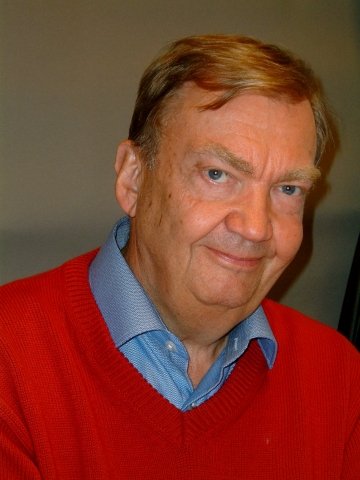 Ingemar Björkhem合作论文数Department of Laboratory Medicine, Karolinska Institutet;Division of Clinical Chemistry, Department of Laboratory Medicine, Karolinska University Hospital Huddinge8
 I Björkhem合作论文数4Breuer Oded合作论文数Departments of Pediatrics, Hadassah-Hebrew University Medical Center4S. Dzeletovic合作论文数4K M Boberg合作论文数2A Babiker合作论文数2Eva Reihnér合作论文数2J Olund合作论文数2
 Lars Berglund合作论文数Department of Medical Sciences, School of Health and Welfare, Dalarna University2Ruijuan Xiu (修瑞娟)合作论文数2
 Olof Andersson合作论文数2Kjell Wikvall合作论文数2A al-Shurbaji合作论文数1lena starck合作论文数1PG ELMBERGER合作论文数1Seh Alexson合作论文数1BF KASE合作论文数1Holmberg-Betsholtz I合作论文数1Cui J F合作论文数1Eriksson M合作论文数1
 Bo Angelin合作论文数Department of Medicine, Huddinge, Karolinska Institutet;Karolinska University Hospital1C Duan合作论文数1
 Gustav Dallner合作论文数Karolinska Institute1
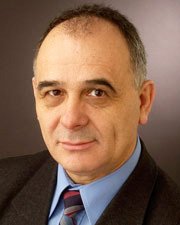 Nikolaos Venizelos合作论文数Department of Clinical Chemistry, Stockholm, Sweden1Peter Eneroth合作论文数1
 Dieter Lutjohann合作论文数Lütjohann Group, Institut für Klinische Chemie und Klinische Pharmakologie, Universitätsklinikum Bonn1Anders Kalén合作论文数Department of Cellular and Neuropathology at Huddinge Hospital F-42, Karolinska Institutet1Elisabet Humble合作论文数1Ayeleth Reshef合作论文数1Eran Leitersdorf合作论文数1Mats Garle合作论文数1Ole Vesterqvist合作论文数1C Furster合作论文数1B Sevastik合作论文数1




