BACKGROUND:Exsanguination cardiac arrest (ECA) remains a formidable challenge in trauma surgery with a persistently dismal prognosis. Extracorporeal cardiopulmonary resuscitation (ECPR) has shown promise in medical cardiac arrest and may translate to trauma. We hypothesized that aortic cardiopulmonary resuscitation in trauma (ACT)-a controlled ECPR approach aimed at mitigating reperfusion injury-would improve sustained return of spontaneous circulation (ROSC) compared with resuscitative thoracotomy (RT) in a porcine ECA model. METHODS:Twelve swine were bled to mean arterial pressure <20 mm Hg and end-tidal CO 2 <10 mm Hg for 1 minute, defining ECA. After 10 minutes of ECA, animals received one of two pre-assigned interventions: (1) control with RT, aortic cross-clamp, open cardiac massage, intravenous whole blood transfusion, and 100% FiO 2 (n=6) or (2) ACT, involving venoarterial extracorporeal membrane oxygenation (VA-ECMO) with graded FiO 2 advancement and passive hypothermia (n=6). Both groups received a 30-minute resuscitation phase followed by a 90-minute critical care phase. The primary endpoint was ROSC-defined as mean arterial pressure >50 mm Hg with a sinus rhythm-at the end of the critical care period. Secondary outcomes included coronary and carotid flow to assess critical organ perfusion during resuscitation. RESULTS:The primary endpoint was achieved in 100% of ACT animals versus 0% of controls ( p <0.001). All subjects showed pulseless electrical activity during ECA; 6/6 controls developed ventricular fibrillation during resuscitation compared with 2/6 in ACT ( p =0.060). During the critical care phase, ACT led to increased mean left-anterior-descending coronary artery flow (41.6±0.2 mL/min vs. 31.7±0.6 mL/min in RT) and right carotid artery flow (214.8±0.5 mL/min vs. 90.7±1.0 mL/min, both p <0.0001). CONCLUSIONS:Following ECA, ACT produced a markedly higher rate of sustained ROSC compared with conventional RT and significantly augmented coronary and carotid perfusion-highlighting its potential as a trauma-focused ECPR modality. LEVEL OF EVIDENCE:Preclinical-large animal model.
Objectives:Histone deacetylase 7 (HDAC7), a classical HDAC family member, promotes LPS-inducible glycolysis and inflammatory mediator production in macrophages, innate immune cells that contribute to pathology in metabolic diseases. Here, we investigated myeloid HDAC7 functions in obesity-driven metabolic disease. Methods:We used gain- and loss-of-function genetic approaches in mice to investigate myeloid HDAC7 functions in hepatic inflammation and metabolic disease, as well as associations with hepatic gene signatures characteristic of advanced chronic liver disease (CLD). Results:Transgenic expression of Hdac7 in myeloid cells increased liver inflammation and liver mRNA levels of Ccl2 and Il1b, key inflammatory mediators linked to CLD. Liver glycogen levels were also decreased, another feature of CLD. Transgenic expression of Hdac7 in myeloid cells mimicked the hepatic inflammatory phenotype that was observed in mice fed a high fat, high cholesterol and high sucrose (HFHCHS) diet, an obesity model that mimics some features of metabolic dysfunction-associated steatotic liver disease. In myeloid Hdac7 transgenic mice fed a HFHCHS diet, relative weight gain was increased, fasted glucose levels were elevated, and glucose tolerance was dysregulated by comparison to control mice. Conversely, fasted blood glucose levels were reduced and glucose tolerance was improved in myeloid Hdac7-deleted mice on a HFHCHS diet. HDAC7 mRNA levels were also elevated in the livers of people with advanced CLD and spatial transcriptomics revealed that myeloid HDAC7 directs hepatic gene signatures characteristic of advanced CLD. Conclusion:Myeloid HDAC7 contributes to hepatic inflammation and systemic glucose dysregulation in a mouse model of obesity and liver inflammation.
INTRODUCTION: Metabolic dysfunction-associated steatotic liver disease (MASLD) affects ~38% of adults. Early identification is essential but often missed due to low awareness, asymptomatic early stages, and limited community screening. Expanding the allied health workforce to screen and identify at‑risk individuals may reduce disease burden. We evaluated agreement in Liver Stiffness Measurement (LSM) assessed using transient elastography (e.g., FibroScan™) between an Accredited Exercise Physiologist (AEP) and a Clinical Nurse experienced in the measure. METHODS: Participants were recruited from an outpatient Hepatology service. Descriptive data included demographics and the fibrosis biomarker FIB-4. After training (50 supervised scans), the AEP independently performed 50 examinations using FibroScan™ (Ecosens), followed immediately by the Nurse, with data blinded between assessors. Scan quality (within-scan variability; <30% is acceptable quality) was recorded for each patient. Inter-assessor agreement for LSM was assessed using Intraclass Correlation Coefficients (ICC) and Bland-Altman plots with systematic (one-sample t-test) and proportional (linear regression) bias examined. Sankey plots evaluated differences in patient management based on clinical guidelines using FIB‑4 and FibroScan data. Analyses were conducted in R v4.1.2. RESULTS: Across 50 patients (55±14yrs, BMI 30.5±7.4kg/m², 70% male) agreement between the Nurse and AEP was excellent [ICC=0.97 (95%CI 0.95, 0.99)]. Scan quality was similar between assessors (9.8±3.2% vs. 9.0±4.7%, respectively). Mean difference (95%CI) in LSM was 0.01 (-0.81, 0.83) kPa (Upper-Lower Limits of Agreement=5.65kPa to -5.63kPa) with no systematic bias (p=0.98). Proportional bias was present (r²=0.29, p<0.001) indicating poorer agreement with higher liver stiffness. Sankey plots showed 100% concordance for low-risk categorisation. Only one participant differed between AEP and Nurse (high vs. intermediate risk), which would not have significantly altered the referral care pathway. CONCLUSION: There was excellent agreement between AEP‑ and Nurse‑performed LSM. Upskilling AEPs in FibroScan™ and MASLD management could substantially expand community screening capacity and support GPs and Nurses in comprehensive community-based care.
BackgroundVeno-venous extracorporeal membrane oxygenation (VV ECMO) is an advanced therapy for patients with respiratory failure refractory to conventional management. Volume overload and elevated lactate levels have been associated with poor outcomes in medical patients with respiratory failure managed with VV ECMO, but this has not been studied in trauma patients.MethodsThis was a single-center retrospective study of trauma patients treated with VV ECMO between 2014 and 2024. Associations between in-hospital survival and (1) lactate trends before and after cannulation, and (2) fluid balance before and after cannulation were analyzed. We determined lactate clearance using linear regression of serial values, and assessed fluid balance in 12-h intervals normalized to the time of cannulation.ResultsSeventy-eight patients were included, with an overall survival rate of 69%. Survivors exhibited lower pre-cannulation lactate levels (4.7 mmol/L vs. 12.4 mmol/L, p < 0.001) and lower cumulative pre-ECMO fluid balance (2.1 L vs. 5.6 L, p = 0.03). Pre-cannulation lactate clearance was significantly greater among survivors (-0.37 ± 0.16 mmol/L per hour vs. +0.09 ± 0.12 mmol/L per hour, p = 0.02). Post-cannulation trends in lactate and volume status were not associated with mortality. Mortality risk increased sharply beyond a cumulative +3.5 L fluid balance at cannulation. Combined modeling showed lowest survival when lactate exceeded 10 mmol/L and fluid balance surpassed +3 L.ConclusionsIn trauma patients undergoing VV ECMO, both impaired lactate clearance and positive fluid balance prior to cannulation were associated with increased mortality, while post-cannulation changes were not. A pre-ECMO fluid balance exceeding +3.5 L was an inflection point associated with increased mortality risk. These findings suggest that lactate clearance and volume overload may have prognostic value before ECMO initiation in trauma populations.
INTRODUCTION:The combined use of Veno-venous extracorporeal membrane oxygenation (VV-ECMO) and damage-control laparotomy/open abdomen (DCL/OA) is not well described in the literature. We hypothesized that the mortality with concurrent VV-ECMO and DCL/OA would not be statistically different from that reported for either intervention alone. METHODS:Patients managed with a DCL/OA and VV-ECMO from March 2014 through March 2022 were retrospectively reviewed from a prospectively collected database at a single quaternary care center. The primary outcome was in-hospital mortality. Survivor and nonsurvivor cohorts were compared using univariate and bivariate analyses with a priori significance at p ≤ 0.05. A multivariable regression analyses was performed to identify independent predictors of mortality. RESULTS:Fifty-two patients were managed with VV-ECMO and concurrent DCL/OA. The majority of patients were male (58%), with a mean (SD) age of 41 (14) years. The primary indication for VV-ECMO was acute respiratory distress syndrome/pneumonia (83%). The primary indications for DCL/OA were abdominal compartment syndrome (37%) and trauma (19%). Sixty percent of the patients underwent VV-ECMO cannulation after DCL/OA. Survival at hospital discharge was 58%. Survivors had a lower mean Sequential Organ Failure Assessment score (12 vs. 14, p = 0.02), higher mean Respiratory ECMO Survival Prediction score (3.5 vs. 1.1, p = 0.004), lower mean preoperative lactic acid level (4 vs. 7, p = 0.04) and were more likely to receive anticoagulation while on VV-ECMO (70% vs. 30%, p = 0.012) than nonsurvivors. Postdischarge, survival rates at 3, 6, 9, and 12 months were 90%, 72%, 69%, and 62%, respectively. After adjusting for confounders, the use of anticoagulation (odds ratio, 0.08; 95% confidence interval, 0.01-0.42) and a higher Respiratory ECMO Survival Prediction score (odds ratio, 0.71; 95% confidence interval, 0.53-0.95) were associated with decreased mortality. CONCLUSION:Relatively favorable outcomes are often achieved in acute care surgery patients treated with concomitant VV-ECMO and DCL/OA. Veno-venous extracorporeal membrane oxygenation should not be considered a contraindication to DCL/OA and vice versa. ( J Trauma Acute Care Surg . 2026;101: 136-144. Copyright © 2026 Wolters Kluwer Health, Inc. All rights reserved.). LEVEL OF EVIDENCE:Retrospective Cohort Study; Level III.
Microstructure modelling quantifies subvoxel tissue features by combining an MRI acquisition with a mathematical model, which is typically fitted voxel-by-voxel with least-squares (LSQ) minimisation to give voxelwise maps of microstructural quantities such as diffusivity and compartmental fractions. Such approaches are susceptible to voxelwise noise, which can lead to erroneous values in parameter maps. Hierarchical Bayesian modelling (HBM) can address this limitation, but has only been demonstrated for simple models. We previously derived an HBM approach for an arbitrary microstructure model with flexible parameter constraints, utilising a Markov chain Monte Carlo algorithm for parameter estimation; here the method is demonstrated and evaluated using simulated and human data for two previously unexplored diffusion MRI techniques, namely diffusion kurtosis imaging and blood-brain barrier filter exchange imaging. When compared with LSQ minimisation, HBM increased the accuracy, precision, contrast-to-noise ratio, and parameter map quality in both simulated and human data. HBM was also able to resolve local parameter variations associated with white matter lesions in a small sample of cerebral small vessel disease subjects, which were obscured by high noise levels in the LSQ-derived parameter maps. Finally, a noise sensitivity assessment in simulations showed that HBM improved the contrast-to-noise ratio and parameter map quality even at low signal-to-noise ratios. This generalised HBM framework can improve parameter estimation for more complex diffusion MRI microstructural models that extend beyond linear combinations of exponentials.
Facial trauma is a growing public health concern with substantial physical, psychological, and financial consequences. Injuries arise from multiple causes, including motor vehicle accidents, falls, assaults, and sports, and their impact differs across age, gender, and social groups. Older adults are increasingly affected by fall-related trauma, while women are more likely to experience violence-related injuries. Children and individuals with disabilities also face unique risks that require targeted approaches. Preventive strategies such as helmet use, seatbelts, fall-prevention programs, and early recognition of domestic violence are essential. Interdisciplinary collaboration and community-based initiatives remain central to reducing the burden of facial trauma.
Background and purpose: Gliomas are characterised by a complex tumour microenvironment (TME) that contributes to treatment resistance and tumour heterogeneity. Therefore, the non-invasive interrogation of both the intracellular and extracellular compartments of gliomas remains a key unmet need. We investigated the feasibility and complementarity of combining diffusion-weighted MRI (DW-MRI) with biophysical modelling Vascular, Extracellular, and Restricted Diffusion for Cytometry in Tumours (VERDICT) and diffusion-weighted MR spectroscopy (DW MRS) for simultaneous characterisation of glioma tumour cells and the glioma TME. Methods: 14 patients with newly diagnosed glioma (WHO grades 2 to 4: 4 IDH wildtype and 10 IDH mutant) underwent DW-MRI at 3 T; DW-MRS was additionally acquired in 10 patients. Tumours were automatically segmented into enhancing, non-enhancing, and oedema regions using a validated pipeline. VERDICT models were fitted to multi-shell DW-MRI data to estimate intracellular volume fraction (fIC), cell radius, extracellular diffusivities, and free-water fraction (fFW). Single voxel DW-MRS provided metabolite-specific apparent diffusion coefficients (ADCs) for total N-acetylaspartate (tNAA), Creatine (tCr), and choline (tCho). T-tests assessed DW-MRI and descriptive statistics assessed DW-MRS parameters in tumour regions compared to normal appearing white matter (NAWM) and IDH mutation status. Pearsons correlations assessed associations between DW-MRS metabolite ADCs and DW-MRI parameters. Results: VERDICT-MRI distinguished high grade IDH-wildtype from lower grade IDH-mutant gliomas, with significantly higher fIC and lower extracellular diffusivities; in enhancing and non-enhancing regions of IDH-wildtype lesions. DW-MRS demonstrated a trend towards reduction in tNAA ADC in tumour versus contralateral NAWM, consistent with neuronal loss, and a trend towards increased tCho ADC, suggesting glial activation. A descriptive trend towards decreased tNAA ADC in IDH-wildtype tumours was observed. Significant positive correlations were identified between tumoral tCho ADC and VERDICT parameters fEES, extracellular diffusivity; and negative correlations for ADC and fFW, in non-enhancing tumour regions. Conclusion: This proof-of-concept study demonstrates the feasibility of combining multi b- value DW-MRI and DW-MRS within a clinically feasible protocol to simultaneously probe the extracellular and intracellular compartments of the glioma TME. VERDICT captured cell-level and extracellular matrix differences in IDH mutation status, while DW-MRS provided metabolite-specific indices of neuronal and glial compartment integrity. The correlation between tCho ADC and VERDICT metrics in infiltrative tumour regions supports the complementarity of these modalities. With this combined approach, it is possible to simultaneously characterise the tumour compartment and the tumour microenvironment in gliomas.
Critical care principles and techniques continue to hold promise for improving patient outcomes in time-dependent diseases encountered by emergency medical services such as cardiac arrest, acute ischemic stroke, and hemorrhagic shock. In this review, the authors discuss several current and evolving advanced critical care modalities, including extracorporeal cardiopulmonary resuscitation, resuscitative endovascular occlusion of the aorta, prehospital thrombolytics for acute ischemic stroke, and low-titer group O whole blood for trauma patients. Two important critical care monitoring technologies-capnography and ultrasound-are also briefly discussed.
Extracorporeal cardiopulmonary resuscitation (ECPR) is considered infeasible in patients with traumatic cardiac arrest (TCA). We conducted a systematic literature review applying a multi-layered search strategy to summarise and meta-analyse published evidence on the use of ECPR in TCA patients. We focused on TCA occurring during the pre-hospital and early in-hospital phase approximately corresponding to the first six hours following injury. Nine studies (retrospective study, n = 4; case series, n = 2; case report, n = 3) including 84 TCA patients undergoing ECPR were identified. All ECPR procedures were performed in-hospital. The median age was 39 (29–51) years. Two patients (2
Pneumonia is a common infection in people suffering with Alzheimer’s disease, leading to delirium, critical illness or severe neurological decline, which may be due to an amplified response of the blood-brain barrier (BBB) to peripheral insult. We assess the response of the BBB to repeated Streptococcus pneumoniae lung infection in rat model of Alzheimer’s disease (TgF344-AD), at 13- and 18-months old, using dynamic contrast-enhanced (DCE) MRI and filter exchange imaging. Higher BBB water exchange rate is initially detected in infected TgF344-AD rats. BBB water exchange rates correlated with hippocampus aquaporin-4 water channel expression in infected animals. We detected no differences in BBB permeability to gadolinium contrast agent measured by DCE-MRI, confirmed by staining for tight junction proteins, occludin and claudin-5. These findings provide insight into the mechanisms of how peripheral inflammation impacts the BBB.
To date, few methods have been proposed for synthesising realistic microvascular networks, particularly with compatibility for diffusion MRI (dMRI) simulations. This work presents a generative algorithm for building computational brain microvascular network phantoms, together with a Monte Carlo framework for simulating spin flow dynamics and corresponding dMRI signals. Phantom morphology can be user-tuned according to the: number of generations (branches); total number of segments; segment diameter and length; angle between connecting segments, and; maximum extent in space. The geometric fidelity of resulting VASAL phantoms was validated against an exemplar rat hippocampal network. Comparable distributions of segment lengths, diameters and orientations, and branching characteristics were obtained, demonstrating VASAL replicated realistic microvascular structures. Implementation of spin flow dynamics was validated by simulating dMRI signals in the ballistic regime, which has a well-defined analytical solution; agreement was excellent between simulated signals and analytical solutions (average root mean square error of 0.005). Following this validation of network geometry and spin flow dynamics, VASAL phantoms with different morphologies were generated to evaluate key IVIM model assumptions. Phantom geometry substantially affected dMRI signals and caused deviations from the IVIM model: for example, complex branching phantoms displayed non-Gaussian signal attenuation and diffusion time dependence. While the IVIM model was exemplified here, the presented VASAL algorithm holds potential for advancing other dMRI acquisitions and models: by enabling simulation of complex blood flow within physiologically accurate vascular networks, a route to disentangling how vascular structure and function influence dMRI signals is initiated. ### Competing Interest Statement The authors have declared no competing interest. EPSRC, EP/S031510/1, EP/M020533/1 UKRI, MR/T020296/2, 1073, BB/X005089/1 MRC, MR/W031566/1
IntroductionThe hypothesis of this study is that recent advances in mechanical cardiopulmonary support and operative management have improved survival in patients requiring a trauma pneumonectomy.MethodsRetrospective, single center study from January 2003 to December 2023 of all patients who underwent a pneumonectomy for trauma. Data collected included demographics, admission physiology, use of venovenous extracorporeal membrane oxygenation (VV-ECMO), and mortality, defined as early (within 24 hours of surgery) and late (>24 hours after surgery). Outcomes were compared between decades, the first decade (2003-2010) and second decade (2011-2023).ResultsTwenty patients met inclusion criteria, 9 in the first decade and 11 in the second decade. There were no differences in Injury Severity Score (ISS) (26.4 vs 34.3, P = 0.23). However, those in the second decade had significantly lower mean admission pH (6.89 vs 7.14, P = 0.01) and higher admission base deficit (19.3 vs 9.8, P = 0.003). The use of thoracic damage control surgery increased from 33% in the first decade to 100% in the second decade (P = 0.002). VV-ECMO with lung rest ventilation increased from 22% to 64% (P = 0.06). Overall and early mortality did not change (55.6% vs 45.5%, p-0.65 and 11% vs 36.3%, P = 0.09, respectively). However, late mortality was dramatically lower in the second decade compared to the first (9% vs 50%, P = 0.06).ConclusionEarly mortality remains high; however, the combination of thoracic damage control and early initiation of VV-ECMO may contribute to the dramatic decrease in late mortality in the second decade.
Traumatic injury is associated with several pulmonary complications, including pulmonary contusion, transfusion-related acute lung injury (TRALI), and the development of acute respiratory distress syndrome (ARDS). There is a lack of literature on these patients supported with veno-venous extracorporeal oxygenation (VV ECMO). Understanding the safety of using VV ECMO to support trauma patients and the ability to hold anticoagulation is important to broaden utilization. This is a single-center retrospective cohort study of adult trauma patients cannulated for VV ECMO during their initial admission over an 8 year period (2014-2021). We hypothesize that anticoagulation can be held in trauma patients on VV ECMO without increasing mortality or prothrombotic complications. We also describe the coagulopathy of traumatically injured patients on VV ECMO. Withholding anticoagulation was not associated with mortality in our study population, and there were no significant differences in bleeding or clotting complications between patients who did and did not receive systemic anticoagulation. Patients in the nonsurvivor group had increased coagulopathy both pre- and post-cannulation. Our study suggests anticoagulation can be safely withheld in traumatically injured VV ECMO patients without increasing mortality, complication rates, or transfusion requirements. Future, multicenter prospective studies with larger sample sizes are required to confirm our results.
Introduction: Evidence suggests that ECPR can improve survival rates for nontraumatic out-of-hospital cardiac arrest (OHCA). However, over 50% of potential ECPR candidates are unable to qualify in the current hospital-based system due to geographic limitations. This study employs a Geographic Information System (GIS) model to estimate the number of ECPR eligible patients within the U.S. in the current hospital-based system, a prehospital ECPR ground-based system, and a prehospital ECPR HEMS-based system (Figure 1). Methods: We constructed a GIS model to estimate ground and helicopter transport times. Time-dependent rates of ECPR eligibility were derived from the Resuscitation Outcome Consortium (ROC) database, while the Cardiac Arrest Registry to Enhance Survival (CARES) registry determined the number of OHCA patients meeting ECPR criteria within designated transportation times. EMS response time, ECPR candidacy determination time, and on-scene time were modeled based on data from the EROCA trial (Figure 1). The combined model was used to estimate the total ECPR candidates in each system. Results: The CARES registry recorded 736,066 OHCA patients from 2013 to 2021. After applying clinical eligibility criteria, 24,661 (3.4%) patients were eligible for ECPR. When considering overall ECPR eligibility within 45 minutes from OHCA to initiation, only 11.76% of clinically eligible patients qualified in the current hospital-based system. The prehospital ECPR HEMS-based system exhibited a four-fold increase in ECPR eligibility (49.3%), while the prehospital ground-based system showed a more than two-fold increase (28.4%). Conclusions: The study demonstrates a two-fold increase in ECPR eligibility for a field-deployable ground-based system and a four-fold increase for a prehospital ECPR HEMS-based system compared to the current hospital-based OHCA system. This novel GIS model can inform future ECPR implementation strategies, optimizing systems of care.
Non-disruption alterations to the blood-brain barrier (BBB) can be difficult to detect and therefore require highly sensitive tools for reliable measurement. Here, we apply a BBB filter exchange imaging (BBB-FEXI) technique to assess the rat brain in response to mild Streptococcus pneumoniae lung infection. We observe a significant 78 ± 39 % increase in BBB water permeability during infection. Higher water exchange measures were associated with higher levels of vascular inflammation, while BBB tight junction proteins remained unchanged. The expression of aquaporin-4 water channel was 38% higher in infected animals, which may drive the increase in water exchange during infection.
Objective: We conducted a study to determine community preferences for health screening services for chronic diseases in Australia using a discrete choice experiment (DCE). This paper aims to present the development of the final DCE design using priors estimated from a pilot survey. Design: A discrete choice experiment Setting: AustraliaParticipants: An online survey was administered to a general Australian population over 18.Primary and secondary outcome measures: The final attribute list of five attributes with three levels each was designed. A D-efficient design with 30 pair-wise choice tasks was developed using a fractional factorial design. A pre-test was conducted to assess comprehension and understanding of the online DCE survey. The pilot survey aimed to compute priors (i.e. coefficients) associated with attributes. A multinomial logit model was used to analyse the pilot DCE data, and the coefficients were used to improve the D-efficient design for the main survey. Results: The pilot survey included 30 choice tasks in three blocks, with 119 participants responding. The best DCE design was selected based on D-error, with a lower D-error indicating the most efficient design. The pilot survey results indicated a strong preference for highly accurate screening tests, with coefficients for 85% and 95% accuracy being positive. Coefficients estimated from the pilot survey were used as priors to design the DCE choice tasks for the main survey. The final DCE design showed a notable improvement in the attribute level overlap compared to the design used for the pilot survey. Conclusions:A rigorous approach was taken to develop a DCE survey that could effectively determine the preferences of the community for health screening services. The resulting DCE design consisted of 30 choice tasks presented in pairs and was deemed efficient enough to gather comprehensive information in the final survey that could inform policymaking.
 Andrew Clouston合作论文数School of Biomedical Sciences, Faculty of Medicine, University of Queensland57Julie R. Jonsson合作论文数School of Medicine, University of Queensland51
 Patricia Valery合作论文数QIMR Berghofer Medical Research Institute;School of Medicine, Southside Clinical School, University of Queensland43Katharine M. Irvine合作论文数Institute for Molecular Bioscience, University of Queensland28Horsfall Leigh U合作论文数27Richard Skoien合作论文数17
 David Purdie合作论文数Pfizer16Gunter Hartel合作论文数CSL Limited16
 Geoff Parker合作论文数Department of Med Phys & Biomedical Eng, University College London;Bioxydyn Limited15
 Jacob George合作论文数Faculty of Medicine and Health, The University of Sydney14Katherine A. Stuart合作论文数Epidemiology and Population Health Unit, Queensland Institute of Medical Research14Kelly L Hayward合作论文数13
 James O'Beirne合作论文数Dept Gastroenterol & Hepatol, Sunshine Coast Univ Hosp13Martin Weltman合作论文数School of Medicine, Faculty of Medicine and Health, The University of Sydney12Stephen V. Lynch合作论文数12Stephen M. Riordan合作论文数12Ulrich Spengler合作论文数Department of General Internal Medicine University Hospital Bonn12Abate Maria Lorena合作论文数Department of Medical Sciences, University of Turin12
 Quincy K Tran合作论文数University of Maryland12
 Thomas Berg合作论文数Division of Hepatology, Department of Medicine II, University of Leipzig Medical Center12
 Will Irving合作论文数Division of Microbiology and Infectious Diseases, School of Life Sciences, University of Nottingham11Daniel Haase合作论文数11Laura Parkes合作论文数Division of Neuroscience and Experimental Psychology, School of Biological Sciences, Faculty of Biology, Medicine and Health, The University of Manchester11
 Ingrid J. Hickman合作论文数School of Medicine, University of Queensland11
 Preya Patel合作论文数10
 Yolanda Ohene合作论文数Manchester University10
 David Booth合作论文数Faculty of Medicine and Health, The University of Sydney;Westmead Clinical School, The University of Sydney;The Westmead Institute for Medical Research10
 Bissonette Gregory B合作论文数College Pk, Univ Maryland10Peter Tilney合作论文数10
 Ben Dickie合作论文数Geoffrey Jefferson Brain Res Ctr, Manchester Acad Hlth Sci Ctr9
 Gregory John Dore合作论文数The Kirby Institute, Faculty of Medicine & Health, University of New South Wales;St Vincent’s Hospital Sydney9
 David A Sheridan合作论文数Institute of Cellular Medicine, Newcastle University9
 Jacob Nattermann合作论文数Medizinische Klinik und Poliklinik I, Universitätsklinikum Bonn9
 Jennie B. Leach合作论文数Department of Chemical Engineering, The University of Texas at Austin9
 Paul J Clark合作论文数Duke Clinical Research Institute, Duke University Medical Center9A. Russell合作论文数8Ga Balderson合作论文数8
 T. Rahman合作论文数Prince Charles Hosp, Gastroenterol & Hepatol, Brisbane, Qld, Australia8
 Mark Douglas合作论文数School of Medicine, Faculty of Medicine and Health, The University of Sydney8
 Steven McPhail合作论文数Faculty of Health, School of Public Health & Social Work, Queensland University of Technology;Australian Centre for Health Services Innovation;Centre for Healthcare Transformation, Queensland University of Technology8
 Christina M Bernardes合作论文数Menzies School of Health Research, Charles Darwin University8
 Alessandra Mangia合作论文数Department of Medical Sciences, IRCCS Ospedale Casa Sollievo della Sofferenza8
 Lindsay Mollison合作论文数8Wendy Cheng合作论文数7
 Jennifer H Martin合作论文数7S. Williams合作论文数7
 Christopher Liddle合作论文数School of Medicine, Faculty of Medicine and Health, The University of Sydney7
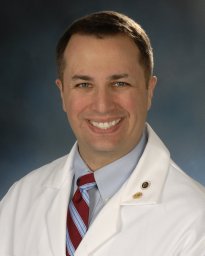 Samuel M Galvagno合作论文数Dept Anesthesiol, Univ Maryland7
 Janett Fischer合作论文数7




