Active social work leadership is necessary to achieve national goals of health equity. Indeed, the nation’s health depends on the development of this next wave of interprofessional and transdisciplinary collaboration (McGovern, Miller, & Hughes-Cromwick, 2014). This chapter describes a “geography of science” approach that draws upon diverse disciplines, community leaders, and theoretical and community-center perspectives. Social work, must train professionals in how improve availability and access to the social determinants of good health. This includes understand how racism constitutes an important social determinant of health. We must also educate allied professionals to develop the practice and research tools, community partnerships, and localized programs necessary to combat social and economic inequities. Ten priorities for changing health systems to achieve equitable health care are advanced. Finally, to secure true, sustainable, population-based health changes, social work must assist the health professions to unite and develop transdisciplinary approaches to addressing the multilayered contributions of political, economic, and social determinants of population health inequities.
This invited article introduces the concept of grand challenges—ambitious yet achievable goals for society that mobilize the profession, capture the public's imagination, and require innovation and breakthroughs in science and practice to achieve (Kalil, 2012). We call for broad and deep participation of social work scientists and practitioners in the Grand Challenges for Social Work initiative, which will be coordinated by the American Academy of Social Work and Social Welfare.
Summary Illness narratives from two Cambodian Killing Fields survivors are used to explore conflicts between professional and lay perspectives on somatic complaints. Professionals see somatic complaints as psychopathology, while Cambodian survivors see it as authentic embodied pain. Survivor perspectives implicate professionals and care systems as causes of suffering. More inquiry is needed to understand survivor perspectives and the role of care systems in exacerbating/alleviating survivor suffering.
In February, 1942, two months after the Japanese military attack on Pearl Harbor, President Franklin Roosevelt issued Executive Order (EO) 9066, authorizing the forced removal and incarceration of ...
Founded in 1994, the Society for Social Work and Research (SSWR) is social work’s scientific society, widely recognized as the world’s foremost venue for scientific exchange, advancement, and connection of social work researchers at all career levels. In 2008, in an effort to preserve the organization’s history, SSWR’s first 7 presidents collaborated on an account of the society’s first 14 years (1994–2008). This article brings the assessment of SSWR’s history to the present day by sharing the perspectives of SSWR’s next 5 presidents (2008–2018). During their terms, SSWR experienced dramatic expansion of membership and annual conference offerings, introducing new avenues for broad participation among its membership and conference contributors. Increasingly, SSWR has assumed a smart, collaborative role in promoting social work science in the profession’s maturing ecology of social work knowledge development.
This chapter describes the evolution of social work science in relationship to the development of the Grand Challenges for Social Work Initiative. The two initiatives, which took root in the field in close to the same period, created a mutually supportive, synergistic environment that benefitted both. Social work science, grounded in critical realism, embraces methodological approaches supportive of the fundamental principles of the social work profession and contributes to both the scientific identity needed for the stewards of the profession of social work and the scientific pipeline for the Grand Challenges for Social Work. An initiative of the American Academy of Social Work and Social Welfare, the Grand Challenges for Social Work delineate bold innovations and collective action powered by proven and evolving scientific interventions to address critical social issues facing society today. This chapter discusses how this work helps to both develop and derive support from social work science.
This article offers the perspectives of deans and directors of schools and programs of social work on public impact scholarship. Our aim is to identify opportunities for social work to make greater public impact as a discipline. We extend the definition of public impact scholarship beyond translation and dissemination to include research questions and methods. We review institutional challenges to public impact scholarship-including university culture, levers for impact (or lack thereof), and academic values-and discuss promising approaches to the promotion of public impact scholarship through mentorship, direct support, promotion and tenure, and capacity building.
More than 60 million Americans experience devastating one-two punches to their health -- they have inadequate access to basic health care while also enduring the effects of discrimination, poverty, and dangerous environments that accelerate higher rates of illness. Innovative and evidence-based social strategies can improve health care and lead to broad gains in the health of our entire society.
This article introduces readers to four invited articles comprising a special section on implementing the Grand Challenges for Social Work Initiative. We highlight key contributions made by the authors of each article, which collectively explore implications of the grand challenges initiative for social work education, science, campus leadership, and campus–community collaboration. We describe how substantive points raised in the special section connect to the rapidly growing interdisciplinary literature on the implementation of grand challenges.
Social workers practice in an environment where the inequities that face our clients continue to grow and increase. Disparities by race, income, and other social dimensions continue to expand and challenge our society and the core values of our profession. It is imperative that social work research supports good policy and practice approaches to eliminate health, income, and education disparities so that all members of society have the same social, educational, economic, and health opportunities regardless of nationality, race, socioeconomic status, and other categorical labels that diminish opportunities. The framework that follows was developed in August of 2015 by the leadership of the Society for Social Work and Research (SSWR), the St. Louis Group for Excellence in Social Work Research and Education (SLG), and the Group for the Advancement of Doctoral Education in Social Work (GADE) at a historic meeting in Seattle, Washington. At this inaugural meeting these three organizations explored common aspirations and developed a set of principles detailed in this editorial for how social work research organizations can collaborate toward the core social work values and goals of social equity and opportunity.
This article provides an example of how one social work school created a community partnership to translate grand challenges from concept to concrete local projects to meet Grand Challenges for Social Work goals. The Grand Challenge to Ensure Healthy Development for All Youth proposes that we have made sufficient scientific advances towithin a decadereduce the incidence and prevalence of behavioral health problems among children, adolescents, and young adults by 20%, and to reduce the incidence of racial and socioeconomic disparities in behavioral health problems by 20%. In 2014, faculty and students from the University of Washington School of Social Work began working with a broad coalition of community-based agencies, governmental partners, and funding agencies to tackle this grand challenge at the community level. The coalition adopted Communities That Care, a tested model for developing prevention infrastructure in communities by building the capacity of community coalitions to assess and prioritize local need, match need to evidence-based prevention programs, and support quality implementation with sufficient reach to change behavioral health problems at the community level. The collaboration chose the name Communities in Action for this effort. This article illustrates how Communities in Action exemplifies grand challenges implementation and highlights lessons learned that can be applied to other grand challenges efforts.
Dramatic health inequalities in the United States exist by race, ethnicity, gender, age, disability status, geography, sexual and gender identity, and socioeconomic status. Despite increased attention, our health system has made insufficient progress in reducing these disparities and creating greater health equity. Too little attention has focused on the social determinants of health—economic, social, and environmental factors—whereby health disparities take root, inequalities grow, and inequities reproduce. The American Academy of Social Work and Social Welfare believes that social work is well positioned to lead several multisectoral and transdisciplinary priorities for action to dramatically reduce inequities within one generation. Priorities for action include focusing on settings to improve conditions of daily life, advancing community empowerment for sustainable health, cultivating innovation in primary care, promoting full access to health care, generating innovations in research on social determinants of health inequities, fostering interprofessional workforce development, and stimulating multisectoral advocacy to promote health equity policies.
Health social workers have been challenged historically by their inability to amass larger sample sizes of research participants, which severely limits the ability to rigorously test the interventions that they develop. This likely occurs because health social workers aim their practices at the needs of subpopulations, such as racial and ethnic minority groups, refugees and immigrants, and the homeless, rather than the population as a whole. Subpopulations, especially when considered in geographic context, are by definition limited in number. Although focusing on the needs of subpopulations fits well with the mission of social work, it puts social workers at a disadvantage compared with other professionals when it comes to testing their interventions and publishing the results for a wide audience of readers. A key benefit of a health social work practice-based research network (PBRN) would be the opportunity to collect high-quality data on interventions and populations of interest. The “rules of the road” in PBRNs establish standards of data collection, help solve consent and other compliance issues, and create timely access to data for researchers and practitioners.
This paper describes the intersection of converging lines of research on the social structural, psychosocial, and physiological factors involved in the production of stress and implications for the field of mental health. Of particular interest are the stress sensitization consequences stemming from exposure to adversity over the life course. Contemporary stress sensitization theory provides important clinical utility in articulating mechanisms through which these multiple levels exert influence on mental health. Stress sensitization models (a) extend understanding of neurobiological and functional contexts within which extreme stressors operate and (b) make clear how these can influence psychologically traumatic outcomes. The value of interventions that are sensitive to current contexts as well as life course profiles of cumulative stress are illustrated through recent treatment innovations.
OBJECTIVE:The objective of the study was to develop and implement a stepped collaborative care intervention targeting posttraumatic stress disorder (PTSD) and related comorbidities to enhance the population impact of early trauma-focused interventions. METHOD:We describe the design and implementation of the Trauma Survivors Outcomes and Support study. An interdisciplinary treatment development team was composed of trauma surgical, clinical psychiatric and mental health services "change agents" who spanned the boundaries between frontline trauma center clinical care and acute care policy. Mixed method clinical epidemiologic and clinical ethnographic studies informed the development of PTSD screening and intervention procedures. RESULTS:Two hundred seven acutely injured trauma survivors with high early PTSD symptom levels were randomized into the study. The stepped collaborative care model integrated care management (i.e., posttraumatic concern elicitation and amelioration, motivational interviewing and behavioral activation) with cognitive behavioral therapy and pharmacotherapy targeting PTSD. The model was feasibly implemented by frontline acute care masters in social work and nurse practioner providers. CONCLUSIONS:Stepped care protocols targeting PTSD may enhance the population impact of early interventions developed for survivors of individual and mass trauma by extending the reach of collaborative care interventions to acute care medical settings and other nonspecialty posttraumatic contexts.
Recent commentary has advocated for epidemiological investigation as a foundational science for understanding disparities in the delivery of mental health care and for the development of early trauma–focused interventions. Few acute care investigations have examined the diversity of ethnic/racial heritages or compared variations in early posttraumatic distress in representative samples of injured trauma survivors. Hospitalized injury survivors at two United States level I trauma centers were randomly approached in order to document linguistic and ethnic/racial diversity. Approximately 12% of patients approached were non–English speaking with 16 languages represented. English speaking, inpatients were screened for posttraumatic stress disorder, peritraumatic dissociative, and depressive symptoms. For 269 English speaking study participants, ethnic/racial group status was clearly categorized into one group for 72%, two groups for 25%, and three groups for 3% of participants. Regression analyses that adjusted for relevant clinical and demographic characteristics revealed that relative to whites, patients from American Indian, African American, Hispanic, and Asian heritages demonstrated significant elevations in one or more posttraumatic symptom clusters. A remarkable diversity of heritages was identified, and posttraumatic distress was elevated in ethnic/racial minority patients. Policy–relevant clinical investigations that combine evidence–based treatments, bilingual/bicultural care–management strategies, and support for trauma center organizational capacity building may be required in order to enhance the quality of mental health care for diverse injured trauma survivors.
Few investigations have focused on patients' concerns in the immediate aftermath of physical trauma. A population-based sample of 120 hospitalized injury survivors was recruited and followed over the course of the year after injury. Open-ended, semi-structured items were developed to elicit up to three concerns related to the injury from each hospitalized inpatient. Concern narratives were coded into content domains, and concern severity was assessed. Patients most frequently expressed physical health concerns (68%), followed by work and finance (59%), social (44%), psychological (25%), medical (8%), and legal (5%) concerns. The expression of three severe concerns immediately after the trauma was associated with higher PTSD symptoms levels over the course of the year. Greater initial concern severity independently predicted persistent PTSD symptoms 12 months after the injury (Adjusted Relative Risk = 1.71, 95% Confidence Interval = 1.05, 2.78). Early posttraumatic concerns can be readily elicited and reliably interpreted. Psychological concerns constitute a minority of total concerns after physical trauma, and the presence of greater numbers of severe concerns predicts worsening symptomatic course. Incorporation of posttraumatic concern assessments has the potential to simultaneously strengthen the posttraumatic patient-provider relationship and to link patient-centered evaluation with individual and community-level PTSD and functional outcome evaluations.
In the clinical literature on trauma, the atrocity survivor’s attempt to engage others around the experience of chronic, intractable pain is often viewed as an instance of “help-seeking,” logotherapeutic “coherence-making,” or—more darkly—“patient malingering.” In this article, I challenge the utility of these rubrics through a close examination of the pain and engagement narratives of two survivors of the Cambodian Killing Fields. I demonstrate that survivor narratives can obtain a strategic multivocality, oscillating between phenomenological account and political critique, between clinical description and moral exhortation. This discursive oscillation, speaking “on and to several different levels of experience at the same time” [Levin DM (1998) Int J Philos Stud 6(3):345–392], radically disturbs the audience’s conventional sensibilities and distancing-making moves (for example, crafting totalizing accounts of the meaning of suffering or counterfactually speculating about the survivor’s experiences of pain). This disturbance allows the survivor’s narrative to function hermeneutically, enabling the audience to glimpse the moral significance of strategic multivocality for the survivor’s efforts to engage others while tracing its performative responsibilities and possibilities for ourselves. Reading pain and engagement narratives this way forces us into a place of equivocation and ambiguity that makes possible new configurations of sense, meaning, and response. It is, thus, as disturbing phenomenology that the women’s narratives derive their greatest practical power and urgency.
Background: Injured survivors of individual and mass trauma receive their initial evaluation in acute care. Few investigations have comprehensively screened for posttraumatic stress disorder (PTSD) symptoms and related comorbidities across sites. Methods: This investigation included 269 randomly selected injury survivors hospitalized at two level 1 trauma centers. All patients were screened for PTSD, depressive, and peritraumatic dissociative symptoms during their surgical inpatient admission. Prior traumatic life events and alcohol abuse/dependence also were assessed. Results: In this study, 58% of the patients demonstrated high levels of immediate posttraumatic distress or alcohol abuse/dependence. Regression analyses identified greater prior trauma, female gender, nonwhite ethnicity, and site as significant independent predictors for high levels of posttraumatic distress. Conclusions: High levels of posttraumatic distress, recurrent trauma, and alcohol abuse/dependence were present in more than half of acute care inpatients. Early mental health screening and intervention procedures that target both PTSD and alcohol use should be developed for acute care settings.
 Michael Smukler合作论文数8
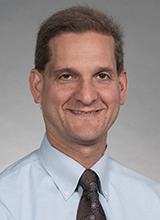 Douglas F. Zatzick合作论文数Department of Psychiatry and Behavioral Sciences, University of Washington School of Medicine6
 Joan Russo合作论文数Department of Psychiatry and Behavioral Sciences, School of Medicine, University of Washington6Paula T. Morelli合作论文数4Nancy Farwell合作论文数4
 Gregory J. Jurkovich合作论文数Division of Trauma, Acute Care, and General Surgery, Department of Surgery, University of California Davis4
 Michael S. Spencer合作论文数School of Social Work, University of Washington4
 Karina L. Walters合作论文数School of Social Work, University of Washington4Hideki A. Ishisaka合作论文数3
 Amy Kathleen Wagner合作论文数3
 Heidi L. Allen合作论文数School of Social Work, Columbia University3Wheeler Darrell P合作论文数CUNY Hunter Coll, Sch Social Work, 129 E 79th St, New York, NY 10021 USA3
 Andrews Christina M合作论文数3
 Teri Browne合作论文数College of Social Work, University of South Carolina3Wayne Katon合作论文数3Debra Srebnik合作论文数3
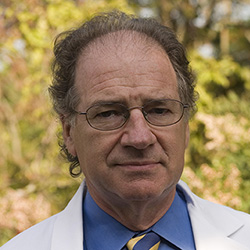 Frederick P. Rivara合作论文数Division of General Pediatrics, Department of Pediatrics, University of Washington;Center for Child Health, Behavior and Development, Seattle Children’s Hospital3Sung Sil Lee Sohng合作论文数3
 Peter Maramaldi合作论文数Simmons College School of Social Work, Harvard Medical School3Edward F. Lawlor合作论文数2Frederick L. Newman合作论文数2Rowena Fong合作论文数2
 Richard P. Barth合作论文数School of Social Work, University of Maryland2
 Peter Roy-Byrne合作论文数Department of Psychiatry, School of Medicine, University of Washington2
 Sarah Gehlert合作论文数2Angela Ghesquiere合作论文数2
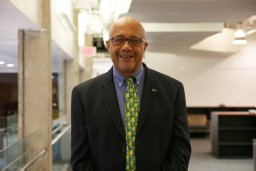 James Herbert Williams合作论文数Graduate School of Social Work, University of Denver2
 John D Clapp合作论文数San Diego State University2
 Bradley J. Zebrack合作论文数School of Social Work, University of Michigan2D Wisner合作论文数1D. Srebnik合作论文数1Tom Gregoire合作论文数1Darla Spence Coffey合作论文数1Diana M. DiNitto合作论文数1RoseAnne M. Droesch合作论文数1
 Yolanda C. Padilla合作论文数School of Social Work, University of Texas at Austin1
 Marilyn Flynn合作论文数1M Snowden合作论文数1
 Jeanne C Marsh合作论文数Center for Health Administration Studies, The University of Chicago;Crown Family School of Social Work, Policy, and Practice, The University of Chicago1
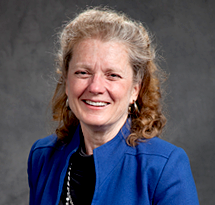 Paula S. Nurius合作论文数School of Social Work, University of Washington1
 Elizabeth Lightfoot合作论文数School of Social Work, University of Minnesota1
 Laura S. Abrams合作论文数Department of Social Welfare, Luskin School of Public Affairs, University of California, Los Angeles1Shakoor B H合作论文数1
 Chris Dunn合作论文数1
 Ortega Debora M合作论文数School of Social Welfare, University of Kansas1Rajotte Emily合作论文数1Santos Monica R合作论文数1
 Richard F. Catalano Jr.合作论文数School of Social Work, University of Washington1




