Background: A number of medical practice guidelines and recommendations call for screening adult patients for a history of physical or sexual abuse in childhood, but no brief screening tools exist. The objective of this study was to assess the accuracy of a two-item screener for physical or sexual abuse in childhood.Methods: This is a cross-sectional study of randomly selected women (aged 18-65 years) from a large health maintenance organization. One thousand two hundred twenty-five patients were administered a questionnaire, which included two items in a brief screener: (a) "when I was growing up, people in my family hit me so hard that it left me with bruises or marks" and (b) "When I was growing up, someone tried to touch me in a sexual way or tried to make me touch them." A subset of 216 patients completed a semistructured interview for a history of physical or sexual abuse in childhood.Results: The two-item screener was sensitive (84.8%) and specific (88.1%) for detecting a history of physical or sexual abuse in childhood, as determined by the semistructured interview.Conclusions: The two-item screener provides an accurate tool, which is easily integrated into a comprehensive health questionnaire or administered verbally by a clinician, to assess for history of abuse. (c) 2007 Elsevier Inc. All rights reserved.
PURPOSE:Among patients with diabetes, major depression is associated with more diabetic complications, lower medication adherence, and poorer self-care of diabetes. We reported earlier that enhanced depression care reduces depression symptoms but not hemoglobin A1c level. This study examined effects of depression interventions on self-management among depressed diabetic patients.METHODS:A total of 329 patients in 9 primary care clinics were randomized to an evidence-based collaborative depression treatment (pharmacotherapy, problem-solving treatment, or both in combination) or usual primary care (routine medical services). Outcome measures included the Summary of Diabetes Self-Care Activities (SDSCA), reported at baseline and 3, 6, and 12 months, and medication non-adherence as assessed by automated pharmacy refill data of oral hypoglycemic agents, lipid-lowering agents, and angiotensin-converting enzyme inhibitors. We used mixed regression models adjusted for baseline differences to compare the intervention with usual care groups at follow-up assessments.RESULTS:During the 12-month intervention period, enhanced depression care and outcomes were not associated with improved diabetes self-care behaviors (healthy nutrition, physical activity, or smoking cessation). Relative to the usual care group, the intervention group reported a small decrease in body mass index (mean difference = 0.70 kg/m2, 95% CI, 0.17 to 1.24 kg/m2) and a higher rate of nonadherence to oral hypoglycemic agents (mean difference = -6.3%, 95% CI, -11.91% to -0.71%). Adherence to lipid-lowering agents and to antihypertensive medicines was similar for the 2 groups.CONCLUSIONS:In general, diabetes self-management did not improve among the enhanced depression treatment group during a 12-month period, except for small between-group differences of limited clinical importance. Research needs to assess whether self-care interventions tailored for specific conditions, in addition to enhanced depression care, can achieve better diabetes and depression outcomes.
BACKGROUNDA number of practice guidelines and recommendations call for the assessment of childhood abuse in adult medical patients, but none specifies how best to do this. The objective of this study was to use evidence from 2 community-based population samples to evaluate abuse-screening questions that are often asked in medical clinics and to identify a small set of questions to improve screening practices.METHODSThe Childhood Trauma Questionnaire-Short Form (CTQ-SF) was administered in 2 randomized telephone interview surveys with adults aged 18 to 65 years.RESULTSA total of 880 (2003 survey) and 998 (1997 survey) respondents completed the CTQ-SF in the 2 surveys. In both surveys, the rates of physical (16% and 15%), emotional (31% and 29%), and sexual (10% and 9%) abuse elicited using 3 behaviorally descriptive items in each abuse category were approximately twice the rates elicited using the explicit labeling terms physically abused (8% and 8%), emotionally abused (15% and 13%), or sexually abused (5% and 5%) (P<.001 for each). Inquiries explicitly using the labeling term abuse successfully identified a low percentage of respondents who reported behaviorally described abusive experiences for each type of abuse (34%-51%). In addition, after adjustment for the number and frequency of abusive experiences in both surveys, women were more likely than men to label themselves as explicitly abused for any abuse (odds ratio [OR], 1.7; P = .11 and OR, 2.8; P<.01), physical abuse (OR, 2.1; P = .14 and OR, 2.9; P<.01), emotional abuse (OR, 2.7; P<.01 and OR, 3.3; P<.01), and sexual abuse (OR, 3.5; P = .08 and OR, 1.5; P = .55).CONCLUSIONInquiries about childhood abuse that use broad labeling questions identify a substantially smaller number of patients than behaviorally specific questions and may be less effective in initial screening for a history of abuse.
CONTEXT:Ensuring an adequate mental health provider supply in rural and urban areas requires accessible methods of identifying provider types, practice locations, and practice productivity.PURPOSE:To identify mental health shortage areas using existing licensing and survey data.METHODS:The 1998-1999 Washington State Department of Health files on credentialed health professionals linked with results of a licensure renewal survey, 1990 US Census data, and the results of the 1990-1992 National Comorbidity Survey were used to calculate supply and requirements for mental health services in 2 types of geographic units in Washington state-61 rural and urban core health service areas and 13 larger mental health regions. Both the number of 9 types of mental health professionals and their full-time equivalents (FTEs) per 100,000 population measured supply in the health service areas and mental health regions.FINDINGS:Notable shortages of mental health providers existed throughout the state, especially in rural areas. Urban areas had 3 times the psychiatrist FTEs per 100,000 and more than 1.5 times the nonpsychiatrist mental health provider FTEs per 100,000 as rural areas. More than 80% of rural health service areas had at least 10% fewer psychiatrist FTEs and nonpsychiatrist mental health provider FTEs than the state ratio (10.4 FTEs per 100,000 and 306.5 FTEs per 100,000, respectively). Ten of the 13 mental health regions were more than 10% below the state ratio of psychiatrist FTEs per 100,000.CONCLUSIONS:States gathering a minimum database at licensure renewal can identify area-specific mental health care shortages for use in program planning.
BACKGROUND: Psychiatric disorders are associated with increased symptom burden when combined with chronic medical conditions. However, there are no reports of how psychiatric distress influences outcomes with surgical treatment for chronic rhinosinusitis (CRS). We hypothesized that subjects with psychiatric distress (somatization, anxiety, and depression) would report more severe long-term sinus symptoms and worse quality of life (QOL) than subjects without psychiatric distress.METHODS: This is a community-based, prospective, observational cohort study of patients diagnosed with CRS presenting for surgery. Patients were interviewed before surgery; CT scans were reviewed, and questionnaires were completed about sinusitis-related symptoms (SNOT-16), general health status and QOL (SF-36), and psychiatric distress (BSI and PHQ). Outcomes were also assessed 1, 3, 6, and 12 months postoperatively.RESULTS: Ninety-five patients had complete records for analysis. Psychiatric distress was prevalent, with 31% screening positive for somatization, 17% positive for anxiety, and 25% positive for depressive disorders. Subjects with somatization had significantly worse SNOT-16 scores at each time point compared with those without somatization (P < 0.05). Subjects with depression reported more severe symptoms at 6 and 12 months after surgery than those without depression (P < 0.05). The presence of somatization preoperatively was also independently associated with worse symptom severity 12-months after surgery, even after adjusting for prior sinus surgery, CT stage, Charlson Index, and deviated septum. In addition, subjects with psychiatric distress reported significantly worse SF-36 physical and mental component summary scores 12-months after surgery than subjects without psychiatric distress.CONCLUSIONS: Psychiatric distress is associated with worse reported sinus symptoms and lower QOL throughout surgical management of chronic rhinosinusitis. Despite this, subjects with psychiatric distress report a similar degree of improvement in sinus symptoms after surgery compared with those without distress.CLINICAL SIGNIFICANCE: Psychiatric distress should be considered in patients with persistent symptoms after surgery. Psychiatric distress should also be considered in efforts to design a chronic sinusitis staging system.
Objective: To examine the relationship among patient-reported diabetes symptoms, severity of depressive illness and objective measures of diabetes control and severity among a population-based sample of patients with diabetes.Methods: A mailed survey was sent to all patients with diabetes from nine primary care clinics of a Health Maintenance Organization. The Patient Health Questionnaire (PHQ-9) was used to diagnose major depression, the Self-Completion Patient Outcome instrument assessed diabetes symptoms and automated medical record data were used to measure diabetes treatment intensity, HbA(1c) levels, diabetes complications and medical comorbidity. Analysis of covariance (ANCOVA) was used to determine if the number of diabetes symptoms was related to having major depression and to number of depressive symptoms. Logistic regression analyses determined the relative strengths of the associations between each individual diabetic symptom and presence of major depression, HbA(1c) levels above 8.0% and two or more diabetes complications.Results: Among 4168 patients with diabetes, those with major depression (N=487) reported significantly more diabetes symptoms (mean=4.40) than participants without depression (mean=2.46) after adjusting for demographic characteristics, objective measures of diabetes severity and medical comorbidity [F(1,4029)=339.31, P<.0001]. The overall number of diabetes symptoms was related to the number of depressive symptoms (from 0 to 9) endorsed by participants [F(9,4021)=110.05, P<.0001]. Logistic regression analyses found that depression was significantly related to each of the 10 diabetes symptoms (all P<.001).Conclusions: The depression-diabetes symptom association is stronger than the association of diabetes symptoms with measures of glycemic control and diabetes complications. (C) 2004 Elsevier Inc. All rights reserved.
Background: There is a high prevalence of depression in patients with diabetes mellitus. Depression has been shown to be associated with poor self-management (adherence to diet, exercise, checking blood glucose levels) and high hemoglobin A1c (HbA1c) levels in patients with diabetes.
OBJECTIVE The goal of this study was to determine the behavioral and clinical characteristics of diabetes that are associated with depression after controlling for potentially confounding variables. RESEARCH DESIGN AND METHODS A population-based mail survey was sent to patients with diabetes from nine primary care clinics of a health maintenance organization. The Patient Health Questionnaire was used to diagnose depression, and automated diagnostic, pharmacy, and laboratory data were used to measure diabetes treatment intensity, HbA(1c) levels, and diabetes complications. RESULTS Independent factors that were associated with a significantly higher likelihood of meeting criteria for major depression included younger age, female sex, less education, being unmarried, BMI > or = >30 kg/m(2), smoking, higher nondiabetic medical comorbidity, higher numbers of diabetes complications in men, treatment with insulin, and higher HbA(1c) levels in patients <65 years of age. Independent factors associated with a significantly higher likelihood of meeting criteria for minor depression included younger age, less education, non-Caucasian status, BMI > or = 30 kg/m(2), smoking, longer duration of diabetes, and a higher number of complications in older (> or = 65 years) patients. CONCLUSIONS Smoking and obesity were associated with a higher likelihood of meeting criteria for major and minor depression. Diabetes complications and elevated HbA(1c) were associated with major depression among demographic subgroups: complications among men and HbA(1c) among individuals <65 years of age. Older patients with a higher number of complications had an increased likelihood of minor depression.
INTRODUCTION Converging sources suggest that patient-provider relationships in primary care are generally of greater intensity and duration than those in non-primary care specialties. In this study, we hypothesised that Year 2 medical students whose close relationships were characterised by security and flexibility would be more likely than students who were less comfortable in close relationships to plan to pursue primary over non-primary care postgraduate training.METHODS We determined the relationship styles and demographic characteristics of 144 Year 2 medical students. We also gathered information regarding their predicted choices of postgraduate training, which were clustered into primary or non-primary care categories. We compared student choices with respect to their interpersonal relationship styles based on attachment theory.RESULTS Prevalences of attachment styles were similar to those found in the general population, with 56% of students rating themselves as having a secure relationship style. Students with a secure style were more likely to choose primary care (61%) over non-primary care compared to those whose styles were characterised by self-reliance, support-seeking or caution (41% chose primary care). Compared to those with a secure relationship style, students with a cautious style [OR = 5.9 (1.9, 18.7)] and students with a self-reliant style [OR = 2.4 (0.96, 5.9)] were more likely to choose non-primary over primary care, after controlling for gender.CONCLUSIONS Assessing relationship styles using attachment theory is a potentially useful way to understand and counsel medical students about specialty choice.
Posttraumatic stress disorder (PTSD) is associated with high numbers of self-reported physical symptoms and functional disability in clinical samples, but little is known about the magnitude of these associations in population samples and using actual physician-coded diagnoses. We administered a 22-page survey to 1225 female HMO enrollees randomly selected from the current membership of a large, staff model HMO in Seattle, Washington. Using the PTSD Checklist (internally validated against a subset of clinical interviews) we compared women with low, moderate, and high scores with respect to differences in self-reported physical health status, functional disability (36-item short form health survey), numbers and types of self-reported health risk behaviors, common physical symptoms, and physician-coded ICD-9 diagnoses. Compared to women with low PTSD symptom severity, those with moderate or high severity reported significantly higher functional disability (P<.001), rates of abuse and neglect (P<.01 to P<.001), health risk behavior scores (P<0.05), as well as higher mean numbers of common physical symptoms (P<.05). Compared to women with low PTSD symptom severity those with moderate or high severity had significantly higher adjusted odds ratios for aversive physical symptoms (range, 1.7-10.1). The mean number of physician-coded ICD-9 diagnoses was also significantly higher in the both the moderate and high severity groups. Among female HMO members, PTSD symptoms are associated with a wide range of both self-reported and physician-coded adverse physical health outcomes.
Background: There is a high prevalence of depression in patients with diabetes mellitus. Depression has been shown to be associated with poor self-management (ad- herence to diet, exercise, checking blood glucose levels) and high hemoglobin A1c (HbA1c) levels in patients with diabetes.
OBJECTIVE:This article uses data from two studies that have demonstrated the overall effectiveness of Collaborative Care interventions to evaluate factors associated with poor outcomes overall (general prognostic factors) and factors associated with greater or lesser effects of treatment (differential treatment effects).METHODS:Adult primary care patients initiating antidepressant treatment for major depression were randomized to usual care or to Collaborative Care, a structured depression treatment program that included planned, proactive and coordinated care with a health care team and informed, activated patients (n = 156, mean age = 43, 85% white). Response to treatment was defined as a 50% or greater reduction in depression at four months.RESULTS:High neuroticism and a history of recurrent major depression (3+ episodes) or dysthymia predicted poor outcomes in general. While the magnitude of the intervention effects differed, frequently cited predictors of persistence of depression (age, gender, depression severity, medical and psychiatric comorbidity) were not significantly associated with greater or lesser benefit from Collaborative Care (no differential treatment effects). Results demonstrate the robustness of intervention effects across numerous groups at risk for persistence of depression.CONCLUSIONS:These findings suggest that at the time of diagnosis it is not possible to predict who is most likely to benefit from Collaborative Care. Instead, outcomes of treatment should be routinely monitored among depressed patients to ensure optimal response.
We performed a randomized trial to prevent depression relapse in primary care by evaluating intervention effects on medication attitudes and self-management of depression. Three hundred and eighty six primary care patients at high risk for recurrent depression were randomized to receive a 12-month intervention. Interviews at baseline, 3, 6, 9, and 12-months assessed attitudes about medication, confidence in managing side effects, and depression self-management. This depression relapse prevention program significantly increased: 1) favorable attitudes toward antidepressant medication [Beta = .26, 95% C.I. = (.18, .33)]; 2) self-confidence in managing medication side effects [Beta = .53, 95% C.I. = (.15, .91)]; 3) depressive symptom monitoring [O.R. = 4.08, 95% C.I. = (2.80, 5.94)]; 4) checking for early warning signs [O.R. = 3.27, 95% C.I. = (2.32, 4.61)]; and, 5) planful coping [O.R. = 2.01, 95% C.I. = (1.49, 2.72)]. Significant predictors of adherence to long-term pharmacotherapy were: favorable attitudes toward antidepressant treatment [OR = 2.20, 95% CI = (1.50, 3.22)], and increased confidence in managing medication side effects [OR = 1.10, 95% CI = (1.04, 1.68)]. Among primary care patients at high risk for depression relapse, enhanced attitudes towards antidepressant medicines and higher confidence in managing side effects were key factors associated with greater adherence to maintenance pharmacotherapy.
Background: Poor and uninsured people have increased risk of medical and psychiatric illness, but they might be more reluctant to seek care than those with higher incomes. Little information exists about the biopsychosocial problems and concerns of this population in primary care. Methods: We surveyed 500 consecutive patients (aged 18 to 64 years) in a primary care clinic serving only uninsured, low-income patients. We used self-report questions about why patients were coming to the clinic, a chronic illness questionnaire, the Primary Care Evaluation of Mental Disorders Patient Health Questionnaire, and items from the Childhood Trauma Questionnaire. Providers completed a questionnaire naming problems elicited from patients. Results: Patients reported their most common chronic medical problems to be headaches, chronic back problems, and arthritis. The most common concerns patients wanted to discuss with providers and that providers elicited from patients were problems with mood. Compared with patients without current major mental illness, patients with a current major mental illness reported significantly (P < .001) more concerns, chronic illnesses, stressors, forms of maltreatment and physical symptoms. Conclusion: The illness content of this uninsured, low-income population is dominated by emotional distress and physical pain. These needs place a serious burden on providers and can complicate management of chronic medical illnesses. Recommendations for specialized interview training and integrating mental health services are discussed.
BACKGROUND:Posttraumatic stress disorder (PTSD) is a prevalent disorder that has been associated with elevated rates of medically unexplained physical symptoms, significant functional impairment, and high health care use. However, little is known about actual health care costs associated with PTSD. METHODS:We administered the PTSD Checklist (PCL) to 1225 female members of a metropolitan health maintenance organization and validated the instrument using a structured PTSD interview in a subset of 268 women. Participants were classified into 3 groups by PCL score: low (<30), moderate (30-44), and high (> or =45). By using the cost accounting system of the health maintenance organization, we examined differences between the groups with respect to total and component health care costs, controlling for chronic medical illness and other forms of psychological distress. RESULTS:The total unadjusted mean +/- SD annual health care costs were 3060 US dollars +/- 6381 US dollars (median, 1283 US dollars) for the high PCL score group, 1779 US dollars +/- 3008 US dollars (median, 829 US dollars) for the moderate PCL score group, and 1646 US dollars +/- 5156 US dollars (median, 609 US dollars) for the low PCL score group. After adjusting for depression, chronic medical disease, and demographic factors, women with high PCL scores had a significantly greater odds of having nonzero health care costs compared with women with low PCL scores (odds ratio, 13.14; 95% confidence interval, 1.70-101.19). Compared with women in the low PCL score group, those in the moderate PCL score group had, on average, a 38% increase in adjusted total annual median costs, and those in the high PCL score group had a 104% increase. CONCLUSIONS:Women with PTSD symptoms in this study had significantly higher total and component health care costs, even after controlling for depression, chronic medical illness, and demographic differences. These findings are similar to those found in studies of costs related to major depression and suggest that instituting health services interventions to improve recognition and treatment of PTSD in primary and specialty care clinics may be a cost-effective approach for lowering the prevalence of this disorder.
OBJECTIVE The authors analyzed data from 615 depressed primary care patients to determine their willingness to pay for depression treatment. METHODS A sample of 615 adult patients from four primary care clinics participated in a randomized controlled trial of a disease management program for depression in primary care. Participants were asked at baseline interviews and six-month follow-up interviews how much they would be willing to pay per month for a six-month treatment that would eliminate their symptoms of depression. Multiple regression analyses were used to estimate the association between demographic and clinical factors and willingness to pay for depression treatment and to examine changes. RESULTS The mean amount that participants were willing to pay for depression treatment at baseline was $270+/-187 per month, or about 9 percent of the participants' household income. Willingness to pay was significantly associated with household income and with the severity of depressive symptoms. Over six months, the amount that participants were willing to pay decreased along with their severity of depressive symptoms. CONCLUSIONS The amount that participants were willing to pay was comparable to that reported for the treatment of other chronic medical disorders and higher than the actual cost of depression treatment. Measurements of willingness to pay may be a promising method for assessing the value of treatments for common mental disorders.
 Wayne Katon合作论文数47
 Joan Russo合作论文数Department of Psychiatry and Behavioral Sciences, School of Medicine, University of Washington29
 Michael Von Korff合作论文数Kaiser Permanente Washington Health Research Institute26W. J. Katon合作论文数20
 Jurgen Unutzer合作论文数School of Medicine, University of Washington;Department of Global Health, University of Washington;Kenya Research and Training Center, University of Washington13
 Paul Ciechanowski合作论文数12
 Elizabeth Lin合作论文数Department of Psychiatry, Temerty Faculty of Medicine, University of Toronto12Evette J. Ludman合作论文数12GE Simon合作论文数10Terry M Bush合作论文数10Edward H Lin合作论文数9An Gelfand合作论文数8T Bush合作论文数8
 Carolyn M. Rutter合作论文数Fred Hutchinson Cancer Center8
 Mary P. Koss合作论文数Department of Health Promotion Sciences, Mel & Enid Zuckerman College of Public Health, The University of Arizona8
 David P. Bernstein合作论文数Faculty of Psychology and Neuroscience, Maastricht University;Bernstein iModes;SafePath Solutions7
 Gregory Simon合作论文数Department of Psychiatry & Behavioral Sciences, School of Medicine, University of Washington7Evette Ludman合作论文数7
 Elana Newman合作论文数6T M Bush合作论文数5Md Gelfand合作论文数5Greg Simon合作论文数5
 Larry B Mauksch合作论文数School of Medicine, University of Rochester;School of Nursing (ADL),, the University of Rochester;and the Department of Family Medicine, University of Washington;University of Rochester School of Nursing (ADL),, University of Rochester School of Medicine5Cameron J合作论文数4Suzanne M. Tucker合作论文数4
 Mark D. Sullivan合作论文数Department of Psychiatry & Behavioral Sciences, UW Medicine, University of Washington4Ron Jemelka合作论文数4P Robinson合作论文数3
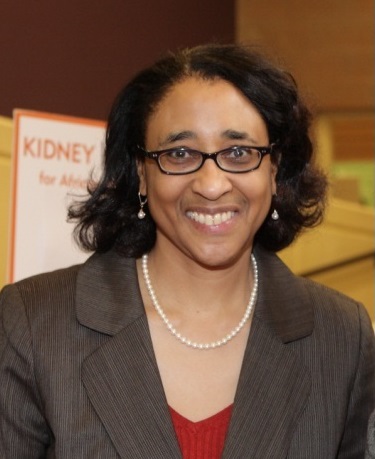 Bessie Young Mielcarek合作论文数Department of Medicine, Division of Nephrology, University of Washington;Office of Health Care Equity, UW Medicine;School of Medicine, University of Washington;Department of Health Systems and Population Health, School of Public Health, University of Washington3Stenchever M A合作论文数3
 Gregory E. Simon合作论文数Center for Health Studies, Group Health Cooperative3Kathleen Saunders合作论文数3Brett D. Thombs合作论文数3P P Roy-Byrne合作论文数2RON JEMELKA合作论文数2R Jemelka合作论文数2Janet Hansom合作论文数2
 Patricia J Robinson合作论文数2L Holm合作论文数2Gregory Gardner合作论文数2E Lin合作论文数2D Bernstein合作论文数2Wendy L. Bennett合作论文数Population, Family and Reproductive Health, Bloomberg School of Public Health, Johns Hopkins University2Medrano Martha A合作论文数2Schaad D C合作论文数2Fredric M Wolf合作论文数2
 Francis Creed合作论文数2Jennifer L. Melville合作论文数2Jane Harrop-Griffiths合作论文数2




