Andrea Oeckinghaus, Elmar Wegener, Verena Welteke, Uta Ferch, Seda C ̧öl Arslan, Jürgen Ruland, Claus Scheidereit and Daniel Krappmann* GSF—National Research Center for Environment and Health, Institute of Toxicology, Neuherberg, Germany, Max-Delbrück—Center for Molecular Medicine, Berlin, Germany, Faculty of Biology, Chemistry and Pharmacy, Free University Berlin, Germany and Third Medical Department, Technical University of Munich, Klinikum rechts der Isar, Munich, Germany
Mutations in the parkin gene are a major cause of autosomal recessive Parkinson's disease. Here we show that the E3 ubiquitin ligase parkin activates signaling through the IkappaB kinase (IKK)/nuclear factor kappaB (NF-kappaB) pathway. Our analysis revealed that activation of this signaling cascade is causally linked to the neuroprotective potential of parkin. Inhibition of NF-kappaB activation by an IkappaB super-repressor or a kinase-inactive IKKbeta interferes with the neuroprotective activity of parkin. Furthermore, pathogenic parkin mutants with an impaired neuroprotective capacity show a reduced ability to stimulate NF-kappaB-dependent transcription. Finally, we present evidence that parkin interacts with and promotes degradation-independent ubiquitylation of IKKgamma/NEMO (NF-kappaB essential modifier) and TRAF2 [TNF (tumor necrosis factor) receptor-associated factor 2], two critical components of the NF-kappaB pathway. Thus, our results support a direct link between the neuroprotective activity of parkin and ubiquitin signaling in the IKK/NF-kappaB pathway.
NF-κB (Rel) transcription factors control physiological and pathological immune cell function. The scaffold proteins Bcl-10 and MALT1 couple antigen-receptor signals to the canonical NF-κB pathway and are pivotal in lymphomagenesis. Here we found that Bcl-10 and MALT1 differentially regulated B cell receptor–induced activation of RelA and c-Rel. Bcl-10 was essential for recruitment of the kinase IKK into lipid rafts for the activation of RelA and c-Rel, for blocking apoptosis and for inducing division after B cell receptor ligation. In contrast, MALT1 participated in survival signaling but was not involved in IKK recruitment or activation and was dispensable for RelA induction and proliferation. MALT1 selectively activated c-Rel to control a distinct subprogram. Our results provide mechanistic insights into B cell receptor–induced survival and proliferation signals and demonstrate the selective control of c-Rel in the canonical NF-κB pathway.
Triggering of antigen receptors on lymphocytes is critical for initiating adaptive immune response against pathogens. T-cell receptor (TCR) engagement induces the formation of the Carma1-Bcl10-Malt1 (CBM) complex that is essential for activation of the IkappaB kinase (IKK)/NF-kappaB pathway. However, the molecular mechanisms that link CBM complex formation to IKK activation remain unclear. Here we report that Malt1 is polyubiquitinated upon T-cell activation. Ubiquitin chains on Malt1 provide a docking surface for the recruitment of the IKK regulatory subunit NEMO/IKKgamma. TRAF6 associates with Malt1 in response to T-cell activation and can function as an E3 ligase for Malt1 in vitro and in vivo, mediating lysine 63-linked ubiquitination of Malt1. Multiple lysine residues in the C-terminus of Malt1 serve as acceptor sites for the assembly of polyubiquitin chains. Malt1 mutants that lack C-terminal ubiquitin acceptor lysines are impaired in rescuing NF-kappaB signaling and IL-2 production in Malt1-/- T cells. Thus, our data demonstrate that induced Malt1 ubiquitination is critical for the engagement of CBM and IKK complexes, thereby directing TCR signals to the canonical NF-kappaB pathway.
CARD11 (CARMA1), Bcl10, and Malt1 are required for nuclear factor NF-κB activation in response to antigen recognition. Initially, gene disruption experiments in mice pointed to a lymphocyte-specific role for CARD11-Bcl10-Malt1 complexes. However, strong evidence suggesting that conserved Bcl10-Malt1 complexes interact with different CARD scaffolds to connect various receptors in different cell types to NF-κB signaling has emerged more recently. The CARD10 (CARMA3)–Bcl10-Malt1 signalosome functions as a link between G protein–coupled receptor (GPCR) signaling and proinflammatory NF-κB activation. Further, Dectin-1–induced antifungal responses to NF-κB in dendritic cells depend on CARD9-Bcl10-Malt1. These results identify CARD-Bcl10-Malt1 signalosomes as pivotal regulators that link not only innate and adaptive immune responses, but also GPCR signaling, to the canonical NF-κB pathway.
T cell receptor (TCR) signaling to IκB kinase (IKK)/NF-κB is controlled by PKCθ-dependent activation of the Carma1, Bcl10, and Malt1 (CBM) complex. Antigen-induced phosphorylation of Bcl10 has been reported, but its physiological function is unknown. Here we show that the putative downstream kinase IKKβ is required for initial CBM complex formation. Further, upon engagement of IKKβ/Malt1/Bcl10 with Carma1, IKKβ phosphorylates Bcl10 in the C terminus and thereby interferes with Bcl10/Malt1 association and Bcl10-mediated IKKγ ubiquitination. Mutation of the IKKβ phosphorylation sites on Bcl10 enhances expression of NF-κB target genes IL-2 and TNFα after activation of primary T cells. Thus, our data provide evidence that IKKβ serves a dual role upstream of its classical substrates, the IκB proteins. While being essential for triggering initial CBM complex formation, IKKβ-dependent phosphorylation of Bcl10 exhibits a negative regulatory role in T cell activation.
Toll-like receptors (TLRs) recognize conserved products of microbial pathogens to initiate the innate immune response. TLR4 signaling is triggered upon binding of lipopolysaccharides (LPS) from gram-negative bacteria. Using comparative gene expression profiling, we demonstrate a master regulatory role of IkappaB kinase (IKK)/NF-kappaB signaling for immediate-early gene induction after LPS engagement in precursor B cells. IKK/NF-kappaB signaling controls a large panel of gene products associated with signaling and transcriptional activation and repression. Intriguingly, the induction of AP-1 activity by LPS in precursor B cells and primary dendritic cells fully depends on the IKK/NF-kappaB pathway, which promotes expression of several AP-1 family members, including JunB, JunD, and B-ATF. In pre-B cells, AP-1 augments induction of a subset of primary NF-kappaB targets, as shown for chemokine receptor 7 (CCR7) and immunoglobulin kappa light chain. Thus, our data illustrate that NF-kappaB orchestrates immediate-early effects of LPS signaling and controls secondary AP-1 activation to mount an appropriate biological response.
Different cDNA libraries were screened by the yeast two-hybrid system using as a bait the cytoplasmic sequence of integrin alpha6A or alpha6B subunits. Surprisingly, the same PDZ domain-containing protein, TIP-2/GIPC, was isolated with either of the variants, although their sequences are different. Direct interaction assays with the cytoplasmic domain of the integrin alpha1--7 subunits revealed that in addition to alpha6A and alpha6B, TIP-2/GIPC reacted also with alpha5, but not other alpha integrin subunits. The specificity of the interaction was confirmed by in vitro protein binding assays with purified peptides corresponding to integrin cytoplasmic domains. Further analysis with either truncation fragments of TIP-2/GIPC or mutated integrin cytoplasmic domains indicated that the interaction occurs between the PDZ domain of TIP-2/GIPC and a consensus PDZ domain-binding sequence, SDA, present at the C-terminus of the integrin alpha5 and alpha6A subunits. The integrin alpha6B subunit terminates with a different sequence, SYS, which may represent a new PDZ domain-binding motif.
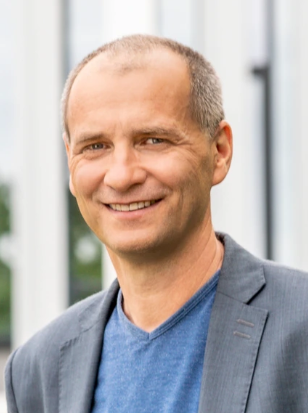 Daniel Krappmann合作论文数Department of Cellular Signal Integration, Helmholtz Zentrum München, Deutsches Forschungszentrum für Gesundheit und Umwelt;Molecular Targets and Therapeutics Center, Helmholtz Zentrum München, Deutsches Forschungszentrum für Gesundheit und Umwelt7
 Uta Ferch合作论文数4
 Jürgen Ruland合作论文数Laboratory Medicine and Immunoregulation, School of Medicine and Health, Technical University of Munich;Central Institute for Translational Cancer Research, Technical University of Munich4
 Claus Scheidereit合作论文数Scheidereit Lab, Max Delbruck Center3Andrea Oeckinghaus合作论文数Department of Biology, Chemistry and Pharmacy, Freie Universität Berlin3Verena Welteke合作论文数2V. Wixler合作论文数1Julia S. Schlehe合作论文数1E Georges-Labouesse合作论文数1Haquima El Mourabit合作论文数1Joerg Tatzelt合作论文数1juliae schramm合作论文数1
 Tak Mak (麦德华)合作论文数Department of Medical Biophysics, Temerty Faculty of Medicine, University of Toronto;Department of Pathology, School of Clinical Medicine, University of Hong Kong1
 Benedikt Berninger合作论文数Centre for Developmental Neurobiology, School of Neuroscience, Institute of Psychiatry, Psychology & Neuroscience, King’s College London1Nakaso K合作论文数1
 Yoshiaki Sunami合作论文数1Emmanuel Laplantine合作论文数1
 Vigo Heissmeyer合作论文数1Henn Iris H合作论文数1zum Büschenfelde Christian Meyer合作论文数1
 Konstanze Winklhofer合作论文数Department of Molecular Cell Biology, Institute of Biochemistry and Pathobiochemistry, Faculty of Medicine, Ruhr-Universitat Bochum1
 Arnoud Sonnenberg合作论文数Leiden Academic Centre for Drug Research, Leiden University;Division of Cell Biology, Netherlands Cancer Institute, Antoni Vain Leeuwenhoek1Bouman Lena合作论文数1
 Christian Peschel合作论文数1Sandra Rauser合作论文数1Nikoletta Papadopoulou合作论文数1
 Monique M Aumailley (Monique Aumailley)合作论文数Institute for Biochemistry II, University Hospital of Cologne;Center for Biochemistry, University of Cologne1Liron Lavitas合作论文数1
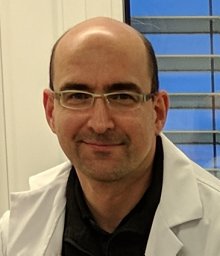 Andreas Gewies合作论文数Max-Planck-Institute for Biochemistry1
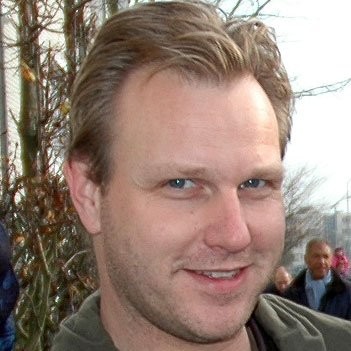 Jan Koster合作论文数Amsterdam UMC1
 Benjamin Mordmüller合作论文数Institute for Tropical Medicine, University of Tübingen1Seda Çöl Arslan合作论文数1
 Carsten Culmsee合作论文数Institut für Pharmakologie und Toxikologie, der Philipps-Universität Marburg1Meral Esen合作论文数Institut für Tropenmedizin, Eberhard Karls Universität Tübingen1Patrice Poinat合作论文数1
 Dirk Geerts合作论文数Amsterdam University Medical Center1
 Holger Sondermann合作论文数Centre for Structural Systems Biology;Deutsches Elektronen-Synchrotron;Kiel University1A. Schlierf合作论文数1
 Marc Schmidt-Supprian合作论文数1




