BACKGROUND:Epilepsy with Eyelid Myoclonia (EEM) is a rare childhood-onset epilepsy syndrome. There is limited data about cognitive function and psychiatric comorbidities in patients with EEM. DESIGN/METHODS:A database of 134 patients with EEM was reviewed for patients who underwent neuropsychological testing. Psychiatric comorbidities and psychometric test scores were identified. Group comparison was performed between those who underwent neuropsychological testing and those who did not. In addition, we evaluated whether clinical factors were associated with IQ score. RESULTS:Fourteen patients underwent neuropsychological testing (12 females, 85.7%), with a median age at testing of 17 (range 7-22). Median IQ was 79 (range 56-110); 7 patients had below average IQ. Other median results of neuropsychometric measures were: Verbal Comprehension Index 85.5 (range 66-116), Perceptual Reasoning Index or Visual Spatial Index 81.5 (range 67-100), Working Memory Index 77 (range 54-100), Processing Speed Index 84 (range 53-94), and Reading Standardized Scores 84 (range 64-126). Common psychiatric comorbidities were anxiety (n = 10), depression (n = 7), ADHD (n = 6), and autism (n = 2). Those who underwent neuropsychological testing had a younger age of epilepsy onset, longer follow-up at our institution, and were more likely to have myoclonic seizures or psychosis than those who did not undergo neuropsychological testing. No clinical factors were statistically associated with IQ score. CONCLUSIONS:EEM is associated with a wide range of cognitive abilities, with half of our patients having a below average IQ. Psychiatric comorbidities were common. Identifying cognitive impairment and psychiatric comorbidities is crucial to implement appropriate management strategies.
AIMS:To compare the prevalence of autism spectrum disorder (ASD) in children with and without epilepsy using clinical diagnoses and chart review with research-defined criteria and to examine sex ratios, age at ASD onset, and intellectual disability between groups. METHOD:The Olmsted County birth cohort included 30 490 individuals, of whom 257 (0.84%) had epilepsy diagnosed before 19 years of age. The cohort was previously screened for ASD using three case definitions: research-inclusive (ASD-RI), research-narrow (ASD-RN), and clinically diagnosed ASD (ASD-C). For those with ASD-RI, we assessed sex, intellectual disability (IQ < 70), and age at ASD onset. Means and proportions are reported when available. RESULTS:ASD prevalence was significantly higher in participants with epilepsy across all definitions: ASD-RI 21.4% versus 3.2%; ASD-RN 14.0% versus 1.6%; and ASD-C 7.9% versus 0.7%. Children with both epilepsy and ASD-RI were more often female (38.2% vs 25.8%), had higher rates of intellectual disability (56.5% vs 15.4%), and met the ASD-RI criteria at a younger age (mean 7 years 5 months vs 8 years 8 months). INTERPRETATION:Co-occurring ASD and epilepsy are frequently associated with intellectual disability, earlier age at ASD diagnosis, and reduced male predominance.
OBJECTIVE:To assess the efficacy and safety of fenfluramine in patients with Dravet syndrome (DS) stratified by age, number of previously attempted antiseizure medications (ASMs), and SCN1A pathogenic variant status. METHODS:In this post hoc analysis, data from three randomized controlled trials (RCTs) in patients with DS (2-18 years) were pooled and stratified by age (<4; ≥4 years), number of previous ASMs (1-3; 4-6; ≥7), and SCN1A pathogenic variant status (SCN1A+; SCN1A-). Stratified groups were assessed and compared with the pooled placebo group (change in monthly convulsive seizure frequency [MCSF], longest convulsive seizure-free interval, and Clinical Global Impression-Improvement [CGI-I] scale scores rated by parents/caregivers and investigators), and safety (treatment-emergent adverse events [TEAEs]: frequency, days to onset, and proportion resolved). RESULTS:Among 348 patients included in the RCTs, 216 were randomized to fenfluramine (0.7 mg/kg/day, n = 88; 0.4 mg/kg/day [with stiripentol], n = 43; 0.2 mg/kg/day, n = 85) and 132 to placebo. Compared with placebo, fenfluramine treatment (all doses combined) resulted in greater MCSF reductions, greater increases in longest convulsive seizure-free intervals, and a higher proportion of parents/caregivers and investigators reporting clinically meaningful improvement ("Much Improved", "Very Much Improved") on CGI-I scores across all stratified groups. CGI-I scores were consistent across fenfluramine doses in most stratified groups, but patients with the fewest number of previous ASMs had the greatest frequency of clinically meaningful improvement on investigator-rated CGI-I scores. Safety outcomes were similar across all strata. Most TEAEs resolved by end-of-study. SIGNIFICANCE:Fenfluramine treatment was associated with improved seizure outcomes and global functioning compared with placebo regardless of age, number of previous ASMs, and SCN1A status in patients with DS. Fenfluramine was well-tolerated; no new safety signals were identified. Further studies with larger sample sizes (including adults) and a priori inferential analyses of stratified groups are warranted. PLAIN LANGUAGE SUMMARY:Patients with Dravet syndrome struggle with seizures and everyday life. In three studies, patients aged 2-18 years received fenfluramine or placebo (sugar pill). Fenfluramine lowered seizures without many side effects. Researchers combined results from these studies to see how fenfluramine worked in different patient groups based on age, number of previous medications, and a gene called SCN1A. They looked at seizure reduction and whether doctors felt patients had improved. In all groups, fenfluramine worked better than placebo, with similar side effects. Researchers believe fenfluramine helped these patients, but some groups were small, so these results need to be confirmed.
BACKGROUND:Dravet syndrome is a severe developmental and epileptic encephalopathy caused primarily by SCN1A haploinsufficiency. Risks of sudden unexpected death in epilepsy and cognitive deficits are higher among patients with this syndrome than in the general population with epilepsy. The effects of zorevunersen, an antisense oligonucleotide designed to up-regulate NaV1.1 sodium channels, in patients with Dravet syndrome are not known. METHODS:We enrolled patients 2 to 18 years of age with Dravet syndrome who were receiving standard antiseizure medications in two phase 1-2a, open-label, multicenter studies (MONARCH and ADMIRAL). Patients were included in either a single-ascending-dose cohort, in which zorevunersen (10 to 70 mg) was administered on day 1 only, or a multiple-ascending-dose cohort, in which zorevunersen (20 to 70 mg) was administered two or three times in a 3-month period. Patients eligible for rollover to the two open-label extension studies (SWALLOWTAIL and LONGWING) continued to receive zorevunersen (≤45 mg) every 4 months. The safety and pharmacokinetics of zorevunersen were assessed in the primary analysis; clinical effects were also evaluated. RESULTS:A total of 81 patients were enrolled in the phase 1-2a studies. As of May 30, 2025, a total of 75 patients had entered the extension studies. Most adverse events were mild or moderate. The most common adverse event was post-lumbar puncture syndrome (in 25% of patients) in the phase 1-2a studies and was an elevated protein level in cerebrospinal fluid (in 45%) in the extension studies. One patient had suspected unexpected serious adverse reactions, 1 had an adverse event that led to study withdrawal, 2 died from sudden unexpected death in epilepsy, and 1 died from malnutrition. Patients who received 70 mg of zorevunersen (one, two, or three doses) in the phase 1-2a studies, followed by up to 45 mg in the extension studies, had a median change from baseline in convulsive-seizure frequency ranging from -58.82% to -90.91% across 1-month intervals during the first 20 months of the extension studies. The data supported improvements in overall clinical status, quality of life, and adaptive behavior with continued treatment for up to 36 months in the extension studies. CONCLUSIONS:The safety profile and initial clinical improvement support the continued development of zorevunersen as a potential disease-modifying treatment for Dravet syndrome. (Supported by Stoke Therapeutics; MONARCH and SWALLOWTAIL ClinicalTrials.gov numbers, NCT04442295 and NCT04740476, respectively; ADMIRAL and LONGWING ISRCTN Registry numbers, ISRCTN99651026 and ISRCTN12811235, respectively.).
OBJECTIVE:To study the effectiveness of vagus nerve stimulation (VNS) in patients with epilepsy with eyelid myoclonia (EEM, previously known as Jeavons Syndrome). BACKGROUND:EEM is an epilepsy syndrome characterized by eyelid myoclonia, eyelid closure-induced generalized EEG paroxysms or seizures, and photosensitivity. Many patients have drug-resistant epilepsy; however, the effectiveness of VNS in this epilepsy syndrome has not been well studied. METHODS:This is a single institution retrospective observational study of patients with EEM. Among a database of 134 patients with EEM, we identified those treated with VNS. Epilepsy history, VNS parameters, and response to VNS were abstracted. RESULTS:We identified 12 patients who were treated with VNS (50% female). The median age of epilepsy onset was 5 (range 4-14) years; age of VNS implantation was 16 (range 6-33) years, and median duration of VNS treatment was 13.5 (range 0-24) years. Four patients (33.3%) were responders reporting greater than 50% improvement in seizure frequency. All four patients (33.3%) showed response with generalized tonic-clonic seizures, myoclonic seizures, and three patients (25%) reported response with eyelid myoclonia and absence seizures. One patient had the VNS explanted due to lack of efficacy and one had it turned off for enrollment in a clinical trial. The median maximum tolerated output current settings for our cohort were 1.75 mA (IQR 1.38-1.94; range 0.75-2.25) with an OFF time of 1.8 min (IQR 1.1-3, range 0.2-3) and median duty cycle of 24% (IQR 16-29; range 12-58). CONCLUSIONS:From this small case series of patients with EEM, four (33.3%) were responders to VNS, with improvement noted in multiple seizure types. This indicates the potential role of VNS for patients with EEM.
BACKGROUND:Temporal lobe epilepsy (TLE) is the leading cause of drug-resistant focal epilepsy. Surgery is effective, yet many patients experience postoperative seizure recurrence. OBJECTIVE:To identify predictors of recurrence and characterize recurrence patterns, treatment responses, and long-term outcomes using a 16-year surgical database. METHODS:We retrospectively reviewed children and adolescents (0-19 years) with TLE who underwent resective or destructive temporal lobe surgery at Mayo Clinic, Rochester (2008-2024). All patients underwent scalp EEG phase I monitoring and 1.5T or 3T MRI, with invasive monitoring and advanced imaging studies utilized in selected patients when clinically indicated. Patients with prior epilepsy surgery, <1-year follow-up, or without research authorization were excluded. Data were analyzed using descriptive statistics, survival analysis, and Cox proportional hazard models. Seizure recurrence was categorized as acute post-operative seizures (APOS, ≤1 week post-surgery), early recurrence (>1 week-2 years), and late recurrence (>2 years). Delayed seizure freedom was defined as ≥1 year seizure-free before last follow-up after recurrence. RESULTS:Among 61 patients, 34 (55.7%) had recurrence over a median follow-up of 49 months. Median time to first recurrence was 48 months. Four patients (6.5%) had APOS; all developed early recurrence. APOS predicted early recurrence (HR = 6.02, 95% CI = 1.64-22.04, p = 0.006). Delayed seizure freedom was achieved with medication trials in 19% (5/26) of early and 75% (6/8) of late recurrences. At last follow-up, 68% (42/61) were seizure free: 44% (27/61) since the first surgery and 24% (15/61) after recurrence. CONCLUSION:Temporal lobe epilepsy surgery provides durable seizure control in two-thirds of pediatric and adolescent patients. APOS may predict early recurrence, which is often less medically responsive and may warrant repeat surgery.
Dravet syndrome is a severe developmental and epileptic encephalopathy caused by heterozygous, loss-of-function, pathogenic variants in the SCN1A gene. It is characterized by frequent, often prolonged convulsive seizures. Dravet syndrome is associated with diverse comorbid conditions, including developmental impairment, intellectual disability, and behavioral disturbances, in addition to high mortality rates. Prompt diagnosis and treatment initiation are essential to reduce seizure frequency, status epilepticus, and potentially improve neurodevelopmental outcomes. Currently available therapies such as fenfluramine, stiripentol, and cannabidiol have demonstrated significant reduction in convulsive seizure frequency, based on randomized controlled trials and real-world studies; however, they have not markedly affected non-seizure symptoms. Emerging therapies such as genetic modulation are promising given their potential for disease modification, seizure frequency reduction, and improvement of non-seizure outcomes. This review of observational studies and randomized clinical trials provides an overview of the natural history of Dravet syndrome, current treatment guidelines with recently approved medications, addressing both safety and efficacy, and new therapeutic approaches, including disease-modifying therapies. The therapeutic landscape in Dravet syndrome is evolving, with the use of new antiseizure agents and precision therapies that target the SCN1A variant. Goals of treatment include improvement of seizure burden, neurodevelopment, comorbidities, and quality of life in individuals with Dravet syndrome.
Background and ObjectivesDravet syndrome (DS) is an intractable developmental and epileptic encephalopathy caused primarily by pathogenic variants in the voltage-gated sodium channel alpha subunit 1 (SCN1A) gene. Patients with DS experience refractory seizures and significant cognitive and behavioral deficits. Longitudinal studies using standardized assessments are needed to systematically document patient outcomes over time. The BUTTERFLY study aimed to assess changes in adaptive functioning and neurodevelopment over 24 months in patients with DS.MethodsBUTTERFLY was a US-based multicenter, longitudinal observational study involving patients with genetically confirmed DS who were receiving standard-of-care treatment. Patients aged 2-18 years with a confirmed DS diagnosis were included. Exclusion criteria included gain-of-function SCN1A variants, current sodium channel blocker treatment, or other disorders per investigator discretion. The primary outcome measures-adaptive functioning and neurodevelopment-were assessed using Vineland Adaptive Behavior Scale, Third Edition (Vineland-3); Bayley Scales of Infant Development, Third Edition (BSID-III); and Wechsler Preschool and Primary Scale of Intelligence, Fourth Edition (WPPSI-IV). Assessments were conducted at baseline and at 3, 6, 12, 18, and 24 months across 15 sites. Mixed models for repeated measures were used to analyze disease progression, and comparisons were made with published standardized scores for population norms.ResultsOf the 36 patients enrolled, 21 completed the study. At baseline, the mean (SD) patient age was 10.8 (5.2) years, and 61.1% were female. Disease progression modeling indicated no significant improvements in 4 of the 6 Vineland-3 subdomains analyzed over 24 months. Receptive Communication (+7.24; 95% CI 1.30-13.19; p = 0.02) and Coping Skills (+4.61; 95% CI 1.14-8.08; p = 0.01) subdomains showed significant improvements. However, for Receptive Communication, this improvement translated to a magnitude of only approximately 3 months in developmental progression over the 24-month period. BSID-III and WPPSI-IV subtests did not show any significant improvement.DiscussionDespite a relatively small sample size and high withdrawal rate, BUTTERFLY data reveal a widening developmental gap between patients with DS and children with typical development over 24 months. These findings reinforce the critical need for disease-modifying therapies that address the underlying genetic cause of DS to improve long-term outcomes.
OBJECTIVES:Resective or ablative frontal lobe surgery is an established treatment for drug-resistant frontal lobe epilepsy (FLE) in pediatric and adolescent patients, typically performed with curative intent. Emerging evidence suggests potential benefit even when used with palliative intent, though long-term outcome data based on surgical intent remains limited. METHODS:We retrospectively reviewed patients aged <19 years with drug-resistant FLE who underwent resective/ablative surgery at a single academic epilepsy surgery center (2008-2024). Patients with prior epilepsy surgery, multilobar surgery, <1 year of follow-up, or lack of research authorization were excluded. Seizure outcomes, recurrence patterns, and predictive factors were analyzed using survival analysis and Cox regression. Recurrence was classified as early (1 week to 2 years) or late (>2 years). Delayed seizure freedom was defined as seizure-free > 1 year before last follow-up after initial recurrence. RESULTS:Of the 25 patients included, 8 were female, 19 White, and 3 Hispanic/Latino. Median follow-up was 74 months (IQR 25.5-155). Median age at surgery was 10.58 years (IQR 3.21-14.5). Surgical intent was curative in 20 patients and palliative in 5 patients. Seizure freedom at last follow-up was achieved in 65 % of curative cases and 20 % of palliative cases. Pre-operative status epilepticus (SE) was the only significant predictor of recurrence in the curative surgery group (p = 0.024). Recurrence occurred in 50 % of curative cases, with early recurrences often drug-resistant. Delayed seizure freedom was achieved in 15 % of curative cases, including two after reoperation. In the palliative group, 80 % achieved ≥50 % seizure reduction. CONCLUSION:Curative FLE surgeries are effective for long-term seizure control in pediatric and adolescent patients, with pre-operative SE possibly predicting recurrence. Palliative surgeries also yield meaningful seizure reduction, supporting their use in selected patients. Early surgical referral and consideration for reoperation may improve long-term outcomes.
OBJECTIVE:We analyzed the long-term safety and effectiveness of fenfluramine (FFA) in patients with Dravet syndrome (DS) in an open-label extension (OLE) study after participating in randomized controlled trials (RCTs) or commencing FFA de novo as adults. METHODS:Patients with DS who participated in one of three RCTs or were 19 to 35 years of age and started FFA de novo were included. Key endpoints were: incidence of treatment-emergent adverse events (TEAEs) in the safety population, and median percentage change in monthly convulsive seizure frequency (MCSF) from the RCT baseline to end of study (EOS) in the modified intent-to-treat (mITT) population. Post hoc analyses compared effectiveness in patients on concomitant stiripentol (STP) vs those not taking STP, and assessed safety (TEAEs) and effectiveness (Clinical Global Impression-Improvement [CGI-I] scale ratings) in patients enrolled as adults. RESULTS:A total of 374 patients, including 45 adults, received ≥1 FFA dose. Median FFA exposure was 824 days (range, 7-1280). TEAEs occurring in ≥10% of patients were pyrexia, nasopharyngitis, decreased appetite, seizure, decreased blood glucose, diarrhea, abnormal echocardiography (only physiologic regurgitation), upper respiratory tract infection, influenza, vomiting, and ear infection; no valvular heart disease or pulmonary arterial hypertension was observed over the OLE. In the mITT population (n = 324), median percentage change in MCSF from baseline to EOS was -66.8% (p < .001). The post hoc analyses of MCSF change from baseline to EOS in patients on concomitant STP (n = 75) was -36.2% vs -71.6% in those not on concomitant STP (n = 234) (p < .0001). In adult patients, 29 of 41 (70.7%) and 29 of 42 patients (69.1%) demonstrated clinically meaningful improvement on CGI-I at last visit as rated by caregivers and investigators, respectively. SIGNIFICANCE:Our OLE study of FFA in patients with DS confirmed previous positive findings and extended the exposure up to 3.5 years. No new or unexpected safety signals were observed and FFA demonstrated sustained and clinically meaningful reduction in MCSF.
BACKGROUND AND OBJECTIVES:Dravet syndrome (DS) is an intractable developmental and epileptic encephalopathy caused primarily by pathogenic variants in the voltage-gated sodium channel α subunit 1 (SCN1A) gene. Patients with DS experience refractory seizures and significant cognitive and behavioral deficits. Longitudinal studies using standardized assessments are needed to systematically document patient outcomes over time. The BUTTERFLY study aimed to assess changes in adaptive functioning and neurodevelopment over 24 months in patients with DS. METHODS:BUTTERFLY was a US-based multicenter, longitudinal observational study involving patients with genetically confirmed DS who were receiving standard-of-care treatment. Patients aged 2-18 years with a confirmed DS diagnosis were included. Exclusion criteria included gain-of-function SCN1A variants, current sodium channel blocker treatment, or other disorders per investigator discretion. The primary outcome measures-adaptive functioning and neurodevelopment-were assessed using Vineland Adaptive Behavior Scale, Third Edition (Vineland-3); Bayley Scales of Infant Development, Third Edition (BSID-III); and Wechsler Preschool and Primary Scale of Intelligence, Fourth Edition (WPPSI-IV). Assessments were conducted at baseline and at 3, 6, 12, 18, and 24 months across 15 sites. Mixed models for repeated measures were used to analyze disease progression, and comparisons were made with published standardized scores for population norms. RESULTS:Of the 36 patients enrolled, 21 completed the study. At baseline, the mean (SD) patient age was 10.8 (5.2) years, and 61.1% were female. Disease progression modeling indicated no significant improvements in 4 of the 6 Vineland-3 subdomains analyzed over 24 months. Receptive Communication (+7.24; 95% CI 1.30-13.19; p = 0.02) and Coping Skills (+4.61; 95% CI 1.14-8.08; p = 0.01) subdomains showed significant improvements. However, for Receptive Communication, this improvement translated to a magnitude of only approximately 3 months in developmental progression over the 24-month period. BSID-III and WPPSI-IV subtests did not show any significant improvement. DISCUSSION:Despite a relatively small sample size and high withdrawal rate, BUTTERFLY data reveal a widening developmental gap between patients with DS and children with typical development over 24 months. These findings reinforce the critical need for disease-modifying therapies that address the underlying genetic cause of DS to improve long-term outcomes.
OBJECTIVE:Dravet Syndrome (DS) is a developmental and epileptic encephalopathy that is characterized by severe, prolonged motor seizures and high resistance to multiple antiseizure medications (ASMs) with multiple comorbidities. Evaluating the efficacy of new drugs in DS preclinical models and mapping them to human phenotypes of DS through analysis of published literature is an important goal for improving outcomes in this rare pediatric epilepsy. MATERIALS AND METHODS:Large language models (LLM) have demonstrated great promise in parsing published literature; however, the performance of LLMs falls short in medical applications. In this study, we investigate the effectiveness of domain ontology developed by human experts to optimize LLMs for medical text processing in a rare disease. Utilizing a benchmark dataset that describes the efficacy of 17 ASMs tested in preclinical models and DS patients, we define a new ontology-augmented phased in-context learning (PCL) approach to process 4935 full-text DS articles. We expand this analysis to 7 new drugs that demonstrate efficacy in reducing seizures to identify gaps in current knowledge for designing new experimental studies for drug discovery in DS. RESULTS:Few-shot or in-context learning is a foundational capability of LLMs and the few-shot learning capability of the Gemini 1.0 Pro version LLM dramatically increases when we augment prompts with the DS epilepsy ontology. The DS epilepsy ontology is the largest epilepsy and seizure ontology in clinical use that was developed by DS basic scientists and clinical neurologists. The ontology-augmented PCL prompt achieves 100% accuracy in reproducing the benchmark drug efficacy dataset for 17 ASMs with only two examples for in-context learning. CONCLUSION:The new ontology-augmented PCL approach significantly accelerates the few-shot learning capabilities of the Gemini LLM, thereby reducing the number of required examples and time needed to optimize LLMs for medical applications.
Dravet syndrome is a severe developmental and epileptic encephalopathy caused by heterozygous, loss-of-function, pathogenic variants in the SCN1A gene. It is characterized by frequent, often prolonged convulsive seizures. Dravet syndrome is associated with diverse comorbid conditions, including developmental impairment, intellectual disability, and behavioral disturbances, in addition to high mortality rates. Prompt diagnosis and treatment initiation are essential to reduce seizure frequency, status epilepticus, and potentially improve neurodevelopmental outcomes. Currently available therapies such as fenfluramine, stiripentol, and cannabidiol have demonstrated significant reduction in convulsive seizure frequency, based on randomized controlled trials and real-world studies; however, they have not markedly affected non-seizure symptoms. Emerging therapies such as genetic modulation are promising given their potential for disease modification, seizure frequency reduction, and improvement of non-seizure outcomes. This review of observational studies and randomized clinical trials provides an overview of the natural history of Dravet syndrome, current treatment guidelines with recently approved medications, addressing both safety and efficacy, and new therapeutic approaches, including disease-modifying therapies. The therapeutic landscape in Dravet syndrome is evolving, with the use of new antiseizure agents and precision therapies that target the SCN1A variant. Goals of treatment include improvement of seizure burden, neurodevelopment, comorbidities, and quality of life in individuals with Dravet syndrome.
OBJECTIVE:This study was undertaken to evaluate the response to second treatments for infantile epileptic spasms syndrome (IESS). METHODS:Infants aged 2-24 months with IESS were prospectively enrolled in the National Infantile Spasms Cohort study at 21 pediatric epilepsy centers in the United States from 2012 to 2018. We analyzed data from infants who initially received standard treatment (hormonal therapy [adrenocorticotropic hormone, high-dose prednisolone] or vigabatrin), had continued or recurring epileptic spasms, and received a second treatment. We excluded those with tuberous sclerosis. Treatment groups included hormonal therapy followed by vigabatrin (reference), hormonal-to-hormonal, hormonal-to-nonstandard, vigabatrin-to-hormonal, and vigabatrin-to-nonstandard. Nonstandard treatments included other antiseizure medications and dietary therapy. Treatment groups were tested for differences in 3-month clinical remission using a binary logistic regression to estimate odds ratios (ORs). RESULTS:There were 153 infants with IESS who received second treatments. The highest rates of 3-month remission were among infants in the hormonal-to-vigabatrin (22/65, 34%) and vigabatrin-to-hormonal (9/26, 35%) groups, followed by vigabatrin-to-nonstandard (3/10, 30%), hormonal-to-hormonal (4/22, 18%), and hormonal-to-nonstandard (1/30, 3.3%). Compared to the hormonal-to-vigabatrin group (reference), fewer infants had remission in the hormonal-to-nonstandard group (OR = .07, 95% confidence interval [CI] = .01-.53), and there was a trend toward fewer infants in the hormonal-to-hormonal group (OR = .43, 95% CI = .13-1.4, p = .17). Following initial hormonal treatment, the number needed to treat was three infants for one additional infant to have remission when treated with vigabatrin compared to nonstandard therapy as the second treatment. SIGNIFICANCE:This updated analysis with an expanded sample size provided power for additional subgroup analysis. Overall response rates were low, and at best only one third had remission after second treatment. Results support a clinical strategy of switching mechanism of action when selecting a second medication for epileptic spasms (i.e., use vigabatrin after hormonal therapy, or hormonal therapy after vigabatrin). Our findings also support the use of standard over nonstandard therapies.
Epilepsy syndromes are distinct electroclinical entities which have been recently defined by the International League Against Epilepsy Nosology and Definitions Task Force. Each syndrome is associated with "a characteristic cluster of clinical and EEG features, often supported by specific etiologic findings". Syndromes often present in an age-dependent manner, carry both prognostic and treatment implications, and are associated with a specific range of comorbidities. Syndromes are most commonly identified in young children and are less frequent in adults. Syndrome identification assists clinicians in selecting the highest yield investigations, the most effective therapies, and allows them to give more accurate prognoses both with regards to seizure control and potential remission as well as expected, associated comorbidities. This review outlines how syndromes are organized and defined, highlighting the characteristic features of the more common entities. PLAIN LANGUAGE SUMMARY: Epilepsy syndromes are identifiable entities that are characterized by specific seizure type(s) and EEG findings. Identification of an epilepsy syndrome often provides a clue to the underlying cause, helps clinicians select the most effective treatments, and provides information on the likely outcome.
 Katherine C. Nickels合作论文数99
 Lily Wong-Kisiel合作论文数61Lorie Hamiwka合作论文数48Kelly G. Knupp合作论文数34Joseph E. Sullivan合作论文数28
 Rima Nabbout合作论文数Université Paris Cité;Greater Paris University Hospitals;Imagine Institut Des Maladies Genetiques, Necker Enfants Malades26
 Helen Cross合作论文数Great Ormond Street Institute of Child Health, University College London21
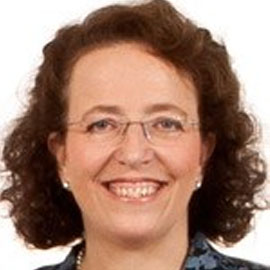 Ingrid Scheffer合作论文数Department of Medicine, The University of Melbourne;Faculty of Medicine, Dentistry and Health Sciences, The University of Melbourne;Florey Institute of Neuroscience and Mental Health;Department of Neurology, Royal Children's Hospital Melbourne;Austin Health21
 Anne T Berg合作论文数Department of Neurological Surgery, Feinberg School of Medicine, Northwestern University20
 Payne Eric T合作论文数McMaster University Medical Center, McMaster University18
 Sameer M. Zuberi合作论文数School of Medicine, Dentistry & Nursing, University of Glasgow17
 Renée Shellhaas合作论文数Washington University School of Medicine in St. Louis16
 Gregory D. Cascino合作论文数Department of Neurology, Mayo Clinic16
 Orrin Devinsky合作论文数Department of Neurology, Grossman School of Medicine, New York University;Department of Psychiatry, Grossman School of Medicine, New York University16Joseph M. Dooley合作论文数16
 Stephane Auvin合作论文数15Moseley Brian D合作论文数15
 Jeffrey W Britton合作论文数15
 Elson L. So合作论文数Department of Neurology, Mayo Clinic14
 Gregory A. Worrell合作论文数Department of Neurology, Mayo Clinic;Department of Physiology & Biomedical Engineering, Mayo Clinic14
 Michael Scott Perry合作论文数14
 Radhika Dhamija合作论文数13
 Grinspan Zachary M合作论文数Dept Healthcare Policy & Res, Weill Cornell Med13
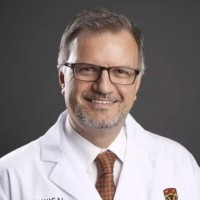 Samuel Wiebe合作论文数Department of Clinical Neurosciences, Cumming School of Medicine, University of Calgary13
 Anthony Fine合作论文数12
 Andrew Mckeon合作论文数Division of Clinical Biochemistry & Immunology, Department of Laboratory Medicine and Pathology, Mayo Clinic;Department of Neurology, Mayo Clinic12Tobias Loddenkemper合作论文数Department of Pediatrics, The Cleveland Clinic Foundation12
 Nicholas M Wetjen合作论文数12Nicola Specchio合作论文数12Sharon Whiting合作论文数Dept Pediat, Childrens Hosp Eastern Ontario11
 Sookyong Koh合作论文数11
 Nathalie Jette合作论文数Department of Clinical Neurosciences, Cumming School of Medicine, University of Calgary11
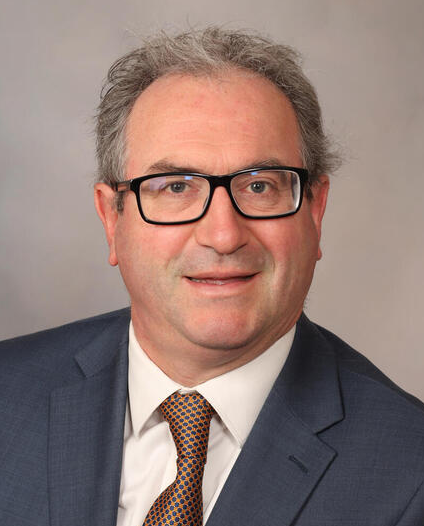 Sean J. Pittock合作论文数Department of Neurology, Mayo Clinic11William D. Gaillard合作论文数11
 Vanda A. Lennon合作论文数Department of Immunology, Mayo Clinic;Department of Neurology, Mayo Clinic;Division of Clinical Biochemistry & Immunology, Department of Laboratory Medicine and Pathology, Mayo Clinic11
 Jo M Wilmshurst合作论文数Department of Paediatric Neurology, University of Cape Town, Cape Town, South Africa.11CS Camfield合作论文数10
 Anup D Patel合作论文数10Elisabeth M. S. Sherman合作论文数10Kelsey M Smith合作论文数9
 Peter Camfield合作论文数Department of Pediatrics, Dalhousie University9Gammaitoni Arnold R合作论文数9
 Catherine Chu合作论文数Kennedy Krieger Institute9
 Elizabeth Anne Thiele合作论文数Carol and James Herscot Center For Tuberous Sclerosis Complex, Department of Neurology, Massachusetts General Hospital9
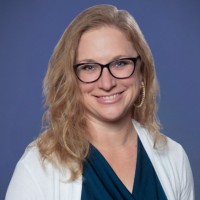 Courtney J. Wusthoff合作论文数Pediatric Neurology Division, Department of Neurology, School of Medicine, University of California, Davis9Eckert Susan合作论文数9John R. Mytinger合作论文数9Jason Coryell合作论文数Neurology, Oregon Health and Sciences University, Portland, Oregon9




