Fruit-derived flavonoids may enhance exercise performance and/or improve recovery due to their antioxidant and anti-inflammatory activities. Evidence in humans suggests that supplementation with about 300 mg of flavonoids before exercise may affect exercise performance and recovery. The aim of this study was to evaluate the plasma metabolomic response to a 1-h cycling trial after twelve participants had consumed either a high or low dairy milk-based flavonoid (490 or 5 mg) pre-workout beverage for 15 d. A randomised, double-blind, placebo-controlled design was used, and subjects completed a submaximal cycling trial (45 m 70 % VO2 max, 15 m time trial). Plasma was collected before and after the exercise trial and at 1-h and 4-h post-exercise. No statistically significant difference was observed (P = 0·051), but a small effect size (d = 0·16) suggests a marginal trend towards increased power output during cycling with the treatment. Plasma samples were extracted, derivatised and subjected to GC-MS-based metabolomics analysis. Sixty-two metabolites were measured, of which forty-two were identified, and twenty are unknowns. A two-way repeated ANOVA with log-transformed and auto-scaled values indicated that 56 of the 62 features were significantly different with respect to time, but no significant treatment effects or treatment-by-time interactions were observed. Using the Euclidean distance measure and Ward clustering algorithm, a heatmap was generated that divided the metabolite response into eight groups and sixteen subgroups. Metabolites (carbohydrates, lipids and amino acids) changed to varying degrees in response to exercise, suggesting that multiple fuel substrate pathways were activated throughout exercise and recovery.
Falls on stairs become more likely with age, partly due to deterioration of the sensorimotor systems essential to balance. The vestibular system, critical for balance control, experiences significant deterioration losing up to 40
Background: The purpose of this study was to investigate the effects of a 16-week exercise program combining aerobic and resistance training on body composition, growth differentiation factor-15 (GDF-15), apelin-12, and interleukin-15 (IL-15) in older Korean women according to obesity status. Methods: Participants were divided into obesity (n = 15) and normal-weight groups (n = 14). A walking exercise was performed at 60–70% heart rate reserve (RPE 13–15). The bodyweight resistance exercises were progressively intensified over 16 weeks. Analysis methods included two-way repeated measures ANOVA, ANCOVA, and paired and independent t-tests. Results: Significant main effects of time and group were observed in body weight (p < 0.001), and both groups demonstrated significant within-group reductions in body mass index (BMI) (obese: p < 0.001; normal-weight: p < 0.05), along with significant between-group differences (p < 0.001). The percentage of body fat significantly decreased over time (p < 0.01) and differed between groups (p < 0.001). GDF-15 exhibited a significant group × time interaction (p < 0.05) and a main group effect (p < 0.05). Although no statistically significant changes were observed in Apelin-12 levels, an opposite trend was identified between groups, with an increase in the obese group and a decrease in the normal-weight group. For IL-15, no significant interaction effect was found between the groups. Conclusions: The 16-week combined exercise intervention improved key markers of body composition, particularly in obese older women, and led to increased GDF-15, indicating potential metabolic benefits. While changes in apelin-12 and IL-15 were not statistically significant, the findings support the utility of combined exercise for mitigating fat accumulation and promoting healthy aging in older adults.
Context: With the rise in distance running, there is an increasing interest in reducing running-related injuries and improving performance. Foot strike patterns (FSP) and step rate (SR) are key factors in managing the external forces generated during foot contact in running. Adjusting SR may help alter FSP and improve running economy (RE), yet its effects on recreational runners are not fully understood. Thus, this study aimed to examine if SR manipulations are sufficient to shift FSP and whether the manipulations change the RE. Design: Cross-sectional study. Methods: Eighteen healthy recreational runners’ (age: 30.2 [7.6] y) foot strike angle was calculated using 2D video motion analysis, and submaximal VO2 was measured while running on a treadmill during preferred and adjusted (±5% and ±10%) SR conditions. Foot strike angle was used to predict strike index and quantify FSP, and submaximal VO2 was analyzed to determine RE. Results: Predicted strike index was significantly different between preferred SR and the −10% (P = .002), −5% (P = .002), and +10% (P < .001) SR conditions. Submaximal VO2 was significantly increased in the −10% (P < .001) and −5% (P = .002) SR conditions. Conclusion: SR manipulations were sufficient to alter foot strike angle and predicted strike index in recreational runners, leading to moderate to significant changes in RE. These findings suggest that SR manipulation can be a useful tool for influencing FSPs and optimizing RE to enhance performance and reduce injury risk.
OBJECTIVE:This study aims to evaluate the association between obesity and both absolute and relative measures of knee extensor muscle structure and contractile function across different age groups, including children, adolescents, adults, and older adults. METHODS:A search for potential studies was performed in four electronic databases. Data were meta-analyzed using a random-effects model for our primary outcomes of knee extensor structure (muscle size and quality) and function (maximal force/torque, rapid torque, and fatigue) and compared between those with or without obesity in each age group. RESULTS:The findings indicate that obesity significantly increases absolute measures of knee extensor maximal contractile function and muscle size. However, obesity was associated with a decrease in relative measures of maximal and rapid contractile function and muscle quality. The association of obesity with these muscle characteristics varied by age group, with the effects on knee extensor structure and function diminishing with age. CONCLUSIONS:This systematic review and meta-analysis demonstrate that while obesity enhances absolute knee extensor muscle size and maximal force/torque, it detrimentally affects relative muscle function and quality, particularly related to activities of daily living. These effects are less pronounced in older adults, suggesting that age modulates the impact of obesity on muscle structure and function. The findings underscore the importance of interventions targeting the improvement of relative muscle function and quality in individuals with obesity. Further research is necessary to better understand these relationships and to develop more effective intervention strategies for obesity. REGISTRATION:This protocol was prospectively registered in the Open Science Framework (DOI: 10.17605/OSF.IO/ZGUK6).
Background: The purpose of this study was to investigate the effect of circuit training on β-amyloid, BDNF, and cognitive function in untrained obese elderly Korean women. Methods: The subjects for the study were aged 65–70 years and were each assigned to a circuit training group (EG, n = 12) or a control group (CG, n = 11). The 60 min combined exercise was performed 3 times per week for 16 weeks. The exercise intensity was progressively increased from a 40% heart rate reserve to a 70% heart rate reserve. The test data were analyzed using a paired t-test, an independent t-test, and a two-way repeated measures ANOVA, and an alpha level of 0.05 was set for all tests of significance. Results: Group-by-time interaction effects were observed for β-amyloid (p < 0.05), brain-derived neurotrophic factor (p < 0.01), and cognitive function (p < 0.05). Within the exercise group, significant differences were found in β-amyloid (p < 0.05), brain-derived neurotrophic factor (p < 0.001), and cognitive function (p < 0.05) when comparing across different time points. Additionally, there were statistically significant differences between groups in post-exercise β-amyloid (p < 0.05), change in β-amyloid (p < 0.05), brain-derived neurotrophic factor (p < 0.01), and cognitive function (p < 0.05). Conclusions: Therefore, it is suggested that the circuit training used in this study could be an effective exercise method for improving the risk factors of cognitive impairment in obese elderly Korean women.
The depth jump (DJ) is commonly used to evaluate athletic ability, and has further application in rehabilitation and injury prevention. There is limited research exploring sex-based differences in DJ ground reaction force (GRF) measures. This study aimed to evaluate for sex-based differences in DJ GRF measures and determine sample size thresholds for binary classification of sex. Forty-seven participants from mixed-sex samples of NCAA athletes and young adults performed DJs from various drop heights. Force platform dynamometry and 2-dimensional videography were used to estimate GRF measures. Three-way mixed analysis of variance was used to evaluate main effects and interactions. Receiver operating characteristic (ROC) curve analysis was used to evaluate the combined sensitivity and specificity of dependent measures to sex. Results revealed that reactive strength index scores and rebound jump heights were greater in males than females (p < 0.001). Additionally, young adult females showed greater peak force reduction than young adult males (p = 0.002). ROC curve analysis revealed mixed results that appeared to be influenced by population characteristics and drop height. In conclusion, sex-based differences in DJ performance were observed, and the results of this study provide direction for future DJ investigations.
Relatively few investigations have examined the transfer effects of multiple-joint isokinetic eccentric only (MJIE) resistance training on non-specific measures of muscle strength. This study investigated the transfer effects of a short-term MJIE leg press (Eccentron) resistance training program on several non-specific measures of lower-body strength. Fifteen participants performed Eccentron training three times/week for four weeks and were evaluated on training-specific Eccentron peak force (EccPF), nontraining-specific leg press DCER one-repetition maximum (LP 1 RM), and peak torques of the knee extensors during isokinetic eccentric (Ecc30), isokinetic concentric (Con150) and isometric (IsomPT) tasks before and after the training period. The training elicited a large improvement in EccPF (37.9%; Cohen’s d effect size [ES] = 0.86). A moderate transfer effect was observed on LP 1 RM gains (19.0%; ES = 0.48) with the magnitude of the strength improvement being about one-half that of EccPF. A small effect was observed on IsomPT and Ecc30 (ES = 0.29 and 0.20, respectively), however, pre-post changes of these measures were not significant. Con150 testing showed no effect (ES = 0.04). These results suggest a short term MJIE training program elicits a large strength improvement in training-specific measures, a moderate strength gain transfer effect to DCER concentric-based strength of a similar movement (i.e., LP 1 RM), and poor transfer to single-joint knee extension measures.
Objectives: To examine the effects of a combined eccentric overload and aquatic-based plyometric training program on muscle function/performance measures and soreness versus an eccentric-only training protocol using a minimal dose training paradigm. Methods: Twenty-five participants were randomized into either an eccentric-only training group (ECC) or a combined eccentric and aquatic plyometric group (ECC + AQP). The ECC group performed eccentric training once per week for 6-weeks while the ECC + AQP group performed the same eccentric training but with an additional aquatic plyometric training session. Results: There was no group x trial interactions for any of the variables. However, the training elicited large improvements in eccentric strength in both ECC (27%; ES = 1.33) and ECC+AQP (17%; ES = .86) groups. Isometric strength improved moderately for ECC and ECC+AQP groups (17.2%, ES = .53;9%, ES = .45). A moderate increase was observed for depth jump height for both ECC and ECC+AQP groups (13.1%, ES = .48;8.8%, ES = .36). No changes were observed for countermovement jump or sprint time and muscle soreness did not differ between groups. Conclusions: Minimal dose multi-joint eccentric overload training improved strength and depth jump outcomes after 6-weeks regardless of the training condition but adding a minimal dose aquatic plyometric protocol does not improve muscle function-based outcomes.
OBJECTIVES To investigate the relationships among intramuscular cooling rates during (IM cooling rate) and after cold water immersion (CWI) (Post-IM cooling rate), skin tissue cooling rate during CWI (skin cooling rate), and anthropometric characteristics, and develop prediction models to assist clinical decision making. METHODS After a 30-min cycling trial, 16 young healthy adults received a CWI treatment (10 °C) until either intramuscular thigh temperature (2 cm sub-adipose) of the rectus femoris decreased 7 °C below preexercise level or 30 minutes was reached. Temperatures were recorded using skin and implantable fine-wire thermocouples. Before the cycling trial, %BF, anterior thigh adipose tissue thickness, muscle thickness, total thigh volume, and thigh circumference were measured. Pearson’s correlation coefficients were used to determine significant predictors of IM and Post-IM cooling rates (cooling rate: the amount of temperature reduction per minute). All predictors, including skin cooling rate, %BF, adipose tissue thickness, muscle thickness, total thigh volume, and thigh circumference, were included in multiple linear regression models to figure out factors that best predict the IM and Post-IM cooling rates. RESULTS Correlation analysis demonstrated significant correlations between IM cooling rate and skin cooling rate (r=.85), %BF (r=-.79), and adipose tissue thickness (r=-.79), and between Post-IM cooling rate and thigh circumference (r=-.68), adipose tissue thickness (r=-.58), total thigh volume (r=-.56), and %BF (r=-.53). Regression models identified skin cooling rate and %BF to have the greatest predictability for IM cooling rate (R2 =.82) and muscle thickness and thigh circumference to have the greatest predictability for the Post-IM cooling rate (R2 =.68). CONCLUSIONS This study provides justification for the use of skin cooling rates during CWI and %BF to estimate IM cooling rate and muscle thickness and thigh circumference to estimate Post-IM cooling rate. These findings will help practitioners to determine the duration of CWI treatment after exercise.
Reactive balance is the last line of defense to prevent a fall when the body loses stability. Appropriately, a considerable amount of research has examined the effects of various exercise-based interventions on reactive balance in older adults, however, none have considered the efficacy of a multifaceted exercise intervention with more than one type of exercise on reactive balance. PURPOSE: To review and evaluate the comparative effectiveness of various exercise-based interventions on reactive balance in older adults. METHODS: Nine electronic databases, including MEDLINE, EBSCO, CINAHL, SPORTDiscus, PsycINFO, PubMed, WorldCat.org, OpenGrey.eu, and PROQUEST, and reference lists were searched from inception to August 2021. Eligibility criteria according to PICOS criteria were as follows: (1) population: older adults aged 65 years or above; (2) intervention and comparison: at least two distinct exercise interventions or one exercise intervention with a no-exercise controlled intervention (NE) compared in each trial; (3) outcome: at least one measure of reactive balance; (4) study: randomized controlled trial. Network meta-analyses were performed in the (1) entire older adult sample including all disease groups and (2) healthy older adult sample. RESULTS: Thirty-nine RCTs (n = 1388) investigating 17 different types of exercise interventions were included in the network meta-analysis. Reactive balance training not combined with other types of exercise interventions presented the highest probability (surface under the cumulative ranking (SUCRA) score) of being the most effective intervention for improving reactive balance and the greatest relative effects versus NE in the entire sample (SUCRA = 0.9; mean difference (95% Credible Interval): 2.7 (1.0 to 4.3)) and in the healthy sample (SUCRA = 0.9; 2.9 (0.92 to 4.8)), followed by the power training in the entire sample (SUCRA = 0.67; 1.5 (-1.2 to 4.3)) as well as in the healthy sample (SUCRA = 0.71; 1.9 (-1.8 to 5.5)). CONCLUSION: The findings from the network meta-analyses suggest that a task-specific reactive balance exercise could be the optimal intervention for improving reactive balance in older adults, and power training can be considered a secondary training exercise.
Purpose: This study investigated the effects of flywheel squat training on lower body muscle function adaptations and sport-specific performance in collegiate club water polo players. Methods: Thirteen collegiate club water polo athletes (5 women, 8 men) performed flywheel squat training for 4 weeks. Isokinetic knee extension (KE) peak power (PP) and peak torque (PT), flywheel squat peak power (FPP) and mean power (FMP), countermovement jump (CMJ), in-water jump height (WJH) and foot speed were assessed at baseline (Pre1), 4 weeks (Pre2), and 8 weeks (Post) with the first 4 week block being a control period and the second 4 week block being the experimental training. Throughout the training period muscle soreness was assessed using a VAS scale, and FPP and FMP were assessed during every other session. Results: Isokinetic KE PP and PT increased from Pre1 to Post, and FPP and FMP increased between Pre1 and Post, and Pre2 and Post. CMJ and foot speed were unchanged. WJH displayed a change between Pre1 and Post. FPP increased 19% from session 2 to 4 and FMP increased 27% from session 2 to 6, and each remained elevated through session 8. Conclusion: 4 weeks of flywheel squat training in collegiate club water polo players elicited large gains (47-52%) in flywheel-specific squat power, but did not influence sport-specific performance measures including CMJ, WJH, and foot speed. Water-based exercises and stretch-shortening cycle movements (plyometrics) in combination with effective resistance training programs, which may include flywheel-based training, are likely needed for marked sport skill improvements.
BackgroundReactive balance is the last line of defense to prevent a fall when the body loses stability, and beneficial effects of various exercise-based interventions on reactive balance in older adults have been reported. However, their pooled evidence on the relative effects has yet to be described.ObjectiveTo review and evaluate the comparative effectiveness of various exercise-based interventions on reactive balance in older adults.MethodsNine electronic databases and reference lists were searched from inception to August 2021. Eligibility criteria according to PICOS criteria were as follows: (1) population: older adults with the mean age of 65 years or above; (2) intervention and comparison: at least two distinct exercise interventions or one exercise intervention with a no-exercise controlled intervention (NE) compared in each trial; (3) outcome: at least one measure of reactive balance; (4) study: randomized controlled trial. The main network meta-analysis was performed on data from the entire older adult population, involving all clinical conditions as well as healthy older adults. Subgroup analyses stratified by characteristics of participants (healthy only) and reactive balance outcomes (simulated slip or trip while walking, simulated forward falls, being pushed or pulled, and movable platform) were also conducted.ResultsThirty-nine RCTs (n = 1388) investigating 17 different types of exercise interventions were included in the network meta-analysis. Reactive balance training as a single intervention presented the highest probability (surface under the cumulative ranking (SUCRA) score) of being the best intervention for improving reactive balance and the greatest relative effects vs. NE in the entire sample involving all clinical conditions [SUCRA = 0.9; mean difference (95% Credible Interval): 2.7 (1.0 to 4.3)]. The results were not affected by characteristics of participants (i.e., healthy older adults only) or reactive balance outcomes.Summary/ConclusionThe findings from the NMA suggest that a task-specific reactive balance exercise could be the optimal intervention for improving reactive balance in older adults, and power training can be considered as a secondary training exercise.
Reactive balance, a critical automatic movement pattern in response to a perturbation, is directly linked to fall prevention in older adults. Various exercise interventions have been broadly performed to improve reactive balance and thus prevent falls. Curiously, aquatic exercises have been suggested as an effective balance intervention and a safer alternative to exercises on dry land yet the efficacy of aquatic exercises on reactive balance has not been formally investigated. The present clinical trial aims to identify if skills acquired during aquatic exercise are more effectively transferred to a reactive balance task than land exercise. This study is designed as a double-blinded, randomized controlled clinical trial. Forty-four older adults aged 65 years or above who meet the eligibility criteria will be recruited and randomized into an aquatic exercise group or land exercise group. Each group will participate in the same single bout intervention that includes a ball throwing and catching task. A modified lean-and-release test will be implemented on land immediately before, after, and one week after the single bout intervention. The outcomes will include reaction time, rapid response accuracy, and mini-BESTest scores obtained from stepping and grasping reactions. All statistical analyses will be conducted using an intention-to-treat approach. Our conceptual hypothesis is that participants in the aquatic exercise group will demonstrate more improved outcome scores in the lean-and-release test when compared to those in the land exercise group. The results of the present study are expected to provide evidence to support the benefits of aquatic exercises for improving reactive balance in older adults. Further, participants may find aquatic exercises safer and more motivating, thus encouraging them to participate in further aquatic exercise programs.
PURPOSE The purpose of the present study was to improve the specificity of lower extremity vertical stiffness (Kvert) of depth jumping (DJ). METHODS Participants (male = 9, female = 11; 19.9 ± 1.1 years; 82.6 ± 13.9 kg; 188.6 ± 11.3 cm) performed three successful trials of depth jumps (DJ) from drop heights of 0.51 m, 0.66 m, and 0.81 m. DJ performance was measured using 2-D video recordings and force platform dynamometry. Kvert was estimated using conventional methods as a ratio of maximum GRF to either dCoM corresponding to the time point of maximum GRF (Kvert1) or maximum dCoM displacement (Kvert2). GRF and dCoM data were then interpolated using a Lagrange polynomial, yielding. Interpolated data were passed through a Savistky-Golay polynomial filter. Following interpolation, Kvert1 and Kvert2 were estimated a second time to evaluate for signal distortion. The new estimation method (KvertNew) was calculated through first central difference derivation of interpolated GRF data with respect to interpolated dCoM data. Linear regression models were fit to GRF and dCoM data using Kvert1 and Kvert2 values. The validity of Kvert1 and Kvert2 was evaluated using Root Mean Square Error (RMSE) and coefficients of determination (R2) returned from the linear models. Segmented linear regression was fit to interpolated GRF and dCoM data. The validity of KvertNew was evaluated using RMSE and R2 values returned from the segmented linear models. One-way repeated measures ANOVAs were used to evaluate for main effects of estimation method on Kvert, RMSE, and R2 RESULTS There were significant main effects of estimation method on Kvert (p < 0.001), RMSE (p < 0.001), and R2 values (p < 0.001). Kvert1 and Kvert2 were lower than peak KvertNew (p < 0.001) and greater than mean KvertNew (p < 0.001). Kvert1 and Kvert2 were not affected by the interpolation technique (p = 1.0). RMSE values were significantly greater for Kvert1 and Kvert2 than KvertNew. R2 values returned from KvertNew models (1.00 ± .01) were significantly greater than values returned from the linear models constructed using Kvert1 (.86 ± .09) and Kvert2 (.52 ± .30 CONCLUSIONS KvertNew appears to be a feasible method for estimating Kvert in DJ landings. KvertNew may also provide greater specificity and address the threats to validity associated with conventional estimation methods.
Background Submaximal endurance exercise has been shown to cause elevated gastrointestinal permeability, injury, and inflammation, which may negatively impact athletic performance and recovery. Preclinical and some clinical studies suggest that flavonoids, a class of plant secondary metabolites, may regulate intestinal permeability and reduce chronic low-grade inflammation. Consequently, the purpose of this study was to determine the effects of supplemental flavonoid intake on intestinal health and cycling performance. Materials and methods A randomized, double-blind, placebo-controlled crossover trial was conducted with 12 cyclists (8 males and 4 females). Subjects consumed a dairy milk-based, high or low flavonoid (490 or 5 mg) pre-workout beverage daily for 15 days. At the end of each intervention, a submaximal cycling trial (45 min, 70% VO 2 max) was conducted in a controlled laboratory setting (23°C), followed by a 15-minute maximal effort time trial during which total work and distance were determined. Plasma samples were collected pre- and post-exercise (0h, 1h, and 4h post-exercise). The primary outcome was intestinal injury, assessed by within-subject comparison of plasma intestinal fatty acid-binding protein. Prior to study start, this trial was registered at ClinicalTrials.gov (NCT03427879). Results A significant time effect was observed for intestinal fatty acid binding protein and circulating cytokines (IL-6, IL-10, TNF-α). No differences were observed between the low and high flavonoid treatment for intestinal permeability or injury. The flavonoid treatment tended to increase cycling work output (p = 0.051), though no differences were observed for cadence or total distance. Discussion Sub-chronic supplementation with blueberry, cocoa, and green tea in a dairy-based pre-workout beverage did not alleviate exercise-induced intestinal injury during submaximal cycling, as compared to the control beverage (dairy-milk based with low flavonoid content).
Since the reactive strength index (RSI) and reactive strength index-modified (RSI-mod) share similar nomenclature, they are commonly referred as interchangeable measures of agility in the sports research literature. The RSI and RSI-mod are most commonly derived from the performance of depth jumping (DJ) and countermovement jumping (CMJ), respectively. Given that DJ and CMJ are plyometric movements that differ materially from biomechanical and neuromotor perspectives, it is likely that the RSI and RSI-mod measure distinct aspects of neuromuscular function. The purpose of this investigation was to evaluate the association and agreement between RSI and RSI-mod scores. A mixed-sex sample of NCAA division I basketball athletes (n = 21) and active young adults (n = 26) performed three trials of DJ from drop heights of 0.51, 0.66, and 0.81 m and three trials of countermovement jumping. Using 2-dimensional videography and force platform dynamometry, RSI and RSI-mod scores were estimated from DJ and CMJ trials, respectively. Linear regression revealed moderate associations between RSI and RSI-mod scores (F = 11.0–38.1; R2 = 0.20–0.47; p < 0.001–0.001). Bland–Altman plots revealed significant measurement bias (0.50–0.57) between RSI and RSI-mod scores. Bland–Altman limit of agreement intervals (1.27–1.51) were greater than the mean values for RSI (0.97–1.05) and RSI-mod (0.42) scores, suggesting poor agreement. Moreover, there were significant performance-dependent effects on measurement bias, wherein the difference between and the mean of RSI and RSI-mod scores were positively associated (F = 77.2–108.4; R2 = 0.63–0.71; p < 0.001). The results are evidence that the RSI and RSI-mod cannot be regarded as interchangeable measures of reactive strength.
Ballet dancers are exposed to the high likelihood of lower extremity injury due to repeated high-impact jumps under stringent ballet rules. The injury incidences occurring in dancers during jump landings are highly associated with excessive vertical ground reaction forces (vGRF) and the sharp loading rate (LR). The aim of this study was to compare vGRF and LR during ballet sauté jump landings in dancers with two different skill levels. Impact peak force (F1) and active peak force (F2) were both significantly varied between novice and experienced dancers. The LR was also significantly different between the two groups but no significant differences were found in peak take-off force and jump height. The difference of vGRF during jump landings in different skill levels can be considered as an influential factor for dance instructors, educators, physicians, and dancers themselves in order to support a better jump performance and reduce the likelihood of potential injury.
Balance and mobility impairments are the leading causes of falls in older adults. Aquatic-based exercises have been broadly practiced as an alternative to land-based exercises due to several beneficial effects. However, there has been no systematic review with meta-analysis regarding the effects of aquatic exercises on dynamic balance in older adults. PURPOSE: To compare the effectiveness of aquatic exercises (AE) to land exercises (LE) on dynamic balance in older adults. METHODS: Electronic databases (PubMed, MEDLINE, CINAHL, SPORTDiscus, psycINFO), from inception to March 2019, were searched. Studies met the following eligibility criteria: Randomized controlled trials, English language, older adults aged 65 years or older, a minimum of one AE group and one LE group, at least one assessment for dynamic balance. For the meta-analysis, the effect sizes of dynamic balance outcomes were calculated using a weighted mean difference (WMD) or a standardized mean difference (SMD) and a 95% confidence interval (CI). RESULTS: A total of 9 trials met the inclusion criteria, and 7 studies including 328 participants (age = 69.6 ± 6.4yr) were eligible for the meta-analysis. Exercise intervention duration and frequency varied from 4 to 20 weeks, from 2 to 5 sessions per week, from 45 to 60 min per session. The tests most used in the studies were Berg Balance Scale (BBS), Tinetti scale, gait assessment, Functional Reach Test (FRT), Timed Up and Go test (TUG), and Five Times Sit-to-Stand test (FTSTS). The meta-analysis showed that older adults in AE groups demonstrated comparably enhanced dynamic balance compared with those in LE groups (SMD = 0.38; 95% CI, 0.16-0.60). Subgroup analysis showed that there were no differences in BBS (WMD = 1.66; 95% CI, -0.27-3.59; P = .09), FRT (WMD = 2.40; 95% CI, -3.38-8.18; P = .42), TUG (WMD = 0.98; 95% CI, -0.08-2.04; P = .07), and FTSTS (WMD = 2.05; 95% CI, -0.59-4.70; P = .13) between AE and LE groups. CONCLUSION: AE may have comparable effects on dynamic balance abilities in older adults aged 65 years or older when compared to LE, which implies that AE may serve as a safe low-impact alternative to LE. Older adults may participate in various physical activities in the safer aquatic environment to improve dynamic balance and possibly reduce the risk of falls.
Background Balance impairments are the leading causes of falls in older adults. Aquatic-based exercises have been broadly practiced as an alternative to land-based exercises; however, the effects on dynamic balance have not been comprehensively reviewed and compared to land exercises. Thus, the purpose of this systematic review and meta-analysis was to compare the effectiveness of aquatic exercises (AE) to land exercises (LE) on dynamic balance in older adults. Methods Electronic databases (PubMed, MEDLINE, CINAHL, SPORTDiscus, psycINFO), from inception to November 2019, were searched. Studies met the following eligibility criteria: Randomized controlled trials, English language, older adults aged 65 years or older, a minimum of one AE and LE group, at least one assessment for dynamic balance. For the meta-analysis, the effect sizes of dynamic balance outcomes were calculated using a standardized mean difference (SMD) and a 95% confidence interval (CI). Results A total of 11 trials met the inclusion criteria, and 10 studies were eligible for the meta-analysis. The meta-analysis presented that older adults in AE groups demonstrated comparable enhancements in dynamic steady-state balance (SMD = − 0.24; 95% CI, −.81 to .34), proactive balance (SMD = − 0.21; 95% CI, −.59 to .17), and balance test batteries (SMD = − 0.24; 95% CI, −.50 to .03) compared with those in LE groups. Conclusions AE and LE have comparable impacts on dynamic balance in older adults aged 65 years or older. Thus, this review provides evidence that AE can be utilized as a reasonable alternative to LE to improve dynamic balance and possibly reduce the risk of falls.
 Talin Louder合作论文数29
 Dennis G. Dolny合作论文数Sports Medicine Clinic, Utah State University29
 John Cronin合作论文数School of Sport & Recreation, Auckland University of Technology;Athlete Training and Health;Exerfly;VALD Performance;JC Online13Thompson Brennan J合作论文数Applied Musculoskeletal and Human Physiology Laboratory, Oklahoma State University12Michael N. Vakula合作论文数8
 Youngwook Kim合作论文数Dept Kinesiol & Hlth Sci, Utah State Univ8Edward M. Heath合作论文数8Gerald A. Smith合作论文数7
 Peter McNair合作论文数Auckland University of Technology6
 Miller Andrew I合作论文数School of Nutrition and Health Promotion, a Arizona State University6Heise G D合作论文数5
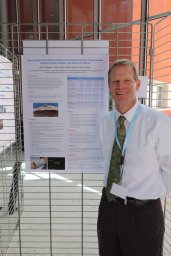 Dale Wagner合作论文数HPER Department, Utah State University5Do-Yeon Kim合作论文数4Cade Searle合作论文数4
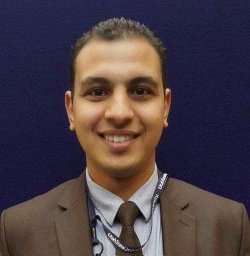 Ahmed Gaballah合作论文数Department of Kinesiology and Health Science, Utah State University4
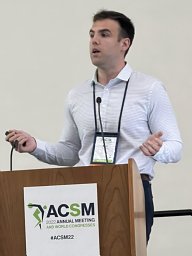 Nile Banks合作论文数Iowa City4
 David A E Bolton合作论文数Dept Kinesiol & Hlth Sci, Utah State Univ4Willardson J M合作论文数4John Kras合作论文数3Matt Baldwin合作论文数3
 Nicolas William Clark合作论文数Applied Human Performance Laboratory, Utah Valley University3
 Breanna E Studenka合作论文数Department of Kinesiology, The Pennsylvania State University3Elgeidi Adham合作论文数Mansoura School of Medicine, Mansoura University3Megan E. Bressel合作论文数3Christopher J Dakin合作论文数School of Human Kinetics, University of British Columbia3Soo Min Ha合作论文数2Su-Han Koh合作论文数2Steven Spencer合作论文数2Brenda A. Costa-Scorse合作论文数2Nicholas Rech合作论文数2David C Harrell合作论文数2Dan Parker合作论文数2Jung-Sook Kim合作论文数2eric m snyder合作论文数2Seeley Mk合作论文数2Clint Nardoni合作论文数2Joshua S Crane合作论文数2
 Richard D. Gordin合作论文数Utah State Univ2
 Ryan Porter合作论文数Texas Christian University2
 Michael Lefevre合作论文数2
 Roper Jaimie A合作论文数Department of Health, Physical Education and Recreation, Utah State University2Foster Shayla合作论文数2Wing Jessica E合作论文数2Jaimie Branscomb合作论文数2
 Gary Heise合作论文数2
 Fabio Fontana合作论文数School of Health, Physical Education, and Leisure Services, University of Northern Iowa2
 Will G Hopkins合作论文数Internet Society for Sport Science2E. M. Heath合作论文数2Brandon T Larsen合作论文数2




