The objective of this study was to determine the extent to which diets with a higher inflammatory potential, as measured by the Dietary Inflammatory Index (DII), are associated with cancer development in a cohort of rural post-menopausal women. This study was a secondary analysis of participants of a randomized control trial evaluating the effect of vitamin D and calcium supplementation on cancer development in rural, post-menopausal women in Nebraska. From this cohort, diets were evaluated via a 2005 Block Food Frequency Questionnaire (FFQ) at baseline and four years later (Visit 9). DII scores were calculated at both time points for each participant, including an unadjusted and energy-adjusted DII score. The relationship with DII scores and cancer development were evaluated using a chi-squared test and logistic regression, controlling for pertinent confounders. The difference in DII scores at baseline and Visit 9 for participants who developed cancer and non-cancer participants was examined via a repeated measure ANOVA test. There were 1977 participants with baseline and Visit 9 DII scores available for analysis. There was a significant difference in DII scores between baseline and Visit 9, with a significantly larger change in DII scores in the participants who developed cancer (p = 0.0194), shifting to higher pro-inflammatory scores at Visit 9. Cancer status was not associated with baseline DII scores, nor was DII score a predictor of cancer status, when controlling for confounders. These findings illustrate how dietary patterns in persons diagnosed with cancer had significant changes over time, increasing inflammatory diet potential. This increase in inflammatory potential in cancer patients may impact outcomes like treatment success, overall survival, and cancer recurrence, creating a need for more research to further analyze the impact of cancer diagnoses on diet changes, and if these changes are detrimental to cancer survivor outcomes. None.
This abstract was not presented at the conference. Citation Format: McDonnell SL, Baggerly CA, French CB, Baggerly LL, Garland CF, Gorham ED, Lappe JM. Not presented [abstract]. In: Proceedings of the 2018 San Antonio Breast Cancer Symposium; 2018 Dec 4-8; San Antonio, TX. Philadelphia (PA): AACR; Cancer Res 2019;79(4 Suppl):Abstract nr P6-10-02.
BACKGROUND:While numerous epidemiologic studies have found an association between higher serum 25-hydroxyvitamin D [25(OH)D] concentrations and lower breast cancer risk, few have assessed this association for concentrations >40 ng/ml. OBJECTIVE:To investigate the relationship between 25(OH)D concentration and breast cancer risk across a broad range of 25(OH)D concentrations among women aged 55 years and older. METHODS:Analyses used pooled data from two randomized clinical trials (N = 1129, N = 2196) and a prospective cohort (N = 1713) to examine a broad range of 25(OH)D concentrations. The outcome was diagnosis of breast cancer during the observation periods (median: 4.0 years). Three analyses were conducted: 1) Incidence rates were compared according to 25(OH)D concentration from <20 to ≥60 ng/ml (<50 to ≥150 nmol/L), 2) Kaplan-Meier plots were developed and 3) multivariate Cox regression was used to examine the association between 25(OH)D and breast cancer risk using multiple 25(OH)D measurements. RESULTS:Within the pooled cohort (N = 5038), 77 women were diagnosed with breast cancer (age-adjusted incidence: 512 cases per 100,000 person-years). Results were similar for the three analyses. First, comparing incidence rates, there was an 82% lower incidence rate of breast cancer for women with 25(OH)D concentrations ≥60 vs <20 ng/ml (Rate Ratio = 0.18, P = 0.006). Second, Kaplan-Meier curves for concentrations of <20, 20-39, 40-59 and ≥60 ng/ml were significantly different (P = 0.02), with the highest proportion breast cancer-free in the ≥60 ng/ml group (99.3%) and the lowest proportion breast cancer-free in the <20 ng/ml group (96.8%). The proportion with breast cancer was 78% lower for ≥60 vs <20 ng/ml (P = 0.02). Third, multivariate Cox regression revealed that women with 25(OH)D concentrations ≥60 ng/ml had an 80% lower risk of breast cancer than women with concentrations <20 ng/ml (HR = 0.20, P = 0.03), adjusting for age, BMI, smoking status, calcium supplement intake, and study of origin. CONCLUSIONS:Higher 25(OH)D concentrations were associated with a dose-response decrease in breast cancer risk with concentrations ≥60 ng/ml being most protective.
Background It has been reported that higher plasma 25-hydroxyvitamin D is associated with lower risk of type 2 diabetes. However the results to date have been mixed and no adequate data based on a cohort are available for the high end of the normal range, above approximately 32 ng/ml or 80 nmol/L. Methods We performed a cohort study of 903 adults who were known to be free of diabetes or prediabetes during a 1997-1999 visit to a NIH Lipid Research Centers clinic. Plasma 25(OH) D was measured at Visit 8 in 1977-1979. The mean age was 74 years. The visit also included fasting plasma glucose and oral glucose tolerance testing. Follow-up continued through 2009. Results There were 47 cases of diabetes and 337 cases of pre-diabetes. Higher 25(OH) D concentrations (> 30 ng/ml) were associated with lower hazard ratios (HR) for diabetes: 30-39 ng/ml or 75-98 nmol/L: HR = 0.31, 95% CI = 0.14-0.70; for 40-49 ng/ml or 100-122 nmol/L: HR = 0.29, CI = 0.12-0.68; for > 50 ng/ml or 125 nmol/L: HR = 0.19, CI = 0.06-0.56. All HRs are compared to < 30 ng/ml or 75 nmol/L. There was an inverse dose-response gradient between 25(OH) D concentration and risk of diabetes with a p for trend of 0.005. Each 10 ng/mL or 25 nmol/L higher 25(OH) D concentration was associated with a HR of 0.64, CI = 0.48-0.86. 25(OH) D concentrations were more weakly inversely associated with pre-diabetes risk, and the trend was not significant. Conclusion Further research is needed on whether high 25(OH) D might prevent type 2 diabetes or transition of prediabetes to diabetes.
To the Editor Dr Lappe and colleagues concluded that vitamin D and calcium supplementation compared with placebo did not reduce the risk of cancer in healthy older women.1 However, we believe their conclusion may be premature.
Importance Evidence suggests that low vitamin D status may increase the risk of cancer. Objective To determine if dietary supplementation with vitamin D3 and calcium reduces the risk of cancer among older women. Design, Setting, and Participants A 4-year, double-blind, placebo-controlled, population-based randomized clinical trial in 31 rural counties (June 24, 2009, to August 26, 2015—the final date of follow-up). A total of 2303 healthy postmenopausal women 55 years or older were randomized, 1156 to the treatment group and 1147 to the placebo group. Duration of treatment was 4 years. Interventions The treatment group (vitamin D3 + calcium group) received 2000 IU/d of vitamin D3 and 1500 mg/d of calcium; the placebo group received identical placebos. Main Outcomes and Measures The primary outcome was the incidence of all-type cancer (excluding nonmelanoma skin cancers), which was evaluated using Kaplan-Meier survival analysis and proportional hazards modeling. Results Among 2303 randomized women (mean age, 65.2 years [SD, 7.0]; mean baseline serum 25-hydroxyvitamin D level, 32.8 ng/mL [SD, 10.5]), 2064 (90%) completed the study. At year 1, serum 25-hydroxyvitamin D levels were 43.9 ng/mL in the vitamin D3 + calcium group and 31.6 ng/mL in the placebo group. A new diagnosis of cancer was confirmed in 109 participants, 45 (3.89%) in the vitamin D3 + calcium group and 64 (5.58%) in the placebo group (difference, 1.69% [95% CI, −0.06% to 3.46%]; P = .06). Kaplan-Meier incidence over 4 years was 0.042 (95% CI, 0.032 to 0.056) in the vitamin D3 + calcium group and 0.060 (95% CI, 0.048 to 0.076) in the placebo group; P = .06. In unadjusted Cox proportional hazards regression, the hazard ratio was 0.70 (95% CI, 0.47 to 1.02). Adverse events potentially related to the study included renal calculi (16 participants in the vitamin D3 + calcium group and 10 in the placebo group), and elevated serum calcium levels (6 in the vitamin D3 + calcium group and 2 in the placebo group). Conclusions and Relevance Among healthy postmenopausal older women with a mean baseline serum 25-hydroxyvitamin D level of 32.8 ng/mL, supplementation with vitamin D3 and calcium compared with placebo did not result in a significantly lower risk of all-type cancer at 4 years. Further research is necessary to assess the possible role of vitamin D in cancer prevention. Trial Registration clinicaltrials.gov Identifier: NCT01052051
Fifteen nested case-control or cohort studies in 14 countries have examined the association between serum 25-hydroxyvitamin D [25(OH)D] and risk of colorectal cancer. A meta-analysis of these studies would provide a useful dose-response gradient curve based on pooling of the results of known studies to date. An up-to-date dose-response curve that combines the findings of these studies has not been reported, to our knowledge. This curve would help in designing interventions for future studies. A new meta-analysis would be more precise than any previous analysis due to its larger sample size. Therefore a search of PubMed and other resources was performed in May 2016 for all cohort or nested case-control observational studies that reported risk of colon or colorectal cancer by quantiles of 25(OH)D. All but two of the 15 studies found a trend toward lower risk of colorectal cancer associated with higher serum 25 (OH)D. There was a linear reduction in the odds ratio (OR) with each 10 ngiml-increment in 25(OH)D concentration. The lowest quantile of the serum 25(OH)D concentration was generally < 20 ng/ml. The downward trend in ORs associated with higher serum 25(OH)D concentrations was statistically significant in 3 studies. The pooled OR from all studies comparing highest with lowest quantile of 25(OH) D was 0.67 (95% confidence interval [CI], 0.59-0.76), meaning there was a 33% lower risk associated with the highest compared with the lowest quantile of serum 25(OH)D. A dose-response analysis revealed that a serum 25(OH)D of 50 ng/ml was associated with an OR of 0.4 (95% CI, 0.2-1.0) compared with a concentration of 5 ng/ml. The formula for the linear relationship was OR= 0.008x. For example, individuals with a 25(OH)D concentration of 50 ng/ml had an approximately 60% lower risk of colorectal cancer than those with a concentration of 5 ng/ml. Those with a 25(OH)D concentration of 30 ng/ml had a 33% lower risk than those with a concentration of 5 ng/ml. The inverse association between serum 25 (OH)D and risk of colorectal cancer overall was strong and statistically significant. There also was a mostly linear dose response relationship between serum 25(OH)D and risk of colorectal cancer when all studies were combined. No study reported significant adverse effects, and there was no evidence of publication bias. Misclassification in some studies could have influenced the association, causing it to appear weaker than the true association. (C) 2016 Published by Elsevier Ltd.
Higher serum 25-hydroxyvitamin D [25(OH)D] concentrations have been associated with lower risk of type 2 diabetes. This study compared incidence rates of type 2 diabetes among participants aged ≥20 years in two U.S. cohorts with markedly different median 25(OH)D concentrations. The median 25(OH)D concentration in the GrassrootsHealth (GRH) cohort was 41 ng/ml (N=4933) while in the 2005-6 National Health and Nutrition Examination Survey (NHANES) it was 22 ng/ml (N=4078) (P<0.0001). The adjusted annual incidence rate of type 2 diabetes was 3.7 per 1000 population (95% confidence interval=1.9, 6.6) in the GRH cohort, compared to 9.3 per 1000 population (95% confidence interval=6.7, 12.6) in NHANES. In the NHANES cohort, the lowest 25(OH)D tertiles (<17, 17-24 ng/ml) had higher odds of developing diabetes than the highest tertile (OR: 4.9, P=0.02 and 4.8, P=0.01 respectively), adjusting for covariates. Differences in demographics and methods may have limited comparability. Raising serum 25(OH)D may be a useful tool for reducing risk of diabetes in the population.
Background: Controversy exists regarding whether vitamin D deficiency could influence the etiology of pancreatic cancer. Several cohort studies have found that high serum 25-hydroxyvitamin D [25(OH)D] concentrations are associated with low risk of pancreatic cancer, while others have not.Hypothesis: Low ultraviolet B irradiance is associated with high incidence of pancreatic cancer.Methods: Age-standardized pancreatic cancer incidence rates were obtained from GLOBOCAN in 2008. The association between cloud-adjusted UVB irradiance and age-standardized incidence rates of pancreatic cancer was analyzed using regression.Results: Overall, the lower the cloud-adjusted UVB irradiance, the higher the incidence rate of pancreatic cancer. Residents of countries with low UVB irradiance had approximately 6 times the incidence rates as those in countries with high UVB irradiance (p < 0.0001 for males and p < 0.0001 for females). This association persisted after adjustment for traditional risk factors of pancreatic cancer (p = 0.0182 for males and p = 0.0029 for females).Conclusions: There was an inverse association of cloud-adjusted UVB irradiance with incidence of pancreatic cancer that persisted after adjustment. This result is consistent with an inverse association of overall vitamin D deficiency in countries with lower UVB irradiance with risk of pancreatic cancer. Further research on the role of 25(OH)D in reduction of pancreatic cancer in individuals would be desirable to expand the limited avenues available for prevention of this highly fatal disease.This article is part of a Special Issue entitled '17th Vitamin D Workshop'. (C) 2015 Elsevier Ltd. All rights reserved.
[This corrects the article DOI: 10.1371/journal.pone.0152441.].
Background: The purpose of this study was to determine whether an inverse association exists between latitude, solar ultraviolet B (UVB) irradiance, and incidence rates of multiple myeloma. Methods Associations of latitude and UVB irradiance with age-standardized incidence rates of multiple myeloma were analyzed for 175 countries while controlling for sex-specific obesity prevalence, cigarette consumption, and alcohol consumption using multiple linear regression. Results Incidence rates of multiple myeloma were greater at higher latitudes (R-2 for latitude for males = 0.31, p < 0.0001; females R-2=0.27, p < 0.0001). In regression models for males (R-2=0.62, p < 0.0001) and females (R-2=0.51, p < 0.0001), UVB irradiance was independently inversely associated with incidence rates. Conclusions Age-adjusted incidence rates of multiple myeloma were higher in countries with lower solar UVB irradiance. Further investigation is warranted in individuals of the association of prediagnostic serum 25 (OH)D with risk. (C) 2014 Elsevier Ltd. All rights reserved.
There are 52,380 cases of leukemia and 24,090 deaths from it in the US annually. Its causes are unknown and no preventive strategies have been implemented. We hypothesized that leukemia is due mainly to vitamin D deficiency, which is due mainly to low solar ultraviolet B (UVB) irradiance. To test this hypothesis, we estimated age-standardized cloud-cover-adjusted winter UVB irradiance using cloud cover data from the International Satellite Cloud Climatology Project, latitudes of population centroids, and standard astronomical calculations. Incidence rates for 172 countries, available from the International Agency for Cancer Research, were plotted according to cloud-adjusted UVB irradiance. We used multiple regression to account for national differences in elevation and average life expectancy. Leukemia incidence rates were inversely associated with cloud-adjusted UVB irradiance in males (p ≤ 0.01) and females (p ≤ 0.01) in both hemispheres. There were few departures from the trend line, which was parabolic when plotted with the equator at the center of the display, northern hemisphere countries on the right side and southern hemisphere countries on the left. The bivariate association displayed by the polynomial trend line indicated that populations at higher latitudes had at least two times the risk of leukemia compared to equatorial populations. The association persisted in males (p ≤ 0.05) and females (p ≤ 0.01) after controlling for elevation and life expectancy. Incidence rates of leukemia were inversely associated with solar UVB irradiance. It is plausible that the association is due to vitamin D deficiency. This would be consistent with laboratory studies and a previous epidemiological study. Consideration should be given to prudent use of vitamin D for prevention of leukemia.
Purpose: To determine whether a higher serum 25-hydroxyvitamin D [25(OH)D] concentration at diagnosis is associated with longer survival of colorectal cancer patients.Methods: A meta-analysis was performed of studies of the relationship between 25(OH)D and mortality of patients with colorectal cancer. A random-effects model was used to calculate a pooled hazards ratio. Homogeneity was evaluated through a DerSimonian-Laird test.Results: Higher serum concentrations of 25(OH)D were associated with lower mortality in patients with colorectal cancer. Patients in the highest quintile of 25(OH)D had 37% lower mortality from colorectal cancer compared to those in the lowest quintile of 25(OH)D (pooled odds ratio = 0.63, p < 0.0001). Dose-response curves showed lower hazard ratios for mortality with higher serum 25(OH)D through at least 40 ng/ml. There were no exceptions.Conclusions: Higher serum 25(OH)D was associated with lower mortality of patients with colorectal cancer. These results suggest that colorectal cancer patients with deficient levels of serum 25(OH)D should have their levels restored to a normal range (30-80 ng/ml). This could be done with regular testing of serum 25(OH)D to be confident that an adequate serum level is being maintained. Additional studies would be worthwhile to evaluate confounding or the possibility of reverse causation. (C) 2014 Elsevier Ltd. All rights reserved.
The World Health Organization's International Agency for Research on Cancer recommends avoiding outdoor activities at midday, wearing clothing to cover the whole body, and daily use of sunscreen on usually exposed skin [1]. The American Cancer Society advocates Slip! Slop! Slap! and Wrap! to make sure skin is covered in clothing or sunscreen and to avoid exposure to the sun between 10 am and 4 pm [2]. The U.S. Surgeon General has issued a Call to Action focused on reducing ultraviolet (UV) exposure, whether from indoor UV or from the sun [3]. Though these recommendations, all focused on reduction of skin cancer, are accompanied by brief acknowledgement of the importance of vitamin D for health, they persist in urging avoidance of the sun at the precise times when vitamin D can be synthesized in the skin—the hours between 10 am and 3 pm—and suggest that all necessary vitamin D can be obtained through food and dietary supplements. These recommendations are understandable from the viewpoint of preventing the 3.5 million new cases of and 2000 deaths from nonmelanoma skin cancer in the United States each year [4], but they neglect the fact that we have a long cultural history of appreciation of the sun and use of UV radiation for healing purposes. Moreover, they neglect that we have evolved with physiological adaptations to help protect the skin from the sun [5] when we are mindful of our exposure and do not burn. They neglect the fact that increased sun exposure, based on latitude, has been associated with protection from several different types of cancer [6–15], type 1 diabetes [16], multiple sclerosis [17,18], and other diseases [19–23]. They also neglect the fact that exposure to the sun induces beneficial physiological changes beyond the production of vitamin D. Though adherence to the current sun-protective recommendations would likely result in the reduction of nonmelanoma skin cancer, that reduction would likely be overshadowed by the potential reduction in deaths from other cancers and from cardiovascular disease, which could be achieved by doubling average blood concentrations of 25-hydroxyvitamin D (25(OH)D) to 40 ng/mL through a combination of sun exposure and supplements [24]. The potential harm of sun avoidance and the neglect of its positive effects on human health led to a seminar, Vitamin D for Public Health: Integrating Sunshine, Supplements and Measurement for Optimal Health, presented by GrassrootsHealth at the University of California San Diego to inform and to help initiate an action plan to restore a more balanced approach to solar radiation based on input by the conference speakers.
Recently Veugelers and Ekwaru published data [1] indicating that, in its dietary reference intakes for calcium and vitamin D, the Institute of Medicine (IOM) had made a serious calculation error [2]. Using the same data set as had the IOM panel, these investigators showed that the Recommended Dietary Allowance (RDA) for vitamin D had been underestimated by an order of magnitude. Veugelers and Ekwaru, using the IOM’s data, calculated an RDA of 8895 IU per day. They noted that there was some uncertainty in that estimate, inasmuch as this value required an extrapolation from the available data, which did not include individuals receiving daily vitamin D inputs above 2400 IU/day.[...]
Breast and colorectal cancer incidence rates are highest in countries distant from the equator and lowest in near-equatorial countries. It is known that adequate levels of vitamin D, which require sunlight for synthesis in the skin, tend to be associated with lower age-adjusted incidence rates of these cancers. Residents of near-equatorial areas synthesize far more vitamin D than those living at high latitudes. To describe the associations of these cancers with ultraviolet B (UVB) irradiance, we obtained sunlight measurements from the National Aeronautics and Space Administration (NASA), and age-adjusted breast and colorectal cancer incidence rates for 175 countries from the International Agency for Research on Cancer Global Cancer Database (GLOBOCAN). We created Geographic Information Systems displays of the association between sunlight levels and disease rates using three-dimensional analysis. Countries that received the lowest solar irradiance had rates of breast and colorectal cancer that were several times greater than those of countries with the highest solar irradiance. Countries with intermediate irradiance had intermediate rates of colorectal and breast cancer incidence. Dietary differences might explain some but not all of this association.
Higher serum 25‐hydroxyvitamin D [25(OH)D] concentrations are associated with a lower risk of breast cancer. Serum levels in the range of 40 to 60 ng/mL could prevent a substantial number of breast cancer cases. This study examined the relationship between serum 25(OH)D and the incidence of breast cancer among women aged 60 years and older. The study included the 771 participants of the GrassrootsHealth cohort who were followed prospectively for a median of 12 months. There were 5 self‐reported incident breast cancer cases within the study period. The median 25(OH)D concentration in this cohort was 50 ng/ml and the median age was 65 years. Four of the five cases had 25(OH)D values below the median for the group as a whole. Cox multivariate regression was used to assess the association between serum 25(OH)D concentration and incidence of breast cancer, adjusting for age. The hazard ratio of breast cancer in participants with a serum 25(OH)D concentration < 50 ng/mL was 5.1 (95% CI=0.56, 45.7) compared to 蠅 50 ng/mL. Body mass index (BMI) was also found to be associated with breast cancer risk. BMI is likely to be in the causal sequence because similar vitamin D intakes result in lower concentrations of serum 25(OH)D in individuals with high BMI compared to leaner individuals. A limitation of this study was that its median 12 month follow‐up limited the possibility of finding statistical significance. The trend in this study suggests that serum 25(OH)D concentrations from 50‐80 ng/mL may provide additional benefit in the prevention of breast cancer.
We examined the relationship between serum 25-hydroxyvitamin D (25[OH]D) and all-cause mortality. We searched biomedical databases for articles that assessed 2 or more categories of 25(OH)D from January 1, 1966, to January 15, 2013. We identified 32 studies and pooled the data. The hazard ratio for all-cause mortality comparing the lowest (0–9 nanograms per milliliter [ng/mL]) to the highest (> 30 ng/mL) category of 25(OH)D was 1.9 (95% confidence interval = 1.6, 2.2; P < .001). Serum 25(OH)D concentrations less than or equal to 30 ng/mL were associated with higher all-cause mortality than concentrations greater than 30 ng/mL (P < .01). Our findings agree with a National Academy of Sciences report, except the cutoff point for all-cause mortality reduction in this analysis was greater than 30 ng/mL rather than greater than 20 ng/mL.
 Cedric F. Garland合作论文数136Sharif B. Mohr合作论文数51
 William B. Grant合作论文数Sunlight, Nutrition and Health Research Center35
 Robert P. Heaney合作论文数Creighton University9
 Michael F. Holick合作论文数Department of Medicine, Chobanian & Avedisian School of Medicine, Boston University;General Clinical Research Unit, Boston University Medical Center9Sharon L. Mcdonnell合作论文数8
 Edward Giovannucci合作论文数Department of Epidemiology, Harvard T.H. Chan School of Public Health, Harvard University;Department of Nutrition, Harvard T.H. Chan School of Public Health, Harvard University7Joan M. Lappe合作论文数7Baggerly Leo L合作论文数6
 Raphael E. Cuomo合作论文数Department of Family and Preventive Medicine, University of California;Graduate School of Public Health, San Diego State University;University of California, San Diego State University6Baggerly Carole合作论文数6milan r miller合作论文数5s o cunnion合作论文数5Stephanie K Brodine合作论文数5
 Bruce W. Hollis合作论文数Department of Pediatrics, College of Medicine, Medical University of South Carolina;Darby Children’s Research Institute, Medical University of South Carolina5Hofflich Heather合作论文数5Deborah L. Wingard合作论文数5D. Michal Freedman合作论文数5Heide S. Cross合作论文数5Hamdy N. A. EL Tallawy合作论文数4Druck Reinhardt Druck Basel合作论文数4louis l balazs合作论文数4Nicola Cicorella合作论文数4Nabil A. Metwaly合作论文数4Essam Baligh合作论文数4Montserrat Miret合作论文数4Ahmed M Hegazy合作论文数4Steffen Christensen合作论文数4
 Foad Abd-Allah合作论文数4MR MILLER合作论文数4Lars Pedersen合作论文数4Yen-Yu Chen合作论文数4Peter M. Rothwell合作论文数4Christian Fynbo Christiansen合作论文数4Satz Mengensatzproduktion合作论文数4Pak Hei Benedito Chou合作论文数4Boudreau R合作论文数Department of Epidemiology, Graduate School of Public Health,University of Pittsburgh,Pittsburgh,USA4Newmark Harold L合作论文数4Strotmeyer Elsa S合作论文数Dept Epidemiol, Univ Pittsburgh4
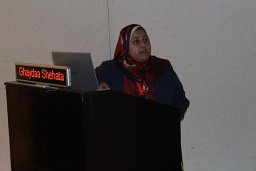 Ghaydaa Shehata合作论文数Dept Neurol, Assiut Univ4Steven M. Albert合作论文数4Thacker Evan L合作论文数4
 Dóra Körmendiné Farkas合作论文数Department of Clinical Medicine, Aarhus University;Department of Clinical Epidemiology, Aarhus University4Mehta Ziyah合作论文数4Rayan Ibrahim合作论文数4Elfetoh Noha Abo合作论文数Department of Neuropsychiatry, Assiut University4Herrero Hernández Elena合作论文数4Zeng Kenneth合作论文数4Farghaly Wafaa Ma合作论文数Department of Neurology and Psychiatry, Assiut University;Department of Neurology and Psychiatry, Assiut University4




