Diet and exercise have a profound impact on brain function. In particular, natural nutrients found in plants may influence neuronal survival and plasticity. Here, we tested whether consumption of a plant-derived flavanol, (−)epicatechin, enhances cognition in sedentary or wheel-running female C57BL/6 mice. Retention of spatial memory in the water maze was enhanced by ingestion of (−)epicatechin, especially in combination with exercise. Improved spatial memory was associated with increased angiogenesis and neuronal spine density, but not newborn cell survival, in the dentate gyrus of the hippocampus. Moreover, microarray analysis showed upregulation of genes associated with learning and downregulation of markers of neurodegeneration in the hippocampus. Together, our data show that ingestion of a single flavanol improves spatial memory retention in adult mammals.
Even from our initial brainstorming, our team has one very common interest: food. Because each of us is from different cultural backgrounds as well, we started to discuss how we might be able to utilize this final project as an opportunity to explore food, healthiness, and how typical diets differ around the world. Given this interest, our first goal for the project was to design a website that would allow users to learn more about how diets differed around the world, but also how they’ve changed over time and how those diets relate to a country’s overall measure of diet healthiness.
 Melanie J Lucero合作论文数3Mia Afanador合作论文数3Neema Heivand合作论文数3Chunmei Zhao合作论文数Salk Inst Biol Studies, Genet Lab, La Jolla, CA 92037 USA3
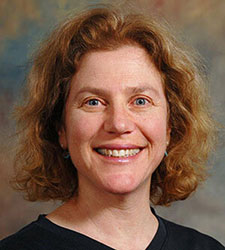 Henriette Van Praag合作论文数Department of Biomedical Science, Charles E. Schmidt College of Medicine, Florida Atlantic University;Brain Institute, Florida Atlantic University3
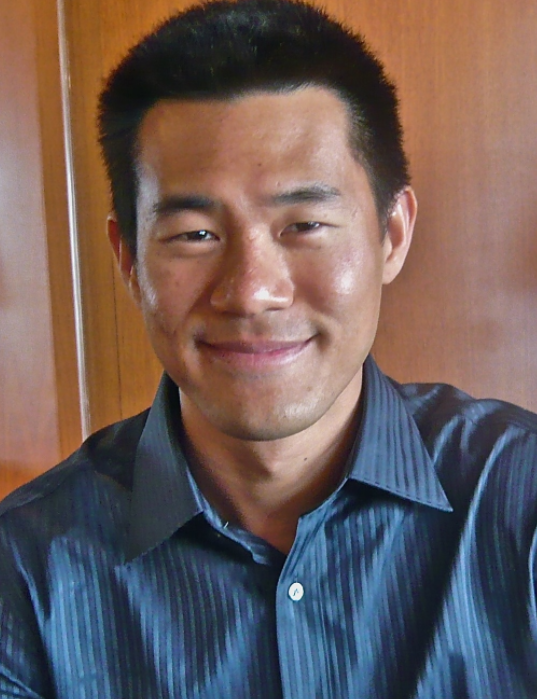 Gene Yeo合作论文数Department of Cellular and Molecular Medicine, University of California San Diego;Department of Bioengineering, University of California San Diego3Hagen Schroeter合作论文数3
 John Hammerstone合作论文数3
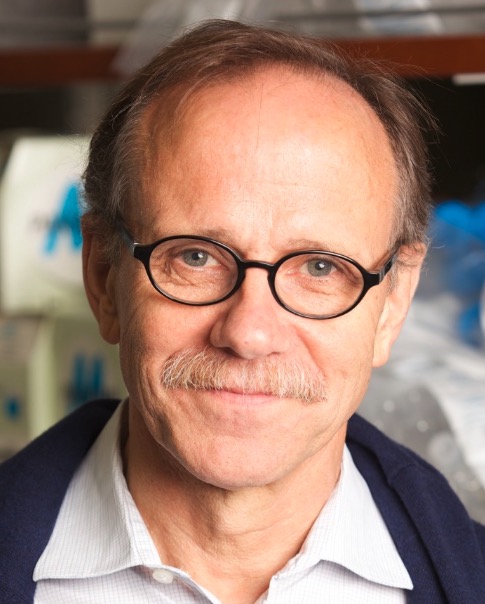 Rusty Gage合作论文数Laboratory of Genetics, Salk Institute for Biological Studies;Kavli Institute for Brain and Mind, Salk Institute for Biological Studies;Department of Neurosciences, University of California, San Diego2




