The principal cellular energy-generating pathways of mitochondria used to produce adenosine triphosphate (ATP) are oxidative phosphorylation and β-oxidation of fatty acids. Under anaerobic conditions, glycolysis in the cytoplasm is an alternative mechanism for production of ATP. Mitochondrial diseases result from one or more of the over 350 mutations in mitochondrial DNA (10%) or nuclear DNA (90%) that cause defective mitochondrial ATP production. The most common manifestations in adults with mitochondrial DNA mutations are diminished vision, myopathy, cardiomyopathy, neuropathy, encephalopathy and diabetes. Uncommonly there are stroke-like syndromes. The most common manifestations in adults with nuclear DNA mutations are neuropathy with prominent ataxia, ophthalmoplegia, dysarthria, myopathy, cardiomyopathy, liver disease, neuroendocrine and renal cell tumors, and hypoglycemia. Adults, especially the elderly, may only develop manifestations in the course of stressful illnesses that unmask these mutations. Children may require mitochondrial transfer or gene editing therapy. These mutations should be sought in leukocytes or muscle tissue in adults who do not respond to usual treatment for severe stressful illnesses as they may benefit from newly-approved medications.
A microbiome is the aggregate of populations of bacteria, viruses and fungi in an organ system, of which the highly dominant numbers are in the gastrointestinal tract. Some of the bacteria, termed microbiota, support viability and functions of host cells directly by generating beneficial short-chain fatty acid components of dietary fibers and other metabolites of host compounds including secondary bile acids and indole derivatives of tryptophan. Short-chain fatty acids also recruit immune protective elements exemplified by IL-22, which has beneficial effects on intestinal epithelium by their IL-22 receptors. Other bacteria have detrimental effects on host cells through lipopolysaccharides and diverse toxins. An increased ratio of detrimental to beneficial microbiomal bacteria, a state termed dysbiosis, is observed in human diseases of many systems. Therapies for dysbiosis involve largely dietary manipulation and more recently fecal microbiota transplantation. Resistant and recurrent Clostridium difficile diarrhea responds dramatically to fecal microbiota transplantation, but this approach requires additional evaluation in other diseases. The potential prognostic value of microbiome characteristics suggests future uses in precision medicine.
The incidence of metastatic prostate cancer (mPC) in the U.S. has increased in the past 20 years, five-year survival after diagnosis is only about 20 % and treatment represents a major health care expense. Comprehensive summaries of important details of diagnosis and treatment of prostate cancer (PC) have been provided by several prominent medical organizations (http://www.urologyhealth.org). The present review summarizes recent advances in diagnosis and treatment of PC, including 68gallium-prostate-specific membrane antigen (PSMA)-11 positron emission tomography (PET) as the preferred standard for initial staging and post-treatment detection of recurrence, different forms of radiation therapy, and applications of newly approved androgen receptor signaling inhibitors. Somatic and germline genetic analyses have identified PC patients with mutations in genes involved in DNA damage repair who benefit from use of poly (ADP-ribose) polymerase (PARP) inhibitors or immune check-point inhibitors. Developing novel therapies also are described as hopeful possibilities.
Mycobacteria tuberculosis (Mtb) infects millions yearly in many countries. Numerous multi-generational genetic factors have been identified that account for high host susceptibility to Mtb. Diagnostic tests based on quantification of interferon-γ generation by Mtb antigen-stimulated blood mononuclear leukocytes detect infection accurately and show far lower false-positive and false-negative results than Mtb antigen skin tests. Antibiotic resistance of Mtb has limited effective treatment. Now new tests for antibiotic resistance of Mtb based on genetic mutations characteristic of resistance to individual antibiotics report more accurately and rapidly than prior assays of resistance of cultured Mtb growth to antibiotics. The Bacillus Calmette-Guerin vaccine given to babies protects them against serious Mtb manifestations, such as Mtb meningitis, but does not prevent childhood or adult Mtb disease. Development of human Mtb vaccines has succeeded recently with antigens composed of mRNAs encoding Mtb polypeptides or recombinant peptides fused to proven adjuvant systems. Two of these vaccines have completed phase IIb or III trials and have prevented > 50% of individuals with inactive pulmonary Mtb from progressing to active disease over three years.
A wide range of autologous and allogeneic immune cells bearing diverse chimeric antigen receptors (CARs) have been prepared to treat B cell and other hematological malignancies, some solid tumors, autoimmune diseases, graft vs host disorders, and transplantation rejection. Therapeutic CAR immune cells bearing a specifically designed CAR that binds a target cell antigen home precisely to those target cells and signal alterations in their functions. The longest successful and now US Food and Drug Administration-approved experience is with 6 systems of CAR T cells recognizing malignant B cell surface antigens CD19 or B cell maturation antigen. Chimeric antigen receptor constructs in CAR immune cell systems have been improved in multiple ways to increase persistence at lesions, minimize off-target effects, and enhance cytotoxic or immunosuppressive effectiveness. Acute side effects, such as adverse responses to CAR immune cell-derived cytokines and neurological disorders, are common but have been reduced by elevated expression of cytokine receptors on CAR immune cells. Allogeneic CAR immune cells from normal donors may evoke graft vs host reactions. Future improvements, including messenger ribonucleic acid editing of metabolic messages to minimize CAR T cell exhaustion and viral approaches to creating autologous CAR T cells in vivo, will improve future therapeutic effectiveness and safety.
Elderly of ages greater than or equal to 65 years represent nearly 20% of the US population. Physiological functions of nearly all organ systems decline and the prevalence of major diseases increase with aging. Progressive musculoskeletal disabilities of the elderly with vestibular and proprioceptive neural dysfunction lead to poor balance, unsteady gait, and frequent falls that are the leading cause of fatal and non-fatal injuries in those greater than or equal to 65 years of age. Osteoporosis, defined by a marked decrease in mineral bone density, as quantified by dual-energy x-ray absorptiometry, is common at ages greater than 50 years and predisposes the elderly to fragility fractures of the hips, pelvis, vertebrae, proximal humerus, distal radius, and wrists. A detailed evaluation of medications or alcohol use that could impair balance, home obstacles or surfaces needing holding bars, vision, and muscle strength may reveal correctible defects. Prevention of fragility fractures also requires optimal diet, regular resistance exercises, and treatment of osteoporosis. Orthopedic involvement is especially necessary for complex pattern fractures, those of the hip, pelvis, vertebrae, distal fibula, and scaphoid carpal bone, as well as rotator cuff tears.
Cellular protein kinases are involved in diverse normal cellular functions. Many types of dysregulation of protein kinases are the molecular basis for development of common cancers and neurodegenerative diseases. More than 80 small-molecule protein kinase inhibitors now are available and FDA-approved for successful treatment of cancers and neurodegenerative diseases. Newly designed protein kinase inhibitors and related forms of therapy based on a greater understanding of molecular mechanisms have diminished the appearance of disease resistance to protein kinase inhibitors and other side-effects. These advances will further promote the success of protein kinase inhibitors in treatment of common cancers, Alzheimer's disease and other neurodegenerative conditions.
Modern medicine now has the capacity to improve therapy for many human diseases by introducing adult somatic stem cells that can repair or replace defective or damaged tissues. However, the area is still in an early phase of development, so all new applications must be carefully designed for maximal safety as well as effectiveness.
An increased understanding of the predisposing genetics and complex pathogenic mechanisms of Alzheimer's disease have facilitated delineation of the long pre-clinical course and re-invigorated the search for disease-modifying treatments. Establishment of accurate blood-based biomarkers has enabled pre-clinical identification of early disease and permits trials of preventative treatment and quantitative monitoring of therapeutic effects. The broad range of therapeutic possibilities encompasses gene editing, enzyme activators and inhibitors, antisense oligonucleotides, and antagonists of receptors for inflammatory mediators.
Type 2 helper cells (Th2 cells) differentiate from CD4 helper T cells under the influence of IL-4 and conventional or monocyte-derived CD11b+ dendritic cells. Th2 cells are capable of generating IL-4, IL-5, and IL-13, as well as evoking immunoglobulin class-switch to IgE. Three types of rapid immune responses are Th2 cell-dependent: (1) mast cell-IgE mediated allergic reactions, (2) Th2 cell-derived cytokine-mediated reactions that complement allergic reactions and protect the host from toxins, xenobiotics, environmental irritants, and helminthic parasites, and (3) IgE-stimulated mast cell-derived cysteinyl-leukotriene mediated avoidance of toxins. The contributions of Th2 cell-derived cytokines to eosinophilia (IL-5), IgE class-switch, and epithelial barrier activation, mucous secretion, and metaplasia (IL-4 and IL-13) in asthma, allergic rhinitis with polyps and atopic dermatitis have led to anti-cytokine monoclonal antibody treatments. Anti-IL-5 neutralizing monoclonal antibody in asthma and anti-IL-4/IL-13 receptor neutralizing monoclonal antibody in asthma and atopic dermatitis are proven successful therapies in appropriately selected patients who are not sufficiently improved by conventional treatments.
Recent applications of artificial intelligence-derived methods of computational design have permitted de novo creation of proteins that do not exist in nature but have potent effects on human cells and organ systems. These rapid procedures also allow in one step protein modifications that optimize function, potency, stability, resistance to biodegradation, cellular and tissue distribution and biological half-time. Such proteins generated to date include cytokines, antibodies, inhibitors of cell death proteins and antagonists of extracellular receptors for growth factors and viruses. Newly designed proteins have broad medical diagnostic and therapeutic potentials, as well as the capacity to alter many normal activities of human cells.
The diverse capabilities of CRISPR-Cas systems now are beginning to have major impacts on the practice of clinical medicine. These encompass not only the initial applications of deletion, addition and modification of genes relevant to human diseases, but also detection of genes in pathogenic microbes and gene-specific delivery of proteins, drugs and cells. Basic concepts and methods involved are briefly described here and will become commonplace soon in clinical medicine. The discoveries of mechanisms of the bacterially-derived Clustered Regularly Interspaced Short Palindromic Repeats (CRISPR) RNA – CRISPR-associated (Cas) protein systems and their myriad applications for genetic editing in humans represent the major biomedical advance of the past decade. In this brief overview, we describe the essential elements of all CRISPR-Cas systems and several examples of their successful application in human diseases. Four functional components determine the effectiveness and specificity of gene removal, insertion or modification by the CRISPR-Cas9 or other Cas variant ribonucleoproteins (Fig. 1). First, the 23-47 base pair palindromic sequences of the CRISPR DNA array are followed by spacer DNA and include a promoter sequence which ensures transcription of CRISPR-RNA in a human cell. Second, an adjacent DNA sequence encodes the Cas9 nuclease that cleaves double-stranded (ds) DNA of the target gene. A sequence is included in this complex for tracrRNA which correctly arranges the CRISPR RNA and Cas9 protein components of the complete ribonucleoprotein complex. The third functional element of CRISPR-Cas is single guide RNA (sgRNA) that contains a sequence which targets the segment of host DNA selected for gene editing. The fourth element is a CRISPR RNA sequence that binds to the DNA of protospacer adjacent motif (PAM) which positions Cas9 and unravels dsDNA to permit expression of Cas9 nuclease activity (Fig. 1). As gene editing modifies target DNA for long periods and may alter DNA off-target or on-target in non-target tissues, many approaches have been developed to regulate CRISPR-Cas9 activity (DOI: 10.1056/NEJMcibr1906886 ). These include pre-editing suppression of Cas9 activity and interference with one or more Cas or PAM binding sites in cells/tissues outside the site of specific DNA to be edited. An anti-PAM oligonucleotide linked to an oligonucleotide that binds CRISPR stem-loops suppresses Cas9 activity after completion of gene editing and acts broadly because it does not include the guide region of sgRNA. The safety of clinical applications of gene editing will be greatly increased by the possibility of administering anti-oligonucleotides that block CRISPR-Cas9 sgRNA binding to DNA of non-target tissues before editing and after completion of gene editing in the target tissue. CRISPR-Cas12a for tissue-specific biodelivery of diagnostic probes and therapeutics Substitution of Cas12a for Cas9 in CRISPR-Cas has enabled applications other than gene-editing which include tissue-specific delivery of therapeutics and a range of biosensing diagnostics (DOI: 10.1056/NEJMcibr1911506 ). One example is CRISPR-Cas12a with sgRNA that recognizes a double-stranded DNA in target tissue and is delivered in a nanoparticle containing a drug, enzyme or even live cells suspended in a single-stranded DNA gel scaffolding. When CRISPR-Cas12a contacts target double-stranded DNA, Cas12a is activated and cleaves target DNA similarly to Cas9. Unlike Cas9, Cas12a also rapidly and indiscriminately cleaves the single-stranded DNA scaffold to deliver its cargo at the specifically selected cellular site. Another example of CRISPR-Cas12a-mediated DNA gel scaffold delivery involves that of a reporter system to detect and quantify methicillin resistance in a Staphylococcus aureus infection. The reporter of a mecA gene in S. aureus dsDNA, which confers methicillin resistance, is a single-stranded DNA in a gel scaffold with quenched fluorescein on one end. When CRISPR-Cas12a with a sgRNA specific for target mecA recognizes mecA in S. aureus dsDNA, Cas12a is activated and cleaves single-stranded DNA gel to release the optically quantifiable fluorescein reporter of methicillin resistance. CRISPR-Cas9 gene-editing has been successful in many cultured cell systems and animal models and now has been applied in humans as a form of cellular target-selective permanent therapy. The first example here is the rare condition of transthyretin amyloidosis (ATTR) which is attributable to progressive accumulation of misfolded transthyretin (TTR) in heart and nerves. Six patients with hereditary ATTR polyneuropathy were enrolled in a phase 1 trial of durable gene-editing knockout of TTR. Lipid nanoparticles containing CRISPR-TTR-specific sgRNA and Cas9 mRNA were administered IV to deliver a CRISPR-TTR-sgRNA-Cas9 protein complex to hepatocyte nuclei (Fig. 2). The TTR gene DNA in hepatocytes was disrupted and eliminated by ineffective DNA repair (Fig. 2). There were only rare mild adverse effects of this treatment in the first month. Baseline TTR protein levels were reduced stably for at least one month by a mean of 87% (range of 80 to 96%). Follow-up studies of the courses of nerve and heart abnormalities are in progress and hopefully will validate an exciting new approach to therapeutics for transthyretin amyloidosis (DOI:https://doi.org/10.1016/j.amjmed.2022.01.002). In a second example of cellular target-specific therapy, the goal of gene editing is to increase erythrocyte levels of fetal hemoglobin (F-Hgb) that are protective in sickle cell disease but decline with hematopoietic maturation. The hypoxia-induced erythrocyte deformities and vaso-occlusive episodes of sickle cell disease are attributable to a mutation in the β-globin subunit of adult hemoglobin. Elevated F-Hgb levels in erythrocytes have been shown to prevent many of the complications of sickle cell disease. HBG2 and HBG1, the two paralogous β-like globin genes that encode the γ-globin component of F-Hgb, are deactivated at birth concurrently with activation of HBB, that encodes normal adult β-globin. The consequent switch from production of F-Hgb to adult (or sickle) hemoglobin is mediated by transcriptional repressor proteins, like BCL11A, that bind to regulatory elements in HBG1 and HBG2 promoters. Disruption of BCL11A in hematopoietic stem cells (HSC) by a CRISPR-Cas9 system had resulted in maintenance of elevated F-Hgb levels in the erythrocytes that develop invivo after HSC transplantation. To advance this approach, 72 different sgRNAs were tested in the CRISPR-Cas9 system which showed that sgRNA-68 gave the greatest increases in F-Hgb (Fig. 3). OTQ923 is the resultant cellular therapeutic agent developed by exvivo introduction of CRISPR-sgRNA-68-Cas9 ribonucleoprotein complex into CD34+ HSCs to increase F-Hgb levels in erythrocyte progeny by targeted disruption of transcriptional repressors of HBG promoters (Fig. 3). The first phase 1-2 study was designed to assess the safety, adverse effects and benefits of OTQ923 in three patients with severe sickle cell disease who had experienced at least three vaso-occlusive crises or two episodes of acute chest syndrome in the preceding two years. Autologous CD34+ HSCs were collected from each patient, immuno-magnetically enriched and electroporated with CRISPR- sgRNA-68-Cas9 ribonucleoprotein complex to produce individual doses of OTQ923 (Fig. 3). The autologous OTQ923 was administered to each patient after myeloablative busulfan. From four months post-OTQ923 therapy to the end of 18 months of observation, more than 70% of circulating erythrocytes contained F-Hgb and the level of F-Hgb was at least 20% of the total hemoglobin. There were no adverse events related to OTQ923. In the more than six months after OTQ923 only one patient required transfusions. The frequency of sickle cell-related vaso-occlusive events decreased significantly in all three patients. After larger successful trials, this approach to sickle cell disease termed CASGEVY TM was approved by the FDA on Dec. 08, 2023 (DOI:https://doi.org/10.1016/j.amjmed.2023.12.018). Early efforts to decrease or increase levels of proteins at the core of several human diseases with CRISPR-Cas systems have already proven the beneficial value of these approaches. The capacity to successfully edit genes, diagnose pathogenic processes and tissue-specifically deliver lasting drug, protein and cellular therapies in living humans through diverse CRISPR-Cas methods will increase exponentially in the near future.
Isolation of neuron‐derived extracellular vesicles (NDEVs) with L1 Cell Adhesion Molecule (L1CAM)‐specific antibodies has been widely used to identify blood biomarkers of CNS disorders. However, full methodological validation requires demonstration of L1CAM in individual NDEVs and lower levels or absence of L1CAM in individual EVs from other cells. Here, we used multiple single‐EV techniques to establish the neuronal origin and determine the abundance of L1CAM‐positive EVs in human blood. L1CAM epitopes of the ectodomain are shown to be co‐expressed on single‐EVs with the neuronal proteins β‐III‐tubulin, GAP43, and VAMP2, the levels of which increase in parallel with the enrichment of L1CAM‐positive EVs. Levels of L1CAM‐positive EVs carrying the neuronal proteins VAMP2 and β‐III‐tubulin range from 30% to 63%, in contrast to 0.8%–3.9% of L1CAM‐negative EVs. Plasma fluid‐phase L1CAM does not bind to single‐EVs. Our findings support the use of L1CAM as a target for isolating plasma NDEVs and leveraging their cargo to identify biomarkers reflecting neuronal function.
Vasoactive intestinal peptide (VIP) and pituitary adenylate cyclase-activating peptide (PACAP) receptors (nomenclature as agreed by the NC-IUPHAR Subcommittee on Vasoactive Intestinal Peptide Receptors [65, 66]) are activated by the endogenous peptides VIP, PACAP-38, PACAP-27, peptide histidine isoleucineamide (PHI), peptide histidine methionineamide (PHM) and peptide histidine valine (PHV). VPAC1 and VPAC2 receptors display comparable affinity for the PACAP peptides, PACAP-27 and PACAP-38, and VIP, whereas PACAP-27 and PACAP-38 are >100 fold more potent than VIP as agonists of most isoforms of the PAC1 receptor. However, one splice variant of the human PAC1 receptor has been reported to respond to PACAP-38, PACAP-27 and VIP with comparable affinity [30]. PG 99-465 [117] has been used as a selective VPAC2 receptor antagonist in a number of physiological studies, but has been reported to have significant activity at VPAC1 and PAC1 receptors [36]. The selective PAC1 receptor agonist maxadilan, was extracted from the salivary glands of sand flies (Lutzomyia longipalpis) and has no sequence homology to VIP or the PACAP peptides [118]. Two deletion variants of maxadilan, M65 [183] and Max.d.4 [119] have been reported to be PAC1 receptor antagonists, but these peptides have not been extensively characterised.
Background Neuron-derived extracellular vesicles (NDEVs) in blood may be used to derive biomarkers for the effects of exercise in Alzheimer’s disease (AD). For this purpose, we studied changes in neuroprotective proteins proBDNF, BDNF, and humanin in plasma NDEVs from patients with mild to moderate AD participating in the randomized controlled trial (RCT) of exercise ADEX. Methods proBDNF, BDNF, and humanin were quantified in NDEVs immunocaptured from the plasma of 95 ADEX participants, randomized into exercise and control groups, and collected at baseline and 16 weeks. Exploratorily, we also quantified NDEV levels of putative exerkines known to respond to exercise in peripheral tissues. Results NDEV levels of proBDNF, BDNF, and humanin increased in the exercise group, especially in APOE ε4 carriers, but remained unchanged in the control group. Inter-correlations between NDEV biomarkers observed at baseline were maintained after exercise. NDEV levels of putative exerkines remained unchanged. Conclusions Findings suggest that the cognitive benefits of exercise could be mediated by the upregulation of neuroprotective factors in NDEVs. Additionally, our results indicate that AD subjects carrying APOE ε4 are more responsive to the neuroprotective effects of physical activity. Unchanged NDEV levels of putative exerkines after physical activity imply that exercise engages different pathways in neurons and peripheral tissues. Future studies should aim to expand upon the effects of exercise duration, intensity, and type in NDEVs from patients with early AD and additional neurodegenerative disorders. Trial registration The Effect of Physical Exercise in Alzheimer Patients (ADEX) was registered in ClinicalTrials.gov on April 30, 2012 with the identifier NCT01681602. Graphical abstract
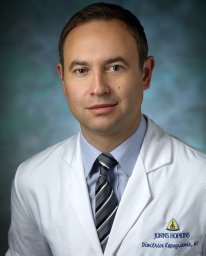 Dimitrios Kapogiannis合作论文数National Institute of Neurological Disorders and Stroke, National Institutes of National Institute on Aging/National Institutes of Health;Department of Psychology, Washington University School of Medicine;National Institutes of National Institute on Aging/National Institutes of Health, Washington University School of Medicine41
 Mei-Chuan Huang合作论文数23
 Maja Mustapic合作论文数Division of Molecular Medicine, Rudjer Boskovic Institute21
 Janice Blumenthal Schwartz合作论文数Division of Geriatrics, Department of Medicine, University of California, San Francisco20SP SREEDHARAN合作论文数19
 Erin Abner合作论文数College of Public Health, University of Kentucky17
 Eitan Erez合作论文数The Shraga Segal Department of Immunology and Microbiology, Ben-Gurion University of the Negev15
 Bruce L. Miller合作论文数Weill Institute for Neurosciences, University of California San Francisco;School of Medicine, University of California San Francisco15
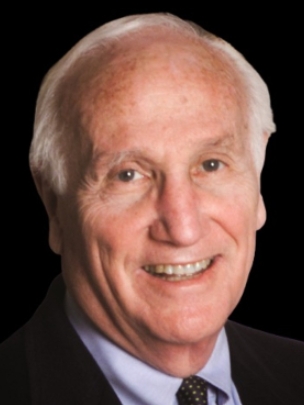 K. Frank Austen合作论文数Division of Rheumatology, Immunology and Allergy, Brigham and Women's Hospital;Harvard Medical School13
 Songzhu An (安松柱)合作论文数Guangzhou Curegenix Inc.12Jia-Jun Liao合作论文数11Dw Goldman合作论文数10
 Fanny Elahi合作论文数Department of Neurology, Icahn School of Medicine at Mount Sinai;Friedman Brain Institute, Icahn School of Medicine at Mount Sinai;Ronald M. Loeb Center for Alzheimer’s Disease, Icahn School of Medicine at Mount Sinai10Jk Voice合作论文数9Y Kong合作论文数9
 Ronald C. Petersen合作论文数Department of Neurology, Mayo Clinic9
 Luigi Ferrucci合作论文数National Institute on Aging, National Institutes of Health9
 Joel S Karliner合作论文数School of Medicine, University of California, San Francisco;Cardiovascular Research Institute, University of California, San Francisco9
 Mahesh Yadav合作论文数Associated Hospitals, Lady Hardinge Medical College9
 Glenn Dorsam合作论文数9
 Laura Goetzl合作论文数Department of Obstetrics, Gynecology and Reproductive Sciences, The University of Texas Health Science Center at Houston8
 Menghang Xia合作论文数Division of Preclinical Innovation, National Center for Advancing Translational Sciences, National Institutes of Health8T MAROTTI合作论文数7
 Frank Valone合作论文数7
 Gregory A. Jicha合作论文数University of Kentucky7Li Zeng合作论文数6
 Carlos Jose Nogueras-Ortiz合作论文数6
 Hsinyu Lee (李心予)合作论文数Center for Biotechnology, National Taiwan University;Department of Life Science, NTU;Institute of Biomedical Electronics and Bioinformatics, NTU;Department of Electrical Engineering, NTU6
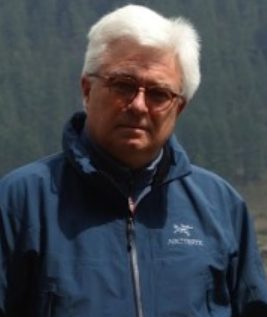 Donald G. Payan (Donald Payan)合作论文数Terray Therapeutics6
 Dan L Longo合作论文数Department of Medicine, Brigham and Women's Hospital;Harvard Medical School6Yvonne Kong合作论文数5Mc Huang合作论文数5Kf Austen合作论文数5Francheska Delgado-Peraza合作论文数5Wengang Wang合作论文数5Marie Altendahl合作论文数5
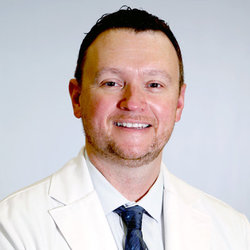 Jason Hinman合作论文数Department of Neurology, David Geffen School of Medicine, University of California, Los Angeles;Mary S. Easton Center for Alzheimer's Research and Care, University of California, Los Angeles5
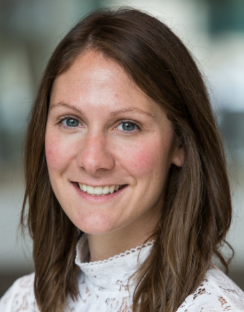 Kaitlin Casaletto合作论文数Memory and Aging Center, University of California, San Francisco;Weill Institute for Neurosciences, University of California, San Francisco5
 Mark P. Mattson合作论文数The Solomon H. Snyder Department of Neurology, School of Medicine, Johns Hopkins University;Sanders-Brown Research Center on Aging, University of Kentucky5
 Howard J. Federoff合作论文数School of Medicine, University of California, Irvine5
 Joel Kramer合作论文数Memory and Aging Center, Weill Institute for Neurosciences, University of California San Francisco5Dennis Taub合作论文数5
 Adam Boxer合作论文数Department of Neurology, University of California, San Francisco5
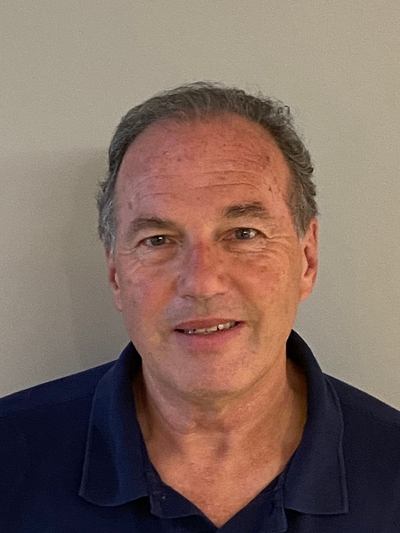 Nigel H. Greig合作论文数National Institute on Aging, National Institutes of Health5Laurent Baud合作论文数5Allen L. Gifford合作论文数5
 Massimo S Fiandaca合作论文数Atlanta5
 Mark Mapstone合作论文数Department of Neurology, University of Rochester Medical Center5Go Gaufo合作论文数4




