Coastal wallum wetlands inhabited by the vulnerable wallum sedgefrog ( Litoria olongburensis ) are highly susceptible to habitat degradation owing to their unusual hydrology and water chemistry. Anthropogenic impacts on wallum wetland environs pose a significant threat to the wallum sedgefrog by allowing the eastern sedgefrog ( Litoria fallax ), a habitat generalist and closely related competitor species, to colonise and displace the wallum sedgefrog from disturbed wallum habitat. To identify ‘at risk’ areas, overlapping species distribution models were utilised to highlight areas of sympatry between these species in south east Queensland, where competition with the eastern sedgefrog poses a particular threat to the wallum sedgefrog. Significant areas of distributional overlap (including 47% of the wallum sedgefrog's modelled distribution) were identified, primarily in mainland areas where anthropogenic disturbance is highest. When overlayed with the boundaries of protected areas, 84% of the area exclusively inhabited by the wallum sedgefrog occurs within the bounds of protected lands. In contrast, 74% of overlapping distribution of the two species occurred outside of these parks, highlighting the importance of protected areas in the conservation of the wallum sedgefrog. This study highlights areas where competition with the eastern sedgefrog presents a particular threat to the wallum sedgefrog, helping inform effective conservation initiatives for this species.
Abstract The acid frogs of eastern Australia are a highly specialized group of threatened species endemic to acidic coastal wetlands of southern Queensland and New South Wales. The distribution of these species overlaps with areas of increasing development where land‐use intensification poses a significant threat. Successful conservation of these species requires that areas of high conservation value for acid frogs are properly identified and protected, particularly in south‐east Queensland which supports important populations of all four acid frog species: Litoria olongburensis, Litoria freycineti, Crinia tinnula, and the Queensland‐endemic Litoria cooloolensis. Species distribution modeling using rigorously vetted species occurrence data was used to identify areas of potential acid frog habitat with >89% predictive power for all species. Key predictor variables for acid frog species occurrence included: soil sandiness, vegetation, presence and/or type of wetland, and soil clay content. All species' predicted distributions occurred primarily in coastal regions, overlapping with densely human‐populated areas. Our modeling and analysis of species' distributions highlight local government areas where protection of wallum habitat is most important for the conservation of acid frogs, as well as areas of higher conservation value providing habitat for multiple acid frog species.
In the coastal sandy lowlands of east Australia, several anuran species including the Cooloola Sedgefrog Litoria cooloolensis , show remarkable tolerance to dilute highly acidic waters as low as pH 3.5. To investigate the physiological and morphological underpinnings of acid tolerance in L. cooloolensis larvae, we compared Na + balance, uptake and efflux rates, and gill and skin morphology in larvae reared in circum-neutral (pH 6.5) and pH 3.5 water. We hypothesised that acute exposure to pH 3.5 water would cause an initial loss of ionic homeostasis in larvae, but with chronic exposure larvae would restore Na + balance. Net Na + flux rates were not significantly different from zero in larvae reared at pH 3.5 and in acid-naïve animals maintained in pH 6.5 water. Animals reared at pH 6.5 and acutely exposed to pH 3.5 exhibited a net loss of Na + , due to a significant inhibition of Na + uptake. In contrast, L. cooloolensis larvae reared at pH 3.5 maintained Na + balance at pH 3.5 and did not exhibit inhibition of Na + uptake at this pH. Investigation of Na + transport kinetics and the morphology of the gills and integument suggests tolerance of L. cooloolensis larvae to low pH may be attributed to a high capacity for branchial Na + uptake, increased tight junction length and elevated mucus production in the gills and integument. These factors confer resistance to acid damage and disruption of ionic homeostasis which would otherwise result in the death of larvae exposed to waters of pH 4.0 and less.
The heath shadeskink ('Saproscincus oriarus') is one of a dozen 'Saproscincus' spp. occupying sheltered humid habitats along Australia's east coast (Wilson and Swan, 2013; Hoskin, 2013). Unlike its congeners, 'S. oriarus' is known mainly from lowland coastal heath and paper bark ('Melaleuca') swamps on the northern New South Wales coast (Swan et al., 2004; Sadlier, 1998; Atlas of Living Australia accessed 22 August 2013). Described by Sadlier in 1998, the species remains poorly known with only 13 specimens collected (12 in the Australian Museum and one in the Queensland Museum). No specimens of this species have been collected since 1999. Existing specimen-backed records of 'S. oriarus' are from Myall Lakes, Limeburners Creek Nature Refuge (north of Port Macquarie), Coffs Harbour-Sawtell area, Yuragir National Park (southeast of Grafton), Evans Head and Byron Bay (all localities NSW, ordered south to north).
Amphibian populations worldwide are currently experiencing unprecedented declines due to the combined effects of emerging infectious disease and climate change. The skin is the first line of defence in preventing establishment of pathogens and associated infections. Although amphibians undergo regular sloughing of the outer layer of the skin, the potential for regular sloughing to play a role in influencing cutaneous microbial populations and pathogens has been largely overlooked. In the present study, we assessed the effect of skin sloughing on cultivable cutaneous bacterial abundance in the green tree frog (Litoria caerulea). We also examined the effects of temperature and hydric environment on sloughing frequency and microbial re-establishment rates. Our data showed that cultivable cutaneous bacterial abundance was significantly reduced by sloughing events, and frogs kept at 'summer' temperatures (23-33 degrees C) sloughed almost twice as frequently as those maintained at 'winter' temperatures (13-23 degrees C). No effect of hydric environment on sloughing frequency was observed, but we did find that sloughing in L. caerulea appeared to be linked to ambient light cycles. Examination of the effect of sloughing on microbial recolonization indicated that at cool temperatures, an extended intermoult interval allowed microbial abundance to reach higher levels than at warmer ` summer' temperatures (when the intermoult interval was significantly reduced). Our data suggest that sloughing may significantly influence the establishment and/or maintenance of cutaneous bacterial populations (pathogenic, mutualistic and/or commensal) and this, in turn, may be affected by environmental factors, such as ambient light and temperature. These findings are likely to be important for our understanding of the ecology of skin-based pathogens, such as the amphibian chytrid fungus, Batrachochytrium dendrobatidis.
The Melville Range Treefrog (Litoria andiirrmalin McDonald) is a large saxicolous hylid frog restricted to boulder-field streams of Cape Melville, northeast Australia (McDonald 1997). Due to difficulties accessing its remote habitat, the breeding biology of this highly distinctive species remains poorly known. Information on the morphology and habitat of larval L. andiirrmalin is provided below.
The Litoria phyllochroa species-group are small hylid frogs that occur in wet forests of south-east Australia. This group has had a long history of taxonomic confusion and has received little attention in the last decade. A population of this species-group at Kroombit Tops, several hundred kilometers north of all other populations, has been recognised for some time as being genetically highly distinct. Here we describe this population as a new species, L. kroombitensis sp. nov. This species is most similar to L. barringtonensis and L. pearsoniana but is readily distinguished based on differences in morphology, colour pattern, mating call and genetics. Litoria kroombitensis sp. nov. is restricted to Kroombit Tops, an isolated area of wet forest in south-east Queensland. The species inhabits slow and intermittently flowing streams in rainforest and adjoining wet sclerophyll forest. The tadpole of L. kroombitensis sp. nov., described herein, is similar in morphology and behaviour to the tadpoles of other species within the Litoria phyllochroa species-group, in particular L. pearsoniana. Li toria kroombitensis sp. nov. has a very small distribution, with all records coming from the headwaters of five streams, Extensive surveys since the mid-1990s have revealed population declines, attributable to amphibian chytrid fungus (Batrachochytrium dendrobatidis). Other threats include degradation of riparian habitat due to invasive weeds, feral pigs and livestock, and fire. Further, the extent of wet forest habitats at Kroombit Tops is likely to be reduced by climate change impacts. Litoria kroombitensis sp. nov. meets IUCN Red List criteria for critically endangered CR B lab (i-v) due to its small geographic range, naturally fragmented distribution, and observed and projected decline in populations. In this paper we also assess the validity of the names L. barringtonensis, L. pearsoniana and L. piperata. We conclude that the names L. barringtonensis and L. pearsoniana are valid but the validity of L. piperata requires further investigation.
The emergence of disease as a significant global threat to amphibian diversity has generated considerable interest in amphibian defenses against cutaneous microbial infection and disease. To date, however, the influence of sloughing on the susceptibility of amphibians to infection and disease has been largely overlooked. To investigate the potential for sloughing to regulate topical microbial loads, the abundance of cultivable cutaneous bacteria and fungi in the cane toad Rhinella marina were compared before and after sloughing. Toads were also exposed to fluctuating thermal regimes (10-20 and 20-30°C) and variable photoperiods to investigate possible effects of season and climate on sloughing periodicity. Sloughing substantially reduced the abundance of cultivable cutaneous bacteria and fungi by up to 100%. The intermoult interval of toads maintained at 10-20°C was twice that of animals at 20-30°C and did not appear to thermally acclimate. Photoperiod had no discernable influence on sloughing periodicity. Results of this study suggest that normal sloughing cycles could play a significant role in controlling the persistence and build-up of cutaneous microbes, including pathogens. The loss of non-pathogenic commensal and protective skin microbiota after sloughing may also influence host susceptibility to cutaneous pathogens. We suggest that the spatio-temporal dynamics of chytridiomycosis, the widespread and often fatal disease caused by the fungal pathogen Batrachochytrium dendrobatidis, are related to temperature not only because of its effect on the growth of the fungus, but also because of its effect on the frequency of host sloughing.
Understanding habitat usage is essential for the proper management of rare and threatened species in the wild. However, current knowledge of habitat usage by many rare and threatened Australian frog species is inadequate in this regard. Knowledge of non-breeding habitat usage in Australian amphibian species is particularly poor (Hines et al. 1999), with current understanding of the habitat requirements of many species based largely on habitat usage by calling animals during the breeding season, when fiogs are more readily detectable. However, like other fauna, the use of different habitats by amphibians can vary daily and seasonally as well as between different sexes and life stages (Law and Dickman 1998). Female frogs, for example, are likely to occupy habitat further away fiom a breeding water body while males tend to stay near the breeding site (Bartelt et al. 2004; Johnson et al. 2007; Rittenhouse and Semlitsch 2007). A majority of aquatic breeding amphibians will also undergo embryonic and larval development within the aquatic environment while spending their adult and juvenile lives in the terrestrial environment, unlike developing larvae, postmetamorphic adult and juvenile amphibians are not restricted to the aquatic body of their birth (Johnson et al 2007) and thus have the ability to disperse or migrate into adjacent, non-breeding, areas for the purposes of foraging, overwintering (Regosin et al 2003) or refuge use (Semlitsch and Bodie 2003).
Although green striped burrowing frogs (Cyclorana alboguttata) experience large reductions in the mass and absorptive surface area of the small intestine (SI) during aestivation, little is known about how this may affect the functional capacity of the SI. We examined changes in the function (l-proline uptake rate and capacity) and metabolism of the SI (in vitro oxygen consumption, Na(+)/K(+)-ATPase activity and abundance) of C. alboguttata following 6 months of aestivation. l-Proline uptake rate was significantly higher in aestivating frogs, but overall uptake capacity was lower than in active frogs. Total SI oxygen consumption rate (V(O(2))) was also lower in aestivating frogs, despite no difference in mass-specific V(O(2)). The proportion of intestinal V(O(2)) associated with Na(+)/K(+)-ATPase activity and protein synthesis was equivalent between active and aestivating frogs, suggesting these processes were unaffected by aestivation. Indeed, the activity of Na(+)/K(+)-ATPase transporters in the SI of aestivating frogs was not different from that of active animals. Aestivating frogs maintained Na(+)/K(+)-ATPase activity, despite experiencing a reduction in the density of Na(+)/K(+)-ATPase transporters, by increasing the molecular activity of the remaining pumps to 2-3 times that of active frogs. These results show that functionality of the SI is maintained at the cellular level, potentially facilitating the reclamation of nutrients from the intestinal lumen while in aestivation. Despite this, the functional capacity of the SI in aestivating C. alboguttata is significantly reduced due to a reduction in tissue mass, helping frogs to conserve energy while in aestivation.
SUMMARYThe estuarine crocodile, Crocodylus porosus, inhabits both freshwater and hypersaline waterways and maintains ionic homeostasis by excreting excess sodium and chloride ions via lingual salt glands. In the present study, we sought to investigate the phenotypic plasticity, both morphological and functional, in the lingual salt glands of the estuarine crocodile associated with chronic exposure to freshwater (FW) and saltwater(SW) environments. Examination of haematological parameters indicated that there were no long-term disruptions to ionic homeostasis with prolonged exposure to SW. Maximal secretory rates from the salt glands of SW-acclimated animals (100.8±14.7 μmol 100 g–0.7 body mass h–1) were almost three times greater than those of FW-acclimated animals (31.6±6.2 μmol 100 g–0.7 body mass h–1). There were no differences in the mass-specific metabolic rate of salt gland tissue slices from FW- and SW-acclimated animals(558.9±49.6 and 527.3±142.8 μl O2g–1 h–1, respectively). Stimulation of the tissue slices from SW-acclimated animals by methacholine resulted in a 33%increase in oxygen consumption rate. There was no significant increase in the metabolic rate of tissues from FW-acclimated animals in response to methacholine. Morphologically, the secretory cells from the salt glands of SW-acclimated animals were larger than those of FW-acclimated animals. In addition, there were significantly more mitochondria per unit volume in secretory tissue from SW-acclimated animals. The results from this study demonstrate that the salt glands of C. porosus are phenotypically plastic, both morphologically and functionally and acclimate to changes in environmental salinity.
A review of the current conservation status of Australian amphibians was recently completed as part of a World Conservation Union (IUCN) sponsored Global Amphibian Assessment (GAA). Fifty of 216 amphibian species (23%) in Australia are now recognized as threatened or extinct in accord with IUCN Red List Categories and Criteria. Here we report on the categories and criteria under which individual species qualified for listing and provide a summary of supporting information pertaining to population and distribution declines. Major threatening processes contributing to listing of species are also reviewed.
The effects of short-term fasting and prolonged fasting during aestivation on the morphology of the proximal small intestine and associated organs were investigated in the green-striped burrowing frog, Cyclorana alboguttata (Anura: Hylidae). Animals were fasted for 1 week while active or for 3-9 months during aestivation. Short-duration fasting (1 week) had little effect on the morphology of the small intestine, whilst prolonged fasting during aestivation induced marked enteropathy including reductions in intestinal mass, length and diameter, longitudinal fold height and tunica muscularis thickness. Enterocyte morphology was also affected markedly by prolonged fasting: enterocyte cross-sectional area and microvillous height were reduced during aestivation, intercellular spaces were visibly reduced and the prevalence of lymphocytes amongst enterocytes was increased. Mitochondria and nuclei were also affected by 9 months of aestivation with major disruptions to mitochondrial cristae and increased clumping of nuclear material and increased infolding of the nuclear envelope. The present study demonstrates that the intestine of an aestivating frog responds to prolonged food deprivation during aestivation by reducing in size, presumably to reduce the energy expenditure of the organ.
 Hines Harry B合作论文数Department of National Parks, Recreation, Sport and Racing, Queensland Parks and Wildlife Service;Email: unknown.10
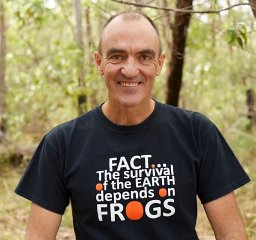 Jean-Marc Hero合作论文数School of Environmental and Applied Sciences;Griffith University;School of Environmental and Applied Sciences, Griffith University7
 Craig Franklin合作论文数School of Biological Sciences, Faculty of Science, The University of Queensland6
 Rebecca L Cramp合作论文数School of Biological Sciences, The University of Queensland6Conrad J. Hoskin合作论文数5
 Clare Morrison合作论文数Institute of Applied Sciences;University of the South Pacific;Institute of Applied Sciences, University of the South Pacific5
 Keith R. Mcdonald合作论文数4Steve Richards合作论文数3Frank Lemckert合作论文数3Luke P. Shoo合作论文数School of Marine and Tropical Biology, James Cook University3Michael Mahony合作论文数3
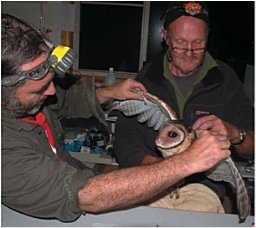 David A. Newell合作论文数Sch Environm Sci & Engn, So Cross Univ3michael j tyler合作论文数2
 John Clarke合作论文数CSIRO Oceans & Atmosphere2
 Alannah Filer合作论文数2Will Osborne合作论文数2
 Berndt J. Van Rensburg合作论文数Department of Zoology and Entomology;Centre for Invasion Biology;University of Pretoria;Centre for Invasion Biology, University of Pretoria2
 J. Dale Roberts合作论文数School of Animal Biology M092, University of Western Australia2Naomi Doak合作论文数1rebecca mcphee合作论文数1landon roberts合作论文数1
 Simpkins Clay合作论文数1Hawthorne L. Beyer合作论文数1Sara M. Kayes合作论文数1N. H. C. Sparks合作论文数National Centre for Poultry Studies;Scottish Agricultural College;National Centre for Poultry Studies, Scottish Agricultural College1
 Michel E. Ohmer合作论文数Department of Ecology and Evolutionary Biology;Cornell University;Department of Ecology and Evolutionary Biology, Cornell University1
 Graeme Gillespie合作论文数The University of Melbourne1
 Manuel Hernando Bernal合作论文数School of Biological Sciences, The University of Queensland1




