Femoral neck fractures are a rare complication after hip resurfacing arthroplasty, often associated with technical error. Electrical discharge weapons, such as the Axon TASER 10, can cause violent involuntary muscle contractions. To our knowledge, no prior cases have reported a femoral neck fracture and implant migration due to TASER exposure in a resurfaced hip. We present the case of a 43-year-old law enforcement officer who sustained a femoral neck fracture and movement of his femoral implant following TASER discharge during training, resulting in impingement, shortening, and compensatory pain. The patient ultimately required conversion to total hip arthroplasty. This is the first known report of TASER-induced failure of a resurfacing implant, underscoring the potential for electrical injuries to affect joint prostheses in high-risk populations.
Purpose: For younger, more active patients, a cementless unicompartmental knee arthroplasty (UKA) might be more advantageous than cemented fixation. Therefore, this study aimed to compare implant survivorship and patient-reported outcome measures (PROMs) between cementless and hybrid fixation (cemented femur and cementless tibial fixation) in a novel tibial blade-anchored, medial UKA design. Methods: Two surgeon's registries were reviewed for patients who underwent primary cementless or hybrid medial UKA for medial osteoarthritis between 2019 and 2022. Patients were included if implant survivorship and one-year postoperative PROMs (UCLA-activity score, Oxford Knee Score (OKS), Knee Injury and Osteoarthritis Outcome Score for Joint Replacement (KOOS-JR), pain (VAS) and satisfaction) were registered. Variables were compared using independent two-sample t-tests or the Chi-square test. Survival rates were determined using the Kaplan-Meier models and compared using the Log-rank test. Results: A total of 132 knees were included (cementless 58.3%; cemented 41.7%; mean follow-up 3.1 +/- 0.6 years). Three-year all-cause revision survival rate was significantly superior for the hybrid fixation (hybrid: 100%; cementless 88.5%[84.7%-92.3%], p = 0.026). However, the difference in three-year conversion rate to total knee arthroplasty (TKA) did not reach statistical significance. The one-year postoperative OKS (hybrid: 42.9 +/- 4.8; cementless: 39.8 +/- 6.4, p = 0.003) and KOOS-JR (hybrid:81.5 +/- 13.7; cementless: 74.4 +/- 12.1, p = 0.002) were significantly superior for the hybrid fixation. Three-year conversion rate to TKA and two-year postoperative PROMs did not significantly differ. Conclusion: The cementless medial UKA demonstrated a significantly inferior short-term all-cause survival rate and inferior postoperative one-year OKS and KOOS-JR compared to the hybrid medial UKA design with a cemented femoral component. (c) 2024 Elsevier B.V. All rights are reserved, including those for text and data mining, AI training, and similar technologies.
Introduction: The use of technology in direct anterior approach (DAA) total hip arthroplasty (THA) is expanding. Although the use of computer-navigation (CN-THA) and robotics (RA-THA) has previously demonstrated improved component positioning, it is important to understand whether its use is associated with differences in intraoperative complications or early return to the operating room when compared to fluoroscopy-only (manual-THA) DAA THA. Methods: 3433 DAA THAs (226 RA-THA, 1007 CN-THA, 2200 manual-THA) performed at a single institution were retrospectively reviewed. Cohorts were adjusted for age, sex, BMI, femoral fixation, history of spine fusion, and Charlson Co-morbidity Index (CCI) using Inverse Probability of Treatment Weight (IPTW). Operative times were identified. Intraoperative fractures and re-operations within 1 year were identified via chart review. Results: There were no statistically significant differences in intraoperative fracture among the cohorts (0.4% RA-THA, 0.4% CN-THA, 0.4% manual-THA; p > 0.529). There were also no statistically significant differences ( p > 0.589) among the cohorts in rates of return to the operating room within 1 year for postoperative fracture (0.0% RA-THA, 0.4% CN-THA, 0.4% manual-THA), dislocation (0.0% RA-THA, 0.0% CN-THA, 0.1% manual-THA), infection (0.4% RA-THA, 0.7% CN-THA, 0.5% manual-THA), or other aetiologies (0.0% RA-THA, 0.2% CN-THA, 0.1% manual-THA). Conclusions: This study did not find a statistically significant difference in intraoperative fracture or re-operations within 1 year between DAA THA performed with RA, CN, or manual techniques. The introduction of technology to THA is not associated with increase in reoperations within one-year.
AbstractTotal hip arthroplasty (THA) in the setting of significant retained femoral instrumentation or complex proximal femoral deformity may be challenging and published reports of THA in this setting reveal sobering results. Hip resurfacing arthroplasty (HRA) is an alternative to THA and may avoid complex hardware removal or deformity correction at the time of hip arthroplasty. Twenty-three patients who underwent elective HRA in the setting of significant proximal femoral deformity and/or retained femoral instrumentation were identified from a prospectively maintained registry. Pre- and postoperative Lower Extremity Assessment Scores (LEAS), modified Harris Hip Scores (mHHS), Hip Disability and Osteoarthritis Outcome Scores for Joint Replacement (HOOS, JR) scores, Visual Analog Scale (VAS) pain levels, and metal ion levels were obtained. Median (interquartile range [IQR]) follow-up was 5.03 (2.07 − 7.91) years, and no patients had undergone revision surgery at their latest follow-up. The mean (standard deviation [SD]) surgical duration was 94.40 (12.00) minutes, and postoperative length of stay was 1.74 (1.80) days. There were no intraoperative complications, and all patients were discharged home. Median (IQR) postoperative LEAS, VAS pain scale, mHHS, and HOOS, JR scores were 13.00 (9.25 − 13.00), 2.50 (0.75 − 10.00), 92.60 (92.40 − 100.00), and 92.34 (85.26 − 100.00), respectively. Fourteen patients completed postoperative serum metal ion level testing at a mean (SD) of 4.24 (2.85) years, where cobalt and chromium levels were 1.22 (0.36) and 2.01 (0.80) parts per billion, respectively. HRA is a viable option for patients with significant proximal femoral deformity or retained instrumentation, and excellent results at mid-term follow-up can be achieved utilizing this strategy in this complex patient population.
Competitive dancers represent a unique patient population in the setting of hip arthroplasty given the high degree of hip strength and mobility required by their profession. We sought to determine the clinical outcomes and ability to return to competitive dance after total hip arthroplasty (THA) or hip resurfacing arthroplasty (HRA) among competitive dancers. Active competitive dancers who underwent primary THA or HRA at a single institution with minimum one-year follow-up were included in the study. Primary outcomes included (1) the rate of return to competitive dance, (2) three PROMs (modified Harris Hip Score [mHHS], Hip Disability and Osteoarthritis Outcome Score for Joint Replacement [HOOS-JR], and Lower Extremity Activity Scale [LEAS]), and (3) post-operative complications. Forty-nine hips in 39 patients (mean age 56±13 years; 80% female) were included. Mean follow-up was 4.9±5.1 years. Thirty-seven THAs and 12 HRAs were performed. Ninety-six percent of patients returned to competitive dance activities post-operatively. With respect to PROMs, there were statistically significant improvements in mHHS, HOOS-JR, and LEAS from baseline to ≥ 1 year post-operatively. There were complications in 9/49 (18%) hips post-operatively, five (10%) of which required revision surgery. Active competitive dancers experienced significant improvements in functional outcome scores after THA or HRA, with a rate of return to competitive dance of 96%.
BACKGROUND:Optimal position of total hip arthroplasty (THA) components is critical for joint mechanics and stability. Acetabular component positioning during supine surgery in direct anterior approach (DAA) THA may be different in the standing position postoperatively, which traditional fluoroscopy is unable to predict. A novel 3-dimensional (3D) image analysis technology (IAT) that uses artificial intelligence to measure the tilt and rotation of the pelvis has enabled prediction of component positioning from supine to standing. The purpose of this study was to compare intraoperative fluoroscopy, non-3D-IAT, and 3D-IAT with postoperative standing radiographs to assess the accuracy of component positioning. METHODS:From 2022 to 2023, 30 consecutive patients (86.6% women, mean age 59 [range, 55 to 67]) undergoing primary DAA THA with the use of the 3D-IAT were identified. A separate cohort of 148 patients from 2020 to 2021 (85% women, mean age 65 [range, 55 to 69]) who underwent DAA THA with non-3D-IAT was used for comparison. Leg length discrepancy (LLD), cup anteversion, and inclination were manually measured on intraoperative fluoroscopic images and digitally measured using IAT. Follow-up evaluation occurred at 1 month with standing pelvis radiographs measured using Ein Bild Röntgen Analyze-Cup software. Measurements were compared via Wilcoxon signed rank tests where P ≤ .05 indicates significantly different measurements. RESULTS:Median LLD, inclination, and anteversion measurements via non-3D-IAT and fluoroscopy were significantly different compared to postoperative standing radiographs (P < .001). The 3D-IAT more accurately predicted LLD, abduction, and anteversion, with values not significantly different from postoperative standing measurements (P = .23, P = .93, and P = .36, respectively). CONCLUSIONS:The use of the 3D-IAT during DAA THA allowed for the more accurate prediction of acetabular component position in the standing position postoperatively.
Background: During the initial coronavirus pandemic lockdown period, remote hip and knee arthroplasty care was heavily employed out of necessity. However, data on patient satisfaction with telemedicine specific to hip and knee arthroplasty patients remains unknown. Methods: All patients who had a telemedicine visit in the hip and knee arthroplasty department and completed a telemedicine satisfaction survey at a specialty hospital from April 1, 2020, to December 31, 2020, were identified. Patient satisfaction with telemedicine, gauged through a series of questions, were analyzed and evaluated over time. Independent factors associated with high satisfaction, defined as the “Top Box” response to the survey question “Likelihood of your recommending our video visit service to others,” were identified. Results: Overall, 29,003 patients who had an in-person or telemedicine visit in the hip and knee arthroplasty department during the study period were identified. During the initial coronavirus pandemic lockdown period, defined as April 1, 2020-May 31, 2020, rate of overall telemedicine utilization was approximately 84%. After the initial lockdown period, the rate of overall telemedicine utilization was approximately 8% of all visits per month. Average satisfaction scores for a series of 14 questions were consistently above 4.5 out of 5. Multivariable regression revealed younger age, particularly 18-64 years old, to be the only independent factor associated with high satisfaction with telemedicine. The rate of high satisfaction remained statistically similar throughout the study period (P > .05). Conclusions: Patient satisfaction with telemedicine was consistently high in various domains and remained high throughout the study period, regardless of loosened pandemic restrictions. This technology will most likely continue to be utilized, but perhaps it should be targeted at patients younger than 65 years of age.
Background Although there have been several studies describing risk factors for complications after outpatient total hip arthroplasty (THA), data describing the timing of such complications is lacking. Methods Patients who underwent outpatient or inpatient primary THA were identified in the 2012-2019 National Surgical Quality Improvement Program database. For 9 different 30-day complications, the median postoperative day of diagnosis was determined. Multivariable regressions were used to compare the risk of each complication between outpatient vs inpatient groups. Multivariable Cox proportional hazards modeling was used to evaluate the differences in the timing of each adverse event between the groups. Results After outpatient THA, the median day of diagnosis for readmission was 12.5 (interquartile range 5-22), surgical site infection 15 (2-21), urinary tract infection 13.5 (6-19.5), deep vein thrombosis 13 (8-21), myocardial infarction 4.5 (1-7), pulmonary embolism 15 (8-25), sepsis 16 (9-26), stroke 2 (0-7), and pneumonia 6.5 (3-10). On multivariable regressions, outpatients had a lower relative risk (RR) of readmission (RR = 0.73), surgical site infection (RR = 0.72), and pneumonia (RR = 0.1), all P < .05. On multivariable cox proportional hazards modeling, there were no statistically significant differences in the timing of each complication between outpatient vs inpatient procedures (P > .05). Conclusions The timing of complications after outpatient THA was similar to inpatient procedures. Consideration should be given to lowering thresholds for diagnostic testing after outpatient THA for each complication during the at-risk time periods identified here. Although extremely rare, this is especially important for catastrophic adverse events, which tend to occur early after discharge.
CASE:A 53-year-old man presented with a 13-mm leg length discrepancy following left hip resurfacing arthroplasty (HRA), resulting in pain and imbalance. Advanced osteoarthritis of the contralateral hip was also noted. The patient strongly preferred HRA over total hip arthroplasty. Adequate remaining bone stock and the ability to resurface the contralateral hip allowed for resolution with 2 HRAs. CONCLUSION:This is the first known revision of a HRA with a subsequent HRA. Assuming sufficient bone stock and precise implant positioning, resurfacing presents a feasible methodology to overcome complex anatomical deformities and improve mobility.
Background:While hip resurfacing arthroplasty has been shown to be an effective prosthetic solution for end-stage osteoarthritis, prior studies have also reported an increasing concern regarding blood metal ion levels following the use of metal-on-metal articulations. The purpose of this study was to compare early and midterm blood metal ion levels to functional outcomes and implant survivorship for patients treated with the Birmingham Hip Resurfacing (BHR) implant system and the ReCap Magnum. Methods:A retrospective review identified 104 patients who underwent 134 hip resurfacing arthroplasties using BHR (n = 67) and ReCap (n = 67) at a single institution between 2006 and 2018. ReCap and BHR patients were matched 1:1 by sex, femoral head and acetabular cup sizes, age, and year of surgery. The primary outcome of interest was cobalt (Co) and chromium (Cr) ion levels. Results:The ReCap cohort had lower median metal ion levels compared to the BHR cohort at 1-2 y (Co: 1.5 vs 1.9 parts per billion [ppb], P = .018; Cr: 1.3 vs 2.8 ppb, P = .008) and 3-5 y (Co: 1.1 vs 1.9 ppb, P = .001; Cr: 1.2 vs 2.2 ppb, P = .003) after surgery. Correlation analysis showed no significant associations between Co and Cr ion levels and pre- and postoperative patient-reported outcomes. Indications for revision differed between groups. Three BHR hips were revised due to adverse reactions to metal debris, whereas 2 ReCap hips required revisions: one for instability and another for periprosthetic fracture. Conclusions:BHR patients had higher metal ion levels than ReCap patients at 1-2 and 3-5 y after surgery, though these metal levels are still low and in line with prior studies. Indications for revision differed between patients treated with BHR and ReCap. Surgeons should be aware of these outcomes when counseling patients regarding these metal-on-metal articulations.
AimsThe primary aim of this prospective, multicentre study is to describe the rates of returning to golf following hip, knee, ankle, and shoulder arthroplasty in an active golfing population. Secondary aims will include determining the timing of return to golf, changes in ability, handicap, and mobility, and assessing joint-specific and health-related outcomes following surgery.MethodsThis is a multicentre, prospective, longitudinal study between the Hospital for Special Surgery, (New York City, New York, USA) and Edinburgh Orthopaedics, Royal Infirmary of Edinburgh, (Edinburgh, UK). Both centres are high-volume arthroplasty centres, specializing in upper and lower limb arthroplasty. Patients undergoing hip, knee, ankle, or shoulder arthroplasty at either centre, and who report being golfers prior to arthroplasty, will be included. Patient-reported outcome measures will be obtained at six weeks, three months, six months, and 12 months. A two-year period of recruitment will be undertaken of arthroplasty patients at both sites.ConclusionThe results of this prospective study will provide clinicians with accurate data to deliver to patients with regard to the likelihood of return to golf and timing of when they can expect to return to golf following their hip, knee, ankle, or shoulder arthroplasty, as well as their joint-specific functional outcomes. This will help patients to manage their postoperative expectations and plan their postoperative recovery pathway.Cite this article: Bone Jt Open 2023;4(7):490–495.
Background: There is limited knowledge regarding usage of wearable technology to guide return to sport after hip resurfacing arthroplasty (HRA). This study evaluated the use of accelerometers to identify when symmetry is restored between operative and nonoperative limbs. Methods: A total of 26 primary HRA patients performed 5 validated physical tests before, 3 and 6 months after HRA: broad jump, double-leg vertical jump (DLVJ), hop test, lateral single-leg jump (LSLJ), and vertical single-leg jump. Impact load and average intensity data (g-force units) were collected using accelerometers. Strength data (pounds [lbs.]) for internal and external rotation were collected with a dynamometer. Univariate and correlation analyses analyzed interlimb asymmetries. Results: At preoperation, there were significant impact load asymmetries for DLVJ (P =.008), hop test (P =.021), and LSLJ (P =.003) and intensity asymmetry for DLVJ ( P =.010) and LSLJ (P =.003). At 3 months, there was impact load asymmetry for DLVJ (P =005) and LSLJ (P =005) and intensity asymmetry for broad jump (P =.020), hop test (P =.042), and LSLJ (P =005). There were significant strength asymmetries at preoperation and 3 months postoperation for internal (P =.013) and external rotation (P =.037). All significant asymmetries indicated the nonoperative leg had greater output. No significant asymmetries were found for any exercises at 6 months postoperation. An increase in Harris Hip Score was significantly associated with a decrease in impact asymmetry (r(s) = -0.269, P =.006). Conclusion: Impact loads and strength reach interlimb symmetry at 6 months post-HRA. Wearable accelerometers provide useful metrics to distinguish limb asymmetries for recovery monitoring. (c) 2023 Elsevier Inc. All rights reserved.
Case: A 65-year-old man with osteoarthritis of the hip developed a soft-tissue mass of the inferior gluteal region 3 years after metal-on-metal resurfacing hip arthroplasty. Clinical and imaging findings suggested an adverse local tissue reaction. Intraoperatively, nearly 1 liter of intra-articular fibrinous loose bodies (rice bodies) was removed, and histology showed features of an adaptive immune response. The patient had no evidence of an autoimmune disease or mycobacterial infection. Conclusion: To our knowledge, this is the first reported case of florid rice bodies associated with a metal-on-metal hip arthroplasty and adverse local tissue reaction.
Background: The physical and mental health benefits of golf are well recognized, and as a moderate-intensity activity, it is an ideal sport for patients after joint arthroplasty. Purpose: To assess the rate and timing of returning to golf and the factors associated with these after hip, knee, or shoulder arthroplasty. Study Design: Meta-analysis; Level of evidence, 4. Methods: A search of PubMed and Medline was performed in March 2021 in line with the 2009 PRISMA (Preferred Reporting Items for Systematic Reviews and Meta-Analyses) statement. Search terms included sport, golf, and arthroplasty. The criterion for inclusion was any published research article studying return to golf after arthroplasty. Random-effects modeling was used to measure rates of returning to golf for each type of arthroplasty. Results: A total of 23 studies were included for review. All studies were retrospective in their methodology. The mean age of patients was 66.8 years (SD, 3.37). Four studies reported on hip arthroplasty, 6 on knee arthroplasty, and 13 on shoulder arthroplasty. Among 13 studies, the mean rate of returning to golf was 80% (95% CI, 70%-89.9%). Hip, knee, and shoulder arthroplasty had mean return rates of 90% (95% CI, 82%-98%), 70% (95% CI, 39%-100%), and 80% (95% CI, 68%-92%), respectively. Among 9 studies, the mean time to return to golf was 4.4 months (95% CI, 3.2-6). Change in handicap was reported in 8 studies (35%) with a mean change of -0.1 (95% CI, -2.4 to +2.2). There were no studies presenting factors associated with return to golf. Conclusion: This is the first meta-analysis of returning to golf after joint arthroplasty. The study reports a high rate of returning to golf, which was greatest after hip arthroplasty. However, the study highlights the paucity of prospective data on demographic, surgical, and golf-specific outcomes after arthroplasty. Future prospective studies are required to eliminate response bias and accurately capture golf and patient-specific outcomes.
Introduction: Healthcare regulators and patients are increasingly interested in financial transparency between physicians and the industry because of concerns of bias. Methods: Disclosures for every first and last author with a medical degree from the United States associated with a poster or podium presentation at the American Academy of Orthopaedic Surgeons (AAOS) 2019 Annual Meeting were identified. Author characteristics were collected. AAOS disclosures were then compared with disclosures from the Open Payments Database to determine whether any inconsistencies existed. Results: In total, 2,503 AAOS presenters were identified, and 1,380 authors met the inclusion criteria. Using AAOS disclosures as the standard comparator, 482 authors (35%) had an inconsistency in any category between AAOS disclosures and the Open Payments Database. Inconsistency rates for each category were 8% for royalties, 10% for speaker's fee, 15% for paid consultant, 16% for research, 14% for stocks, and 1% for other financial support. Discussion: Although the inconsistency rate for each category has improved over the years, the overall inconsistency rate between physician-reported disclosures at a recent AAOS Annual Meeting and industry-reported relationships reported in the Open Payments Database was still 35%.
Introduction:Although one of the touted benefits of the direct anterior approach (DAA) includes decreased postoperative pain, there is no consensus on the effect of surgical approach on postoperative pain and subsequent analgesic consumption.Methods:Consecutive patients undergoing total hip arthroplasty by a single surgeon from May 2016 to March 2020 were identified. Procedures were categorized as DAA or posterior approach. Patient demographics and surgical details were assessed. Patient-reported maximum pain by postoperative day (POD), total opioid consumption during hospitalization, and whether the patient required a refill of opioid prescription within 3 months after discharge were compared between the two surgical approaches through multivariate analyses.Results:A total of 611 patients were included in this study (447 DAA and 164 posterior approaches). On multivariate analyses that controlled for preoperative/intraoperative differences, patients in the DAA group had lower average maximum reported pain (0 to 10 scale) on POD #0 (6.5 versus 6.8, P = 0.034) and POD #1 (5.4 versus 6.1, P = 0.018). However, the DAA was not associated with a statistically significant reduction in total inpatient oral morphine equivalents consumed (79.8 versus 100.1, P = 0.486). Furthermore, there was no association between surgical approach and opioid prescription refill within 3 months after discharge (P = 0.864).Discussion:The DAA was associated with slightly lower patient-reported pain. Furthermore, statistical analysis did not provide the necessary evidence to reject the null hypothesis, which was that there would be no difference in opioid utilization between the two approaches. Other perioperative factors may be more important to opioid use reduction than the surgical approach alone.
We report the results, scar appearance, and patient satisfaction of a direct anterior approach total hip arthroplasty performed through an oblique inguinal incision. Patients were separated into direct anterior THA (n = 29) or an oblique inguinal incision anterior approach (n = 41). Clinical and radiographic data was compared, scar appearance was assessed by the Vancouver Scar Scale (VSS), and satisfaction was assessed by a simple questionnaire. Harris Hip Scores significantly improved in each group (1.8×10⁻⁸) and improved similarly between groups (p ≥ 0.35). The VSS score was lower in the inguinal incision versus the standard incision group (0.68 [range 0-3] vs. 1.56 [range 0-4], p = 0.015). Scar satisfaction was higher in the inguinal incision group with 87% compared to only 32% in the standard approach. The inguinal incision approach was safe, offered similar postoperative results, and resulted in improved patient scar satisfaction compared to the standard anterior approach by using an incision that more closely resembled normal anatomy. (Journal of Surgical Orthopaedic Advances 31(1):056-060, 2022).
Introduction Hip resurfacing (HR) requires a larger approach and soft tissue dissection and might therefore be associated with increased blood loss compared to total hip arthroplasty (THA). However, the effect of the adoption of tranexamic acid (TXA) in this setting is unknown. Therefore, the current study compares the blood loss and transfusion requirements between HR and posterior THA in patients receiving TXA. Materials and methods This retrospective cohort study included patients undergoing primary, unilateral THA or HR using a posterior approach between February 2016 and 2020 in which TXA was administered. THA and HR patients were propensity score matched using nearest neighbor greedy matching accounting for demographic, health and surgical variables. Postoperative hemoglobin (Hgb) levels and Hgb drop from preoperative to post-operative day (POD) 1 were compared using t-tests and associated risk factors were assessed using linear mixed modelling. Results After matching, each cohort consisted of 1395 patients. Cohorts were similar regarding age, sex, BMI, and Charlson Comorbidity Index. No significant differences were found for Hgb levels on POD 1 (12.3 g/dl; p = 0.90) or Hgb drop (2.3 g/dl; p = 0.87). Duration of surgery was significantly longer for HR patients (82 vs 77 min; p < 0.01). Transfusion rate was 0.1% in both cohorts (p = 1.00). Hospital stay was significantly shorter for HR patients (1 vs 2 days; p < 0.01). Conclusion HR using a standard TXA regimen is not associated with greater perioperative blood loss than posterior THA and does not result in increased transfusion requirements. Both surgical procedures can be considered equally safe in terms of perioperative blood management when TXA is used.
Background: Robotic-assistance total hip arthroplasty (RA-THA) and computer navigation THA (CN-THA) have been shown to improve accuracy of component positioning compared to manual techniques; however, controversy exists regarding clinical benefit. Moreover, these technologies may expose patients to risks. The purpose of this study is to compare rates of intraoperative fracture and complications requiring reoperation within 1 year for posterior approach RA-THA, CN-THA, and THA with no tech-nology (Manual-THA). Methods: In total, 13,802 primary, unilateral, elective, posterior approach THAs (1770 RA-THAs, 3155 CN-THAs, and 8877 Manual-THAs) were performed at a single institution between 2016 and 2020. Intra-operative fractures and reoperations within 1 year of the index procedure were identified. Cohorts were balanced using inverse probability of treatment weight based on age, gender, body mass index, femoral cementation, history of spine fusion, and Charlson Comorbidity Index. Logistic regression was performed to create odds ratios for complications. Additional regression analysis for dislocation was performed, adjusting for dual mobility and femoral head size. Results: There were no differences in intraoperative fracture and postoperative complication rates be-tween the groups (P = .521). RA-THA had a 0.3 odds ratio (95% confidence interval 0.1-0.9, P = .046) compared to Manual-THA for reoperation due to dislocation. CN-THA had an odds ratio of 3.0 for reoperation due to dislocation (95% confidence interval 0.8-11.3, P = .114) compared to RA-THA. The remaining complication odds ratios, including those for infection, loosening, dehiscence, and ???other??? were similar between the groups. Conclusion: RA-THA is associated with lower risk of revision for dislocation within 1 year of index sur-gery, when compared to Manual-THA performed through the posterior approach. ?? 2022 Elsevier Inc. All rights reserved.
Background and purpose: Elective total hip replacement (THR) was halted in our institution during the COVID-19 surge in March 2020. Afterwards, elective THR volume increased with emphasis on fast-track protocols, early discharge, and post-discharge virtual care. We compare early outcomes during this “return-to-normal period” with those of a matched pre-pandemic cohort.Patients and methods: We identified 757 patients undergoing THR from June to August 2020, who were matched 1:1 with a control cohort from June to August 2019. Length of stay (LOS) for the study cohort was lower than the control cohort (31 vs. 45 hours; p < 0.001). The time to first postoperative physical therapy (PT) was shorter in the study cohort (370 vs. 425 minutes; p < 0.001). More patients were discharged home in the study cohort (99% vs. 94%; p < 0.001). Study patients utilized telehealth office and rehabilitation services 14 times more frequently (39% vs. 2.8%; p < 0.001). Outcomes included post-discharge 90-day unscheduled office visits, emergency room (ER) visits, complications, readmissions, and PROMs (HOOS JR, and VR-12 mental/physical). Mann–Whitney U and chi-square tests were used for group comparisons.Results: Rates of 90-day unscheduled outpatient visits (5.0% vs. 7.3%), ER visits (5.0% vs. 4.8%), hospital readmissions (4.0% vs. 2.8%), complications (0.04% vs. 0.03%), and 3-month PROMs were similar between cohorts. There was no 90-day mortality.Interpretation: A reduction in LOS and increased telehealth use for office and rehabilitation visits did not adversely influence 90-day clinical outcomes and PROMs. Our findings lend further support for the utilization of fast-track arthroplasty with augmentation of postoperative care delivery using telemedicine.
 David J Mayman合作论文数Hospital for Special Surgery20
 Bovonratwet Patawut合作论文数Department of Biomedical Engineering and the Translational Tissue Engineering Center, The Johns Hopkins University;Clarice Smith Building, 400 North Broadway, Baltimore, MD 21231, USA.;Department of Biomedical Engineering and the Translational Tissue Engineering Center, The Johns Hopkins University17Shen Tony合作论文数15Su Sherwin L合作论文数13
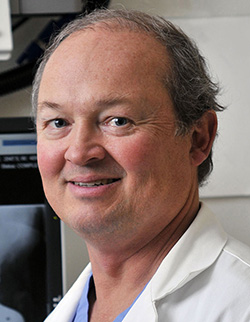 Mark P. Figgie合作论文数Orthopedic, Hospital for Special Surgery13
 Douglas Padgett合作论文数13Sculco Peter K合作论文数Hospital for Special Surgery – NYC12
 McLawhorn Alexander S合作论文数Department of Orthopedic Surgery, Hospital for Special Surgery12Rachelle Morgenstern合作论文数11Denis Nam合作论文数11
 Aaron Z Chen合作论文数Weill Cornell Medical College10
 Thomas Peter Sculco合作论文数Hospital for Special Surgery;Weill Cornell Medical College, Cornell University10
 Alejandro Della Valle合作论文数9
 Renee Ren合作论文数8
 Friedrich Boettner合作论文数Hospital for Special Surgery, 535 East 70th Street, New York, NY 10021, USA8Potter H G合作论文数7Burge Alissa J合作论文数7Nathaniel T. Ondeck合作论文数6Lazaro Lionel E合作论文数6
 Tim Wright合作论文数Department of Biomechanics, Hospital for Special Surgery6Lee Yuo-Yu合作论文数Hospital for Special Surgery-Weill Medical College, Cornell University6Paul M. Pellicci合作论文数6
 David L Helfet合作论文数6Steven B. Haas合作论文数6
 Craig E. Klinger合作论文数6
 Michael Fu合作论文数5Wasif Islam合作论文数5
 Joseph T Nguyen合作论文数5
 Michael P Ast合作论文数5
 Geoffrey H. Westrich合作论文数Medical Center, Cornell University5Dean G. Lorich合作论文数5
 Mathias P. Bostrom合作论文数Hospital for Special Surgery;Weill Cornell Medical College;NewYork-Presbyterian Hospital5
 Michael B Cross合作论文数5Lauren E. Mount合作论文数4
 Jonathan Spaan合作论文数4Thomas Alastair Denova合作论文数4Blevins Jason L合作论文数4Pardee Nadine C合作论文数4
 Susan M. Goodman合作论文数Department of Rheumatology, Hospital for Special Surgery;Weill Cornell Medical College4
 Stephen Lyman合作论文数Healthcare Research Institute, Hospital for Special Surgery;Kyushu University;Department of Health Policy and Research, Weill Cornell Medical College4Michael M. Alexiades合作论文数4Yu-Fen Chiu合作论文数3Lawrence R Housman合作论文数3John W Noble合作论文数3Imraan Khan合作论文数3
 Scott LaValva合作论文数3Ilya Bendich合作论文数3Barbara Kahn合作论文数3
 Venkat Boddapati合作论文数Dept Orthopaed Surg, Columbia Univ3




