This study focuses on the isolation, identification, and biochemical characterization of biofilm-forming bacteria thriving on fiberglass surfaces in the Persian Gulf, with Bandar Abbas as a case study, specifically Martyr Haqqani Port. Samples were collected and processed using standard microbiological techniques, followed by morphological and biochemical analyses. Molecular techniques, such as 16S ribosomal ribonucleic acid (rRNA) gene sequencing, were used for species identification. 16S rRNA amplicons were sequenced for 5 isolates from the surface samples studied, and all 5 isolates, predominantly belonging to the genera Alteromonas sp., Phaeobacter italicus, and Phaeobacter sp., showed high biofilm activities. Besides their biofilm-forming ability, the isolated bacterial strains displayed antibacterial properties against various pathogenic organisms. Agar well diffusion assays revealed different levels of inhibitory effects on these pathogens, indicating that the isolated biofilm-forming bacteria synthesize antimicrobial bioactive compounds. Furthermore, biochemical assays provided information on metabolic characteristics of the isolates. This research brings insights into the microbial ecology of marine biofilms in the Persian Gulf, particularly their potential for producing bioactive antimicrobial compounds. It advances our understanding of marine biofilm ecosystems and their ecological roles, with potential applications in marine industries where biofilm formation and antimicrobial properties may be leveraged for innovative solutions.
Coastal ecosystems are increasingly threatened by human activities, necessitating effective monitoring tools to assess their ecological health. This research examines the ecological conditions of three estuaries along the Persian Gulf and Gulf of Oman, focusing on the impacts of human activities over a one-year period by utilizing macrofauna as biological indicators. Samples of macrofauna and sediment were collected from nine distinct sites, reflecting a range of contamination levels from industrial wastewater and shrimp farming to relatively unaffected areas. A total of 165 macrobenthic taxa were identified across seven groups: Annelida and Mollusca each had 65 taxa, Arthropoda had 28, Echinodermata had 3, Hydrozoa had 2, and both Nemertea and Nematoda had 1 each. The most common group was Polychaeta, accounting for 37.57 % of the total, followed by Gastropoda at 22.42 %. The ecological condition and sediment quality were assessed using biotic and heavy metal indices, specifically the AMBI and the potential ecological risk index (PERI). The analysis revealed that industrial sewage and effluents from shrimp farming are significant pollution contributors in the Khamir and Tiyab estuaries, respectively, leading to notable declines in biodiversity indices (P <= 0.05). The AMBI index exhibited a strong negative correlation with species richness and Shannon and Margalef indices, while positively correlating with total organic matter (TOM). Heavy metal concentrations were found to be elevated in contaminated sites, further indicating ecological stress. The results suggest that the AMBI index is a valuable tool for assessing coastal ecosystem conditions, effectively distinguishing between less affected and heavily impacted areas, and can support coastal monitoring efforts. Additionally, Capitella capitata and Clymene robusta showed resilience to pollution, while Assiminea sp. And Littorina intermedia were sensitive to environmental disturbances. These findings can inform more efficient and targeted management strategies for coastal areas, emphasizing the importance of monitoring heavy metal levels in maintaining ecological health.
Objective Anesthetics are essential for reducing stress, facilitating handling, and preventing injury in aquatic animals. They are extensively employed in tagging and blood and hemolymph sampling. However, synthetic anesthetics can adversely affect the physiology and safety of living organisms. This study aimed to evaluate the efficacy of clove oil as a natural anesthetic in reducing handling stress in blue swimming crabs Portunus segnis by evaluating the effects of different concentrations on anesthetic induction and recovery times.Methods We compared three doses of clove oil (150, 300, and 450 mu L/L) to assess anesthetic induction and recovery times of the crabs. Samples were collected from the northern Persian Gulf coastline (Hormozgan, Iran). A total of 45 crabs (weight [mean +/- SD] = 51.24 +/- 3.08 g; carapace width = 8.61 +/- 0.17 cm) were exposed to the selected concentrations. After the anesthetic bath, anesthesia times (stages A1, A2, and A3) and recovery times (stages R1, R2, and R3) were individually recorded.Results Required optimal times for all anesthesia stages were approximately 283 +/- 13, 423 +/- 22, and 856 +/- 61 s, whereas the times for recovery stages were 296 +/- 8, 455 +/- 16, and 753 +/- 27 s for the three doses. Deep anesthesia was observed in all treatments, and no mortality was recorded during the experiment or the 48-h observation period. Data analyses indicated a significant difference between treated crabs' induction and recovery times at the selected doses. The induction and recovery times were positively correlated with the weight of crabs.Conclusions The findings of this study demonstrate that clove oil at a concentration of 300 mu L/L is an effective anesthetic for blue swimming crabs, providing a practical solution for minimizing handling stress in aquaculture. The natural origin and safety profile of clove oil make it a suitable alternative to synthetic anesthesia. Future research should explore the long-term effects on crab health and meat quality to further refine the use of clove oil in commercial settings. Clove oil can calm crabs, causing them to lose consciousness progressively. As a result, their relaxation allows for needle injection for hemolymph sampling or biometric measurements of laboratory activities. Our findings on blue swimming crabs indicated that induction times decreased and recovery times increased with increasing clove oil concentrations. Time to anesthesia and time to recovery were correlated with crab weight and size. Such findings aid in using clove oil as a stress-reducing agent for handling this species.
Introduction:ThisstudyaimedtoinvestigatethemeristiccharacteristicsandmorphometricrelationshipsofthePenaeidshrimpsthatwerecaughtmonthlyintheKhorKhoraninternationalwetlandfromDecember 2020toJanuary2022.ThisstudyaimedtoinvestigatethemeristiccharacteristicsandmorphometricrelationshipsofthePenaeidshrimpsthatwerecaughtmonthlyintheKhorKhoraninternationalwetlandfromDecember 2020toJanuary2022.Materials & Methods:Samplingwasdonebyusingnetsthatwereusedbylocalfishermeninthearea(withalocalnameofjelbilyandwithmeshsizesof5mm)andanumberofshrimpsampleswererandomlyselectedeverymonth.Atotalof1274shrimpsweremeasuredbiometricdatabioassayed.Results:ThemeristicdataresultsshowedthatinPenaeusmerguiensis,thefirstdorsaltoothisoftenlocatedafterthesecondventraltooth,andthedistancebetweenthefirstandsecondteethisgreaterthanthedistancebetweenthesecondandthirdteeth.IntheIndianwhiteshrimp,Penaeusindicus,theAnteriordorsaltoothislocatedafterthethirdventraltooth.ThefirstdorsaltoothinPenaeuspenicillatusislocatedbeforethefirstventraltooth,andthedistancebetweenthefirstandseconddorsalteethwaslessthanthedistancebetweenthesecondandthirdteeth.Injingashrimp,Metapenaeusaffinis,thetelsonhadnolateralspines,andthenumberofdorsalteethontherostrumvariedbetween8-11.Also,thisstudyisthefirstreportofthepresenceofP.penicillatusinthesouthernwatersofIran.Conclusion:Weight-lengthrelationshipforP.merguiensis,P.indicus,P.penicillatusandM.affinis,werecalculatedW=0.0065,W= 0.0077,W=0.001andW=0.6769, respectively.
Based on current research, a highly effective, completely biocompatible, and eco-friendly antifouling method was developed. Sepia pharaonis was used to synthesize melanin nanoparticles from its ink. To improve the anti-biofouling characteristics, CuO nanoparticles were synthesized from Padina sp., and a CuO-melanin hybrid nanoparticle complex was created under reflux. The XRD spectrum of the hybrid nanoparticles revealed several prominent peaks, indicating the crystalline structure of the nanoparticles. An EDS analysis identified copper, carbon, and oxygen in the hybrid nanoparticles. According to FE-SEM analysis, CuO-melanin hybrid nanoparticles displayed spherical morphology, with sizes ranging from 15 nm to 55 nm. DLS analysis showed that the hydrodynamic diameter of CuO-melanin hybrid nanoparticles was 187.5 nm. The biological test showed that CuO-melanin nanoparticles had the highst effect on marine bacteria (Phaeobacter sp. (6.25 μg/mL), Alteromonas sp. (12.5 μg/mL)), and algae (Isochrysis galbana Parke) (99 %) after 48 h. The CuO-melanin (3 wt%) exhibited the lowest pseudo-barnacle adhesion strength at 0.021 MPa and the lowest surface free energy, measuring 14.22 mN/m. The field immersion study in a marine environment showed that among the panels tested, the one containing 3 wt% CuO-melanin hybrid nanoparticles with polytetrafluoroethylene yielded the most favorable and efficient outcome, since it led to the lowest measured weight of biofouling at 26.44 g. The findings of this study show that CuO-melanin hybrid nanoparticles combined with polytetrafluoroethylene exhibit highly promising characteristics, make them appealing for antifouling applications.
The demand for non-toxic antifouling protective paint or coating, intended to restrict the development of germs on surfaces exposed to water, has witnessed a remarkable surge in recent times. In this study, From Avicennia Marina, ZnO nanoparticles were isolated, while chitosan nanoparticles were obtained from shrimp shells. The synthesis of hybrid nanoparticles comprising ZnO and chitosan was successfully achieved through reflux conditions. Assessment of the morphology and various approaches were used to determine the size of ZnO-chitosan hybrid nanoparticles, including as Fourier Transform Infrared Spectroscopy (FTIR), X-ray diffraction (XRD), Xray spectroscopy (EDS), Field Emission Scanning Electron Microscopes (FE -SEM) and Dynamic light scattering (DLS). ZnO-chitosan hybrid nanoparticles' effectiveness was evaluated using a range of laboratory biological experiments. ZnO-chitosan hybrid nanoparticles were tested for their efficacy against Escherichia coli (E. coli) at a dose of 50 mu g/mL, while their impact on Staphylococcus aureus (S. aureus) was tested at a concentration of 25 mu g/ mL. Furthermore, Isochrysis galbana was significantly inhibited by these nanoparticles, with an inhibition rate of approximately 99 % after 48 h. The panel with the best and most effective outcomes contained 3 wt% ZnOchitosan hybrid nanoparticles (The lowest measured weight of biofouling was 30.997 g). The results suggest that hybrid nanoparticles comprising ZnO and chitosan, along with vinyl resin incorporation, exhibit superior performance in terms of antifouling, antibacterial, and antialgal properties compared to both ZnO and chitosan nanoparticles.
Approximately 80% of luminous organisms live in the oceans, and considerable diversity of life dependence on bioluminescence has been observed in marine organisms. Among vertebrates, luminous fish species are the only group of vertebrates that have the ability to emit bioluminescent light. Meanwhile, the lantern fish family (Myctophidae), with 33 genera all of which have the ability to emit light, is considered the most prominent family among the luminous fish of the deep oceans and seas. Lantern fish Benthosema pterotum has bioluminescence properties due to the presence of photophores scattered in its ventral-lateral region. However, no research has been performed on its bioluminescence system and light emission mechanism. The present research aimed to assess the type of bioluminescence, pigment, photoprotein, or luciferin-luciferase system in B. pterotum. In order to determine the type of light-emitting system in B. pterotum species, several specific experiments were designed and performed. It was shown that the light emission system in B. pterotum species is categorized into the luciferin-luciferase type. Conducting this research was not only innovative, but it also could be the beginning of further research in the field of marine biochemistry and production of the recombinant active forms of enzymes for industrial, commercial, medical, and pharmaceutical purposes.
In the current research, we have developed a very effective, completely biocompatible, cost-effective and ecofriendly method for antifouling purposes. Melanin nanoparticles and chitosan nanoparticles were isolated from sepia ink (Sepia Pharaonis) and Penaeus merguiensis and chitosan-melanin hybrid nanoparticles complex was synthesized, under reflux circumstances to enhance the anti-biofouling properties. The result of FTIR showed that a new band between chitosan and melanin nanoparticles was in the absorption range of 1633 cm-1. Moreover, TEM and FESEM analysis of chitosan-melanin hybrid nanoparticles indicated that nanoparticles are spherical. Laboratory biological assays that including antibacterial activities, antialgal activity as well as, zooplanktonic reactions in Artemia salina and barnacle Amphibalanus amphitrite to chitosan-melanin hybrid nanoparticles were evaluated. The MIC of chitosan-melanin hybrid nanoparticles was observed against E. coli (1.56 mu g/mL) and S. aureus (0.871 mu g/mL) and also the median inhibition concentration (IC50) value of exposed Isochrysis galbana to chitosan-melanin hybrid nanoparticles after 48 h was 0.176 mg/mL. The field immersion was evaluated in natural seawater, in different concentration (3, 2, 1 and 0.5 % wt) of chitosan-melanin hybrid nanoparticles, for 3 month. The most successful and effective results were observed for the panel with 3 wt% chitosan-melanin hybrid nanoparticles, which had lowest weight (28 g) of biofouling. According to the findings of this study, chitosan-melanin hybrid nanoparticles have ideal and good potential to antifouling properties.
Iran’s marine capture fisheries is mostly small-scale. Due to data limitations they are difficult to manage. Given that fishers’ knowledge, in combination with scientific knowledge, could help to promote fisheries management in spite of these limitations, the present research aimed to understand the local knowledge that has not been fully recognized as a source for management decision-making. The paper reports from a study of small pelagic purse seine fisheries in the northern Persian Gulf and Oman Sea. The study area included three main fishing grounds of Sardines and Anchovy in Hormozgan province namely off Qeshm Island, Bandar Lengeh, and Bandar Jask. Data were drawn from 104 face-to-face interviews using a random sampling technique and then transcribed into the questionnaires. There was a strong positive correlation between age of the fishers and their fishing experience (P < 0.001, r 2 : 0.76, Spearman test). The interviewed fishers were often moderately to highly experienced. They informed that purse seining is a seasonal practice and the closed fishing season is determined by a collective decision among the fishers. According to the fishers’ statements, 10 factors affect the fishing performance, which locating fish schools had the highest priority. Fishers also asserted that fish abundance of the nearshores has decreased and they have to move to deeper waters. Accordingly, they have increased their boats engine power (to 200 hp) and the net size (length to 360 m and height to 36 m). Finally, the vast majority of the fishers complained about poor fisheries co-management, while they are willing to cooperate with the government. The present paper was the first attempt to document the fishers’ traditional knowledge in the region which could be fruitful for executives to update the decisions and fisheries management actions in the region.
Astaxanthin is a ketocarotenoid that is the primary pigment in shrimp and has powerful biological effects. This molecule comprises a 40-carbon chain with multiple double bonds at the end that connects to ketone and hydroxyl groups. The terminal hydroxyl groups can react with fatty acids and form monoester and diester of astaxanthin. Shrimp waste is an inexpensive source of this compound, whose extraction and purification can improve the economy of fishery production and processing in addition to solving the problem of shrimp waste disposal. The efficiency of astaxanthin extraction from Penaeus semisulcatus and Penaeus merguensis wastes was compared for the first time in the present study, employing the fermentation process with two strains of Lactobacillus acidophilus and Lactobacillus plantarum bacteria. The extraction conditions and effects of various treatments on astaxanthin yield were then adjusted using a Box-Benken design with three parameters: fermentation temperature (30–40 °C), fermentation time (12–72 h), and specifically by modifying the waste particle size (40–60 mesh). Following purification of the pigment, H-NMR and FT-IR spectroscopies, as well as Rf values, were clearly utilized to identify the astaxanthin present in the waste. The findings demonstrated that P. semisulcatus shrimp waste had considerably greater extraction yield with both bacterial strains than P. merguiensis shrimp ( p <0.05). Also, L. plantarum bacteria had a higher ability to create better fermentation conditions and, as a result, higher extraction of astaxanthin from both shrimp species. Optimum conditions for this bacterium include a fermentation temperature of 35°C, a time of 72 h, and a particle size of 80 mesh. The Rf value for mono (0.59) and diester (0.76) of astaxanthin obtained were in accordance with international standards. FTIR analysis determined the recognizable peaks of mono and diester of astaxanthin, including hydroxyl functional groups and the vibrational mode related to its ester at the end of the polyene chain of astaxanthin. Also, an examination of H-NMR data showed the presence of indicative protons related to astaxanthin and fatty acids attached to it in the chemical shift regions of the spectra of extracted astaxanthin esters.
Abstract This study investigates the composition of bycatch and the maturity status of some commercial fish caught by fishing boats equipped with shrimp trawls in the Dayyer-Nakhiloo and Mond marine protected areas in Bushehr, located in the north of the Persian Gulf. Cruises were conducted by fishing boats equipped with 27-foot length and 115-horsepower engines between August 18th and September 20th in 2020 and 2021. The trawl nets were made of polyamide (PA) and had mesh sizes of 50 mm in the body and 40 mm in the bag (STR). After 32 haulings, a total of 37 aquatic species were caught as bycatch. Greater lizardfish (Saurida tumbil), largescale tonguesole (Cynoglossus arel), blue swimming crab (Portunus segnis), whipfin silver-biddy (Gerres filamentosus), spotted sicklefish (Drepane punctata), elongate sole (Solea elongata), and orange-spotted grouper (Epinephelus coioides) were the most frequently caught species in all seasons. The results of the bycatch weight showed that the highest and lowest amounts of bycatch weight were observed in the 18th and 3rd fishing operations in the Mond region, respectively, with 234 kg and 4 kg. Similarly, the highest and lowest amounts of catch per unit effort (CPUE) were observed in the 18th and 9th fishing operations in the Mond region, respectively, with 234 kg h-1 and 3.25 kg h-1. The bycatch to shrimp ratio (r) was computed as 2.32:1. The results of species dominance showed that Acanthopagrus arabicus (9.4%), Scomberomorus commerson (7.75%), and Saurida tumbil (6.05%) had the highest percentage of abundance during the study period. Length frequency data of commercial fish caught showed that Parastromateus niger (44.19%) and Acanthopagrus arabicus (33.81%) had the highest percentage of mature fish in the specimens, while Scomberomorus commerson and Epinephelus coioides had the highest percentage of immature fish (100%). Overall, the present study indicates that bottom trawling by fishing boats in Dayyer-Nakhiloo and Mond marine protected areas poses a threat to the biodiversity of the Persian Gulf. An efficient management approach is therefore essential to promote responsible fisheries in the region.
Brachyuran crabs constitute the dominant fauna in intertidal and supratidal coasts of mangrove forests. We sampled the most commonly occurring crab species from the biodiversity rich Persian Gulf mangrove forest. We identified crabs from Camptandriidae, Dotillidae, Ocypodidae, Macrophthalmidae, and Sesarmidae as the most common species in the sampled regions. Molecular barcoding was applied to determine 11 species (29 specimens) of the mangrove crabs. Two mitochondrial genes were used to barcode the specimens and these were included in a larger phylogenetic data set. Many of the analyzed species showed a close phylogenetic relationship with species from the Northern Arabian Sea. The results provide the first steps to study the genetic diversity of the mangrove crab community along the Iranian coasts to support protection and management of mangrove ecosystems and its associated taxa.
The otolith shape of the Indian halibut, Psettodes erumei, from the Persian Gulf, Hormuz Strait and the Oman Sea were studied to discriminate the fish populations in small-scale fisheries. Indian halibut is a commercially valuable flatfish species abundantly caught in the north of the Persian Gulf and Oman Sea. Identifying different stocks is one of the main issues for fishery management programs. In this study, four otolith measurements (surface area, perimeter, length, and width) and five shape indices (from factor, roundness, circularity, rectangularity, and ellipticity) were recorded. The morphological analyses showed a significant asymmetry between the eyed and blind sides of otoliths. The otolith shape was described by shape indices and then, compared using a canonical discriminant analysis (CDA). The shape indices did not display any significantly different mean values among areas. Also, the patterns derived from CDA did not show any separation among populations. The absence of a disparity in the otolith shape indices could be linked to the similar condition of environment and nutrition in the regions and to the ecological behavior of the species. The results of this study may improve the accuracy of decision-making in the fisheries monitoring and management of P. erumei in the Persian Gulf and Oman Sea.
Population dynamics of skinnycheek lanternfish, Benthosema pterotum (Alcock, 1890), were studied in the Oman Sea from January to December 2019. A total of 2893 individuals were sampled from the commercial catch of bottom trawlers in the Oman Sea. The total length (TL) ranged from 21-60 mm and the average length was 39.4 +/- 4.64 mm. More than 84% of the samples were between 33-45 mm TL. The length-weight relationship was obtained TW=0.00008 TL (2.38) and showed negative allometric growth. The asymptotic length (L-oo) and growth coefficient (K) were estimated at 63 mm and 1.6 per year, respectively. In addition, t(max) and t(0) were calculated at 1.73 and -0.15 year, respectively. The von Bertalanffy growth equation was calculated as L-t=63 (1 - e (-1.6(t+0.15))). The coefficients of total mortality (Z), instantaneous natural mortality (M), and fishing mortality (F) rates were estimated as 6.65 per year, 2.62 per year, and 4.03 per year, respectively. Size at first capture (L-c) was estimated at 35.67 mm (TL). The current rate of exploitation (E) was given as 0.6 and therefore, the values of exploitation ratio were reasonable for the current fishing effort.
Background and Objective: Nowadays, the demand for seawater desalination plants (SDPs) has risen worldwide. However, there is a lack of knowledge on the effects of discharging the SDPs brines into the Persian Gulf marine environment and its aquatics health. Therefore, this research was performed to examine the effects of SDPs brines discharged from this facility in the ecosystem of the Persian Gulf on survival and electrolytes in the Blue swimmer crab, Portunus segnis (Forskal,1775) under laboratory conditions. Materials and Methods: Brines of two types of active SDPs in Hormozgan were collected; then,75 crabs of (P.segnis), with mean (±SD) carapace width of 9.71±2.18 cm and total weight of 61.22±1.04 g, were collected and transported to the laboratory from the Bandar Abbas coast. As a completely randomized design, the samples were tested in 5 treatments (with three repetitions). Mortality was recorded, and at the end of the experimental period (60 days),the level of some electrolytes of the hemolymph (sodium, calcium, magnesium, and potassium) was measured. Results: Crabs' survival percentage in treatments containing SDPs effluent decreased compared to control (86%), which was more evident in RO 100% and MED 100% treatments with 46.7% and 40%, respectively (p <0.01). The examined electrolyte levels in treatments containing SDPs brine increased compared to control, which were more significant for RO 100% and MED 100% treatments (p <0.01). Conclusion: This study showed that the SDPs brines would have physiological consequences on aquatic organisms. In nature, the synergy of SDPs effluents with other sources of ecological stress will have severe impacts. Therefore, the necessary regulations and actions should be taken to minimize the environmental effects of SDPs.
The present study focused on the cloning, expression, and characterization of L-asparaginase of marine Pseudomonas aeruginosa HR03 isolated from fish intestine. Thus, a gene fragment containing the L-asparaginase sequence of Pseudomonas aeruginosa HR03 isolated from the fish intestine was cloned in the pET21a vector and then expressed in Escherichia coli BL21 (DE3) cells. Thereafter, the recombinant L-asparaginase (HR03Asnase) was purified by nickel affinity chromatography, and the enzymatic properties of HR03Asnase, including the effects of pH and temperature on HR03Asnase activity and its kinetic parameters, were determined. The recombinant enzyme HR03Asnase showed the highest similarity to type I L-asparaginase from Pseudomonas aeruginosa. The three-dimensional (3D) modeling results indicate that HR03Asnase exists as a homotetramer. Its molecular weight was 35 kDa, and the maximum activity of the purified enzyme was observed at pH8 and at 40 °C. The km and Vmax of the enzyme obtained with l-asparagine as substrate were 10.904 mM and 3.44 × 10⁻² mM/min, respectively. The maximum activity of HR03Asnase was reduced by 50% at 90 °C after 10-min incubation; however, the enzyme maintained more than 20% of its activity after 30-min incubation. This enzyme also maintained almost 50% of its activity at pH 12 after 40-min incubation. The evaluation of pH and temperature stability of HR03Asnase showed that the enzyme has a wide range of activity, which is a suitable characteristic for its application in different industries. Overall, the results of the present study indicate that marine sources are promising biological reservoirs for enzymes to be used for biotechnological purposes, and marine thermostable HR03Asnase is likely a potential candidate for its future usage in the pharmaceutical and food industries.
The population parameters of Malabar trevally (Carangoides malabaricus) were studied in the Persian Gulf and Oman Sea from December 2016 to November 2017. 1030 specimens were collected. The fork length ranged from 14 to 34 cm, with average 25.60??3.52 cm. The total weight ranged from 60.4 to 534.5 g, with average 329.03??113.46 g. The asymptotic length (L???) and growth coefficient (K) were 37 cm and K=0.85 per year, respectively. The probability of capture was calculated in fork length as L25%=22.47 cm, L50%=24.02 cm and L75%=25.26 cm. The length-weight relationship was determined as W= 0.06 L 2.62. The annual total mortality (Z), fishing mortality (F), and natural mortality (M) coefficients were estimated 3.1, 1.62, and 1.48 per year, respectively. The current rate of exploitation (E) was 0.52, and the value of exploitation ratio was found reasonable for current fishing effort. The results indicated that the Malabar trevally stock was not overexploited.
Population biology of two morphotypes of Penaeus semisulcatus de Haan, 1844 was investigated from January to July 2017 and January 2018 to December 2019 in the Hormozgan coastal waters off Iran. Growth in both sexes was negative allometric. The sex ratio (M:F) was significantly different in terms of month and length classes in both the morphotypes. Year round the female population dominated in the banded morphotype while males in the non-banded morphotype. Size-wise, the male population was more in smaller classes and females in larger classes for both the morphotypes. The spawning peak of shrimps occurred in spring season (from March to May) and in winter-spring (from January to May) for banded and non-banded morphotypes, respectively. The Lm50% for banded and non-banded shrimp was estimated at a carapace length of 37.86 and 43.43 mm, respectively. The K and CL∞ in banded shrimp were 1.6 y-1 and 46 mm for males and 1.8 y-1 and 57 mm for females and in non-banded shrimps were 1.7 y-1 and 55 mm and 2.1 Y-1 and 69 mm for males and females, respectively. The total mortality (Z) and fishing mortality (F) estimated in males were more than in females. The evidence showed that these are probably two different species in the region. Keywords: Growth and mortality, Oman Sea, Penaeus semisulcatus, Persian Gulf, Reproductive biology, Size structure
The purpose of this study is to describe fishermen’s and managers’ current awareness of International Maritime Organization (IMO) biofouling guidelines to improve biofouling management on all fishing vessel types in the northern Persian Gulf. A total of 234 in-depth and semi-structured interviews were conducted face-to-face with fishermen and managers using a random sampling technique from February to November 2021. Analyses of data indicated that the majority of industrial fishermen (87
 Sana Sharifian合作论文数Agricultural Research Education and Extension Organization (AREEO)22
 Moslem Daliri合作论文数19
 Ahmad Homaei合作论文数17
 Salarpouri Ali合作论文数16Mohsen Safaie合作论文数Faculty of Science, Hormozgan University12
 Iman Sourinejad合作论文数Facultad de Veterinaria, Universidad de Santiago de Compostela12
 Mohammad Momeni合作论文数Iranian Fisheries Sci Res Inst, Persian Gulf & Oman Sea Ecol Res Ctr11abdulreza dabbagh合作论文数9
 Taherizadeh MOHAMMADReza合作论文数9
 Sakineh Mashjoor合作论文数Faculty of Marine Science and Technology, University of Hormozgan9M Sawan合作论文数8
 Farhad Kaymaram合作论文数8
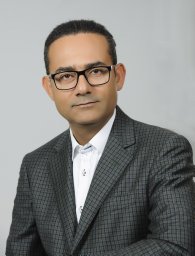 Mohammad Sharif Ranjbar合作论文数Marine Biology, Khorramshahr Marine Science and Technology University8Morteza Yousefzadi合作论文数Faculty of Sciences, Shahid Beheshti University Evin8
 Mousa Keshavarz合作论文数Dept Marine Biol, Univ Hormozgan7
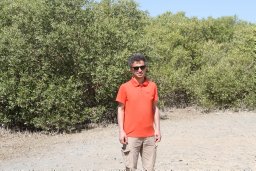 Mehdi Shojaei合作论文数Faculty of Natural Resources and Marine Sciences, Tarbiat Modares University7
 Salim Sharifian合作论文数7
 Asghar Abdoli合作论文数Environmental Sciences Research Institute, Shahid Beheshti University7
 Mirmasoud Sajjadi合作论文数School of Basic Sciences, University of Hormozgan7
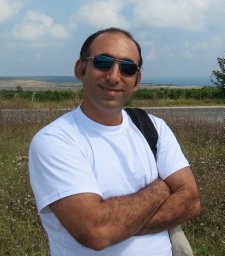 Ahmad Noori合作论文数7
 Bahram H. Kiabi合作论文数Fac Biol Sci, GC, Shahid Beheshti Univ7Mir Masoud Sajjadi合作论文数6Lesage, F.合作论文数6
 Morteza Salahi合作论文数6Ebrahim Kalani合作论文数6
 Seyed Yousef Paighambari合作论文数Gorgan University of Agricultural Sciences and Natural Resources6
 Moslem Sharifinia合作论文数Shrimp Research Center, Iranian Fisheries Science Research Institute (IFSRI),6
 Hanieh Saeedi合作论文数Institute of Marine Science, University of Auckland6
 Leila Abdoli合作论文数6M R Taherizadeh合作论文数5Alireza Riahi Bakhtiari合作论文数5Mehran Parsa合作论文数5Zahra Baran Darvishnia合作论文数5Hadi Raeisi合作论文数Dept Fisheries, Gonbad Kavous Univ5
 Arash Akbarzadeh合作论文数5e bozorgi合作论文数4
 Farrokhzad Zeinali合作论文数4Mehrnaz Ghanbarzadeh合作论文数4Ali Reza Salarzadeh合作论文数4a a khanipour合作论文数Inland Water Aquaculture Res Ctr, Iranian Fisheries Sci Res Inst IFSIR4
 Mostafa Zahirinia合作论文数Fac Social Sci, Univ Hormozgan4
 Morteza Bahremand合作论文数4
 Javid Imanpour Namin合作论文数Faculty of Natural Resources, University of Guilan4
 Saba Ghattavi合作论文数4
 Naji Abolfazl合作论文数Faculty of Marine Science and Technology, University of Hormozgan4
 Mohsen Dehghani合作论文数Pain Management and Research Centre, University of Sydney at Royal North Shore Hospital4
 Rahman Patimar合作论文数Gonbad Institutes of Higher Education4
 Svein Jentoft合作论文数The Norwegian College of Fishery Science, UiT The Arctic University of Norway4




