Transplant-related morbidity remains a major barrier to broader application of allogeneic hematopoietic cell transplantation (HCT) in older adults. The frequency and importance of physical disabilities early after HCT have not been well-characterized. We sought to characterize the incidence and prognostic impact of physical disability complicating HCT in patients ≥60 years of age. We retrospectively analyzed 699 consecutive patients ≥60 years who underwent HCT at our institution. Physical disability post-HCT was defined as one or more of the following: (1) mobility dependence (requiring a person to assist walking); (2) delirium with loss of instrumental activities of daily living; (3) fall; or (4) intensive care unit admission. Disability-free Survival (DiFS) failure events included any of these disability events or death. The median age was 66 years; 20% were age ≥70 years. Melphalan-based conditioning was used in 85%, and 77% had matched donors. By day 30, 38% developed mobility dependence, 25% experienced delirium, 15% required intensive care unit care, and 5% experienced a fall. Day 30 DiFS was 57.2%, with a disability event preceding every death by day 30. One-year NRM landmarked at day 30 was 31.6% for patients with prior disability, versus 9.8% without (P < .001). In multivariable analysis, disability was independently associated with increased landmark NRM (Hazard Ratio [HR] = 2.70, 95% confidence interval [CI]: 2:03 to 3.60) and worse landmark overall survival (HR = 1.86, CI: 1.49 to 2.33), independent of acute graft-versus-host disease by day 30. Disability frequently complicates HCT in older adults and independently predicts higher NRM risk. Day 30 DiFS is a novel endpoint to quantify HCT morbidity and a potential target for trials to circumvent HCT-related complications.
CIBMTR registry data shows that allogeneic HCT is being performed with increasing frequency in older patients. In this population, selecting a conditioning regimen that balances disease control while reducing non-relapse mortality (NRM) is critical to improving overall survival (OS). We retrospectively evaluated outcomes of 48 consecutive patients with AML, aged ≥ 70 years, who underwent allogeneic HCT at our center (2009 to 2019) using Flu/Mel conditioning and Tac/Siro-based GVHD prophylaxis. The primary objective of this retrospective analysis was to assess 5-year OS and identify clinical factors associated with survival.The median age at HCT was 71 years (range 70-78). Patients were transplanted in CR1 (62%), CR-2 (19%), or active disease (19%). Donor types were 8/8 HLA matched related (23%) or unrelated (77%). The median donor age was 31 years (range 19-77), and 17% of HCTs were from female donor to male recipient. A high/very-high Disease Risk Index (DRI) score was seen in 33% of patients, 44% of patients had an HCT-CI >2 and 21% had adverse risk features by ELN 2022 criteria. Peripheral blood stem cells were used as the graft source in all patients, and 75% of patients received a melphalan dose of 140 mg/m2.With a median follow-up duration of 7.0 years (range 5.1-10.7) among survivors, the 2 and 5-year OS rates were 77% (95% CI: 62-87%) and 65% (95% CI: 49-76%), respectively. Leukemia-free survival (LFS) at 2 and 5 years were 73% (95% CI: 58-83%) and 62% (95% CI: 47-74%), respectively. The relapse rate at 2 and 5 years were 10% (95% CI: 4-21%) at both time-points, and non-relapse mortality (NRM) was 10% (95% CI: 4-21%) at day 100 and 27% (95% CI: 15-40%) at 5 years. The cumulative incidence of Grade 2-4 and 3-4 acute GVHD at day +100 was 27% (95% CI: 15-40%) and 15% (95% CI: 6-26%), respectively. Cumulative incidence of chronic GVHD at 2 years was 65% (95% CI: 49-76%). Bone marrow CD3 chimerism > 95% at Day 30 was seen in 85% of patients.On Univariate analysis, 5-year was significantly corelated with remission status CR 1/2 versus active disease (70% vs 44%; p=0.014), secondary AML (80% vs 42%; p=0.027), prior Venetoclax use (72% vs 25%; p=0.003), and melphalan dose 140 mg/m2 vs 100 mg/m2 (75% vs 33%; p=0.018). These factors also showed significant differences in LFS and NRM, but not in relapse rate.In conclusion, our data suggests that allogeneic HCT using Flu/Mel conditioning and Tac/Siro GVHD prophylaxis in patients with AML results in promising 5-year OS with low relapse rates. This reduced intensity regimen remains an effective strategy for older AML patients undergoing allogeneic HCT from a matched donor.
BACKGROUND:Total marrow and lymphoid irradiation delivers augmented doses of radiation to the bone marrow and lymph nodes while maintaining low doses to vital organs. We aimed to assess the effectiveness of combining total marrow and lymphoid irradiation (2000 cGy to bone marrow and lymph nodes) with high-dose cyclophosphamide and etoposide as a conditioning regimen before allogeneic haematopoietic cell transplantation (HCT) in patients with relapsed or refractory acute leukaemia. METHODS:This single-centre, open-label, phase 2 trial with an initial six-patient safety lead-in, conducted in the USA, enrolled patients aged between 16 and 60 years with relapsed or refractory acute myeloid leukaemia or acute lymphoblastic leukaemia. Total marrow and lymphoid irradiation was given on days -9 to -5, etoposide 60 mg/kg on day -4, and cyclophosphamide 100 mg/kg on day -2. Bone marrow or peripheral blood stem cells from sibling or matched or one allele mismatched unrelated donors were infused on day 0. Graft versus host disease prophylaxis consisted of tacrolimus and sirolimus. The primary endpoint for the initial safety lead-in segment was toxicity and for the phase 2 study was 2-year progression-free survival. All patients who began treatment were included in the analysis. This trial is registered with ClinicalTrials.gov, NCT02094794, and is closed to accrual. FINDINGS:Between May 9, 2014, and Mar 5, 2024, 107 patients were enrolled and screened for eligibility. One did not meet eligibility criteria (uncontrolled cytomegalovirus). 106 received conditioning radiation and HCT per protocol. Median follow-up was 1·8 years (IQR 0·6-3·0) for all patients and 3·1 years (2·1-4·9) for patients who were alive at last contact. None of the six patients in the safety lead-in experienced unacceptable toxicity. 49 (46%) of 106 patients were female and 57 (54%) were male. 72 (68%) of patients were White and 22 (21%) were Asian or Pacific Islander. The 2-year estimate of progression-free survival in all patients was 34% (95% CI 25-43%). The most common grade 3-4 adverse events were cytopenias 96 (91%), metabolic disorders 83 (78%), oral mucositis 45 (42%), diarrhoea 25 (24%), nausea 21 (20%), and palmar-plantar erythrodysesthesia syndrome 11 (10%). One patient died of sinusoidal obstruction syndrome attributed to the conditioning regimen. INTERPRETATION:Adverse events were few, probably due to organ sparing by total marrow and lymphoid irradiation. Total marrow and lymphoid irradiation 2000 cGy could be safely delivered in combination with high-dose etoposide and cyclophosphamide. The regimen was associated with encouraging 2-year progression-free survival rates. FUNDING:National Institutes of Health and Accuray.
Abstract: Relapse after allogeneic hematopoietic cell transplantation (alloHCT) remains a challenge for patients with acute myeloid leukemia (AML) and myelodysplastic syndrome (MDS), and salvage therapy in this setting is not standardized. Given the efficacy of hypomethylating agents and venetoclax (HMA-VEN) in the frontline and relapsed settings, we evaluated the use of this therapy for post-alloHCT relapse. Eighty-three patients with AML (n = 69) or MDS (n = 14) who relapsed after alloHCT were included in this retrospective analysis. The median time to relapse after alloHCT was 7.0 months. Most patients (55%) had prior VEN exposure, and 28% of these patients had previously experienced treatment failure with a VEN-based regimen. HMA-VEN treatment-emergent toxicities were predominantly neutropenia and thrombocytopenia; however, the 30-day mortality was only 3.6%. There were 3 deaths within 30 days because of infectious complications. HMA-VEN led to a complete response (CR) or CR with incomplete hematological recovery in 48% of the patients, with 58% of these patients achieving minimal residual disease negativity. In multivariable analysis, European LeukemiaNet 2024 genetic risk stratification was a predictor of survival outcome. Additionally, prior VEN failure was not a predictor of overall survival. In conclusion, HMA-VEN provides an efficacious and well-tolerated option for post-alloHCT AML or MDS relapse regardless of their prior therapy and may allow responders to undergo a second alloHCT with curative intent.
Dietary interventions may improve gut microbial diversity and HCT prognosis. Lysozyme, an antimicrobial protein highly expressed in human milk, supports the establishment of a healthy gut microbiota. Maga et al., at UC Davis developed the Artemis line of transgenic goats producing milk with human lysozyme (hLZ), which showed improve clinical outcomes, intestinal mucosa integrity, and gut microbiota in piglets with E. coli-induced severe diarrhea.In our ongoing pilot trial (NCT03531281) with the primary objective to evaluate the safety/feasibility of hLZ consumption, 41 evaluable patients (pts; median age=61 years; range: 22-78 years) with ALL (n=14), AML (n=8), or MPN or MDS (n=19) have been enrolled. The trial included a safety lead-in segment (SLI; n=6) followed by a randomized segment with pts receiving standard HCT care alone (SOC; n=17) or SOC+hLZ (n=18). Grafts were PBSC (n=40) or bone marrow (n=1) from matched related (n=11) or unrelated (n=30) donors. All SLI pts received myeloablative conditioning (FTBI), but most randomized pts (80%) received reduced intensity conditioning. GVHD prophylaxis was tacrolimus/sirolimus.Data from the SLI showed the feasible hLZ volume for consumption in the randomized segment is 450ml daily from admission to HCT and 300ml daily from HCT to discharge. These doses correspond to 2-3x naturally produced lysozyme in saliva in healthy individuals. There were no hLZ-related serious adverse events. Overall AEs were similar in the SLI, SOC and hLZ arms. Blood stream infections occurred in 4 pts by day 100 (SLI n=1, SOC n=2, hLZ n=1). Grade 3-4 infections occurred in 4 pts in SOC vs 1 in hLZ (p=0.18).At a median follow-up duration of 11.4 months (range 0.2-25.5) for surviving pts, all pts engrafted; median of 14 days to neutrophil recovery. In the randomized segment, day 180 non-relapse mortality (NRM) was 0% in the hLZ and 12% in the SOC arm (p=0.16). One-year overall survival (OS) was 90% for hLZ and 88% for SOC. Cumulative incidence of G3-4 aGVHD was 6% (95%CI: 0.4-26%) in SOC and 0% in hLZ pts. Lower GI GVHD was seen in 3 pts (SOC=1, hLZ=2).Shotgun metagenome sequencing analysis of stool samples showed a trend for better preservation of gut microbial diversity in hLZ pts at day 14 post-HCT vs. SOC pts, particularly among those who developed aGVHD. Some pathobionts such as E. coli (day 30, 100) Prevotella (Admit – day 100), Klebsiella (day 30,100), Staphylococcus (day 30) and Enterococcus (day 14) were more enriched in SOC vs hLZ pts. The dominance of antimicrobial resistance (AMR) genes by group and aGVHD changes over time, with SOC aGVHD+ exhibiting the greatest domination of select AMR genes.Our preliminary data establishes the safety & feasibility of hLZ in HCT pts. While survival outcomes were similar between hLZ and SOC in this interim analysis, we observed promising low rates of G3-4 infections, G3-4 aGVHD, and NRM, associated with reduced disruption of microbial communities.
Patients with relapsed or refractory (R/R) acute myeloid leukemia (AML) have poor outcomes. Allogeneic hematopoietic cell transplant (HCT) remains the only potentially curable treatment. Disease status prior to HCT has a direct impact on outcome, moreover, it is not uncommon for R/R AML patients to achieve inadequate responses to salvage therapies. Novel transplantation strategies are needed such as HCT in aplasia after intensive chemotherapy (IC) (Stolzel et al. Leukemia 2013) or sequential conditioning regimens for patients with active disease. In the ASAP trial, immediate HCT was compared to salvage chemotherapy and immediate HCT was shown to be an attractive option for long term disease control (Stelljes et al. Lancet Haem 2024). However, these studies were done in the pre-venetoclax (ven) era. Here, we describe the feasibility and outcomes of patients with R/R AML undergoing intensive chemotherapy (IC) followed by HCT. Methods This retrospective analysis included adult patients aged 18 years or older with R/R AML who were treated at City of Hope (COH) and received a course of IC prior to HCT within 60 days. Response criteria for complete remission (CR)/CR without hematological recovery (CRi) were per standard International Working Group (IWG) criteria. Morphologic Leukemia-Free State (MLFS) is defined as absence of both bone marrow blasts <5% and extramedullary disease with no hematologic recovery required. Other endpoints were overall survival (OS), progression-free survival (PFS), cumulative incidence (CI) of relapse (CIR), and non-relapse mortality (NRM) from HCT. Safety was assessed according to the Common Terminology Criteria for Adverse Events, version 5 of the National Cancer Institute. Measurable residual disease (MRD) was obtained by flow cytometry performed by the University of Washington with sensitivity of 0.1%. A threshold of p-value = 0.05 was considered statistically significant (RStudio, version 3, Boston, MA). Results Thirty consecutive patients met the inclusion criteria for analysis. The median age for the whole cohort was 52 years (range 19-74), and the majority were males (56.7%), non-Hispanic whites (63.3%), and ELN 2022 Adverse Risk (70%). TP53 (23.3%), BCOR (16.7%), and RUNX1 (13.3) were frequently detected aberrations by next generation sequencing. The median (range) lines of therapy were 2 (1-6), and 46.7% of patients had 3 or more lines of therapy. Most patients were previously exposed to ven (86.7%) and 13.3% of patients failed prior HCT. FLAG +/- Idarubicin (or Etoposide) +/- Ven based intensive chemotherapy (83.3%) were the most frequently delivered IC regimens. The CR/CRi/MLFS rate prior to HCT was 63.3% (CR/CRi = 10%) and MRD negativity rate amongst responders was (52.6%). The median time to neutrophil and platelet recovery for the bridging therapy was 27 and 26.5 days, respectively. Febrile neutropenia (83.3%) was common; however, rates of grade 3 or higher treatment emergent adverse events were infrequent (gastrointestinal bleeding; 2(6.7%), pancreatitis 1(3.3%)). The median time to HCT was 43.5 (range= 21-60). Conditioning with TMLI-based (63.3%) or Fludarabine/Melphalan (26.7%), and Tacrolimus and Sirolimus (T/S) (80%) based GVHD prophylaxis regimens were common. Median OS and PFS from HCT were 12.7 (range= 4.8-17.7); and 8.1 (range= 2.2-16.6), respectively. Post-HCT, CIR and NRM were (34.4% and 20.6%) at 12 months and 47.6% and 29.7% at 24 months respectively. For the transplant, median time to neutrophil and platelet engraftment was 16 (range= 15-19) and 22 (range=18-33) days, respectively. The CI of acute GVHD (II-IV) and III/IV at 100 days was 28.6% and 17.9%. Moderate to severe cGvHD by 1 year was 29.4%. A univariate analysis for OS showed ANC recovery (>500) at the time of conditioning was associated with improved 1-year OS (HR=0.22, 95% CI: 0.05-0.92; p=0.019). Conclusions IC bridging with ven prior to HCT was feasible in pts with R/R AML. The observed engraftment, non-relapse mortality, and rates of GVHD were within acceptable ranges, supporting the safety of this approach. Notably, most patients had ELN 2022 adverse-risk disease and were heavily pretreated, contributing to a high post-transplant relapse rate. These findings underscore the need for future strategies that are aimed at enhancing disease control, which include optimizing conditioning intensity and incorporating post-transplant maintenance therapies.
The Mount Sinai Acute GVHD International Consortium (MAGIC) developed and validated the MAGIC algorithm probability (MAP), which is a biomarker-based risk model using serum levels of ST2 and REG3α as predictive biomarkers of acute graft-versus-host disease (aGVHD)-related, non-relapse mortality (NRM), as early as 7 days after allogeneic hematopoietic stem cell transplantation (HCT) (Hartwell et al. JCI Insight 2017). This study included patients transplanted between 2005-2015, with a limited number receiving post-transplant cyclophosphamide (PTCy), and no specific analyses for older adults, racial/ethnic minorities or non-malignant diseases. We evaluated the impact of Day 7 MAP on HCT outcomes in a contemporary cohort of patients at our center between Jan 2021-Aug 2024. The primary endpoint was 1-year NRM. Secondary endpoints included overall survival (OS), progression-free survival (PFS), cumulative incidence of relapse (CIR), aGVHD, and GVHD-related mortality. We retrospectively reviewed a consecutive cohort of 721 patients who underwent commercially available MAP testing on Day 7 post-HCT (median: 9, range 5-14). The median age at HCT was 56 years (range 2-80), with 58.1% male; and 32.5% aged ≥ 65 years. The cohort reflected the demographics of our geographic catchment area: 40.8% Hispanic, 40.5% non-Hispanic White, or other (18.7%). Indications for HCT included AML (33.3%), ALL (22.5%), MDS/MPN (23.8%), lymphoma (6.7%), non-malignant disorders (8.3%), or other diagnoses (5.4%). HCT was from matched related (27.9%), matched/mismatched unrelated (56%), and haploidentical (16.1%) donor after myeloablative (35.2%) or non-myeloablative/reduced intensity conditioning (64.8%). GVHD prophylaxis was tacrolimus/sirolimus-base (59.1%), CNI/methotrexate-based (8.3%), PTCy-based (32%), and others (0.6%). We stratified 164 patients as high risk (HR) and 557 as low risk (LR) by MAP. The median follow-up for surviving patients (n=539) was 18.0 months. HR patients had significantly higher 1-year NRM vs LR patients: 29.8% (95% CI, 22.9-37.0%) vs 9.5% (95% CI, 7.1%-12.1%), p<0.01. Day 7 MAP was also associated with 1-year OS: 63.8% (HR) vs 84.0% (LR), p<0.01. MAP risk category was not associated with 1-year CIR (HR: 12.6% vs LR: 12.8%, p=0.36), grade 2-4 aGVHD (HR: 37.2% vs LR: 34.9%, p=0.35), or grade 3-4 aGVHD (HR: 12.8% vs LR: 7.9%, p=0.26). In multivariate analysis, MAP remained independently associated with NRM (hazard ratio 3.4; 95% CI 2.4-5.0; p<0.01) after adjusting for age (<65 vs ≥65; HR=1.6; p=0.048), HCT-CI (<3 vs ≥3; HR=1.5; p=0.047) and conditioning regimen (MAC vs RIC, HR=1.2, p=0.55). Cause-specific mortality analysis showed that HR patients had higher GVHD-related mortality (10.1% vs 4.3%, p<0.01) as well as non-GVHD-related NRM (19.7% vs 5.3%, p<0.01), primarily from infection or organ dysfunction. We evaluated the impact of Day 7 MAP on NRM within specific subgroups of interest. High MAP was associated with significantly higher incidence of NRM in adults aged ≥ 65 years (HR [n=71] 34.0% vs LR [n=163] 14.6%, p<0.01), those who received PTCy (n=230, HR [n=51] 39.5% vs LR [n=179] 9.8%, p<0.01), and racial/ethnic minority populations – specifically Hispanic patients (n=294, HR [n=62] 24.6% vs LR [n=232] 9.3%, p<0.01). MAP also stratified NRM risk, (HR [n=102] 33.0% vs. LR [n=325] 9.6%, p<0.01) in non-Hispanic patients (n=427). In an exploratory analysis, ST2 and REG3α levels demonstrated an inverse correlation in the HR group (Pearson R= -0.3317, p<0.0001, R2=0.1100), but no significant correlation was observed in the LR group (R=-0.0506, p=0.1167, R2= 0.0026). When the biomarker levels were evaluated individually in tertiles, there was a trend towards greater ST2 levels (high/medium tertiles) associated with non-GVHD NRM risk compared with GVHD-NRM (p=0.09), and not observed with REG3α.In this contemporary and diverse cohort of HCT recipients, the Day 7 MAP score was strongly predictive of NRM, including both GVHD-related and non-GVHD related causes. MAP effectively stratified risk across key subgroups, including PTCy recipients, older adults and racial/ethnic minorities. Day 7 MAP did not predict the incidence of grade 2-4 or 3-4 aGVHD, consistent with its role as a prognostic, not a diagnostic, tool. Our data support the continued development of GVHD-specific or non-specific preemptive strategies for HR patients, potentially guided by further analysis on the individual biomarkers and their expression patterns.
Allogeneic hematopoietic cell transplantation (allo-HCT) is increasingly offered as a consolidation strategy for older/infirm patients with acute myeloid leukemia (AML). Fludarabine/melphalan (Flu/Mel) conditioning is associated with effective disease control but results in significant toxicity and non-relapse mortality (NRM) when combined with calcineurin-inhibitors plus methotrexate or mycophenolate mofetil. Flu/Mel with alternative graft-versus-host disease (GVHD) prophylaxis may be better tolerated and result in superior outcomes in patients with AML. In this single-center retrospective analysis, we analyzed long-term outcomes of patients with AML (n = 342) who underwent allo-HCT with Flu/Mel conditioning and tacrolimus/sirolimus (Tac/Sir)-based GVHD prophylaxis from 2008-2019 at City of Hope. Patient median age was 63 years (range: 23–78), with 37% having high-very high Disease Risk Index (DRI) and 42% with HCT-Comorbidity Index (CI) ≥ 3. Five-year overall survival (OS: primary objective) was 55% (95% CI: 49–61%) among all patients and 70% (95% CI: 55–81%) in patients ≥70 years old. Only presence of active disease correlated with lower 5-year OS on multivariate analysis (HR = 1.95; p < .001). Five-year NRM was 24% (95% CI: 19–29%) among all patients and 21% (95% CI: 11–34%) in those ≥70 years old. In conclusion, Flu/Mel conditioning with Tac/Sir GVHD prophylaxis is associated with favorable OS and acceptable NRM, even in older/infirm patients with AML.
Renal impairment is associated with poor outcomes following allogeneic hematopoietic cell transplantation (HCT). Although melphalan-based reduced-intensity conditioning (RIC) is demonstrated to be safe and feasible in older HCT patients, the impact of renal impairment on outcomes and toxicities following melphalan-based RIC is not well described. To evaluate how pretransplant renal function influences toxicity and survival after fludarabine/melphalan (FM) RIC and to compare measured 24-h urine creatinine clearance (UCrCl) with calculated creatinine-based renal function estimates as prognostic markers. Herein, we describe long-term outcomes of 561 HCT patients aged 55 to 74 years who received FM conditioning and tacrolimus/sirolimus as graft-versus-host disease (GVHD) prophylaxis prior to matched donor HCT, between July 2009 and December 2019. Patients were divided based on pre-HCT UCrCl: creatinine clearance (CrCl) <90 mL/min (UCrCl 2 to 3, n = 184) and CrCl ≥90 mL/min (UCrCl 0 to 1, n = 377). CrCl for all patients was also calculated by the Cockcroft-Gault and the 2021 Chronic Kidney Disease Epidemiology Collaboration equations for comparison. UCrCl 2 to 3 correlated with higher 4-year non-relapse mortality (31% versus 19%, P < .01) and lower 4-year overall survival (55% versus 62%, P = .03) without differences in relapse rates. Neither CrCl calculation method correlated with any survival endpoint. UCrCl 2 to 3 was associated with higher severity and incidence of melphalan-related adverse events. Lower UCrCl was associated with less melphalan-induced severe GVHD- and gastrointestinal toxicity-free survival (MGTFS), a composite endpoint for severe melphalan-related morbidity and mortality at day +30 post-HCT and an early correlate of long-term survival outcomes (UCrCl 2 to 3: 18% versus UCrCl 0 to 1: 31%, P < .01). Patients with poor baseline UCrCl receiving melphalan-based RIC are at risk for significant conditioning-related toxicity and GVHD and, consequently, increased mortality. MGTFS quantified the early effect of FM RIC-related toxicities on post-HCT survival in this renally impaired HCT population.
Fludarabine and melphalan (FM) conditioning offers effective disease control with an acceptable toxicity profile. Post-transplant cyclophosphamide (PTCy) for graft-versus-host disease (GVHD) prophylaxis has improved transplant outcomes. We retrospectively reviewed patients receiving FM-based transplants with PTCy at City of Hope. Of 248 patients included, 89 (35.9%) received hematopoietic cell transplant (HCT) from a matched related/unrelated donor (MRD/MUD), 118 (47.6%) from a haploidentical (HID) donor, and 49 (19.8%) from a mismatched unrelated donor (MMUD). There were no differences in acute and chronic GVHD based on donor type. The 2-year overall survival (OS) for patients receiving HID, MMUD, and MRD/MUD was 58%, 55%, and 70%; disease-free survival (DFS) was 52%, 48%, and 66%; and graft-versus-host/relapse-free survival (GRFS) were 48%, 40%, and 59%, respectively. OS, DFS, and GRFS were similar regardless of donor type on multivariable analysis. However, donor age ≥35 years was associated with lower OS and GRFS and higher 2-year non-relapse mortality (NRM) on multivariable analysis across all patients, regardless of donor type. FM with PTCy appears to produce similar outcomes between MRD/MUD, MMUD, and HID when adjusting for donors <35 years, and donor age seems to be the most important factor when selecting a donor with this regimen.
Background: Total marrow and lymphoid irradiation (TMLI) delivers augmented doses of radiation to the bone marrow (BM) and lymph nodes (LNs) while maintaining low doses to normal organs. A previous study comparing total body irradiation (TBI) doses (1200 cGy to 1575 cGy) demonstrated a dose-dependent response to radiation therapy, with higher doses associated with lower relapse risk. However, this benefit was offset by increased toxicity, resulting in no overall survival gain. Herein we report a single-arm phase 2 trial combining TMLI (2000 cGy to BM and LNs) with high-dose cyclophosphamide (Cy) and etoposide (VP-16) as a conditioning regimen prior to allogeneic hematopoietic cell transplantation (HCT) in 104 patients (pts) with relapsed/refractory (r/r) acute leukemia. Methods: TMLI was given on days -9 to -5 (200 cGy per fraction, twice a day), VP-16 60 mg/kg (adjusted body weight) on day -4, and Cy 100mg/kg (ideal body weight) on day -2. BM (n=7) or peripheral blood stem cells (n=97) from sibling (n=57) or matched (n=24) or one allele mismatched (n=23) unrelated donors were infused on day 0. Graft versus host disease (GVHD) prophylaxis consisted of tacrolimus and sirolimus (NCT02094794). Results: Between 05/2014–04/2024, 104 subjects were enrolled. All subjects had r/r disease (including MRD+ by flow). The median age was 40.7 years (range: 16.5-59.9). The median total number of prior regimens was 3 (range: 1-9). Eighty-two (79%) pts had acute myeloid leukemia (AML) and 22 (21%) acute lymphoblastic leukemia (ALL). In pts with AML, 53 (65%) had adverse and 29 (35%) had intermediate cytogenetic risk (ELN 2017) at baseline, and in ALL, 17 (77%) had unfavorable and 5 (23%) had intermediate cytogenetic risk (SWOG). A total of 37 (36%) pts had prior venetoclax exposure. The median baseline blasts in the BM was 12% (range: 0-95%), with 39 (38%) pts having ≥25% blasts in the BM. The median baseline peripheral blasts in blood was 0% (range: 0-86%), and 18 (17%) pts had ≥20% peripheral blasts. Eleven (11%) pts had extramedullary disease (EMD) at HCT. Twenty-seven pts had MRD+ disease. (These pts had received prior cytoreductive therapy in an attempt to proceed to HCT.) The median follow-up was 3.0 years (range: 1.0-5.9) among survivors. A total of 103 (99%) pts achieved a neutrophil recovery at a median of 15 days, and 94 (90%) achieved platelet engraftment at a median of 18 days. One patient died of conditioning-related sinusoidal obstruction syndrome on day 30. Ninety-eight (96%) pts achieved a CR/CRi after HCT. The cumulative incidence of relapse/progression and non-relapse mortality (NRM) at 2 years post-HCT were 51% (95%CI: 41-61%) and 14% (95%CI: 7.8-21%), respectively. Two-year estimates of overall survival (OS) and progression/relapse-free survival (PFS) were 47.3% (95%CI: 37.3-56.6%) and 35.1% (95%CI: 26-44.3%), respectively. There was no increased incidence of acute and chronic GVHD relative to historical data. For 82 subjects with AML, to identify the key risk factors associated with higher hazard of progression/relapse/death, we first fitted 5 univariate Cox proportional hazards models for each of the factors including cytogenetic risk (intermediate/adverse), peripheral blasts at time of transplant (<20%/≥20%), BM blasts at time of transplant (<25%/≥25%), number of prior regimens received (including induction and salvage regimens) (continuous), and prior venetoclax-based salvage regimens (yes/no). The number of regimens prior to HCT (including remission induction and salvage regimens), peripheral blasts ≥20% at time of transplant, and BM blasts ≥25% at time of transplant were each associated with higher hazard for PFS. The first 2 factors were further included in the multivariable Cox proportional hazards model. The hazard of experiencing relapse/progression or death post-HCT was associated with a 30% increase for each additional prior regimen (aHR: 1.3 [95%CI: 1.1-1.5], p=0.001), and tended to be 80% higher in subjects with peripheral blasts ≥20% (vs <20%) at HCT (aHR: 1.8 [95%CI: 0.96-3.2], p=0.068).Conclusion: 1) Toxicities and NRM were low, likely due to organ sparing by TMLI, despite delivering 2000 cGy radiation to the BM and LNs; 2) The regimen was associated with improvement in two-year OS and PFS for r/r leukemia, compared to historical estimates; 3) We did not observe an increase in EMD over that from TBI regimens; 4) AML pts with <20% peripheral blasts and fewer prior regimens appear to benefit most.
Background: The prognostic impact of RAS-pathway mutations (RASm) in acute myeloid leukemia (AML) on post-allogeneic stem cell transplant (alloHCT) outcomes remains to be fully elucidated. RASm have been associated with inferior overall survival (OS) after treatment with lower-intensity therapies, including venetoclax. However, RASm are often cleared following treatment with intensive chemotherapy induction and consolidation (Ball et al Am J Hematol 2022). Among patients with MDS undergoing alloHCT, RASm detected in pre-conditioning blood samples confer a higher risk of relapse for those receiving reduced intensity conditioning. The prognostic impact of RASm clearance and persistence on outcomes post-alloHCT in AML has yet to be reported. Hence, we performed a retrospective analysis of patients with AML with RASm detected pre-HCT receiving alloHCT to describe the post-alloHCT outcomes and to identify prognostic risk factors for this population. Methods: This analysis includes adult patients with RASm AML (NRAS, KRAS, PTPN11, CBL, NF1, RIT1, FLT3, KIT gene mutations) who underwent alloHCT at City of Hope between 2018-2024. The objectives were to evaluate OS, leukemia free survival (LFS), graft versus host disease (GVHD) incidence, relapse incidence, and non-relapse mortality (NRM). Next generation sequencing (NGS) was used for the detection of RASm at diagnosis, pre-alloHCT, and post-alloHCT when available. University of Washington Flow Cytometry (UWFC) was used for Measurable Residual Disease (MRD) detection with sensitivity of 0.1%. Results: A total of 115 eligible patients were identified who underwent alloHCT during the study period. Median age at alloHCT was 54 years (range: 21-79), 51.3% of patients were male, 72% of patients had KPS >80%, and stem cell source was PBSC in 99% patients. Donor types were matched unrelated (MUD=47.8%), matched related (MRD=28.7%), haploidentical (Haplo=15.7%) and mismatched unrelated (mMUD=7.8%). Myeloablative conditioning (MAC) regimens were used in 52.2% of patients, and reduced intensity conditioning (RIC) was used in 47.8%. The MAC regimens were all total body irradiation (TBI) based. Fludarabine/melphalan was the most common RIC regimen (n=52; 45.8%). The GVHD prophylaxis was predominantly using calcineurin-based regimens (70.4%) followed by post-transplant cyclophosphamide (PTCy; 29.6%). Median duration of follow up was 3.2 years (range: 0.02-6.03). Prior to HCT the median lines of therapy was 1 (range: 1-6), and ELN 2022 AML risk stratification was 22.6% favorable, 20% intermediate, and 57.4% adverse risk category. Majority of patients underwent HCT in CR (82%) and 16% of patients underwent HCT with active disease. Pre-HCT, 66% of patients were MRD negative pre-HCT. In 30% of patients RASm were cleared pre-HCT, and 36% of patients had detectable RASm pre-HCT by NGS testing. The 2- and 5-year estimated OS was 56.7% and 47.7% and the 2- and 5-year LFS was 53.5% and 48.4% respectively. The estimated 2- and 5-year relapse was 23.3% and 26.6% respectively. Adverse risk per ELN was associated with significantly decreased OS (HR 2.92; p=0.012) and LFS (HR 3.18; p=0.010). Patients who did not clear RASm pre-HCT had significantly worse OS (HR 2.12; p=0.007) and LFS (HR 2.72; p = <0.001), and a higher incidence of relapse (HR 7.98; p=0.003). When comparing NRAS- and KRAS-positive patients, no significant differences in outcomes were observed. Additionally, there was no difference by conditioning regimen (MAC vs. RIC) in 2- and 5-year estimates of OS/LFS in patients who had MRD by NGS or UWFC. In univariate analysis the following risk factors were associated with a significant increase in relapse incidence: ELN adverse risk (HR 4.12; p=0.0497), presence of RASm pre-HCT (HR 7.99; p=0.005), or post-HCT (HR 11.8; p=0.0004) and active disease at time of HCT (HR 3.28; p=0.002) had an increased risk of relapse. In multivariate analysis, the presence of pre-HCT RASm was associated with increase in relapse post HCT (HR 4.80; p=0.039). Conclusion: In patients with RASm, alloHCT results in 5-year OS/LFS of 47% and 48% respectively. Persistence of RASm pre-HCT was associated with decreased LFS, decreased OS, and increased relapse rates. TBI based MAC regimens were unable to overcome the adverse prognosis conferred by persistence of RASm pre-HCT. Better eradication of RASm may be essential to improve outcomes.
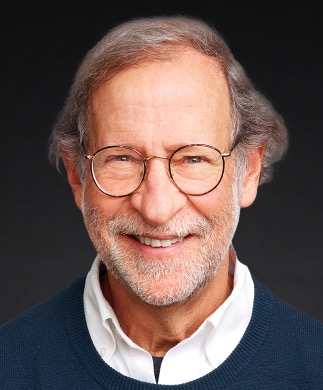 Stephen J. Forman合作论文数Hematologic Malignancies Research Institute, City of Hope;Department of Hematology & Hematopoietic Cell Transplantation, City of Hope77
 Ryotaro Nakamura合作论文数Division of Leukemia, Department of Hematology and Hematopoietic Cell Transplantation, City of Hope;Center for Stem Cell Transplantation, City of Hope65
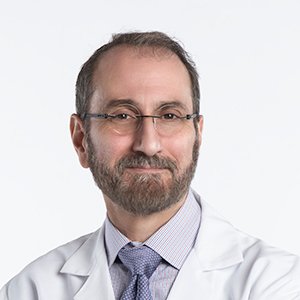 Guido Marcucci合作论文数Department of Hematologic Malignancies Translational Science, City of Hope;Division of Leukemia, City of Hope;Gehr Family Center for Leukemia Research, City of Hope51
 Al-Malki Monzr M合作论文数44Vinod Pullarkat合作论文数44Amandeep Salhotra合作论文数Department of Medicine, Tufts University School of Medicine44
 Ali H合作论文数Department of Hematology/Hematopoietic Cell Transplantation, City of Hope43
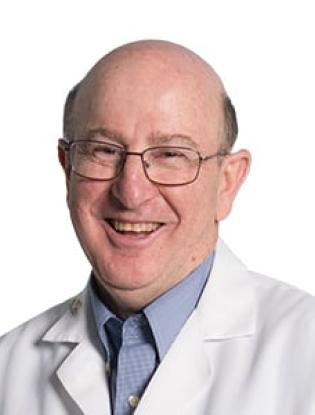 Anthony S. Stein合作论文数Division of Leukemia, Department of Hematology & Hematopoietic Cell Transplantation, City of Hope;Gehr Family Center for Leukemia Research, Hematologic Malignancies Research Institute, City of Hope43Ahmed Aribi合作论文数40Brian Ball合作论文数Brigham and Women's Hospital, Harvard Medical School37Dongyun Yang合作论文数35Shukaib Arslan合作论文数35Salman Otoukesh合作论文数Gehr Family Center for Leukemia Research, City of Hope Comprehensive Cancer Center31Sandhu Karamjeet合作论文数31Hoda Pourhassan合作论文数30Vaibhav Agrawal合作论文数Gehr Family Center for Leukemia Research, City of Hope Comprehensive Cancer Center28
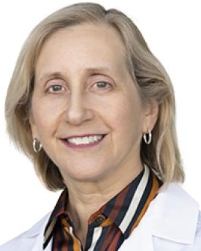 Pamela Becker合作论文数Division of Leukemia, Department of Hematology & Hematopoietic Cell Transplantation, City of Hope;National Medical Center, City of Hope28Sally Mokhtari合作论文数27
 Ibrahim T. Aldoss合作论文数Division of Leukemia, Department of Hematology & Hematopoietic Cell Transplantation, City of Hope26Amanda Blackmon合作论文数25Paul Koller合作论文数25Ricardo Spielberger合作论文数25
 Andrew Saul Artz合作论文数Division of Leukemia, Department of Hematology and Hematopoietic Cell Transplantation, City of Hope;Center for Cancer and Aging, City of Hope25Idoroenyi Amanam合作论文数24
 Joycelynne Palmer合作论文数Division of Biostatistics, Department of Computational and Quantitative Medicine, Beckman Research Institute, City of Hope;Hematologic Malignancies and Stem Cell Transplantation Institute, City of Hope24Auayporn Nademanee合作论文数23Leslie Popplewell合作论文数20Margaret O’donnell合作论文数17
 Peter Curtin合作论文数Department of Medicine, School of Medicine, University of California, San Diego16Neil Kogut合作论文数15Forrest M. Stewart合作论文数14Andrew S. Artz合作论文数12Dadwal Sanjeet S合作论文数12Firoozeh Sahebi合作论文数12Amrita Krishnan合作论文数City of Hope Cancer Center12Pablo Parker合作论文数11Monzr Al Malki合作论文数10Jana Dickter合作论文数10
 Samantha Snyder合作论文数10Yazeed Samara合作论文数9Michelle Afkhami合作论文数9
 Matthew Genyeh Mei合作论文数Division of Lymphoma, Department of Hematology & Hematopoietic Cell Transplantation, City of Hope National Medical Center9
 Jasmine M. Zain合作论文数Division of Lymphoma, Department of Hematology & Hematopoietic Cell Transplantation, City of Hope;Toni Stephenson Lymphoma Center, City of Hope;Columbia University9David Snyder合作论文数8
 George Somlo合作论文数8Herrera Alex F合作论文数Division of Hematologic Malignancies, Dana-Farber Cancer Institute8Roberto Rodriguez合作论文数8
 Henry Chi Hang Fung合作论文数Department of Bone Marrow Transplant and Cellular Therapies, Fox Chase Cancer Center8




