In this randomized, open-labeled trial we compared the outcomes of heart recipients who received tacrolimus-based immunosuppression and Campth-1H induction with those who received no Campath-1H.
Aim: The nephrotoxicity associated with calcineurin-inhibitors is dose dependent. The goal of this study is to determine whether a combination of tacrolimus and sirolimus will allow us to reduce the level of tacrolimus in heart transplant recipients, thus reduce the degree of tacrolimus-induced renal toxicity.
Cardiac ultrasound is a useful diagnostic modality for the evaluation of cardiac masses and tumors. However, normal cardiac structures and normal variants can mimic masses with both transthoracic echocardiography and transesophageal echocardiography. We report two patients in whom a redundant mitral leaflet simulated cardiac tumor attached to the mitral valve by transesophageal echocardiography. (ECHOCARDIOGRAPHY, Volume 11, May 1994)
A patient with an acute ischemic stroke had an interatrial septal aneurysm shown by transesophageal echocardiography. Interatrial shunting, compatible with a patent foramen ovale, was observed on a follow-up study after a second stroke. This was seen in association with a right atrial thrombus. This case illustrates that an interatrial septal aneurysm serves as a marker for potential interatrial shunting, which can lead to paradoxical cerebral embolism.
ST-segment alternans indicates nonuniformity of ventricular repolarization in time and space, and consequently correlates with the occurrence of ventricular fibrillation during cardiac ischemia.1,2 ST alternans has been observed during spontaneous and induced myocardial ischemia in experimental animals1,3 and in man during exercise,4 Prinzmetal angina5,6 and coronary angioplasty.7–9 Whereas ST-segment shifts (particularly ST-segment elevation) are frequent during angioplasty,10 ST-segment alternans is infrequent. We present a patient who on sequential balloon inflations during coronary angioplasty demonstrated a sequence of ST-segment shifts recorded by intracoronary electrocardiography, reflecting the unique effects of repeated short episodes of ischemia on the alternans phenomenon.
Whether hyperthyroidism can cause a dilated cardiomyopathy remains controversial. It has been generally accepted that thyrotoxicosis may be associated with high output heart failure and may precipitate ischemia or heart failure in patients with either symptomatic or asymptomatic underlying heart disease. However, evidence for the development of a dilated cardiomyopathy in otherwise normal hearts is confined to animal models and the pediatric population.1 Studies showing a decreased cardiac reserve on exercise by nuclear cardiographic studies are often quoted as evidence of occult myocardial dysfunction in hyperthyroid patients. The number of patients in these studies was small and predominantly female (15 of 19).2,3 The fact that women do not consistently increase their ejection fraction with exercise4 challenges the current interpretation of these results. We present a patient in whom thyrotoxicosis was accompanied by a reversible dilated cardiomyopathy.
Silent ischemia has been characterized by ST-segment shifts in the absence of angina and has been shown to be associated with an adverse prognosis in some patient subgroups.1–4 The detection of silent ischemia by ambulatory monitoring has increased in popularity.4–6 Some studies of silent ischemia have enrolled untreated patients with known coronary artery disease (CAD) and positive exercise stress tests. This bias in the pretest likelihood of the presence and severity of disease is likely to limit the clinical application of such studies. Further-more, withdrawing medications in order to assess risk would seem inappropriate in everyday clinical practice. This study was designed to look at the ambulatory electrocardiographic monitoring detection of “ischemic” ST-segment changes during the pericatheterization period in 50 patients admitted for cardiac catheterization. Each patient had cardiovascular symptomatology severe enough to warrant cardiac catheterization, but the pre-test likelihood of the detection of ischemia had not been biased by prior diagnostic studies or a change in treatment. Thus, the study was specifically designed to relate to patients in a practical clinical setting.
 Km Kessler合作论文数3S M Pham合作论文数3
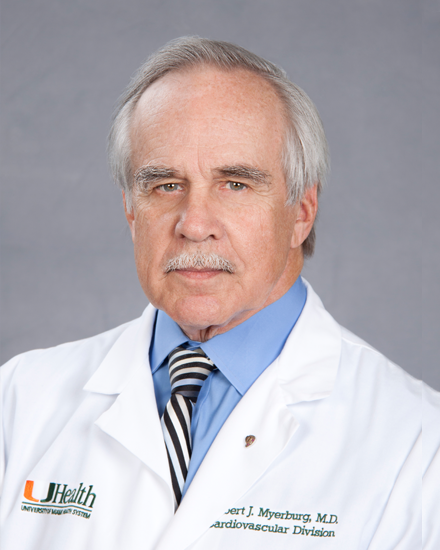 Robert J. Myerburg合作论文数Division of Cardiovascular Medicine, Department of Medicine, Miller School of Medicine, University of Miami3Martin S. Bilsker合作论文数3M Ricci合作论文数2B. M. Bednar合作论文数2Stephen M. Mallon合作论文数2
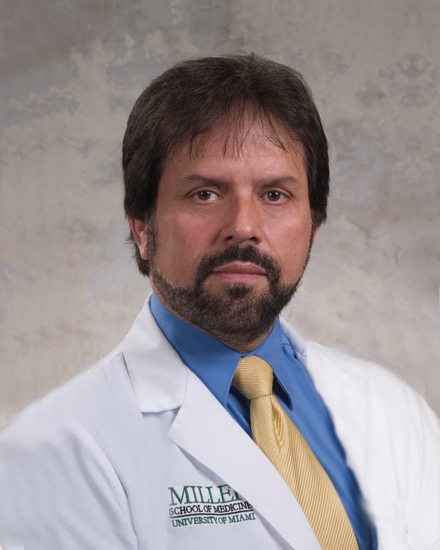 Joaquin Jimenez合作论文数Dr. Phillip Frost Department of Dermatology and Cutaneous Surgery, Miller School of Medicine, University of Miami;Department of Biochemistry and Molecular Biology, Miller School of Medicine, University of Miami2Simon Chakko合作论文数2AL PANOS合作论文数1E Demarchena合作论文数1Ej Demarchena合作论文数1Rf Sequeira合作论文数1Rj Kaplon合作论文数1X S Qi合作论文数1Re Kelley合作论文数1F. Jimenez合作论文数1
 Mario A. Aycart合作论文数Brigham and Women's Hospital, Harvard Medical School1A DELAHERA合作论文数1E Rosenkranz合作论文数1Y Reyes-Iglesias合作论文数1H Bolooki合作论文数1
 Aristotelis Panos合作论文数Cardiac Surg, Univ Hosp Geneva1Chaparro Sandra V合作论文数Department of Medicine, University of Miami Miller School of Medicine1Ackerman M合作论文数1Katariya K合作论文数1P.C Lee合作论文数1
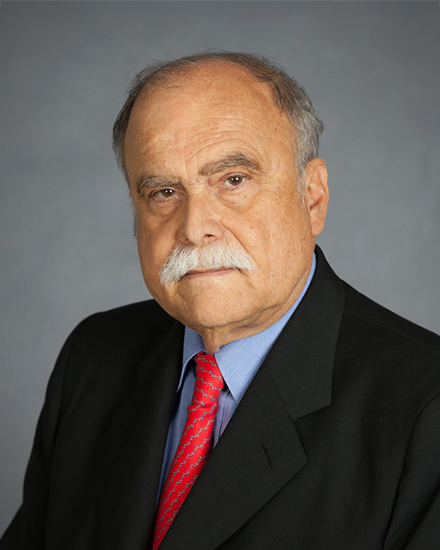 Tomas A. Salerno合作论文数Department of Surgery, Miller School of Medicine, University of Miami1Ralph Levy合作论文数1Paula M. Wozniak合作论文数1Kenneth M. Kessler合作论文数1Howard J. Willens合作论文数1
 Agustin Castellanos合作论文数Department of Medicine, University of Miami School of Medicine1Alan Schob合作论文数1A.F Loo合作论文数1
 Paolo Rusconi合作论文数1
 Eliot R Rosenkranz合作论文数1Max L. Kamerman合作论文数1E. Rosenkrantz合作论文数1Celia Michaels合作论文数1




