Purpose Patient selection and timing of percutaneous left ventricular assist device (pLVAD) insertion for maximal benefit during ventricular tachycardia (VT) ablation is not well defined. We aimed to assess the outcomes of pre-emptive and rescue use of pLVAD during VT ablation in patients with ischemic and non-ischemic cardiomyopathy. Methods Between January 2009 and October 2011, 93 patients underwent VT ablation. Three groups were compared: (1) Rescue group (n = 12)-patients who required emergent pLVAD insertion due to hemodynamic collapse during VT ablation, (2) Pre-emptive group (n = 24)-patients who had pre-ablation pLVAD insertion, and (3) Non-pLVAD group (n = 57)-patients who did not undergo pLVAD insertion. Procedural outcomes including 30-day mortality were compared. Results Thirty-day mortality was higher in the Rescue group compared to the Pre-emptive group (58 vs. 4 %, p = 0.003) and non-pLVAD (58 vs. 3 %, p = 0.001) group. There was no significant difference in 30-day mortality or long-term freedom of VT between the pre-emptive and non-pLVAD groups. Conclusions Despite rescue pLVAD insertion, hemodynamic collapse during VT ablation is associated with a persistently high 30-day mortality. Further studies are warranted to predict hemodynamic collapse and to refine the role of pLVAD in this setting.
BACKGROUND:Aberrant vagal stimulation may promote the generation and propagation of atrial fibrillation (AF). Researchers have suggested that botulinum toxin (BTX), a neurotoxin that decreases neural vagal stimulation, may decrease the incidence of postoperative AF. The exact electrophysiologic mechanism underlying the observations and histopathologic alterations associated with BTX are unclear.OBJECTIVE:To investigate the electrophysiologic, functional, and histopathologic effects of BTX on fibrillation induction in ovine atria.METHODS:Eight sheep underwent BTX injections into their pulmonary veins, atrial fat pads, and ventricular walls. Electrophysiology with pacing was performed at baseline and 7 days after injection to evaluate the atrial effective refractory period (ERP) and vulnerability to AF with and without vagal stimulation. Echocardiography was performed at baseline and day 7. After euthanasia, histopathologic analysis was performed.RESULTS:Seven sheep completed the study. For both atria, there was significant shortening in the ERP with vagal stimulation versus no stimulation on day 0 but not on day 7. More aggressive pacing was required to induce AF in the left atrium on day 7 than on day 0. Echocardiography on day 7 showed no significant changes in ejection fraction or new wall-motion abnormalities of the left and right ventricle. Histopathologic analysis showed no significant adverse effects.CONCLUSION:The subacute BTX effect reduced the vulnerability of atrial tissue to AF induction and reduced the vagal influence on atrial ERP shortening compared to baseline levels. Direct BTX injection did not cause myocardial dysfunction or histologic adverse effects.
Background. Preoperative statin administration is associated with reduced mortality risk after a coronary artery bypass graft operation. However, the optimal dose and timing are unknown.Methods. We retrospectively reviewed data from 3,025 primary isolated coronary artery bypass graft surgery patients at our institution. Patients were divided into three groups, according to timing of their preoperative statin: 24 hours or less (n = 1,788), 24 to 72 hours (n = 452), or more than 72 hours before operation or no dose (n = 781). We then grouped patients by preoperative dose: no statin (n = 739), 20 mg or less (n = 920), or more than 20 mg (n = 1,284) atorvastatin or equivalent. Primary outcome was 30-day all-cause postoperative mortality.Results. Thirty-day all-cause mortality was significantly lower for patients taking a statin 24 hours or less preoperatively (1.7%) compared with 24 to 72 hours (2.9%), more than 72 hours, or no dose (3.8%). Multivariate analysis of a propensity-matched cohort showed taking statins 24 hours or less preoperatively was associated with reduced 30-day all-cause mortality (odds ratio 0.52, 95% confidence interval: 0.28 to 0.98, p = 0.04) versus more than 24 hours or no dose. For preoperative statin dose, 30-day all-cause mortality was significantly lower when taking 20 mg or less(1.8%) or more than 20 mg atorvastatin or equivalent (2.1%) than when taking none (3.8%). In multivariate analysis of the propensity-matched cohort, more than 20 mg preoperative dose was associated with a 68% reduction of 30-day all-cause mortality (odds ratio 0.32, 95% confidence interval: 0.13 to 0.82, p = 0.02) compared with no preoperative statin. However, a 20 mg or less preoperative dose showed no mortality reduction.Conclusions. Both statin use 24 hours or less preoperatively and preoperative statin dose of more than 20 mg were independently associated with decreased 30-day allcause mortality after coronary artery bypass graft surgery. (C) 2017 by The Society of Thoracic Surgeons
Background: Postoperative Atrial Fibrillation (POAF) is the most common complication of open cardiac surgery related to prognosis and morbidity.However, it is controversial whether POAF is associated with excess mortality independent of associated risk factors after cardiac surgery.Methods and results: POAF was identified in 425 patients (34.5%) of 1229 patients underwent isolated valve repair and/or replacement operation.Patients have more chances to experience POAF if they were older than 65 years old (p < 0.0001), Caucasian (p=0.0017), with heart failure (NYHA Class >= III) (p<0.001), with hypertension (p<0.001) or with peripheral vascular diseases (p<0.001).The unadjusted fiveyear survival rate was 82.8% for patients without POAF and 71.3% for with POAF (p < 0.0001).An unadjusted hazard ratio for POAF was 1.85 (95% CI: 1.40 to 2.43).With a propensity score-matching model, in the 406 pairs of patients under adjusted survival analysis showed significant lower survival rate in POAF (p=0.001) with the adjusted hazard ratio of 1.40 (95% CI: 1.01 to 1.92), compared to without POAF. Conclusion:Our present study supported that POAF is independently associated with an increased long-term mortality in patients who had isolated valve surgery.All isolated valve surgery patients without history of atrial fibrillation between January 1997 and December 2007 in Texas Heart Institute Research Database (THIRD) were included for this study.This study was approved by the hospital Institutional Review Board.Data was abstracted with the key words of "valve repair", "valve replacement", and "atrial fibrillation".Postoperative atrial fibrillation was defined as patient who has a new onset of atrial fibrillation/flutter of any duration between operation and discharge with a diagnosis documented by physician.All cause of death was collected and followed for up to 5 years.Patients without feedback were excluded.All of variables were identified from database.The risk factors that are associated with POAF included: Age, Gender, Race,
Chronic tachycardia is a well-known cause of nonischemic cardiomyopathy. We hypothesized that nebivolol, a β-blocker with nitric oxide activity, would be superior to a pure β-blocker in preventing tachycardia-induced cardiomyopathy in a porcine model. Fifteen healthy Yucatan pigs were randomly assigned to receive nebivolol, metoprolol, or placebo once a day. All pigs underwent dual-chamber pacemaker implantation. The medication was started the day after the pacemaker implantation. On day 7 after implantation, each pacemaker was set at atrioventricular pace (rate, 170 beats/min), and the pigs were observed for another 7 weeks. Transthoracic echocardiograms, serum catecholamine levels, and blood chemistry data were obtained at baseline and at the end of the study. At the end of week 8, the pigs were euthanized, and complete histopathologic studies were performed. All the pigs developed left ventricular cardiomyopathy but remained hemodynamically stable and survived to the end of the study. The mean left ventricular ejection fraction decreased from baseline by 34%, 20%, and 20% in the nebivolol, metoprolol, and placebo groups, respectively. These changes did not differ significantly among the 3 groups (P =0.51). Histopathologic analysis revealed mild left ventricular perivascular fibrosis with cardiomyocyte hypertrophy in 14 of the 15 pigs. Both nebivolol and metoprolol failed to prevent cardiomyopathy in our animal model of persistent tachycardia and a high catecholamine state.
ObjectivesWe attempted to characterize the anatomy, function, clinical consequences, and treatment of right‐sided anomalous coronary artery origin from the opposite side (R‐ACAOS).BackgroundAnomalous aortic origin of a coronary artery is a source of great uncertainty in cardiology. A recent study by our group found that ACAOS had a high prevalence (0.48%) in a general population of adolescents.MethodsSixty‐seven consecutive patients were diagnosed with R‐ACAOS according to a new definition: ectopic right coronary artery (RCA) with an intramural proximal course. We used intravascular ultrasonograms of the RCA to quantify congenital stenosis (in patients with potentially serious clinical presentations), and we correlated these measurements with clinical manifestations.ResultsAll patients had some proximal intramural stenosis (mean 50%, range 16–83% of the cross‐sectional area). Forty‐two patients (62%) underwent stent‐percutaneous coronary intervention (PCI) of R‐ACAOS because of significant symptoms, positive stress tests, and/or significant stenosis. Stent‐PCI was successful in all cases and correlated with improved symptoms at >1‐year follow‐up in 30 patients (71%) who were available for clinical follow‐up. No ACAOS‐related deaths occurred. The instent restenosis rate was 4/30 (13%) at a mean follow‐up time of 5.0 years.ConclusionsThis preliminary, but large and unprecedented observational study shows that cases angiographically identified as R‐ACAOS universally feature an intramural aortic course but only occasionally severe stenosis on resting IVUS imaging. Our data suggest that stent‐PCI with IVUS monitoring ameliorates patients’ presenting symptoms. © 2015 Wiley Periodicals, Inc.
At the Center for Coronary Artery Anomalies, during the period Nov 2011 to Aug 2014, we completed our MRI-based screening survey protocol in a general population of young children, and we report the following prevalence data of the main high-risk cardiovascular conditions (hr-CVC) for sports -
Background Vagal hyperactivity promotes atrial fibrillation (AF), which has been almost exclusively attributed to acetylcholine. Vasoactive intestinal polypeptide (VIP) and acetylcholine are neurotransmitters co-released during vagal stimulation. Exogenous VIP has been shown to promote AF by shortening action potential duration (APD), increasing APD spatial heterogeneity, and causing intra-atrial conduction block. Objective The purpose of this study was to investigate the effects of neuronally released VIP on atrial electrophysiologic properties during vagal stimulation. Methods We used a specific VIP antagonist (H9935) to uncover the effects of endogenous VIP released during vagal stimulation in canine hearts. Results H9935 significantly attenuated (1) the vagally induced shortening of atrial effective refractory period and widening of atrial vulnerability window during stimulation of cervical vagosympathetic trunks (VCNS) and (2) vagal effects on APD during stimulation through fat-pad ganglion plexus (VGPS). Atropine completely abolished these vagal effects during VCNS and VGPS. In contrast, VGPS-induced slowing of local conduction velocity was completely abolished by either VIP antagonist or atropine. In pacing-induced AF during VGPS, maximal dominant frequencies and their spatial gradients were reduced significantly by H9935 and, more pronouncedly, by atropine. Furthermore, VIP release in the atria during vagal stimulation was inhibited by atropine, which may account for the concealment of VIP effects with muscarinic blockade. Conclusion Neuronally released VIP contributes to vagal effects on atrial electrophysiologic properties and affects the pathophysiology of vagally induced AF. Neuronal release of VIP in the atria is inhibited by muscarinic blockade, a novel mechanism by which VIP effects are concealed by atropine during vagal stimulation.
Background Ethnicity has a significant impact on coronary artery disease (CAD). This study investigated the long-term outcomes of Japanese patients undergoing revascularization compared with US patients belonging to multiple ethnic groups. Methods and Results We evaluated clinical outcomes, based on ethnicity, of patients included in the Coronary Revascularization Demonstrating Outcome (CREDO-Kyoto) and the Texas (US) Heart Institute Research Database (THIRDBase) registries. For the analysis, we included 8871 patients from the CREDO-Kyoto registry (median follow-up period [FU], 3.5 years; interquartile range [IQR], 2.6–4.3) and 6717 patients from the THIRDBase registry (FU, 5.2 years; IQR, 3.8–6.5) who underwent percutaneous coronary intervention or bypass surgery. Cox proportional hazard models were constructed to compare the adjusted long-term outcomes for each ethnic group. A total of 8871 Japanese, 5170 Caucasians, 648 African-Americans, 817 Hispanics, and 82 Asian-Americans were identified. When adjusted, Japanese patients had significantly better outcomes than US patients, classified by ethnicity (Caucasians: hazard ratio [HR], 1.56; 95% confidence interval [CI], 1.35–1.79; Hispanics: HR, 1.53; 95% CI, 1.22–1.93; African-Americans: HR, 2.03; 95% CI, 1.62–2.56), except for Asian-Americans (HR, 0.84; 95% CI. 0.38–1.89) who had outcomes similar to Japanese patients. Conclusion Our findings indicate better survival outcomes in re-vascularized Japanese CAD patients compared to major ethnic groups in the US, including Caucasian, Hispanic, and African-American CAD patients. The characteristics and outcomes of Japanese CAD patients were similar to those of Asian-Americans, despite the sample size limitations in the US dataset.
Background Heart failure (HF) patients have high rates of hospitalization and rehospitalization. Methods and Results A protocol‐driven clinic staffed by an allied health care team was designed for patients discharged from the hospital with a diagnosis of congestive HF. The clinic provided follow‐up visits 1 week and 4 to 6 weeks after hospital discharge. One‐hundred and fourteen patients were observed at least 1 time, and 80% of these patients completed the 2‐visit protocol. Clinical evaluations were provided by a nurse practitioner specializing in HF and a clinical pharmacist; these evaluations included physical examination, laboratory evaluation, medical education and reconciliation, medication adjustment and titration, and care coordination. Referrals to home health and appropriate services were provided. At visit 1, 25% of patients were hypervolemic and 13% were hypovolemic. At visit 2, 20% were hypervolemic and 13% were hypovolemic. Medicine reconciliation errors were common, with an average of 2.1 and 0.8 errors per person recorded for visits 1 and 2, respectively. Clinic participants showed a 44.3% reduction in 30‐day readmission rates, as compared to the hospital's average 30‐day readmission rates. Conclusions Protocol‐driven postdischarge transition care delivered by allied health staff addressed multiple transition issues and was associated with a dramatic reduction in readmission rates.
La falta de conocimiento de los pacientes con relación a la anestesia y al papel del anestesista en su asistencia puede contribuir a la ansiedad. El objetivo de este estudio fue desarrollar materiales explicativos para el paciente sobre la anestesia que podrían ayudar a mejorar la satisfacción del paciente respecto a su conocimiento del proceso perioperatorio y a disminuir la ansiedad en un hospital comunitario con una gran población de hablantes de lengua española. Durante un período de 4 semanas, se llevó a cabo una investigación (investigación A) en inglés y en español en el período preoperatorio con todos los pacientes adultos que se iban a someter a la anestesia. Se analizaron los datos analizaron y posteriormente se confeccionó un folleto explicativo en inglés y en español para aclarar las principales preocupaciones de los pacientes. Una segunda investigación (investigación B) fue realizada después de que se completó el folleto explicativo que se estaba usando en la clínica. La encuesta solicitó información demográfica básica e incluyó preguntas sobre la satisfacción relacionada con la comprensión de la anestesia y también sobre las preocupaciones relacionadas con la cirugía y el dolor. En los pacientes que recibieron el folleto hubo una mejoría estadísticamente significativa con relación a las preguntas sobre la satisfacción con la comprensión del tipo de anestesia, las opciones para el control del dolor, lo que los pacientes deberían hacer el día de la cirugía, como también la cantidad de informaciones prestadas sobre el plan de anestesia. No hubo diferencia en la ansiedad relacionada con la cirugía entre los pacientes que recibieron y los que no recibieron el folleto educativo. Los folletos explicativos mejoraron la satisfacción del paciente respecto al conocimiento del proceso perioperatorio, pero no redujeron la ansiedad relacionada con la cirugía. Patients’ knowledge deficits concerning anesthesia and the anesthesiologist's role in their care may contribute to anxiety. The objective of this study was to develop anesthesia patient education materials that would help improve patient's satisfaction regarding their knowledge of the perioperative process and decrease anxiety in a community hospital with a large Spanish-speaking population. A survey (survey A) in English and Spanish was administered to all adult anesthesiology preoperative clinic patients during a 4-week period. The data were analyzed and then a patient education handout was developed in both English and Spanish to assist with our patients’ major concerns. A second survey (survey B) was administered that was completed after the education handout had been put into use at the clinic. The survey asked for basic demographic information and included questions on satisfaction with regard to understanding of anesthesia as well as worries regarding surgery and pain. In the patients who received the handout, statistically significant improvement was found in the questions that asked about satisfaction with regard to understanding of type of anesthesia, options for pain control, what patients are supposed to do on the day of surgery, and the amount of information given with regard to anesthetic plan. There was no difference in anxiety related to surgery in patients who received the educational handout compared to those patients who did not. Patient education handouts improved patient's satisfaction regarding their knowledge of the perioperative process but did not reduce anxiety related to surgery.
Left ventricular assist device (LVAD) therapy improves survival, hemodynamic status, and end-organ perfusion in patients with refractory advanced heart failure. Hospital readmission is an important measure of the intensity of LVAD support care. We analyzed readmissions of 148 patients (mean age, 53.6 ± 12.7 yr; 83% male) who received a HeartMate II LVAD from April 2008 through June 2012. The patients had severe heart failure; 60.1% were in Interagency Registry for Mechanically Assisted Circulatory Support class 1 or 2. All patients were observed for at least 12 months, and readmissions were classified as planned or unplanned. Descriptive and multivariate regression analyses were used to identify predictors of unplanned readmission. Twenty-seven patients (18.2%) had no readmissions or 69 planned readmissions, and 121 patients (81.8%) had 460 unplanned readmissions. The LVAD-related readmissions were for bleeding, thrombosis, and anticoagulation (n=103; 49.1%), pump-related infections (n=60; 28.6%), and neurologic events (n=28; 13.3%). The readmission rate was 2.1 per patient-year. Unplanned readmissions were for comorbidities and underlying cardiac disease (54.3%) or LVAD-related causes (45.7%). In the unplanned-readmission rate, there was no significant difference between bridge-to-transplantation and destination-therapy patients. Unplanned readmissions were associated with diabetes mellitus (odds ratio [OR]=3.3; P=0.04) and with shorter mileage from residence to hospital (OR=0.998; P=0.046). Unplanned admissions for LVAD-related sequelae and ongoing comorbidities were common. Diabetes mellitus and shorter distance from residence to hospital were significant predictors of readmission. We project that improved management of comorbidities and of anticoagulation therapy will reduce unplanned readmissions of LVAD patients in the future.
Resumo Justificativa e objetivos A falta de conhecimento dos pacientes em relacao a anestesia e ao papel do anestesiologista em sua assistencia pode contribuir para a ansiedade. O objetivo deste estudo foi desenvolver materiais explicativos para o paciente sobre a anestesia que poderiam ajudar a melhorar a satisfacao do paciente em relacao ao seu conhecimento do processo perioperatorio e a diminuir a ansiedade em hospital comunitario com uma grande populacao de lingua espanhola. Metodos Durante quatro semanas, uma pesquisa (Pesquisa A) em ingles e espanhol foi feita no periodo pre‐operatorio com todos os pacientes adultos que seriam submetidos a anestesia. Os dados foram analisados e, posteriormente, um folheto explicativo foi desenvolvido em ingles e espanhol para esclarecer as principais preocupacoes dos pacientes. Uma segunda pesquisa (Pesquisa B) foi feita apos a colocacao do folheto explicativo em uso na clinica. A pesquisa investigou as informacoes demograficas basicas e incluiu perguntas sobre a satisfacao relacionada a compreensao da anestesia, bem como as preocupacoes com a cirurgia e a dor. Resultados Nos pacientes que receberam o folheto houve melhoria estatisticamente significativa em relacao as perguntas sobre a satisfacao com a compreensao do tipo de anestesia, as opcoes para o controle da dor, o que os pacientes deveriam fazer no dia da cirurgia, bem como a quantidade de informacoes prestadas sobre o plano anestesico. Nao houve diferenca na ansiedade relacionada a cirurgia entre os pacientes que receberam e os que nao receberam o folheto educativo. Conclusoes Os folhetos explicativos melhoraram a satisfacao do paciente em relacao ao conhecimento do processo perioperatorio, mas nao reduziram a ansiedade relacionada a cirurgia.
Objective:To determine whether preoperative aspirinacetylsalicylic acid (ASA)timing or dose independently affects 30-day all-cause mortality.Background:Preoperative ASA administration is associated with reduced morbidity and mortality after coronary artery bypass graft (CABG). However, data are lacking regarding optimal timing and dosing of ASA.Methods:We retrospectively reviewed data from 3018 consecutive patients who underwent CABG surgery between July 2005 and May 2011. Patients were assigned to 3 groups according to the time of the last preoperative ASA dose: (1) 24hours or less preoperatively (n=1173), (2) between 24 and 72hours (n=876), and (3) more than 72hours or none (n=969). In a separate analysis, patients were grouped according to ASA dose: 81mg (n=1285), 325mg (n=1004), and none (n=543). The primary outcome was 30-day all-cause mortality.Results:The 30-day mortality rate was significantly lower in patients who took ASA 24hours or less preoperatively (1.5%) than in those who took it between 24 and 72hours (3.2%) or more than 72hours or none (2.9%). Multivariate analysis showed that ASA within 24hours preoperatively was associated with reduced mortality (odds ratio [OR], 0.41; 95% confidence interval [CI], 0.20-0.82; P=0.01). Moreover, mortality was significantly reduced for patients taking 81mg of ASA (1.4%) compared with 325mg (2.9%) or none (3.9%). Multivariate analysis demonstrated that 81mg of ASA decreased mortality risk by 66% (OR, 0.34; 95% CI, 0.18-0.66; P<0.01), whereas 325mg of ASA had no mortality benefit (OR, 0.74; 95% CI, 0.41-1.35; P=0.33) compared with no ASA.Conclusions:Low-dose ASA use within 24hours of CABG is independently associated with decreased early postoperative mortality.
Inversion of the T waves (T) in electrocardiographic leads with ST-segment elevation after the initiation of reperfusion therapy is considered a sign of reperfusion. However, the significance of T - on presentation before the initiation of reperfusion therapy is unclear. The aim of this study was to assess whether T - on presentation predicts patency of the infarctrelated artery in patients with acute ST-segment elevation myocardial infarctions (STEIVIIs) who undergo primary percutaneous interventions. The medical records, electrocardiograms, and angiographk findings of 209 consecutive patients who underwent emergent coronary' angiography as part of primary percutaneous coronary intervention protocol activation for STEMI were reviewed. A total of 179 patients (86%) had positive T - waves (T+), 16(8%) had biphasic T waves (T +/-), and 14 (7%) had T-. Patency of. the infarct-related artery (Thrombolysis In Myocardial Infarction [TIMI] flow grades 2 and 3) was seen in 64.3% of the patients in the T group compared with only 31.2% in the T +/- group and 19.0% in the T + group (p <0.001). Among patients with anterior STEMI, patency of the infarct-related artery was seen in all 7 patients in the T - group, compared with 50% of the 4 patients in the T +/- group and 10.1% of the 79 patients in the T + group (p <0.001). There were no significant differences in Tall flow grade among the groups in patients with nonanterior STEMIs (p = 0.985). In conclusion, T - in the leads with maximal ST-segment elevation on the presenting electrocardiogram was associated with higher prevalence of patency of the infarct-related artery before intervention (64.3%), especially in patients with anterior STEMIs (100%). (C) 2014 Elsevier Inc. All rights reserved.
Background Low-density lipoprotein (LDL) plays a central role in cardiovascular disease (CVD) development. In LDL chromatographically resolved according to charge, the most electronegative subfraction–L5–is the only subfraction that induces atherogenic responses in cultured vascular cells. Furthermore, increasing evidence has shown that plasma L5 levels are elevated in individuals with high cardiovascular risk. We hypothesized that LDL electronegativity is a novel index for predicting CVD. Methods In 30 asymptomatic individuals with metabolic syndrome (MetS) and 27 healthy control subjects, we examined correlations between plasma L5 levels and the number of MetS criteria fulfilled, CVD risk factors, and CVD risk according to the Framingham risk score. Results L5 levels were significantly higher in MetS subjects than in control subjects (21.9±18.7 mg/dL vs. 11.2±10.7 mg/dL, P:0.01). The Jonckheere trend test revealed that the percent L5 of total LDL (L5%) and L5 concentration increased with the number of MetS criteria (P<0.001). L5% correlated with classic CVD risk factors, including waist circumference, body mass index, waist-to-height ratio, smoking status, blood pressure, and levels of fasting plasma glucose, triglyceride, and high-density lipoprotein. Stepwise regression analysis revealed that fasting plasma glucose level and body mass index contributed to 28% of L5% variance. The L5 concentration was associated with CVD risk and contributed to 11% of 30-year general CVD risk variance when controlling the variance of waist circumference. Conclusion Our findings show that LDL electronegativity was associated with multiple CVD risk factors and CVD risk, suggesting that the LDL electronegativity index may have the potential to be a novel index for predicting CVD. Large-scale clinical trials are warranted to test the reliability of this hypothesis and the clinical importance of the LDL electronegativity index.
Objectives: Patients with ST elevation (STE) in >= 2 leads or ST depression (STD) confined to V-1-V-4 are defined as potential STE myocardial infarction (STEMI). We evaluated the incidence of missed STEMI over an 11-month period. Methods: Consecutive patients with a discharge diagnosis of non STEMI were retrospectively evaluated. Clinical data, ECG and angiographic data were reviewed. Results: Of the 198 patients screened, 140 were included. Forty-nine patients (35%) met the STEMI criteria: 6 (12%) had STD confined to V-1-V-3, 20 (41%) had STD in V-1-V-5, 7 (14%) had STE in V-1-V-3, 2 (4%) had STE in I and aVL, 11(22%) had STE in inferior leads, and 6 (12%) had STE in V-4-V-6. Conclusions: A significant percentage of patients met STEMI ECG criteria. A large number of patients with STD in V-1-V-6 had angiographic evidence compatible with inferolateral (posterior) STEMI equivalent. (C) 2013 Elsevier Inc. All rights reserved.
Sudden cardiac death in athletes is a recurrent phenomenon at sporting events and during training. Recent studies have associated sudden cardiac death with such cardiovascular conditions as coronary artery anomalies, cardiomyopathies, and electrocardiographic abnormalities, most of which are screenable with modern imaging techniques. We recently inaugurated the Center for Coronary Artery Anomalies at the Texas Heart Institute, which is dedicated to preventing sudden cardiac death in the young and investigating coronary artery anomalies. There, we are conducting 2 cross-sectional studies intended to firmly establish and quantify, in a large group of individuals from a general population, risk factors for sudden cardiac death that arise from specific cardiovascular conditions. In a pilot screening study, we are using a brief, focused clinical questionnaire, electrocardiography, and a simplified novel cardiovascular magnetic resonance screening protocol in approximately 10,000 unselected 11- to 15-year-old children. Concurrently, we are prospectively studying the prevalence of these same conditions, their severity, and their relation to exercise and mode of death in approximately 6,500 consecutive necropsy cases referred to a large forensic center. Eventually, we hope to use our findings to develop a more efficient method of preventing sudden cardiac death in athletes. We believe that these studies will help quantify sudden cardiac death risk factors and the relevance of associated physical activities--crucial information in evaluating the feasibility and affordability of cardiovascular magnetic resonance-based screening. We discuss the rationale for and methods of this long-term endeavor, in advance of reporting the results.
 Vei-Vei Lee合作论文数St. Luke's Episcopal Hospital, Texas Heart Institute44
 James M. Wilson合作论文数Department of Medicine, Perelman School of Medicine, University of Pennsylvania;Rose H. Weiss Orphan Disease Center, University of Pennsylvania18
 Salim S. Virani合作论文数Aga Khan University15
 Christie Mitchell Ballantyne合作论文数Center for Cardiometabolic Disease Prevention, Baylor College of Medicine;Section of Cardiovascular Research, Baylor College of Medicine14
 Mehdi Razavi合作论文数Dept Med, Baylor Coll Med12
 James T. Willerson合作论文数University of Texas Health12Vijay Nambi合作论文数11Suwei Wang合作论文数10Tolpin Daniel A合作论文数9Massumi Ali合作论文数9Alireza Nazeri合作论文数9
 Shun Kohsaka合作论文数8Wei Pan合作论文数8Masashi Goto合作论文数7Charles D. Collard合作论文数7Cheng Jie合作论文数6
 Md Jahangir Alam合作论文数Departments of Medicine and Pathology;University of Toronto Toronto;Departments of Medicine and Pathology, University of Toronto Toronto6Amany Ahmed合作论文数University of Texas Health Sciences Center6
 Yochai Birnbaum合作论文数Baylor College of Medicine5
 Paolo Angelini合作论文数Dept Cardiol, Texas Heart Inst5
 Geru Wu合作论文数5Ross M. Reul合作论文数4Brautbar Ariel合作论文数4Abbasi Shahrzad合作论文数4Shu H. Chen合作论文数4
 Noriaki Aoki合作论文数National Institute of Crop Science4
 Eric Boerwinkle合作论文数Department of Epidemiology, Human Genetics and Environmental Sciences, School of Public Health, The University of Texas Health Science Center at Houston;Baylor College of Medicine Human Genome Sequencing Center4Junping Sun合作论文数4
 Igor D. Gregoric合作论文数Center for Advanced Cardiopulmonary Therapies & Transplantation, McGovern Medical School, The University of Texas Health Science Center at Houston4
 Yutao Xi合作论文数4Jonathan Lu合作论文数4Sreedevi Gondi合作论文数4
 Louis Maximilian Buja合作论文数3samuel ward casscells合作论文数3Henry D Huang合作论文数3Jianwen Dong合作论文数3Christine E Lawless合作论文数3
 Bharat Kantharia合作论文数3Frazier O H合作论文数3
 Nilesh Mathuria合作论文数3
 Jaime Ortiz合作论文数3
 Bandeali Salman合作论文数Aga Khan University3
 Shien-Fong Lin (林顯豐)合作论文数Institute of Biomedical Engineering, National Chiao Tung University3
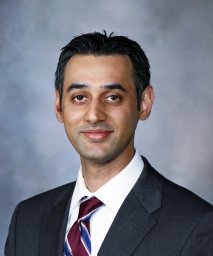 Sanon Saurabh合作论文数From the Division of Cardiovascular Diseases and Internal Medicine, Mayo Clinic;and International Clinical Research Center (ICRC), St. Anne's University Hospital;and International Clinical Research Center (ICRC), St. Anne's University Hospital3
 Kayani Waleed T合作论文数Department of Medicine, Baylor College of Medicine;Department of Medicine, Baylor College of Medicine;Baylor College of Medicine, Baylor College of Medicine3
 Joseph S. Coselli合作论文数Department of Surgery, Baylor College of Medicine3
 Takeshi Kimura合作论文数Department of Cardiovascular Medicine, Graduate School of Medicine, Kyoto University;Department of Cardiovascular Medicine, Kyoto University Hospital3
 Mohammad Saeed合作论文数Center for Cardiac Arrhythmias and Electrophysiology, Texas Heart Institute at St. Luke's Episcopal Hospital3
 Abdi Rasekh合作论文数Cardiac Electrophysiology3




