The development of the human brain starts with the orchestrated expression of our genes during embryogenesis. Non-protein-coding DNA sequences (gene promoters and enhancers) dynamically interact to form a three-dimensional (3D) network, orchestrating gene expression. We discuss novel perspectives on how DNA sequence variants within regulatory DNA, identified by whole-genome sequencing (WGS), contribute to the development of neurodevelopmental disorders (NDDs), including autism spectrum disorders (ASDs). We discuss two recent models explaining the evolution of a subset of regulatory sequences, Human Accelerated DNA Regions (HARs), proposed to be involved in the evolution of uniquely human brain features through their participation in the 3D interactions network. We connect this with the recent proposal that rare, recessive inherited sequence variants within HARs, interacting with distant target genes in neural cells, represent risk factors for the development of ASDs. The SOX2 transcription factor, whose heterozygous mutation causes NDDs, shapes the noncoding-DNA interaction network in neural cells, and binds DNA together with FOS, whose recognition sequence is enriched within HARs carrying human-specific substitutions modulating enhancer activity. SOX2 also binds regulatory regions (including HARs) carrying ASD-associated mutations. We highlight research directions based on these findings, which will hopefully improve our understanding of the connection between SOX2-dependent gene regulatory networks, NDDs, and brain evolution.
Variants in BRSK2, encoding brain specific kinase-2, have recently been associated with an autosomal dominant neurodevelopmental disorder (NDD). We have assembled 52 cases with heterozygous BRSK2 variants and variable neurodevelopmental phenotypes with frequent neuropsychiatric and behavioral symptoms. The variant spectrum included 15 different truncating variants, seven (potential) splice variants, three structural variants, and 12 different missense variants. Of the missense variants, seven were in the kinase domain, and the others in the UBA and the KA1 domain or outside domains. Variants occurred de novo in 19 cases and were inherited in 18. We utilized Drosophila melanogaster as a model and assessed viability and performed climbing and bang sensitivity assays upon knockdown of the fly orthologue sff or upon overexpression of wildtype or mutant human BRSK2. Pan-neuronal knockdown of sff resulted in impaired locomotor behavior and seizure susceptibility. Ubiquitous or pan-neuronal overexpression of human wildtype BRSK2 in Drosophila resulted in lethality or locomotor impairment, respectively, indicating toxicity. Overexpressing mutant BRSK2 did not or incompletely affect viability and locomotor behavior for six of seven tested kinase domain missense variants and one KA1 domain variant, indicating a (partial) loss-of-function effect. Interestingly, overexpressing BRSK2 with the remaining missense variant from the kinase domain and the two most C-terminal missense variants resulted in possible gain of function. Our findings further delineate the clinical and molecular spectrum of BRSK2-associated NDD and provide further insights into the role of BRSK2/sff in nervous system function and dysfunction.
The recently delineated KDM2B-associated neurodevelopmental disorder (NDD) is characterized by developmental delay and variable co-morbidity. Genotype-phenotype correlations are emerging, in particular a distinct clinical presentation caused by CxxC domain variants. We report here a novel intragenic deletion which leads to in vitro expression of a shortened KDM2B protein lacking the complete CxxC domain. In addition, we present data on 12 other individuals; two with larger 12q24.31 microdeletions, one with a frameshift variant, and nine with missense variants. We analyzed genotype-phenotype correlations of this cohort combined with previously reported individuals (n = 68) and classify 37 variants in 47 individuals as pathogenic or likely pathogenic. We observe a highly penetrant CxxC-related phenotype with distinct facial features supported by GestaltMatcher. In contrast, our findings point to variable expressivity and incomplete penetrance of loss-of-function variants and JmjC domain variants complicating variant classification and genetic counseling. We identify KDM2B as a strong contributor to the 12q24.31 microdeletion syndrome, while also addressing the role of additional genes in the region. Thus, our study defines the KDM2B-NDD's clinical spectrum and highlights the importance of integrating molecular, (epi)genetic, and phenotypic data in NDD diagnostics.
Trithorax-related H3K4 methyltransferases, KMT2C and KMT2D, are critical epigenetic modifiers. Haploinsufficiency of KMT2C was only recently recognized as a cause of neurodevelopmental disorder (NDD), so the clinical and molecular spectrums of the KMT2C-related NDD (now designated as Kleefstra syndrome 2) are largely unknown. We ascertained 98 individuals with rare KMT2C variants, including 75 with protein-truncating variants (PTVs). Notably, ∼15% of KMT2C PTVs were inherited. Although the most highly expressed KMT2C transcript consists of only the last four exons, pathogenic PTVs were found in almost all the exons of this large gene. KMT2C variant interpretation can be challenging due to segmental duplications and clonal hematopoesis-induced artifacts. Using samples from 27 affected individuals, divided into discovery and validation cohorts, we generated a moderate strength disorder-specific KMT2C DNA methylation (DNAm) signature and demonstrate its utility in classifying non-truncating variants. Based on 81 individuals with pathogenic/likely pathogenic variants, we demonstrate that the KMT2C-related NDD is characterized by developmental delay, intellectual disability, behavioral and psychiatric problems, hypotonia, seizures, short stature, and other comorbidities. The facial module of PhenoScore, applied to photographs of 34 affected individuals, reveals that the KMT2C-related facial gestalt is significantly different from the general NDD population. Finally, using PhenoScore and DNAm signatures, we demonstrate that the KMT2C-related NDD is clinically and epigenetically distinct from Kleefstra and Kabuki syndromes. Overall, we define the clinical features, molecular spectrum, and DNAm signature of the KMT2C-related NDD and demonstrate they are distinct from Kleefstra and Kabuki syndromes highlighting the need to rename this condition.
Background Autism spectrum disorder (ASD) is one of the most prevalent developmental disorders worldwide and is characterized by a strong genetic basis. Its clinical and genetic complexity has greatly encouraged the genomic investigation of the disorder, especially in recent years. Our research group recently published a genomic study of a monocentric family-based cohort of 116 ASD families, including 144 autistic children. One of the ASD individuals from this study carried a de novo missense variant in the Rab GTPase RAB11B (p.Arg33His), predicted to be damaging. Given the growing interest around this gene, recently implicated in a rare form of severe intellectual disability (MIM #617807), we decided to functionally characterize the missense variant from our cohort (p.Arg33His), alongside two other missense variants reported in the literature (p.Arg72Cys and p.Asp157Asn), also predicted pathogenic but not functionally tested. Methods First, we performed an in silico analysis of the effect of each variant on active and inactive RAB11B using a known molecular 3D-modeling software. The in-silico assessments were followed by an in-vitro functional study of overexpressed mutant recombinant proteins, which investigated their localization and function during primary cilium outgrowth through a series of immunofluorescence assays. One-way analysis of variance (ANOVA) statistical test, followed by Tukey multiple comparisons, was implemented to evaluate the statistical significance of observations. Results Results from the three-dimensional simulation of the RAB11B missense variant from our cohort (p.Arg33His) further suggested pathogenicity, while the 3D modeling of the other two variants gave inconclusive results. These initial computational data were further validated by immunofluorescence assays, indicating a loss-of-function effect only for the de novo missense variant (p.Arg33His) identified in the autistic individual from our cohort, which resulted in incorrect cellular localization of the Rab protein and interference in primary cilium outgrowth. Conclusions This study highlights the importance of functional characterization of RAB11B missense variants to validate pathogenic computational predictions. Moreover, by highlighting RAB11B as a possible ASD risk gene, it expands the neurodevelopmental spectrum of RAB11B-related disorders.
Autism spectrum disorder (ASD) is a complex neurodevelopmental condition with a strong genetic component in which rare variants contribute significantly to risk. We performed whole genome and/or exome sequencing (WGS and WES) and SNP-array analysis to identify both rare sequence and copy number variants (SNVs and CNVs) in 435 individuals from 116 ASD families. We identified 37 rare potentially damaging de novo SNVs (pdSNVs) in the cases (n = 144). Interestingly, two of them (one stop-gain and one missense variant) occurred in the same gene, BRSK2. Moreover, the identification of 8 severe de novo pdSNVs in genes not previously implicated in ASD (AGPAT3, IRX5, MGAT5B, RAB8B, RAP1A, RASAL2, SLC9A1, YME1L1) highlighted promising candidates. Potentially damaging CNVs (pdCNVs) provided support to the involvement of inherited variants in PHF3, NEGR1, TIAM1 and HOMER1 in neurodevelopmental disorders (NDD), although mostly acting as susceptibility factors with incomplete penetrance. Interpretation of identified pdSNVs/pdCNVs according to the ACMG guidelines led to a molecular diagnosis in 19/144 cases, although this figure represents a lower limit and is expected to increase thanks to further clarification of the role of likely pathogenic variants in ASD/NDD candidate genes not yet established. In conclusion, our study highlights promising ASD candidate genes and contributes to characterize the allelic diversity, mode of inheritance and phenotypic impact of de novo and inherited risk variants in ASD/NDD genes.
Autism spectrum disorder (ASD) is a complex neurodevelopmental condition with a strong genetic component in which rare variants contribute significantly to risk. We have performed whole genome and/or exome sequencing (WGS and WES) and SNP-array analysis to identify both rare sequence and copy number variants (SNVs and CNVs) in 435 individuals from 116 ASD families. We identified 37 rare potentially damaging de novo SNVs (pdSNVs) in cases (n = 144). Interestingly, two of them (one stop-gain and one missense variant) occurred in the same gene, BRSK2. Moreover, the identification of 9 severe de novo pdSNVs in genes not previously implicated in ASD (RASAL2, RAP1A, IRX5, SLC9A1, AGPAT3, MGAT3, RAB8B, MGAT5B, YME1L1), highlighted novel candidates. Potentially damaging CNVs (pdCNVs) provided support to the involvement of inherited variants in PHF3, NEGR1, TIAM1 and HOMER1 in neurodevelopmental disorders (NDD), although mostly acting as susceptibility factors with incomplete penetrance. Interpretation of identified pdSNVs/pdCNVs according to the ACMG guidelines led to a molecular diagnosis in 19/144 cases, but this figure represents a lower limit and is expected to increase thanks to further clarification of the role of likely pathogenic variants in new ASD/NDD candidates. In conclusion, our study strengthens the role of BRSK2 and other neurodevelopmental genes in ASD risk, highlights novel candidates and contributes to characterize the allelic diversity, mode of inheritance and phenotypic impact of de novo and inherited risk variants in ASD/NDD genes.
Objective The objective of this study was to aggregate data for the first genomewide association study meta‐analysis of cluster headache, to identify genetic risk variants, and gain biological insights. Methods A total of 4,777 cases (3,348 men and 1,429 women) with clinically diagnosed cluster headache were recruited from 10 European and 1 East Asian cohorts. We first performed an inverse‐variance genomewide association meta‐analysis of 4,043 cases and 21,729 controls of European ancestry. In a secondary trans‐ancestry meta‐analysis, we included 734 cases and 9,846 controls of East Asian ancestry. Candidate causal genes were prioritized by 5 complementary methods: expression quantitative trait loci, transcriptome‐wide association, fine‐mapping of causal gene sets, genetically driven DNA methylation, and effects on protein structure. Gene set and tissue enrichment analyses, genetic correlation, genetic risk score analysis, and Mendelian randomization were part of the downstream analyses. Results The estimated single nucleotide polymorphism (SNP)‐based heritability of cluster headache was 14.5%. We identified 9 independent signals in 7 genomewide significant loci in the primary meta‐analysis, and one additional locus in the trans‐ethnic meta‐analysis. Five of the loci were previously known. The 20 genes prioritized as potentially causal for cluster headache showed enrichment to artery and brain tissue. Cluster headache was genetically correlated with cigarette smoking, risk‐taking behavior, attention deficit hyperactivity disorder (ADHD), depression, and musculoskeletal pain. Mendelian randomization analysis indicated a causal effect of cigarette smoking intensity on cluster headache. Three of the identified loci were shared with migraine. Interpretation This first genomewide association study meta‐analysis gives clues to the biological basis of cluster headache and indicates that smoking is a causal risk factor. ANN NEUROL 2023;94:713–726
Autism Spectrum Disorder (ASD) is a highly heterogeneous neuropsychiatric disorder with a strong genetic component. The genetic architecture is complex, consisting of a combination of common low-risk and more penetrant rare variants. Voltage-gated calcium channels (VGCCs or Cav) genes have been implicated as high-confidence susceptibility genes for ASD, in accordance with the relevant role of calcium signaling in neuronal function. In order to further investigate the involvement of VGCCs rare variants in ASD susceptibility, we performed whole genome sequencing analysis in a cohort of 105 families, composed of 124 ASD individuals, 210 parents and 58 unaffected siblings. We identified 53 rare inherited damaging variants in Cav genes, including genes coding for the principal subunit and genes coding for the auxiliary subunits, in 40 ASD families. Interestingly, biallelic rare damaging missense variants were detected in the CACNA1H gene, coding for the T-type Cav3.2 channel, in ASD probands from two different families. Thus, to clarify the role of these CACNA1H variants on calcium channel activity we performed electrophysiological analysis using whole-cell patch clamp technology. Three out of four tested variants were shown to mildly affect Cav3.2 channel current density and activation properties, possibly leading to a dysregulation of intracellular Ca2+ ions homeostasis, thus altering calcium-dependent neuronal processes and contributing to ASD etiology in these families. Our results provide further support for the role of CACNA1H in neurodevelopmental disorders and suggest that rare CACNA1H variants may be involved in ASD development, providing a high-risk genetic background.
Autism spectrum disorder (ASD) is a clinically heterogeneous class of neurodevelopmental conditions with a strong, albeit complex, genetic basis. The genetic architecture of ASD includes different genetic models, from monogenic transmission at one end, to polygenic risk given by thousands of common variants with small effects at the other end. The mitochondrial DNA (mtDNA) was also proposed as a genetic modifier for ASD, mostly focusing on maternal mtDNA, since the paternal mitogenome is not transmitted to offspring. We extensively studied the potential contribution of mtDNA in ASD pathogenesis and risk through deep next generation sequencing and quantitative PCR in a cohort of 98 families. While the maternally-inherited mtDNA did not seem to predispose to ASD, neither for haplogroups nor for the presence of pathogenic mutations, an unexpected influence of paternal mtDNA, apparently centered on haplogroup U, came from the Italian families extrapolated from the test cohort (n = 74) when compared to the control population. However, this result was not replicated in an independent Italian cohort of 127 families and it is likely due to the elevated paternal age at time of conception. In addition, ASD probands showed a reduced mtDNA content when compared to their unaffected siblings. Multivariable regression analyses indicated that variants with 15%–5% heteroplasmy in probands are associated to a greater severity of ASD based on ADOS-2 criteria, whereas paternal super-haplogroups H and JT were associated with milder phenotypes. In conclusion, our results suggest that the mtDNA impacts on ASD, significantly modifying the phenotypic expression in the Italian population. The unexpected finding of protection induced by paternal mitogenome in term of severity may derive from a role of mtDNA in influencing the accumulation of nuclear de novo mutations or epigenetic alterations in fathers’ germinal cells, affecting the neurodevelopment in the offspring. This result remains preliminary and needs further confirmation in independent cohorts of larger size. If confirmed, it potentially opens a different perspective on how paternal non-inherited mtDNA may predispose or modulate other complex diseases.
Autism spectrum disorder (ASD) is characterized by a complex polygenic background, but with the unique feature of a subset of cases (~15%‐30%) presenting a rare large‐effect variant. However, clinical interpretation in these cases is often complicated by incomplete penetrance, variable expressivity and different neurodevelopmental trajectories. NRXN1 intragenic deletions represent the prototype of such ASD‐associated susceptibility variants. From chromosomal microarrays analysis of 104 ASD individuals, we identified an inherited NRXN1 deletion in a trio family. We carried out whole‐exome sequencing and deep sequencing of mitochondrial DNA (mtDNA) in this family, to evaluate the burden of rare variants which may contribute to the phenotypic outcome in NRXN1 deletion carriers. We identified an increased burden of exonic rare variants in the ASD child compared to the unaffected NRXN1 deletion‐transmitting mother, which remains significant if we restrict the analysis to potentially deleterious rare variants only ( P = 6.07 × 10 −5 ). We also detected significant interaction enrichment among genes with damaging variants in the proband, suggesting that additional rare variants in interacting genes collectively contribute to cross the liability threshold for ASD. Finally, the proband's mtDNA presented five low‐level heteroplasmic mtDNA variants that were absent in the mother, and two maternally inherited variants with increased heteroplasmic load. This study underlines the importance of a comprehensive assessment of the genomic background in carriers of large‐effect variants, as penetrance modulation by additional interacting rare variants to might represent a widespread mechanism in neurodevelopmental disorders.
Autism spectrum disorder (ASD) is a neurodevelopmental condition with a complex and heterogeneous genetic etiology. While a proportion of ASD risk is attributable to common variants, rare copy-number variants (CNVs) and protein-disrupting single-nucleotide variants (SNVs) have been shown to significantly contribute to ASD etiology. We analyzed a homogeneous cohort of 127 ASD Italian families genotyped with the Illumina PsychArray, to perform an integrated analysis of CNVs and SNVs and to assess their contribution to ASD risk. We observed a higher burden of rare CNVs, especially deletions, in ASD individuals versus unaffected controls. Furthermore, we identified a significant enrichment of rare CNVs intersecting ASD candidate genes reported in the SFARI database. Family-based analysis of rare SNVs genotyped by the PsychArray also indicated an increased transmission of rare SNV variants from heterozygous parents to probands, supporting a multigenic model of ASD risk with significant contributions of both variant types. Moreover, our study reinforced the evidence for a significant role of VPS13B, WWOX, CNTNAP2, RBFOX1, MACROD2, APBA2, PARK2, GPHN, and RNF113A genes in ASD susceptibility. Finally, we showed that the PsychArray, besides providing useful genotyping data in psychiatric disorders, is a valuable and cost-efficient tool for genic CNV detection, down to 10 kb.
The identification of genetic variants underlying autism spectrum disorders (ASDs) may contribute to a better understanding of their underlying biology. To examine the possible role of a specific type of compound heterozygosity in ASD, namely, the occurrence of a deletion together with a functional nucleotide variant on the remaining allele, we sequenced 550 genes in 149 individuals with ASD and their deletion-transmitting parents. This approach allowed us to identify additional sequence variants occurring in the remaining allele of the deletion. Our main goal was to compare the rate of sequence variants in remaining alleles of deleted regions between probands and the deletion-transmitting parents. We also examined the predicted functional effect of the identified variants using Combined Annotation-Dependent Depletion (CADD) scores. The single nucleotide variant-deletion co-occurrence was observed in 13.4% of probands, compared with 8.1% of parents. The cumulative burden of sequence variants ( n = 68) in pooled proband sequences was higher than the burden in pooled sequences from the deletion-transmitting parents ( n = 41, X 2 = 6.69, p = 0.0097). After filtering for those variants predicted to be most deleterious, we observed 21 of such variants in probands versus 8 in their deletion-transmitting parents ( X 2 = 5.82, p = 0.016). Finally, cumulative CADD scores conferred by these variants were significantly higher in probands than in deletion-transmitting parents (burden test, β = 0.13; p = 1.0 × 10 − 5 ). Our findings suggest that the compound heterozygosity described in the current study may be one of several mechanisms explaining variable penetrance of CNVs with known pathogenicity for ASD.
We examined the potential benefits of neuroimaging measurements across the first 5 years of life in detecting early comorbid or etiological signs of autism spectrum disorder (ASD). In particular, we analyzed the prevalence of neuroradiologic findings in routine magnetic resonance imaging (MRI) scans of a group of 117 ASD children younger than 5 years old. These data were compared to those reported in typically developing (TD) children. MRI findings in children with ASD were analyzed in relation to their cognitive level, severity of autistic symptoms, and the presence of electroencephalogram (EEG) abnormalities. The MRI was rated abnormal in 55% of children with ASD with a significant prevalence in the high-functioning subgroup compared to TD children. We report significant incidental findings of mega cisterna magna, ventricular anomalies and abnormal white matter signal intensity in ASD without significant associations between these MRI findings and EEG features. Based on these results we discuss the role that brain MRI may play in the diagnostic procedure of ASD.
 Elena Maestrini合作论文数67
 Anthony P. Monaco合作论文数Tufts University24
 Francesca Blasi合作论文数Sezione di Chimica Bromatologica Via Romana, Università di Perugia21Cameli Cinzia合作论文数19Klauck Sabine M合作论文数18Agatino Battaglia合作论文数Stella Maris Foundation, Department of Developmental Neurosciences, University of Pisa;IRCCS Stella Maris17Marta Viggiano合作论文数16Paola Visconti合作论文数15
 Janine Lamb合作论文数Division of Population Health, Health Services Research and Primary Care, The University of Manchester/Lydia Becker Institute of Immunology and Inflammation, School of Biological Sciences, The University of Manchester14
 Fabiola Ceroni合作论文数Dept Pharm & Biotechnol, Univ Bologna13Anthony J. Bailey合作论文数13
 Annio Posar合作论文数13Pagnamenta Alistair T合作论文数12Fritz Poustka合作论文数12Jeremy R. Parr合作论文数12Gillian Baird合作论文数11Patrick F. Bolton合作论文数11Annemarie Poustka合作论文数Division of Molecular Genome Analysis, German Cancer Research Center11
 Claudio Toma合作论文数Wellcome Trust Centre for Human Genetics;University of Oxford;Wellcome Trust Centre for Human Genetics, University of Oxford10
 Thomas Bourgeron合作论文数Neuroscience Department, Pasteur Institute;Universite de Paris10Elena Bonora合作论文数Pol. S.Orsola-Malpighi, Università di Bologna10Maria Cristina Scaduto合作论文数10Richard Delorme合作论文数9
 Marion Leboyer合作论文数Institut Montaigne;Pôle De Psychiatrie, Hôpitaux Universitaires Henri Mondor;Department of Psychiatry, Université Paris Est Créteil9Catalina Betancur合作论文数9
 Christine M. Freitag合作论文数Department of Child and Adolescent Psychiatry, Psychosomatics, and Psychotherapy, University Hospital Frankfurt, Goethe University9
 Maretha V de Jonge合作论文数9Magali J. Rochat合作论文数8
 Christopher Gillberg合作论文数Department of Psychiatry and Neurochemistry, University of Gothenburg8
 Dalila Pinto合作论文数The Hospital for Sick Children, University of Toronto8Nuala H Sykes合作论文数8
 Geraldine Dawson合作论文数Center for Autism and Brain Development, Duke University School of Medicine;Duke Global Health Institute, Duke University;University of Washington8Raffaella Tancredi合作论文数8Simona Carone合作论文数7A. J. Bailey合作论文数7Richard Holt合作论文数School of Economics, The University of Edinburgh7
 Joseph D Buxbaum合作论文数Department of Psychiatry, Icahn School of Medicine at Mount Sinai;Seaver Autism Center, Icahn School of Medicine at Mount Sinai7
 James S. Sutcliffe合作论文数Vanderbilt Kennedy Center, Vanderbilt University Medical Center;Vanderbilt Genetics Institute, Vanderbilt University Medical Center7
 Hilary Coon合作论文数Department of Psychiatry, School of Medicine, University of Utah;University of Utah Hospitals and Clinics7Eftichia Duketis合作论文数7
 Ines Sousa合作论文数Wellcome Trust Centre for Human Genetics, University of Oxford7
 Richard Anney合作论文数School of Medicine, Cardiff University7
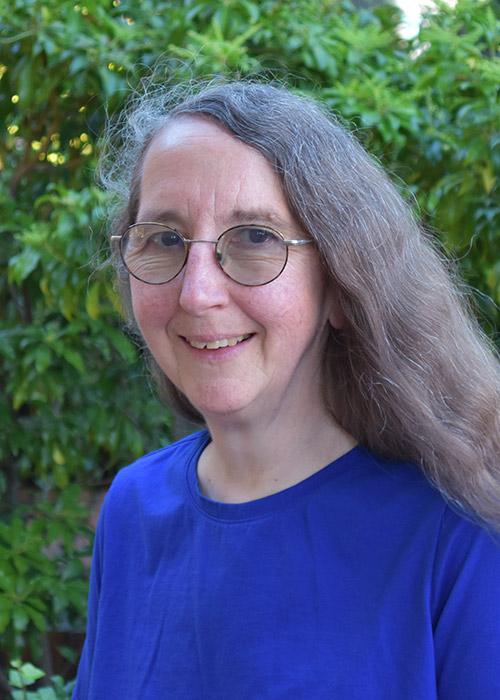 Ellen M. Wijsman (Ellen Wijsman)合作论文数Division of Medical Genetics, Department of Medicine, School of Public Health, University of Washington;Department of Biostatistics, School of Public Health, University of Washington;Department of Genome Sciences, School of Public Health, University of Washington7
 Bernadette Rogé合作论文数Centre d’Etudes et de Recherche en PsychoPathologie (CERPP),, Université Toulouse II Le Mirail7
 Daniel H. Geschwind合作论文数Center for Autism Research and Treatment, University of California, Los Angeles;Institute of Precision Health, University of California, Los Angeles;David Geffen School of Medicine, University of California, Los Angeles7
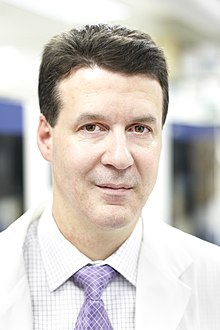 Stephen Scherer合作论文数Department of Molecular Genetics, Temerty Faculty of Medicine, University of Toronto;The Centre for Applied Genomics, The Hospital for Sick Children;Institute of Medical Science, University of Toronto;The McLaughlin Centre, Faculty of Medicine, University of Toronto7
 Gabrielle Barnby合作论文数6Kerstin Wittemeyer合作论文数6Michael L. Cuccaro合作论文数6




