This study evaluated combinations of hydroalcoholic plant extracts and purified phytochemicals to identify safe and effective candidates for sunscreen formulations. Fourteen extract–compound mixtures were tested for in vitro photoprotective efficacy and cytotoxicity in MRC-5 human fibroblasts. One mixture comprising Posoqueria latifolia (Rudge) Schult., Rubiaceae, extract (250 mg/ml) and kaempferol (349 µM) demonstrated photoprotective effects while remaining non-cytotoxic, preserving more than 70
Background: Plants represent an important source of photoprotective compounds that are capable of protecting human skin from solar-induced damage. In this study we investigated the suitability of a murine model for estimating the Erythema Protection Efficacy (EPE) of natural compound. Methods: UVB-induced skin erythema in albino BALB/c mice was quantified using a Mexameter MX18 MDD colorimeter. The ARRIVE principle was followed. The Minimum Erythema Dose (MED) was determined based on Log10 dose-erythema response curves. EPE values for UV filters (e.g., titanium dioxide or zinc oxide) and selected plant-derived compounds (apigenin, caffeic acid, epigallocatechin gallate, kaempferol, and pinocembrin) were calculated as the ratio between the MED of protected skin and that of unprotected skin. Results: The UVB-induced erythema in both female and male mouse skin followed a linear response. Erythema intensity varied by sex and by the dorsal skin area examined. MED values ranged from 39 to 57 mJ/cm2 in female mice and from 71 to 80 mJ/cm2 in male mice. In both sexes, MED increased linearly with the logarithm of the radiation dose. All tested compounds (apigenin, caffeic acid, epigallocatechin gallate, kaempferol, and pinocembrin) provided protection against UV-radiation-induced erythema in mouse skin. Among them, apigenin, caffeic acid, and kaempferol exhibited the highest EPE values, indicating strong potential for incorporation into sunscreen formulations. Conclusions: The murine EPE metric proved to be a useful tool for identifying plant-derived compounds with potential relevance for the photoprotection of human skin.
This study evaluates the chemical profile and antifungal efficacy of essential oils from Piper glabratum, Piper friedrichsthalii, and Piper cumanense against the cocoa pathogens Moniliophthora roreri and Phytophthora palmivora. Microwave-assisted hydrodistillation followed by GC-MS analysis identified 80 constituents, predominantly monoterpenes and sesquiterpenes, which exhibited significant mycelial inhibition comparable to commercial fungicides. Beyond basic characterization, a comprehensive chemoinformatic analysis was conducted to elucidate the molecular mechanisms driving this bioactivity. The computed physicochemical landscape reveals a dominant lipophilic profile (average LogP 3.4) and low polarity (TPSA 11.5 Å2), characteristics essential for effective fungal membrane penetration. Structural mining identified conserved benzene and cyclohexene scaffolds alongside specific 1,3-benzodioxole moieties, while Maximum Common Substructure (MCS) analysis uncovered high similarity clusters among phenylpropanoids and sesquiterpenes. These findings suggest a synergistic mode of action where conserved structural backbones and interchangeable diastereomers facilitate membrane destabilization and ion leakage. Consequently, the integrative chemoinformatic profiling elucidates the molecular basis of this efficacy, positioning these Piper essential oils not merely as empirical alternatives, but as sources of rationally defined synergistic scaffolds for next-generation sustainable fungicides.
Plant-derived compounds represent a potential alternative source of pharmacologically safe photoprotective agents for human use. This work studied the cytotoxicity, ultraviolet (UV)-filter, and antigenotoxic properties of selected phytochemicals against UV radiation. Cytotoxicity to human fibroblasts was evaluated using the trypan blue exclusion assay. The UV-absorption efficacy of these phytochemicals was evaluated using in vitro protection parameters, including Sun Protection Factor and critical wavelength, while antigenotoxic properties were assessed using the SOS Chromotest. The compounds exhibited variable cytotoxicity profiles against human fibroblasts. Notably, caffeic acid, chlorogenic acid, 3,5-dicaffeoylquinic acid, kaempferol, resveratrol, and squalene demonstrated relevant photoprotection at non-cytotoxic concentrations. Among these, kaempferol and squalene showed broad-spectrum protection. With the exception of caffeic acid, all compounds exhibited significant antigenotoxic activity against UVB radiation. A moderate correlation was observed between SPF values and antigenotoxicity (R = 0.45, p < 8.9 e-6). The studied compounds show promising characteristics for future development as novel sunscreen ingredients.
Plants may be a source of protective compounds that inhibit injuries caused by overexposure to solar radiation. Present work evaluated the protective effects of a phytochemical mixture based on Posoqueria latifolia extract + Kaempferol against ultraviolet-induced radiation DNA damage in human fibroblasts and mice skin. Cytotoxicity, genotoxicity, and antigenotoxicity of P. latifolia flower extract, Kaempferol, and the mixture of both were studied in MRC5 human fibroblasts using Trypan blue exclusion and Comet assays. Kinetics of DNA damage repair post irradiation, in the presence and absence of the phytochemicals, were also evaluated. The inhibition of UVB-induced erythema and cyclobutene pyrimidine dimers (CPD) by the phytochemicals and the mixture were also investigated in mice skin. We showed that the P. latifolia flower extract, Kaempferol, and the mixture inhibited UVB-induced DNA damage and increased DNA repair mechanisms in human fibroblasts. In addition, these phytochemicals inhibited the UVB-induced erythema and CPD in mice skin. The potential of the studied phytochemicals in human photoprotection was discussed.
An efficient synthetic methodology has been developed for the transformation of readily available quinolinyl-chalcones 2 and their 3-acetylquinoline 1 precursors into novel benzo[f]pyrazolo[5,1-a][2,7]naphthyridine 3 and quinoline-pyrido[2,3-d]pyrimidin-2,4-dione 4 hybrids, respectively, via sequential Claisen-Schmidt condensation, Michael addition, and intramolecular cyclocondensation. This approach successfully incorporated pyrazole, naphthyridine, and pyrido[2,3-d]pyrimidine motifs into the target hybrid scaffolds 3 and 4. Biological evaluation revealed that quinolinyl-chalcones 2 displayed a favorable balance between potency and cytotoxicity, with 2g identified as the most promising lead based on its submicromolar activity in colon, leukemia, and breast cell lines and low intrinsic cytotoxicity. In contrast, hybrids 3 and 4 were inactive in both antitumor and antichagasic assays, indicating that these hybridization approaches are not suitable for further development. Mechanistic studies revealed that quinolinyl-chalcone 2a was the most active trypanocidal agent, acting through oxidative stress induction, thereby highlighting it as a promising scaffold for the design of redox-active antichagasic drug candidates.
Colombia's strategic location, encompassing diverse climates and ecosystems, enables abundant flora. This environment offers bioprospecting opportunities, emphasizing sustainable plant use. Our main objective was to expand the knowledge of the chemical, pharmacological, and cosmetic potential of three cultivated species, namely, T. pumilea, H. lantanifolia, and A. popayanensis. UHPLC-ESI-Orbitrap-HRMS and quantification of total flavonoid, phenolic, and condensed tannin contents were employed to elucidate the chemical composition. The antioxidant activity and photoprotective capacity were evaluated by spectrophotometry. Calu-1 and HepG2 cells were used to assess cytotoxicity by MTT assay, and early intracellular ROS production was evaluated using an H2-DCFDA probe. The results demonstrate the richness of the chemical composition of the studied species, identifying compounds with therapeutic properties, including gallic acid, p-coumaric acid, caffeic acid, rosmarinic acid, chlorogenic acid, apigenin, and rutin, which are recognized as antioxidant and ultraviolet protective agents, supporting their uses in traditional medicine. The cytotoxicity evaluation on Calu-1 and HepG2 cells revealed the antiproliferative effects of these plants, especially the T. pumilea extract, on Calu-1 cells, and the possible influence of ROS generation, which could explain the observed effects. This research underlines the need for thorough evaluations of toxicological effects and the characterization of the mechanism of action involved to support the results obtained.
Phytochemicals are photoprotective compounds that prevent mutations involved in skin cancer and ageing. We studied protective activity of plant compounds against ultraviolet B (UVB) radiation induced skin erythema in albino BALB/c mice. The protective effect was quantified using narrow-band reflectance spectroscopy both in the presence and the absence of plant compounds. Among the studied compounds, five (apigenin, caffeic acid, epigallocatechin gallate (EGCG), kaempferol, and pinocembrin) inhibited UVB-induced skin erythema in mice; thus, they are promising for skin photoprotection. Erythema measurements of mice skin using narrow-band reflectance spectroscopy are valuable for the identification of photoprotective compounds.
This work investigated the safety of extracts obtained from plants growing in Colombia, which have previously shown UV-filter/antigenotoxic properties. The compounds in plant extracts obtained by the supercritical fluid (CO 2 ) extraction method were identified using gas chromatography coupled to mass spectrometry (GC/MS) analysis. Cytotoxicity measured as cytotoxic concentration 50% (CC 50 ) and genotoxicity of the plant extracts and some compounds were studied in human fibroblasts using the trypan blue exclusion assay and the Comet assay, respectively. The extracts from Pipper eriopodon and Salvia aratocensis species and the compound trans-β-caryophyllene were clearly cytotoxic to human fibroblasts. Conversely, Achyrocline satureioides, Chromolaena pellia, and Lippia origanoides extracts were relatively less cytotoxic with CC 50 values of 173, 184, and 89 μg/mL, respectively. The C. pellia and L. origanoides extracts produced some degree of DNA breaks at cytotoxic concentrations. The cytotoxicity of the studied compounds was as follows, with lower CC 50 values representing the most cytotoxic compounds: resveratrol (91 μM) > pinocembrin (144 μM) > quercetin (222 μM) > titanium dioxide (704 μM). Quercetin was unique among the compounds assayed in being genotoxic to human fibroblasts. Our work indicates that phytochemicals can be cytotoxic and genotoxic, demonstrating the need to establish safe concentrations of these extracts for their potential use in cosmetics.
Chagas disease (CHD) is the highest economic burden parasitosis worldwide and the most important cardiac infection, without therapeutic alternatives to halt or reverse its progression. In CHD-experimental models, antioxidant and anti-inflammatory compounds have demonstrated therapeutic potential in cardiac dysfunction. Theobroma cacao polyphenols are potent natural antioxidants with cardioprotective and anti-inflammatory action, which are susceptible to degradation, requiring technological approaches to guarantee their protection, stability, and controlled release. Here, 21 cocoa polyphenol-rich microencapsulates were produced by spray-drying and freeze-drying techniques using two wall materials (maltodextrin and gum arabic). Chemical (total and individual phenolic content and antioxidant activity), structural (morphology), and biological parameters (cytotoxicity, trypanocidal, antioxidant, and immunomodulatory activities) were assessed to determine the most efficient microencapsulation conditions on Trypanosoma cruzi-infected myocardioblast and macrophage cells. Significant antiproliferative properties against infected cells (superior to benznidazole) were found in two microencapsulates which also exhibited cardioprotective properties against oxidative stress, inflammation, and cell death.
The Caribbean shrub, Clinopodium vimineum, had its essential oil (EO) and hydroalcoholic extracts analyzed across three growth stages: vegetative, flowering, and post-flowering. The chemical composition of the EOs was analyzed by GC/MS/FID and that of the extracts was studied by UHPLC/ESI-Q-Orbitrap-MS. Twenty six compounds (>0.1%) were detected in the EOs of C. vimineum. p-Menth-3-en-8-ol (35-40%) and pulegone (27-30%) were the major components. Among the hydroalcoholic extracts, hydroxycinnamic acids (18-46 mg/g) and glycosylated flavones (17-19 mg/g) were found. The amounts of rosmarinic acid (20-40 mg/g) in the extracts isolated from the hydrodistillation residual biomass were twice as high as those in the extracts from the fresh plant material. The antioxidant activity of the EOs and extracts was evaluated by the ABTS(+center dot) and ORAC assays. No significant differences (p > 0.05) were found in the chemical composition or antioxidant activity of EOs and hydroalcoholic extracts, obtained from plants collected at different phenological stages.
The average annual trade of over 250 thousand tons of essential oils generates over 250 million tons of distillation residues, posing environmental problems due to incineration or landfill overburden. The circular economy focuses on reducing resource inputs, waste generation, and pollution, for sustainability. Implementing circular economy principles not only mitigates environmental concerns but also creates economic opportunities by utilizing residual biomass. Nonvolatile secondary metabolites, like flavonoids and phenolic compounds, remain in plant material during essential oil distillation. These bioactive substances can be extracted from the biomass distillation residues. Instead of discarding or burning waste from essential oil production, it can be processed to make extracts. The residue can be converted into biochar, a carbon-rich material beneficial for soil improvement. Other end uses include generating combustible bio-oil and using distillation residues for mushroom cultivation. Circular economy practices in the essential oil agroindustry have implications beyond the field itself. By providing raw materials for various sectors and industries, such as agriculture, cosmetics, and pharmaceuticals, this agroindustry can contribute to broader sustainability goals. While the adoption of circular economy principles presents technological challenges, the potential benefits in terms of waste reduction, value addition, and sustainability justify ongoing research and development efforts.
Dengue virus (DENV) causes millions of infections each year, and there are currently no approved antivirals. Essential oils could serve as potential candidates for developing plant-based dengue treatments. Lippia alba (Mill.) N.E. Brown essential oil (LAEO) was selected to investigate the mode of antiviral action and its effect on activated platelets. Binding affinities of 20 LAEO compounds and platelet proteins were investigated through docking analyses. LAEO showed a potent virucidal effect (IC50, 2.1 to 5.1 mu g/mL) against all DENV serotypes. LAEO reduced P-selectin (from 61% to 18%) and increased survival (from 71% to 97%) in DENV-2- and DENV NS1-stimulated human platelets. Sesquiterpene hydrocarbons showed the highest binding affinities (from -7.3 to -8.0 kcal/mol) with platelet innate immune receptors such as TLR2/1, TLR4/MD-2 and alpha IIb beta 3 integrin. The data provide a first step towards defining the potential of LAEO as a candidate for developing phytotherapeutics for dengue.
In this study, an alternative and efficient one-pot three-component synthesis approach to develop a new series of (E)-2-aryl-4-styrylquinazolines and (E)-4-styrylquinazolines is described. According to this approach, the target compounds were synthesized straightforward in high yields and in short reaction times from substituted 1-(2-aminophenyl)-3-arylprop-2-en-1-ones via its well-Cu(OAc)2-mediated cyclocondensation reactions with aromatic aldehydes or its well-catalyst-free cyclocondensation reactions with trimethoxy methane (trimethyl orthoformate), and ammonium acetate under aerobic conditions. This is an operationally simple, valuable, and direct method to synthesize 2-aryl- and non-C2-substituted quinazolines containing a styryl framework at C4 position from cheap and synthetically available starting materials. All the synthesized compounds were submitted to the US National Cancer Institute for in vitro screening. The bromo- and chloro-substituted quinazolines 5c and 5d displayed a potent antitumor activity against all the tested subpanel tumor cell lines with IC50 (MG-MID) values of 5.25 and 5.50 μM, and a low cytotoxic effect with LC50 (MG-MID) values of 91.20 and 84.67 μM, respectively, indicating a low toxicity of these compounds to normal human cell lines, as required for potential antitumor agents.
Acute myelogenous leukemia (AML) is one of the most lethal cancers, lacking a definitive curative therapy due to essential constraints related to the toxicity and efficacy of conventional treatments. This study explores the co-adjuvant potential of Lippia alba essential oils (EO) for enhancing the effectiveness and selectivity of two chemotherapy agents (cytarabine and clofarabine) against AML cells. EO derived from L. alba citral chemotype were produced using optimized and standardized environmental and extraction protocols. Rational fractionation techniques were employed to yield bioactive terpene-enriched fractions, guided by relative chemical composition and cytotoxic analysis. Pharmacological interactions were established between these fractions and cytarabine and clofarabine. The study comprehensively evaluated the cytotoxic, genotoxic, oxidative stress, and cell death phenotypes induced by therapies across AML (DA-3ER/GM/EVI1+) cells. The fraction rich in citral (F2) exhibited synergistic pharmacological interactions with the studied chemotherapies, intensifying their selective cytotoxic, genotoxic, and pro-oxidant effects. This shift favored transitioning from necrosis to a programmed cell death phenotype (apoptotic). The F2-clofarabine combination demonstrated remarkable synergistic anti-leukemic performance while preserving cell integrity in healthy cells. The observed selective antiproliferative effects may be attributed to the potential dual prooxidant/antioxidant behavior of citral in L. alba EO.
Tropical Dry Forest (T-dF) is one of the most threatened ecosystems in the Neotropics, due to negative anthropogenic impacts on biodiversity and ecosystem services. Bursera simaruba (L.) Sarg. (indio desnudo, resbalamono), is among the species most reported for the T-dF of the Colombian Caribbean. In this work, the chemical composition and antioxidant and biological activities of B. simaruba essential oil (EO) were determined. EO chemical analysis from leaves and, petiole, and young branches bark (PYBB) of B. simaruba was carried out by Gas Chromatography coupled to Mass Spectrometry; polar and apolar columns were used for component separation. The biological activity of B. simaruba EO (PYBB) against Lasioderma serricorne (Coleoptera, Ptinidae) was determined by the preference area method. EO (PYBB) antioxidant capacity was determined by Oxygen Free Radical Absorbance Capacity (ORAC) assay. Reference antioxidant and standard terpenes were used for relative analysis of ORAC results. alpha-Terpinene (27.7% and 16.4%), p-cymene (22.8% and 44.0%), and g-terpinene (16.7% and 14.6%), were the main constituents in B. simaruba EOs (leaves and PYBB). EOs were represented by a high percentage of hydrocarbon monoterpenes (similar to 79.1% and similar to 88.9%, leaves and PYBB); while hydrocarbon sesquiterpenes (similar to 3.1% and similar to 4.6%, leaves and PYBB); contributed with a low percentage. B. simaruba EO (PYBB), showed attractant activity, at 0.4 mu L.cm(-2) (2h: -45%+/- 7%; 4h: -50%+/- 17%); in relation with Stay off, at 0.8 mu L.cm(-2), which was used as a positive control for repellent activity (2h: 66%+/- 5%; 4h: 75%+/- 21%). B. simaruba EO (PYBB) showed a very low antioxidant capacity (ORAC: 657.2 +/- 20.5 mu mol Trolox/g sample), related to quercetin, used as reference antioxidant (50816.9 +/- 1559.1 mu mol Trolox/g sample). However, EO ORAC was higher than the alpha-terpinene (68.0 +/- 10.8 mu mol Trolox/g sample), gamma-terpinene (51.2 +/- 2.0 mu mol Trolox/g sample), p-cymene (105.6 +/- 6.4 mu mol Trolox/g sample), used as standard terpenes. In conclusion, this is the first report on the chemical composition of the B. simaruba EO from Colombia, whose results differ from the previous ones from Jamaica and Guadeloupe. Chemical composition, reported here, with alpha-terpinene, gamma-terpinene and p-cymene as principal compounds, could be used to establish a scientific support that explains some traditional uses. EO showed an attractive biological activity on L. serricorne. EO showed an antioxidant activity lowest quercetin (antioxidant reference), but higher that standard terpenes (alpha-terpinene, gamma-terpinene and p-cymene).
This study aimed to determine the repellent and insecticidal activity of four essential oils (EOs) from plants collected in the Chocó rain forest, Colombia, against T. castaneum. Conventional hydrodistillation was used to obtain the EOs. The repellent and insecticidal activities were evaluated by the preference area and gas dispersion methods, respectively. Statistical differences (p<0.05) were determined by applying a student’s t-test. EOs of Siparuna guianensis, S. conica, Piper marginatum, and Nectandra acutifoliashowed excellent repellent properties as the main findings, highlighting S. conicaEO with 84% repellency (1μL/cm2), while P. marginatumshowed to be bioactive to the dose of 500 μL/mL (72 h), inducing mortality of 100% of the exposed population. In conclusion, the results evidenced the repellent properties of the EOs evaluated against T. castaneum, which allows us to conclude that these plant species are potential natural sources producing bio-repellents that contribute to the integrated control of T. castaneum.
Deforestation rapidly increases in tropical regions, primarily driven by converting natural habitats into pastures for extensive cattle ranching. This landscape transformation, coupled with pesticide use, are key drivers of bee population decline. Here, we investigate the impact of pasture-dominated landscapes on colony performance, pesticide exposure, and insecticide sensitivity of the stingless bee Tetragonisca angustula. We monitored 16 colonies located in landscapes with varying proportions of pasture. We collected bee bread for pesticide and palynological analysis. We found a positive correlation between pollen diversity and colony growth, with no effect of the proportion of pasture in the landscape. In contrast, we detected prevalent and hazardous concentrations of the insecticide abamectin (9.6-1,856 mu g/kg) in bee bread, which significantly increased with a higher proportion of pasture. Despite the abamectin exposure, the bee colonies displayed no adverse effects on their growth, indicating a potential tolerance response. Further investigations revealed that bees from sites with higher proportions of pasture showed significantly reduced mortality when exposed to a lethal concentration of abamectin (0.021 mu g/mu L) after 48 h. Since abamectin is scarcely used in the study area, we designed an experiment to track ivermectin, a closely related antiparasitic drug used in cattle. Our findings uncovered a new exposure route of bees to pesticides, wherein ivermectin excreted by cattle is absorbed and biotransformed into abamectin within flowering plants in the pastures. These results highlight that unexplained exposure routes of bees to pesticides remain to be described while also revealing that bees adapt to changing landscapes.
 Jairo Rene Martinez合作论文数Res Ctr Excellence CENIVAM, Univ Ind Santander128
 Vladimir V. Kouznetsov合作论文数School of Chemistry, Industrial University of Santander33
 Jesús Olivero-Verbel合作论文数Universidad de Cartagena33Camilo Duran合作论文数23Ocazionez-Jiménez Raquel E合作论文数22
 Alirio Palma合作论文数19
 Jorge Luis Fuentes Lorenzo合作论文数, Miramar18
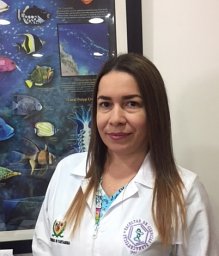 Karina Caballero-Gallardo合作论文数Faculty of Pharmaceutical Sciences, University of Cartagena18Pi Zakharov合作论文数16Beatriz E Jaramillo Colorado合作论文数University of Cartagena16N. S. Prostakov合作论文数16
 Liliana Betancur合作论文数16
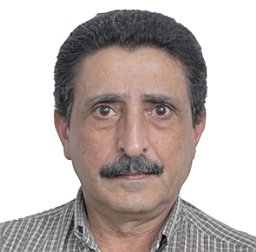 Ali Bahsas合作论文数Facultad deCiencias, Universidad de 10s Andes14VV KUZNETSOV合作论文数13
 Amner Munoz-Acevedo合作论文数13Nayive Pino Benítez合作论文数13
 Ana Cecilia Mesa合作论文数Cancer and Infection Group;School of Medicine;University of Antioquia;School of Medicine, University of Antioquia13
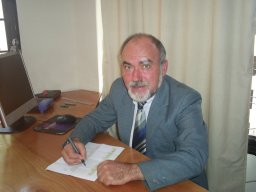 Juan Amaro-Luis合作论文数Laboratorio de RMN, Universidad de los Andes12Estudiante De Química合作论文数12Patricia Escobar合作论文数10Bibiana Zapata合作论文数10
 Geovanna Tafurt-García合作论文数Centro de Investigación en Biomoléculas, Universidad Industrial de Santander10Lady J Sierra合作论文数9
 Juan Bueno合作论文数Grupo de Micobacterias, Instituto Nacional de Salud9
 Arvind Kumar合作论文数8
 Liliana Torcoroma Garcia合作论文数Programa Maestria Invest Enfermedades Infecciosas, Univ Santander8B. S. Subbotin合作论文数8MIGUEL ANTONIO LEYVA合作论文数7Carol Y. Cardenas合作论文数7
 Stelia Carolina Mendez-Sanchez合作论文数Departamento de Bioquímica e Biologia Molecular, Universidade Federal do Paraná7L. A. Gaivoronskaya合作论文数7
 Julián Arias合作论文数Centro Nacional de Investigaciones para la Agroindustrialización (CENIVAM),, Universidad Industrial de Santander6Elizabeth Quintero Rueda合作论文数6
 Sandra Milena Leal Pinto合作论文数Infect Dis Res Program, Univ Santander6
 Jonny E Duque合作论文数Centro de Investigaciones en Enfermedades Tropicales y Grupo de Investigación en Enfermedades Infecciosas y Metabólicas, Universidad Industrial de Santander6
 Julieth Correa-Royero合作论文数Grupo de Bioactividad;Facultad de Medicina;Universidad de Antioquia;Facultad de Medicina, Universidad de Antioquia6
 Claudia Ortiz合作论文数Escuela de Bacteriología y Laboratorio clínico, Universidad Industrial de Santander6Alexey V. Varlamov合作论文数Organic Chemistry Department, the Russian Peoples’ Friendship University6Ginna Arias合作论文数5
 Paola Rondon-Villarreal合作论文数5Maria M Levy合作论文数5
 Rodrigo Torres合作论文数5María Camila Flechas合作论文数5
 Sindi Velandia合作论文数Centro de Investigaciones en Enfermedades Tropicales, Universidad Industrial de Santander5
 Erika Marcela Moreno Moreno合作论文数5
 Carlos Ruiz合作论文数5Yuri Córdoba合作论文数4Jesica Mejia合作论文数4Nayive Pino合作论文数4




