OBJECTIVE:Uterine serous carcinoma (USC) is an aggressive subtype of endometrial cancer with high recurrence rates and poor survival outcomes. Tissue factor (TF) represents a potentially actionable surface antigen. We evaluated TF expression and the preclinical efficacy of tisotumab vedotin (TV), a TF-targeting antibody drug conjugate (ADC), against USC models. METHODS:A tissue microarray (TMA) was created to evaluate 154 USC samples for TF expression by immunohistochemistry (IHC). TF expression was evaluated in 3 primary USC samples using both flow cytometry and IHC. DNA damage was evaluated via γ-H2AX phosphorylation while cytotoxicity was assessed using flow cytometry-based-assays. Antibody-dependent-cell-mediated-cytotoxicity (ADCC) was measured using 4-h-51Cr-release-assays. Bystander effects were assessed using co-culture systems. In vivo efficacy was evaluated in TF-expressing USC patient derived xenograft (PDX) models comparing TV to controls. RESULTS:TF expression was detected by IHC in 79/147 (54%). Primary USC cell lines expressing TF were significantly more sensitive to TV than Control-ADC in cytotoxicity experiments (p < 0.05) and dsDNA break-assays (p < 0.05). ADCC assays confirmed significant TV- induced immune-mediated killing. TV demonstrated minimal direct cytotoxicity in the TF-low cell lines, however, significant bystander killing was observed in co-culture experiments (p < 0.05). In vivo, TV significantly suppressed tumor growth and prolonged survival in TF expressing USC PDX models (p < 0.0001). CONCLUSIONS:TF was detected in more than half of evaluable USC specimens. TV exhibits potent preclinical anti-tumor activity in TF-expressing USC cell lines and xenografts. Clinical investigations of TV in USC patients with TF expression are warranted.
PURPOSE:Patients with endometrial cancer who progress after chemotherapy/immunotherapy have limited treatment options. We evaluated the activity and safety of sacituzumab govitecan (SG), a Trop-2-directed antibody-drug conjugate, in patients with advanced/recurrent endometrial cancer, including carcinosarcoma. PATIENTS AND METHODS:This was a phase II, two-stage, open-label, investigator-initiated trial of patients with persistent/recurrent endometrial cancer who had progressed following ≥1 prior chemotherapy. Patients received SG 10 mg/kg on days 1 and 8 every 3 weeks. The primary endpoint was objective response rate (ORR) by RECIST v1.1. Secondary endpoints included clinical benefit rate [CBR = complete response (CR) + partial response (PR) + stable disease ≥ 6 months], duration of response (DOR), progression-free survival (PFS), overall survival (OS), and safety. Trop-2 expression was analyzed by immunohistochemistry as an H-score. RESULTS:Fifty patients were screened, and 21 enrolled during stage 1; 34 patients were screened, and 29 enrolled during stage 2; 84% (n = 42) of the patients harbored serous carcinoma, carcinosarcoma, or grade 3 endometrioid tumors. Patients received a median of two prior therapies (range, 1-4) and 50% had failed pembrolizumab/dostarlimab. At a median follow-up (range) of 11 (2.9-65.5) months, the ORR was 28% [95% confidence interval (CI), 16%-42%], including CRs (4%) and PRs (24%). The median DOR (95% CI) was 9.3 (2-12.9) months, with four still responding. The CBR was 52% (26/50). The median PFS and OS were 5.5 (95% CI, 3.7-7.4) and 17.5 (95% CI, 10.4-22.2) months, respectively. Grade 3 to 4 toxicity occurred in 88% with no attributable deaths. Mean H-scores did not predict response. CONCLUSIONS:SG demonstrated encouraging efficacy in a pretreated population that included biologically aggressive recurrent endometrial cancer. Adverse events were consistent with the known safety profile.
BACKGROUND:Health-related social conditions (HRSCs) are modifiable factors affecting ovarian cancer outcomes. How best to manage HRSCs as part of ovarian cancer care remains unclear. We sought interest-holder perspectives on HRSC assessment and assistance to inform integration of social care with gynecologic oncology practice. METHODS:In this qualitative descriptive study, we conducted individual, semi-structured interviews with patients with ovarian cancer, their caregivers, and oncology clinicians from an academic medical center. We solicited thoughts on HRSC assessment and assistance, including whether and how HRSC discussions should occur, as well as opinions on a 20-item HRSC assessment and a community resource referral document. We analyzed data using the Rigorous and Accelerated Data Reduction (RADaR) technique. RESULTS:Participants (n = 14) included 5 patients with ovarian cancer, 4 caregivers, and 5 clinicians. Patients and caregivers were open to HRSC conversations with clinicians from various disciplines if undertaken with empathy, respect, and active listening. In addition to common HRSCs like food insecurity and housing instability, participants endorsed attending to religion/spirituality and assessing for financial hardship, interpersonal violence, psychological support, and neighborhood safety. Patients and clinicians characterized the HRSC screening questions as straightforward and in-depth. All participants felt the community resource referral document was well-organized and helpful. CONCLUSION:Even in the context of a life-threatening disease, participants affected by and caring for patients with ovarian cancer regard social conditions as relevant to cancer care. Our findings inform practical considerations of who, what, when, where, why, and how HRSC assessment and assistance can be undertaken in oncology.
5575 Background: Patients with platinum-resistant ovarian cancer (PROC) have few therapeutic options. More than 60% of high-grade serous ovarian cancers overexpress (≥ 2+ by immunohistochemistry) Trop2, a key regulator of growth pathways and marker of aggressive disease. Sacituzumab govitecan (SG) is an antibody-drug conjugate consisting of a Trop-2–specific antibody conjugated with SN-38, an active metabolite of irinotecan. Methods: NCT06028932 is a single-institution open-label phase II study. Patients received SG at 10 mg/kg intravenously days 1 and 8 of a 21-day cycle until prohibitive toxicity or progression. The primary endpoint was objective response rate (ORR) by RECIST 1.1. Secondary endpoints included progression-free (PFS) and overall (OS) survival, as well as safety. Results: Twenty patients were enrolled. Median age was 67 years (range: 45-84). Most participants (85%, n=17) were White. The median number of prior lines prior to enrollment was 3 (range: 1-8). ECOG performance status was 0 (n=16) or 1 (n=4). Most patients had a poorly differentiated tumor (90%, n=18) with advanced disease (stage III/IV) at initial diagnosis (85%, n=17). Serous histology predominated (75%, n=15), followed by clear cell (15%, n=3), endometrioid (5%, n=1), and carcinosarcoma (5%, n=1). Across a median follow-up of 9.9 months, there were 15 progressions and 4 deaths. ORR was 35% (7/20); there were no complete responses, and stable disease was achieved in 40% (8/20). Median PFS was 8.0 months (95% CI: 3.8-14.8); median OS was not yet reached. No new safety signals were observed. The most common grade 3-4 treatment-emergent adverse events were neutropenia (n=15), hypokalemia (n=3), and anemia (n=2). The most frequent grade 1-2 events included diarrhea (n=59), fatigue (n=27), abdominal pain (n=20), nausea (n=20), alopecia (n=16), anorexia (n=14), and vomiting (n=13). Conclusions: SG exhibits encouraging efficacy for PROC with manageable toxicities. Future studies are warranted. Clinical trial information: NCT06028932 .
Uterus transplantation has emerged as a promising treatment option for patients with absolute uterine factor infertility who desire gestation. Unlike solid organ transplantation performed for life-preserving indications, uterus transplantation is a temporary procedure, with graft removal planned after completion of childbearing. This distinctive feature raises a novel question: whether the same uterine graft could be recovered and reused in a subsequent recipient. In this review, we examine uterine graft reuse as a potential strategy to increase graft availability and broaden access in selected settings. Existing uterus transplantation outcome data establish that transplanted uteri can support menstruation, pregnancy, and live birth and that pregnancy after uterus transplantation carries meaningful maternal and perinatal risks. However, no clinical data establish the feasibility or safety of reusing a uterine graft in another recipient. We therefore frame graft reuse as an exploratory hypothesis requiring preclinical validation. Key considerations include the donor pathway, donor-recipient immunologic and virologic compatibility, the effects of prior transplantation and pregnancy on graft quality, vascular and operative feasibility at graft retrieval, postpartum timing, and the obstetric implications of prior cesarean delivery. Additional issues include ischemic tolerance, consent for serial graft use, and equitable allocation. Overall, uterine graft reuse represents a speculative extension of the temporary-graft model that distinguishes uterus transplantation from other transplant disciplines. Further progress will depend on animal studies, surgical modeling, and careful ethical, infectious, immunologic, and obstetric assessment. By separating established clinical observations from unanswered questions, this article provides a framework for future investigation of uterine graft reuse.
BACKGROUND:Several ovarian cancer studies have suggested that a body mass index (BMI) of 30 or higher is associated with lower compliance with National Comprehensive Cancer Network-recommended chemotherapy but primarily involved treatment before 2012, when dose capping was recommended for patients with higher body surface areas. Updated analyses in the contemporary treatment era are warranted. METHODS:In a retrospective cohort of patients with newly diagnosed ovarian cancer receiving curative-intent carboplatin plus paclitaxel in the Yale-Smilow Cancer Network (2012-2022), we evaluated BMI at diagnosis in relation to relative dose intensity (RDI)-the ratio of completed chemotherapy dose intensity to the National Comprehensive Cancer Network-recommended dose intensity-which reflects dose modification both before and during treatment. We also assessed starting RDI (which reflects modifications before treatment) and received RDI (which reflects modifications during treatment). Data on hospitalizations and hematological chemotoxicities were collected. We examined the association between BMI (<25, 25-30, ≥30) and chemotherapy completion, hospitalizations, and toxicities using multivariable linear and logistic regressions. RESULTS:Among 327 patients, the average RDI was 79.7%, and 44.3% had an RDI below 85%. Mean (SD) starting and received RDI were 97.9% (9.1%) and 81.8% (25.7%), respectively. Higher BMI was associated with higher RDI (Paggregate = .03) and received RDI (Paggregate = .04). Body mass index was not associated with starting RDI, dose reductions, delays, hospitalizations, or hematological toxicities. CONCLUSIONS:Among patients with ovarian cancer treated since 2012, the overall RDI was low. Relative dose intensity was higher among patients with a BMI of 25 or higher compared with a BMI below 25. Most dose modifications occurred during treatment and not before initiation. Studies with body composition data and interventions that maximize chemotherapy completion during treatment are warranted.
Endometrial stromal sarcoma (ESS) is a rare uterine malignancy with limited treatment options. We performed integrated whole-genome, whole-exome, and transcriptome sequencing on 80 ESS tumors, comprising 32 low-grade (LG) and 48 high-grade (HG) tumors, to characterize their genetic landscape. The overall mutation burden was modest, with no significant difference between grades; however, we identified six hypermutated cases (7.5%) harboring POLE or mismatch repair mutations, genomic features predictive of immunotherapy response. We identified focal RAD54B amplifications in 15 tumors (18.8%), leading to elevated RAD54B expression and significantly shorter survival. This establishes RAD54B as an oncogenic driver in ESS. Known tumor suppressors (PTEN, TP53) were frequently mutated in HG-ESS but rare in LG-ESS, highlighting distinct grade-specific drivers of malignancy. HG-ESS exhibited widespread chromosomal gains, frequent loss of cell-cycle regulators (RB1, CDKN2A), and numerous private gene fusions arising from complex DNA rearrangements. In contrast, LG-ESS were defined by canonical fusions (e.g., JAZF1-SUZ12) and co-occurring deletions in metabolic regulator genes (TSC2, STK11). Finally, in an activating NRAS-mutant (p.Q61R) HG-ESS xenograft, the combination of MEK and FAK inhibition dramatically suppressed tumor growth and prolonged survival, highlighting a promising targeted treatment strategy. Overall, our comprehensive analysis defines the molecular basis of ESS and provides a strong preclinical rationale for precision therapies in this aggressive cancer.
OBJECTIVE:Determine whether mismatch repair (MMR) and p53 expression predict recurrence-free survival (RFS) and overall survival (OS) in early-stage endometrial cancer (EC) patients treated with vaginal cuff brachytherapy plus chemotherapy (VCB/C) versus pelvic radiation therapy (RT). METHODS:In the GOG-0249 trial, 601 patients with high-intermediate risk (HIR) early-stage EC were randomized to VCB/C (carboplatin/paclitaxel for 3 cycles) or pelvic RT. Molecular subgroups, deficient MMR (dMMR), p53 wildtype (p53wt), p53 abnormal (p53abn), were determined by immunohistochemistry. Five-year RFS and OS were analyzed using Kaplan-Meier curves and Cox proportional hazards models, adjusting for lymphadenectomy, planned VCB, and treatment group. RESULTS:Among 315 patients, 23.5% had EC exhibiting p53abn expression, 32.1% had dMMR, and 44.4% had p53wt. p53abn EC was associated with older age (p = 0.004), serous histology (p < 0.001), lymphadenectomy (p = 0.02), and planned VCB (p < 0.001). Five-year RFS and OS were worse in patients with p53abn cancers, 58.7% [Hazard Ratio (HR) = 4.0 (95% Confidence Interval (CI): 2.1-7.5)] and 70.7% [HR = 9.4 (95%CI: 3.8-23.6)] and dMMR cancers 74.4% [HR = 1.8 (95%CI: 0.9-3.3)] and 84.3% [HR = 3.0 (95%CI: 1.2-7.8)] compared to those with p53wt (referent) (83.4% and 95.3%) (p < 0.001). The RFS (p = 0.7) and OS (p = 0.8) rates did not differ by treatment within molecular subgroups. CONCLUSION:Molecular classification is prognostic for survival outcomes in patients with stage I-II HIR/high-risk EC. Patients with p53abn cancers seem to have the highest risk of relapse and death. Molecular subgroups do not appear to predict benefit from VCB/C as compared to pelvic RT. Novel therapeutic approaches are needed, especially for those with dMMR and p53abn expressing cancers.
OBJECTIVE:Antibody-drug conjugates (ADCs) targeting the human epidermal growth factor receptor 2 (HER2) such as trastuzumab deruxtecan (T-DXd) may offer a novel therapeutic option for endometrial cancer patients with HER2-overexpressing tumors. However, the activity of T-DXd in endometrial cancer patients with low HER2 expression (IHC 2+ or 1+, FISH negative) remains unreported. Accordingly, the objectives of this study were to evaluate T-DXd preclinical activity both in-vitro and in-vivo against primary FISH-negative endometrial endometrioid cancer (EEC) cell lines with IHC 1+ to 2+ HER2 expressions. METHODS:Primary FISH-negative EEC cell lines with low HER2 expression were characterized by immunohistochemistry (IHC), flow cytometry (mean fluorescence intensity, MFI) and FISH assays. T-DXd efficacy was investigated in vitro by evaluating cell viability, DNA damage, antibody-dependent cell cytotoxicity and bystander killing. In vivo activity was assessed in HER2 2+ and 1+ FISH-negative EEC xenograft mouse model. RESULTS:T-DXd demonstrated significant in-vitro cytotoxicity in HER2 FISH-negative, IHC 2+ and 1+ cell lines. By contrast, in the HER2 IHC 0 cell line, no significant difference in cell death was observed between T-DXd and Control ADC. In vivo, T-DXd was highly effective in tumor growth suppression and significantly prolonged overall survival in both HER2 IHC 2+ and 1+ xenograft mouse models. CONCLUSIONS:T-DXd showed remarkable preclinical activity against HER2 FISH-negative, IHC-low EEC both in-vitro and in-vivo. These findings support its use beyond HER2-high expression and may represent a novel and effective treatment option for patients with HER2-low EEC who have progressed on standard chemotherapy and immunotherapy.
Low-grade-serous ovarian carcinomas (LGSOC) are rare tumors characterized by a high recurrence rate and limited treatment options. Most LGSOC are estrogen receptor (ER)-positive and demonstrate alterations in the RAS/MAPK pathway. Avutometinib is a dual RAF/MEK clamp, whereas defactinib and VS-4718 are focal adhesion kinase (FAK) inhibitors. Fulvestrant is an ER antagonist/degrader. We assessed the preclinical efficacy of fulvestrant, avutometinib + VS-4718 (FAKi), and the triple combination in a chemotherapy/aromatase inhibitor-resistant LGSOC patient-derived tumor xenograft (PDX) model. Tissue obtained from a LGSOC patient wild-type for KRAS/NRAS/BRAF mutations in progression after chemotherapy/anastrozole was transplanted into female CB17/lcrHsd-Prkdc/SCID mice (PDX-OVA(K)250). The animals were treated with either saline/control, fulvestrant, avutometinib/FAKi, or the triple combination of avutometinib/FAKi/fulvestrant. Avutometinib and FAKi were given five-days on and two-days off through oral gavage. Fulvestrant was administered subcutaneously weekly. Mechanistic studies were performed ex vivo using Western blot assays. Animals treated with the triple combination demonstrated stronger tumor growth inhibition compared to all the other experimental groups including control/saline (p < 0.001), single-agent fulvestrant (p = 0.04 from day eight and onwards), and avutometinib/FAKi (p = 0.02 from day 18). Median survival for mice treated with saline/control was 29 days while mice in all other experimental groups were alive at day 60 (p < 0.0001). Treatment was well tolerated across all experimental treatments. By Western blot, exposure of OVA(K)250 to the triple combination demonstrated a decrease in phosphorylated MEK (p-MEK) and p-ERK levels. The addition of fulvestrant to avutometinib/FAKi is well tolerated in vivo and enhances the antitumor activity of avutometinib/FAKi in a LGSOC-PDX model with acquired resistance to chemotherapy/aromatase inhibitors. These results support the clinical evaluation of avutometinib/defactinib in combination with fulvestrant or an aromatase inhibitor in patients with recurrent LGSOC.
 Alessandro D. Santin合作论文数Department of Obstetrics and Gynecology and Reproductive Sciences, Yale University School of Medicine166
 Peter E. Schwartz合作论文数Yale School of Medicine166
 Masoud Azodi合作论文数Department of Obstetrics, Gynecology and Reproductive Sciences, Yale School of Medicine, Yale University151
 Stefania Bellone合作论文数116
 Gary Altwerger合作论文数School of Medicine, Yale University94
 Pei Hui合作论文数Pathology Faculty, Yale School of Medicine, Yale University75Natalia Buza合作论文数Pathology Faculty, Yale School of Medicine, Yale University73
 Thomas Rutherford合作论文数70
 Gulden Menderes合作论文数65Dan Silasi合作论文数60
 Elena Bonazzoli合作论文数53
 Luca Zammataro合作论文数Humanitas, University of Milan45Gloria S. Huang合作论文数43
 Mitchell Clark合作论文数42
 Salvatore Lopez合作论文数Division of Gynecologic Oncology, University Campus Bio-Medico of Roma39
 Jonathan Black合作论文数39Babak Litkouhi合作论文数38
 Emiliano Cocco合作论文数Department of Biochemistry and Molecular Biology, Miller School of Medicine, University of Miami36
 Vaagn Andikyan合作论文数Department of Obstetrics, Gynecology and Reproductive Sciences, Yale School of Medicine, Yale University34
 Z. Ping Lin合作论文数School of Medicine, Yale University34Justin Harold合作论文数30Chanhee Han合作论文数30McNamara Blair C合作论文数28
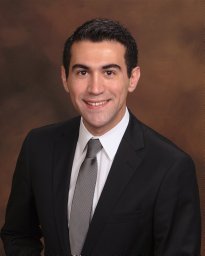 Levent Mutlu合作论文数School of Medicine, Yale University27
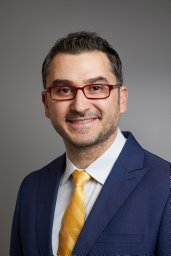 Zeybek Burak合作论文数26D-A Silasi合作论文数26Tobias Max Philipp Hartwich合作论文数25
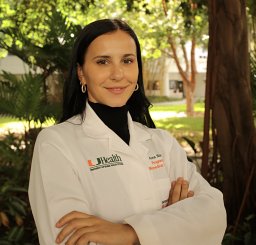 Anna Bianchi合作论文数School of Medicine, Yale University25
 Cem Demirkiran合作论文数24Schwab Carlton L合作论文数24Eric R. Siegel合作论文数Department of Biostatistics, University of Arkansas for Medical Sciences23Joan Tymon-Rosario合作论文数22
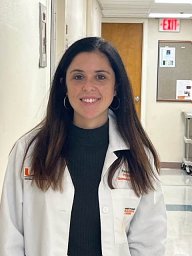 Paola Manara合作论文数21Francesca Pettinella合作论文数Department of Medicine, University of Verona20Predolini Federica合作论文数20
 Ghanshyam Yadav合作论文数19Gloria Huang合作论文数18
 Dana Roque合作论文数18
 Aranzazu Manzano合作论文数18
 Diana P English合作论文数17
 Diego D Manavella合作论文数School of Medicine, Yale University17
 Sergio Pecorelli合作论文数Università degli studi di Brescia17Francesco Riccio合作论文数16Alan C. Sartorelli合作论文数16
 Ludmil Alexandrov合作论文数Department of Cellular and Molecular Medicine, University of California, San Diego;Department of Bioengineering, University of California, San Diego15
 Jungmin Choi合作论文数School of Medicine, Yale University15
 Joseph Schlessinger合作论文数Department of Pharmacology, School of Medicine, Yale University14Dan-Arin Silasi合作论文数14Peter Dottino合作论文数12




