Hepatitis A caused by hepatitis A virus (HAV) transmitted by the fecal-oral route, results in considerable morbidity and economic loss. Mucosal immunization can be more effective than conventional injection at inducing both local and systemic immunity to HAV. Here we show that co-administration of killed HAV with synthetic oligodeoxynucleotides (ODNs) containing CpG sequences, and a novel polycationic sphingolipid (CCS)/cholesterol liposomal delivery system, markedly enhances the HAV-specific antibody response at the intestinal interface, particularly when delivered intrarectally or intranasally, to Balb/c mice at low HAV doses. A mucosally delivered, antigen-sparing HAV vaccine that is easily administered without specialized equipment or personnel, is an attractive alternative for facilitating mass immunization in hepatitis A outbreaks.
The studies on the T cell response against EBV carrying B cells demonstrated its high power in vivo. Malignancies with phenotypes similar to the in vitro transformed B cells occur only in severely immunosuppressed patients. Presently the goal of the studies is the identification of the antigens recognised by T lymphocytes and their association with the various HLA alleles. The studies on human sarcomas and carcinomas still struggle with the demonstration of specific T cell responses and the characterisation of the target molecules on the tumor cells. The main goals are the possibilities to readminister tumor reactive T cells for therapeutic purposes and the use of in vitro assays for guidance of the design and schedule for immunotherapy protocols.
The antitumor effect of interleukin-2 (IL-2), alone and in combination with cyclophosphamide was assessed in mice with established sarcoma (MCA 105, H-2b), carcinoma (M109, H-2d) and T lymphoma (PIR-2, H-2b). Whereas administration of IL-2 alone (5×10⁴–10×104 U, i.p. twice daily, for 4–8 consecutive days) prolonged the survival of mice with the solid neoplasms, it enhanced tumor growth and decreased survival of mice with the lymphoma. In the PIR-2 lymphoma, no IL-2 receptor (TAC) could be detected, nor could we demonstrate IL-2 tumor growth stimulation in vitro. A synergistic therapeutic effect was achieved in mice with the solid tumors, but not in mice with the lymphoma, only when IL-2 was given 1–4 days after cyclophosphamide (100–200 mg/kg). Conversely, administration of IL-2 1–4 days prior to cyclophosphamide resulted, in all three tumor systems, in enhanced tumor growth and in decreased survival as compared with mice receiving cyclophosphamide alone. Similarly, treatment with IL-2 both before and after cyclophosphamide was less efficacious than a single course of IL-2 given after-wards. It is concluded that for maximal therapeutic efficacy, IL-2 should be administered following chemotherapy, and that certain tumors may respond adversely to IL-2 treatment.
Spontaneously arising tumors are frequently poorly immunogenic and exhibit a limited capacity to induce cytotoxic effector lymphocytes. In the present study, various approaches have been used to amplify the induction and expression of cytotoxic responses in vitro toward freshly isolated, autologous, and syngeneic solid neoplasms of spontaneous origin in mice. Cytotoxic lymphocytes were generated in one-way mixed lymphocyte-tumor cell cultures (MLTC) consisting of splenocytes or lymph node cells from normal and from tumor-bearing mice co-cultured with inactivated tumor cells. Optimal culture conditions have been established for the number of responder (R) cells, the method of inactivation of the stimulating (S) tumor cells, the responder/stimulator (R/S) cell ratio, and the duration of sensitization. Under optimal sensitization conditions only weak cytotoxic responses, as measured by the 51Cr-release assay, were generated. The antitumor cytotoxic activity could be augmented 2- to 12-fold by using each of the following procedures: (a) addition of crude or of partially purified interleukin-2 (IL-2) to the sensitization cultures; (b) depletion of nylon-adherent cells from the responding cell population; (c) enrichment of large lymphoblasts from the sensitized effector cell population by Percoll density gradient; and (d) treatment of mice donating the responder lymphocytes with low doses of either cyclophosphamide, adriamycin, or indomethacin. Although the highly reactive effector cells generated under the improved conditions also reacted appreciably with unrelated tumor target cells, only low levels of cytotoxicity could be demonstrated against normal target cells. The antitumor cytotoxic cells in sensitized splenocyte cultures were exclusively Thy1+, Lyt1−2+, whereas in lymph node cell cultures some cytotoxicity was also exerted by Thy1+, Lyt1+2+ cells.
Lymphoid cells obtained from the spleen, thymus, bone marrow, peripheral blood, and peritoneal exudate of normal mice (BALB/c, BALB/c nude, C57BL/6, C3H) and from spleens of mice bearing a transplantable lung carcinoma or primary mammary carcinoma were expanded in culture for 1–9 months, with an increase in cell number of 105- to 106-fold per month, in crude or lectin-depleted medium containing T cell growth factor (TCGF). All these cultured lymphoid cell (CLC) lines exhibited strong cytotoxic activity in vitro (assessed by 51Cr-release assays) toward a variety of freshly harvested and cultured syngeneic, allogeneic, and xenogeneic tumor target cells, both lymphoid and solid (including metastatic growths) in origin. Extensive killing was observed against tumor targets that were resistant to lysis by natural killer (NK) cells as well as to NK-sensitive tumor lines. Low levels of cytotoxic reactivity were also demonstrated against fresh and cultured normal lymphoid cells. The CLC had some characteristics of NK cells but also expressed some typical T cell markers. In local Winn-type neutralization assays, CLC delayed or completely inhibited the growth of lymphomas and carcinomas in syngeneic and allogeneic recipients. In mice with metastatic growth of a second-generation transplant of mammary carcinoma, CLC were shown to have some therapeutic effect when administered IV 1 day after cyclophosphamide. No significant beneficial action of IV administered CLC was observed in the absence of chemotherapy in mice implanted with a lung carcinoma. The possibilities of employing TCGF-propagated cytotoxic effector cells in adoptive immunotherapy of human malignancies are discussed.
This chapter presents the study analyzing induction of natural killer (NK)-like antitumor reactivity in vitro and in vivo by interleukin-2 (IL-2). In the study, lymphoid cells from various lymphoid tissues of both normal and tumor-bearing hosts—man, mouse) that had been maintained in long-term cultures with IL-2 showed strong cytotoxic reactivity in vitro against a wide array of tumor cells, including targets known to be resistant to fresh NK/NC effector cells, and expressed surface marker characteristics of both T and NK cells. Clones obtained from such cultured lymphoid cell (CLC) lines had more restricted target cell reactivity. IL-2-grown CLC were effective in preventing local tumor growth in neutralization (Winn) assays and less effective in mice with disseminated neoplasms. Lymphoid cells treated briefly (24 h) in vitro with IL-2 or taken from mice injected with IL-2 exhibited increased antitumor cytotoxic capacity in vitro. IL-2 by itself rendered nude mice resistant to a transplant of human tumor (Daudi) cells; in addition, IL-2 had some therapeutic action in mice with established tumors when administered together with chemotherapy.
An improved technique for specific adsorption of cytotoxic T lymphocytes on corresponding target cell monolayers is described. The adsorption process is accelerated by a 5-min centrifugation and results in 70–90% specific depletion of cytotoxic cells. The whole procedure requires 20 min.
 Yechezkel (Chezy) Barenholz合作论文数Liposome and Membrane Research Lab, Hadassah Medical School, Hebrew University of Jerusalem;Department of Biochemistry, Hadassah Medical School, Hebrew University of Jerusalem2
 Elijah M. Bolotin合作论文数1Bl Ikejiri合作论文数1P Wang合作论文数1Chriqui-Zeira E合作论文数1
 Eithan Galun合作论文数Goldyne Savad Gene Therapy Institute, Hadassah Hebrew University Hospital;Hebrew University1
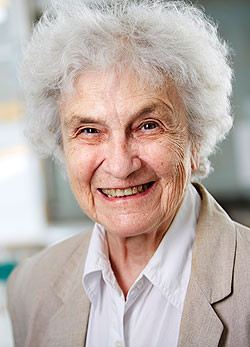 Eva Klein合作论文数Karolinska Institute1
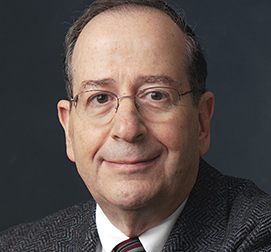 Ronald B. Herberman合作论文数University of Pittsburgh Cancer Institute1
 Farkas Vanky合作论文数Linköping Heart Center, University Hospital1Leslie Ann Mitchell合作论文数1Benny Leshem合作论文数1Eyal Epstein合作论文数1Noam Emanuel合作论文数1Aviva Joseph合作论文数1Elieser Gorelik合作论文数1Revital Ben-Aziz合作论文数1




