The perspectives of Alaska Native (AN) peoples are rarely represented in quality of life (QOL) research. AN representation and voice is imperative to mitigating health disparities and in health promotion for AN peoples. To address these gaps, a sample of 15 AN people (six male, nine female) was recruited to participate in stakeholder QOL research. Five focus groups participated in activities that led participants to identify 28 themes; qualitative data analyses led researchers to identify seven additional themes. All 35 themes were integrated and reduced to the following nine culturally-grounded QOL themes: family, subsistence, access to resources, health and happiness, traditional knowledge and values, acts of self, providing, sobriety, and healing. These themes reflect the values of the participants and are exemplars of a culturally relevant, community based participatory research approach. Future research and health service implications - such as future development of a measure of AN QOL to improve wellness in healthcare settings and beyond - are discussed.
Practitioners widely acknowledge the importance of including local and Indigenous knowledge in environmental research and decision-making. Nevertheless, it remains a challenge to achieve this integration in a meaningful way. The pilot study reported here was a necessary step toward developing improved methods for communicating local and Indigenous knowledge to decision-makers, with a focus on public sector practitioners as audience and visual content as medium. The proposed methodology extends previous research on climate change adaptation in the Alaskan Arctic, and it examines the effect of a reporting approach that introduces two components outside of general conventions in public sector information dissemination; (1) the application of context-rich images to help convey the social and cultural nuances of place-based information, and (2) multiple evidence base (MEB) reporting which engages information from both Western science and local/Indigenous knowledge systems. Context-rich images-defined here as detailed visuals that address the particularities of specific environments and cultures-are explored given their potential merits in expressing place-based concepts, such as social life and lived experience quickly and concisely when presented in tandem with text. With a focus on practical application, public sector conventions for reporting place-based information to decision-makers are investigated, including the benefits, and limitations associated with these conventions. Insights from both theory and practice informed the research methodology, and the design of a sample report and online questionnaire tested with upper-level public sector practitioners who have influence on environmental decision-making. Pilot study results indicated significant benefits of using context-rich images in addition to quotes about lived experience for reporting information about the local context and experience of Northern environmental changes. When presented alongside research from Western science, neither local observations in the form of quotes, nor context-rich images posed negative impacts on the perceived credibility of the report. The pilot study revealed the proposed methodology to be particularly beneficial for a target audience of practitioners who may lack expertise in the local context or field of research being reported. Additionally, several potential improvements to the content and design of research materials were identified for the benefit of future studies.
Historical trauma and rapid cultural change contribute to a high burden of stress in Alaska Native communities. The goal of the Yup'ik Experiences of Stress and Coping Project was to better understand stress and coping in Yup'ik communities and the role of cultural values and practices in coping. Sixty Yup'ik adults aged 18-84 years took part in semistructured interviews. They discussed how they coped with salient stressful experiences and shared the things that bought them hope and peace. Interview themes were identified and inter-relationships between themes were explored through social network analysis. Participants discussed the importance of cultural traditions in coping, including subsistence, dancing and drumming, intergenerational transmission of knowledge, and reflective awareness of interconnections with others. Participants found strength in family relationships, spirituality, helping others, and coming together as a community. Three coping clusters emerged: Ilaliurucaraq (be welcoming) involved opening one's frame of mind and building connections; Yuuyaraq (Yup'ik way of life) focused on Yup'ik traditions and values; and Assircaarturluni Yuuyaraq (try to live a better life) involved healing from historical trauma. Findings illustrate the resilience and evolving strengths of rural Yup'ik communities facing a continually changing cultural landscape and provide information for developing community-driven culturally based interventions.
ObjectiveThis study focused on understanding positive aspects of cancer among a large, national sample of survivors, 2, 5, and 10years' postcancer diagnosis, who responded to the American Cancer Society Study of Cancer Survivors - II (SCS-II) survey Please tell us about any positive aspects of having cancer. MethodsA sequential mixed methods approach examined (1) thematic categories of positive aspects from cancer survivors (n=5149) and (2) variation in themes by sociodemographics, cancer type, stage of disease, and length of survivorship. ResultsThemes comprised 21 positive aspects within Thornton's typology of benefits that cancer survivors attribute to their illness: life perspectives, self, and relationships. New themes pertaining to gratitude and medical support during diagnosis and treatment, health-related changes, follow-up/surveillance, and helping others emerged that are not otherwise included in widely used existing benefit finding cancer scales. Gratitude and appreciation for life were the most frequently endorsed themes. Sociodemographics and stage of disease were associated with positive aspect themes. Themes were not associated with survivor cohorts. ConclusionsNo differences in perceived positive aspects across survivor cohorts suggest that positive aspects of cancer may exist long after diagnosis for many survivors. However, variation across sociodemographics and clinical variables suggests cancer survivors differentially experience positive aspects from their cancer diagnosis. Implications for cancer survivorsThis analysis provides new information about cancer survivors' perceptions of positive aspects from their cancer and factors associated with benefit finding and personal growth. This information can be useful in further refining quality-of-life measures and interventions for cancer survivors.
This article presents the results of a process evaluation of the Alaska Native (AN) Colorectal Cancer (CRC) Family Outreach Program, which encourages CRC screening among AN first-degree relatives (i.e., parents, siblings, adult children; hereafter referred to as relatives) of CRC patients. Among AN people incidence and death rates from CRC are the highest of any ethnic/racial group in the United States. Relatives of CRC patients are at increased risk; however, CRC can be prevented and detected early through screening. The evaluation included key informant interviews (August to November 2012) with AN and non-AN stakeholders and program document review. Five key process evaluation components were identified: program formation, evolution, outreach responses, strengths, and barriers and challenges. Key themes included an incremental approach that led to a fully formed program and the need for dedicated, culturally competent patient navigation. Challenges included differing relatives' responses to screening outreach, health system data access and coordination, and the program impact of reliance on grant funding. This program evaluation indicated a need for more research into motivating patient screening behaviors, electronic medical records systems quality improvement projects, improved data-sharing protocols, and program sustainability planning to continue the dedicated efforts to promote screening in this increased risk population.
Alaska Native communities shoulder a disproportionately high burden of stress, stemming in part from historical trauma and rapid changes in culture and lifestyle. The Yup'ik Experiences of Stress and Coping Project originated from rural Yup'ik communities' concerns about stress and its effects. Understanding local conceptions of stress as grounded in the experiences and perceptions of the Yup'ik community participants is critical to inform culturally‐based interventions. Sixty adults in two Yup'ik communities in Southwest Alaska participated in semi‐structured interviews exploring their understanding and experience of stress and coping. Participants' understanding of stress included causes of stress, stressful experiences, responses to stress (emotions, physical responses, trouble in the mind), and broader family and community effects of stress. Many described current stressors as being quite different than those of the past. Findings highlight the intersection between traditional ways of thinking about stress and Western influences in remote Yup'ik communities undergoing cultural changes.
BACKGROUNDCancer survivors may continue to experience psychosocial and physical needs related to their cancer experience for many years after treatment. The specification of these needs across cancer types and by survivor characteristics may lead to better prevention approaches and clinical responses. Mixed methods were used to examine responses to an open‐ended question about current unmet needs from a survey of 2‐, 5‐, and 10‐year cancer survivors.METHODSQualitative techniques were used to code themes of unmet needs from open‐ended responses. These themes were then examined with quantitative techniques to describe the frequency of unmet needs across disease subgroups and demographic subgroups of survivors.RESULTSThere were 1514 responses to the open‐ended question on unmet needs. Respondents ranged in age from 24 to 97 years and included proportionately more women, and 18% were minorities (black and Hispanic). Sixteen themes of unmet needs were identified. The number and type of unmet needs were not associated with the time since cancer treatment. Breast cancer survivors identified more unmet needs than other survivors. Male survivors and especially prostate cancer survivors identified personal control problems as current needs. Older cancer survivors identified fewer unmet needs on average than younger survivors.CONCLUSIONSThis analysis of an open‐ended question on unmet needs extends our understanding of how cancer survivors perceive problems related to cancer. How cancer‐related needs change over time and differ by sex, race, and ethnicity and how problems with personal control become manifest are areas of inquiry requiring further research. Cancer 2015;121:623–630. © 2015 American Cancer Society.
In this article, the authors provide the first in-depth account of why some Alaska Native people drink untreated water when treated water is available. Their qualitative research was conducted in four Alaska Native village communities that have treated water available from a centralized distribution point. Most respondents (n = 172; 82%) reported that some of their household's drinking water came from an untreated source. Motives for drinking untreated water emerged from analysis of open-ended questions about drinking water practice and could be categorized into six themes: chemicals, taste, health, access, tradition, and cost. Importantly, some residents reported consuming untreated water because they both liked untreated water and disliked treated water. As such, interventions to increase safe water consumption should address this dichotomy by providing education about the benefits of treated water alongside the risks involved with drinking untreated water. Based on the findings, the authors provide specific recommendations for developing behavior change interventions that address influences at multiple social-ecological levels.
Background The native people of Alaska have experienced historical trauma and rapid changes in culture and lifestyle patterns. As a consequence, these populations shoulder a disproportionately high burden of psychological stress. The Yup'ik Experiences of Stress and Coping project originated from rural Yup'ik communities’ concerns about stress and its effects on health. It aimed to understand the stressful experiences that affect Yup'ik communities, to identify coping strategies used to deal with these stressors and to inform culturally responsive interventions. Objectives Here, we examine the process of moving from research (gaining understanding) to disseminating project findings to translation into intervention priorities. We highlight the importance of community participation and discuss challenges encountered, strategies to address these challenges and ethical considerations for responsible intervention research with indigenous communities that reflect their unique historical and current socio-cultural realities. Design Community-wide presentations and discussions of research findings on stress and coping were followed by smaller Community Planning Group meetings. During these meetings, community members contextualized project findings and discussed implications for interventions. This process placed priority on community expertise in interpreting findings and translating results and community priorities into grant applications focused on intervention development and evaluation. Results Challenges included translation between English and Yup'ik, funding limitations and uncertainties, and the long timelines involved in moving from formative research to intervention in the face of urgent and evolving community needs. The lack of congruence between institutional and community worldviews in the intervention research enterprise highlights the need for “principled cultural sensitivity”. Conclusions Cultural sensitivity requires sharing results that have practical value, communicating openly, planning for sustainability and incorporating indigenous knowledge and expertise through a community-guided process. Our research findings will inform continued work within our partnership as we co-develop culturally based strategies for multilevel community interventions to address stress.
Background. Alaska Native (AN) college students experience higher attrition rates than their non-Native peers. Understanding the factors that contribute to quality of life ("what makes life good'') for AN students will help inform supportive programs that are congruent with their culture and college life experiences.Objectives. Co-develop a conceptual model and a measure of quality of life (QOL) that reflects the experiences of AN college students.Methods. Six focus groups were conducted with 26 AN college students. Within a community - academic partnership, interactive data collection activities, co-analysis workgroup sessions and an interactive findings forum ensured a participant-driven research process.Findings. Students identified and operationally defined eight QOL domains (values, culture and traditions, spirituality, relationships, basic needs, health, learning and leisure). The metaphor of a tree visually illustrates how the domains values, culture and traditions and spirituality form the roots to the other domains that appear to branch out as students navigate the dual worldviews of Native and Western ways of living.Conclusions. The eight QOL domains and their items identified during focus groups were integrated into a visual model and an objective QOL measure. The hope is to provide a useful tool for developing and evaluating university-based programs and services aimed toward promoting a positive QOL and academic success for AN students.
INTRODUCTION:Native peoples living in Alaska have one of the highest rates of suicide in the world. This represents a significant health disparity for indigenous populations living in Alaska. This research was part of a larger study that explored qualitatively the perceptions of Alaska Native university students from rural communities regarding suicide. This analysis explored the resilience that arose from participants' experiences of traditional ways, including subsistence activities. Previous research has indicated the importance of traditional ways in preventing suicide and strengthening communities.METHOD:Semi-structured interviews were conducted with 25 university students who had migrated to Fairbanks, Alaska, from rural Alaskan communities. An interview protocol was developed in collaboration with cultural and community advisors. Interviews were audio-recorded and transcribed. Participants were asked specific questions concerning the strengthening of traditional practices towards the prevention of suicide. Transcripts were analysed using the techniques of grounded theory.FINDINGS:Participants identified several resilience factors against suicide, including traditional practices and subsistence activities, meaningful community involvement and an active lifestyle. Traditional practices and subsistence activities were perceived to create the context for important relationships, promote healthy living to prevent suicide, contrast with current challenges and transmit important cultural values. Participants considered the strengthening of these traditional ways as important in suicide prevention efforts. However, subsistence and traditional practices were viewed as a diminishing aspect of daily living in rural Alaska.CONCLUSIONS:Many college students from rural Alaska have been affected by suicide but are strong enough to cope with such tragic events. Subsistence living and traditional practices were perceived as important social and cultural processes with meaningful lifelong benefits for participants. Future research should continue to explore the ways in which traditional practices can contribute towards suicide prevention, as well as the far-reaching benefits of subsistence living.
 Inna D. Rivkin合作论文数9Orr Eliza合作论文数7
 Joseph E. Trimble合作论文数Center for Cross-Cultural Research, Western Washington University6
 Dinghy Kristine Sharma合作论文数5
 Sherrilene Classen合作论文数5
 DeCou Christopher R合作论文数Idaho State University5
 Monica C Skewes合作论文数University of Texas at El Paso5
 Eva Egensteiner合作论文数3Melissa Lanzone合作论文数3Tonie Quaintance合作论文数3
 Samuel Johnson合作论文数3Vijay Vasudevan合作论文数3
 Rhonda M. Johnson合作论文数3Ctibor Alaina合作论文数3
 Amy B Dailey合作论文数College of Public Health and Health Professions, University of Florida3
 Sandra J. Winter合作论文数Stanford Prevention Research Center3
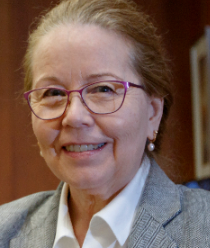 Elena M. Andresen合作论文数PSU School of Public Health, Oregon Health & Science University3
 Mary Ann Burg合作论文数School of Medicine, State University of New York at Stony Brook3Staci Graff合作论文数3
 Angel Vasquez合作论文数2Deborah Mekiana合作论文数2
 Jessica Mckay合作论文数2Troy Ritter合作论文数2Jennifer Dobson合作论文数2Korie Hickel合作论文数2William Kennedy合作论文数2
 Kevin D Stein合作论文数2Smith Jeff合作论文数2Khoury Amal J合作论文数2
 Gail Adorno合作论文数2
 Wallace Cara L合作论文数University of Texas at Arlington2
 James Allen合作论文数2
 Victoria Wochna Loerzel合作论文数2
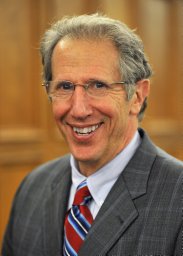 Richard Lichtenstein合作论文数Harvard University2Penni Johnson合作论文数2
 Kezia Awadzi合作论文数2
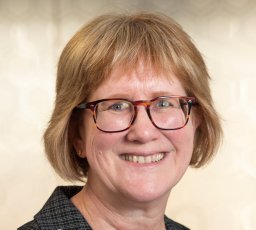 Jane Banaszak-Holl合作论文数University of Michigan;School of;Public Health;School of ;, University of Michigan2Cynthia W. Garvan合作论文数2
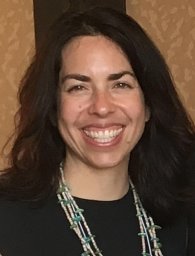 Andrea Bersamin合作论文数Stanford Prevention Research Center, Stanford University2Candace Fleming合作论文数1Atiba Nelson合作论文数1Jordan Skan合作论文数1Zaynab Major合作论文数1
 Valerie M Hewell合作论文数1Nancy M Baum合作论文数1Maria C Crouch合作论文数1Tracie Curry合作论文数1Robin Lewy合作论文数1




