This paper addresses the solid-state and in suspension characterization of the stable monoclinic form I and the metastable orthorhombic form II of paracetamol via differential scanning calorimetry (DSC), X-Ray diffraction (XRD) and Fourier transform near infrared spectroscopy (FT-NIR) methods. For generating the metastable form II, DSC technique was used and both polymorphs were characterized via XRD. It was demonstrated that form II crystals were stable until 29 days minimum of storage and no solid-state transformation occurred (form I trace less than 5%). Additionally, the detection of this form in suspension was investigated via DSC, XRD and FT-NIR. The DSC was not a suitable method since it is highly sensitive to temperature and solution evaporation whereas XRD showed its capacity in detecting both forms in suspension but also in monitoring the solvent-mediated transformation for highly concentrated suspensions. On the other hand, ex situ FT-NIR method combined with partial least square discriminant analysis (PLS-DA) outperformed both methods. Indeed, it offered an outstanding distinction between paracetamol form I, form II and the mixture of the two forms, and an accurate monitoring of the solvent-mediated transformation. This approach showed good statistical performances with a low root mean square error of calibration (RMSEC), root mean square error of cross validation (RMSECV) and root mean square error of prediction (RMSEP) values (RMSEC=20%; RMSECV=25%; RMSEP=21%), low classification errors (less than 3.2%) and high specificity and sensitivity (higher than 93%).
Crystallization is an important unit operation in process industries, driven by supersaturation, i.e. the solute concentration difference between solution and equilibrium. Hence, to finely control the product qualities, controlling mass and/or heat transfer is crucial. Membrane pervaporation, based on a selective evaporation technique, appears as a process able to limit phase transition and control polymorphism. In this work, a semi-continuous system is developed for the crystallization of l-glutamic acid, which has two polymorphic forms. Hydrophilic HybSi® membranes are chosen. The influence of different operating parameters on process performance in terms of solvent separation, solute crystallization and control of polymorphism is investigated. Results validate the proof of concept and highlight the preferential crystallization of a polymorphic form over the other. Hence, the α-form is usually favoured except when the β-form is seeded, or at high temperature. Temperature appears as the parameter influencing mostly the membrane selectivity and the polymorph generated. However, concentration polarization and fouling, due to the deposit of l-glutamic acid crystals on the membrane surface, are reported and decrease the process performance. Both phenomena are caused by a high local supersaturation close to the membrane surface in addition to a local cooling due to the water evaporation during pervaporation.
In this work the solubility of the metastable alpha-form and the stable beta-form of L-Glutamic acid in pure water and in different water/ethanol mixtures at high concentrations of ethanol is measured by analytical gravimetric method. The experiments are carried out over a temperature ranging from 283 to 343 K. The experimental results show that the solubility of the stable beta-form is lower than the metastable alpha-form regardless of the solvent studied (water or water/ethanol mixtures). The results also highlight that the solubility of both polymorphs decreases with the increase of the antisolvent concentration and increases with the temperature rising. Based on the data obtained, the enthalpy and the entropy of dissolution are estimated thanks to the empirical Van't Hoff correlation. The solubility data of both polymorphs is then correlated by Combined Nearly Ideal Binary Solution (CNIBS/Redlich-Kister) equation and the parameters are determined for the temperature studied.
In this paper a new observer is introduced to estimate the Crystal Size Distribution (CSD) only from the measurements of the solute concentration, temperature and a model of the growth rate. No model of the nucleation rate is needed. This approach is based on the use of a Kazantzis-Kravaris/Luenberger observer which exponentially estimates functionals of the CSD. Then, the full state is estimated by means of a Tikhonov regularization procedure. Numerical simulations are provided. Our approach relies on an infinite-dimensional observer, contrarily to the usual moment based observers.
Membranes have been increasingly considered as a promising technology to conventional crystallization processes. One of the most significant benefits would be to control the supersaturation by fine-tuning the mass transfer throughout the membrane. Several investigations on this topic have already been proposed using porous materials. However, numerous authors dealt with scaling phenomena with either pore blocking or surface fouling. To reduce this issue, the use of dense skin membranes seems to be an interesting alternative while keeping other membrane advantages. The present study aims at analyzing the potential of nonporous materials in membrane contactors used for crystallization purposes. More specifically, two major scientific challenges are investigated closely: how to avoid membrane fouling by choosing appropriate membrane materials and to predict, potentially, the crystallization location in/on a dense polymeric material. The global aim of this study is to better understand the fouling mechanisms in dense membranes. Several commercially available materials are screened and experiments are conducted under a strict diffusion regime in a gas-liquid system with a stagnant liquid phase at 20 degrees C. Impact of no-hydrodynamics parameters on the crystallization location is studied, namely, changes in gas flowrate, membrane thickness, polymer type, physical state, and initial moisture. It is shown that the first major key parameter to be considered to prevent fouling is the surface energy of the material. The results obtained highlight that hydrophilic membranes such as cellulose acetate are much more difficult to clean than hydrophobic membranes, such as fluorinated ethylene propylene (FEP). This material property will impact the adherence of a solid compound on the membrane. The permeability of all chemical reactants and their interaction with the membrane materials are the second key parameter to investigate carefully. The results obtained show that no crystals are present on the surface of hydrophobic and highly permeable polymers, such as polydimethylsiloxane (PDMS) or Teflon AF 2400; meanwhile, large amounts of crystals are recovered in the solution. On the contrary, crystals are dropped off the membrane surface of hydrophobic but less permeable polymers like FEP, although the amount of crystals recovered in the solution compartment is at least 10 times lower by using FEP than PDMS or Teflon AF 2400. These two parameters have a crucial incidence on the solid deposit location in/on the membrane. In the context of this study, membrane fouling is expected to be avoided by using appropriate hydrophobic and highly permeable dense membranes such as Teflon AF 2400 and PDMS.
This work presents an experimental and a numerical study to highlight a kinetic explanation to of the Ostwald rule of stages (ORS). To demonstrate this explanation, L-glutamic acid (LGlu) (a monotropic system with two polymorphs) were crystallized in three different scales: Liter scale in a 2L stirred crystallizer, milliliter scale in a 4ml stagnant cell and microliter scale in microfluidic channels. Cooling crystallization experiments were performed in water at different temperature and supersaturation conditions. The LGlu polymorphic system was found to follow the ORS at low temperature (between 5°C and 30°C). However, in similar operating conditions, the stable polymorph crystallized preferentially or exclusively in the stagnant cell and in microfluidics. To explain the ORS in the stirred crystallizer at low temperature, a model based on the kinetic equation was used. By taking into account the Gibbs Thomson effect (Solubility variation with size), the simulations in the nanoscopic scale showed the dissolution of the slow-growing stable phase nuclei in favor of the fast-growing metastable phase nuclei. Consequently, the numerical results showed that the Gibbs Thomson effect is a key factor in polymorph competition and that considering this effect, in certain kinetic and equilibrium conditions, could allow explaining and simulating the ORS.
Static mixers provide enhanced mixing via a motionless element inside a rigid pipe, and are widely used for continuous mixing and blending in industry. This study focuses on the emulsification of a silicon oil-in-water system stabilized by a surfactant through SMX+(R) static mixers involving no mass transfer between the two phases. The experiments covered a large domain of dispersed fraction from dilute conditions (5 %vol.) up to concentrated ones (60 %vol.) close to phase inversion and three different viscosities from 20 to 350 mPa s with transitional or turbulent flow regimes. The number of static mixers was studied until a constant drop size distribution monitored at line with a video probe was obtained. With the considered flow rates, only the five first SMX+ elements were necessary to achieve a complete drop breakup and coalescence equilibrium, the following ones only causing a supplementary pressure drop. The influence of the number of SMX+ and energy dissipation rate was found to be of first order compared to the volume fraction or viscosity of the dispersed phase. According to the large amount of data, it was possible to establish a new form of a Middleman correlation dedicated to this type of mixer of new generation. The formula takes into account the number of static mixers besides other hydrodynamic and physicochemical parameters. (C) 2017 Elsevier Ltd. All rights reserved.
The absorption of a gaseous solute in a liquid is a classical unit operation with a large number of applications in numerous industrial sectors. A direct contact between the gas and liquid phase in order to promote mass transfer is classically applied for industrial equipment (trays, packings, stirred tanks, Venturi scrubbers, etc.). The concept of membrane contactor for gas–liquid absorption (or stripping, i.e., gaseous-solute removal from a liquid), which makes use of a gas-permeable membrane interposed between the gas and liquid phase, has been recently proposed and shows several advantages: possibility to independently control the gas and liquid flow rates, no sensitivity to orientation, no foaming or entrainment problems, and larger compactness. The latter characteristic, also named intensification, is of major interest. It is potentially achievable due to the very large specific gas–liquid interfacial area provided by membrane modules, but it also requires the membrane mass-transfer resistance to be as low as possible. The different types of membrane materials (microporous hydrophobic and dense-skin composite) are detailed, and the associated properties and mechanisms, which govern mass-transfer properties, are presented. Wetting, fouling, and degradation issues are more specifically discussed, with the associated impact on membrane mass-transfer performances. The different levels of modeling that can be proposed for the simulation of a membrane-contactor module are shown, with a gradual complexity approach. The key role of the membrane mass-transfer coefficient is highlighted. The different applications of membrane contactors are finally presented: blood oxygenators, oxygen removal (food, microelectronics, and pharma), carbonated beverages, aromas or volatile compounds recovery, effluent treatment, bioreactors, etc. Postcombustion carbon capture and natural-gas treatment could generate important new markets for which process intensification is of key interest. The challenges and perspectives of membrane contactors, with a particular emphasis on process intensification framework, are finally discussed.
In this study, we investigated a hybrid oxidation/microfiltration (MF) process for the continuous treatment of water containing iron. Synthetic iron waters were continuously added to an aerated tank and filtered using a Kerasep ceramic membrane (Novasep, France) coupled to the aerated reactor. The iron removal and the filtration flux were measured for several parameters: pH and iron concentration of the feed solution and transmembrane pressure (TMP). The results obtained showed a very high iron removal whatever the conditions used, as well as a constant filtration flux versus time. It is suggested that the mechanisms of iron removal are related to steric rejection of the ferric hydroxide particles formed. The constant filtration flux suggested low membrane fouling which may be due to the large size of the ferric hydroxide particles. Dead-end filtration was also performed with acetate cellulose and polycarbonate membranes showing a strong effect of the membrane material. Finally, a groundwater from Gremda location (Sfax, Tunisia) was treated successfully since a quasi-constant permeate flux around 900 L/h.m(2) was obtained and a total iron removal was achieved.
This work highlights the effect of the stirring, the temperature and the supersaturation on the cooling crystallization of l-Glutamic acid (LGlu) polymorphs. First, solubility measurements of the metastable polymorph α and the stable polymorph β were performed. Then, crystallization experiments were carried out in stirred vessel and in stagnant cell. All these experiments were monitored by in situ devices. The effect of the temperature on the LGlu polymorphs was found to be more relevant than the supersaturation in the stirred crystallizer. In the stagnant cell, only the stable form β crystallized regardless of the operating conditions. Moreover, an unexpected and new habit of the β form was discovered and confirmed. These results suggest that the temperature and the stirring can strongly affect the nucleation and the growth kinetics of polymorphic forms.
This work aims to evaluate the effect of Ostwald ripening on the crystallization of polymorphic phases by means of the kinetic equation model, which was adapted to describe the competition between the nucleation, the growth, and the Ostwald ripening of the different phases. The kinetic equation model is a very convenient way to simultaneously implement these three mechanisms and quantify their respective roles on the formation and the dissolution of the clusters. The polymorphic system studied is l-glutamic acid (LGlu), which exhibits two monotropic polymorphs: α LGlu and β LGlu. The model assumptions consider the main differences between both polymorphs (shape, solubility, interfacial energy, and growth rate) as well as the supersaturation decrease. The simulation results at various temperatures show that the crystallization process of small nuclei (<40 nm) can be greatly affected by the Ostwald ripening mechanism. In particular, Ostwald ripening can induce the total dissolution of the stable phase clust...
Post-combustion carbon capture (PCC), which can be retrofitted to existing units in power plants worldwide, is regarded as the first technologically feasible and effective way to combat human-induced climate change. The membrane contactor is an emerging and promising membrane technology for PCC as it integrates the benefits of both liquid absorption (high selectivity) and membrane separation (modularity and compactness). This review aims to provide a state-of-the-art assessment of the research work carried out so far on membrane contactor technology in PCC. It details common aspects of membrane contactors, such as technological advantages, membrane wetting, mass transfer and module design, as well as new advances (e.g., new membranes and absorbents used in absorption processes) and novel applications (e.g., direct CO2 stripping and integrated heat recovery in desorption processes). Moreover, the difference in performance between membrane absorption and conventional absorption is also compared and discussed. Lastly, we discuss the status and progress of membrane contactors in PCC and offer some recommendations for future work. This paper provides a clear overview on the recent developments of membrane contactor technology in PCC.
Gas purification technologies are a key step in the technological chain using energy sources such as natural gas, coal gas or biogas, and represent a significant part of production costs. Numerous separation technologies exist to achieve required purity specifications depending on the particular application (absorption, adsorption, cryogenic, membranes). The objective of this work is to present an evaluation of the potentialities of using a membrane contactor based on a dense skin Poly (Phenylene Oxide) (PPO) hollow fiber module for CO2 absorption from biogas by pressurized water through simulations and experiments. In this system, the liquid flowing on the shell-side is in direct contact with the dense skin, thus enabling pressurization and avoiding membrane wetting in order to maintain stable absorption performances.The overall mass transfer coefficient Kov, CO2 removal efficiency, and CH4 loss are evaluated for a range of liquid and gas flow rates. A one-dimensional (1D) model based on resistance in series provides very good predictions of the experimental results when the Graetz approach is used for shell-side mass transfer calculations.Membrane mass transfer resistance is shown to be negligible compared to the liquid resistance. Consequently, the overall mass transfer performances of the dense skin contactor are close to typical values of packed columns (10−5–10−4m/s). Thanks to the increased gas-liquid interfacial area offered by the membrane contactor, a significant volume reduction of the absorption unit (up to 15 process intensification factor) is potentially achievable. Moreover, a selective dense skin could minimize methane losses.
Crystallization is one of the major unit operations of chemical process industries and plays a key role for particulate solids production in the pharmaceutical, chemical, electronic, minerals sectors. Most of the current crystallization processes are performed under batch or continuous mode based on a stirred tank process; the need for breakthrough technologies has been highlighted by numerous authors and reports. Membranes are one of the potentially attracting strategies in order to achieve this target. Nevertheless, a relatively limited number of publications have been reported on membranes and crystallization processes, compared to other unit operations. This study intends to provide a state-of-the-art review of the different approaches combining membranes and crystallization processes. Hybrid and integrated systems are discussed and the different role and function potentially provided by dedicated membrane materials are analyzed. Based on the results and analyses gained through the different approaches that have been tested, unexplored issues and open questions have been listed. The research efforts which are required in order to make membranes processes for crystallization/precipitation an industrial reality are finally discussed.
 Eric Favre合作论文数Université de Lorraine17
 Denis Mangin合作论文数ESCPE-Lyon14
 Denis Roizard合作论文数Groupe ENSIC-LSGC (UPR 6811), 1 Grandville, BP 451, 54001 Nancy, France11
 Emilie Gagniere合作论文数Université Lyon 1, Université de Lyon11
 Catherine Charcosset合作论文数Laboratoire d'automatique et de genie des procedes, Universite Claude Bernard Lyon 18
 Yousra Tahri合作论文数6
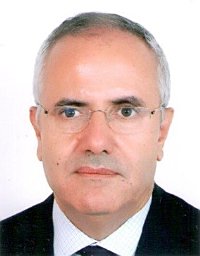 Tijani Bounahmidi合作论文数Laboratoire d'analyse et de synthèse des procédés industriels (LASPI),, École Mohammadia d’ingénieurs6
 Christophe Castel合作论文数5
 Carla Kalakech合作论文数CNRS, Univ Montpellier3
 Mathias Monnot合作论文数3
 J.C. Remigy合作论文数3
 Chakib Bouallou合作论文数Centre Energétique et Procédés3
 Zdenek Kozisek合作论文数Institute of Physics, Czechosl. Acad. Sci. Na Slovance3
 Maya Khellaf合作论文数2Lucas Brivadis合作论文数Lab Signaux & Syst, Univ Paris Saclay2
 Noureddine Lebaz合作论文数2
 Bouchra Belaissaoui合作论文数2
 Ulysse Serres合作论文数INRIA Lorraine2
 Elsa Lasseuguette合作论文数CNRS/UJF/ICMG Centre de Recherche sur les Macromolécules Végétales BP 53 38041 Grenoble Cedex 9 France2
 Olivier Lorain合作论文数2
 Vincent Andrieu合作论文数vincent.andrieu2
 S. Rode合作论文数1Maïté Michaud合作论文数1D. Ferre合作论文数1Valery Khotimskiy合作论文数1e kimball合作论文数1Moussa Boukerche合作论文数1
 David Albarracin Zaidiza合作论文数IFPEN1
 Ana Lorenzo Hernando合作论文数Inst Sustainable Pricesses ISP, Univ Valladolid1
 Jingwei Hou合作论文数School of Chemical Engineering, Faculty of Engineering, Architecture and Information Technology, The University of Queensland1
 Hong Qi (漆虹)合作论文数College of Chemical Engineering, Nanjing Tech University1
 Liyuan Deng合作论文数Department of Chemical Engineering, Faculty of Natural Sciences, Norwegian University of Science and Technology1
 Paul H.M. Feron合作论文数CSIRO Energy1
 Shuaifei Zhao合作论文数Department of Environmental Sciences, Macquarie University1
 Geraldine Agusti合作论文数1
 Vicki Chen合作论文数Faculty of Engineering, Architecture and Information Technology, University of Queensland1
 Ana M. Gómez合作论文数).1P.T. Nguyen合作论文数1
 Raja Ben Amar合作论文数Laboratoire Sciences de Matériaux et Environnement, Faculté des sciences de Sfax, Route de Soukra Km4, 3038 Sfax, Tunisie1J.P. Valour合作论文数1
 Nida Sheibat-Othman合作论文数CNRS, Univ Lyon 11Y. Medina合作论文数1Guillaume Germain合作论文数1
 Stéphane Veesler合作论文数-CNRS1Sabine Rode合作论文数Groupe ENSIC-Nancy Laboratoire des Sciences du Génie Chimique, CNRS-INPL1Jeanchristophe Rouch合作论文数1
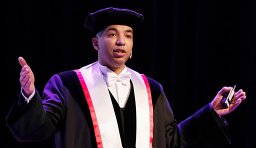 Earl Goetheer合作论文数Separation Technology, TNO Science and Industry1
 Yaocihuatl Medina合作论文数1
 Roda Bounaceur合作论文数1




