Robotic specimen processing is transforming biodiversity research by replacing manual handling with scalable systems that produce high-quality specimen images. We demonstrate that these images can be used to efficiently extract key biological information and guide targeted specimen processing by applying deep learning methods. Using a model dark taxon, Phoridae (Diptera), we show that deep learning can perform three core tasks: sex identification, determining specimen orientation and anatomical segmentation. Sex identification allows selective retention of diagnostically informative specimens, avoiding wasted effort on non-diagnostic individuals. Orientation classification enables photos of specimens with the desired orientation to be processed immediately, while suboptimally oriented specimens can be repositioned. Anatomical segmentation enables targeted processing of specimen photos that show diagnostic features. Comparative analysis of model architectures shows task-specific selection is crucial: a Convolutional Neural Network (CNN) achieved an accuracy of 0.94 for orientation, a Vision Transformer achieved 0.88 for sex and a U-Net precisely segmented nine anatomical regions with a mean IoU of 0.78. These results demonstrate that robotic imaging combined with deep learning helps in developing a high-throughput taxonomy for dark taxa, improving efficiency and utility.
Abstract DNA metabarcoding—high‐throughput sequencing of barcode regions from bulk samples—has become a key tool for insect biodiversity assessment. Yet, how methodological choices affect the accuracy of metabarcoding data remains insufficiently explored. In this paper, we ask: (1) How does the lysis method (non‐destructive lysis vs. destructive homogenization) affect community recovery? (2) How comprehensively does metabarcoding capture species richness? (3) To what extent can spike‐ins improve abundance estimates? (4) How accurately can species abundances be estimated? We evaluated the accuracy of insect metabarcoding using 4749 bulk samples from a large‐scale biodiversity survey subjected to mild lysis. Of these samples, 856 were also homogenized, allowing a systematic comparison of the effect of alternative treatments. To potentially improve abundance estimates, we added six biological spike‐ins (i.e. foreign insects) to all samples, and two synthetic spike‐ins (artificial DNA fragments) to the homogenization treatment. In addition, we established the contents of 15 samples by individually barcoding all specimens, enabling direct assessment of occurrence and abundance estimates. Our results revealed consistent differences between destructive and non‐destructive treatments. While both methods reliably detected the majority of species, small and soft‐bodied taxa were more often recovered after mild lysis than after homogenization, while the reverse was true for heavily sclerotized, hairy and large taxa. Using biological spike‐ins for calibration reduced the variance in read numbers per specimen considerably, especially in homogenized samples, while synthetic spike‐ins were less effective. In a Bayesian analysis, where species data were matched to the best‐fitting spike‐in calibration curve, accurate abundance estimates (±1 individual) were obtained for 72.9% of species occurrences. Our results show that it is possible to obtain reasonably accurate abundance estimates from metabarcoding data and that mild lysis and homogenization result in different taxon‐specific biases in terms of occurrence data, with neither method outperforming the other. Abundance accuracy is improved by homogenization rather than mild lysis of samples, and by the use of biological rather than synthetic spike‐ins. Together, these findings provide a major step towards robust, quantitative biodiversity monitoring using DNA‐metabarcoding.
Species descriptions remain the foundation of biodiversity science, but alpha taxonomy faces a twofold challenge: accelerating the pace of species discovery while ensuring that descriptions produce data that are usable, comparable, and reproducible. This is particularly acute for “dark taxa”—small, hyperdiverse, and morphologically challenging groups—for which morphology-based workflows alone often fail to deliver scalable and reliable identifications. As a result, most species remain undescribed, and many described species are difficult or impossible to identify. We argue that species descriptions must be integrative in a way that meets the practical requirements of modern taxonomy, including scalability, reliable identification, reproducibility, and applicability across life stages. At present, standardized molecular data in the form of DNA barcoding is the only approach that consistently satisfies these criteria. Emerging approaches based on robotics, imaging and artificial intelligence may eventually provide complementary frameworks, but currently lack the standardization and interoperability required for routine application at scale. In contrast, barcode data already enable high-throughput species delimitation, straightforward identification, and direct comparability across studies, supported by global reference libraries and standardized protocols. We therefore propose that DNA barcodes be treated as a baseline component of species descriptions for invertebrates. Standardizing molecular data in taxonomy will accelerate species discovery, improve reproducibility and stability, and ensure that newly described taxa remain accessible in an increasingly DNA-based research landscape.
Abstract European natural history collections (NHCs) preserve countless specimens across multicellular taxa, representing critical references of biodiversity knowledge for research and conservation. Yet comprehensive surveys of NHCs and their research contributions are lacking for exceptionally species-rich and ecologically diverse taxa, leaving unclear to which extent NHCs provide a realistic representation of biodiversity. We surveyed 16 major European NHCs to examine their role in documenting true flies (Diptera), a large insect order of economic, public health, and ecosystem importance. We estimate that European NHCs house between 26 million and 35 million dipteran specimens, ∼85% preserved in ethanol, with 20,000 to 1 million identified to species level per institution. Dark taxa account for more than 10% of holdings in several families but remain incompletely represented, because taxonomic impediments and funding constraints prevent NHCs from addressing this gap. We propose critical priorities to enable European NHCs to operate at full capacity to advance our knowledge on Diptera.
We present a comprehensive list of additions to Disney’s 1989 key ʻScuttle Flies. Diptera: Phoridae. Genus Megaseliaʼ, which has become the de facto fundamental reference for the identification of European species of Megaselia. The present update extends Disney’s key to cover all Palearctic species, with 393 additions and an indication of where they fit in the key. The couplets in Disney (1989) where these species key are indicated. We also report the discovery of two specimens of M. romphaea (Schmitz, 1947) and provide an updated description of this species, as the original account is outdated and difficult to consult. In addition, we describe four new species of Megaselia from Germany – M. bruna Caruso, Bøggild & Grundmann sp. nov., M. curta Caruso, Bøggild & Grundmann sp. nov., M. robertoi Caruso sp. nov., and M. splendida Caruso, Bøggild &; Grundmann sp. nov. – using the streamlined method of description developed specifically for the genus.
Symbiotic microorganisms can profoundly impact insect biology, including their life history traits, population dynamics, and evolutionary trajectories. However, microbiota remain poorly understood in natural insect communities, especially in ‘dark taxa’—hyperdiverse yet understudied clades. Here, we implemented a novel multi-target amplicon sequencing approach to study microbiota in complex, species-rich communities. It combines four methodological innovations: (1) To establish a host taxonomic framework, we sequenced amplicons of the host marker gene (COI) and reconstructed barcodes alongside microbiota characterisation using 16S-V4 rRNA bacterial gene amplicons. (2) To assess microbiota abundance, we incorporated spike-in-based quantification. (3) To improve the phylogenetic resolution for the dominant endosymbiont, Wolbachia, we analysed bycatch data from the COI amplicon sequencing. (4) To investigate the primary drivers of host-microbe associations in massive multi-dimensional datasets, we performed Hierarchical Modelling of Species Communities (HMSC). Applying this approach to 1842 wild-caught scuttle flies (Diptera: Phoridae) from northern Sweden, we organised them into 480 genotypes and 186 species and gained unprecedented insights into their microbiota. We found orders-of-magnitude differences in bacterial abundance and massive within-population variation in microbiota composition. Patterns and drivers differed among microbial functional categories: the distribution and abundance of facultative endosymbionts (Wolbachia, Rickettsia, Spiroplasma) were shaped by host species, genotype, and sex. In contrast, many other bacterial taxa were broadly distributed across species and sites. This study highlights facultative endosymbionts as key players in insect microbiota and reveals striking variations in distributional patterns of microbial clades. It also demonstrates the power of integrative sequencing approaches in uncovering the ecological complexity and significance of symbiotic microorganisms in multi-species natural communities.
1. Species extinctions increase at a global scale; therefore, rapid inventorying of our planet's biodiversity is becoming more and more important. As insects represent the highest portion of the fauna and play key ecological roles, it is a pressing need to investigate their biodiversity and accelerate species discovery, especially for understudied insect groups, also known as "dark taxa." Phoridae (Diptera) are a great example of a "dark taxon," in particular the genus Megaselia Rondani. 2. The use of integrative methodologies is the best approach to face up to the task of describing hyperdiverse and dark taxa, as morphology alone can be imprecise and slow, and molecular methods alone are often insufficient and lead to errors. 3. Here, we used the Large-Scale Integrative Taxonomy (LIT) approach to sort 9000 Megaselia into 277 putative species based on DNA barcodes. Each cluster passed through an evaluation of the predictors for incongruence indices between clusters and morphology (maximum p-distance, stability index), and a subset of specimens were morphologically examined. 4. We provided species estimates with Chao1, and our results suggest a 15% increase in species richness on our dataset. As this estimate was mostly based on samples from southern Germany, the species count will likely increase with expanded geographic sampling. This is a step forward in the study of this taxon, despite the fact that the German insect fauna is one of the best known in Europe and boasts more than one hundred years of study on phorids.
Zoology’s dark matter comprises hyperdiverse, poorly known taxa that are numerically dominant but largely unstudied, even in temperate regions where charismatic taxa are well understood. Dark taxa are everywhere, but high diversity, abundance, and small size have historically stymied their study. We demonstrate how entomological dark matter can be elucidated using high-throughput DNA barcoding (“megabarcoding”). We reveal the high abundance and diversity of scuttle flies (Diptera: Phoridae) in Sweden using 31,800 specimens from 37 sites across four seasonal periods. We investigate the number of scuttle fly species in Sweden and the environmental factors driving community changes across time and space. Swedish scuttle fly diversity is much higher than previously known, with 549 putative specie) detected, compared to 374 previously recorded species. Hierarchical Modelling of Species Communities reveals that scuttle fly communities are highly structured by latitude and strongly driven by climatic factors. Large dissimilarities between sites and seasons are driven by turnover rather than nestedness. Climate change is predicted to significantly affect the 47
Understanding and combatting biodiversity loss are critical tasks facing our planet. They are made especially difficult because much of the earth’s biodiversity is concentrated in abundant and species-rich groups of invertebrates like insects. Traditionally, samples of insects have been analyzed manually by experts using morphology. Not only does this necessitate taxonomic expertise, but it is also error-prone, time-consuming, and often involves commercial microscopes that are too expensive for many countries in the Global South where most species are found. The alternative to expert sorting with morphology is the use of DNA barcoding. However, this respecies-richquires a well-equipped laboratory and an entirely different skill set. We present an alternative solution: a low-cost, open-source photomicroscope for taking high-resolution, focus-stacked images that can be used for insect classification: the Entomoscope. We describe two different versions of the Entomoscope, a standalone version that can be operated without additional hardware and an even simpler Version, that requires a computer. We show that the optics are of sufficiently high quality to classify specimens with >95% accuracy into 15 different types of insects (mostly ’families’ according to the Linnean classification). The classifier can be successively extended or individually trained for specific classification tasks. Here, we provide building instructions, 3D files, and a list of commercially available parts so that everyone can build their own Entomoscope. Open-source DIY hardware like the Entomoscope facilitates affordable, cutting-edge biodiversity research by entomologists around the globe.
The use of DNA barcoding is well established for specimen identification and large-scale biodiversity discovery, but remains underutilized for time-sensitive applications such as rapid species discovery in field stations, identifying pests, citizen science projects, and authenticating food. The main reason is that existing express barcoding workflows are either too expensive or can only be used in very well-equipped laboratories by highly-trained staff. We here show an alternative workflow combining rapid DNA extraction with HotSHOT, amplicon production with NextGenPCR thermocyclers, and sequencing with low-cost MinION sequencers. We demonstrate the power of the approach by generating 250 barcodes for 285 specimens within 6 h including specimen identification through BLAST. The workflow required only the following major equipment that easily fits onto a lab bench: Thermocycler, NextGenPCR, microplate sealer, Qubit, and MinION. Based on our results, we argue that simplified barcoding workflows for species-level sorting are now faster, more accurate, and sufficiently cost-effective to replace traditional morpho-species sorting in many projects.
Holistic insect monitoring needs scalable techniques to overcome taxon biases, determine species abundances, and gather functional traits for all species. This requires that we address taxonomic impediments and the paucity of data on abundance, biomass and functional traits. We here outline how these data deficiencies could be addressed at scale. The workflow starts with large-scale barcoding (megabarcoding) of all specimens from mass samples obtained at biomonitoring sites. The barcodes are then used to group the specimens into molecular operational taxonomic units that are subsequently tested/validated as species with a second data source (e.g. morphology). New species are described using barcodes, images and short diagnoses, and abundance data are collected for both new and described species. The specimen images used for species discovery then become the raw material for training artificial intelligence identification algorithms and collecting trait data such as body size, biomass and feeding modes. Additional trait data can be obtained from vouchers by using genomic tools developed by molecular ecologists. Applying this pipeline to a few samples per site will lead to greatly improved insect monitoring regardless of whether the species composition of a sample is determined with images, metabarcoding or megabarcoding. This article is part of the theme issue 'Towards a toolkit for global insect biodiversity monitoring'.
Our world is becoming increasingly urbanized with a growing human population concentrated around cities. The expansion of urban areas has important consequences for biodiversity, yet the abiotic drivers of biodiversity in urban ecosystems have not been well characterized for the most diverse group of animals on the planet, arthropods. Given their great diversity, comparatively small home ranges, and ability to disperse, arthropods make an excellent model for studying which factors can most accurately predict urban biodiversity. We assessed the effects of (i) topography (distance to natural areas and to ocean) (ii) abiotic factors (mean annual temperature and diurnal range), and (iii) anthropogenic drivers (land value and amount of impervious surface) on the occurrence of six arthropod groups represented in Malaise trap collections run by the BioSCAN project across the Greater Los Angeles Area. We found striking heterogeneity in responses to all factors both within and between taxonomic groups. Diurnal temperature range had a consistently negative effect on occupancy but this effect was only significant in Phoridae. Anthropogenic drivers had mixed though mostly insignificant effects, as some groups and species were most diverse in highly urbanized areas, while other groups showed suppressed diversity. Only Phoridae was significantly affected by land value, where most species were more likely to occur in areas with lower land value. Los Angeles can support high regional arthropod diversity, but spatial community composition is highly dependent on the taxonomic group.
We present the most comprehensive molecular phylogeny of scuttle flies (Diptera: Phoridae) to date based on seven genetic loci-four protein-coding genes: arginine kinase (AK), carbamoylphosphate synthase 2 domain of CAD (rudimentary; CAD2), cytochrome oxidase I (CO1), NADH1 dehydrogenase (ND1) and three ribosomal DNAs: 12S, 18S and 28S. Our analyses include 122 species including nine outgroup taxa and 113 phorids (representing 61 genera). Phylogenetic relationships based on the approximately 5.3 kb of sequence data were inferred by maximum likelihood and Bayesian methods. Results are broadly congruent with recent morphological phylogenies of the group, with some significant exceptions. Our data support the monophyletic Sciadocerinae as sister to the remainder of the family. However, we found Ctenopleuriphora Liu to be sister to Phorinae with low support, and subfamilies Chonocephalinae and Termitoxeniinae are placed deep within Phorinae, and their monophyly is not consistently recovered. Our dating analyses indicate a lower Cretaceous origin of Phoridae at 120.8 Ma (125.4-111.2 Ma). Established the most extensive molecular phylogeny of scuttle flies to date, integrating seven genetic loci. Revealed unexpected sister relationships within the family, challenging prior morphological assumptions. Dating analyses suggest a Lower Cretaceous origin for Phoridae, providing insights into their evolutionary timeline. image
Symbiotic microorganisms have diverse effects on insect life history traits and fitness and can be transmitted within populations and across species. At the level of populations and communities, symbionts can shape insect responses and adaptation to environmental challenges. Despite their importance, our understanding of microbiota in natural insect communities remains limited, particularly for dark taxa - hyperdiverse, abundant, broadly distributed, yet severely understudied groups. Here, we asked about the abundance, diversity, and distribution of microbiota in natural communities of insects in one such dark taxon, scuttle flies (Diptera: Phoridae), with particular emphasis on their dominant facultative endosymbiont, Wolbachia . We did this using high-throughput host and bacterial marker gene amplicons sequencing, including microbiota quantification, for a set of 1,842 humped-back flies representing ca. 186 species from six sites in Northern Sweden. The resulting dataset, likely the largest microbiota survey for a non-model insect clade to date, provided novel and biologically realistic insights into host-microbe symbioses. We observed significant differences in bacterial abundance among individual insects, with variations up to four orders of magnitude even among flies of the same sex, species, and population. Females consistently harboured more bacteria than males, at least partly due to the consistently higher prevalence and abundance of facultative endosymbionts, especially Wolbachia and Rickettsia . Within this group, we noted consistent patterns in the prevalence of symbiont genera between host species. Other less abundant bacteria included Serratia , Providencia , Carnobacterium , Pseudomonas , Erwinia , Amycolatopsis and Spiroplasma . Our study highlights the critical role of high-throughput sequencing and integrative methods in revealing the complexity and ecological significance of symbiotic microorganisms in dark taxa, advancing our understanding of their influence on natural communities. ### Competing Interest Statement The authors have declared no competing interest.
The study of biodiversity is fundamental to preserving life on Earth but a challenging endeavour due to the taxonomic neglect associated with hyperdiverse lineages. To overcome this problem, we have implemented for the first time a Large-scale integrative taxonomic (LIT) approach on the hyperdiverse insect family Chloropidae. This lineage of flies is a great fit for implementing emerging protocols such as LIT due to their ecological relevance, abundance and global distribution, poorly known genetic diversity and challenging taxonomy. In this study, we test cost-effective barcoding workflows on nonoptimally preserved chloropid flies from Sweden and then apply targeted morphological validation to accelerate the species recognition process. Our dataset yielded DNA barcodes of 63 species that represent almost one-third of the species diversity from Sweden and 15% of the European diversity. Applying LIT allowed us to uncover two new species and address for the first time three troublesome species complexes through a comprehensive framework. We also provide previously unknown DNA barcodes for 35% of the described species found and address distribution patterns with a focus on grassland environments. We have thus contributed significantly to overcoming the taxonomic neglect of this hyperdiverse lineage by tackling the diversity of chloropids using complementary sources of data, scalable techniques and quickly translating multiple sources of evidence into named species.
Insects are diverse and sustain essential ecosystem functions, yet remain understudied. Recent reports about declines in insect abundance and diversity have highlighted a pressing need for comprehensive large-scale monitoring. Metabarcoding (high-throughput bulk sequencing of marker gene amplicons) offers a cost-effective and relatively fast method for characterizing insect community samples. However, the methodology applied varies greatly among studies, thus complicating the design of large-scale and repeatable monitoring schemes. Here we describe a non-destructive metabarcoding protocol that is optimized for high-throughput processing of Malaise trap samples and other bulk insect samples. The protocol details the process from obtaining bulk samples up to submitting libraries for sequencing. It is divided into four sections: 1) Laboratory workspace preparation; 2) Sample processing-decanting ethanol, measuring the wet-weight biomass and the concentration of the preservative ethanol, performing non-destructive lysis and preserving the insect material for future work; 3) DNA extraction and purification; and 4) Library preparation and sequencing. The protocol relies on readily available reagents and materials. For steps that require expensive infrastructure, such as the DNA purification robots, we suggest alternative low-cost solutions. The use of this protocol yields a comprehensive assessment of the number of species present in a given sample, their relative read abundances and the overall insect biomass. To date, we have successfully applied the protocol to more than 7000 Malaise trap samples obtained from Sweden and Madagascar. We demonstrate the data yield from the protocol using a small subset of these samples.
AbstractDNA barcodes are useful for species-level sorting of specimen samples, but rarely used in time-sensitive projects that require species richness estimates or identification of pest or invasive species within hours. The main reason is that existing express barcoding workflows are either too expensive or can only be carried out in very well equipped laboratories by highly trained staff.We here introduce a simple workflow that combines rapid DNA extraction with HotSHOT, amplicon production with the aid of NextGenPCR® thermocyclers, and sequencing with low-cost MinION sequencers.We demonstrate the power of the approach by generating and identifying 250 barcodes for 285 specimens within 6 hours. The workflow only required the following major equipment that easily fits onto a lab bench: Conventional thermocycler, NextGenPCR® thermocycler, microplate sealer, Qubit, and MinION.We argue that species-level sorting with simplified barcoding workflows is now faster, more accurate, and sufficiently cost-effective that it can and should replace morphospecies sorting in many projects.
Digitization of natural history collections opens many opportunities for research. Some of the data and information stored in the physical collections are made accessible without the need to move fragile specimens. In addition, digitized specimens allow for automated analysis, for example, with machine learning methods. Despite the enormous advantage of digitization, most specimens in natural history collections (e.g., insects) remain undigitized. One of the reasons is that the existing techniques for digitization are very time-consuming and labor-intensive, especially for small objects such as invertebrates and in particular for small specimens less than three millimeters in size. They have to be imaged with high-resolution cameras from multiple angles to capture important morphological features. Therefore, we developed the DiversityScanner-360 degrees, which allows for the automated imaging of invertebrates from multiple directions. These images can then be used for taxonomic work or as training data for machine learning applications. Multiple focal planes can be imaged and processed into one image to obtain in-focus images of the specimens. The number of perspectives and focal planes is set by the user and adapted to individual cases. In particular, the DiversityScanner-360 degrees offers a new way for digitizing invertebrates preserved in ethanol, leading to new discoveries and a deeper understanding of the world's biodiversity.
We review the species of Megaselia similar to Megaselia sulphurizona Borgmeier. A close examination of M. sulphurizona indicates that its current concept includes at least 16 species, 15 of which— Megaselia albizona, Megaselia borealizona, Megaselia colombizona, Megaselia cryptizona, Megaselia danizona, Megaselia guanizona, Megaselia marizona, Megaselia nivizona, Megaselia oklizona, Megaselia paulizona, Megaselia reductizona, Megaselia solizona, Megaselia tropizona, Megaselia wendizona, and Megaselia winnizona are described as new, based primarily on molecular data. The identity of the holotype of the species M. sulphurizona is clarified through wing vein morphometrics. Two of the new species, M. albizona and M. cryptizona, are the 47th and 48th new species of phorid fly described from the BioSCAN project, an urban biodiversity study in Los Angeles, California, U.S.
 Brian V. Brown合作论文数Natural History;Museum of Los Angeles County;Museum of Los Angeles County19
 Rudolf Meier合作论文数Leibniz-Institut fur Evolutions- und Biodiversitatsforschung, Museum fur Naturkunde;Humboldt University14
 Amrita Srivathsan合作论文数Department of Biological Sciences, National University of Singapore;Department of Life Sciences, Imperial College London;Imperial College London, National University of Singapore8
 Fredrik Ronquist合作论文数Department of Bioinformatics and Genetics, Swedish Museum of Natural History7
 Maria A. Wong合作论文数6Mateusz Buczek合作论文数5
 Tomas Roslin合作论文数Department of Ecology, Swedish University of Agricultural Sciences5
 Piotr Lukasik合作论文数University of Oxford, Oxford University5
 Christian Pylatiuk合作论文数Institute for Applied Computer Sciences (IAI),, Forschungszentrum Karlsruhe (FZK)4Lisa Gonzalez合作论文数3
 Ayco Tack合作论文数3
 Daniel Whitmore合作论文数Affiliation: unknown;Email: D.Whitmore@nhm.ac.uk.;Affiliation: unknown; Email: D.Whitmore@nhm.ac.uk.3Mattias Forshage合作论文数3
 Andreia Miraldo合作论文数School of Biological Sciences, University of East Anglia3Terrence P. McGlynn合作论文数2
 Elizabeth Y. Long合作论文数2Vivian Feng合作论文数2Catalina Valdivia合作论文数2
 Lorenz Wührl合作论文数2Robin Struijk合作论文数2Monika Prus-Frankowska合作论文数2Leshon Lee合作论文数Dept Biol Sci, Natl Univ Singapore2
 Cristina Vasilita合作论文数2
 Austin Baker合作论文数Dept Entomol, Univ Calif Riverside2
 Aslak Kappel Hansen合作论文数Natural History Museum of Denmark, Zoological Museum;Natural History Museum Aarhus;Department of Biology, Aarhus University;Department of Biology, Aarhus University2
 John M Hash合作论文数Natl Museum Nat Hist, Smithsonian Inst2
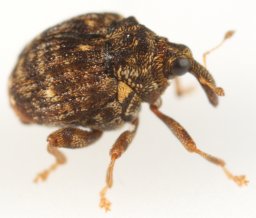 Eiseman Charles S合作论文数Northfield2
 Karlsson Dave合作论文数Department of Entomology, Swedish Museum of Natural History2Mathias Jaschhof合作论文数2
 Olavi Kurina合作论文数Institute of Zoology and Botany, Estonian Agricultural University2Emma Granqvist合作论文数Department of Computational & Systems Biology, John Innes Centre2
 Henry Disney合作论文数Department of Zoology, University of Cambridge2
 Guilherme Camargo Oliveira合作论文数1Caroline Chimeno合作论文数1Sven-Olof Ulefors合作论文数1
 Sibylle Haggqvist合作论文数1Mercedes Paris合作论文数1Elzbieta Iwaszkiewicz合作论文数1
 Junchen Deng合作论文数1Paulina Viteri合作论文数1Carina R Ugarph合作论文数1Harald Havnås合作论文数1Pablo Peña-Aguilera合作论文数1Ulisses Moliterno de Camargo合作论文数1
 Niina Kiljunen合作论文数Ecol & Genet Res Unit, Univ Oulu1
 Luca Rettenberger合作论文数Institute for Automation and Applied Informatics (IAI),, Karlsruhe Institute of Technology (KIT),1
 Dario Nania合作论文数Sapienza University of Rome1Jayme M.M. Lewthwaite合作论文数1
 Enjie Li合作论文数1




