OBJECTIVE:Status epilepticus (SE) treatment is more effective when benzodiazepines (BZDs) are given soon after SE diagnosis. The Quality Improvement in Time to Treat Status Epilepticus (QuITT-SE) trial is a multicenter, randomized, stepped-wedge effectiveness-implementation hybrid study aimed at improving time to SE treatment. We report the QuITT-SE baseline cohort and test the hypothesis that acute seizure emergency episodes treated promptly differ in clinical and demographic features from those with delayed treatment. METHODS:Data were summarized from 371 consecutive acute seizures episodes treated with a BZD in the inpatient, non-intensive care unit (ICU) setting from 207 individual patients across eight centers per the QuITT-SE protocol. To test our hypothesis, we utilized a multivariable negative binomial mixed effects model with random intercepts to estimate the incidence rate ratios for variables of interest for time to BZD treatment. RESULTS:The median age was 7 years (IQR = 3-12). Nonelective ICU transfers occurred with 26% of episodes, including 13% within 6 h of the episode. The median time from seizure onset to BZD treatment was 6 min (IQR = 4-10), with 74% of all episodes and 63% of SE treated within 10 min. BZD administration was faster when nurses made the treatment decision, when the intranasal (IN) route was used, when the patient received prior rescue medication within 24 h, or with certain elective admission types. Seizures were shorter when BZD administration was faster or when treatment was with IN midazolam versus intravenous lorazepam (median = 8 min [IQR = 6-15] vs. 10 min [IQR = 7-17], p = .04). Patients were less likely to be transferred to the ICU if they received IN midazolam (odds ratio = .3, p = .007). SIGNIFICANCE:Delayed BZD administration occurs in one third of SE treatment. Prolonged seizures and ICU transfers are associated with modifiable risk factors. Baseline drivers of delayed acute seizure treatment may be addressed using the QuITT-SE interventions, the study of which is currently ongoing.
Purpose Exploring the shared decision-making inputs and needs of families (parents and adolescents) about returning to sport after recovering from a sports-related concussion. Methods Individual interviews were conducted separately with members of 8 adolescent-parent dyads (n = 16). All adolescent participants had been diagnosed with a sports-related concussion in the past 2 years and received tertiary sports medicine care. Results Adolescents saw themselves as the decision-maker within the parent-clinician-adolescent triad, and parents relied on clinicians to affirm that adolescent preferences were “safe.” Adolescents were largely focused on short-term benefits of returning to sport, assumed that their parents were asking clinicians the “right questions” about safety, and, in many cases, did not have what they considered to be viable alternative activities to the sport where they were injured. Parent beliefs about the benefits of sport, including the role of sport in their child's identity and the importance of sport-related goals, helped explain parent preferences for their child's return to play. Discussion Parents and adolescents had different decision inputs, and there was interdependence within families in how decision needs were met. Additional research is needed with more representative samples to further explore this complexity and how it can inform shared decision-making theory and practice.
OBJECTIVE:To evaluate the MAking DEcisions for Kids (MADE for Kids) survey for measuring shared decision-making (SDM) in pediatrics. METHODS:Parents and pediatric clinicians enrolled through online panels were randomized to view standardized video vignettes displaying high- (HQ) and low-quality (LQ) SDM in one of 4 clinical scenarios (e.g. antibiotics or observation for acute otitis media in a child not at risk for severe infection). HQ vignettes included all 4 steps of a validated pediatric SDM process; LQ vignettes had ≥2 steps absent. Participants completed the parent- or clinician-version of the MADE for Kids survey and the dyadic OPTION survey (as a comparator) after each vignette. Numeric scores were assigned to MADE for Kids and dyadic OPTION responses and linearly transformed to a 0-100 scale (higher scores=higher quality SDM). We assessed construct validity of parent and clinician MADE for Kids scores using standardized mean difference (SMD; Cohen's d) between HQ and LQ vignettes, and concurrent validity by correlating MADE for Kids and dyadic OPTION scores using Spearman's correlation coefficient (δ). We assessed internal consistency reliability using Cronbach's α and measurement error with the coefficient of variation. RESULTS:Responses from 584 parents and 612 clinicians were included. The SMD (d=0.70-2.35) and correlation with dyadic OPTION (δ=0.57-0.80) were high. Internal consistency reliability (α: 0.92-0.96) and coefficient of variation (<30% for most HQ, but not LQ, vignettes) were comparable to dyadic OPTION. CONCLUSION:MADE for Kids demonstrated construct and concurrent validity and an internal consistency reliability and measurement error comparable to dyadic OPTION.
Less than one third of American children meet physical activity guidelines, with well-established disparities by gender. Sports are one of the best investments for promoting youth physical activity, but both rural and Hispanic girls participate in lower numbers and enter at a later age than their counterparts. There is a dearth of literature on sport participation factors among Hispanic girls living in rural areas, particularly among those living in border regions. This study aimed to examine sport participation experiences among rural, predominantly Hispanic girls from the perspectives of girls, parents, coaches, and program staff. Data were collected in 2024 using semi-structured interviews with girls (n = 15), parents (n = 18), and coaches/staff (n = 4) in a predominantly rural, Hispanic county in Southern California, United States. The Self-Determination Theory (SDT) and the ecological-based Framework for Understanding Youth Sports Participation (FUYSP) guided analysis. The research team used an iteratively developed codebook to code, thematically analyze, and synthesize the data. Sport participation factors were found at multiple levels of FUYSP influence, including the public policy/awareness (professional role models), community (access to sports programming, gender expectations, economic challenges, hot weather, shared value in supporting youth), organization (resources, high cost to families), interpersonal (perceived benefits of sports participation, quality coaches, lack of time/scheduling, parental support), and individual (attitudes and beliefs, personal growth, perceived competence, social connections) levels. SDT-related factors (e.g., competence, social connections) were incorporated into the individual level of FUYSP. Findings highlight the intersectionality of geographic, gender-based, and cultural factors associated with rural, Hispanic girls’ sports participation. Efforts to promote positive, sustained sports participation among this population should focus on understanding and addressing unique community needs while maintaining a community-wide approach that galvanizes existing resources and support. Increasing access to youth sports can provide additional opportunities for physical activity; address disparities in physical activity levels by gender, ethnicity, SES, and geography; and subsequently improve overall health among this population. Not applicable.
BACKGROUND:Efforts to assess concussion-reporting efficacy face logistical challenges relying on behavioral intentions. Self-report surveys often lack correlation with actual behavior. Simulated in-game behavioral observation may offer a better evaluation method when data on actual behavior are not feasibly collected. OBJECTIVE:To examine the association between concussion-reporting intentions and concussion-reporting behavior in a novel simulated in-game experience. DESIGN:This study was performed as a secondary analysis of a larger study that assessed the efficacy of concussion education in concussion-reporting intention among high school athletes. High school football players (n = 313) from seven Colorado high schools completed reporting intention questionnaires. Athletes were randomized to either receive standard concussion education from the Centers for Disease Control and Prevention (n = 167) or not (n = 146). Subsequently, all participants were given a baseline assessment in which they were asked to assess concussion-reporting intention. To test concussion-reporting behavior, all participants watched a novel first-person, 2-minute video in which a simulated concussion occurred. When the simulated concussion occurs, participants are then asked whether they would like to seek evaluation or continue playing. Logistic regression assessed the relationship between concussion-reporting intention and concussion-reporting behavior during the simulated game experience. RESULTS:Athletes who reported their concussion in the simulated game had higher baseline concussion-reporting intention (U = 8669.5, p < .001). Across both the educated and noneducated groups, each one-point increase in baseline reporting intention was associated with 1.99× (95% confidence interval [CI]: 1.11-3.60, p = .02) and 1.53× (95% CI: 1.07-2.30, p = .026) increased odds of reporting the simulated concussion, respectively. CONCLUSIONS:Concussion-reporting behavior in a novel, first-person simulated in-game experience is higher among individuals with higher baseline concussion-reporting intention. This approach may offer promise for evaluating concussion-reporting intention and concussion-reporting behavior via interactive video simulation.
Athletic settings may influence both risk and protective factors for sexual violence (SV) and provide opportunities to advance prevention and response. The goal of this qualitative study was to explore the perspectives of higher education personnel involved in SV prevention and response with college student-athletes. We conducted semistructured interviews with participants at four public universities with National Collegiate Athletic Association Division I athletic programs. Using inductive thematic analysis, we distilled key themes: athletic culture and how it interacts with prevention and response; athletic department strengths; and challenges. Athletic departments and institutions should educate and train athletic personnel to facilitate effective prevention and response.
BACKGROUND:Acute seizures may evolve into status epilepticus (SE), prolonged and self-sustaining seizures that may result in brain injury or death. Rapid treatment with a benzodiazepine (BZD) is most effective. However, SE treatment remains delayed in many cases. We previously performed a single-center quality improvement study which resulted in more rapid treatment, decreased intensive care utilization, and decreased cost. Now, we are conducting a multicenter trial to test the hypothesis that pragmatic changes in treating acute inpatient seizures reduce time and are implementable across diverse hospital settings. METHODS/DESIGN:We designed a multicenter stepped wedge cluster randomized trial with three unidirectional 12-month steps following one baseline step. After dissemination visits, sites will attempt to implement a standardized bundle consisting of: (1) standardize default BZD to non-IV; (2) target treatment time within 10 min; (3) relocate and bundle items for BZD administration to a single location; (4) prioritize basic seizure first aid as initial assessment; (5) implement SE-specific documentation templates; (6) implement multidisciplinary site QI teams. Our primary outcome is median time from seizure diagnosis to BZD administration. Secondary outcomes are median changes in Pediatric Cerebral Performance Category score, ICU transfer rate, and cost of hospitalization. We will study implementation outcomes using mixed methods based on the Reach, Effectiveness, Adoption, Implementation, Maintenance (RE-AIM) framework. DISCUSSION:QuITT-SE is designed to test the effect and implementation of a pragmatic set of interventions on treatment times in SE. If successful, results will provide a generalizable roadmap for broad implementation through healthcare systems that should improve outcomes in SE. TRIAL REGISTRATION:Clinicaltrials.gov (NCT06194747). Funded by the National Institutes of Health (R01NS133037).
Endurance events are popular worldwide and have many health benefits. However, runners and Para athletes may sustain musculoskeletal injuries or experience other health consequences from endurance events. The American Medical Society for Sports Medicine (AMSSM) Runner Health Consortium aimed to generate consensus-based survey items for use in prospective research to identify risk factors for injuries in runners and Para athletes training and competing in endurance events.The study design employed a modified Delphi approach, with a panel comprising 28 experts, including healthcare professionals, coaches, and athletes. Potential survey items were generated by panel members who subsequently engaged in three rounds of voting using Research Electronic Data Capture. Items were graded by clarity, relevance, and importance. Items achieving 80% consensus on all three aspects were retained.The response rate was 100% in R round 1 and 96% in Rrounds 2 and 3. Of 124 initial survey items, consensus was reached on 53, 34 and 22 items during Rrounds 1, 2, and 3, respectively. Two accepted items were removed due to redundancy. Combined with 10 non-voting items, 117 items covered key domains, including training and injury history, dietary behaviours and associated factors (such as menstrual function), footwear, mental health, and specific considerations for Para athletes.The consensus-based survey items should be considered by researchers to better understand the health of runners and Para athletes who train and compete in endurance sports to identify risk factors for injury.
OBJECTIVE:To assess the feasibility, acceptability, and utility of Project Nature (PN), an intervention during well-child checks, to promote children's active play in nature from the perspectives of parents and clinic staff. STUDY DESIGN:Six primary care clinics in Washinton State implemented PN, including anticipatory guidance from a clinician, a nature-based toy, and written/internet based family resources, during well-child checks for 1-10 year olds. We conducted quantitative surveys of different groups of parents before (control group, n = 154) and after (intervention group, n = 131) the implementation of PN at each clinic. We analyzed differences between the 2 groups using chi-square and Mann-Whitney U tests. Postintervention, we conducted qualitative interviews with 11 clinic staff members about implementation, coded the data, and conducted thematic analysis. RESULTS:The proportion of parents reporting that their child's clinician encouraged daily outdoor time was higher postintervention than the control group (85% vs 54%, P = .02). A higher proportion of parents in the intervention compared with the control group reported that the clinician encouraged daily physical activity (86% vs 71%, P = .09). Families generally reported strong satisfaction with all the intervention components. Clinic staff felt PN facilitated conversation around active outdoor play and believed that PN was feasible within their existing workflows. CONCLUSIONS:PN is a feasible and acceptable approach for supporting children's active play in nature via primary care clinics. These results provide a foundation for a larger evaluation assessing the impact of PN on families' physical activity and nature-based experiences.
OBJECTIVE:Describe how sports medicine clinicians support decision making about sport participation after concussion recovery with adolescent patients and their parents. Specific areas of inquiry related to how clinicians framed the decision, what factors they considered in how they approached the decision process, and how they navigated discordance within families. DESIGN:Qualitative study. SETTING:Tertiary care sports medicine clinics at 4 children's hospitals in the United States. PARTICIPANTS:Individual interviews were conducted with 17 clinicians practicing in sports medicine settings. INTERVENTIONS:N/A. MAIN OUTCOME MEASURES:Semi-structured interviews explored clinician approaches to supporting decision making, with the question guide informed by components of the Ottawa Decision Support Framework. RESULTS:Clinicians routinely incorporated aspects of shared decision making (SDM) into their conversations with families. This included ensuring all parties were informed about risk and aligned behind a shared value of adolescent well-being. Mediation strategies were used to manage discordance between adolescents and their parents, and between parents. These strategies aimed to facilitate a decision that was adolescent centered. When clinicians believed that there was a medical benefit to modifying the adolescent's sport participation practices, or when they did not believe the athlete was psychologically ready to return to the sport in which they were injured, they initiated conversations about alternative activities. In such situations, they used persuasive communication practices to encourage families to strongly consider this option. CONCLUSION:The strengths and strategies used by sports medicine clinicians in this study provide a foundation for guidance or intervention development aimed at supporting SDM after concussion with adolescents and their families.
BACKGROUND:Limited guidance exists for conducting research on health disparities within the field of sport and exercise medicine (SEM). This review aimed to identify and summarise existing best practices for conducting equitable, diverse and inclusive research within SEM. METHODS:A narrative review with evidence synthesis was conducted using electronic databases, reference lists, manual searches and relevant publications from other organisations. Search terms associated with steps of the research process were used in tandem with 'equity', 'inclusion' and 'health disparities'. RESULTS:We developed a research roadmap for SEM researchers with methodological recommendations to develop and conduct equity-informed and equity-focused research. This roadmap serves as a tool for SEM researchers and clinicians to design, execute and disseminate research with a health disparities lens. We recommend SEM researchers should build an equitable, diverse and inclusive research team and include community members; apply a multilevel, intersectional framework; minimise and acknowledge potential biases in the study design and incorporate qualitative or mixed-methods approaches if appropriate; apply multiple inclusive strategies for recruiting and retaining diverse populations; collect accurate and representative data using inclusive data collection methods and tools with validity and reliability in the populations of interest; apply measures with evidence of validity and reliability in the populations of interest; implement a data analysis plan that reflects the conceptual and theoretical frameworks; and promote broad dissemination and interventions that ultimately address and reduce health inequities. CONCLUSION:SEM researchers should consider these methodological recommendations to conduct equity-informed and equity-focused research to address health disparities in SEM.
BackgroundIncorporating clinician and patient perspectives in the measurement of shared decision making (SDM) is aligned with SDM's inherently dyadic nature. There are no tools measuring SDM in pediatrics from multiple perspectives. The objective of this study was to develop a tool to measure SDM from the perspectives of both clinicians and parents of young children.DesignWe used a stepwise iterative approach to tool development beginning with de novo item generation and followed by augmentation of the item pool by adapting items from existing instruments. After the study team removed redundant items, 3 parents and 3 SDM experts rated the remaining items for their ability to capture SDM in pediatrics; items with the lowest mean ratings were removed. To assess the preliminary tool's face validity, usability, and item understandability, we pretested it, revising it iteratively, with sequential cohorts of English-speaking parents and clinicians from 2 US children's hospitals.ResultsWe generated an initial list of 28 items for the parent and clinician versions of the tool, which we reduced to 20 items after preliminary review. After review by parents and SDM experts, we cut 9 items and added 1 additional item for a total of 12 items. We pretested the preliminary tool with 31 clinicians and 30 parents across 3 sequential cohorts. The final tool contained 12 items and an optional free-text item.LimitationsAll participants were English speaking, limiting its generalizability.ConclusionsWe have developed a usable preliminary tool for measuring the dyadic process of SDM in pediatrics.ImplicationsThis tool represents an important first step toward addressing the measurement of SDM in pediatrics from multiple perspectives.HighlightsIn this study, we have developed the first shared decision making (SDM) tool specifically for use with parents of young children.Although further study is needed to determine the psychometric properties of this tool, it has the potential to address an important gap in our ability to measure SDM in pediatrics from multiple perspectives.
ObjectiveTo make recommendations for improving medical amnesty policy implementation in collegiate athletics based on exploration of relevant policy implementation, implementation frameworks, and athletic department input.Participants54 published peer-reviewed articles, 78 collegiate athletics professionals, 5 content experts with direct responsibilities related to policies that impact college student and athlete well-being, and 113 higher education institutions' Athletics Healthcare Administrators (AHA).MethodsMixed methods using narrative literature review, surveys, and interview data. Data coding was guided by the Consolidated Framework for Implementation Research (CFIR) and quantitative data were analyzed with descriptive statistics.ResultsUsing coded data from the literature review and needs assessment, we identified modifiable implementation determinants and mapped these onto implementation strategies. With feedback from key organizational representatives, ten recommendations were developed and mostly viewed as feasible.ConclusionsWe present recommendations for amnesty policy implementation within athletics departments, but additional research and evidence-based resources are needed to support implementation.
BACKGROUNDYouth who have experienced trauma or other adverse childhood events have the potential to uniquely benefit from physical activity (PA). However, how PA is administered in schools can be re-traumatizing and fail to create positive experiences through movement. We sought to develop role-specific training to help increase the implementation of trauma-informed PA.METHODSGuided by intervention mapping methodology, we developed "Move & Thrive"-a brief web-based training about trauma-informed PA. We then conducted a pilot evaluation of this training using a pre-posttest design with no control group in a sample of youth sport coaches, parents of school-aged children, and teachers (n = 150) recruited from an online opt-in non-probability panel.RESULTSMixed methods feedback found that "Move & Thrive" was highly acceptable. Across all roles (coaches, teachers, and parents/guardians) there were statistically significant increases in all targeted implementation determinants (knowledge, attitudes, self-efficacy, and perceived resources/support), with moderate to large effect sizes.CONCLUSIONSThese results provide the foundation for a larger, adequately powered trial with randomization and follow-up to assess the implementation of trauma-informed PA.
School closures and restrictions related to the COVID-19 pandemic changed opportunities for youth physical activity (PA). We sought to identify school and other contextual conditions associated with youth PA during the COVID-19 pandemic. Participants were 500 parents of children ages 6-10 years old and 500 parent-child dyads with children and adolescents ages 11-17 years old who completed a web-based questionnaire. Quotas and demographic matching were used to generate a sample that was representative of United States adults on key demographic characteristics. Multivariable linear regression was used to assess the association between days per week of at least 60 minutes of PA with school, family, and neighborhood characteristics, controlling for child age and gender. Youth engaged in more days per week of PA when they attended school in person (B=0.75, SE=0.22, p<0.001), participated in school physical education (PE) (B=0.83, SE=0.23, p<0.001), school sports (B=0.98, SE=0.25, p<0.001), and community sports (B=0.68, SE=0.23, p=0.003), and had parents that engaged in high versus low levels of PA, (B=1.22, SE=0.21, p<0.001). The COVID-19 pandemic negatively impacted youth PA, in part, due to restriction of school-based PA opportunities. During future pandemics or conditions that necessitate remote learning, attention to opportunities for PA outside of PE class may be important for equitable PA promotion.
BackgroundMany students would benefit from trauma-informed physical activity (PA); however, there is a lack of systematic guidance on incorporating trauma-informed practices across school-based PA opportunities. The purpose of this study was to generate a feasible framework for trauma-informed school-based PA.MethodsFramework development was guided by a modified Delphi approach, including an exploration phase and an evaluation phase. First, a multidisciplinary working group reviewed extant literature, mapping trauma-informed practices onto the domains and components of the Comprehensive School Physical Activity Program (CSPAP). Subsequently, experts (n = 14) provided quantitative feedback on the utility and feasibility of these practices.ResultsThirty-three practices met pre-determined thresholds for utility and feasibility. Across CSPAP domains, this included attending to: (a) safety; (b) positive communication and relationships; (c) empowerment, choice, and voice; (d) emotion management and skill building; (e) instructor competencies and support; and (f) cultural, historical, and gender issues.Implications for School Health Policy, Practice, and EquityIncorporating trauma-informed practices into existing frameworks and approaches to school-based PA may promote uptake of practices that help meet the social and emotional needs of trauma-exposed youth.ConclusionsThe present output provides a foundation for generating tools and supports for incorporating trauma-informed practices into school-based PA promotion efforts.
AbstractPhysical contact such as tackling is a part of youth sport, but associated with concussion risk. Coach communication with athletes about how to approach contact could be a strategy to reduce concussion risk. We interviewed n = 50 adult stakeholders (coaches, referees and administrators) in youth football and soccer to identify barriers and facilitators to coach communication about contact. We framed interviews using the Theory of Planned Behavior, discussing: knowledge/experience, attitudes/beliefs, norms/values and perceived behavioral control. Stakeholders could easily describe ‘good’ contact (knowledge/experience) like keeping your head up (football) and tackling shoulder-to-shoulder (soccer), and ‘bad’ contact like spearing (football) and retaliating against an opponent (soccer). They also talked about the importance of sportsmanship and playing by the rules. Most coaches believed ‘bad’ contact was associated with greater injury (attitudes/beliefs). Coaches felt responsible for managing contact (norms/values), but also described not receiving any information indicating that this was part of their role. Coaches worried about creating a fear of injury, and felt it was important for discussions to be framed positively (perceived behavioral control). In summary, youth football and soccer coaches believe ‘bad’ contact is associated with greater injury risk and feel it is their role to provide youth guidance about contact, but describe a lack of institutional guidance regarding this role. They also are concerned about barriers, including creating fear, and describe ways to address this barrier with language. Developing programs to support coach communication about contact with youth athletes presents a potential strategy for concussion prevention.
OBJECTIVES:This study sought to examine whether young adults who sustain concussions have different driving histories and pre-injury driving styles than uninjured peers. In addition, we assessed whether modifications were made to driving behavior in the acute period following concussion. METHODS:Self-reported driving and demographic information was collected from 102 16- to 25-year-old drivers. Half of the sample had recently sustained concussions and the other half comprised a matched comparison group. RESULTS:The groups reported similar pre-injury driving behaviors and styles. However, the recently injured group had more driving citations, higher rates of psychiatric disorders, and greater likelihood of having sustained a prior concussion. Self-reported driving habits postconcussion suggested that most drivers did not modify their driving behavior following concussion, though they were less likely to drive at night or with others in the car. CONCLUSION:Results highlight the need for postconcussion driving guidelines and support for returning to driving safely.
 Christine Baugh合作论文数Harvard Interfaculty Initiative in Health Policy, Harvard University35
 Chrisman Sara P合作论文数Department of Pediatrics, University of Washington28
 Frederick P. Rivara合作论文数Division of General Pediatrics, Department of Pediatrics, University of Washington;Center for Child Health, Behavior and Development, Seattle Children’s Hospital24
 Tandon Pooja合作论文数18
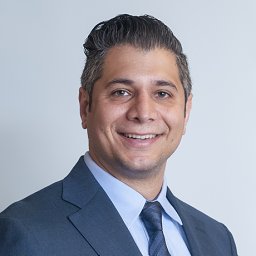 Daniel H. Daneshvar合作论文数School of Medicine, Boston University16
 Zachary Yukio Kerr合作论文数Department of Exercise and Sport Science, College of Arts and Sciences, The University of North Carolina at Chapel Hill16
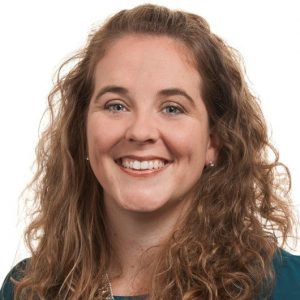 Johna Register-Mihalik合作论文数Department of Exercise and Sport Science, College of Arts and Sciences, The University of North Carolina at Chapel Hill15
 Kirsten Senturia合作论文数13Kimberly A. Garrett合作论文数12Kiana Hafferty合作论文数11Mary Kathleen Steiner合作论文数11Brian W. Hainline合作论文数Department of Neurology, Department of Medicine, New York University11
 Ashleigh M Johnson合作论文数Sch Exercise & Nutr Sci, San Diego State Univ10
 Julianne D Schmidt合作论文数10
 Matt Hawrilenko合作论文数Department of Clinical Psychology, Clark University10
 JD DeFreese合作论文数Department of Exercise and Sport Science, College of Arts and Sciences, The University of North Carolina at Chapel Hill10
 Christopher D’Lauro合作论文数Department of Psychology, University of Colorado10
 Ann Glang合作论文数9
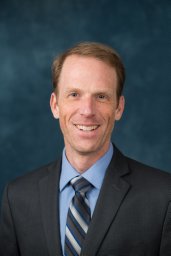 Steven Broglio合作论文数School of Kinesiology, University of Michigan8
 David L Wyrick合作论文数University of North Carolina at Greensboro8Herring Stanley A合作论文数8Dane Ramshaw合作论文数7
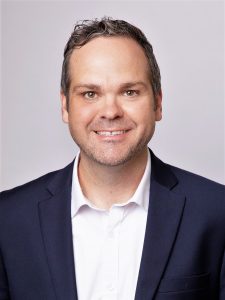 Nick Reed合作论文数Department of Occupational Science & Occupational Therapy, Faculty of Arts and Science, University of Toronto7
 Daniel Leeds合作论文数Massachusetts Institute of Technology7William P. Meehan合作论文数7Kylie D Mallory合作论文数6
 Jerel Calzo合作论文数Division of Health Promotion and Behavioral Science, School of Public Health, San Diego State University;Arches Lab6
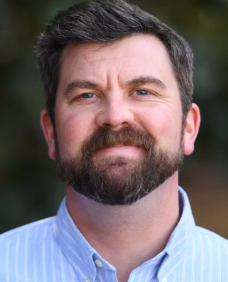 Rob Lynall合作论文数Department of Kinesiology, College of Education, The University of Georgia6
 Michael McCrea合作论文数Center for Neurotrauma Research, Medical College of Wisconsin6
 S Bryn Austin合作论文数Department of Pediatrics Research, Boston Children's Hospital;Harvard T.H. Chan School of Public Health6
 John Parsons合作论文数Department of Exercise Sciences, Faculty of Science, The University of Auckland6Kristen Knight合作论文数5Rachel Hays合作论文数5Beth J. Bollinger合作论文数Center for Child Health, Behavior and Development, Seattle Children's Research Institute5
 Alice M Ellyson合作论文数Seattle Childrens Res Inst5Avanti Adhia合作论文数Department of Pediatrics, University of Washington5
 George T Chiampas合作论文数Department of Emergency Medicine, Feinberg School of Medicine, Northwestern University5
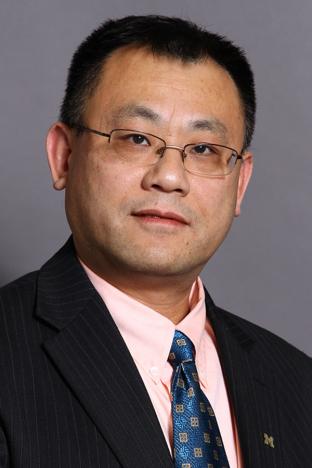 Chuan Zhou合作论文数Department of Radiology, Medical School, University of Michigan, Ann Arbor5
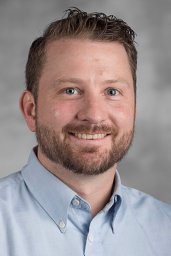 Milroy Jeffrey J合作论文数University of North Carolina at Greensboro5
 Michael Hutchison合作论文数Faculty of Kinesiology and Physical Education, University of Toronto5Tamerah N. Hunt合作论文数5Erin Kinney合作论文数4Ayah Mustafa合作论文数4
 Mayuree Binjolkar合作论文数4
 Andrea Hickling合作论文数Faculty of Medicine, University of Toronto4
 Nicole Barczak-Scarboro合作论文数Department of Warfighter Performance, Naval Health Research Center, Innovative Employee Solutions Inc.;Henry M. Jackson Foundation4Sarah J Lowry合作论文数4Ebel Beth E合作论文数4
 Thomas W. McAllister合作论文数School of Medicine, Indiana University4




