While simulation is routinely used by practitioners in many sectors, it is still not part of the hospital manager's standard toolkit. One of the barriers to adoption often described is lack of trust: people trust models that they were involved in developing, but not necessarily those developed for other hospitals, no matter how similar. However, generic models designed to be applicable anywhere also face challenges, as potential users may distrust this one-size-fits-all approach. This paper presents a new approach to tackling this problem. Initially a "semi-generic" model is developed, namely a model that is applicable to a small group of hospitals that have some particular feature in common, e.g., geographical location/size. The semi-generic version is then tested extensively with stakeholders, first from within the initial group of hospitals and later from outside it. Finally, based on feedback from all the stakeholders, the model is adapted to make it fully generic, i.e., applicable to any hospital. The approach is illustrated by a system dynamics model which allows users to test the system-wide impact of five evidence-based interventions for older people in hospital Emergency Departments. Initially developed for one specific region, the fully generic version can be used anywhere in England.
STUDY OBJECTIVE:Little is known of the goals of care of older people living with frailty when they access urgent care. Equally whether these goals are attained from a patient and carer perspective is often unclear. This qualitative study examined the views of older people living with frailty and their families in relation to specific episodes of urgent care, what they wanted to achieve and whether those goals were attained.METHODS:Semi-structured interviews with older people living with frailty and their families between Jan and July 2019. Patient and carer participants were recruited in three hospitals in England and interviewed following the urgent care episode. Interviews were audio-recorded, transcribed verbatim and analysed following the principles of the Framework approach. Results were validated by an older people's involvement group.RESULTS:Forty participants were interviewed either alone or jointly (24 patients and 16 carers), describing episodes of urgent care which started in ED for 28 patients. The goals of care for participants accessing emergency care were that their medical problem be diagnosed and resolved; information about tests and treatment be given to them and their relatives; they receive an appropriate well-planned discharge to their own home with support where needed and without readmission or re-attendance at ED; and that they retain mobility, function and normal activities. Participants perceived that many of these goals of care were not attained.CONCLUSIONS:Older people living with frailty have heterogeneous urgent care goals which require individual ascertainment. Identifying these goals of care early could result in improved attainment through person-centred care.
Background Healthcare outcome goals are central to person-centred acute care, however evidence among older people is scarce. Older people who are living with frailty have distinct requirements for healthcare delivery and have distinct risk for adverse outcomes from healthcare. There is insufficient evidence for whether those living with frailty also have distinct healthcare outcome goals. This study explored the nature of acute care outcome goals in people living with frailty. Methods Healthcare outcome goals were explored using semi-structured patient interviews. Participants aged over 65 with Clinical Frailty Score 5-8 (mild to very severe frailty) were recruited during their first 72 hours in a UK hospital. Purposive, maximum variation sampling was guided by lay partners from a Patient and Public Involvement Forum specialising in ageing-related research. Qualitative analysis used a blended approach based on framework and constant comparative methodologies for the identification of themes. Findings were validated through triangulation with participant, lay partner, and technical expert review. Results The 22 participants were aged 71 to 98 and had mild to very severe frailty. One quarter were living with dementia. Most participants had reflected on their situation and considered their outcome goals. Theme categories (and corresponding sub-categories) were ‘Autonomy’ (information, control, and security) and ‘Functioning’ (physical, psychosocial, and relief). A novel ‘security’ theme was identified, whereby participants sought to feel safe in their usual living place and with their health problems. Those living with milder frailty were concerned to maintain ability to support loved ones, while those living with most severe frailty were concerned about burdening others. Conclusions Outcome goals for acute care among older participants living with frailty were influenced by the insecurity of their situation and fear of deterioration. Patients may be supported to feel safe and in control through appropriate information provision and functional support.
BackgroundLittle is known about how frailty impacts on older people’s experiences of emergency care, despite patient experience being essential to providing person-centred care. This qualitative study reports on the experiences of older people with frailty in the ED and their and their carers’ preferences for emergency care.MethodsOlder people (aged 75+ years) who were at least mildly frail and/or their carers, with current or recent experience of emergency care, were recruited from three EDs in England between January and June 2019. Data were collected via semi-structured in-depth interviews which explored participants’ views on their recent experience of emergency care and their priorities and preferred outcomes. Interviews were audio-recorded, transcribed verbatim and analysed following the principles of the Framework approach.ResultsForty participants were interviewed: 24 patients and 16 carers who, between them, described ED attendances for 28 patients across the three sites. Often informed by previous negative experiences, there was a strong desire to avoid conveyance to EDs, and a sense of helplessness or acquiescence to attend. Although staff attitudes were on the whole seen as positive, the ED experience was dominated by negative experiences relating to very basic issues such as a lack of help with eating, drinking, toileting and discomfort from long waits on hard trolleys. Participants reported that communication and involvement in decision making could be improved, including involving next of kin, who were viewed as critical to supporting vulnerable older people during sometimes very protracted waits.ConclusionFrailty reflects a vulnerability and a need for support in basic activities of daily living, which EDs in this study, and perhaps more widely, are not set up to provide. Changes at the levels of clinical practice and service design are required to deliver even the most basic care for older people with frailty in the ED environment.
The Covid-19 pandemic has prompted changes to healthcare processes unseen in recent history, causing substantial stress for both patients and healthcare professionals. Daily life has changed dramatically for older people with frailty. Those living in our local (Leicester City) community have experienced the UK’s longest movement restrictions, with the clinically vulnerable having minimal direct contact with others for more than eighteen months. We are researchers in geriatric emergency medicine with both clinical and non-clinical backgrounds. Our recent qualitative studies have focused on understanding healthcare experiences and outcome goals among older people with frailty and acute care needs, aiming for their robust measurement and ultimate improvement. We had been performing interview and ethnographic studies when Covid-19 restrictions were imposed. In this article, we report our experience of the barriers and benefits for qualitative research presented by pandemic restrictions.
Background The incidence of dementia in Black, Asian and minority ethnic (BAME) groups is increasing in the UK, with concern about underdiagnosis and late presentation. Aims By reviewing referrals to memory clinics from Leicester City we examined whether the following differed by ethnicity: the proportion with a diagnosis of dementia, type of dementia and severity at presentation. Method We examined referrals between 2010 and 2017: all those whose ethnicity was recorded as Black (n = 131) and a random sample of 260 Asian and 259 White British referrals. Severity of dementia was assessed by record review. Odds ratios (ORs) were adjusted for general practice, age, gender and year of referral. Results A diagnosis of dementia was recorded in 193 (74.5%) White British, 96 (73.3%) Black and 160 (61.5%) Asian referrals. Compared with Asians, White British had twice the adjusted odds of a dementia diagnosis (OR = 1.99 (1.23–3.22). Of those with dementia, Alzheimer's disease was more common in White British (57.0%) than in Asian (43.8%) and Black referrals (51.0%): adjusted OR White British versus Asian 1.76 (1.11–2.77). Of those with dementia, the proportion with moderate/severe disease was highest in White British (66.8%), compared with 61.9% in Asian and 45.8% in Black groups. The adjusted OR for the White versus Black groups was 2.03 (1.10–3.72), with no significant difference between Asian and White British groups. Conclusions Differences in confirmed dementia suggest general practitioners have a lower threshold for referral for possible dementia in some BAME groups. Unlike other centres, we found no evidence of greater severity at presentation in Asian and Black groups.
More than 50 older people living in England and Scotland contributed to the project as PPI research volunteers. The volunteers ranged in age from the mid-50s to the early 90s, with both genders equally represented. Participants work, or used to work, in a broad range of occupations and professions, with many from health and social care backgrounds.Some were members of established NIHR PPI research groups based in their local area (eg Leicester and Rutland PPI NIHR Ageing Specialty Group; Voice North in Newcastle); more than 30 were individuals with varying amounts of experience of PPI who were recruited directly via the PPI leads doing the following:
Introduction the aim of this study was to design an approach to improving care for frail older patients in hospital services where comprehensive geriatric assessment (CGA) was not part of the clinical tradition. Methods the intervention was based on the principles of CGA, using quality improvement methodology to embed care processes. Qualitative methods and coproduction were used to inform development of the intervention, which was directed towards the health care professionals involved in peri-operative/surgical cancer care pathways in two large UK teaching hospitals. A formative, qualitative evaluation was undertaken; data collection and analysis were guided by normalisation process theory. Results the clinicians involved agreed to use the toolkit, identifying potential benefits including improved surgical decision making and delivery of interventions pre-operatively. However, sites concluded that pre-operative assessment was not the best place for CGA, and at the end of the 12-month trial, implementation was still nascent. Efforts competed against the dominance of national time-limited targets, and concerns relating to patients’ immediate treatment and recovery. Some participants involved in the peri-operative pathway felt that CGA required ongoing specialist input from geriatricians, but it was not clear that this was sustainable. Conclusions clinical toolkits designed to empower non-geriatric teams to deliver CGA were received with initial enthusiasm, but did not fully achieve their stated aims due to the need for an extended period of service development with geriatrician support, competing priorities, and divergent views about appropriate professional domains.
MethodsThe Joanna Briggs Institute (JBI) umbrella review method was used. Systematic reviews and meta-analyses that described the provision of CGA to hospital inpatients aged> 65 years were reviewed. Comparisons of inpatient CGA to usual inpatient care were included.
MethodsCase study selection was partly purposive and partly based on opportunistic sampling. As described in Chapter 8, during the development of the service-level tools, the team engaged with a number of sites that had expressed an interest in making use of the toolkit as part of their own improvement plans. The services ultimately included were drawn from this sampling frame, with a view to putting the toolkit into use in services that varied in potentially important ways, for example clinical focus and professional leadership. 160 It is noteworthy, however, that all three services were actively seeking to improve the quality of their care for older people and were known to the investigators. As such, they arguably represent relatively receptive contexts for efforts to incorporate CGA in services that do not specialise in care of older people, with some willingness and enthusiasm for change.
In Chapter 4 we described work to create a hospital frailty risk score that uses routinely collected inpatient data from the HES. 131 In this chapter, we examine agreement between the derived score using HES data and other frailty scores derived from more detailed clinical data sets.There are a number of different ways that frailty can be conceptualised and an even greater number of ways that it has been measured. 132 No single standardised measure of risk or frailty exists, and classifications of people as frail or non-frail can vary depending on which tool is used. The two most prominent measurement approaches, the phenotype model (Fried) 133 and the cumulative deficit model (Rockwood), 133 show overlap in their identification of frailty, 134 although agreement in practice is only moderate. 3 The Fried and Rockwood instruments have different approaches to defining frailty and are seen as complementary.
AIM:To examine system characteristics associated with variations in unplanned admission rates in those aged 85+.DESIGN:Mixed methods.SETTING:Primary care trusts in England were ranked according to changes in admission rates for people aged 85+ between 2007 and 2009, and study sites selected from each end of the distribution: three 'improving' sites where rates had declined by more than 4% and three 'deteriorating' sites where rates had increased by more than 20%. Each site comprised an acute hospital trust, its linked primary care trust/clinical commissioning group, the provider of community health services and adult social care.PARTICIPANTS:A total of 142 representatives from these organisations were interviewed to understand how policies had been developed and implemented. McKinsey's 7S framework was used as a structure for investigation and analysis.RESULTS:In general, improving sites provided more evidence of comprehensive system focused strategies backed by strong leadership, enabling the development and implementation of policies and procedures to avoid unnecessary admissions of older people. In these sites, primary and intermediate care services appeared more comprehensive and better integrated with other parts of the system, and policies in emergency departments were more focused on providing alternatives to admission.CONCLUSIONS:Health and social care communities which have attenuated admissions of people aged 85+ prioritised developing a shared vision and strategy, with sustained implementation of a suite of interventions.
There is a lack of guidance for developing progression criteria (PC) within feasibility studies. We describe a process for co-producing PC for an ongoing feasibility study. Patient contributors, clinicians and researchers participated in discussions facilitated using the modified Nominal Group Technique (NGT). Stage one involved individual discussion groups used to develop and rank PC for aspects of the trial key to feasibility. A second stage involving representatives from each of the individual groups then discussed and ranked these PC. The highest ranking PC became the criteria used. At each stage all members were provided with a brief education session to aid understanding and decision-making. Fifty members (15 (29%) patients, 13 (25%) researchers and 24 (46%) clinicians) were involved in eight initial groups, and eight (two (25%) patients, five (62%) clinicians, one (13%) researcher) in one final group. PC relating to eligibility, recruitment, intervention and outcome acceptability and loss to follow-up were co-produced. Groups highlighted numerous means of adapting intervention and trial procedures should 'change' criteria be met. Modified NGT enabled the equal inclusion of patients, clinician and researcher in the co-production of PC. The structure and processes provided a transparent mechanism for setting PC that could be replicated in other feasibility studies.
Background: The aim of this study was to provide high-quality evidence on delivering hospital-wide Comprehensive Geriatric Assessment (CGA). Objective(s): (1) To define CGA, its processes, outcomes and costs in the published literature, (2) to identify the processes, outcomes and costs of CGA in existing hospital settings in the UK, (3) to identify the characteristics of the recipients and beneficiaries of CGA in existing hospital settings in the UK and (4) to develop tools that will assist in the implementation of hospital-wide CGA. Design: Mixed-methods study combining a mapping review, national survey, large data analysis and qualitative methods. Participants: People aged ≥ 65 years in acute hospital settings. Data sources: Literature review – Cochrane Database of Systematic Reviews, Database of Abstracts of Reviews of Effects, MEDLINE and EMBASE. Survey – acute hospital trusts. Large data analyses – (1) people aged ≥ 75 years in 2008 living in Leicester, Nottingham or Southampton (development cohort, n = 22,139); (2) older people admitted for short stay (Nottingham/Leicester, n = 825) to a geriatric ward (Southampton, n = 246) or based in the community (Newcastle, n = 754); (3) people aged ≥ 75 years admitted to acute hospitals in England in 2014–15 (validation study, n = 1,013,590). Toolkit development – multidisciplinary national stakeholder group (co-production); field-testing with cancer/surgical teams in Newcastle/Leicester. Results: Literature search – common outcomes included clinical, operational and destinational, but not patient-reported, outcome measures. Survey – highly variable provision of multidisciplinary assessment and care across hospitals. Quantitative analyses – in the development cohort, older people with frailty diagnoses formed a distinct group and had higher non-elective hospital use than older people without a frailty diagnosis. Patients with the highest 20% of hospital frailty risk scores had increased odds of 30-day mortality [odds ratio (OR) 1.7], long length of stay (OR 6.0) and 30-day re-admission (OR 1.5). The score had moderate agreement with the Fried and Rockwood scales. Pilot toolkit evaluation – participants across sites were still at the beginning of their work to identify patients and plan change. In particular, competing definitions of the role of geriatricians were evident. Limitations: The survey was limited by an incomplete response rate but it still provides the largest description of acute hospital care for older people to date. The risk stratification tool is not contemporaneous, although it remains a powerful predictor of patient harms. The toolkit evaluation is still rather nascent and could have meaningfully continued for another year or more. Conclusions: CGA remains the gold standard approach to improving a range of outcomes for older people in acute hospitals. Older people at risk can be identified using routine hospital data. Toolkits aimed at enhancing the delivery of CGA by non-specialists can be useful but require prolonged geriatrician support and implementation phases. Future work could involve comparing the hospital-based frailty index with the electronic Frailty Index and further testing of the clinical toolkits in specialist services. Funding: The National Institute for Health Research Health Services and Delivery Research programme.
This study sough to determine the psychological and behavioural factors contributing to the incorrect diagnosis of urinary tract infection in older adults and identify potential interventions that can address the incorrect diagnosis of urinary tract infection in older adults? The findings were that the misdiagnosis of UTI, particularly in older people, is driven by complex, interconnected psychological and behavioural factors, such as lack of knowledge on the role of urine dip testing, bias towards older people, automatic testing, time and resource constraints, pressures from peers and patients and legal pressures. Developing interventions that address the disconnect between knowledge and practice by encompassing both psychological and behavioural factors may improve patient safety and staff satisfaction. Urine dipstick testing in the ED is often misinterpreted, leading to misdiagnosis which may then impact negatively on patient safety; the reasons this knowledge-practice disconnect exists are multi-factorial, but psychological and behavioural factors play a significant role. Systematic approaches incorporating these factors can potentially improve patient safety, efficiency, costs from unnecessary testing and staff satisfaction. The aim of this study was to identify the psychological and behavioural factors influencing clinicians managing older people with possible UTI in urgent care settings, and to develop an improvement roadmap. Michie’s behaviour change wheel and COM-B (Capability, Opportunity, Motivation, Behaviour Change) models were used as the theoretical basis for this study. Semi-structured interviews were undertaken with 21 purposively selected medical and nursing staff in a large urban emergency department in the East Midlands, United Kingdom. Analysis was informed by the framework approach. A participatory design approach was used to develop an improvement roadmap. Key themes emerging from the semi-structured interviews included lack of knowledge on the role of urine dipstick testing, bias towards older people, automatic testing, time and resource constraints, pressures from peers and patients, and fear of the legal consequences of inaction. A thematic networks map indicated complex interactions between psychological and behavioural factors. Among more than 50 different intervention ideas identified by the workshop participants, two interventions were prioritised for implementation: i) controlling the use of dip stick urine tests; ii) providing individualised feedback to staff regarding the outcomes of patients diagnosed and treated for UTI. Psychological and behavioural factors play a significant role in the misdiagnosis of UTI in older people. Systematic approaches incorporating these factors might improve patient outcomes. Future studies should focus on implementation and evaluating their effectiveness and sustainability.
 Kay Phelps合作论文数35
 Simon Conroy合作论文数27
 Graham Martin合作论文数Department of Health Sciences, University of Leicester18David Kocman合作论文数12
 Andrew Street合作论文数Department of Health Policy, London School of Economics and Political Science12Sandeepa Arora合作论文数11Patricia McCue合作论文数11
 Joshua Kraindler合作论文数11Eilís Keeble合作论文数Nuffield Trust11
 Martin Bardsley合作论文数The Health Foundation11
 Jenny Neuburger合作论文数Department of Health Services Research and Policy, London School of Hygiene and Tropical Medicine11
 Ariti Cono合作论文数London Sch Hyg & Trop Med11Chris Sherlaw-Johnson合作论文数10Elizabeth Fisher合作论文数10
 Stuart G Parker合作论文数Populat Hlth Sci Inst, Newcastle Univ10
 Helen Roberts合作论文数Southampton Biomedical Research Centre, National Institute for Health and Care Research10Paul Smith合作论文数9
 Sheila Kennedy合作论文数Law and Public Policy;School of Public and Environmental Affairs;Indiana University;School of Public and Environmental Affairs, Indiana University9John Bankart合作论文数8
 Kurtev Stoyan合作论文数7
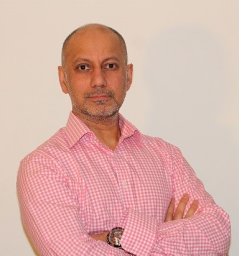 Ran Bhamra合作论文数7
 Jay Banerjee合作论文数6
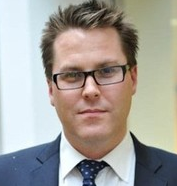 Justin Waring合作论文数Health Services Management Centre, School of Social Policy, University of Nottingham6Richard Baker合作论文数Department of Health Sciences, University of Leicester6
 James van Oppen合作论文数Dept Hlth Sci, Univ Leicester4Jagruti Lalseta合作论文数3Peter Riley合作论文数3andrew wilson合作论文数3stephen rogers合作论文数3Faull Christina合作论文数3Chris McDermott合作论文数Department of Neuroscience, The Medical School, Faculty of Medicine, Dentistry & Health, The University of Sheffield3
 Andrew M. Wilson合作论文数Norwich Medical School, Faculty of Medicine and Health Sciences, University of East Anglia3c rowehaynes合作论文数2Oliver David合作论文数2Jose M. Valderas合作论文数2
 Raghu Raghavan合作论文数2Rogers Stephen合作论文数2
 Nicola Mackintosh合作论文数2
 Jon Glasby合作论文数Department of Social Work and Social Care, Sociology and Criminology, School of Social Policy, College of Social Sciences, University of Birmingham2
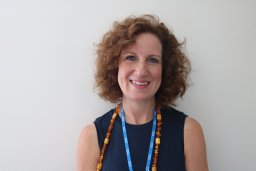 Suzanne Mason合作论文数School of Health and Related Research;University of Sheffield;School of Health and Related Research, University of Sheffield2Hari Subramaniam合作论文数2Tom Robinson合作论文数1Hilda Parker合作论文数1Samantha Goodliffe合作论文数1
 Louise Oldridge合作论文数1
 Christopher Burton合作论文数1Janet Willars合作论文数1
 Nicola Clague合作论文数1
 Fernando Carvalho合作论文数Univ Arts, RIPEN Project, London, England1




