Background While combining radiotherapy (RT) with targeted agents or immunotherapy may improve outcomes, it may also increase toxicity. High-quality toxicity data and multidisciplinary, evidence-based guidelines on the combination of these treatment modalities are scarce.Design.The European Society for Medical Oncology (ESMO) and the European SocieTy for Radiotherapy and Oncology (ESTRO) developed a series of systematic reviews with multidisciplinary, tumor-agnostic, evidence-based Delphi consensus statements regarding the safety of combining RT with targeted agents or immunotherapy. The current study addresses the safety of combining RT with CDK4/6 inhibitors, anti-HER2 monoclonal antibodies, PARP inhibitors, or mTOR-inhibitors. During the modified Delphi process, two digital voting rounds were organized with 18 international experts. By systematically evaluating the different drug classes and irradiated areas, 74 clinical scenarios were assessed. Safety statements were formulated for all scenarios, based on the evidence from the systematic literature reviews. Results A total of 1,341 records were screened during the systematic literature reviews, of which 107 studies were ultimately included in the final reviews and the literature database. After two Delphi voting rounds, agreement was reached on all 74 scenario-specific safety statements. Conclusions The expected combined toxicity is often low for anti-HER2 monoclonal antibodies. For most scenarios with CDK4/6, PARP, or mTOR inhibitors, exercising caution is recommended.
Purpose:Rectal cancer disproportionately affects the elderly population, with more than half of cases diagnosed in individuals aged 70 years or older. Frail patients in this group often face significant challenges tolerating the standard treatment of total mesorectal excision (TME), due to elevated risks of surgical complications and perioperative morbidity. Advances in radiotherapy techniques offer a viable alternative, providing effective tumor control while minimizing treatment-related toxicity. Recent clinical trials, including OPERA and MORPEUS, have demonstrated that dose-escalated radiotherapy, which integrates external beam (chemo)radiotherapy (EBRT) with high-dose-rate endorectal brachytherapy (HDR-BT) or contact X-ray brachytherapy (CXB), can achieve high clinical response rates and facilitate organ preservation in younger, healthier patient cohorts. Building on these findings, the ACO/ARO/AIO-22 study seeks to adapt these innovative approaches to meet the needs of elderly and frail patients with rectal cancer. Methods/Design:The ACO/ARO/AIO-22 trial is a prospective multicentre controlled trial. Elderly (age ≥70 years) and/or frail patients with non-metastatic rectal adenocarcinoma (cT1-3d N0/+ M0, mrCRM - / +) localized 0-16 cm from the ano-cutaneous line, unable to undergo radical surgery can be included. The initial treatment comprises an external beam radiation (EBRT) regime with 13 × 3 Gy (total: 39 Gy) over a period of two and a half weeks. Following initial restaging 6.5 weeks after completion of EBRT, endorectal HDR-BT will be delivered with 3 weekly fractions of 8 Gy to a total dose of 24 Gy (prescribed at the radial margin of the tumor; with a maximum prescription depth of 10 mm); alternatively, with CXB with 90 Gy in 3 weekly fractions. The primary objective is complete or near complete clinical response (cCR or ncCR) and the second primary endpoint is quality of life (QoL) measured with the EORTC QLQ-ELD14, both at 12 months after treatment start. Discussion:The ACO/ARO/AIO-22 prospective multicentre trial will evaluate organ preservation rates and QoL after combining EBRT with endorectal HDR-BT in elderly and/or frail patients with rectal cancer.Trial Registration:Clinicialtrials.gov number: NCT06729645.
Low anterior resection (LAR) and abdominoperineal resection (APR) are the two main surgical procedures after preoperative chemoradiotherapy (CRT) for locally advanced rectal cancer. APR is associated with poorer prognosis; however existing data do not consider intensified CRT (5-Fluorouracil (5-FU)/Oxaliplatin + radiation) protocols. Clinicopathological data of patients treated with APR and LAR from the CAO/ARO/AIO-04 trial were analysed in terms of prognostic parameters and quality of life (QoL). Based on higher response rate after intensified CRT, subgroup analyses were performed. Data from n = 1173 patients were assessed. APR after preoperative CRT was associated with a significantly worse overall survival (p = 0.0056), disease-free survival (p < 0.0001) and local recurrence rate (p = 0.0047). Clinicopathological data including clinical T stage (p < 0.000001), grading (p = 0.0038), postoperative lymph node (LN) positivity (p = 0.013), and number of positive LN (p = 0.0049) significantly differed between procedures and showed higher values in APR patients. The quality of total mesorectal excision (TME) was significantly better (p < 0.0001) and complete resection rates were higher (p = 0.0022) in LAR compared to APR patients. Subgroup analyses showed worse LR rates in APR patients after standard CRT (5-FU mono and radiation) but not after intensified CRT. After 3 years, role functioning (p = 0.019) and physical functioning (p = 0.001) had a slightly poorer outcome in APR patients. The poorer prognosis of patients undergoing APR for locally advanced rectal cancer may be explained by clinicopathological characteristics. Intensified CRT may compensate for the higher risk of LR after APR in patients with worse TME quality. QoL in APR patients was comparable to LAR patients.
Abstract Objective Brain tumors and metastases account for approximately 10% of all status epilepticus (SE) cases. This study described the clinical characteristics, treatment, and short- and long-term outcomes of this population. Methods This retrospective, multi-center cohort study analyzed all brain tumor patients treated for SE at the university hospitals of Frankfurt and Marburg between 2011 and 2017. Results The 208 patients (mean 61.5 ± 14.7 years of age; 51% male) presented with adult-type diffuse gliomas (55.8%), metastatic entities (25.5%), intracranial extradural tumors (14.4%), or other tumors (4.3%). The radiological criteria for tumor progression were evidenced in 128 (61.5%) patients, while 57 (27.4%) were newly diagnosed with tumor at admission and 113 (54.3%) had refractory SE. The mean hospital length of stay (LOS) was 14.8 days (median 12.0, range 1–57), 171 (82.2%) patients required intensive care (mean LOS 8.9 days, median 5, range 1–46), and 44 (21.2%) were administered mechanical ventilation. All patients exhibited significant functional status decline (modified Rankin Scale) post-SE at discharge (p < 0.001). Mortality at discharge was 17.3% (n = 36), with the greatest occurring in patients with metastatic disease (26.4%, p = 0.031) and those that met the radiological criteria for tumor progression (25%, p < 0.001). Long-term mortality at one year (65.9%) was highest in those diagnosed with adult-type diffuse gliomas (68.1%) and metastatic disease (79.2%). Refractory status epilepticus cases showed lower survival rates than non-refractory SE patients (log-rank p = 0.02) and those with signs of tumor progression (log-rank p = 0.001). Conclusions SE occurrence contributed to a decline in functional status in all cases, regardless of tumor type, tumor progression status, and SE refractoriness, while long-term mortality was increased in those with malignant tumor entities, tumor progressions, and refractory SE. SE prevention may preserve functional status and improve survival in individuals with brain tumors.
In the context of the COVID-19 pandemic, there has been a scarcity of resources with various effects on the care of cancer patients. This paper provides an English summary of a German guideline on prioritization and resource allocation for colorectal and pancreatic cancer in the context of the pandemic. Based on a selective literature review as well as empirical and ethical analyses, the research team of the CancerCOVID Consortium drafted recommendations for prioritizing diagnostic and treatment measures for both entities. The final version of the guideline received consent from the executive boards of nine societies of the Association of Scientific Medical Societies in Germany (AWMF), 20 further professional organizations and 22 other experts from various disciplines as well as patient representatives. The guiding principle for the prioritization of decisions is the minimization of harm. Prioritization decisions to fulfill this overall goal should be guided by (1) the urgency relevant to avoid or reduce harm, (2) the likelihood of success of the diagnostic or therapeutic measure advised, and (3) the availability of alternative treatment options. In the event of a relevant risk of harm as a result of prioritization, these decisions should be made by means of a team approach. Gender, age, disability, ethnicity, origin, and other social characteristics, such as social or insurance status, as well as the vehemence of a patient's treatment request and SARS-CoV-2 vaccination status should not be used as prioritization criteria. The guideline provides concrete recommendations for (1) diagnostic procedures, (2) surgical procedures for cancer, and (3) systemic treatment and radiotherapy in patients with colorectal or pancreatic cancer within the context of the German healthcare system.
Background: Total neoadjuvant therapy (TNT) has been used for patients with locally advanced rectal cancer. The optimal sequence of chemoradiotherapy (CRT) and chemotherapy (CT) is a matter of debate. Methods: We performed a pooled analysis of the CAO/ARO/AIO-12 and OPRA multicenter, randomized phase 2 trials to identify patient subsets that could benefit from one TNT sequence over the other regarding disease-free survival (DFS). Patients with stage II/III rectal cancer were randomized to CRT (50.4-54 Gy) with either induction (INCT-CRT) or consolidation CT (CRT-CNCT) with fluorouracil, leucovorin, oxaliplatin (CAO/ARO/AIO12 and OPRA) or capecitabine and oxaliplatin (OPRA) followed by mandatory total mesorectal excision (TME) (CAO/ARO/AIO-12) or selective watch-and-wait surveillance (OPRA). 311 and 324 patients were recruited from June 15, 2015 to January 31, 2018; and from April 12, 2014 to March 30, 2020 in the two trials, respectively. Pretreatment clinical and tumor characteristics included were age, sex, ECOG, cT-category, cN-category, clinical UICC stage, location from anal verge, and tumor grade. Findings: In total, 628 eligible patients were included in the pooled analysis (CAO/ARO/AIO-12, n = 304; OPRA, n = 324). Of those, 313 were randomly assigned to the INCT-CRT group, and 315 to the CRT-CNCT group.Median follow-up was 43 months (IQR, 35-49) months in the CAO/ARO/AIO-12 trial and 61,2 months (IQR, 42-68,4) in the OPRA trial. Pooled analysis of baseline clinical and tumor characteristics did not identify any subgroups of patients that would benefit by the one TNT sequence over the other with regard to DFS. Interpretation: To our knowledge, this is the first pooled analysis of two randomized trials after direct head-to- head comparison of both TNT sequences. Both trials reported higher rates of complete response with CRTCNCT, and this should be considered the preferred TNT sequence if organ preservation is a priority.
Background:The PRIDE trial (NOA-28; ARO-2024-01; AG-NRO-06; NCT05871021) is designed to determine whether a dose escalation with 75.0 Gy in 30 fractions can enhance the median overall survival (OS) in patients with methylguanine methyltransferase (MGMT) promotor unmethylated glioblastoma compared to historical median OS rates, while being isotoxic to historical cohorts through the addition of concurrent bevacizumab (BEV). To ensure protocol-compliant irradiation planning with all study centers, a dummy run was planned and the plan quality was evaluated. Methods:A suitable patient case was selected and the computed tomography (CT), magnetic resonance imaging (MRI) and O-(2-[18F]fluoroethyl)-L-tyrosine (FET) positron emission tomography (PET) contours were made available. Participants at the various intended study sites performed radiation planning according to the PRIDE clinical trial protocol. The treatment plans and dose grids were uploaded as Digital Imaging and Communications in Medicine (DICOM) files to a cloud-based platform. Plan quality and protocol adherence were analyzed using a standardized checklist, scorecards and indices such as Dice Score (DSC) and Hausdorff Distance (HD). Results:Median DSC was 0.89, 0.90, 0.88 for PTV60, PTV60ex (planning target volume receiving 60.0 Gy for the standard and the experimental plan, respectively) and PTV75 (PTV receiving 75.0 Gy in the experimental plan), respectively. Median HD values were 17.0 mm, 13.9 mm and 12.1 mm, respectively. These differences were also evident in the volumes: The PTV60 had a volume range of 219.1-391.3 cc (median: 261.9 cc) for the standard plans, while the PTV75 volumes for the experimental plans ranged from 71.5-142.7 cc (median: 92.3 cc). The structures with the largest deviations in Dice score were the pituitary gland (median 0.37, range 0.00-0.69) and the right lacrimal gland (median 0.59, range 0.42-0.78). Conclusions:The deviations revealed the necessity of systematic trainings with appropriate feedback before the start of clinical trials in radiation oncology and the constant monitoring of protocol compliance throw-out the study. Trial registration:NCT05871021.
Abstract Background: Advanced prostate cancer (PCa) is a leading cause in cancer death and can elicit significant morbidity and mortality. A common treatment modality for advanced PCa is radiation therapy (RT). Currently, salvage of local disease recurrence after RT is a major clinical problem. Emerging evidence indicates the importance of the immune system in governing RT response. In support of this, immune checkpoint inhibitors (ICIs), which enhance immune activation, have demonstrated clinical therapeutic promise in combination with RT in certain advanced cancers. Irradiation (IR) combined with ICIs may prime the immune system to recognize and target recurrent cancer. Purpose: Investigate the therapeutic efficacy of ICIs in combination with RT for radiorecurrent PCa in a syngeneic pre-clinical model. Methods: TRAMP-C2 cells were treated with 10 Gy of radiation over 5 fractions (similar to clinical hypofractionated (HF) schedule) to generate TRAMP-C2 HF cells. Immune-competent mice were transplanted subcutaneously with TRAMP-C2 HF cells. Once tumors reached palpable size, mice were administered either ICIs (anti-PDL1 or anti-CTLA4) alone or in combination with RT. Tumor volume was monitored to determine the treatment effect. Correlative studies on excised tumors and secondary lymphoid organs included flow cytometry and NanoString gene expression panel to evaluate immunological mechanisms that contribute to anti-tumor effects. Results: TRAMP-C2 HF cells were validated for radiation resistance and exhibited a more aggressive phenotype (reduction in senescence, increase in clonogenicity) similar to clinically recurrent PCa. Radiation resistance of TRAMP-C2 HF tumors was validated in vivo. Administration of anti-PDL1 and anti-CTLA4 as monotherapy or in combination did not achieve significant tumor growth delay compared to control. IR alone produced an observable tumor growth delay compared to ICIs alone. The combination of anti-PDL1 and IR did not yield additional growth delay compared to IR alone. Strikingly, significant tumor growth delay was seen with the combination of IR and anti-CTLA4 compared to IR alone, while also resulting in complete cure in a third of the mice. mice. Lymph nodes and tumors from mice treated with IR and anti-CTLA4 vs. IR and isotype control demonstrated differential expression of genes in T cell functions and enrichment in both CD4+ and CD8+ T cell populations. Conclusion: We generated the first syngeneic radiorecurrent PCa model and demonstrated that combining anti-CTLA4 and IR results in synergistic tumor response. Combined therapy resulted in augmented immune response, most notably enhancement of CD8 T cell activity. Significance: These findings contribute to our understanding of immunological events associated with RT and ICIs in the context of radiorecurrent PCa and support new avenues for salvage therapy in clinical trials. Citation Format: Hanzhi Wang, Linsey Gong, Xiaoyong Huang, Stephanie D. White, Hanz T. Chung, Danny Vesprini, Tera N. Petchiny, Emmanouil Fokas, Hansen He, Robert S. Kerbel, Stanley K. Liu. Potentiating salvage radiotherapy in radiorecurrent prostate cancer through anti-CTLA4 therapy: Implications from a syngeneic model [abstract]. In: Proceedings of the American Association for Cancer Research Annual Meeting 2024; Part 1 (Regular Abstracts); 2024 Apr 5-10; San Diego, CA. Philadelphia (PA): AACR; Cancer Res 2024;84(6_Suppl):Abstract nr 1353.
Objectives: Additional adjuvant treatment in patients with rectal cancer with limited response to neoadjuvant treatment to mitigate their higher risk of treatment failure remains controversial. Methods: This is a post hoc analysis of a cohort study of 3 randomized phase 2 or 3 trials (CAO/ARO/AIO-94, -04, and -12 trial) that included 1948 patients with locally advanced rectal adenocarcinoma. After excluding patients with missing information, 1788 patients (1254 men and 524 women; median age: 62.6 years, age range: 19-84 years) were eligible. We analyzed the extent of tumor response and its association with the incidence of treatment failure after different neoadjuvant treatment approaches. Results: Tumor response was significantly enhanced with more intensive neoadjuvant treatment. After a median follow-up of 55 months for the entire cohort (IQR: 37 months-62 months), the incidence of treatment failure (TF) stratified by tumor response or post-neoadjuvant pathological outcome was not significantly affected by the intensity of neoadjuvant treatment, whereas the ypTNM stage was significantly associated with the risk of treatment failure. Conclusions: In this cohort study, we provide evidence that limited or no response to intensified neoadjuvant treatment protocols is not likely to be more strongly associated with an extensive risk of TF after 5-FU CRT+/- adjuvant chemotherapy.
Despite therapeutic advancements, disease-free survival and overall survival of patients with locally advanced rectal cancer have not improved in most trials as a result of distant metastases. For treatment decision-making, both long-term oncologic outcomes and impact on quality-of-life indices should be considered (for example, bowel function). Total neoadjuvant therapy (TNT), comprised of chemotherapy and radiotherapy or chemoradiotherapy, is now a standard treatment approach in patients with features of high-risk disease to prevent local recurrence and distant metastases. In selected patients who have a clinical complete response, subsequent surgery might be avoided through non-operative management, but patients who do not respond to TNT have a poor prognosis. Refined molecular characterization might help to predict which patients would benefit from TNT and non-operative management. Specifically, integrated analysis of spatiotemporal multi-omics using artificial intelligence and machine learning is promising. Three prospective trials of TNT and non-operative management in Japan, the USA and Germany are collaborating to better understand drivers of response to TNT. Here, we address the future direction for TNT. In this article, the authors discuss the use of total neoadjuvant therapy for locally advanced rectal cancer. They highlight ongoing trials and discuss future treatment options, including the potential use of multi-omics and artificial intelligence to facilitate treatment selection and prediction of response.
High-risk prostate cancer (PCa) is a leading cause in cancer death and can elicit significant morbidity and mortality. Currently, the salvage of local disease recurrence after radiation therapy (RT) is a major clinical problem. Immune checkpoint inhibitors (ICIs), which enhance immune activation, have demonstrated clinical therapeutic promise in combination with ionizing radiation (IR) in certain advanced cancers. We generated the TRAMP-C2 HF radiorecurrent syngeneic mouse model to evaluate the therapeutic efficacy of ICIs in combination with RT. The administration of anti-PDL1 and/or anti-CTLA4 did not achieve a significant tumor growth delay compared to the control. The combination of IR and anti-PDL1 did not yield additional a growth delay compared to IR and the isotype control. Strikingly, a significant tumor growth delay and complete cure in one-third of the mice were seen with the combination of IR and anti-CTLA4. Immune cells in tumor-draining lymph nodes and tumor-infiltrating lymphocytes from mice treated with IR and anti-CTLA4 demonstrated an upregulation of genes in T-cell functions and enrichment in both CD4+ and CD8+ T-cell populations compared to mice given IR and the isotype control. Taken together, these results indicate enhancement of T-cell response in radiorecurrent PCa by IR and anti-CTLA4.
Importance Patients with locally advanced rectal cancer and persistent lymph node metastases (PLNM) after neoadjuvant treatment are at high risk of developing locoregional and distant metastasis, yet optimal postsurgical treatment of these patients is limited. Objective To analyze the association of PLNM with pretreatment clinical parameters, intensity of neoadjuvant treatment, and long-term oncological outcomes. Design, Setting, and Participants This cohort study is a post-hoc analysis of 3 randomized clinical trials (Surgical Oncology Working Group of Germany [CAO], Radiological Oncology Working Group of Germany [ARO], and Working Group for Internal Oncology in the German Cancer Society [AIO]) conducted in Germany in 1994, 2004, and 2012 that included 1948 patients with locally advanced rectal cancer recruited between February 1995 and January 2018. Statistical analysis was conducted between September 2023 and February 2024. Exposures Receiving preoperative fluorouracil-based chemoradiotherapy (CRT, comprising the preoperative group of CAO/ARO/AIO-94 and the control group of CAO/ARO/AIO-04), fluorouracil-based CRT plus oxaliplatin (experimental group of CAO/ARO/AIO-04), or total neoadjuvant treatment (TNT) with fluorouracil-based CRT plus oxaliplatin with induction or consolidation leucovorin calcium (folinic acid), fluorouracil, and oxaliplatin chemotherapy within the CAO/ARO/AIO-12 trial. Main Outcome and Measures The associations of PLNM with clinical parameters, intensity of neoadjuvant treatment, and cumulative incidences of LR, DM, and overall survival were assessed. Results A total of 1888 patients (1333 male participants [70.6%]; median [range] age, 62 [19-84] years) with locally advanced rectal adenocarcinoma (clinical tumor stage 3 to 4 and/or clinically node-positive) treated within 3 consecutive clinical trials were analyzed. A total of 522 (29%) experienced PLNM; 378 had lymph node stage (ypN) 1 (20%) after neoadjuvant treatment (ypN) 1 (20%), and 174 had ypN2 (9%). Age, clinical T-stage, N-stage, grading, carcinoembryonic antigen levels, and time interval from completion of CRT to surgery were significantly associated with PLNM, whereas sex and tumor location were not. The percentage of patients with ypN2 stage was almost halved after TNT (18 of 293 patients [6%]) compared with patients treated with fluorouracil-based CRT (114 of 1009 patients [11.3%]; chi(2)(6) = 16.693; P = .01). After a median (IQR) follow-up of 54 (37-62) months, 5-year overall survival was 86.1% (95% CI, 83.9%-88.4%) for ypN0, 74.0% (95% CI, 83.9%-88.4%) for ypN1, and 43% for ypN2 (95% CI, 35.4%-52.2%) (P < .001). The 5-year cumulative incidences of locoregional and distant metastases were, respectively, 3% (95% CI, 2.1%-4.2%) and 20% (95% CI, 18%-23%) for ypN0, 6% (95% CI, 3.4%-8.8%) and 40% (95% CI, 34%-46%) for ypN1, and 19% (95% CI, 13%-26%) and 72% (95% CI, 63%-79%) for ypN2 (both P < .001). Conclusions and Relevance In this cohort study, PLNM unmasked an unfavorable phenotype of rectal cancer at high risk for treatment failure. More aggressive adjuvant treatment might be considered; however, risk-adapted surveillance strategies and early recurrence-directed surgery, if feasible, are important strategies in this group of patients with CRT- and/or chemotherapy-resistant disease.
 Claus Rödel合作论文数Department of Radiation Therapy, University Hospital Frankfurt;University Cancer Center Frankfurt111
 Markus Diefenhardt合作论文数36
 Daniel Martin合作论文数36
 Michael Ghadimi合作论文数Klinik für Allgemein-, Viszeral- und Kinderchirurgie, Universitätsmedizin Göttingen30
 Franz Rodel合作论文数Department of Radiation Oncology, University of Erlangen-Nuremberg30Rita Engenhart-Cabillic合作论文数24Maximilian Fleischmann合作论文数22
 Ralf-Dieter Hofheinz合作论文数Interdisziplinäres Tumorzentrum Mannheim, TagesTherapieZentrum, Universitätsmedizin Mannheim;Universität Heidelberg20
 Panagiotis Balermpas合作论文数20
 Ruth Muschel合作论文数Department of Oncology, Medical Sciences Division, University of Oxford;Oxford Institute for Radiation Oncology, University of Oxford;St Hilda's College, University of Oxford18
 W Gillies McKenna合作论文数Department of Oncology, University of Oxford17
 Stanley Liu合作论文数Department of Medical Biophysics, Temerty Faculty of Medicine, University of Toronto13
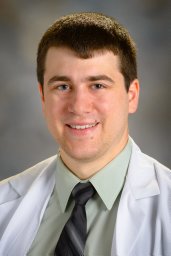 Ludmir Ethan B合作论文数Duke Cancer Institute, Duke University Medical Center12
 Bruce D. Minsky合作论文数Department of Radiation Oncology, Division of Radiation Oncology, The University of Texas MD Anderson Cancer Center12Martin Henzel合作论文数12
 Pompiliu Piso合作论文数Klinik für Allgemein- und Viszeralchirurgie, Krankenhaus Barmherzige Brüder Regensburg11
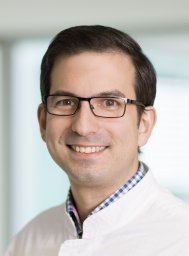 C. Gani合作论文数Med Fac, Eberhard Karls Univ Tubingen10
 Hanxiang An (安汉祥)合作论文数Xiang'an Hospital of Xiamen University9
 Zenobia D Costa合作论文数9
 Claus Belka合作论文数Klinik und Poliklinik für Strahlentherapie und Radioonkologie, Klinikum der Universität München;Department of Radiation Oncology, Klinikum der Universität München9Marlies Wagner合作论文数9Torsten Liersch合作论文数Department of General and Visceral Surgery, Georg-August-Universität Göttingen9Ralf Hofheinz合作论文数8Huang Xiaoyong合作论文数8
 Julio Garcia-Aguilar合作论文数Department of Surgeon, Memorial Sloan Kettering Cancer Center8
 Rolf Sauer合作论文数Universitätsklinikums Erlangen8
 Joachim Steinbach合作论文数Intendisciplinary Center for Neuroscience Frankfurt;University Hospital Frankfurt8Nikolaos Tselis合作论文数8Patrick N Harter合作论文数7Robert Glynne-Jones合作论文数7
 Md. Abul Kalam Azad合作论文数7
 Stephanie E. Combs合作论文数Faculty of Medicine, Technische Universität München;Institute of Radiation Medicine ,Helmholtz Munich;Department of Radiation Oncology, Klinikum rechts der Isar, Technische Universität München7Winkelmann Ria合作论文数7
 Jürgen Debus合作论文数Universitätsklinikum Heidelberg;Nationales Centrum für Tumorerkrankungen;Heidelberger- Ionenstrahl- Therapiezentrum;Deutschen Krebsforschungszentrum;Radiologischen Klinik und Poliklinik, Universität Heidelberg7
 Dirk Arnold合作论文数Asklepios Tumorzentrum Hamburg7Martin Stuschke合作论文数7Kea Franz合作论文数7
 Eric O'Neill合作论文数Department of Oncology, Medical Sciences Division, University of Oxford7Thomas Brunner合作论文数6
 Daniel Zips合作论文数6
 Robert Grutzmann合作论文数6K. Hamm合作论文数6Smart Sean C合作论文数6
 Simon K B Spohn合作论文数6
 Su-Yin Lim合作论文数6
 Keaton Jones合作论文数CRUK/MRC Gray Institute for Radiation Oncology &Biology, University of Oxford;CRUK/MRC Gray Institute for Radiation Oncology & Biology, University of Oxford6
 Martin H. Voss合作论文数Memorial Sloan Kettering Cancer Center6
 Gerhard G. Grabenbauer合作论文数University of Split6
 Christian Weiß合作论文数6




