Empirical scholarship in neuroethics is steadily growing, adding greater context and complexity to conceptual and ethical debates Starke et al. BMC Medical Ethics 25:89, 2024. For example, qualitive studies have been used to understand what it is like for research participants to take part in implantable neural device trials Kögel et al. BMC Medical Ethics 21:2, 2020. These studies are broadly unidirectional when considering their impact through the lens of engagement practices: engagement with research participants takes place through uptake of data collection processes, which are then analyzed for understanding and academic dissemination. Beyond one or two formal interactions (e.g., qualitative interviews, surveys) for data collection, with a few exceptions Illes et al. Frontiers in Communication 9:1267065, 2024, there have not been many efforts to promote iterative engagement between research participants and neuroethics researchers, which we will argue is a shortcoming that should be addressed. Focusing on research participants of implantable neural device trials or Brain Pioneers, this paper offers a conceptual argument and roadmap for why neuroethics researchers ought to pursue more bidirectional and iterative engagement with this community. Drawing on models in health science research, we argue that the framework of community-based participatory research (CBPR) can help fill in key engagement gaps not offered by unidirectional engagement: long-term relationship-building between Brain Pioneers and neuroethicists, creating opportunities for co-learning and mutual benefit. The CBPR framework can also help to further bring Brain Pioneers together, making space for community-empowerment so that they have increased capacities to collectively and actively advocate for their needs before, during, and after research. In addition, a CBPR partnership between neuroethicists and Brain Pioneers can better position neuroethics scholarship to identify and address immediate ethical concerns in implantable neural device research to ensure the fair and non-exploitative treatment of prospective and current research participants.
The theme of pioneers charting new frontiers has long been a staple of scientific and technological discourse in the United States. Scientists, engineers and entrepreneurs perceived as doing groundbreaking work are lauded as pioneers in their fields. In recent years, the application of the pioneer label has expanded to include research participants in clinical trials for neurotechnologies such as Neuralink or other brain-computer interface (BCI) devices: 'BCI pioneers.' What might explain this new popular usage of the pioneer label? American science policy in the mid twentieth century drew on the mythos of the American frontier as a way of mobilizing public interest in scientific and technological innovation on a mass scale. One such way of mobilizing interest was to use frontier rhetoric to attribute novelty to scientific undertakings and technological developments: dubbed the new frontiers. A less explored aspect of this history is the application of the pioneer label to patients and research participants in scientific, mostly biomedical, studies. Through the use of frontier rhetoric, articulations of novelty can be attributed to patients and participants, and their participatory practices, including being the first to undergo a new medical procedure, as well as being explorers and trailblazers in their own right. Such rhetoric may be understood as mobilizing support for research participants by acknowledging their bravery, altruism and contributions to science, with implications for participatory science and scientific and technological innovation.
The advent of Brain-Computer Interface (BCI) technology brings groundbreaking advancements in medical science but also raises important ethical considerations. This manuscript explores the ethical dimensions of implantable BCIs (iBCIs), focusing on the central role of Institutional Review Boards (IRBs) in the United States, in safeguarding participant rights and welfare. As federally mandated bodies, IRBs ensure that informed consent is obtained ethically, emphasizing participant autonomy, preventing undue coercion, while supporting clear and practical communication of risks and benefits. As part of this discussion, this paper touches on the ethical challenges surrounding the enrollment of participants with impaired consent capacity and the long-term implications of implanted brain devices. Additionally, this work underscores the critical importance of robust cybersecurity measures to prevent data breaches and unauthorized manipulation of brain activity. By examining risk assessments, data management practices, and the need for external cybersecurity expertise, this work offers a comprehensive framework for IRB review of iBCI research. This perspective aims to guide ethical iBCI research and protect human subjects in this rapidly evolving field.
Highly portable and accessible MRI technology will allow researchers to conduct field-based MRI research in community settings. Previous guidance for researchers working with fixed MRI does not address the novel ethical, legal, and societal issues (ELSI) of portable MRI (pMRI). Our interdisciplinary Working Group (WG) previously identified 15 core ELSI challenges associated with pMRI research and recommended solutions. In this article, we distill those detailed recommendations into a Portable MRI Research ELSI Checklist that offers practical operational guidance for researchers contemplating using this technology.
The introduction of portable MRI (pMRI) has the potential to directly impact dementia research and ultimately clinical care. In this paper, we explore two ethical challenges facing the introduction of pMRI in dementia research. The first is the need to ensure that pMRI enhances rather than undermines efforts aimed at improving ethnoracial representation in dementia research. The second is the need to implement pMRI in dementia research in a dementia-friendly way that attends to the social context and lived experience of people with dementia.
Research participants in long-term, first-in-human trials of implantable neural devices (i.e., brain pioneers) are critical to the success of the emerging field of neurotechnology. How these participants fare in studies can make or break a research program. Yet, their ability to enroll, participate, and seamlessly exit studies relies on both the support of family/caregivers and care from researchers that is often hidden from view. The present study offers an initial exploration of the different kinds of support that play a role in neural device trials from the perspectives of brain pioneers and their support partners (spouses, paid caregivers, parents, etc.). Using a mixed methods approach (semi-structured, open-ended interviews and a survey) with interpretive grounded theory, we present narratives from a study of six pioneers -- four in brain-computer interface (BCI) trials, and two in deep brain stimulation (DBS) trials -- and five support partners, about their experiences of being supported and supporting participants in implantable neural device studies. Our findings indicate the substantial amount of work involved on the part of pioneers - and some support partners - to make these studies successful. A central finding of the study is that non-logistical forms of support - social, emotional, and epistemic support - play a role, alongside more widely acknowledged forms of support, such as transportation and physical and clinical care. We argue that developing a better understanding of the kinds of support that enable neurotechnology studies to go well can help bridge the gap between abstract ethical principles of caring for subjects and on-the-ground practice.
In this paper, the authors explore the question of whether cognitive enhancement via direct neurostimulation, such as through deep brain stimulation, could be reasonably characterized as a form of transformative experience. This question is inspired by a qualitative study being conducted with people at risk of developing dementia and in intimate relationships with people living with dementia (PLWD). They apply L.A. Paul's work on transformative experience to the question of cognitive enhancement and explore potential limitations on the kind of claims that can legitimately be made about individual well-being and flourishing, as well as limit the kind of empirical work-including the authors' own-that can hope to enlighten ethical discourse. In this paper, the authors advance the following theses: (1) it is sometimes reasonable to characterize cognitive enhancement as a transformative experience; (2) the testimonies of people intimately acquainted with dementia may still be relevant to evaluating cognitive enhancement even though cognitive enhancement may be a transformative experience; and (3) qualitative studies may still be useful in the ethical analysis of cognitive enhancement, but special attention may need to be given to how these are conducted and what kind of insights can be drawn from them.
Neurotechnological cognitive enhancement has become an area of intense scientific, policy, and ethical interest. However, while work has increasingly focused on ethical views of the general public, less studied are those with personal connections to cognitive impairment. Using a mixed-methods design, we surveyed attitudes regarding implantable neurotechnological cognitive enhancement in individuals who self-identified as having increased likelihood of developing dementia (n = 25; 'Our Study'), compared to a nationally representative sample of Americans (n = 4726; 'Pew Study'). Participants in Our Study were additionally shown four videos showcasing hypothetical neurotechnological devices designed to enhance different cognitive abilities and were interviewed for more in-depth responses. Both groups expressed comparable degrees of worry and acknowledgement of potential ethical ramifications (all ps > 0.05). Compared to the Pew Study, participants in Our Study expressed slightly higher desire (p < 0.01), as well as higher acknowledgment for potential impacts on productivity (p < 0.05). Ultimately, participants in Our Study were more likely to deem the device morally acceptable (56%; compared to Pew Study, 25.2%; p = 0.0001). Interviews conducted in Our Study allowed participants to supply additional nuance and reasoning to survey responses, such as giving examples for increased productivity, perceived downsides of memory enhancement, or concerns regarding potentially resulting inequality. This study builds upon and adds to the growing focus on potential ethical issues surrounding neurotechnological cognitive enhancement by centering stakeholder perspectives, highlighting the need for inclusive research and consideration of diverse perspectives and lived experiences to ensure inclusive dialogue that best informs ethical and policy discussions in this rapidly advancing field.
Researchers are rapidly developing and deploying highly portable MRI technology to conduct field-based research. The new technology will widen access to include new investigators in remote and unconventional settings and will facilitate greater inclusion of rural, economically disadvantaged, and historically underrepresented populations. To address the ethical, legal, and societal issues raised by highly accessible and portable MRI, an interdisciplinary Working Group (WG) engaged in a multi-year structured process of analysis and consensus building, informed by empirical research on the perspectives of experts and the general public. This article presents the WG's consensus recommendations. These recommendations address technology quality control, design and oversight of research, including safety of research participants and others in the scanning environment, engagement of diverse participants, therapeutic misconception, use of artificial intelligence algorithms to acquire and analyze MRI data, data privacy and security, return of results and managing incidental findings, and research participant data access and control.
In this paper, we discuss ethics integration and consider questions about evaluating the success of such efforts by reporting qualitative data from an interview study with researchers who were part of a ten-year, multi-institutional NSF-funded neural engineering research center with a multimodal ethics integration effort. Our analysis of these data highlights three key themes from scientific collaborators about the impact of ethics integration: (1) the development of an ethical culture and expectation for ethics integration throughout the research and design process; (2) the usefulness of offering different modes of ethics engagement to foster productive collaborations between ethicists and researchers; and (3) the fostering of ethics capacity development within scientists themselves. We also report on researchers’ perspectives on the challenges of measuring the effectiveness of ethics integration.
We argue that in implanted neurotechnology research, participants and researchers experience what Henry Richardson has called "moral entanglement." Participants partially entrust researchers with access to their brains and thus to information that would otherwise be private, leading to created intimacies and special obligations of beneficence for researchers and research funding agencies. One of these obligations, we argue, is about continued access to beneficial technology once a trial ends. We make the case for moral entanglement in this context through exploration of participants' vulnerability, uncompensated risks and burdens, depth of relationship with the research team, and dependence on researchers in implanted neurotechnology trials.
What happens at the end of a clinical trial for an investigational neural implant? It may be surprising to learn how difficult it is to answer this question. While new trials are initiated with increasing regularity, relatively little consensus exists on how best to conduct them, and even less on how to ethically end them. The landscape of recent neural implant trials demonstrates wide variability of what happens to research participants after an neural implant trial ends. Some former research participants continue to receive support for their devices (e.g., battery and component replacements, software updates, etc.). Others, when safe, have their neural implants removed through surgical explantation. Still others continue to live with a deactivated neural implant embedded in their body. In the United States, there are no uniform requirements to provide services, of any kind, after an neural implant study ends, and other nations are similarly facing this challenge. The existence of a post-trial gap in an expanding neural implant research ecosystem invites obvious questions: What is owed to neural implant research participants post-trial, and why has providing it been so difficult to accomplish in practice? To take a step forward on this difficult issue, we assembled one group of stakeholders – researchers funded for neuroethics grants by the National Institutes of Health – to explore possible starting points on one topic: ethical guidance for post-trial care of research participants in neural implant trials. Based on shared concerns discussed in the expert workshop the current paper is a call to action. It reports the key areas of convergence from the meeting and highlights important next steps towards developing much needed guidance.
Purpose of the Review:Intracranial neurostimulation is a well-established treatment of neurologic conditions such as drug-resistant epilepsy (DRE) and movement disorders, and there is emerging evidence for using deep brain stimulation to treat obsessive-compulsive disorder (OCD) and depression. Nearly all published reports of intracranial neurostimulation have focused on implanting a single device to treat a single condition. The purpose of this review was to educate neurology clinicians on the background literature informing dual treatment of 2 comorbid neuropsychiatric conditions epilepsy and OCD, discuss ethical and logistical challenges to dual neuropsychiatric treatment with a single device, and demonstrate the promise and pitfalls of this approach through discussion of the first-in-human closed-looped responsive neurostimulator (RNS) implanted to treat both DRE (on-label) and OCD (off-label). Recent Findings:We report the first implantation of an intracranial closed-loop neurostimulation device (the RNS system) with the primary goal of treating DRE and a secondary exploratory goal of managing treatment-refractory OCD. The RNS system detects electrophysiologic activity and delivers electrical stimulation through 1 or 2 electrodes implanted into a patient's seizure-onset zones (SOZs). In this case report, we describe a patient with treatment-refractory epilepsy and OCD where the first lead was implanted in the right superior temporal gyrus to target the most active SOZ based on stereotactic EEG (sEEG) recordings and semiology. The second lead was implanted to target the right anterior peri-insular region (a secondary SOZ on sEEG) with the distal-most contacts in the right nucleus accumbens, a putative target for OCD neurostimulation treatment. The RNS system was programmed to detect and record the unique electrophysiologic signature of both the patient's seizures and compulsions and then deliver tailored electrical pulses to disrupt the pathologic circuitry. Summary:Dual treatment of refractory focal epilepsy and OCD with an intracranial closed-loop neurostimulation device is feasible, safe, and potentially effective. However, there are logistical challenges and ethical considerations to this novel approach to treatment, which require complex care coordination by a large multidisciplinary team.
IntroductionWhile the ethical significance of caregivers in neurological research has increasingly been recognized, the role of caregivers in brain-computer interface (BCI) research has received relatively less attention.ObjectivesThis report investigates the extent to which caregivers are mentioned in publications describing implantable BCI (iBCI) research for individuals with motor dysfunction, communication impairment, and blindness.MethodsThe scoping review was conducted in June 2024 using the PubMed and Web of Science bibliographic databases. The articles were systematically searched using query terms for caregivers, family members, and guardians, and the results were quantitatively and qualitatively analyzed.ResultsOur search yielded 315 unique studies, 78 of which were included in this scoping review. Thirty-four (43.6%) of the 78 articles mentioned the study participant’s caregivers. We sorted these into 5 categories: Twenty-two (64.7%) of the 34 articles thanked caregivers in the acknowledgement section, 6 (17.6%) articles described the caregiver’s role with regard to the consent process, 12 (35.3%) described the caregiver’s role in the technical maintenance and upkeep of the BCI system or in other procedural aspects of the study, 9 (26.5%) discussed how the BCI enhanced participant communication and goal-directed behavior with the help of a caregiver, and 3 (8.8%) articles included general comments that did not fit into the other categories but still related to the importance of caregivers in the lives of the research participants.DiscussionCaregivers were mentioned in less than half of BCI studies in this review. The studies that offered more robust discussions of caregivers provide valuable insight into the integral role that caregivers play in supporting the study participants and the research process. Attention to the role of caregivers in successful BCI research studies can help guide the responsible development of future BCI study protocols.
Gilbert, F., Brown, Dasgupta, Martens, Klein, and Goering. 2021. An instrument to capture the phenomenology of implantable brain device use. Neuroethics 14 (Suppl. 3): 333–340. doi:10.1007/s12152-019-09422-7. Gilbert, F., E. Goddard, J. N. M. Via~ na, A. Carter, and M. Horne. 2017. I miss being me: Phenomenological effects of deep brain stimulation. Ajob Neuroscience 8 (2):96– 109. doi:10.1080/21507740.2017.1320319. Gilbert, F., M. Ienca, and M. Cook. 2023. How I became myself after merging with a computer: Does humanmachine symbiosis raise human rights issues? Brain Stimulation 16 (3):783–789. doi:10.1016/j.brs.2023.04.016. Gilbert, F., and M. Lancelot. 2021. Incoming ethical issues for Deep Brian Stimulation: When long term treatment lead to a “new form of disease”. Journal of Medical Ethics 47 (1):20–5. DOI doi:10.1136/medethics-2019-106052. Gilbert, F., and J. M. N. Via~ na. 2018. A personal narrative on living and dealing with psychiatric symptoms after DBS surgery. Narrative Inquiry in Bioethics 8 (1):67–78. doi:10.1353/nib.2018.0024. Gilbert, F., J. N. M. Via~ na, and C. Ineichen. 2021a. Deflating the “DBS causes personality changes” bubble. Neuroethics 14 (S1):1–17. doi:10.1007/s12152-018-9373-8. Gilbert, F., J. M. Via~ na, and C. Ineichen. 2021b. Deflating the deep brain stimulation causes personality changes Bubble: The authors reply. Neuroethics 14 (S1):125–36. doi:10.1007/s12152-020-09437-5. Gilbert, F., J. Smith, and A. Daly. 2023. Is theory fading away from reality? Examining the pathology rather than the technology to understand potential personality changes. AJOB Neuroscience 14 (1):45–7. doi:10.1080/ 21507740.2022.2150712. Ineichen, C., H. Baumann-Vogel, and M. Christen. 2016. Deep brain stimulation: In search of reliable instruments for assessing complex personality-related changes. Brain Sciences 6 (3):40. doi:10.3390/brainsci6030040. Lau, B., N. Meier, G. Serra, V. Czernecki, M. Schuepbach, S. Navarro, P. Cornu, D. Grabli, Y. Agid, M. Vidailhet, et al. 2019. Axial symptoms predict mortality in Parkinson’s disease patients with subthalamic stimulation. Neurology 28; 92 (22):e2559–e2570. doi:10.1212/ WNL.0000000000007562. Pugh, J. 2020. Clarifying the normative significance of ‘personality changes’ following deep brain stimulation. Science and Engineering Ethics 26 (3):1655–80. doi:10. 1007/s11948-020-00207-3. Zuk, P., and G. L azaro-Mu~ noz. 2021. DBS and autonomy: Clarifying the role of theoretical neuroethics. Neuroethics 14 (Suppl 1):83–93. doi:10.1007/s12152-019-09417-4. Zuk, P., C. E. Sanchez, K. Kostick-Quenet, K. A. Mu~ noz, L. Kalwani, R. Lavingia, L. Torgerson, D. Sierra-Mercado, J. O. Robinson, S. Pereira, et al. 2023. Researcher views on changes in personality, mood, and behavior in next-generation deep brain stimulation. AJOB Neuroscience 14 (3):287–299. doi:10.1080/21507740.2022.2048724.
 Sara Goering合作论文数Department of Comparative History of Ideas, University of Washington/Department of Philosophy, University of Washington/Department of Bioethics and Humanities, University of Washington35
 Erika Versalovic合作论文数University of Washington.9
 Tim Brown合作论文数University of Washington.9
 Ishan Dasgupta合作论文数8
 Andreas Schonau合作论文数Department of Philosophy, University of Washington7
 Alik Widge合作论文数Department of Psychiatry & Behavioral Sciences, Medical School, University of Minnesota6
 Solomon Andrew J合作论文数University of Vermont College of Medicine, University Health Center5Michelle Pham合作论文数4
 Matthew Sample合作论文数Leibniz University Hannover;Institut de recherches cliniques de Montréal;Institut de recherches cliniques de Montréal, Leibniz University Hannover4
 Anna Wexler合作论文数Department of Medical Ethics and Health Policy, Perelman School of Medicine, University of Pennsylvania4Rommelfanger Karen S合作论文数4
 Jason Karlawish合作论文数Department of Medicine, Perelman School of Medicine, University of Pennsylvania4
 Judy Illes合作论文数Division of Neurology, Faculty of Medicine, The University of British Columbia;Department of Medicine, Faculty of Medicine, The University of British Columbia;School of Population and Public Health, University of British Columbia;School of Journalism, University of British Columbia;Department of Computer Science and Engineering, University of Washington4
 Darin D Dougherty合作论文数Department of Psychiatry, Massachusetts General Hospital;Department of Psychiatry, Harvard Medical School4
 Paul Tuite合作论文数Department of Neurology, University of Minnesota;420;Department of Neurology, University of Minnesota4
 S. Duke Han合作论文数Rush University Medical Center4
 Paul Tubig合作论文数3Natalia Montes Daza合作论文数3
 Efrain Torres合作论文数Univ Minnesota3
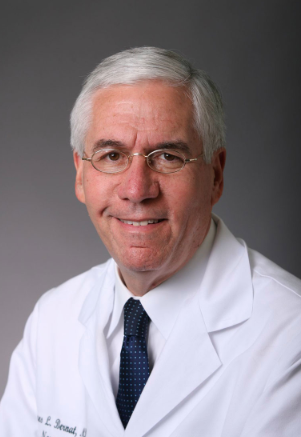 James L. Bernat合作论文数Geisel School of Medicine, Trustees of Dartmouth College3
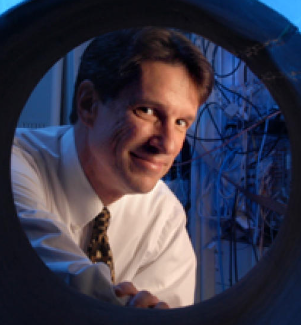 Michael Garwood合作论文数Center for Magnetic Resonance Research, University of Minnesota;Department of Radiology, University of Minnesota3
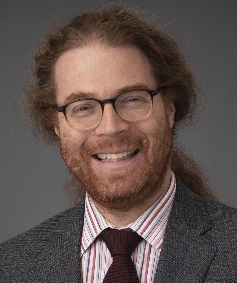 Matthew Rosen合作论文数Low-Field MRI and Hyperpolarized Media Laboratory, Athinoula A. Martinos Center;Mass General/Martinos Center for Biomedical Imaging3
 Susan M. Wolf合作论文数Medical School, University of Minnesota;Law School, University of Minnesota;Masonic Cancer Center, University of Minnesota3
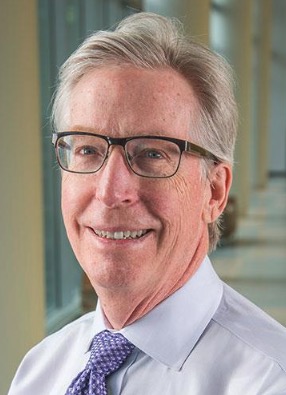 John Corboy合作论文数Department of Neurology, School of Medicine, University of Colorado Anschutz Medical Campus;Rocky Mountain Multiple Sclerosis Center, University of Colorado Anschutz Medical Campus;Rocky Mountain MS Center Tissue bank3
 John Thomas Vaughan (王唐明)合作论文数Zuckerman Institute, Columbia University in the City of New York;Department of Biomedical Engineering, Fu Foundation School of Engineering and Applied Science, Columbia University in the City of New York;MRAccess Inc.3Kate MacDuffie合作论文数2
 Nikhil Sharma合作论文数2Donnella S. Comeau合作论文数2Michelle Kinsella合作论文数2Melanie Donley-Fletcher合作论文数2Darcy McCusker合作论文数2Love Buch合作论文数2
 Alan Rubel合作论文数The Information School, School of Computer, Data & Information Sciences, University of Wisconsin-Madison2Rebekah Choi合作论文数2
 Marion Boulicault合作论文数Department of Philosophy, University of Adelaide2
 Garrett Flynn合作论文数Department of Biomedical Engineering, University of Southern California2Brendan McShane合作论文数Department of Neurosurgery, University of Pennsylvania2
 Dong Song合作论文数Univ So Calif, Dept Biomed Engn, Los Angeles, CA 90089 USA2
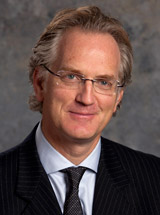 Gordon H. Baltuch合作论文数Department of Neurosurgery, Perelman School of Medicine, University of Pennsylvania2
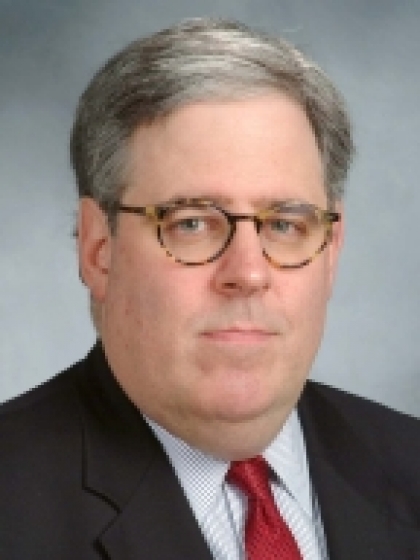 Joseph J. Fins合作论文数Division of Medical Ethics, Weill Cornell Medicine, Cornell University2
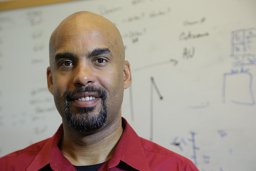 Fair Damien A合作论文数Dept Behav Neurosci, Oregon Hlth & Sci Univ2
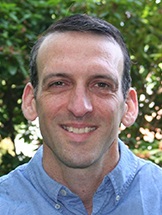 Joshua I. Gold合作论文数Department of Neuroscience, University of Pennsylvania2
 Jackson Jonathan D合作论文数Department of Psychology, Washington University in St. Louis2
 Truitt Anjali合作论文数2
 Ramayya Ashwin G合作论文数Department of Psychology, University of Pennsylvania2
 Saskia Hendriks合作论文数Women's and Children's Hospital, University of Amsterdam2Evans Barbara J合作论文数2
 Ian Stevens合作论文数2
 Katherine E MacDuffie合作论文数2




