The purpose of this research has been to provide information about the psychological effects of confinement forced by a prolonged quarantine in a suitable adult sample of 596 Bolivians of both sexes. It was sought to explore the perceptions of the participants about their own emotional state: fears, anxieties, depressions, while they were in isolation to reduce the probability of contagion of COVID 19. Additionally, we were interested in verifying the modulating effects of resilience and self-efficacy on such emotional states. The results indicated, in the same direction of similar studies, significant relationships between high perceived loneliness, high levels of stress and anxiety, with relatively high levels of depression. Likewise, it was clear that stress, perceived loneliness, and anxiety are predictors of depression among those in conditions of forced isolation. Finally, it was found that both resilience and self-efficacy exert a clear moderating effect by attenuating the relationships of perceived loneliness and anxiety, on depression.
The field of psychedelic research is undergoing a revival, yet research focused on non-clinical psychedelic use remains relatively limited. The current qualitative study sheds light on how people use magic mushrooms, what they perceive the effects of such use to be, and the meanings that users attach to their magic mushroom experiences. To be eligible to participate in the study, participants were required to be young adults who had used magic mushrooms within the past three months and residents of Victoria, Canada. Semi-structured, one-on-one in-person interviews regarding magic mushroom use habits, culture, knowledge and other factors were conducted with each participant and subsequently analyzed thematically. Participants associated magic mushroom use with lasting impacts on their lives including transformation and learning experiences. Additionally, participants described strategies to optimize their magic mushroom experiences, including engaging in research regarding magic mushrooms as well as making use of peer supports. Furthermore, aspects of magic mushroom experiences conceptualized as harmful in previous studies were described by participants as associated with learning experiences and few harms. Participants' perceived positive outcomes and relatively low risk profile warrants further research to inform how magic mushroom users can maximize potential positive outcomes and also minimize harms.
Gay and bisexual men's (GBM) group sex parties are considered HIV risk environments due to their association with concurrent sexual partners, condomless anal sex, and polysubstance use. The possibility of group sex party hosts acting as gatekeepers to minimize risks has been suggested, but remains understudied. We analyzed qualitative data from 20 in-depth interviews with North American GBM who recently attended private group sex parties to determine if hosts' actions constitute harm reduction strategies. Results showed hosts acting as gatekeepers before parties by establishing and disseminating themes and rules, screening applicants, and selecting guests. During parties hosts enforced rules and rejected uninvited guests. By their actions, hosts established a more controlled environment compared to public sex-on-premises bathhouses, and facilitated boundary play, the paradoxical behavior of simultaneously desiring risk and safety, previously noted for GBM circuit parties. Results suggest initiating education programs focusing on private group sex party hosts as gatekeepers.
HIV treatment interruptions are a major public health concern that demonstrate a lack of engagement in care and is detrimental to the health of people living with HIV. Community connectedness have demonstrated a protective effect for psychosocial health but are not well understood for HIV treatment outcomes. We explored associations between community connectedness and treatment interruptions among gay, bisexual and other men who have sex with men (gbMSM) living with HIV in Vancouver, British Columbia. We analyzed survey data from the Momentum Health Study and identified treatment interruptions through data linkages with the provincial HIV Drug Treatment Program as episodes lasting more than 60 days beyond an expected antiretroviral therapy refill date from February 2012 to July 2019. We built a mixed-effects logistic regression model, adjusting for confounders. Of 213 gbMSM living with HIV, 54 experienced treatment interruption (25.4%) over a median five-year follow-up. Multivariable results found the number gbMSM who spoken to in the past month (aOR = 0.995; 95% CI = 0.991, 1.000 (per 100-unit increase)) and attending a gay community meeting more than once per month (aOR = 0.32; 95% CI = 0.11, 0.89) were associated with lower odds of treatment interruptions. These results highlight the importance of social connections in facilitating effective HIV care.
INTRODUCTION:In 2010, British Columbia (BC) implemented HIV Treatment as Prevention (TasP) as policy. We examined trends in virologic suppression and determinants of significant viremia among a prospective biobehavioural cohort of men who have sex with men (gbMSM) in Vancouver from 2012-2017. METHODS:Respondent-driven sampling was used to recruit sexually active gbMSM (≥16 years) who completed biannual study visits with a computer-assisted self-interview and clinical CD4 and viral load (VL) testing. We linked participant data with the BC HIV Drug Treatment Program to obtain antiretroviral dispensing and VL data. We conducted a trend analysis of VL suppression using univariable generalized estimating equation (GEE) multi-level modelling and multivariable GEE to identify factors associated with episodes of VL ≥200 copies/mL. RESULTS:Of 774 participants, 223 were living with HIV at baseline and 16 were diagnosed during follow-up (n = 239). We observed a significant trend towards reduced levels of unsuppressed VL (>200 copies/mL) from 22% (07/2012-12/2012) to 12% (07/2016-12/2016) (OR:0.87; 95%CI:0.83-0.91 for each 6-month period). Among those with at least one follow-up visit, (n = 178, median follow-up = 3.2 years, median age = 46.9 years), younger age (aOR:0.97; 95%CI:0.94-0.99, per year), ecstasy use (aOR:1.69; 95%CI:1.13-2.53), crystal methamphetamine use (aOR:1.71; 95%CI:1.18-2.48), seeking sex via websites (aOR:1.46; 95%CI:1.01-2.12), and lower HIV treatment optimism (aOR:0.94; 95%CI:0.90-0.97) were associated with episodes of elevated viremia. CONCLUSIONS:During a period when TasP policy was actively promoted, we observed a significant trend towards reduced levels of unsuppressed VL. Continued efforts should promote HIV treatment optimism and engagement, especially among younger gbMSM and those who use ecstasy and crystal methamphetamine.
Survey data from eight Toposa villages were used to examine the demographic effects of polygyny upon this Southern Sudanese agro-pastoralist population. Direct age standardization of fertility rates revealed lower fertility for women in polygynous unions, as measured by maternal age and marital duration. Indirect techniques of mortality estimation indicated higher childhood mortality for offspring of polygynous marriages. The underlying rationale for these demographic differentials is attributed to Toposa social structure, including the economic value of women, gerontocracy and residential patterns.
Bear identity exists as an understudied subgroup among gay, bisexual and other men who have sex with men (gbMSM). Given associations between Body Mass Index (BMI) and Bear identity, we examined prevalence estimates and effect modification between Bear identity, BMI, and cardiovascular health. Data is from February 2012–February 2018 and comes from a longitudinal-cohort of gbMSM in Metro Vancouver, recruited using respondent-driven sampling (RDS). We conducted univariable and multivariable logistic regression using RDS weighting. A total of 161 (21.3%) gbMSM self-identified as a Bear/Cub/Otter (BCO) and 48 (7.2%) gbMSM who identified as a BCO had a measured BMI ≥ 30. Multivariable results found non-BCO identity and a BMI ≥ 30 (aOR = 11.27; 95% CI = 2.88, 44.07) was associated with greater odds of history of cardiovascular health condition and/or associated risk factors compared to gbMSM who did not identify as a BCO and had a BMI < 30. The majority of gbMSM with BMI ≥ 30 identified as a BCO. However, BCO identity was not the most significant effect modifier for BMI on a history of a cardiovascular health condition and/or associated risk factors. Interventions should target all gbMSM with increased risk for cardiovascular disease and clinicians should be mindful of culturally sensitive prevention and care for gbMSM who identify as a BCO.
ObjectivesIn 2015, a publicly funded human papillomavirus (HPV) vaccination programme was implemented for gay, bisexual and other men who have sex with men (gbMSM) up to age 26 years in British Columbia, Canada. We assessed trends and correlates of HPV vaccine uptake from 2012 to 2019 in a cohort of gbMSM in Vancouver.MethodsWe recruited sexually active gbMSM aged ≥16 years using respondent-driven sampling from February 2012 to February 2015 and followed them until July 2019. We evaluated self-reported HPV vaccine trends using mixed-effects logistic regression and identified factors associated with uptake using multivariable mixed-effects Poisson regression.ResultsA total of 719 participants were recruited and completed the baseline visit, of whom 549 were unvaccinated with at least one follow-up visit. The median age was 33 years and 23% were living with HIV. HPV vaccination increased from 4% in 2012 to 28% in 2019 (p<0.001) among gbMSM >26 years, and from 9% in 2012 to 20% in 2017 (p<0.001) among gbMSM ≤26 years. Vaccination uptake increased after September 2015, following vaccination policy expansion (adjusted rate ratio (aRR)=1.82, 95% CI 1.06 to 3.12). In multivariable models, increased vaccination was associated with age ≤26 years vs ≥45 years (aRR=3.90; 95% CI 1.75 to 8.70), age 27–44 vs ≥45 years (aRR=2.86; 95% CI 1.46 to 5.62), involvement in gay community sports teams (aRR=2.31; 95% CI 1.15 to 4.64) and other groups (aRR=1.71; 95% CI 1.04 to 2.79), awareness of HIV-postexposure prophylaxis (aRR=5.50; 95% CI 1.31 to 23.09), recent sexually transmitted infection testing (aRR=2.72; 95% CI 1.60 to 4.60) and recent sex-work (aRR=2.59; 95% CI 1.08 to 6.19).ConclusionsAlthough we observed increases in HPV vaccination uptake from 2012, by 2019 HPV vaccination still remained below 30% among gbMSM in Vancouver, BC. Additional interventions are needed to increase vaccine uptake.
Event-level studies measure substance use and sexual behaviors happening during a specific sexual encounter, ensuring that both variables are temporally paired. This study explored the event-level associations between a range of sexual behaviors (masturbation, anal sex, oral sex, rimming, fisting, sex toys, and group sex) and five sexualized substances (poppers, methamphetamine, GHB, ecstasy/MDMA, and ketamine) used during 11,582 sexual events reported by 762 gay, bisexual, and other men who have sex with men (GBMSM) in Vancouver, Canada. Data were obtained from a prospective cohort of GBMSM who self-reported their behaviors via computer-based questionnaires on their last sexual encounter with up to five of their most recent partners in the past six months. These clustered data were analyzed with multivariable generalized linear mixed models. Participants reported popper use in 16.1% of sexual encounters, methamphetamine in 8.6%, gamma-hydroxybutyrate (GHB) in 4.1%, ecstasy/3,4-methylenedioxymethamphetamine (MDMA) in 3.3%, and ketamine in 1.5%. Condomless receptive anal sex (25.0% of events) was associated with increased odds of using poppers, methamphetamine, GHB, and ecstasy/MDMA. Group sex (13.1% of events) and sharing sex toys (2.0% of events) were more likely with the use of all five substances. Receiving money/drugs/goods in exchange for sex (2.5% of events) was associated with increased odds of poppers, methamphetamine, GHB, and ecstasy/MDMA use. GBMSM living with HIV (29.9% of participants) had higher odds of using poppers, methamphetamine, and GHB, but lower odds of using ecstasy/MDMA. In conclusion, these event-level results suggest public health strategies are needed to address the possible negative impacts of sexualized substance use among GBMSM.
Men Who Have Sex with Men and Women (MSMW) experience discrimination from same-sex and heterosexual communities partially because of perceptions they feature high-risk sexual behavior, elevated polysubstance use levels, and constitute an HIV bridge population. We used a longitudinal multivariate generalized linear mixed model comparing sexual risk and substance use patterns for Men Who Have Sex with Men Only (MSMO) with MSMW in the same cohort study. Data consisted of 771 men reporting 3,705 sexual partnerships from 2012-2017. For high-risk sexual behavior multivariate results showed non-significant (p>0.05) differences for partner number and commercial sex work, and significantly less (p<0.05) HIV prevalence and condomless anal sex. However, MSMW had significantly higher levels of hallucinogen and prescription opioid use, and substance treatment histories. Only one HIV-positive MSMW had a transmittable viral load, negating the concept of an HIV bridge population. Results indicate the need for additional longitudinal studies comparing MSMO and MSMW.
Historic fertility differentials for the Kutchin Athapaskan population of Old Crow Village, Yukon Territory, were examined to determine the role of natural selection and random genetic drift on the contemporary gene pool. Cohort data were utilized to construct Crow’s Index of Natural Selection for nomadic and sedentary Kutchin time periods. Demographic and genetic information was combined to investigate drift with respect to: 1) the fate of a neutral allele, 2) decay of heterozygosity and, 3) the average half-life of a polymorph. Consideration of the population’s cultural history indicates that neither selection nor drift is the prime determinant of the present gene pool. Rather, reconstruction of historic genealogical relationships indicates the presence of a strong founder effect responsible for the genetic microdifferentiation attributed by earlier researchers to drift.
(1) Background: Condomless anal sex and substance use are associated with STI risk among gay, bisexual, and other men who have sex with men (gbMSM). Our first study objective was to describe event-level sexual risk and substance use trends among gbMSM. Our second study objective was to describe substances associated with event-level sexual risk. (2) Methods: Data come from the Momentum Health Study in Vancouver, British Columbia and participants were recruited from 2012–2015, with follow-up until 2018. Stratified by self-reported HIV status, we used generalized estimating equations to assess trends of sexual event-level substance use and assessed interactions between substance use and time period on event-level higher risk sex defined as condomless anal sex with an HIV serodifferent or unknown status partner. (3) Results: Event-level higher risk anal sex increased across the study period among HIV-negative/unknown (baseline prevalence: 13% vs. study end prevalence: 29%) and HIV-positive gbMSM (baseline prevalence: 16% vs. study end prevalence: 38%). Among HIV-negative/unknown gbMSM, event-level erectile drug use increased, while alcohol use decreased over the study period. Overall, interactions between substance use and time on higher risk anal sex were not statistically significant, regardless of serostatus. However, we found a number of time-specific significant interactions for erectile drugs, poppers, Gamma-hydroxybutyrate (GHB), crystal methamphetamine and ecstasy/MDMA use among HIV-negative/unknown gbMSM. (4) Conclusion: Significant differences in substance use trends and associated risks exist and are varied among gbMSM by serostatus. These findings provide a more comprehensive understanding of the effects of event-level substance use on sexual risk through longitudinal follow-up of nearly six years.
We examined temporal trends and factors associated with reporting partner’s serostatus and viral load among a sample of gay, bisexual and other men who have sex with men (gbMSM) in Vancouver, Canada. Participants were recruited using respondent-driven sampling and we collected prospective cohort data from 09/2014 to 02/2017 using a computer-assisted questionnaire and nurse-administered STI/HIV testing. Our study included 481 participants reporting on 3780 sexual events. Among HIV-negative/unknown gbMSM we found a trend towards decreased proportions of sexual events reporting an unknown HIV-status partner (42–19%; p = < 0.001) and found increased proportions among gbMSM living with HIV (11–27%; p = 0.043). More participants living with HIV reported sex with undetectable partners, compared to HIV-negative/unknown participants (14.8% versus 5%). Our multivariable model found that compared with unknown status partners, undetectable partners were older, were from longer sexual relationships and were more likely to engage in condomless anal sex. Findings indicate that HIV-negative gbMSM seem more aware of the serostatus of their partners over time, but knowledge of partners’ viral load over time was not significant. Further research should assess the degree to which new campaigns such as Undetectable = Untransmittable (U = U) are associated with discussions about HIV disclosure and viral load status.
Background Risk compensation in an HIV Treatment as Prevention (TasP) environment may increase high-risk sexual and substance use behaviors among people living with HIV. Objective: To examine recent crystal methamphetamine (CM) use/initiation in a longitudinal cohort of gay, bisexual, and other men who have sex with men (GBMSM) living with HIV in Metro Vancouver, Canada. Methods: Eligible participants were GBMSM aged >15 years who reported sex with another man in the past six months. Participants were recruited using respondent-driven sampling and self-completed a computer questionnaire every six months. We used multi-level generalized mixed-effect models to evaluate trends in recent CM use (past six months), multivariable logistic regression to identify covariates of recent CM use, and multivariable survival analysis to identify predictors of CM initiation. Results: Of 207 GBMSM living with HIV at enrollment, 44.3% reported recent CM use; there was a statistically non-significant decrease over the study period (41% in first period to 25% in final period, p = 0.087). HIV treatment optimism was not associated with CM use/initiation. CM use was positively associated with depressive symptomology, sexual escape motivation, transactional sex, number of anal sex partners, condomless anal sex with seroconcordant partners, STIs, and other substance use. Recent CM use was negatively associated with viral load sorting. CM initiation was predicted by escape motivation, transactional sex, and group sex participation. Conclusion: Results suggest that CM use among GBMSM living with HIV is prevalent and increased CM use/initiation is not a consequence of TasP public policy.
Purpose The purpose of this study was to evaluate the association between HIV status and the presence of chronic health conditions among gay and bisexual men (gbMSM). Most existing on this topic studies fail to account for behavioral factors—such as smoking and alcohol consumption—or focus on the general population without attention to the unique circumstances of gbMSM. Methods Sexually active gbMSM, aged >16 years, were recruited using respondent-driven sampling (RDS) between February 2012 and February 2015. HIV serology confirmed the HIV status. Chronic health conditions were classified into one of six broader categories (i.e., cardiovascular, cancer, gastrointestinal, respiratory, mental health, and other). Logistic regression models tested whether HIV status was associated with any of the six categories. All these models used an interaction term between HIV status and age, and adjusted for race/ethnicity, annual income, body mass index, daily smoking, and “risky drinking”. Results Overall, 223 HIV-positive gbMSM and 551 HIV-negative gbMSM reported histories of cardiovascular disease (16.1%), cancer (5.1%), gastrointestinal illness (7.2%), respiratory problems (16.1%), mental health conditions (49.2%), and “other” co-/morbidities (13.1%). Compared with older HIV-negative gbMSM, those with HIV were more likely to report cardiovascular (aOR=1.15, 95% CI:1.07, 1.24) and respiratory (aOR = 1.08, 95% CI:1.02, 1.14) disease. There were no differences by HIV status for other co-/morbidities. Conclusion Findings support the need for increased resources focused on aging, HIV, and cardiovascular and respiratory health among gbMSM aging with HIV.
Researchers have often considered the impact that online dating has had on gay communities; with some arguing that changes in social behavior may impact the spread of HIV. However, these conclusions are based on the premise that the Internet has fundamentally changed the way gay and bisexual men connect with their communities. Addressing this issue, we searched the PubMed and Web of Science databases for studies examining Internet use and interpersonal connectedness among gay and bisexual men to determine whether those who used the Internet to find sexual partners exhibited different patterns of community connectedness. Though sporadic, findings suggest that Internet use may be associated with lower gay identity, community attachment, and social embeddedness. However, recent reports have suggested that online sex seeking might be associated with greater, not less, interpersonal connectedness. We conclude that additional longitudinal analyses and consistent measurement of gay men's social behavior are needed to draw more definite conclusions.
Background Due to stigma and discrimination, gay, bisexual and other men who have sex with men (gbMSM) potentially carry a heightened burden of loneliness. This analysis investigates loneliness among gbMSM and its relationship with self-rated physical health, along with the mediating effect of depression. Methods Participants were recruited using respondent-driven sampling into the Momentum Health Study (February 2012–February 2015) with follow-up visits occurring every 6 months till February 2018. Using computer-assisted self-interviews, measures of loneliness were assessed using a 6-item Loneliness Scale for Emotional and Social Loneliness (lonely vs not lonely). Current physical health was self-assessed (poor, fair, good, very good or excellent). A multivariable generalised linear-mixed model with a logit link function was used to examine the relationship between loneliness and self-rated physical health. We further investigated the mediating effect of depressive symptomatology on this relationship via the Hospital Anxiety and Depression Scale. Results Of the 770 participants included, we found that 61% (n=471) experienced loneliness at baseline. Of the 674 (88%) who reported good/very good/excellent physical health, 59% (n=391) reported loneliness, compared with 87% (n=80) of those in poor/fair self-rated physical health who reported feeling lonely. After adjustment for confounding, loneliness was associated with poor self-rated physical health (adjusted OR 1.71; 95% CI 1.13 to 2.60). Depressive symptomatology was found to partially mediate this relationship. CONCLUSION There may be a need for the integration of social, mental and physical health programming, targeted towards gbMSM, to alleviate the degree of loneliness experienced and its co-occurrence with poor self-rated physical health.
Purpose The purpose of this study was to evaluate the association between HIV status and the presence of chronic health conditions among gay and bisexual men (gbMSM). Most existing on this topic studies fail to account for behavioral factors—such as smoking and alcohol consumption—or focus on the general population without attention to the unique circumstances of gbMSM. Methods Sexually active gbMSM, aged >16 years, were recruited using respondent-driven sampling (RDS) between February 2012 and February 2015. HIV serology confirmed the HIV status. Chronic health conditions were classified into one of six broader categories (i.e., cardiovascular, cancer, gastrointestinal, respiratory, mental health, and other). Logistic regression models tested whether HIV status was associated with any of the six categories. All these models used an interaction term between HIV status and age, and adjusted for race/ethnicity, annual income, body mass index, daily smoking, and “risky drinking”.
The emergence of biomedical and seroadaptive HIV prevention strategies has coincided with a decline in condom use among gay men. We undertook a social ecological analysis of condom use and perceptions using nineteen semi-structured interviews with HIV negative gay men in Vancouver, Canada who used HAART-based prevention strategies. Contributors to inconsistent condom use were found at various levels of the social ecological model. Ongoing concern regarding HIV transmission and belief in the proven efficacy of condoms motivated contextual use. When condoms were not used, participants utilized seroadaptive and biomedical prevention strategies to mitigate risk. These findings indicate that notions of "safety" and "risk" based on consistent condom use are eroding as other modes of prevention gain visibility. Community-based and public health interventions will need to shift prevention messaging from advocacy for universal condom use toward combination prevention in order to meet gay men's current prevention needs. Interventions should advance gay men's communication and self-advocacy skills in order to optimize these strategies.
Gay and bisexual Men Who Have Sex with Men (GBM) are sexually unique in that they can practice penile-anal sex versatility, i.e. engage in insertive and receptive anal sex. Individual-level versatility is extensively researched both as a sexual behavior linked to HIV/STI transmission, and as a GBM identity that can change over time. However, there is a dearth of research on event-level versatility (ELV), defined as taking the receptive and insertive role in the same sexual encounter. We analyzed event-level data from 644 GBM in the Momentum Health Study from February 2012-February 2017 to identify factors associated with ELV prevalence, the relationship between ELV and anal sex role preference, and sero-adaptive and sexualized drug use strategies. Univariate analysis revealed ELV prevalence rates between 15% and 20%. A multivariate generalized linear mixed model indicated ELV significantly (p < .05) associated with versatile role preference and condomless sex. However, the majority of ELV came from GBM reporting insertive or receptive role preferences, and there was significantly higher condom use among sero-discordant partners, indicating sero-adaptation. Multivariate log-linear modeling identified multiple polysubstance combinations significantly associated with ELV. Results provide insights into GBM sexual behavior and constitute empirical data useful for future HIV/STI transmission pattern modeling.
 Robert Hogg合作论文数Faculty of Health Sciences, Simon Fraser University;BC Centre for Excellence in HIV/AIDS65
 Nathan Lachowsky合作论文数Faculty of Human and Health Sciences, University of Northern British Columbia;School of Health Sciences, University of Northern British Columbia60
 David Moore合作论文数Division of Infectious Diseases, Department of Medicine, Faculty of Medicine, The University of British Columbia;British Columbia Centre for Excellence in HIV/AIDS55
 Zishan Cui合作论文数41
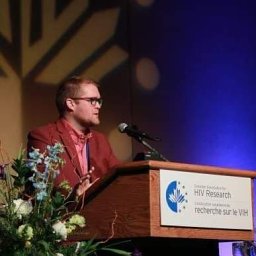 Kiffer G Card合作论文数Faculty of Health Sciences, Simon Fraser University37
 Armstrong Heather L合作论文数School of Psychology, University of Ottawa36
 Paul Sereda合作论文数34
 Rich Ashleigh合作论文数British Columbia Centre for Excellence in HIV/AIDS26
 Elliot Fratkin合作论文数Department of Anthropology, Smith College26
 Julio Sergio Gonzalez Montaner合作论文数Department of Medicine, Faculty of Medicine, The University of British Columbia17Lu Wang合作论文数16Terry Howard合作论文数15Jollimore Jody合作论文数14Allan Lal合作论文数13
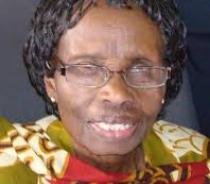 Elizabeth N. Ngugi合作论文数Department of Community Health, University of Nairobi13Gbolahan Olarewaju合作论文数10
 Allison Carter合作论文数Faculty of Health Sciences, Simon Fraser University10Nicanor Bacani合作论文数9
 Jamie I Forrest合作论文数9
 Masako Fujita合作论文数Department of Anthropology, University of Washington9Julia Zhu合作论文数8Martha A. Nathan合作论文数8H. Fisher Raymond合作论文数San Francisco Department of Public Health8Jordan M Sang合作论文数7
 Jansson Mikael合作论文数7
 Cecilia Benoit合作论文数Department of Sociology,University of Victoria7Kaida Angela合作论文数6Joshua Edward合作论文数5
 Gina Martin合作论文数Western Univ, Human Environm Anal Lab, London, ON N6A 3K7, Canada5Ajit Kisor Ray合作论文数5Everett Blackwell合作论文数4Kath Webster合作论文数4
 Donald Scott Macdonald合作论文数4
 Jason Wong合作论文数School of Population and Public Health, Faculty of Medicine, The University of British Columbia;BC Centre for Disease Control4
 Mary Kestler合作论文数Centre for Gender & Sexual Health Equity, Faculty of Medicine, The University of British Columbia;Division of Infectious Diseases, Department of Medicine, Faculty of Medicine, The University of British Columbia;St. Paul’s Hospital;Oak Tree Clinic, BC Women’s Health Centre4
 Mona Loutfy合作论文数Women’s College Research Institute;Women’s College Hospital;Division of Infectious Disease, Department of Medicine, University of Toronto;Institute of Health Policy, Management and Evaluation, University of Toronto;Institute for Clinical Evaluative Sciences4
 Alexandra De Pokomandy合作论文数Department of Family Medicine, Faculty of Medicine and Health Sciences, McGill University4
 Maya Gislason合作论文数School of Social Sciences and Cultural Studies, University of Sussex4Helga Kristin Hallgrimsdottir合作论文数4Warren Michelow合作论文数4Chad Dickie合作论文数3Justin Barath合作论文数3Robert Birch合作论文数3Erin K Gibson合作论文数3KB KURUP合作论文数3Matthew Taylor合作论文数3
 Trevor Corneil合作论文数School of Population and Public Health, Faculty of Medicine, The University of British Columbia3
 Gina Ogilvie合作论文数School of Population and Public Health, Faculty of Medicine, The University of British Columbia3
 Mark Hull合作论文数Providence Research;AIDS Division, Department of Medicine, University of British Columbia;BC Centre for Excellence in HIV/AIDS3




