We consider a number of min-max coverage problems. In each problem, the input is an unweighted graph G and an integer k, and possibly some additional information, such as a root vertex r. In the Min-Max Path Cover problem, the task is to cover all vertices of the graph by k walks, minimizing the length of the longest walk. The variant of Min-Max Path Cover in which all walks start and end at the same prescribed root vertex r is called the k-Traveling Salesmen Problem. In the Min-Max Tree Cover problem, the task is to cover all vertices of the graph by k trees, minimizing the size (number of edges) of the largest tree. In the rooted version, Min-Max k-Rooted Tree Cover, the input also contains k roots r1, . . ., rk, and the ith tree must contain the root ri. These four problems are all known to be APX-hard and to admit a constant-factor approximation. In this paper, we initiate the systematic study of these problems on trees and, more generally, on graphs of constant treewidth. As opposed to most graph problems, all four of the above coverage problems remain NP-hard even when G is a tree. We obtain an nO(k)-time exact algorithm for all four problems on graphs of bounded treewidth. Our main contribution is a quasi-polynomial-time approximation scheme (QPTAS) for the k-Traveling Salesmen Problem, Min-Max Path Cover, and Min-Max Tree Cover on graphs of bounded treewidth.
To fully understand the evolution of complex morphologies, analyses cannot stop at selection: It is essential to investigate the roles and interactions of multiple processes that drive evolutionary outcomes. The challenges of undertaking such analyses have affected both evolutionary biologists and evolutionary roboticists, with their common interests in complex morphologies. In this paper, we present analytical techniques from evolutionary biology, selection gradient analysis and morphospace walks, and we demonstrate their applicability to robot morphologies in analyses of three evolutionary mechanisms: randomness (genetic mutation), development (an explicitly implemented genotype-to-phenotype map), and selection. In particular, we applied these analytical techniques to evolved populations of simulated biorobots—embodied robots designed specifically as models of biological systems, for the testing of biological hypotheses—and we present a variety of results, including analyses that do all of the following: illuminate different evolutionary dynamics for different classes of morphological traits; illustrate how the traits targeted by selection can vary based on the likelihood of random genetic mutation; demonstrate that selection on two selected sets of morphological traits only partially explains the variance in fitness in our biorobots; and suggest that biases in developmental processes could partially explain evolutionary dynamics of morphology. When combined, the complementary analytical approaches discussed in this paper can enable insight into evolutionary processes beyond selection and thereby deepen our understanding of the evolution of robotic morphologies.
For biohybrid systems involving robot interactions with a large and varied population of animals, it could be beneficial to deploy a morphologically and behaviorally varied population of robots into the environment, for successful interactions across the full diversity of the relevant biological population. In this paper, we briefly summarize our work in two areas integral to this effort: (1) computational investigations of bioinspired methods for retaining population-level variance under evolution; and (2) quantitative evolutionary analysis of genetics and morphology. We also consider ideas for Cognitive Science-inspired work in designing goal-directed behaviors for the robots in biohybrid systems. Based on the underlying idea that robot designs with deeper roots in biology can result in more effective biohybrid systems, our perspectives and approaches could illuminate new commonalities between evolved robot populations and evolved biological populations, which would ideally improve the robots as tools for scientific insight into animals, their behaviors, and their environments.
Given that selection removes genetic variance from evolving populations, thereby reducing exploration opportunities, it is important to find mechanisms that create genetic variation without the disruption of adapted genes and genomes caused by random mutation. Just such an alternative is offered by random epigenetic error, a developmental process that acts on materials and parts expressed by the genome. In this system of embodied computational evolution, simulated within a physics engine, epigenetic error was instantiated in an explicit genotype-to-phenotype map as transcription error at the initiation of gene expression. The hypothesis was that transcription error would create genetic variance by shielding genes from the direct impact of selection, creating, in the process, masquerading genomes . To test this hypothesis, populations of simulated embodied biorobots and their developmental systems were evolved under steady directional selection as equivalent rates of random mutation and random transcriptional error were covaried systematically in an 11 × 11 fully factorial experimental design. In each of the 121 different experimental conditions (unique combinations of mutation and transcription error), the same set of 10 randomly created replicate populations of 60 individuals were evolved. Selection for the improved locomotor behavior of individuals led to increased mean fitness of populations over 100 generations at nearly all levels and combinations of mutation and transcription error. When the effects of both types of error were partitioned statistically, increasing transcription error was shown to increase the final genetic variance of populations, incurring a fitness cost but acting on variance independently and differently from genetic mutation. Thus, random epigenetic errors in development feed back through selection of individuals with masquerading genomes to the population’s genetic variance over generational time. Random developmental processes offer an additional mechanism for exploration by increasing genetic variation in the face of steady, directional selection.
To facilitate the construction and analysis of animal-robot systems, we propose to model animals and robots on equal footing: as hybrid cognitive agents. This modeling uses Aaron’s framework for intelligent behavior modeling, where goal-directed behavior of embodied agents emerges from closed-loop interactions with the environment, including other agents. The relevant physical and cognitive components of the agents’ systems are represented and integrated in a unifying dynamical system model, in order to underwrite reactive processes, deliberative processes, and learning. By treating both fish and robots as hybrid cognitive agents, we can model their behavioral interactions explicitly as the on-going consequence of internal states such as goals and intentions. 2020 IEEE/RSJ International Conference on Intelligent Robots and Systems (IROS) October 25-29, 2020, Las Vegas, NV, USA (Virtual) 978-1-7281-6211-9/20/$31.00 ©2020 IEEE 111
EDITORIAL article Front. Robot. AI, 31 August 2018Sec. Robot Learning and Evolution Volume 5 - 2018 | https://doi.org/10.3389/frobt.2018.00103
The genetic operators of recombination, mutation, and selection are commonly included in studies of evolution and evolvability, but they are not the only operators that can affect the genotype-to-phenotype (G→P) map and thus the outcomes of evolution. In this paper, we present experiments with an epigenetic operator (EO, for short), interactive wiring of a circuit, alongside common genetic operators, investigating both epigenetic and genetic operator effects on the evolution of both simulated and physically embodied Braitenberg-inspired robots. As a platform for our experiments, we built a system that encoded the genetics for the physical circuitry of the analog robots and made explicit rules for how that circuitry would be constructed; phenotypic expression consisted of the placement of wires to form the circuitry and thus govern robot behavior. We then varied the presence of gene interactions across populations of robots, studying how the EO — and its effects on G→P maps — affected the results of evolution over several generations. Additionally, a variant of these experiments was run in simulation to provide an independent test of the evolution impact of this EO. Our results demonstrate that robot populations with the EO had quantitatively different and potentially less adaptive evolution than populations without it. For example, selection increased the rate at which functional circuitry was lost in the population with the EO, compared to the population without it. In addition, in simulation EO populations were significantly less fit than populations without it. More generally, results such as these demonstrate the interaction of genetic and epigenetic operators during evolution, suggesting the broad importance of including EOs in investigations of evolvability. To our knowledge, our work represents the first physically embodied EO to be used in the evolution of physically embodied robots.
Intelligent embodied robots are integrated systems: as they move continuously through their environments, executing behaviors and carrying out tasks, components for low-level and high-level intelligence are integrated in the robots cognitive system, and cognitive and physical processes combine to create their behavior. For a modeling framework to enable the design and analysis of such integrated intelligence, the underlying representations in the design of the robot should be dynamically sensitive, capable of reflecting both continuous motion and micro-cognitive influences, while also directly representing the necessary beliefs and intentions for goal-directed behavior. In this paper, a dynamical intention-based modeling framework is presented that satisfies these criteria, along with a hybrid dynamical cognitive agent (HDCA) framework for employing dynamical intentions in embodied agents. This dynamical intention-HDCA (DI-HDCA) modeling framework is a fusion of concepts from spreading activation networks, hybrid dynamical system models, and the BDI (belief-desire-intention) theory of goal-directed reasoning, adapted and employed unconventionally to meet entailments of environment and embodiment. The paper presents two kinds of autonomous agent learning results that demonstrate dynamical intentions and the multi-faceted integration they enable in embodied robots: with a simulated service robot in a grid-world office environment, reactive-level learning minimizes reliance on deliberative-level intelligence, enabling task sequencing and action selection to be distributed over both deliberative and reactive levels; and with a simulated game of Tag, the cognitivephysical integration of an autonomous agent enables the straightforward learning of a user-specified strategy during gameplay, without interruption to the game. In addition, the paper argues that dynamical intentions are consistent with cognitive theory underlying goal-directed behavior, and that DI-HDCA modeling may facilitate the study of emergent behaviors in embodied agents.
In this paper we demonstrate the application of time-varying graphs (TVGs) for modeling and analyzing multi-robot foremost coverage in dynamic environments. In particular, we consider the multi-robot, multi-depot Dynamic Map Visitation Problem (DMVP), in which a team of robots must visit a collection of critical locations as quickly as possible, in an environment that may change rapidly and unpredictably during navigation. We analyze DMVP in the context of the \(\mathcal {R} \supset \mathcal {B} \supset \mathcal {P}\) TVG hierarchy. We present exact offline algorithms for \(k\) robots on edge-recurrent TVGs (\(\mathcal {R}\)) over a range of topologies motivated by border coverage: an \(O(Tn)\) algorithm on a path and an \(O(T\frac{n^2}{k})\) algorithm on a cycle (where \(T\) is a time bound that is linear in the input size), as well as polynomial and fixed parameter tractable solutions for more general notions of border coverage. We also present algorithms for the case of two robots on a tree (and outline generalizations to \(k\) robots), including an \(O(n^5)\) exact algorithm for the case of edge-periodic TVGs (\(\mathcal {P}\)) with period 2, and a tight poly-time approximation for time-bounded edge-recurrent TVGs (\(\mathcal {B}\)). Finally, we present a linear-time \(\frac{12 \varDelta }{5}\)-approximation for two robots on general graphs in \(\mathcal {B}\) with edge-recurrence bound \(\varDelta \).
The effectiveness of anti‐predator traits, such as warning signals and camouflage, has rarely been quantified from a phylogenetic community ecology perspective. Here we use a phylogenetic comparative analysis to test the association between several putative anti‐predator traits and bird predation risk in an assemblage of caterpillar species. We synthesize eight years of field and laboratory study of a temperate forest community, including a four‐year bird exclusion experiment that provided comparative measures of bird predation risk for 38 caterpillar species from a phylogenetic community. We then conducted a phylogenetic generalized least‐squares and information‐theoretic model selection analysis of warning signals (aposematism or mimicry), camouflage (crypsis or masquerade), and behavioral responses to physical attack as predictors of bird predation, while also accounting for putatively important effects of the abundance, mean body size, and phenology of caterpillar species. The most behaviorally specialized caterpillar species possessing warning signals experienced the lowest bird predation risk, supporting aposematism theory and highlighting the role of prey behavior in the visual signaling of predators. Among the camouflaged caterpillar species, those with the greatest latency to detection by human proxy predators experienced the lowest bird predation risk, supporting camouflage theory. Caterpillar behavioral responses to physical attack, however, predicted increased bird predation risk among camouflaged caterpillars. Although caterpillar abundance, body size, and phenology were expected to be important based on inference from optimal foraging theory and previous field observations, these factors had limited predictive power. This study provides methodologically unique evidence for the importance of morphological and behavioral components of primary, visual defenses of caterpillars against their avian predators in a natural community.
We consider the Dynamic Map Visitation Problem (DMVP), in which a team of agents must visit a collection of critical locations as quickly as possible, in an environment that may change rapidly and unpredictably during the agents’ navigation. We apply recent formulations of time-varying graphs (TVGs) to DMVP, shedding new light on the computational hierarchy R ⊃ B ⊃ P of TVG classes by analyzing them in the context of graph navigation. We provide hardness results for all three classes, and for several restricted topologies, we show a separation between the classes by showing severe inapproximability in R, limited approximability in B, and tractability in P. We also give topologies in which DMVP in R is fixed parameter tractable, which may serve as a first step toward fully characterizing the features that make DMVP difficult.
Predicting the impact of carnivores on plants has challenged community and food web ecologists for decades. At the same time, the role of predators in the evolution of herbivore dietary specialization has been an unresolved issue in evolutionary ecology. Here, we integrate these perspectives by testing the role of herbivore diet breadth as a predictor of top-down effects of avian predators on herbivores and plants in a forest food web. Using experimental bird exclosures to study a complex community of trees, caterpillars, and birds, we found a robust positive association between caterpillar diet breadth (phylodiversity of host plants used) and the strength of bird predation across 41 caterpillar and eight tree species. Dietary specialization was associated with increased enemy-free space for both camouflaged (n = 33) and warningly signaled (n = 8) caterpillar species. Furthermore, dietary specialization was associated with increased crypsis (camouflaged species only) and more stereotyped resting poses (camouflaged and warningly signaled species), but was unrelated to caterpillar body size. These dynamics in turn cascaded down to plants: a metaanalysis (n = 15 tree species) showed the beneficial effect of birds on trees (i.e., reduced leaf damage) decreased with the proportion of dietary specialist taxa composing a tree species' herbivore fauna. We conclude that herbivore diet breadth is a key functional trait underlying the trophic effects of carnivores on both herbivores and plants.
We consider the Dynamic Map Visitation Problem (DMVP), in which a team of agents must visit a collection of critical locations as quickly as possible, in an environment that may change rapidly and unpredictably during the agents' navigation. We apply recent formulations of time-varying graphs (TVGs) to DMVP, shedding new light on the computational hierarchy $\mathcal{R} \supset \mathcal{B} \supset \mathcal{P}$ of TVG classes by analyzing them in the context of graph navigation. We provide hardness results for all three classes, and for several restricted topologies, we show a separation between the classes by showing severe inapproximability in $\mathcal{R}$, limited approximability in $\mathcal{B}$, and tractability in $\mathcal{P}$. We also give topologies in which DMVP in $\mathcal{R}$ is fixed parameter tractable, which may serve as a first step toward fully characterizing the features that make DMVP difficult.
Experimental evidence suggests that a tumor's environment may be critical to designing successful therapeutic protocols: Modeling interactions between a tumor and its environment could improve our understanding of tumor growth and inform approaches to treatment. This paper describes an efficient, flexible, hybrid cellular automaton-based implementation of numerical solutions to multiple time-scale reaction-diffusion equations, applied to a model of tumor proliferation. The growth and maintenance of cells in our simulation depend on the rate of cellular energy (ATP) metabolized from nearby nutrients such as glucose and oxygen. Nutrient consumption rates are functions of local pH as well as local concentrations of oxygen and other fuels. The diffusion of these nutrients is modeled using a novel variation of random-walk techniques. Furthermore, we detail the effects of three boundary update rules on simulations, describing their effects on computational efficiency and biological realism. Qualitative and quantitative results from simulations provide insight on how tumor growth is affected by various environmental changes such as micro-vessel density or lower pH, both of high interest in current cancer research.
For embodied agents that interact with people in time-sensitive applications, such as robot assistants or autonomous characters in video games, effectiveness can depend on responsive and adaptive behavior in dynamic environments. To support such behavior, agents’ cognitive and physical systems can be modeled in a single, shared language of dynamical systems, an integrated design that supports performance with mechanisms not readily available in other modeling approaches. In this paper, we discuss these general ideas and describe how hybrid dynamical cognitive agents (HDCAs) employ such integrated modeling, resulting in dynamically sensitive user interaction, task sequencing, and adaptive behavior. We also present results of the first userinteractive applications of HDCAs: As demonstrations of this integrated cognitive-physical intelligence, we implemented our HDCAs as autonomous players in an interactive animated Tag game; resulting HDCA behavior included dynamic task re-sequencing, interesting and sensible unscripted behavior, and learning of a multi-faceted user-specified strategy for improving game play.
This paper discusses the multi-robot, multi-depot Map Visitation Problem, a multi-robot inspection problem in which a team of robots originating from multiple home base depots must visit a collection of previously identified critical locations in a two-dimensional navigation environment. In its precise focus on location inspection, it is related yet complementary to other inspection or surveillance problems such as boundary coverage or patrol. In the paper, we analyze graph representations and an agent model appropriate for the Map Visitation Problem, and we present complexity results for a variety of categories of map structures, including lines, rings, trees, and general graphs. In addition to complexity results, we present an algorithm for the Map Visitation Problem on trees that is optimal for single-robot problems and a second algorithm that is provably within a factor of two of optimal for two robots inspecting arbitrary graphs.
This paper describes a reactive navigation method for autonomous agents such as robots or actors in virtual worlds, based on novel dynamic tangent obstacle representations, resulting in exceptionally successful, geometrically sensitive navigation. The method employs three levels of abstraction, treating each obstacle entity as an obstacle-valued function; this treatment enables extraordinary flexibility without pre-computation or deliberation, applying to all obstacles regardless of shape, including non-convex, polygonal, or arc-shaped obstacles in dynamic environments. The unconventional levels of abstraction and the geometric details of dynamic tangent representations are the primary contributions of this work, supporting smooth navigation even in scenarios with curved shapes, such as circular and figure-eight shaped tracks, or in environments requiring complex, winding paths.
As a foundation for action selection and task-sequencing intelligence, the reactive and deliberative subsystems of a hybrid agent can be unified by a single, shared representation of intention. In this paper, we summarize a framework for hybrid dynamical cognitive agents (HDCAs) that incorporates a representation of dynamical intention into both reactive and deliberative structures of a hybrid dynamical system model, and we present methods for learning in these intention-guided agents. The HDCA framework is based on ideas from spreading activation models and belief–desire–intention (BDI) models. Intentions and other cognitive elements are represented as interconnected, continuously varying quantities, employed by both reactive and deliberative processes. HDCA learning methods—such as Hebbian strengthening of links between co-active elements, and belief–intention learning of task-specific relationships—modify interconnections among cognitive elements, extending the benefits of reactive intelligence by enhancing high-level task sequencing without additional reliance on or modification of deliberation. We also present demonstrations of simulated robots that learned geographic and domain-specific task relationships in an office environment.
Representations of intention shared by reactive and deliberative systems of hybrid agents enable seamless integration of high-level logical reasoning and low-level behavioral response. This thesis presents an architecture for hybrid dynamical cognitive agents (HDCAs), hybrid reactive/deliberative agents with cognitive systems of continuously evolving beliefs, desires, and intentions based on BDI and spreading activation network models. Dynamical intentions support goal-directed behavior in both reactive and deliberative systems of HDCAs: on the reactive level, dynamical intentions allow for continuous cognitive evolution and real-time task re-sequencing; on the deliberative level, dynamical intentions enable logical reasoning and plan generation. Because intention representations are shared between both systems, reactive behavior and goal-directed deliberation are straightforwardly integrated in HDCAs. Additionally, Hebbian learning on connections in the spreading activation network of beliefs, desires, and intentions trains HDCAs’ reactive systems to respond to typically deliberative-level information. To establish comparability between HDCAs and traditional BDI-based architectures, dynamical intentions are shown to be consistent with the philosophical definition of intention from other BDI models. Simulations of autonomous, embodied HDCAs navigating to complete tasks in a grid city environment illustrate dynamical, intention-based behavior that derives from clean integration of reactive and deliberative systems.
As a foundation for goal-directed behavior, the reactive and deliberative systems of a hybrid agent can share a single, unifying representation of intention. In this paper, we present a framework for incorporating dynamical intention into hybrid agents, based on ideas from spreading activation models and belief-desire-intention (BDI ) models. In this framework, intentions and other cognitive elements are represented as continuously varying quantities, employed by both sub-deliberative and deliberative processes: On the reactive level, representations support some real-time responsive task re-sequencing; on the deliberative level, representations support common logical reasoning. Because cognitive representations are shared across both levels, inter-level integration is straightforward. Furthermore, dynamical intention is demonstrably consistent with philosophical observations that inform conventional BDI models, so dynamical intentions function as conventional intentions. After describing our framework, we briefly summarize simple demonstrations of our approach, suggesting that dynamical intention-guided intelligence can potentially extend benefits of reactivity without compromising advantages of deliberation in a hybrid agent.
 John H Long, Jr合作论文数Natural History Museum of Los Angeles County5
 Henny Admoni合作论文数Robotics Institute, Carnegie Mellon University;School of Computer Science, Carnegie Mellon University4
 Ken Livingston合作论文数3
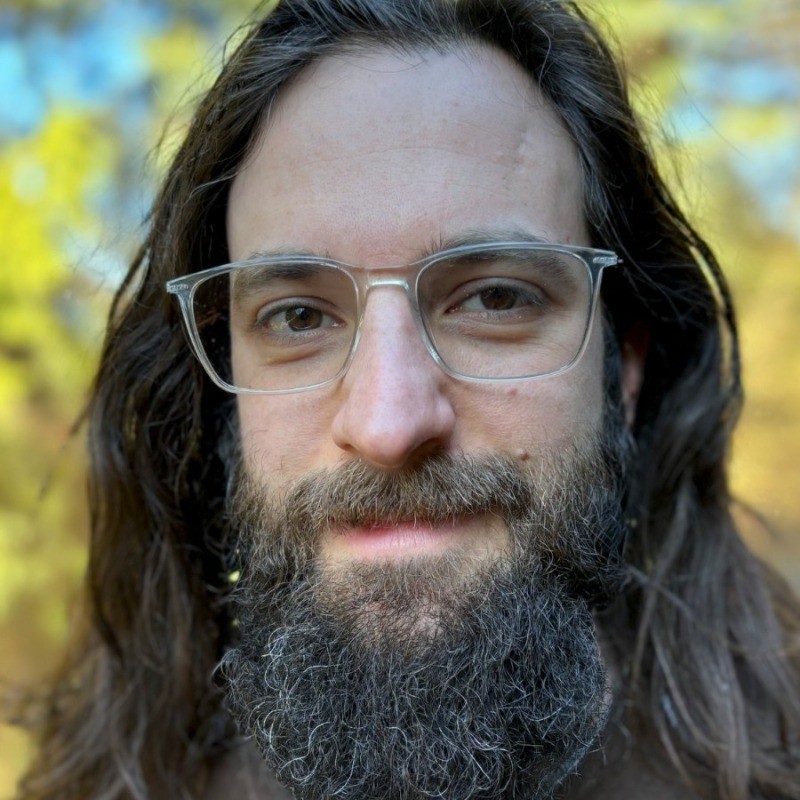 Elliot Meyerson合作论文数Cognizant AI Labs3
 Danny Krizanc合作论文数Mathematics Department, Wesleyan University3Joshua Hawthorne-Madell合作论文数2Isaac H Lichter-Marck合作论文数2
 Dimitris N. Metaxas合作论文数Department of Computer Science, School of Arts and Sciences, Rutgers University2
 Juan Pablo Mendoza合作论文数Carnegie Mellon University2
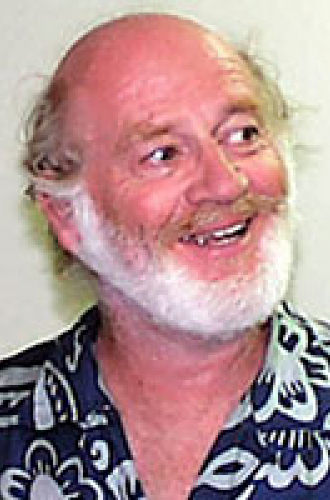 Michael C Singer合作论文数School of Biomedical Sciences, Faculty of Health, University of Plymouth;Department of Integrative Biology, College of Natural Sciences, The University of Texas at Austin2
 Úrsula Hébert-Johnson合作论文数Theory Lab, University of California, Santa Barbara1Jake Brawer合作论文数Department of Computer Science, Yale University1
 Timothy Emil Farkas合作论文数Department of Animal and Plant Sciences, University of Sheffield1
 Stephane Doncieux合作论文数ISIR/UPMC1
 Daniel Lokshtanov合作论文数Department of Computer Science, University of California Santa Barbara1
 Franjo Ivancic合作论文数NEC Laboratories America, Princeton, NJ, USA1
 Christopher Dubois合作论文数Apple1
 Evangelos Kranakis合作论文数School of Computer Science, Carleton University1Micah Wylde合作论文数1
 Oleg Sokolsky合作论文数Department of Computer and Information Science
University of Pennsylvania1
Oleg Sokolsky合作论文数Department of Computer and Information Science
University of Pennsylvania1 Ami Radunskaya合作论文数Department of Mathematics, Pomona College1Jeffrey C. Oliver合作论文数University of Colorado Ecology and Evolutionary Biology 334 UCB Boulder CO 80309 USA1
 Kenneth D. Whitney合作论文数Department of Biology, Indiana University1
 Kailen Andrews Mooney合作论文数Department of Ecology;Evolutionary Biology;University of California;Department of Ecology, University of California , Irvine1Jesse Farnham合作论文数1
 Josh Bongard合作论文数Department of Computer Science, College of Engineering and Mathematical Sciences, The University of Vermont;Morphology, Evolution & Cognition Laboratory1




