Objective: To update the 2004 American Academy of Neurology (AAN) guideline for treating new-onset focal or generalized epilepsy (GE) with second- and third-generation antiepileptic drugs (AEDs). Methods: The 2004 AAN criteria was used to systematically review literature (January 2003 to November 2015), classify pertinent studies according to the therapeutic rating scheme, and link recommendations to evidence strength. Results: Several second-generation AEDs are effective for new-onset focal epilepsy. Data are lacking on efficacy in new-onset generalized tonic–clonic seizures, juvenile myoclonic epilepsy, or juvenile absence epilepsy, and on efficacy of third-generation AEDs in new-onset epilepsy. Recommendations: Lamotrigine (LTG) should (Level B) and levetiracetam (LEV) and zonisamide (ZNS) may (Level C) be considered in decreasing seizure frequency in adults with new-onset focal epilepsy. LTG should (Level B) and gabapentin (GBP) may (Level C) be considered in decreasing seizure frequency in patients ≥60 years with new-onset focal epilepsy. Unless there are compelling adverse-effect–related concerns, ethosuximide (ETS) or valproic acid (VPA) should be considered before LTG to decrease seizure frequency in treating absence seizures in childhood absence epilepsy (Level B). No high-quality studies suggest clobazam, eslicarbazepine, ezogabine, felbamate, GBP, lacosamide, LEV, LTG, oxcarbazepine, perampanel, pregabalin, rufinamide, tiagabine, topiramate, vigabatrin, or ZNS is effective in treating new-onset epilepsy because no high-quality studies exist in adults of various ages. A recent FDA strategy allows extrapolation of efficacy across populations; therefore, for focal epilepsy, eslicarbazepine and lacosamide (oral only for pediatric use) as add-on or monotherapy in persons ≥4 years old and perampanel as monotherapy received FDA approval.
Objective: To systematically review the evidence and make recommendations with regard to diagnostic utility of cervical and ocular vestibular evoked myogenic potentials (cVEMP and oVEMP, respectively). Four questions were asked: Does cVEMP accurately identify superior canal dehiscence syndrome (SCDS)? Does oVEMP accurately identify SCDS? For suspected vestibular symptoms, does cVEMP/oVEMP accurately identify vestibular dysfunction related to the saccule/utricle? For vestibular symptoms, does cVEMP/oVEMP accurately and substantively aid diagnosis of any specific vestibular disorder besides SCDS? Methods: The guideline panel identified and classified relevant published studies (January 1980-December 2016) according to the 2004 American Academy of Neurology process. Results and Recommendations: Level C positive: Clinicians may use cVEMP stimulus threshold values to distinguish SCDS from controls (2 Class III studies) (sensitivity 86%-91%, specificity 90%-96%). Corrected cVEMP amplitude may be used to distinguish SCDS from controls (2 Class III studies) (sensitivity 100%, specificity 93%). Clinicians may use oVEMP amplitude to distinguish SCDS from normal controls (3 Class III studies) (sensitivity 77%-100%, specificity 98%-100%). oVEMP threshold may be used to aid in distinguishing SCDS from controls (3 Class III studies) (sensitivity 70%-100%, specificity 77%-100%). Level U: Evidence is insufficient to determine whether cVEMP and oVEMP can accurately identify vestibular function specifically related to the saccule/utricle, or whether cVEMP or oVEMP is useful in diagnosing vestibular neuritis or Meniere disease. Level C negative: It has not been demonstrated that cVEMP substantively aids in diagnosing benign paroxysmal positional vertigo, or that cVEMP or oVEMP aids in diagnosing/managing vestibular migraine.
To systematically review the evidence and make recommendations with regard to diagnostic utility of cervical and ocular vestibular evoked myogenic potentials (cVEMP and oVEMP, respectively). Four questions were asked: Does cVEMP accurately identify superior canal dehiscence syndrome (SCDS)? Does oVEMP accurately identify SCDS? For suspected vestibular symptoms, does cVEMP/oVEMP accurately identify vestibular dysfunction related to the saccule/utricle? For vestibular symptoms, does cVEMP/oVEMP accurately and substantively aid diagnosis of any specific vestibular disorder besides SCDS?
Goodin and Reder misstate the AAN’s rules for the classification of therapeutic evidence.1 A randomized controlled trial (RCT) that documents substantial balance between treatment groups in known baseline confounding characteristics is eligible for a Class I rating. A non-randomized matched cohort study that documents substantial balance between treatment groups in known baseline confounders between treatment groups is at best eligible for a Class II rating. In this way the AAN classification system incorporates the methodological superiority of randomization over matching.2 However, as Goodin and Reder correctly point out, randomization can fail. To determine whether randomization (or matching) succeeded in balancing treatment groups on baseline confounding characteristics, well-reported studies report the distribution of baseline confounders between treatment groups.3 Matched cohort studies or RCTs failing to document the distribution of baseline confounders are at best rated Class III by the AAN system. The authors of the long-term follow-up (LTF) study4 failed to report baseline confounding characteristics related to mortality. Thus, the LTF study was rated Class III. Responding to Goodin and Reder’s other points:
Factors influencing medical decision-making
 Gary S Gronseth合作论文数3Gloss David S合作论文数3
 Michael Reaume合作论文数Pulm & Crit Care Med, Henry Ford Hosp2
 Anita Shallal合作论文数Div Infect Dis, Henry Ford Hosp2
 Kevin A. Kerber合作论文数Center for Health and Research Transformation, University of Michigan;Department of Neurology, University of Medicine and Health Sciences2
 Brian Callaghan合作论文数Department of Neurology, University of Michigan Medical School;Institute for Healthcare Policy and Innovation, University of Michigan2
 Terry D Fife合作论文数Barrow Neurological Institute2Brantberg Krister合作论文数2
 Michael Strupp合作论文数Department of Neurology, Ludwig-Maximilians-University Munich2Jeffrey J. Fletcher合作论文数2Mark F. Walker合作论文数2James G Colebatch合作论文数2Hyung Lee合作论文数2Blaise Bourgeois合作论文数1Esmeralda Llanas Park合作论文数1
 Melissa J Armstrong合作论文数1
 Douglas I Katz合作论文数1
 Jacqueline A. French合作论文数Department of Neurology, Grossman School of Medicine, New York University1
 Joseph T. Giacino合作论文数Center for Bioethics, Harvard Medical School;Department of Physical Medicine and Rehabilitation, Harvard Medical School;Neurorehabilitation Laboratory, Spaulding Rehabilitation Hospital;Department of Psychiatry, Massachusetts General Hospital;Spaulding Rehabilitation Outcomes Center1
 Raymond Edward Faught合作论文数School of Medicine Faculty, Emory University1
 Nicholas D Schiff合作论文数Brain and Mind Research Institute, Weill Cornell Medicine College, Cornell University1
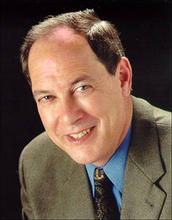 Stephen Ashwal合作论文数Division of Child Neurology, Department of Pediatrics, School of Medicine, Loma Linda University;Stem Cell Center, College of Natural & Agricultural Sciences, University of California, Riverside1
 Thomas S. D. Getchius合作论文数1
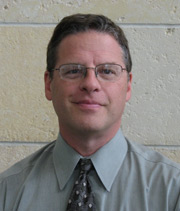 Barry E Gidal合作论文数Pharmacy Practice & Translational Research Division, School of Pharmacy, University of Wisconsin-Madison1Ling Geoffrey S F合作论文数1
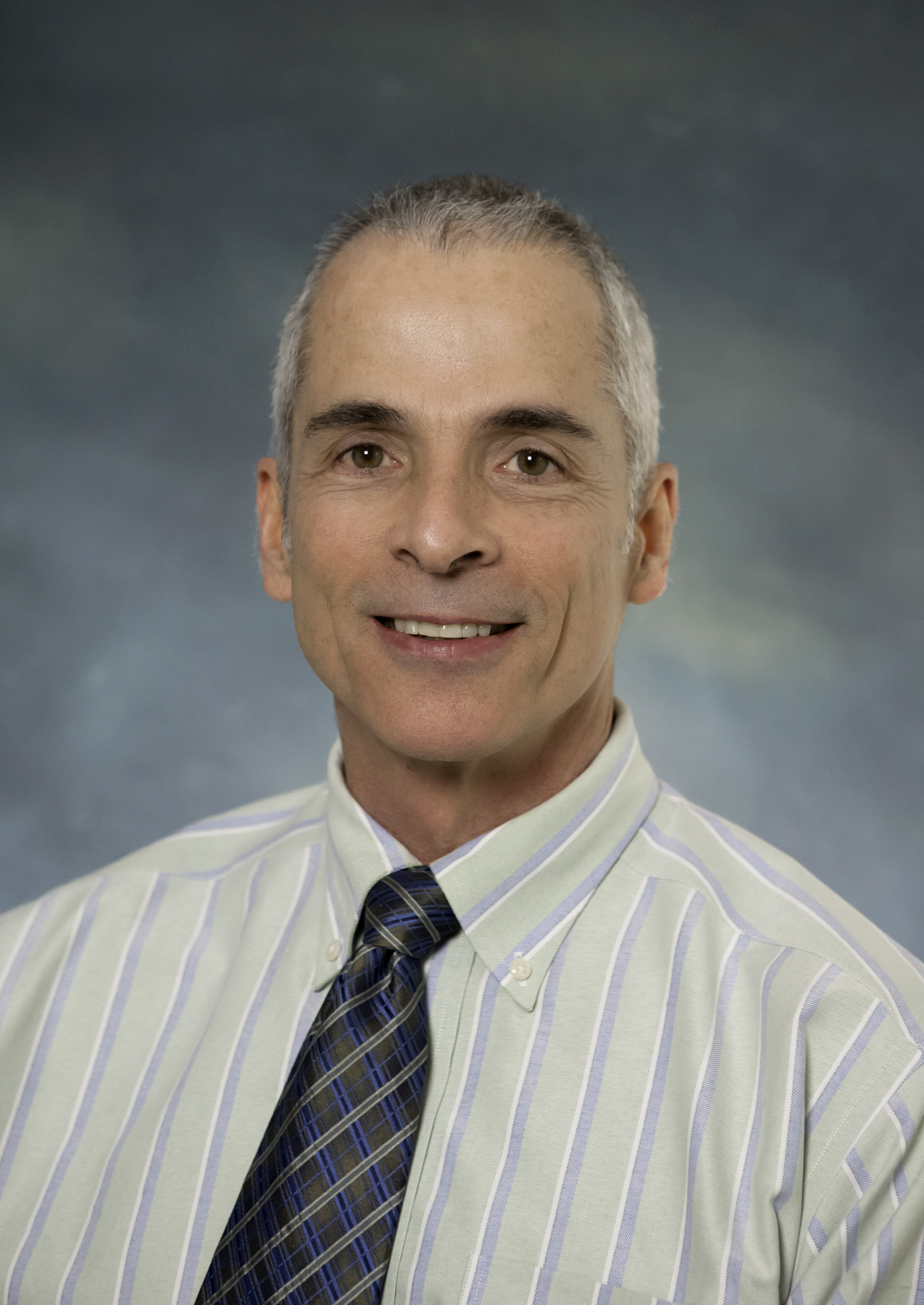 John Whyte合作论文数Moss Rehabilitation Research Institute1Burakgazi-Dalkilic Evren合作论文数1
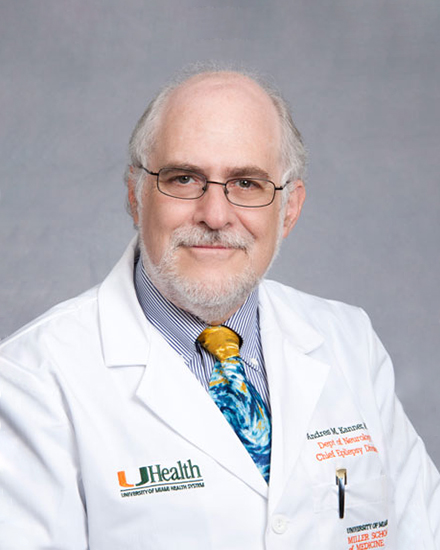 Andres M. Kanner合作论文数Division of Epilepsy, Department of Neurology, Miller School of Medicine, University of Miami;Comprehensive Epilepsy Center, Department of Neurology, Miller School of Medicine, University of Miami1
 Steven Laureys合作论文数School of Basic Medical Sciences, Hangzhou Normal University;Harvard Medical School, Harvard University;CERVO Brain Research Centre, Université Laval;GIGA Consciousness Research Unit, University of Liège1Mark P. Nespeca合作论文数1
 Bassel W. Abou Khalil合作论文数Department of Neurology, School of Medicine, Vanderbilt University1Richard Barbano合作论文数1Ronald T. Seel合作论文数Shepherd Center, 2020 Peachtree Road, Atlanta, GA, United States1
 Flora M. Hammond合作论文数Virginia Commonwealth University1Jocelyn F. Bautista合作论文数School of Chemical Sciences, University of Illinois at1
 Risa Nakase-Richardson合作论文数1
 Cynthia L. Harden合作论文数Northwell Health1John M. Stern合作论文数Geffen School of Medicine, UCLA1
 Stuart Yablon合作论文数Methodist Rehabilitation Center1
 Deborah Hirtz合作论文数Center on Disability and Community Inclusion, College of Education and Social Services, The University of Vermont;The University of Vermont Medical Center1




