This study investigates the factors influencing lethal outcomes in sexual assaults, with a particular focus on situational and environmental factors. Using a sample of 182 extrafamilial sexual homicide cases and a control group of 400 sexual assault cases, the research aims to identify key elements that differentiate lethal from non-lethal sexual crimes. Bivariate analyses, sequential binary logistic regression, and artificial neural network were conducted to examine the predictive power of situational and environmental factors related to the sexual homicide offenders and victim. Results highlight significant distinctions between lethal and non-lethal cases, particularly concerning weapon presence, evidence destruction, and the choice of a familiar setting for the perpetrator. These findings support the integration of situational and environmental factors into theoretical models, offering a more comprehensive framework for understanding the escalation to lethal outcomes in sexual violence. These findings have practical implications for investigations, helping refine suspect profiles, prioritise leads based on situational and environmental risk indicators, and improve the identification of high-risk cases.PRACTICE IMPACT STATEMENTThese findings emphasise the value of incorporating situational and environmental factors into models of sexual violence, offering a more nuanced understanding of escalation to lethal outcomes. They provide practical tools for police investigations, helping to refine suspect profiles, prioritise leads according to key risk indicators, and tailor interrogation strategies. Centralising these indicators in shared databases could further improve consistency across investigations and enhance the identification of high-risk cases.
PurposeAlthough crime location is known to matter in sexual homicides, it remains unclear whether predictors of the victim-offender relationship differ between indoor and outdoor settings. This exploratory study aims to examine whether these predictors distinguishing stranger and offenders known to the victim vary across crime scene locations.Design/methodology/approachThe sample included 440 solved adult sexual homicides (victim ages 16-65) from France and Canada. Chi-squared tests assessed the relationships between variables and the victim-offender relationship (stranger = 1, known = 0) across three groups: all cases (n = 440), indoor cases (n = 289) and outdoor cases (n = 151). Statistically significant predictors with sufficient case counts were then entered into logistic regression models for further analysis.FindingsStrangers were more likely to bring a weapon, have the victim perform fellatio, and remove items from the scene. Offenders known to the victim were more likely to target specific victims and engage in overkill. When analyses were stratified by crime scene location, the indoor model results were similar to the overall findings; however, when the offender moved the victim's body post crime, the offender was more likely to be someone known to the victim. However, fewer behaviors significantly distinguished stranger and known offenders in outdoor sexual homicides.Originality/valueTo the best of the authors' knowledge, this study is the first to examine behaviors predicting the victim-offender relationship separately for indoor and outdoor crime scenes, highlighting the importance of context when interpreting offender behavior.
Abstract Purpose Existing research has conceptualized criminal expertise among sexual offenders through the combined examination of modus operandi sophistication and detection avoidance strategies. This study investigated whether forensic and investigative awareness strategies, considered independently from the modus operandi, constitute a meaningful indicator of criminal expertise. Methods The sample comprised 1349 solved cases of sexual assault with penetration committed by male strangers against adult female victims in France between 2001 and 2018. A latent class analysis was conducted using six detection avoidance variables, followed by bivariate analyses to assess the external validity of the identified classes. Results Five distinct classes emerged, forming a coherent continuum of criminal expertise ranging from Novices, characterized by minimal use of avoidance strategies, to Experts, who combined diverse forensic and investigative awareness strategies. A hierarchical progression from investigative to forensic strategies was observed across classes. External validity analyses showed significant associations between class membership, modus operandi sophistication and offender characteristics. Conclusions Detection avoidance strategies alone appear to provide a meaningful indicator of criminal expertise among sexual offenders. These findings support a continuum‐based conceptualization of expertise and highlight the value of detection avoidance behaviours for crime scene analysis, offender profiling and the study of criminal decision‐making.
Detectives require analytic tools for the evaluation of deception, truth, and probability as police investigations need to assess the validity of suspect alibis, witness claims, victim allegations, and crime theory feasibility. For a crime to happen, a number of preliminary, intervening, and follow-up steps have to occur (e.g., finding a target, casing the bank, disposing of the body) along the dimensions of time, action, and geography (TAG). A crime script is a framework for dissecting this sequence. We propose their use for assessing the feasibility of a crime narrative. If the required phase shifts are improbable, or the order of actions illogical, then such an analysis warns investigators the TAG line is problematic. Different case studies – a wrongful conviction, a murder trial, and a social media crime frenzy – are dissected and evaluated using crime scripts. The analyses reveal the improbability of all three crime narratives. Crime scripts are a useful thinking tool in criminal investigations. By deconstructing a crime into discrete temporal, geographic, and action phases, the viability of the overall narrative can be assessed. If a reasonable story cannot be constructed from the linked stages, there is a problem and further inquiries are required. We propose a novel application of crime scripts to assist in police investigations. Despite the importance of validity and veracity assessment in this task, the area remains an understudied part of the criminal investigation process.
Sexual homicides are complex crimes that have been the focus of numerous classification systems aimed at aiding investigations, understanding offender behavior, and informing treatment plans. Over the past 25 years, a variety of typologies have been developed to categorize these offenses. This scoping review examines these typologies, exploring their evolution and the key offender, victim, and crime characteristics used to define them. The review identifies 19 empirical typologies from Canada, France, the UK, South Africa, and other regions, most of which are based on police and offender data. Typologies typically include categories such as "sadistic" and "anger-driven" homicides, though the number of types varies across studies. Moreover, the review highlights gaps in current research, such as limited sample sizes and the need for more diverse cultural perspectives. Recommendations are made for developing a more comprehensive and validated typology that incorporates broader data sources and modern methodologies, such as machine learning techniques, to enhance profiling, investigation, and prevention efforts.
Despite cultural references to the dangers of hitchhiking, particularly for sexual homicide, no published research investigates these incidents from both an offender and crime scene perspective. Using the Sexual Homicide International Database (SHIelD), we explore lifestyle risk by comparing sexual homicide cases involving hitchhiking victims to those involving victims engaged in sex trade work. The results, based on the use of bivariate and multivariate statistics, indicate that offenders view hitchhiking victims as opportunities for confinement without physical restraint, often engaging in sexual acts and theft. While not primarily sadistic or sexually deviant, many offenders partake in criminal activities, exhibit psychological disorders, and possess weapons. Hitchhiking facilitates perpetrator-victim encounters due to its environmental characteristics. Victims in the sex trade, typically found in isolated locations, are at the mercy of offenders who drive them to unknown destinations. In contrast, murderers targeting low-risk victims display more sexual preoccupations, inserting foreign objects and engaging in postmortem activities. These distinctions suggest distinct offender profiles for each lifestyle.
This review includes research on sexual burglary to highlight the distinct behaviours of such offenders. Only recently has there been a thorough examination of the decision-making that goes into this hybrid crime, and the potential for these individuals to progress to more serious and violent criminal acts. Work on sexual burglary has found that decisions made during the crime commission reflect rational decision-making and organization, despite previous research suggesting that sexual crimes are mostly impulsive. Furthermore, these rational choices may lead to the development of expertise in sexual burglary, with offenders learning how to avoid detection and engage in forensic awareness strategies. The knowledge that sexual burglars are expert decision-makers has important implications, as these behaviours may lead to more violent and lethal sexual crimes. Identifying these offenders through their decisions and crime characteristics is key to potentially deterring or preventing future offending.
The current study was conducted to confirm the characteristics in sexual homicide and to explore variables that effectively differentiate sexual homicide and nonsexual homicide. Further, newer methods that have received attention in criminology, such as the machine learning method, were used to explore the ideal algorithm for classifying sexual homicide and patterns for sexual homicide in Korea. To do this, 542 homicide cases were analyzed utilizing eight algorithms, and the classification performance of each algorithm was analyzed along with the importance of variables. The results of the analysis revealed that the Naive Bayes, K-Nearest Neighbors, and RF algorithms demonstrate good classification accuracy, and generally, factors such as relationships, marriage, planning, personal weapons, and overkill were identified as crucial variables that distinguish sexual homicide in Korea. In addition, the crime scene information of the crime occurring in the dark (at night) and body disposal were found to have high importance. The current study proposes ways to enhance the efficacy of crime investigation and advance the research on sexual homicides in Korea through a more scientific understanding of sexual homicide that has not been thoroughly explored domestically.
This study aims to examine the sexual victimization process of individuals with disabilities using the interactional victimology theoretical framework. Specifically, we compare the victimological indicators of four different situations: victims were not disabled, victims were physically disabled, victims were psychologically disabled, and finally, victims were both physically and psychologically disabled. The sample used in this study consists of 1,077 cases of extrafamilial sexual assaults involving adult victims in France. Bivariate and multivariate analyses are performed to examine the differences between cases where victims were not disabled ( n = 500), victims were physically disabled ( n = 243), victims were psychologically disabled ( n = 276), and victims were both physically and psychologically disabled ( n = 58). Findings show that disability is a factor increasing the severity of sexual violence and that the type of disability affects the parameters of the victimization process. Moreover, results show that sexual victimization of persons with disabilities is more likely due to their vulnerability than to their exposure to risks. Both theoretical and practical implications related to the vulnerability concept are discussed.
Although relatively rare, sexual homicide has stimulated research efforts to better understand and intervene in the prevention of such crime. However, specific high-risk victims such as sex-trade workers have been understudied. To contribute to the limited scientific literature on this topic, the current study examines the characteristics of the sexual victimization of sex-trade workers using a sample of 402 lethal and non-lethal cases. Bivariate and multivariate analyses indicated that the lethal outcome associated with the sexual victimization of sex-trade workers may not be associated with sadism and paraphilic behaviors, but rather by excessive violence and victim's vulnerabilities. Conjunctive analysis further indicated that the combination of excessive violence, victim's intoxication, situational factors, and crime characteristics was associated with lethal sexual victimization of sex-trade workers. Findings suggest strategies in the development of situational prevention and intervention strategies.
Purpose of ReviewThis review presents recent research on the sexual abuse of older adults and examines this phenomenon from a criminological perspective. Much of the previous work has neglected to consider the entirety of the crime-commission process. Therefore, the work highlighted in this review showcases important information regarding the individual who committed the crime, the victim, and the criminal event as a whole.Recent FindingsComparative studies suggest that the motivations of people who commit sexually victimize older adults are vast and can include those that are sexually and anger motivated, while the victims present with unique vulnerabilities, such as disabilities and spending most of their time at home, that make them more susceptible to excessive violence.SummaryPeople who commit sexual abuse against older adults are a heterogenous group, and the context of victim vulnerabilities is key to understanding why they are targeted. Specific prevention and investigative practices can be formed to better address this crime and protect older adults from future victimization.
Sexual homicide (SH) research has focused on those who commit these crimes and the crimes themselves. This leaves the victim, an equally crucial piece to the puzzle, left as a sort of afterthought, despite the valuable insight that victimology provides to the crime. For the current study, victim information related to their routine activities and lifestyles was taken from an international database containing 662 solved cases of SH. Nine victim variables were used in a latent class analysis to find hidden subgroups within the victim population. Three classes were identified-low-risk, homebody, and overt risk victims-which suggests that SH victimization varies depending on the victim lifestyles and routine activities. These groups were externally validated by examining their association with different phases of the crime commission process. Some sexual homicide offenders may be more drawn to a victim because they present as vulnerable and opportunistic, while others might be methodically targeted. The theoretical relevance of this typology, along with investigative and prevention strategies, is discussed.
This study aims to explore the behavioral manifestation of sadism in females involved in sexual crimes. The sample includes 24 female sex offenders for which sadism was assessed with the SeSaS. To conduct a gender-based comparison analysis, we conducted a random selection of 100 sadistic male offenders. Bivariate comparisons and multidimensional scaling analysis were used to determine whether behavioral manifestation and dimensions of sadism are different in female sex offenders. Results showed that sadism in women manifests itself differently from male offenders and practical implications are discussed.
Sexual violence committed by multiple perpetrators is a particularly worrying phenomenon given that the severity of psychopathological sequelae for the victims are increased when the sexual offense is committed by more than one offender. Preliminary studies showed that sexual violence committed by solo offenders is different from that of duos or groups of offenders. This study explores the heterogeneity within 983 cases of sexual violence committed by multiple perpetrators, with a focus not only on offenders' modus operandi, but also victims' routine activities and situational aspects of the crime. Results from a latent class analysis identified four offending patterns: sexual violence committed by multiple perpetrators where: 1) stranger victims were randomly selected; 2) offenders were geographically mobile; 3) victims were assaulted during social events; and 4) offenders were non-sexually motivated. Findings help identify situational characteristics interacting with offenders' behaviors and victims' routine activities associated with sexual violence committed by multiple perpetrators. The implications regarding the heterogeneity of criminal patterns in these forms of violence is discussed in relation to police practice, situational crime prevention strategies, and future research.
The purpose of this chapter is to provide an overview of the available empirical knowledge on extreme crime scene behaviors observed in sexual homicides, namely foreign object insertion, overkill, dismemberment, necrophilic behaviors, and unusual behaviors. The first part defines the different extreme behaviors as well as describes the context in which they occur, and the factors associated with them. In the second part, this chapter is dedicated to the interpretation of the occurrence of these different behaviors by focusing on the motivations that led to their commission, in particular sadism and rationality. We conclude by suggesting some implications of these findings, especially for the criminal investigation.
This study examines Sexual Homicide (SH) cases, analyzing the transition to cold cases through a non-discretionary lens. Utilizing the SH International Database, it explores the interplay between offender behavior, victim characteristics, and crime context. Advanced methodologies, including sequential logistic regression and Artificial Neural Networks, identify key predictors of case resolution. Results highlight the critical influence of victim intoxication, high-risk activities, and the location of the victim's body on case solvability. The study also reveals the significant role of offender forensic awareness and the complexity of crime scenes in hindering case resolution. These findings underline the multifaceted nature of SH cases, emphasizing the importance of understanding the nuanced interplay between victim, offender, and contextual factors in solving these challenging cases.
To date, sexually motivated abductions have not received as much attention from researchers in comparison to the acts of abduction and sexual assault alone. Further, the majority of research that is conducted on abductions focuses solely on child victims, creating a gap in the literature. The current study was set forth to identify qualitatively different subgroups of offenders who commit sexually motivated abductions. Using victim, crime, and offender characteristics taken from sexual abduction cases (n = 1288), a latent class analysis was conducted. Results from the latent class analysis revealed that four subgroups of sexually motivated abductors exist: Convenience Opportunist, Strategic Opportunist, Child Opportunist, and Familiar Opportunist. In addition, bivariate analyses were run to test the latent class solution with different characteristics; results suggest that these subgroups of sexually motivated offenders may not be dependent on some victim lifestyle characteristics. These results provide evidence that there are qualitatively different subgroups of offenders who commit sexually motivated abductions, which may be useful for law enforcement when conducting investigations.
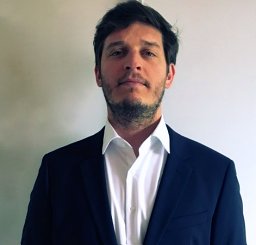 Julien Chopin合作论文数Simon Fraser Univ97
 Proulx Jean合作论文数27
 Martineau Melissa合作论文数25
 Kylie S. Reale合作论文数Simon Fraser Univ15Patrick Lussier合作论文数14
 Nadine Deslauriers-Varin合作论文数13
 Ashley N. Hewitt合作论文数Sch Criminal Justice & Criminol, Texas State Univ12
 Matthew DeLisi合作论文数Department of Sociology and Criminal Justice, College of Liberal Arts and Sciences, Iowa State University10
 Martin Bouchard合作论文数Sch Criminol, Simon Fraser Univ10
 Jonghan Sea合作论文数Dept Psychol, Yeungnam Univ9Benoit Leclerc合作论文数Griffith University9
 Jay Healey合作论文数Simon Fraser University8Amelie Pedneault合作论文数8
 Heng Choon Oliver Chan (陳慶泉)合作论文数Department of Social and Behavioural Sciences, City University of Hong Kong8Tom Mieczkowski合作论文数8
 Reid Joan A合作论文数University of Massachusetts Lowell7
 Christina Mancini合作论文数L Douglas Wilder Sch Govt & Publ Affairs, Virginia Commonwealth Univ7
 Samantha Balemba合作论文数7
 Amy Reckdenwald合作论文数7
 Alasdair Goodwill合作论文数Dept Psychol, Ryerson Univ7
 Hana Georgoulis合作论文数6
 Sarah Paquette合作论文数Sch Social Work & Criminol, Laval Univ5
 Jonathan James合作论文数Département de psychologie, université du Québec à Trois-Rivières5D. Kim Rossmo合作论文数School of Criminology, Simon Fraser University5Francis Fortin合作论文数4
 Sara Skott合作论文数Dept Humanities & Social Sci, Mid Sweden Univ4Myers Wade C合作论文数4
 Danielle A. Harris合作论文数San José State University4
 Evan C McCuish合作论文数4
 Martin Alexander Andresen合作论文数School of Criminology, Simon Fraser University4
 Rajan Darjee合作论文数4
 Patrick Michaud合作论文数3
 Sonja Bitzer合作论文数Corresponding author.3
 Kathleen Heide合作论文数Department of Criminology, College of Behavioral and Community Sciences, University of South Florida3Garth Davies合作论文数3Emma Oliveira-Christiaen合作论文数2Loren Horan合作论文数2Mélina Siwic合作论文数2Anny Kim合作论文数2Maurice Cusson合作论文数2Sandra Oziel合作论文数2
 Alexandre Gauthier合作论文数2
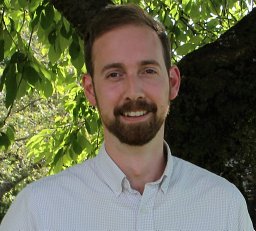 Jeff Mathesius合作论文数Corresponding author.2Olivia Katherine Ha合作论文数2
 Lorena Molnar合作论文数University of Lausanne2Margaret Kalacska合作论文数Department of Geography, Faculty of Arts, McGill University2
 Skye Stephens合作论文数Ryerson University2
 Patricia L. Brantingham合作论文数Simon Fraser University2
 Marcelo F. Aebi合作论文数Department of Political Science and Public Law Building B, Universitat Autònoma de Barcelona2




