The Stratospheric Observatory for Infrared Astronomy (SOFIA) has recently concluded a set of engineering flights for Observatory performance evaluation. These in-flight opportunities are viewed as a first comprehensive assessment of the Observatory's performance and are used to guide future development activities, as well as to identify additional Observatory upgrades. Pointing stability was evaluated, including the image motion due to rigid-body and flexible-body telescope modes as well as possible aero-optical image motion. We report on recent improvements in pointing stability by using an active mass damper system installed on the telescope. Measurements and characterization of the shear layer and cavity seeing, as well as image quality evaluation as a function of wavelength have also been performed. Additional tests targeted basic Observatory capabilities and requirements, including pointing accuracy, chopper evaluation and imager sensitivity. This paper reports on the data collected during these flights and presents current SOFIA Observatory performance and characterization.
We present a conceptual design for a high-resolution optical spectrograph appropriate for mounting at Cassegrain on a large aperture telescope. The design is based on our work for the Gemini High Resolution Optical Spectrograph (CUGHOS) project. Our design places the spectrograph at Cassegrain focus to maximize throughput and blue wavelength coverage, delivering R=40,000 resolving power over a continuous 320–1050 nm waveband with throughputs twice those of current instruments. The optical design uses a two-arm, cross-dispersed echelle format with each arm optimized to maximize efficiency. A fixed image slicer is used to minimize optics sizes. The principal challenge for the instrument design is to minimize flexure and degradation of the optical image. To ensure image stability, our opto-mechanical design combines a cost-effective, passively stable bench employing a honeycomb aluminum structure with active flexure control. The active flexure compensation consists of hexapod mounts for each focal plane with full 6-axis range of motion capability to correct for focus and beam displacement. We verified instrument performance using an integrated model that couples the optical and mechanical design to image performance. The full end-to-end modeling of the system under gravitational, thermal, and vibrational perturbations shows that deflections of the optical beam at the focal plane are <29 μm per exposure under the worst case scenario (<10 μm for most orientations), with final correction to 5 μm or better using open-loop active control to meet the stability requirement. The design elements and high fidelity modeling process are generally applicable to instruments requiring high stability under a varying gravity vector.
ABSTRACT Carbon monoxide (CO) is the most commonly used tracer of molecular gas in the inner regions of protoplanetary disks. CO can be used to constrain the excitation and structure of the circumstellar environment. Absorption line spectroscopy provides an accurate assessment of a single line of sight through the protoplanetary disk system, giving more straightforward estimates of column densities and temperatures than CO and molecular hydrogen (H2) emission line studies. We analyze new observations of ultraviolet CO absorption from the Hubble Space Telescope along the sightlines to six classical T Tauri stars. Gas velocities consistent with the stellar velocities, combined with the moderate-to-high disk inclinations, argue against the absorbing CO gas originating in a fast-moving disk wind. We conclude that the far-ultraviolet observations provide a direct measure of the disk atmosphere or possibly a slow disk wind. The CO absorption lines are reproduced by model spectra with column densities in the range N(12CO) ∼ 1016–1018 cm−2 and N(13CO) ∼ 1015–1017 cm−2, rotational temperatures T rot(CO) ∼ 300–700 K, and Doppler b-values, b ∼ 0.5–1.5 km s−1. We use these results to constrain the line-of-sight density of the warm molecular gas (n CO ∼ 70–4000 cm−3) and put these observations in context with protoplanetary disk models.
We present the first science results from the Sub-orbital Local Interstellar Cloud Experiment (SLICE): moderate resolution 1020-1070 angstrom spectroscopy of four sightlines through the local interstellar medium. High signal-to-noise (S/N) spectra of eta Uma, alpha Vir, delta Sco, and zeta Oph were obtained during a 2013 April 21 rocket flight. The SLICE observations constrain the density, molecular photoexcitation rates, and physical conditions present in the interstellar material toward delta Sco and zeta Oph. Our spectra indicate a factor of two lower total N(H-2) than previously reported for delta Sco, which we attribute to higher S/N and better scattered light control in the new SLICE observations. We find N(H-2) = 1.5 x 10(19) cm(-2) on the delta Sco sightline, with kinetic and excitation temperatures of 67 and 529 K, respectively, and a cloud density of n(H) = 56 cm(-3). Our observations of the bulk of the molecular sightline toward zeta Oph are consistent with previous measurements (N(H-2) approximate to 3 x 10(20) cm(-2) at T-01(H-2) = 66 K and T-exc = 350 K). However, we detect significantly more rotationally excited H-2 toward zeta Oph than previously observed. We infer a cloud density in the rotationally excited component of n(H) approximate to 7600 cm(-3) and suggest that the increased column densities of excited H-2 are a result of the ongoing interaction between zeta Oph and its environment; also manifest as the prominent mid-IR bowshock observed by WISE and the presence of vibrationally excited H-2 molecules observed by the Hubble Space Telescope.
We present the flight performance and preliminary science results from the first flight of the Sub-orbital Local Interstellar Cloud Experiment (SLICE). SLICE is a rocket-borne far-ultraviolet instrument designed to study the diffuse interstellar medium. The SLICE payload comprises a Cassegrain telescope with LiF-coated aluminum optics feeding a Rowland Circle spectrograph operating at medium resolution (R ~ 5000) over the 102 – 107 nm bandpass. We present a novel method for cleaning LiF-overcoated Al optics and the instrumental wavelength calibration, while the details of the instrument design and assembly are presented in a companion proceeding (Kane et al. 2013). We focus primarily on first results from the spring 2013 launch of SLICE in this work. SLICE was launched aboard a Terrier-Black Brant IX sounding rocket from White Sands Missile Range to observe four hot stars sampling different interstellar sightlines. The instrument acquired approximately 240 seconds of on-target time for the science spectra. We observe atomic and molecular transitions (HI, OI, CII, OVI, H2) tracing a range of temperatures, ionization states, and molecular fractions in diffuse interstellar clouds. Initial spectral synthesis results and future plans are discussed.
We present the fabrication and testing of the Sub-orbital Local Interstellar Cloud Experiment (SLICE), a rocket-borne payload for ultraviolet astrophysics in the 1020 to 1070 Å bandpass. The SLICE optical system is composed of an ultraviolet-optimized telescope feeding a Rowland Circle spectrograph. The telescope is an 8-inch Classical Cassegrain operating at F/7, with Al optics overcoated with LiF for enhanced far-ultraviolet reflectivity. The holographically-ruled grating focuses light at an open-faced microchannel plate detector employing an opaque RbBr photocathode. In this proceeding, we describe the design trades and calibration issues confronted during the build-up of this payload. We place particular emphasis on the technical details of the design, modifications, construction, and alignment procedures for SLICE in order to provide a roadmap for the optimization of future ruggedized experiments for ultraviolet imaging and spectroscopy.
Few scientific discoveries have captured the public imagination like the explosion of exoplanetary science during the past two decades. This work has fundamentally changed our picture of Earth's place in the Universe and led NASA to make significant investments towards understanding the demographics of exoplanetary systems and the conditions that lead to their formation. The story of the formation and evolution of exoplanetary systems is essentially the story of the circumstellar gas and dust that are initially present in the protostellar environment; in order to understand the variety of planetary systems observed, we need to understand the life cycle of circumstellar gas from its initial conditions in protoplanetary disks to its endpoint as planets and their atmospheres. In this white paper response to NASA's Request for Information "Science Objectives and Requirements for the Next NASA UV/Visible Astrophysics Mission Concepts (NNH12ZDA008L)", we describe scientific programs that would use the unique capabilities of a future NASA ultraviolet (UV)/visible space observatory to make order-of-magnitude advances in our understanding of the life cycle of circumstellar gas.
Carbon monoxide is a commonly used IR/submillimeter tracer of gas in protoplanetary disks. We present an analysis of ultraviolet CO emission in Hubble Space Telescope Cosmic Origins Spectrograph spectra for 12 Classical T Tauri stars (CTTSs). Several ro-vibrational bands of the CO A(1)Pi-X-1 Sigma(+) (Fourth Positive) electronic transition system are spectrally resolved from emission of other atoms and H-2. The CO A(1)Pi nu' = 14 state is populated by absorption of Ly alpha photons, created at the accretion column on the stellar surface. For targets with strong CO emission, we model the Lya radiation field as an input for a simple fluorescence model to estimate CO rotational excitation temperatures and column densities. Typical column densities range from N-CO = 10(18) to 10(19) cm(-2). Our measured excitation temperatures are mostly below T-CO = 600 K, cooler than typical M-band CO emission. These temperatures and the emission line widths imply that the UV emission originates in a different population of CO than that which is IR-emitting. We also find a significant correlation between CO emission and the disk accretion rate (M) over dot and age. Our analysis shows that ultraviolet CO emission can be a useful diagnostic of CTTS disk gas.
A key astrophysical theme that will drive future UV/optical space missions is the life cycle of cosmic matter, from the flow of intergalactic gas into galaxies to the formation and evolution of exoplanetary systems. Spectroscopic systems capable of delivering high resolution with low backgrounds will be essential to addressing these topics. Towards this end, we are developing a rocket-borne instrument that will serve as a pathfinder for future high-sensitivity, highresolution UV spectrographs. The Colorado High-resolution Echelle Stellar Spectrograph (CHESS) will provide 2 km s-1 velocity resolution (R = 150,000) over the 100 - 160 nm bandpass that includes key atomic and molecular spectral diagnostics for the intergalactic medium (H I Lyman-series, O VI, N V, and C IV), exoplanetary atmospheres (H I Lyman-alpha, O I, and C II), and protoplanetary disks (H2 and CO electronic band systems). CHESS uses a novel mechanical collimator comprised of an array of 10 mm x 10 mm stainless steel tubes to feed a low-scatter, 69 grooves mm-1 echelle grating. The cross-disperser is a holographically ruled toroid, with 351 grooves mm-1. The spectral orders can be recorded with either a 40 mm cross-strip microchannel plate detector or a 3.5k x 3.5k δ-doped CCD. The microchannel plate will deliver 30 μm spatial resolution and employs new 64 amp/axis electronics to accommodate high count rate observations of local OB stars. CHESS is scheduled to be launched aboard a NASA Terrier/Black Brant IX sounding rocket from White Sands Missile Range in the summer of 2013.
As part of a program to study translucent interstellar clouds, NGC 2024 IRS 1 was observed by the Cosmic Origins Spectrograph (COS) on board the Hubble Space Telescope. IRS 1 is a heavily reddened B0.5 V star (E(B - V) = 1.69, R-V = 4.5, and A(V) = 7.61) lying outside the core of the NGC 2024 cluster and not considered to be the ionizing source of the nebula. At wavelengths below about 1300 angstrom, the observed spectrum deviates from that expected of a reddened B star, showing an increase in flux to shorter wavelengths and the presence of P-Cygni profiles in both the C III] lambda 1176 and NV lambda 1240 lines. Because of the presence of these lines, the absence of any P-Cygni signature in the Si IV lambda 1394/1403 lines, and the measurement of extended emission on the detector focal plane, we believe this portion of the spectrum to be scattered light from an O6 to B0 supergiant. The COS entrance aperture is 2.5 arcsec in diameter and can let in substantial scattered light from the nebula. NGC 2024 IRS 2b is an O8 star and believed to be the ionizing source of the nebula. It is currently identified as a main-sequence star, but should it be a supergiant the presence of such an evolved star implies an age for the cluster of the order of 3 Myr, in conflict with age determinations based on infrared spectroscopy, and may have implications for the energetics and density structure of the nebula.
We have designed, assembled, and launched a sounding rocket payload to perform high-resolution far-ultraviolet spectroscopy. The instrument is functionally a Cassegrain telescope followed by a modified Rowland spectrograph. The spectrograph was designed to achieve a resolving power (R=λ/δλ) of 60,000 in a compact package by adding a magnifying secondary optic. This is enabled by using a holographically ruled grating to minimize aberrations induced by the second optic. We designed the instrument to observe two stars on opposing sides of a nearby hot/cold gas interface. Obtaining spectra of the O VI doublet in absorption toward these stars can provide new insight into the processes governing hot gas in the local interstellar medium. Here we present the optical design and alignment of the telescope and spectrograph, as well as flight results.
The direct study of molecular gas in inner protoplanetary disks is complicated by uncertainties in the spatial distribution of the gas, the time-variability of the source, and the comparison of observations across a wide range of wavelengths. Some of these challenges can be mitigated with far-ultraviolet spectroscopy. Using new observations obtained with the HST-Cosmic Origins Spectrograph, we measure column densities and rovibrational temperatures for CO and H2 observed on the line-of-sight through the AA Tauri circumstellar disk. CO A-X absorption bands are observed against the far-UV continuum. The CO absorption is characterized by log(N(^{12}CO)) = 17.5 +/- 0.5 cm^{-2} and T_rot(CO) = 500$^{+500}_{-200} K, although this rotational temperature may underestimate the local kinetic temperature of the CO-bearing gas. We also detect ^{13}CO in absorption with an isotopic ratio of ~20. We do not observe H2 absorption against the continuum; however, hot H2 (v > 0) is detected in absorption against the LyA emission line. We measure the column densities in eight individual rovibrational states, determining a total log(N(H2)) = 17.9^{+0.6}_{-0.3} cm^{-2} with a thermal temperature of T(H2) = 2500^{+800}_{-700} K. The high-temperature of the molecules, the relatively small H2 column density, and the high-inclination of the AA Tauri disk suggest that the absorbing gas resides in an inner disk atmosphere. If the H2 and CO are co-spatial within a molecular layer ~ 0.6 AU thick, this region is characterized by ~ 10^{5} cm^{-3} with an observed ratio of ~ 0.4. We also find evidence for a departure from a purely thermal H2 distribution, suggesting that excitation by continuum photons and H2 formation may be altering the level populations in the molecular gas.
We present the Colorado High-resolution Echelle Stellar Spectrograph (CHESS) sounding rocket payload. The design uses a mechanical collimator made from a grid of square tubing, an objective echelle grating, a holographically-ruled cross-disperser, a new 40 mm MCP with a cross strip anode or a delta-doped 3.5k x 3.5k CCD detector. The optics are suspended using carbon fiber rods epoxied to titanium inserts to create a space frame structure. A preliminary design is presented.
ABSTRACT We exploit the high sensitivity and moderate spectral resolution of the Hubble Space Telescope Cosmic Origins Spectrograph to detect far-ultraviolet (UV) spectral features of carbon monoxide (CO) present in the inner regions of protoplanetary disks for the first time. We present spectra of the classical T Tauri stars HN Tau, RECX-11, and V4046 Sgr, representative of a range of CO radiative processes. HN Tau shows CO bands in absorption against the accretion continuum. The CO absorption most likely arises in warm inner disk gas. We measure a CO column density and rotational excitation temperature of N(CO) = (2 ± 1) × 1017 cm−2 and T rot(CO) 500 ± 200 K for the absorbing gas. We also detect CO A–X band emission in RECX-11 and V4046 Sgr, excited by UV line photons, predominantly H i Lyα. All three objects show emission from CO bands at λ > 1560 Å, which may be excited by a combination of UV photons and collisions with non-thermal electrons. In previous observations these emission processes were not accounted for due to blending with emission from the accretion shock, collisionally excited H2, and photo-excited H2, all of which appeared as a “continuum” whose components could not be separated. The CO emission spectrum is strongly dependent upon the shape of the incident stellar Lyα emission profile. We find CO parameters in the range: N(CO) ∼ 1018–1019 cm−2, T rot(CO) ≳ 300 K for the Lyα-pumped emission. We combine these results with recent work on photo-excited and collisionally excited H2 emission, concluding that the observations of UV-emitting CO and H2 are consistent with a common spatial origin. We suggest that the CO/H2 ratio (≡ N(CO)/N(H2)) in the inner disk is ∼1, a transition between the much lower interstellar value and the higher value observed in solar system comets today, a result that will require future observational and theoretical study to confirm.
The Cosmic Origins Spectrograph (COS) was installed in the Hubble Space Telescope in May, 2009 as part of Servicing Mission 4 to provide high sensitivity, medium and low resolution spectroscopy at far- and near-ultraviolet wavelengths (FUV, NUV). COS is the most sensitive FUV/NUV spectrograph flown to date, spanning the wavelength range from 900{\AA} to 3200{\AA} with peak effective area approaching 3000 cm^2. This paper describes instrument design, the results of the Servicing Mission Orbital Verification (SMOV), and the ongoing performance monitoring program.
Using archival, high-resolution far-ultraviolet HST/STIS spectra of 34 Galactic O and B stars, we measure CI column densities and compare them with measurements from the literature of CO and H_2 with regard to understanding the presence of translucent clouds along the line-of-sight. We find that the CO/H_2 and CO/CI ratios provide good discriminators for the presence of translucent material, and both increase as a function of molecular fraction, f = 2N(H_2)/N(H). We suggest that sightlines with values below CO/H_2 ~ 1E-6 and CO/CI ~ 1 contain mostly diffuse molecular clouds, while those with values above sample clouds in the transition region between diffuse and dark. These discriminating values are also consistent with the change in slope of the CO v. H_2 correlation near the column density at which CO shielding becomes important, as evidenced by the change in photochemistry regime studied by Sheffer et al. (2008). Based on the lack of correlation of the presence of translucent material with traditional measures of extinction we recommend defining 'translucent clouds' based on the molecular content rather than line-of-sight extinction properties.
 Kevin France合作论文数University of Colorado28
 Stephan McCandliss合作论文数Department of Physics & Astronomy, Krieger School of Arts & Sciences, Johns Hopkins University27
 Paul Feldman合作论文数William H. Miller III Department of Physics & Astronomy, Krieger School of Arts & Sciences, Johns Hopkins University19
 James C. Green合作论文数Department of Astrophysical & Planetary Sciences, College of Arts and Sciences, University of Colorado Boulder14
 Jason B McPhate合作论文数11
 David J. Sahnow合作论文数10Matthew Beasley合作论文数10
 David Buckley合作论文数9Kenneth H. Nordsieck合作论文数9
 Steven V. Penton合作论文数9Darragh O'Donoghue合作论文数8Eric R. Schindhelm合作论文数8Nordsieck. K. H.合作论文数7
 B-G Andersson合作论文数7
 Petri Vaisanen合作论文数South African Astronomical Observatory7Thomas B. Ake合作论文数7
 Cynthia S. Froning合作论文数Department of Astronomy, University of Texas at Austin;McDonald Observatory, University of Texas at Austin7
 Alessandra Aloisi合作论文数Space Telescope Science Institute;NASA Headquarters7
 Cristina Oliveira合作论文数6
 Parviz Ghavamian合作论文数6
 Paul Goudfrooij合作论文数6
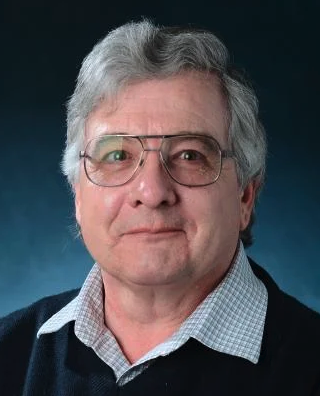 Alexander Brown合作论文数Center for Astrophysics and Space Astronomy, University of Colorado Boulder6Charles D. Keyes合作论文数6Derck Massa合作论文数6Theodore B Williams合作论文数6George F Hartig合作论文数6
 Stephane Beland合作论文数5Daniel J. Lennon合作论文数5
 Rachel Osten合作论文数Space Telescope Science Institute;Center for Astrophysical Sciences, Johns Hopkins University5
 Gregory Herczeg (沈雷歌)合作论文数The Kavli Institute for Astronomy and Astrophysics, Peking University;California Institute of Technology5
 Ted Snow合作论文数Center for Astrophysics and Space Astronomy, College of Arts and Sciences, University of Colorado Boulder5Nicola S. Loaring合作论文数5
 Jeffrey L. Linsky合作论文数Department of Astrophysical and Planetary Sciences, College of Arts and Sciences, University of Colorado Boulder4Alexei Y. Kniazev合作论文数4Charles R. Proffitt合作论文数4
 Robert L. Kane合作论文数Division of Health Policy and Management, School of Public Health, University of Minnesota4Joanna M. Brown合作论文数4thomas p delker合作论文数3J. W. Percival合作论文数3Nicola Loaring合作论文数3
 Steven N. Osterman合作论文数3A. Kniazev合作论文数3
 Nuria Calvet合作论文数Department of Astronomy, College of Literature, Science, and the Arts, University of Michigan3
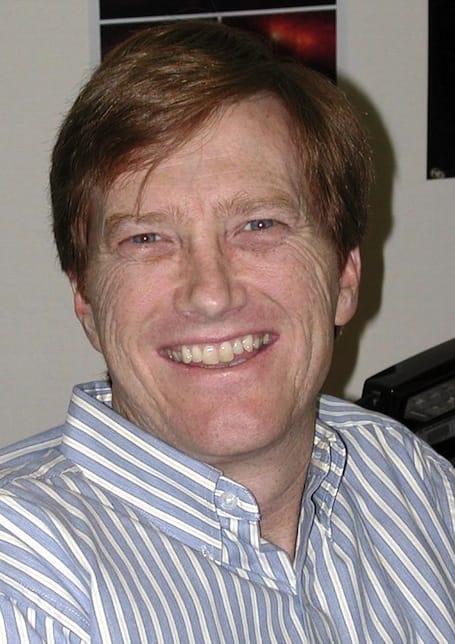 Harold A. Weaver合作论文数William H. Miller III Department of Physics and Astronomy, Krieger School of Arts and Sciences, Johns Hopkins University;Applied Physics Laboratory, Johns Hopkins University3
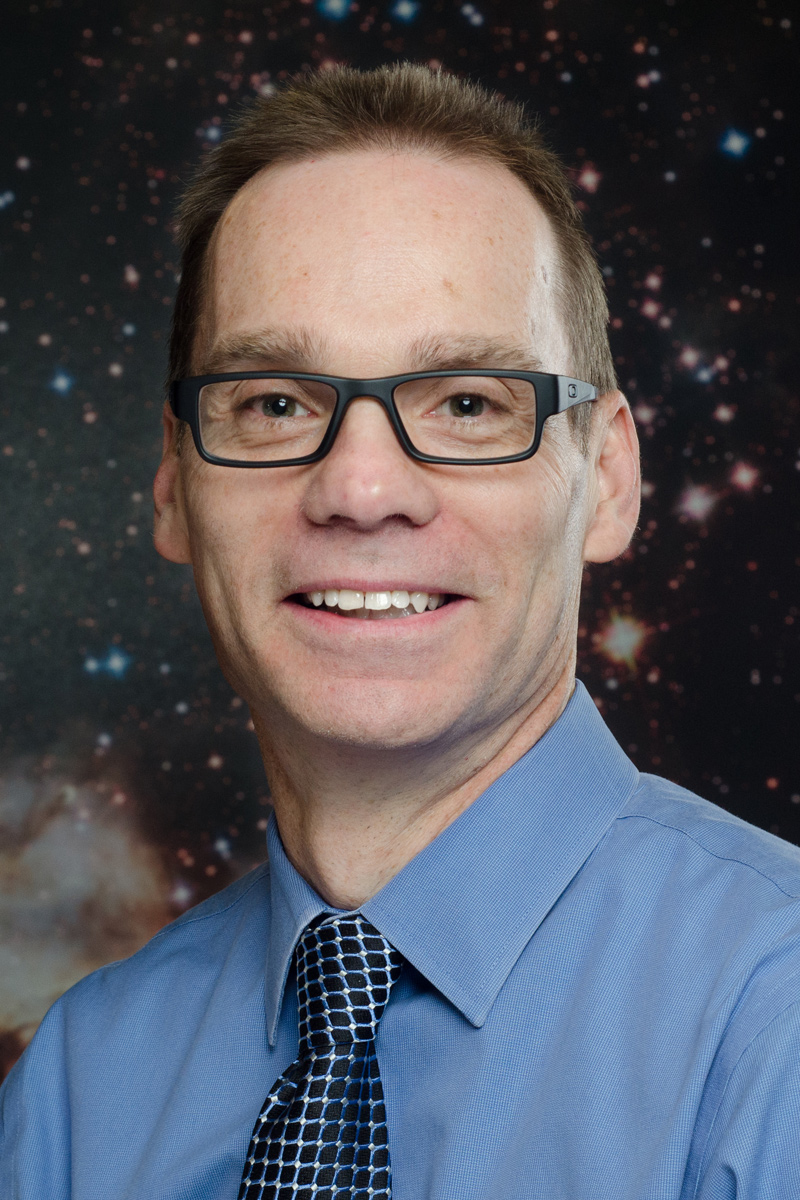 Kenneth Sembach合作论文数Space Telescope Science Institute3
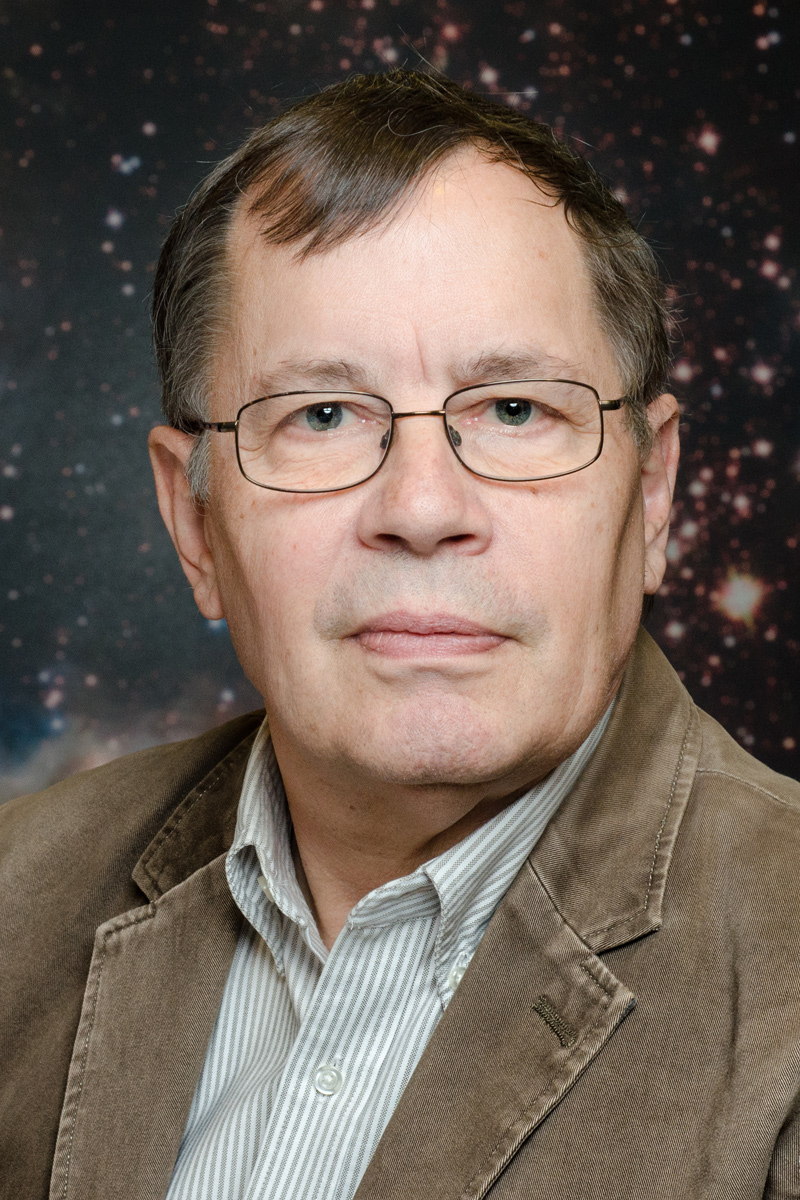 David Soderblom合作论文数Space Telescope Science Institute3
 Christopher M. Johns-Krull合作论文数Department of Physics & Astronomy, Rice University3
 Hao Yang合作论文数Colorado3
 Oswald Siegmund合作论文数Space Sciences Laboratory, University of California, Berkeley3




