PDF file - 137KB, IHC semi-quantification. Semi-quantitative analysis of cleaved caspase-3 histological samples of DLD-1 and SW620 xenograft tumors treated with vehicle or AZD-1152 (A). Evaluation of multiple low field (2.5x) micrographs revealed a statistical significant difference between vehicle- and drug-treated SW620 (p < 0.0001) tumors but not for analogously treated DLD-1 tumors (p = 0.524). Similar analysis of cleaved caspase-3 histological samples of COLO-205 and LIM-2405 treatment cohorts revealed a statistical significant difference between vehicle-treated and combination-treated COLO-205 (p = 0.025) tumors but not for analogously treated LIM-2405 tumors (p = 0.325) (B).
PDF file - 43KB, Docking scores are reported as ranked by the Crash (steric repulsion) score from the protein flexibility (PF-score) scoring function of the Tripos SYBYL-X v2.0 software suite that also features (among other scoring parameters) comparison with SurflexDock Total_Score (statistical estimate of binding affinity, -log Kd), Polar (measure of polar contacts), Strain (measure of internal ligand energetic strain) and Similarity (index of shape-based morphological similarity to reference covalent inhibitor compound) term score parameters. Proposed N-terminal modifications to the VAD-FMK peptide scaffold all scored comparably using these criteria indicating minimal predicted perturbation to interactions with the caspase-3 protein target.
PDF file - 93KB, Scheme 2. 18FSFB (9) (A) and 18FFB-VAD-FMK (11) (B) synthetic schemes. Compound (9) radiosynthesis was performed systematically using an automated radiochemistry module.
ABSTRACTLong read sequencing technology is becoming increasingly popular for Precision Medicine applications like Whole Genome Sequencing (WGS) and microbial abundance estimation. Minimap2 is the state-of-the-art aligner and mapper used by the leading long read sequencing technologies, today. However, Minimap2 on CPUs is very slow for long noisy reads. ∼60-70% of the run-time on a CPU comes from the highly sequential chaining step in Minimap2. On the other hand, most Point-of-Care computational workflows in long read sequencing use Graphics Processing Units (GPUs). We present minimap2-accelerated (mm2-ax), a heterogeneous design for sequence mapping and alignment where minimap2’s compute intensive chaining step is sped up on the GPU and demonstrate its time and cost benefits.We extract better intra-read parallelism from chaining without loosing mapping accuracy by forward transforming Minimap2’s chaining algorithm. Moreover, we better utilize the high memory available on modern cloud instances apart from better workload balancing, data locality and minimal branch divergence on the GPU. We show mm2-ax on an NVIDIA A100 GPU improves the chaining step with 5.41 - 2.57X speedup and 4.07 - 1.93X speedup : costup over the fastest version of Minimap2, mm2-fast, benchmarked on a Google Cloud Platform instance of 30 SIMD cores.
PDF file - 90KB, Scheme 1. 19FFB-VAD-FMK (3) (A) and 127IIZ-VAD-FMK (5) (B) synthetic schemes.
PDF file - 79KB, 19FFB-VAD-FMK and parent peptide enzyme selectivity. Biochemistry, fluorescence measured IC50 values, collected as duplicates, of the parent peptide, VAD-FMK, and 19FFB-VAD-FMK against caspases-3/6/7/8.
PDF file - 43KB, Docking scores are reported as ranked by the Crash (steric repulsion) score from the protein flexibility (PF-score) scoring function of the Tripos SYBYL-X v2.0 software suite that also features (among other scoring parameters) comparison with SurflexDock Total_Score (statistical estimate of binding affinity, -log Kd), Polar (measure of polar contacts), Strain (measure of internal ligand energetic strain) and Similarity (index of shape-based morphological similarity to reference covalent inhibitor compound) term score parameters. Proposed N-terminal modifications to the VAD-FMK peptide scaffold all scored comparably using these criteria indicating minimal predicted perturbation to interactions with the caspase-3 protein target.
Abstract The 1986 Chernobyl nuclear power plant accident increased papillary thyroid cancer (PTC) incidence in surrounding regions, particularly for 131I-exposed children. To investigate the contribution of environmental radiation to PTC characteristics and improve understanding of radiation-induced carcinogenesis, we analyzed genomic, transcriptomic, and epigenomic characteristics of 440 pathologically-confirmed fresh-frozen PTCs from Ukraine (359 with estimated childhood or in utero 131I exposure and 81 from unexposed children born after March 1987) and matched normal tissue (non-tumor thyroid tissue and/or blood). Mean age at PTC was 28.0 years (range: 10.0-45.6). Among 131I-exposed individuals, mean radiation dose was 250 mGy (range: 11.0-8,800). In multivariable models adjusted for age at PTC and sex, we observed radiation dose-dependent enrichment of fusion drivers (P=6.6 × 10⁻⁸), nearly all occurring in the MAPK pathway, as well as increases in small deletions (P=8.0 × 10⁻⁹) and simple/balanced structural variants (P=1.2 × 10⁻¹⁴). Further analyses demonstrated even stronger associations for those small deletions and simple/balanced structural variants that were clonal and bore hallmarks of non-homologous end-joining repair (deletions: P=4.9 × 10⁻³¹; simple/balanced structural variants: P=5.5 × 10⁻¹⁹). In contrast, radiation dose was not associated with subclonal small deletions (P=0.82) or subclonal simple/balanced structural variants (P=0.91). Additionally, radiation dose was not associated with TINS (locally templated insertions), which are characteristic of alt-end-joining repair (P=0.69). The effects of radiation on genomic alterations with more pronounced for those younger at exposure. Analyses generally were consistent with a linear radiation dose-response for all molecular characteristics except clonal small deletions. Analyses of transcriptomic and epigenomic features demonstrated strong associations with the PTC driver gene but not radiation dose. Our results point to DNA double-strand breaks as early carcinogenic events that subsequently enable PTC growth following environmental radiation exposure. Citation Format: Lindsay M. Morton, Danielle Karyadi, Chip Stewart, Tetiana Bogdanova, Eric Dawson, Mia Steinberg, Jieqiong Dai, Stephen Hartley, Sara Schonfeld, Joshua Sampson, Yosi Maruvka, Vidushi Kapoor, Dale Ramsden, Juan Carvajal-Garcia, Chuck Perou, Joel Parker, Marko Krznaric, Meredith Yeager, Joseph Boland, Amy Hutchinson, Belynda Hicks, Casey Dagnall, Julie Gastier-Foster, Jay Bowen, Olivia Lee, Mitchell Machiela, Elizabeth Cahoon, Alina Brenner, Kiyohiko Mabuchi, Vladimir Drozdovitch, Sergii Masiuk, Mykola Chepurny, Liudmyla Yu Zurnadzhy, Maureen Hatch, Amy Berrington de Gonzalez, Gerry Thomas, Mykola Tronko, Gad Getz, Stephen Chanock. Molecular characterization of papillary thyroid cancer in relation to ionizing radiation dose following the Chernobyl accident [abstract]. In: Proceedings of the AACR Virtual Special Conference on Radiation Science and Medicine; 2021 Mar 2-3. Philadelphia (PA): AACR; Clin Cancer Res 2021;27(8_Suppl):Abstract nr PO-055.
A high quality benchmark for small variants encompassing 88 to 90% of the reference genome has been developed for seven Genome in a Bottle (GIAB) reference samples. However a reliable benchmark for large indels and structural variants (SVs) is more challenging. In this study, we manually curated 1235 SVs, which can ultimately be used to evaluate SV callers or train machine learning models. We developed a crowdsourcing app—SVCurator—to help GIAB curators manually review large indels and SVs within the human genome, and report their genotype and size accuracy. SVCurator displays images from short, long, and linked read sequencing data from the GIAB Ashkenazi Jewish Trio son [NIST RM 8391/HG002]. We asked curators to assign labels describing SV type (deletion or insertion), size accuracy, and genotype for 1235 putative insertions and deletions sampled from different size bins between 20 and 892,149 bp. ‘Expert’ curators were 93% concordant with each other, and 37 of the 61 curators had at least 78% concordance with a set of ‘expert’ curators. The curators were least concordant for complex SVs and SVs that had inaccurate breakpoints or size predictions. After filtering events with low concordance among curators, we produced high confidence labels for 935 events. The SVCurator crowdsourced labels were 94.5% concordant with the heuristic-based draft benchmark SV callset from GIAB. We found that curators can successfully evaluate putative SVs when given evidence from multiple sequencing technologies.
A high quality benchmark for small variants encompassing 88 to 90% of the reference genome has been developed for seven Genome in a Bottle (GIAB) reference samples. However a reliable benchmark for large indels and structural variants (SVs) is yet to be defined. In this study, we manually curated 1235 SVs which can ultimately be used to evaluate SV callers or train machine learning models. We developed a crowdsourcing app – SVCurator – to help curators manually review large indels and SVs within the human genome, and report their genotype and size accuracy. SVCurator is a Python Flask-based web platform that displays images from short, long, and linked read sequencing data from the GIAB Ashkenazi Jewish Trio son [NIST RM 8391/HG002], We asked curators to assign labels describing SV type (deletion or insertion), size accuracy, and genotype for 1235 putative insertions and deletions sampled from different size bins between 20 and 892,149 bp. The crowdsourced results were highly concordant with 37 out of the 61 curators having at least 78% concordance with a set of ‘expert’ curators, where there was 93% concordance amongst ‘expert’ curators. This produced high confidence labels for 935 events. When compared to the heuristic-based draft benchmark SV callset from GIAB, the SVCurator crowdsourced labels were 94.5% concordant with the benchmark set. We found that curators can successfully evaluate putative SVs when given evidence from multiple sequencing technologies.
Translocator protein (TSPO) is a validated target for molecular imaging of a variety of human diseases and disorders. Given its involvement in cholesterol metabolism, TSPO expression is commonly elevated in solid tumors, including glioma, colorectal cancer, and breast cancer. TSPO ligands capable of detection by optical imaging are useful molecular tracers for a variety of purposes that range from quantitative biology to drug discovery. Leveraging our prior optimization of the pyrazolopyrimidine TSPO ligand scaffold for cancer imaging, we report herein a new generation of TSPO tracers with superior binding affinity and suitability for optical imaging and screening. In total, seven candidate TSPO tracers were synthesized and vetted in this study; the most promising tracer identified (29, Kd = 0.19 nM) was the result of conjugating a high-affinity TSPO ligand to a fluorophore used routinely in biological sciences (FITC) via a functional carbon linker of optimal length. Computational modeling suggested that an n-alkyl linker of eight carbons in length allows for positioning of the bulky fluorophore distal to the ligand binding domain and toward the solvent interface, minimizing potential ligand–protein interference. Probe 29 was found to be highly suitable for in vitro imaging of live TSPO-expressing cells and could be deployed as a ligand screening and discovery tool. Competitive inhibition of probe 29 quantified by fluorescence and 3H-PK11195 quantified by traditional radiometric detection resulted in equivalent affinity data for two previously reported TSPO ligands. This study introduces the utility of TSPO ligand 29 for in vitro imaging and screening and provides a structural basis for the development of future TSPO imaging ligands bearing bulky signaling moieties.
Herein, we report the discovery and structure–activity relationships (SAR) of 2-substituted glutamylanilides as novel probes of the steric environment comprising the amino acid binding domain of alanine–serine–cysteine transporter subtype 2 (ASCT2). Focused library development led to three novel, highly potent ASCT2 inhibitors, with N-(2-(morpholinomethyl)phenyl)-l-glutamine exhibiting the greatest potency in a live-cell glutamine uptake assay. This level of potency represents a three-fold improvement over the most potent, previously reported inhibitor in this series, GPNA. Furthermore, this and other compounds in the series exhibit tractable chemical properties for further development as potential therapeutic leads.
High-throughput experiments are routinely performed in modern biological studies. However, extracting meaningful results from massive experimental data sets is a challenging task for biologists. Projecting data onto pathway and network contexts is a powerful way to unravel patterns embedded in seemingly scattered large data sets and assist knowledge discovery related to cancer and other complex diseases. We have developed a Cytoscape app called “ReactomeFIViz”, which utilizes a highly reliable gene functional interaction network and human curated pathways from Reactome and other pathway databases. This app provides a suite of features to assist biologists in performing pathway- and network-based data analysis in a biologically intuitive and user-friendly way. Biologists can use this app to uncover network and pathway patterns related to their studies, search for gene signatures from gene expression data sets, reveal pathways significantly enriched by genes in a list, and integrate multiple genomic data types into a pathway context using probabilistic graphical models. We believe our app will give researchers substantial power to analyze intrinsically noisy high-throughput experimental data to find biologically relevant information.
Abstract Purpose: Apoptosis, or programmed cell death, can be leveraged as a surrogate measure of response to therapeutic interventions in medicine. Cysteine aspartic acid–specific proteases, or caspases, are essential determinants of apoptosis signaling cascades and represent promising targets for molecular imaging. Here, we report development and in vivo validation of [18F]4-fluorobenzylcarbonyl–Val–Ala–Asp(OMe)–fluoromethylketone ([18F]FB-VAD-FMK), a novel peptide-based molecular probe suitable for quantification of caspase activity in vivo using positron emission tomography (PET). Experimental Design: Supported by molecular modeling studies and subsequent in vitro assays suggesting probe feasibility, the labeled pan-caspase inhibitory peptide, [18F]FB-VAD-FMK, was produced in high radiochemical yield and purity using a simple two-step, radiofluorination. The biodistribution of [18F]FB-VAD-FMK in normal tissue and its efficacy to predict response to molecularly targeted therapy in tumors was evaluated using microPET imaging of mouse models of human colorectal cancer. Results: Accumulation of [18F]FB-VAD-FMK was found to agree with elevated caspase-3 activity in response to Aurora B kinase inhibition as well as a multidrug regimen that combined an inhibitor of mutant BRAF and a dual PI3K/mTOR inhibitor in V600EBRAF colon cancer. In the latter setting, [18F]FB-VAD-FMK PET was also elevated in the tumors of cohorts that exhibited reduction in size. Conclusions: These studies illuminate [18F]FB-VAD-FMK as a promising PET imaging probe to detect apoptosis in tumors and as a novel, potentially translatable biomarker for predicting response to personalized medicine. Clin Cancer Res; 20(8); 2126–35. ©2014 AACR.
Recent industry-academic partnerships involve collaboration among disciplines, locations, and organizations using publicly funded "open-access" and proprietary commercial data sources. These require the effective integration of chemical and biological information from diverse data sources, which presents key informatics, personnel, and organizational challenges. The BioAssay Research Database (BARD) was conceived to address these challenges and serve as a community-wide resource and intuitive web portal for public-sector chemical-biology data. Its initial focus is to enable scientists to more effectively use the National Institutes of Health Roadmap Molecular Libraries Program (MLP) data generated from the 3-year pilot and 6-year production phases of the Molecular Libraries Probe Production Centers Network (MLPCN), which is currently in its final year. BARD evolves the current data standards through structured assay and result annotations that leverage BioAssay Ontology and other industry-standard ontologies, and a core hierarchy of assay definition terms and data standards defined specifically for small-molecule assay data. We initially focused on migrating the highest-value MLP data into BARD and bringing it up to this new standard. We review the technical and organizational challenges overcome by the interdisciplinary BARD team, veterans of public-and private-sector data-integration projects, who are collaborating to describe (functional specifications), design (technical specifications), and implement this next-generation software solution.
High-throughput experiments are routinely performed in modern biological studies. However, extracting meaningful results from massive experimental data sets is a challenging task for biologists. Projecting data onto pathway and network contexts is a powerful way to unravel patterns embedded in seemingly scattered large data sets and assist knowledge discovery related to cancer and other complex diseases. We have developed a Cytoscape app called “ReactomeFIViz”, which utilizes a highly reliable gene functional interaction network combined with human curated pathways derived from Reactome and other pathway databases. This app provides a suite of features to assist biologists in performing pathway- and network-based data analysis in a biologically intuitive and user-friendly way. Biologists can use this app to uncover network and pathway patterns related to their studies, search for gene signatures from gene expression data sets, reveal pathways significantly enriched by genes in a list, and integrate multiple genomic data types into a pathway context using probabilistic graphical models. We believe our app will give researchers substantial power to analyze intrinsically noisy high-throughput experimental data to find biologically relevant information.
 Craig W. Lindsley合作论文数Lindsley Lab, Department of Pharmacology, Vanderbilt University96
 Engers Julie L合作论文数43J. Scott Daniels合作论文数30
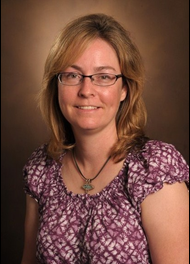 Colleen M. Niswender合作论文数Department of Pharmacology, Vanderbilt University;Center for Neuroscience Drug Discovery, Vanderbilt University28
 P. Jeffrey Conn合作论文数Department of Pharmacology, School of Medicine, Vanderbilt University;Vanderbilt Center for Neuroscience Drug Discovery, School of Medicine, Vanderbilt University26Stauffer Shaun R合作论文数25Bates Brittney S合作论文数23Andrew S. Felts合作论文数23
 Shawn Gilbert合作论文数22C. David Weaver合作论文数21Jimmy R Theriault合作论文数20
 Michelle Palmer合作论文数20
 Stuart L. Schreiber合作论文数Department of Chemistry and Chemical Biology, Faculty of Arts and Sciences, Harvard University;Broad Institute20Corey R. Hopkins合作论文数18Carrie K. Jones合作论文数Vanderbilt Program in Drug Discovery, Vanderbilt Institute of Chemical Biology, Nashville, TN 37232, USA17
 Ryan D. Morrison合作论文数17
 Kyle A. Emmitte合作论文数Department of Pharmaceutical Sciences, College of Pharmacy, University of North Texas Health Science Center at Fort Wort16Jason Manka合作论文数16
 Noel Southall合作论文数AstraZeneca15L. Michelle Lewis合作论文数Center for Metalloenzyme Studies, University of Georgia14
 Jolanta Grembecka合作论文数Department of Pathology, Medical School, University of Michigan-Ann Arbor13
 Tomasz Cierpicki合作论文数Biophysics, College of Literature, Science, and the Arts, University of Michigan-Ann Arbor13
 Jens Meiler合作论文数Department of Chemistry, College of Arts and Science, Vanderbilt University;Leipzig University13
 Wei Zheng合作论文数NIH Chemical Genomics Center, National Human Genome Research Institute13
 Ajit Jadhav合作论文数UniVersity of California San Francisco, UniVersity of California San Francisco13Owen Mcmanus合作论文数Q-State Biosciences13Sheffler Douglas J合作论文数12
 Haibo Yu (于海波)合作论文数Institute of Materia Medica, Peking Union Medical College12
 Min Li (利民)合作论文数SciNeuro Pharmaceuticals;Lilly Asia Ventures12
 Thomas J Utley合作论文数11
 R. Nathan Daniels合作论文数11H. Charles Manning合作论文数11Kaufmann Kristian W合作论文数10Nickels Michael合作论文数10Denton Jerod S合作论文数Dept Anesthesiol, Vanderbilt Univ9
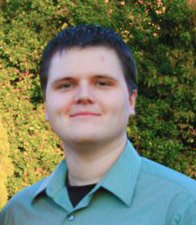 Hight Matthew R合作论文数9
 Jason R Buck合作论文数Department of Chemistry;Box 1822, Station B;Vanderbilt University;Nashville9Yiu‐Yin Cheung合作论文数8
 Samir Saleh合作论文数8Vinson Paige N合作论文数8
 Mary Kay Washington合作论文数Department of Pathology, Microbiology and Immunology, Vanderbilt University Medical Center;School of Medicine, Vanderbilt University8
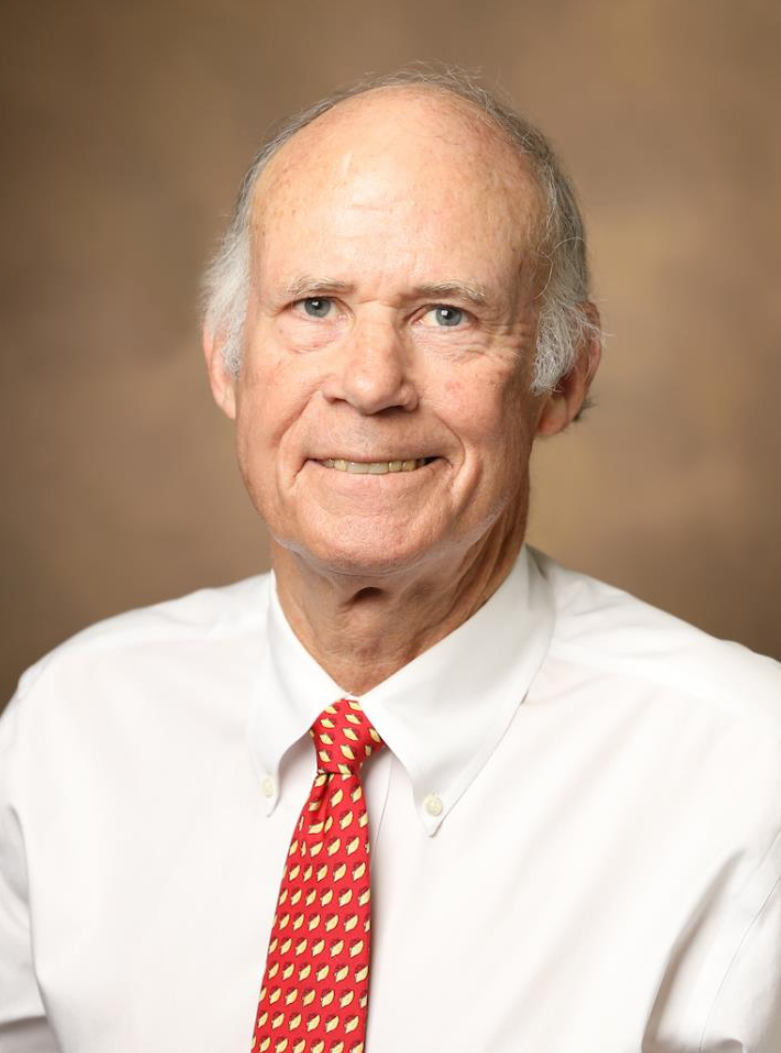 Robert J. Coffey合作论文数Division of Gastroenterology, Hepatology and Nutrition, Department of Medicine, Vanderbilt University Medical Center;Department of Cell and Developmental Biology, Vanderbilt University8Thomas M. Bridges合作论文数8
 Dewei Tang (唐德伟)合作论文数School of Medicine, Shanghai Jiao Tong University8Joshua A. Brunner合作论文数7
 Cody J Wenthur合作论文数Pharmacy Practice Division, School of Pharmacy, University of Wisconsin-Madison7
 Michael L Schulte合作论文数7Meng Wu合作论文数7Darren W. Engers合作论文数7




