BACKGROUND:Trans-right atrial appendage (RAA) pericardial carbon dioxide (CO2) insufflation has been shown to be feasible and safe in small case series. The optimal RAA perforation site remains undefined. OBJECTIVE:This study aimed to identify the RAA region offering the most favorable spatial relationships for safe trans-RAA pericardial access using contrast-enhanced cardiac computed tomography. METHODS:50 consecutive patients (24 men; 57 ± 12 years) undergoing contrast-enhanced cardiac computed tomography were studied. The RAA was analyzed in 3 equidistant axial planes (basal, mid, and high) oriented perpendicular to a vertical line through the RAA apex. Each plane was divided into 6 segments-septal and lateral, each subdivided into posterior, mid, and anterior regions. Distances to adjacent epicardial structures were measured for each segment. RESULTS:Lateral RAA segments directly contacted the parietal pericardium (0 mm [interquartile range 0-0 mm]). Posterior and midseptal segments closely approximated the aorta (3.8 mm [2.3-8.2 mm]). Only the septal anterior region bordered a visible pericardial space between the parietal pericardium, aorta, right coronary artery (RCA), and right ventricular outflow tract. The greatest separations occurred at the high septal anterior plane (right ventricular outflow tract 12.4 mm; aorta 6.3 mm; parietal pericardium 9.8 mm; RCA 13.4 mm). In 4 patients, RCA branches coursed within 5 mm of the RAA. Results were consistent in an additional validation cohort of 8 patients undergoing trans-RAA carbon dioxide insufflation and 2 patients with aortic dilation. CONCLUSION:The high septal anterior RAA offers the most favorable anatomic clearance for transatrial pericardial access, whereas the lateral and remaining septal walls lie in close proximity to the parietal pericardium and aorta.
OBJECTIVES:Sutureless aortic valve prostheses reduce surgical times and facilitate minimally invasive approaches, improving patient outcomes. However, it remains unclear whether these devices provide specific benefits to female patients, in whom sex-related differences in valve surgery outcomes remain a matter of debate. METHODS:Up to September 2024, 535 subjects (261 women) received Perceval Plus at 35 investigational sites from Mitral, Aortic aNd Tricuspid Post-maRket Study in a reAl-world Setting observational prospective registry. Moreover, meta-regression was performed to assess whether sex modifies outcomes. RESULTS:Men have a larger body size (body surface area: male 2.0 ± 0.2 vs female 1.8 ± 0.2, P < .001), resulting in a larger prosthesis size (size S: male 2.9% vs female 34.9%). Surgery was still significantly faster in women (cross-clamp time: male 63.7 ± 29.4 min vs female 56.8 ± 29.4 min, P = .002), partly because approximately 10% of procedures in male patients were combined, increasing duration. Early outcomes were comparable between sexes (hospital deaths: male 3 [1.1%] vs female 5 [1.9%], P = .49). At follow-up, no significant differences were observed (follow-up deaths: male 9 [3.3%] vs female 5 [1.9%], P = .42). Meta-regression showed no effect of female sex prevalence. CONCLUSIONS:Our registry and meta-regression analysis did not reveal significant differences in outcomes between men and women. Preoperative characteristics, however, differ between sexes and may influence outcomes and prosthesis choice. Long-term conclusions are limited by the current follow-up duration and will be further explored as data collection progresses. CLINICAL REGISTRATION NUMBER:NCT05002543, ClinicalTrials.gov (https://clinicaltrials.gov/study/NCT05002543).
BACKGROUND: Dysregulated proteolysis is implicated in thoracic (thoracic aortic aneurysm [TAA]) and abdominal aortic aneurysm (AAA) pathogenesis, but proteolytic landscapes (degradomes) of aneurysmal and normal aorta and contributions of individual proteases remain undefined. Here, a proteome-wide approach was used to define and compare TAA and AAA degradomes and uncover the specific role in aortic remodeling of 2 proteases consistently identified in the aneurysms, CMA1 (mast cell chymase) and MMP9 (matrix metalloprotease 9). METHODS: The mass spectrometry-based N-terminomics strategy, terminal amine isotopic labeling of substrates, was applied to Marfan syndrome TAAs (n=5), AAAs (n=16), and nondiseased thoracic aorta (n=4), and abdominal aorta (n=4) in a forward degradomics application, that is, to define substrate and protease degradomes. 8-plex iTRAQ terminal amine isotopic labeling of substrates was used for quantitative comparison of the tissue cohorts. Cleavage sites of CMA1 and MMP9 were sought by reverse degradomics, that is, digestion of aortic proteins with these proteases, followed by terminal amine isotopic labeling of substrates. CMA1 and MMP9 proteolysis of biglycan was further resolved using amino-terminal oriented mass spectrometry of substrates. RESULTS: We experimentally annotated 20 885 proteolytically derived peptides and identified 129 proteases in the aortic tissues. Quantitative substrate degradome comparisons identified specific differentially modulated pathways and networks in TAAs and AAAs. Reverse degradomics elucidated >300 CMA1 and MMP9 substrate cleavage sites, of which many, including orthogonally validated biglycan cleavages, occurred in the disease degradomes. CONCLUSIONS: Unbiased forward degradomics of the aortic wall from TAA, AAA, and nondiseased tissue provides a systems biology view of aortic wall breakdown and a new resource for its hitherto occult proteolytic landscape, demonstrating widespread extracellular matrix remodeling with disproportionate impact on proteoglycans. The findings provided insights into aortic aneurysm pathways and disease biomarkers and suggest involvement of numerous proteases. Mapping of specific proteolytic contributions of CMA1 and MMP9 illustrates a strategy for defining the activities of all proteases involved in aortic disease.
 Lars Svensson合作论文数Vascular & Thoracic Institute, Cleveland Clinic;Cleveland Clinic Lerner College of Medicine, Case Western Reserve University147
 Eugene Blackstone合作论文数Department of Surgery, Temerty Faculty of Medicine, University of Toronto;University of Alabama at Birmingham;Lerner College of Medicine, Cleveland Clinic116
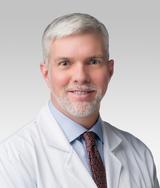 Douglas R Johnston合作论文数Department of Surgery, Feinberg School of Medicine, Northwestern University73
 Edward G. Soltesz合作论文数53
 Faisal G. Bakaeen合作论文数51
 Gosta Bengt Pettersson合作论文数The Cleveland Clinic Foundation50
 A. Marc Gillinov合作论文数Department of Thoracic and Cardiovascular Surgery, Sydell and Arnold Miller Family Heart, Vascular & Thoracic Institute, Cleveland Clinic50
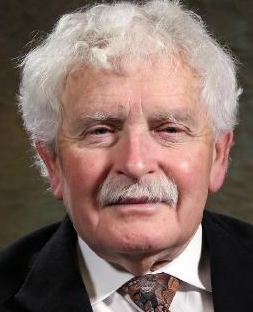 Bruce Lytle合作论文数The Heart Hospital Baylor Plano38
 Patrick R. Vargo合作论文数Department of Cardiovascular Medicine, Cleveland Clinic32
 Jay J. Idrees合作论文数MD Care Now Clinic31
 Vidyasagar Kalahasti合作论文数30Tong Michael Z合作论文数29
 Jeevanantham Rajeswaran合作论文数Department of Quantitative Health Sciences, Cleveland Clinic29
 Joseph Edward Bavaria合作论文数Perelman School of Medicine, University of Pennsylvania;Division of Cardiothoracic Surgery, Hospital of the University of Pennsylvania28Brian Griffin合作论文数26
 E. Murat Tuzcu合作论文数Department of Cardiovascular Medicine, Cleveland Clinic;Section of Interventional Cardiology, Sydell and Arnold Heart, Vascular & Thoracic Institute, Cleveland Clinic26
 Samir Kapadia合作论文数Robert and Suzanne Tomsich Department of Cardiovascular Medicine, Cleveland Clinic;Sydell and Arnold Miller Family Heart, Vascular & Thoracic Institute, Cleveland Clinic;College of Medicine, Case Western Reserve University26Nicholas G. Smedira合作论文数26
 Joseph S. Coselli合作论文数Department of Surgery, Baylor College of Medicine25Milind Y. Desai合作论文数Heart and Vascular Institute, Cleveland Clinic Foundation24Sabik Joseph F合作论文数24G. Chad Hughes合作论文数Surgery, Duke University Medical Center23Thomas G. Gleason合作论文数23Koprivanac Marijan合作论文数22Schoenhagen Paul合作论文数21
 Edward P Chen合作论文数19
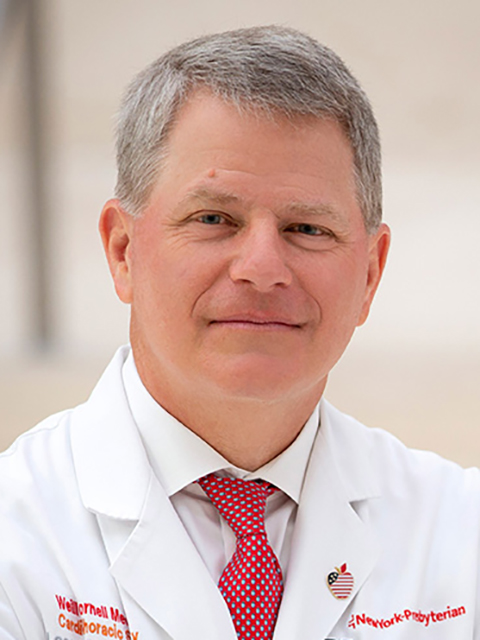 Leonard N. Girardi合作论文数Department of Cardiothoracic Surgery, Weill Cornell Medical Center19Idrees Jahanzaib合作论文数19Unai Shinya合作论文数19Lowry Ashley M合作论文数Research Institute, Cleveland Clinic19
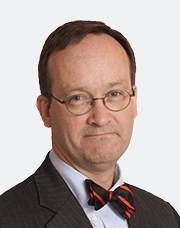 Thoralf M. Sundt合作论文数Division of Cardiac Surgery, Massachusetts General Hospital18
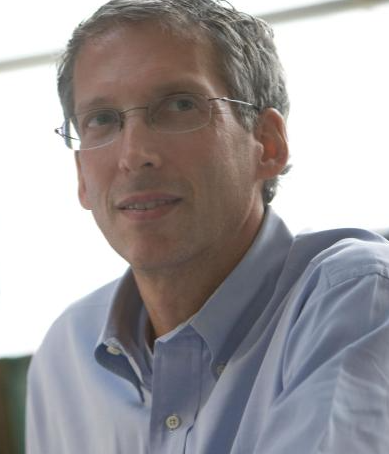 Roy Greenberg合作论文数Cleveland Clinic16Steven L. Lansman合作论文数16Penny L. Houghtaling合作论文数16Amar Krishnaswamy合作论文数16
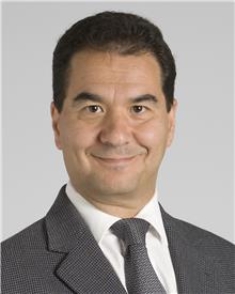 L. Leonardo Rodriguez合作论文数Department of Cardiovascular Medicine, Cleveland Clinic15
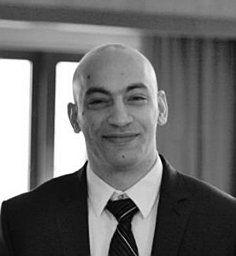 Elgharably Haytham合作论文数Department of Surgery, Davis Heart &Lung Research Institute, The Ohio State University;Davis Heart & Lung Research Institute, The Ohio State University14
 Jose Navia合作论文数Heart and Vascular Center, Cleveland Clinic;Cleveland Clinic Lerner College of Medicine14
 Frank Cikach合作论文数13
 Gary S. Hoffman合作论文数Center for Vasculitis Care and Research, Cleveland Clinic Lerner College of Medicine13
 Matthew Eagleton合作论文数Department of Vascular Surgery, Cleveland Clinic Foundation12Milind Desai合作论文数11Samir R. Kapadia合作论文数11
 Milind Y Desai合作论文数11
 Selena R. Pasadyn合作论文数11
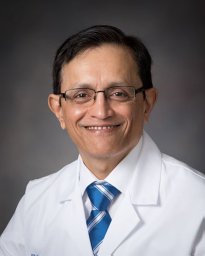 Suresh Keshavamurthy合作论文数University of Kentucky Cardiovascular & Thoracic Surgery, Kentucky Clinic11
 Arafat Amr合作论文数Heart and Vascular Institute, Cleveland Clinic11




