While clinical trials are essential to improving public health, little research has examined the range of recruitment techniques used or whether they involve behavioral nudges. Behavioral nudges have been defined as "any aspect of the choice architecture [the manner in which options are presented] that alters people's behavior in a predictable way without forbidding any options or significantly changing their economic incentives"; these may influence individuals' autonomy in deciding to participate. To investigate, the study team conducted 39 semi-structured interviews with clinical trial recruiters at two academic medical centers, asking about their recruitment techniques and any perceived ethical concerns. Through inductive qualitative analysis, five main themes emerged: impact of relationships (among recruiters, healthcare teams, and participants), financial compensation, community benefit, study risks and benefits, and personalized study information. The study then assessed whether these techniques were seen as nudges and explored their ethical implications for informed decision-making.
The impending rise of artificial intelligence (AI)-powered healthcare offers exciting hope for improved care and outcomes in children with serious illnesses.1 The historical precedent in healthcare, however, suggests that advancements in adult care do not necessarily result in proportional progress in pediatrics. This disparity was first noted in the mid-20th century when tragedies that involved drugs with well-studied and known adult safety profiles, such as sulfonamide elixir and thalidomide, resulted in harm to children due to limited pediatric clinical trial inclusion.2 As a result, legislation in 1962 required drug companies to include package labels that restricted or dissuaded the use of medications in children that were not properly studied in this population.2 Subsequently, physicians became reluctant to prescribe many medications, and pharmaceutical companies had little incentive to enroll children in trials as an unfavorable result could negatively impact sales in the adult market, and a successful outcome would only marginally increase the market pool.3 This lack of access led Dr. Harry Shirkey to describe children as “therapeutic orphans” in 1968.2 After more than half a century of legislation aimed at increasing pediatric representation in research and drug development (Figure 1), enrollment of children in clinical trials remains disproportionately low,4 with children included in as few as 12% of trials for diseases with a burden equal to, or greater in, the pediatric versus adult population.5 The growth of AI in healthcare has the potential to benefit both children and adults, but without proactive steps, this new technology threatens to widen the already existing therapeutic gap between adults and children. Just as the safety of pharmaceuticals cannot be assumed in children given they are not simply “little adults”,6 this same rationale must be applied to the development of AI tools. It is well recognized that the generalizability of AI models is reflective of the data on which they are trained.7 Abstracting studies from clinicaltrials.gov that have been completed or are actively recruiting as of August 11, 2023, that include the keywords “Artificial Intelligence” or “Machine Learning”, we identified 1426 relevant AI trials. Of these trials, 281 (20%) are indexed to include children within the study population. Of note, the number of these studies that ultimately included children is likely lower, as trials are included for conditions without relevant pediatric correlates, such as prostate cancer (ie: NCT02943824), coronary artery disease (NCT04146766), and Alzheimer's disease (NCT05569083). Additionally, only 58 (4%) trials were pediatric-specific (no adults included in the recruitment cohort), further highlighting the limited focus on children in these early AI clinical trials. The insufficient inclusion of children in AI training and development has multiple implications. First, this disparity could result in fewer AI-powered clinical tools available for children. A white paper by the American College of Radiology provides early evidence of this disparity, reporting that of the 200 Food and Drug Administration (FDA) approved AI-powered radiologic devices, only 3% are labeled for pediatric use.8 Second, a model developed with adult data may have poor predictive value if used in children, such as a recent AI model to detect fractures in adults that was neither reliable nor sensitive when used in children.9, 10 Similarly, a model developed to identify pneumonia in adults underperformed a comparative model developed for children when applied to a pediatric population.11 While only a few studies to date have specifically evaluated the impact of excluding children from AI development,9, 10 there is strong evidence of bias and poor performance in patients from under-represented racial, ethnic, and geographic backgrounds as a result of these groups being excluded from model development.12, 13 Even if a disease is present in both adults and children, such as sepsis or pneumonia, the clinical manifestations may be different and cannot be assumed from adult data if children are not included in the development. Moreover, the limited focus on developing models that are relevant to pediatric-specific conditions suggests those with diseases confined to childhood, such as diseases of prematurity and various genetic and metabolic diseases, may not find similar advances as those that present across the lifespan. Including sufficient pediatric data in model development and validation is necessary to ensure children benefit from and are not harmed by these technical advancements. Below, we briefly highlight three potential contributors to this disparity of pediatric inclusion in AI research and development and propose possible mitigation strategies. While the harm of excluding children from clinical research was brought to light in the mid-20th century through tragedy and legislation, the broader impact of excluding children from AI development is still nascent.8 At baseline, clinicians report limited understanding of AI principles and the implications of its impending role in patient care,14 with fewer than half of clinicians possessing basic knowledge of AI,15 and only 6% of medical students confident in explaining the risks and benefits of AI.16 At a larger scale, the FDA has recently prioritized developing unbiased models in terms of race, ethnicity, and socioeconomic status, however, there is no mention of children in this discussion.17 If action is not taken to increase clinician awareness and promote policy prioritization of the importance of AI in pediatrics, the quality of care received by children will suffer. Just as pediatricians learn to use a wide array of diagnostic and therapeutic tools in their training, so too should fundamentals of AI be incorporated into all levels of medical education. It is not that pediatricians should become computer scientists, but should rather be equipped in medical school and beyond to critically assess new models.18 This includes becoming familiar with common AI terminology, understanding the appropriate role of various AI-powered tools in clinical decision-making, and evaluating the appropriateness of a given model for use in the pediatric population.19 Additionally, advocacy by professional organizations, both pediatric and subspecialty-specific, is imperative for the development of policies to protect children, while simultaneously facilitating their inclusion in AI research. The American Academy of Pediatrics, for example, has played a leading role in child-health advocacy that has impacted policy change at a national level,20 though the safe inclusion of children in AI development has yet to be included among these initiatives.21 The American College of Radiology has recently taken a strong stance supporting the inclusion of children in AI development,8 a position if adopted by other organizations can play a defining role in broader AI policy development, such as in the FDA's plans and guidelines for AI roll-out.17 Companies developing AI-powered tools will likely aim to enter a market with abundant data and a large pool of consumers/patients anticipating the products’ release. Given the rarity of many pediatric diseases and the smaller proportion of ill children versus adults in the general population, a lack of investment in AI for childhood diseases could threaten to recapitulate historical patterns seen in drug development and approval.2 The developer seeking to design an AI model to identify novel cancer therapeutics, for example, will be more inclined to target adult lung carcinoma, a disease with over 234 000 new diagnoses in the United States yearly,17 rather than the most common pediatric solid tumor, neuroblastoma, which has about 700 new diagnoses per year.22 Moreover, as a vulnerable population, including children in the design and application of AI-powered tools is a more time-consuming and higher-risk endeavor for developers,23 potentially compounding the dissuading market influences. In 2002, the Better Pharmaceutical for Children Act was approved as a policy to provide limited market exclusivity for pharmaceutical companies that conducted pediatric clinical trials.4 Subsequently, the Pediatric Research Equity Act in 2003 mandated that all new drug applications, biologics, and supplements provide pediatric testing data.4 This carrot-and-stick approach proved effective at improving pediatric pharmaceutical trial inclusion. Amending these laws to include healthcare-related AI may offer robust motivation for commercial engagement to mitigate the developing disparity. The Research to Accelerate Cure and Equity Act passed in 2017 required all new targeted therapies with a potential pediatric use to include children in the trials without exemption, a model which if adapted to AI development would help promote the inclusion of children in device development for conditions with relevant pediatric correlates.24 Additionally, the National Institutes of Health (NIH) currently has an “Inclusion across the lifespan” requirement for grant applications,25 a policy if closely enforced in AI-related funding decisions has the potential to foster relevant research with children in mind. Perhaps the most pervasive barrier to the inclusion of children in AI is the lack of pediatric data available for model development and evaluation.1 The reasons for this limited data are multifactorial; only 22% of the US population is younger than 18 years,26 children are less likely to be hospitalized than adults (where most actionable clinical data are collected),27 and many pediatric diseases are rarer and distinct from adult diseases.28 Further, few public databases exist for children, and clinical data are often buried within institutional medical records, making access to a sufficient volume of high quality multi-institutional data challenging.28 For example, of the 29 publicly available chest radiograph databases, only seven include any pediatric data, and two are exclusively for children.29 Moreover, companies employing AI in health care, such as Google Health's Deep Mind and IBM's Watson Health, have published landmark studies consisting of solely adult data, suggesting the landscape of pediatric representation among proprietary data is similarly limited.30-32 One method of streamlining pediatric data acquisition is the use of learning health systems, such as PedsNET, a networked institutional architecture that has been successfully piloted and allows for observational research and clinical trials to be completed in routine clinical encounters.28 Additionally, creating robust publicly available clinical databases, such as those available for adults,33, 34 can further increase developer access to pediatric data. Early efforts include a recent $50-million allocation for the Childhood Cancer Data Initiative at the NIH,35 and the more established Kids Inpatient Database, containing health systems data from roughly 7 million pediatric hospitalizations. While these efforts are positive steps, further proactive efforts to establish additional multi-institutional databases across a wide array of diseases and datatypes (genomic, routine laboratory, clinical outcomes, etc) will be critical for achieving the sample sizes and diversity of data necessary to establish robust AI models.25 As of January 25, 2023, the NIH has made efforts to increase data availability by requiring new grant applications to include a data sharing budget and plan, however, early evidence suggests the intended open data sharing has not yet materialized in implicated publications.36 Further monitoring of compliance to this policy in subsequent grant considerations would be prudent, and further policy could facilitate these data to be deposited in a public repository, as is common practice in genomics.37 As we enumerate the need to ensure children are not left behind in AI development, we must also acknowledge the potential harms and problems with including children in AI research. As the efficacy of AI in healthcare slowly emerges, establishing clear guidelines and regulations around the use of pediatric data will be essential. Currently, children are considered a protected population in clinical research according to subpart D of the common rule, which should continue to hold as they are integrated into AI research and development.38 Inherently there will be known and unknown risks to children participating in these trials, including data breaches, emotional and psychological distress, or even physical harm if the algorithm is inaccurate, necessitating a need for clear consent and assent with the guardians and patients, respectively.39 For example, when considering sharing data with commercial developers, even data that are de-identified present a lingering risk of privacy breaches when large datasets are used,40 because AI could develop the ability to “re-identify” individuals despite removal of Health Insurance Portability and Accountability Act identifiers. Moreover, while commercialization of pediatric data may increase the number of models applicable for children, these avenues may not offer the same protections for children, nor will a company's primary interests necessarily align with that of the patient and family.41 While no official guidelines have yet been developed for pediatric inclusion in AI, a recent framework called ACCEPT-AI outlines important considerations for safely including children in these developments, offering recommendations that can be used independently or integrated into existing/future AI guidelines.39 Researchers and regulatory bodies must anticipate and address these issues so children are not harmed by reckless inclusion nor excluded from potential future benefits of AI development. Furthermore, the National Academy of Medicine is developing recommendations for a governance framework for AI use in medicine.42 This governance structure must include pediatric-specific concerns to mitigate these potential harms to children in the future. While this commentary does not aim to be an exhaustive review, it is clear from the current landscape of AI clinical trials that applications toward child health are lacking relative to adults, and failure to include children could result in suboptimal AI tools for this population in the future. Without proactively including children in model development and implementation we risk further cementing children in their status as therapeutic orphans. By increasing awareness through education and advocacy, providing proper incentives and mandates to developers and clinicians, and streamlining data acquisition, however, AI can instead serve as a powerful tool in pediatrics, and potentially play a role in narrowing the therapeutic gap between children and adults. We are thankful to Dr. Animesh Tandon for his perspective and comments on our manuscript. Dr. Kodish serves on the Data Sharing Review Board for Incyte and receives compensation for this activity. All other authors declare no conflict of interest.
BACKGROUND:Food allergy remains a common problem and a lifelong condition for many children. In recent years, food allergy management has increasingly involved conversations about food oral immunotherapy (OIT). Although ethical considerations of autonomy, beneficence, nonmaleficence, and justice implicitly inform these conversations, applying these principles can be complex, particularly in young children. Families of young children assume a role of surrogate decision-maker and must balance immediate risks with the hope of longer-term benefits. OBJECTIVE:To explore implementation of OIT in children through an ethical lens. METHODS:To evaluate OIT through an ethical lens, we conducted a literature search to explore currently published frameworks in this area. RESULTS:Evaluation of the harm principle, the basic interest principle, and the best interest principle of parental decision-making can be informative. Shared decision-making continues to be central to the process of engaging with patient-family units to individualize the best care, at the right time, and minimize decisional discord. Although OIT is well-positioned to promote health and well-being, challenges to equity, sustainability, and organizational support must be considered to improve access for appropriate patients. CONCLUSIONS:Whereas approaches to food OIT may be tailored to the individual context of each patient-family unit, ethical principles must guide decisions to initiate and continue therapy. Traditional ethical principles of autonomy, beneficence, nonmaleficence, and justice remain cornerstones when considering the ethical context of OIT.
In the operating room, patient safety is of paramount importance. Medical students and junior trainees, despite their primary role as students, may play active roles in assessing patient safety and reporting suspected errors. Active consent is one layer of patient safety that is continuously assessed by several team members. This article examines an instance where patient consent may have been violated. Through the lens of trainee and senior perspectives, we discuss the ethical principles at stake and provide recommendations for medical student and junior trainee involvement in patient care when an error is suspected.
Michael Kurin: NO financial relationship with a commercial interest
Uterus transplantation is a surgical treatment for women with congenital or acquired uterine factor infertility. While uterus transplantation is a life-enhancing transplant that is commonly categorized as a vascular composite allograft (e.g., face or hand), it is similar to many solid organ transplants (e.g., kidney) in that both living donors (LDs) and deceased donors (DDs) can be utilized for organ procurement. While many endpoints appear to be similar for LD and DD transplants (including graft survival, time to menses, livebirth rates), there are key medical, technical, ethical, and logistical differences between these modalities. Primary considerations in favor of a LD model include thorough screening of donors, enhanced logistics, and greater donor availability. The primary consideration in favor of a DD model is the lack of physical or psychological harm to a living donor. Other important factors, that may not clearly favor one approach over the other, are important to include in discussions of LD vs. DD models. We favor a stepwise approach to uterus transplantation, one in which programs first begin with DD procurement before attempting LD procurement to maximize successful organ recovery and to minimize potential harms to a living donor.
As pediatric hematology/oncology (PHO) becomes more complex and sub-subspecialized, dedicated PHO ethicists have emerged as sub-subspecialists focused on addressing ethical issues encountered in clinical and research practices. PHO physicians and other clinicians with advanced training in bioethics contribute to the field through ethics research, education, and ethics consultation services. Furthermore, there exists a newer generation of PHO trainees interested in bioethics. This review details the experiences of current PHO ethicists, providing a blueprint for future educational, research and service activities to strengthen the trajectory of the burgeoning sub-subspecialty of PHO ethics. Creating an American Society of Pediatric Hematology/Oncology (ASPHO) ethics Special Interest Group, enhancing clinical ethics education for pediatric hematologists/oncologists (PHOs), developing multi-institutional research collaborations, and increasing attention to ethical issues germane to nonmalignant hematology will serve the interests of the entire field of PHO, enhancing the care of PHO patients and careers of PHOs.
The amount of information that the average American consumes on a daily basis is 5 times greater than it was 30 years ago.1 More than 50% of all internet searches are done on a mobile phone. Information is literally “at your fingertips” in the second-by-second reality in today’s fast-moving age of technology. With the arrival of the internet and social media, a paradigm shift in the patient-physician relationship has occurred. For most of the 20th century, the physician was the main source of information for the patient. Beginning in the 1960s, this hallowed bond evolved from a paternalistic to an autonomy-oriented approach that increased the independence of patients and gave them more responsibility in their own care. Along with this development came a power shift in the dynamic of the patient-doctor relationship, a well-justified correction with a wide range of mostly positive consequences. As the 21st century began,...
In recent years, the OpenNotes movement and other changes in healthcare have driven institutions to make medical records increasingly transparent. As patients have begun to question and request changes to their Problem Lists, clinicians have come to face the ever more frequent challenge of discerning which changes to make and which to refuse. Now clinicians and patients together choose the list of problems that represent the patient’s current state of health and illness. As the physician’s role slides closer to consultant and the medical paternalism of the twentieth century falls further into the background of our technology-infused present, who holds the power of delineating a patient’s clinical identity? This paper examines the ethical and practical dimensions of this question and proposes a research agenda that aims to answer it. Such explorations are essential to ensuring that the physician remains relevant to patient’s notions of health, illness, intervention, and healing.
Patient enrollment is increasingly recognized as a major limiting factor to inflammatory bowel disease (IBD) clinical trial completion. Many IBD trials will fail to enroll enough patients to adequately power their study. This has led to a renewed multifaceted effort to encourage more patients to enroll in clinical trials. Although this is of clear importance, it is also important to ensure that all efforts to enroll patients in clinical trials do not compromise the quality and validity of the patient's/study participant's informed consent. Informed consent has 4 components: disclosure, voluntariness, understanding, and capacity. The application of informed consent to IBD clinical trials for biologic agents has not been previously studied. Yet the nature of clinical trials for biologics in IBD creates certain challenges to properly fulfilling the requirements of informed consent in the recruitment process that should be examined. In the following commentary, the components of informed consent are reviewed, challenges to their fulfillment in IBD trials are reviewed, and practical advice is offered.
Questions related to end-of-life decision making are common in clinical ethics and may be exceedingly difficult. Chief among these are the provision of cardiopulmonary resuscitation (CPR) and do-not-resuscitate orders (DNRs). To better address such questions, clarity is needed on the values of medical ethics that underlie CPR and the relevant moral framework for making treatment decisions. An informed consent model is insufficient to provide justification for CPR. Instead, ethical justification for CPR rests on the rule of rescue and on substituted interest judgments. Patients' known wishes and values are relevant, particularly in protecting them from unwanted CPR. Clinicians should rescue patients with the means at their disposal, as a prima facie moral imperative, unless there are compelling reasons to refrain. We present a moral framework for making decisions regarding CPR and DNR.
This collection is intended to be a starting point for a discussion on pediatric bioethics and a reference when reflecting on similar cases.https://shop.aap.org/pediatric-collections-ethics-rounds-a-casebook-in-pediatric-bioethics-paperback/
The scientific purpose of phase I trials is to determine the maximum tolerated dose and/or optimal biological dose of experimental agents. Yet most participants in phase I oncology trials enroll hoping for direct medical benefit. The most common phase I trial designs use low starting doses and escalate cautiously in a "risk-escalation" model focused on minimizing risk for each participant. This approach ensures that a proportion of subjects will likely not receive any benefit, even if the intervention proves to be successful at appropriate doses. In this article, we propose that trial designs should employ dosing strategies that increase chances of providing benefit if the investigational agent should prove to be successful while limiting risk to reasonable levels. We then describe how adaptive trial designs can facilitate refined dose optimization based on both therapeutic benefit and toxicity, which can simultaneously decrease the risk of harm while increasing the chances of benefit.
The triadic parent–patient–clinician interaction in pediatrics creates unique ethical challenges when parents and clinicians disagree about treatments or interventions. Rather than an autonomous ro...
 Dennis Drotar合作论文数Cincinnati Children ' s Hospital Medical Center;University of Cincinnati24
 Stephen J. Zyzanski合作论文数Center for Community Health Integration, Case Western Reserve University;Department of Family Medicine, School of Medicine, Case Western Reserve University;Behavioral Measurement Core Facility, Ireland Cancer Center, Case Western Reserve University;Department of Family Medicine and Community Health, School of Medicine, Case Western Reserve University12
 Conrad Fernandez合作论文数Division of Hematology/Oncology, Department of Pediatrics, Faculty of Medicine, Dalhousie University;Department of Bioethics, Faculty of Medicine, Dalhousie University12
 Rebecca D Pentz合作论文数12
 Charles Weijer合作论文数Department of Philosophy, Western University10
 Robert B. Noll合作论文数Department of Psychology, School of Medicine, University of Pittsburgh;Child Development Unit, Children’s Hospital of Pittsburgh10Justin N Baker合作论文数9
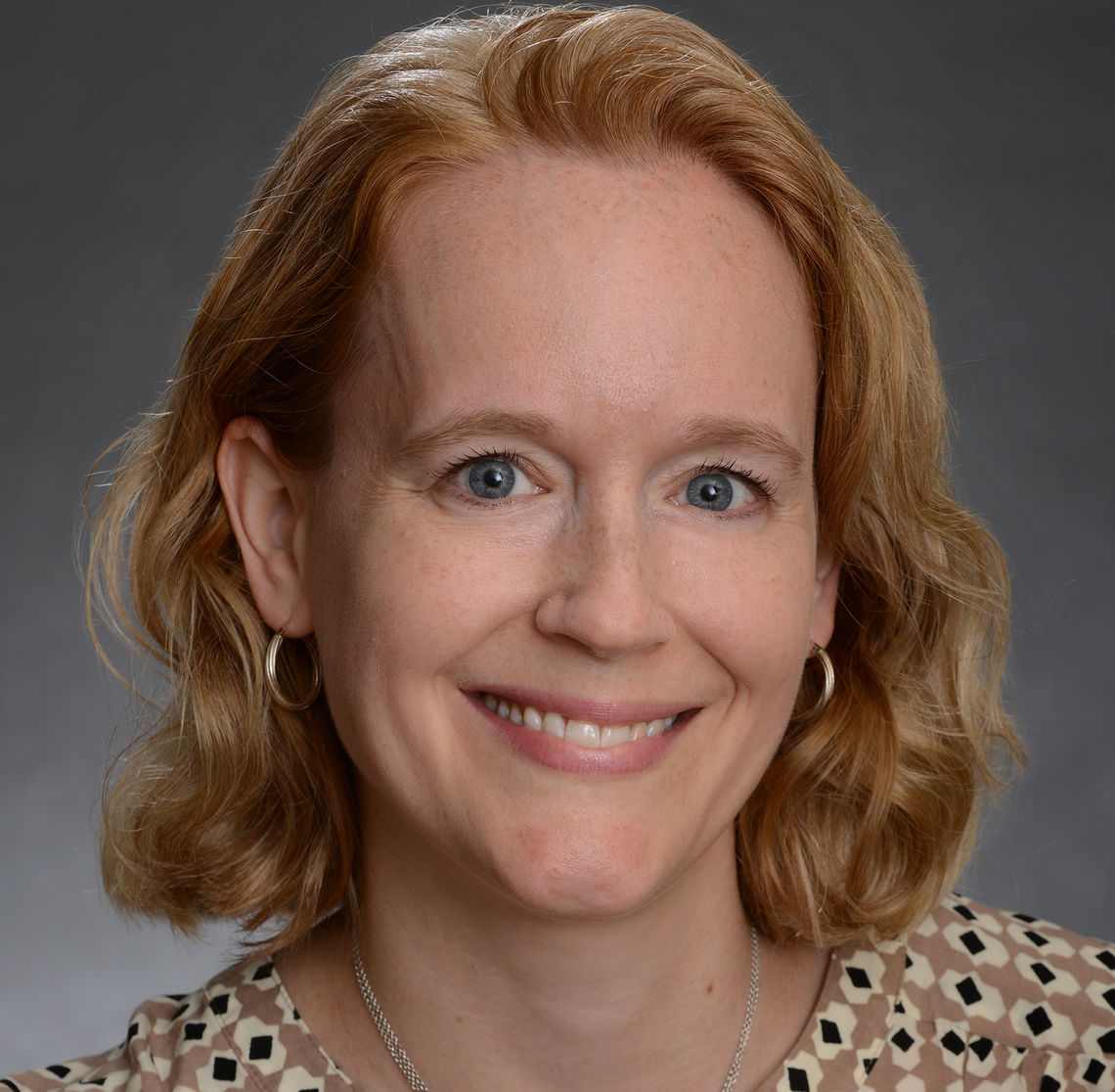 Victoria A. Miller合作论文数Department of Medical Ethics and Health Policy, Perelman School of Medicine, University of Pennsylvania9
 John D. Lantos合作论文数University of Missouri at Kansas City;Children’s Mercy Hospital9
 Amy D Yamokoski合作论文数8Leek Angela C合作论文数8
 Christian M Simon合作论文数Roche Molecular Systems Inc8M Siegler合作论文数7
 Bryan Sisk合作论文数7S Shurin合作论文数6
 Rebecca A Hazen合作论文数6Rheingold Susan R合作论文数6
 Steven Joffe合作论文数Department of Medical Ethics and Health Policy, University of Pennsylvania6
 Raymond C Barfield合作论文数6Sabahat Hizlan合作论文数5Martin L Smith合作论文数5Eder Michelle合作论文数5
 Beverly J. Lange合作论文数Department of Pharmacology|Yale University|School of Medicine5Michelle Eder合作论文数5Maxwell J. Mehlman合作论文数5Kathy Ruccione合作论文数4C Stocking合作论文数4Yap Tsiao Yi合作论文数4Marsick R合作论文数4
 Maria Siemionow合作论文数Plastic Surgery Research4Laura A. Siminoff合作论文数4
 Douglas S. Diekema合作论文数Department of Bioethics and Humanities, School of Medicine, University of Washington;Division of Bioethics, Department of Pediatrics, School of Medicine, University of Washington;Division of Emergency Medicine, Department of Pediatrics, School of Medicine, University of Washington4Anne L. Angiolillo合作论文数4
 Kathryn Weise合作论文数4
 Jeremy Sugarman合作论文数School of Medicine, Johns Hopkins University;Berman Institute of Bioethics, Johns Hopkins University4Darcy Santor合作论文数School of Psychology, University of Ottawa4
 Shlomo Koyfman合作论文数Department of Radiation Oncology, Cleveland Clinic;Department of Medicine, School of Medicine, Case Western Reserve University;Case Comprehensive Cancer Center, Case Western Reserve University4Patricia Agre合作论文数3Kathy Coffman合作论文数3Ab Trowers合作论文数3Albert Moghrabi合作论文数3
 Jessica Berg合作论文数Case Western Reserve University3Jun Gao合作论文数3
 Joel Frader合作论文数3
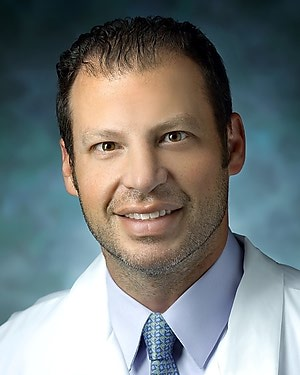 Chad Gordon合作论文数Department of Otolaryngology-Head and Neck Surgery, School of Medicine, Johns Hopkins University3
 Joseph J. Fins合作论文数Division of Medical Ethics, Weill Cornell Medicine, Cornell University3
 johan bester合作论文数University of Nevada3
 Yoram Unguru合作论文数3
 Peter Whitehouse合作论文数College of Arts and Sciences, Case Western Reserve University3




