BACKGROUND:Endovascular embolization has been reported in limited case series and case reports as a minimally invasive option for managing refractory epilepsy, particularly in cases where traditional surgical interventions are high risk. OBJECTIVE:To explores the feasibility, safety, and outcomes of endovascular embolization in pediatric patients with intractable epilepsy due to varied etiologies. METHODS:This retrospective case series includes four pediatric patients with medically refractory epilepsy, who underwent staged endovascular embolization at a tertiary care center between 2022 and 2024. Patients were selected based on contraindications to conventional surgical approaches and failure of at least two anti-seizure medications. Outcome measures included seizure frequency reduction, functional improvements, and procedure-related complications. Follow-up duration ranged from 10 to 15 months after the last embolization. RESULTS:The cohort included four patients aged 2 to 9 years, and a total of 12 embolization procedures were performed. Three patients achieved freedom from seizures, while one undergoing a palliative procedure showed meaningful improvement in seizure frequency. No patients required rescue surgery, and none experienced hydrocephalus or neurologically unexpected complications during the follow-up period. Postprocedural deficits were similar to functional hemispherectomy outcomes. Parents and clinicians reported substantial developmental and functional improvements across multiple domains. CONCLUSIONS:Endovascular embolization is a promising minimally invasive strategy for pediatric patients with refractory epilepsy, particularly when anatomical or medical considerations preclude traditional surgery. Further research is warranted to refine patient selection criteria and assess long-term efficacy compared with established surgical approaches. This series expands the potential applications of endovascular techniques in epilepsy management.
ObjectiveThere has been limited research on carnitine levels, supplementation, and the ketogenic diet.MethodsOver 8 years, 150 consecutive children treated with the ketogenic diet at Johns Hopkins Hospital were evaluated and information about carnitine levels and use obtained.ResultsOne hundred five (70%) had carnitine levels checked. The mean total carnitine level at first follow-up was 56 µmol/L (standard deviation [SD] 32) (normal range 30-60 µmol/L) and free 26 (SD 19) µmol/L (normal range 22-52 µmol/L). In those not supplemented with carnitine, total carnitine was stable (46.2 [SD 12] to 44.9 [SD 19] µmol/L, P = .80), whereas free carnitine decreased (35.8 [SD 12] to 20.1 [SD 11] µmol/L, P < .001). Those on valproate had lower baseline total carnitine levels (40.7 [SD 20] vs 52.0 [SD 15] µmol/L, P = .02). At 3 months, 83% with normal total carnitine levels (>30 µmol/L) had >50% seizure reduction compared to 60% with hypocarnitinemia (P = .06). Carnitine was supplemented in 36 (24%), typically in those older, on higher ketogenic ratios, prior to 2020, and with longer ketogenic diet durations. Twelve (33%) had documented benefit from carnitine supplementation, but there was no group difference in seizure control or ketosis.ConclusionsIn this single-center study, hypocarnitinemia was seen at baseline in those on valproate and decreased free carnitine levels occurred over time. Those with higher total carnitine levels at 3 months were slightly more likely to be improved. Carnitine was supplemented in one-quarter of patients, with 1 of 3 showing modest benefit in ketosis and seizures.
BACKGROUND:GLUT1 deficiency syndrome (GLUT1DS) is an autosomal dominant disorder caused by variants in the SLC2A1 gene in which children have epilepsy and movement disorders. Similar to other children with neurological conditions, parents of patients are often concerned about the impact of puberty on clinical features. METHODS:A survey was made available on the internet in January 2025 to all members of the GLUT1DS community. Responses were anonymous and collected by the Glut1 Deficiency Foundation; parents or adolescents/adults could participate. Inclusion criteria included a GLUT1DS diagnosis and having undergone puberty. RESULTS:Ninety-eight surveys were completed. Seizures worsened during puberty in 38. Contrarily, 58% had worsening of movement abnormalities, with treatments including acetazolamide, clonazepam, gabapentin, and clobazam. Additional symptoms included migraines (35%) and mood swings (38%), with more of the former in girls (44% vs 18%, P = 0.01). In those who experience menses, 71% have a change in symptoms during this time and about half have changes in ketosis levels. Seventy-two were on ketogenic diet therapy during puberty. Of those who checked ketones, 42 of 49 (86%) had decreased levels during puberty; however, only 42% of these children had increased seizures. There was no difference between ketogenic diet therapies in terms of ketosis, compliance, seizures, or movements. CONCLUSIONS:Puberty in GLUT1DS was most likely to worsen movement disorders, but about one third also had increased seizures and the onset of migraines and mood swings. For those on a ketogenic diet, although ketosis often decreases, this was not uniformly associated with more seizures.
Rett syndrome is an X-linked dominant neurodevelopmental disorder characterized by cognitive and communicative regression, stereotypies and loss of hand use. Epilepsy is present in 50% to 90% with approximately one-third having refractory epilepsy. The ketogenic diet has been used as an antiseizure therapy for more than a century; however, there is limited data on its use in Rett syndrome. In this retrospective single-center case series, we present 9 children with Rett syndrome who were placed on ketogenic diet. There was ≥50% improvement in seizure frequency in 67% (6/9) and 44% (4/9) at 6 and 12 months, respectively. Patients with ≥50% seizure reduction had an improvement in cognition and alertness. All 9 had a gastrostomy tube, with 8 starting ketogenic diet with a ketogenic formula and 1 with a food-based diet. The ketogenic diet is well tolerated and has high efficacy for seizures associated with Rett syndrome with two-thirds reporting significant seizure reduction. The presence of a gastrostomy tube can help the initiation and titration of ketogenic diet.
Ketogenic diet therapies are a major, nonpharmacologic method of treating epilepsy, typically when highly refractory. This review examines the indications for ketogenic diet therapies, types of diets, methods of initiation, aspects of management and follow-up, practicalities of fine-tuning, adverse effects, interactions with antiseizure medications, and lastly discontinuation. Multiple studies have identified strong evidence for benefit for several epilepsy conditions (including Glut-1 deficiency syndrome, pyruvate dehydrogenase deficiency, infantile spasms epilepsy syndrome, super-refractory status epilepticus, and epilepsy with myoclonic atonic seizures). Consensus guidelines exist for overall management, use in infants, adults, those with Glut-1 deficiency syndrome, and patients with epilepsy in countries with limited resources. Ketogenic diet therapies are a valuable, effective method of treating refractory epilepsy in children and adults. Neurologists must be aware of these treatments, especially with their continued expansion into the treatment of neurologic conditions other than epilepsy.
Despite significant research into more flexible methods of ketogenic diet therapy initiation, there is only limited literature on the best practices to discontinue it. Both tradition and guidelines suggest weaning this treatment over 2-3 months; however, a more abrupt discontinuation has also been reported. Fifteen children and adults on ketogenic diet therapy, with various levels of seizure control, had their ketogenic diet therapy immediately discontinued. All were coincidentally admitted to inpatient units (typically an epilepsy monitoring unit), with intravenous access and electroencephalographic (EEG) monitoring. Patients and parents were counseled, regular foods or formula was ordered, and unlimited carbohydrates were provided to break ketosis under close supervision. Thirteen patients had no worsening in seizure frequency or EEG and were discharged home off of ketogenic diet therapy. Two patients, aged 4 and 33 years, had increased seizure frequency, and ketogenic diets were restarted prior to discharge. This method of safe, inpatient rapid diet discontinuation can be utilized as an alternative method to a more gradual weaning process.
BACKGROUND:While initiation and maintenance guidelines for ketogenic diet therapies (KDT) are well established, evidence guiding KDT discontinuation remains limited. We aim to explore practices surrounding KDT weaning and identify key factors influencing clinical decisions. METHODS:An online 24-question survey was distributed via the International Neurological Ketogenic Society (INKS) between March and May 2024. Responses from 53 healthcare professionals (HCPs), including dietitians and physicians, from diverse global regions were analyzed. RESULTS:Most HCPs adopt individualized KDT weaning protocols, often after 2 years of effective KDT, with weaning durations typically lasting 2 to 6 months. Factors influencing discontinuation include seizure control, epilepsy syndrome, diet tolerance, and family preferences. EEG monitoring and ketone tracking during weaning are common practices. For effective KDT, a gradual reduction in dietary ratio is preferred, with various strategies used (e.g., stepwise ratio reduction, liberalizing carbohydrates). Adherence issues and concerns about seizure recurrence are frequent challenges. CONCLUSION:KDT weaning remains a heterogeneous and under-studied aspect of treatment. Despite variations in protocols, common themes include cautious tapering and syndrome-specific considerations. These findings highlight the need for prospective studies to establish evidence-based data for KDT discontinuation.
BACKGROUND/OBJECTIVE:Classic Ketogenic Diet (CKD) is a well-known diet therapy with high fat and low carbohydrates which is used to treat children with medication-resistant epilepsy (MRE). As CKD is a restricted diet, it can cause side effects which are major reason for diet discontinuation. In this study, we aim to systematically identify and categorize these side effects by type and duration to optimize CKD use and increase adherence. METHOD:This study followed PRISMA 2020 guidelines and is registered in Prospero (CRD42024566216). We searched PubMed, Scopus, Web of Science, and Google Scholar for English-language clinical trials on CKD side effects in children under 18 with MRE. The last search was conducted on January 8, 2025, with no time restrictions. Side effects from 26 clinical trials were extracted, categorized as short-term (≤3 months) or long-term (>3 months), and prevalence estimated using reference populations for each side effect. We categorized side effects in nine groups: gastrointestinal (GI) issues, neurological complications, weight loss, dyslipidemia, infection, hyperuricemia, bone mineral density (BMD) decrease/osteoporosis and renal stones. RESULT:In most patients, CKD does not have adverse side effects that cause diet termination and most side effects can be managed or treated to increase adherence. In the short-term, GI issues and neurological complications were most common side effects with prevalence of 49 % and 25 % respectively. In long-term GI issues still remain the most prevalent side effects with 44 % prevalence. Moreover, lower fat-to-carbohydrates ratios like 2.5:1 KD may reduce side effects but potentially compromise efficacy. CONCLUSION:Most CKD side effects are treatable and transient and these results support tailored KD strategies to enhance adherence and improve epilepsy control.
Dr. Ruby M. Schwartz coined the term "classical" ketogenic diet (KD) in 1989, followed by Dr. Stephen L. Kinsman in the USA, who introduced the term "classic" KD in 1992. Over the next decade, the term "classic KD" became increasingly common. So, which term is preferable-classic or classical? Given the widespread usage, we advocate for consistently using "classic KD." As there is also significant ambiguity about what exactly defines the classic KD compared to other diets, we believe two key aspects are required for the definition of classic KD: the principle of administration and the minimum ketogenic ratio (grams of fat to carbohydrates and protein). Classic KD studies emphasize a tailored, individualized approach to caloric intake and macronutrient distribution, with food items precisely measured. This personalized prescription is the defining feature of classic KD. Recent studies have proposed lower ratios, such as 2:1 or 2.5:1, yet the modified Atkins diet, introduced 80 years later, shows that a 1:1 ratio or lower can also induce ketosis. Therefore, labeling a classic KD with a minimum ratio of 3:1 or 4:1 is misleading. We contend that the classic KD should primarily be defined by its precise, individualized ratios, rather than by an arbitrary minimum value.
OBJECTIVE:Despite growing recognition of the efficacy of ketogenic diet therapies (KDT) in reducing seizure frequency and improving the quality of life for individuals with epilepsy, several factors hinder their widespread adoption across Latin America. Specific challenges in the region have been discussed but not formally studied. Currently, no data exist on the availability and operation of KDT teams in the region. To address this gap, we conducted a survey of KDT centers across Latin American countries in the framework of the biannual International Ketogenic Diet Conference in September 2023. METHODS:A seven-question survey was distributed via email to neurologists, dietitians, or through indexed publications. RESULTS:Of the 16 centers approached, 14 (87.5%) responded, identifying 98 KDT centers. Nearly half (49%) are public institutions, primarily in Brazil, Chile, and Mexico; 44 are private; and 5 are mixed. Core teams in all centers included a neurologist and dietitian, with some teams in Argentina, Chile, and Paraguay also involving a medical nutritionist. None of the centers reported a protocol for transitioning to adult care, and consistent data on Glut1 patients and protocols were lacking. SIGNIFICANCE:Over the past two decades, the KDT landscape in Latin America has improved, with established centers expanding and new ones emerging. However, continued efforts are needed to promote KDT adoption in countries where it is not yet practiced and in regions with limited resources and expertise.
Background The ketogenic diet may be difficult for some patients and their families to implement and can impact physical, emotional, and social well-being.Methods Through principles of fundamental qualitative description, we completed an exploratory study on parents' experiences and expectations on the use and efficacy of the ketogenic diet for children with medically refractory epilepsy.Results Seventeen parents (10 mothers and 7 fathers) of 12 children with epilepsy participated. At the time of the interview, parents had experienced an average of 25 months of ketogenic diet treatment for their child (range 2 months to 98 months). Half of the caregivers learned about the ketogenic diet from their neurologist, whereas the remainder had heard about it from another source (ie, the internet). Most caregivers' (n = 13) diet expectations were related to seizure control. However, child development (n = 5) and quality of life (n = 5) were also crucial to some. Physical impacts of the diet were most commonly gastrointestinal for children (n = 9). Social and emotional effects were noted in some older children with typical development. Most caregivers described negative impacts on finances (n = 15), relationships (n = 14), and emotional well-being (ie, stress) (n = 12). Caregivers benefited from the ketogenic diet team's regular communication, close follow-up, and family-centered care.Conclusions Despite the impacts that the ketogenic diet may have on caregivers' emotional and social well-being, the positive impacts of the diet were felt to outweigh any perceived risks. Effects (both positive and negative) on quality of life and child development (eg, social, emotional, cognitive) are essential for caregivers and require additional investigation.
There are many treatment options available for patients with medically refractory epilepsy including antiseizure medications, surgery, devices and ketogenic diet therapy. Ketogenic diet therapy has been shown to be a safe and effective treatment option in adult and pediatric patients. In order to obtain maximal clinical effectiveness and tolerability of any treatment option, adjustments are often necessary. This article outlines the “fine tuning” options available for antiseizure medications, vagus nerve stimulation and ketogenic diet therapies and demonstrates that ketogenic diet therapies offer a wider array of personalizing and fine-tuning options.
AbstractBackgroundNinety percent of infants with Sturge–Weber syndrome (SWS) brain involvement have seizure onset before 2 years of age; early‐onset seizures are associated with worse neurological outcome. Presymptomatic treatment before seizure onset may delay seizure onset and improve outcome, as has been shown in other conditions with a high risk of developing epilepsy, such as tuberous sclerosis complex. The electroencephalogram (EEG) may be a biomarker to predict seizure onset. This retrospective clinical data analysis aims to assess the impact of presymptomatic treatment in SWS.MethodsThis two‐center, Institutional Review Board–approved, retrospective study analyzed records from patients with SWS brain involvement. Clinical data recorded included demographics, age of seizure onset (if present), brain involvement extent (unilateral versus bilateral), port‐wine birthmark (PWB) extent, family history of seizures, presymptomatic treatment if received, Neuroscore, and antiseizure medications. EEG reports prior to seizure onset were analyzed.ResultsNinety‐two patients were included (48 females), and 32 received presymptomatic treatment outside of a formal protocol (five aspirin, 16 aspirin and levetiracetam; nine aspirin and oxcarbazepine, two valproic acid). Presymptomatically treated patients were more likely to be seizure‐free at 2 years (15 of 32, 47% versus 7 of 60, 12%; p < 0.001). A greater percentage of presymptomatically treated patients had bilateral brain involvement (38% treated versus 17% untreated; p = 0.026). Median hemiparesis Neuroscore at 2 years was better in presymptomatically treated patients. In EEG reports prior to seizure onset, the presence of slowing, epileptiform discharges, or EEG‐identified seizures was associated with seizure onset by 2 years (p = 0.001).ConclusionPresymptomatic treatment is a promising approach to children diagnosed with SWS prior to seizure onset. Further study is needed, including prospective drug trials, long‐term neuropsychological outcome, and prospective EEG analysis, to assess this approach and determine biomarkers for presymptomatic treatment.
Background In 2009, the International Ketogenic Diet Study Group published recommendations for children receiving ketogenic diet (KD) therapy for epilepsy. The document included a table listing epilepsy syndromes and conditions in which the KD has been particularly beneficial, hoping that physicians would refer children for the KD sooner. Purpose To measure the impact of these 2009 recommendations on referral practice, we compared children initiated on the KD at Johns Hopkins Hospital (JHH) 10 years before and after the recommendations. Results Overall, children referred to the KD who met indications increased from the pre- to post-recommendation group, 44 % (112/256) to 69 % (175/255) (p < 0.001), with JHH neurologists specifically referring more frequently (10/112, 9 % to 58/175, 33 %) (p < 0.01). Referrals increased for Glut-1 deficiency (0 % to 2.4 %, p = 0.015), Dravet syndrome (0 % to 6.7 %, p < 0.01), Rett syndrome (0.4 % to 3 %, p = 0.018), and formula-fed only status (16 % to 31 %, p < 0.01). The chances of > 50 % seizure reduction for all children referred improved slightly between decades (56 % to 61 %, p = 0.30). Conclusions Following the 2009 recommendations, our study shows there was an increase in referrals for children with indications at our center. Referrals from neurologists at our own institution increased the most. Ketogenic diet efficacy improved slightly over time but did not reach significance.
Ring chromosome 17 and 17p13.3 deletion syndrome are phenotypically heterogeneous diseases with similar clinical features. The ring chromosome 17 phenotypic features range from the Miller-Dieker syndrome characterized by deletion of the PAFAH1B1 gene, lissencephaly, hypotonia, dysphagia, café au lait spots, and severe intellectual disability, to a milder phenotype characterized by microcephaly, seizures, delayed development, minor facial dysmorphic features, clinodactyly, short stature, café au lait spots, retinal flecking, and deletion of the YWHAE and CRK genes. Similarly, the phenotypic features of the 17p13.3 deletion syndrome range from the Miller-Dieker syndrome caused by loss of function of the PAFAH1B1 gene and characterized by lissencephaly, microcephaly, seizures, hypotonia, and severe intellectual disability to a milder phenotype characterized by nonspecific white matter changes, microcephaly, seizures, delayed development, short stature, and deletion of the YWHAE and CRK genes. Café au lait spots and retinal or axillary freckling have been noted in the ring chromosome 17 syndrome but not in 17p13.3 deletion syndrome. We report a 5-year-old girl with a history of intrauterine growth retardation, short stature, intractable epilepsy, expressive language disorder, clinodactyly, multiple café au lait spots, and retinal freckling who was initially diagnosed with 17p13.3 deletion syndrome involving YWHAE and CRK but not PAFAH1B1 on CGH array. However, cytogenetic analysis of G-banded chromosomes revealed mosaic ring chromosome 17. Optical genome mapping simultaneously identified the 17p13.3 deletion and the mosaic ring chromosome 17. This case report highlights the limitations of the arrays and sequencing methods for identifying structural variants, the need to investigate further deletions and duplications identified by arrays, mainly considering atypical phenotypic features, and suggests that OGM could be used as a first-tier test with exome sequencing for the diagnosis of patients with dysmorphic features, intellectual disability, and seizure disorder.
In 1921, the classic ketogenic diet was created at the Mayo Clinic in Rochester, Minnesota to treat epilepsy in children and adults. Over a century later, it is a widely used, standard-of-care therapy for typically treatment-resistant epilepsy worldwide. There are currently five versions of ketogenic diet therapy that can be started either in or out of the hospital setting. It is overall effective in approximately half of children started, usually within a few months. Established indications for ketogenic diet therapy exist, in which this treatment may potentially even be more advantageous than antiseizure medications. Some of these indications include Glut1 deficiency, pyruvate dehydrogenase deficiency, infantile epileptic spasms syndrome, epilepsy with myoclonic-atonic seizures, and formula-fed children. Although most children are also receiving antiseizure medications with ketogenic diet therapy, its use may lead to medication reduction or withdrawal in some cases, and improvement in cognition and quality of life. Supplements are begun when ketogenic diet therapy is initiated in order to prevent common side effects, including constipation, kidney stones, growth disturbance, and dyslipidemia. Typically, after 2 years in most children, ketogenic diet therapy is discontinued gradually.
INTRODUCTION:The ketogenic diet is a valuable nonpharmacologic therapy for the treatment of refractory epilepsy in children and adults. It can be time-intensive for ketogenic teams, typically comprised of a physician and dietitian at a minimum. Challenges and barriers to providing ketogenic diet services to patients by members of these teams has not been studied extensively. METHODS:A survey was created and distributed to attendees at a ketogenic diet training conference (KetoCollegeAdvance™) held 21-23 May 2024 in United Kingdom. Questions included Likert scales and fill-in responses. Surveys were provided by 63 attendees (mostly dietitians) from 17 countries. RESULTS:Respondents were mostly dietitians (45/63, 71 %) and from the United Kingdom. In regards to perceived interest levels in KD in general in their countries, dietitians were perceived as 80 % very or extremely interested, parents (66 %), and neurologists (45 %). The majority of teams included a dietitian (79 %) and physician (78 %). The majority, 43 (68 %) of respondents, assumed care of all aspects of epilepsy care once the KD was started. Common barriers to starting KD services included a long waiting list, lack of adult KD services, funding dietitians, and low referrals. Barriers to continuing KD services included poor patient compliance, a lack of financial resources for some families to afford foods, and a need for more pre-made ketogenic foods including bread, pizza, pasta, potato fries, and chocolates. CONCLUSIONS:These results from a conference of international ketogenic dietitians and physicians highlights common difficulties in providing the ketogenic diet successfully. Addressing these barriers may help expand the usage of this therapy for more patients with epilepsy.
Purpose To provide consensus-based recommendations for use of vagus nerve stimulation (VNS) therapy in the management of pediatric epilepsy. Methods Delphi methodology with two rounds of online survey was used to build consensus. A steering committee developed 43 statements related to pediatric epilepsy and the use of VNS therapy, which were evaluated by a panel of 12 neurologists/neurosurgeons with expertise in pediatric epilepsy, who graded their agreement with each statement on a scale of 1 (“I do not agree at all”) to 5 (“I strongly agree”). For each statement, consensus was established if ≥70% of the agreement scores were 4 or 5 and <30% were 1 or 2 in the final survey. Results Twenty-four statements regarding the need for seizure reduction in pediatric epilepsy, the recommended treatment algorithm, the benefits and safety of VNS therapy, management of side effects of VNS therapy, patient selection for VNS therapy, and the use, dosing, and titration of VNS therapy achieved consensus. VNS and other neuromodulation therapies should be considered for pediatric patients with drug-resistant epilepsy who are not candidates for resective surgery, or who do not remain seizure free after resective surgery. When VNS therapy is initiated, the target dose range should be achieved via the fastest and safest titration schedule for each patient. Scheduled programming can be helpful in dose titration. Conclusion The expert consensus statements represent the panelists’ collective opinion on the best practice use of VNS therapy to optimize outcomes in the management of pediatric epilepsy.
Epilepsy with myoclonic atonic seizures (EMAtS) is a rare childhood onset developmental and epileptic encephalopathy which is frequently refractory to medical therapy. The optimal antiseizure medication remains unknown. This study reports the efficacy of felbamate in children with EMAtS. Six large pediatric epilepsy centers performed a retrospective chart review on patients diagnosed with EMAtS at their institutions and collected data on felbamate usage and efficacy. Responders were classified as patients who had a 50% or greater reduction in seizures with a given therapy. Out of 259 patients, 37 (14%) were treated with felbamate. The efficacy of felbamate was 62%, which was greater than that of either levetiracetam or valproic acid (15%, p < 0.001% and 32%, p = 0.001 respectively) and similar to that of the ketogenic diet (69%, p = 0.8). Felbamate appears to be an effective treatment for EMAtS and should be strongly considered in the treatment course of this disease.
 Zahava Turner合作论文数38Cervenka Mackenzie C合作论文数28
 Anne M Comi合作论文数Communications should be addressed to: Dr. Comi;Department of Neurology and Developmental Medicine;Hugo Moser Kennedy Krieger Research Institute;801 N. Broadway;Baltimore;Department of Neurology and Developmental Medicine, Hugo Moser Kennedy Krieger Research Institute27Eileen P. Vining合作论文数26
 John M. Freeman合作论文数School of Medicine, Johns Hopkins University23
 Adam L. Hartman合作论文数The Johns Hopkins University22
 Ewen Joshua B合作论文数Kennedy Krieger Institute, Johns Hopkins University School of Medicine15PL Pyzik合作论文数14Pyzik Paula L合作论文数14McGrogan Jane R合作论文数11James E. Rubenstein合作论文数11
 Renée Shellhaas合作论文数Washington University School of Medicine in St. Louis10J. E. Rubenstein合作论文数9Bobbie J Henry-Barron合作论文数9Henry Bobbie合作论文数Johns Hopkins University9
 Carl E. Stafstrom合作论文数Department of Otolaryngology-Head and Neck Surgery, School of Medicine, Johns Hopkins University8Dennis J. Dlugos合作论文数Department of Neurology, Perelman School of Medicine, University of Pennsylvania8
 Tracy A. Glauser合作论文数Department of Pediatrics, College of Medicine, University of Cincinnati;Comprehensive Epilepsy Center, Cincinnati Children's Hospital Medical Center8William D. Gaillard合作论文数8Elaine C. Wirrell合作论文数8T. Andrew Zabel合作论文数8
 Gregory K. Bergey合作论文数Department of Neurology;Johns Hopkins Epilepsy Center;School of Medicine, Johns Hopkins University8
 Joseph I. Sirven合作论文数Department of Neurology, Mayo Clinic Arizona8
 Ingrid Scheffer合作论文数Department of Medicine, The University of Melbourne;Faculty of Medicine, Dentistry and Health Sciences, The University of Melbourne;Florey Institute of Neuroscience and Mental Health;Department of Neurology, Royal Children's Hospital Melbourne;Austin Health8Anthony Stanfield合作论文数7Eric Geller合作论文数7EPG VINING合作论文数7
 Dana Boatman合作论文数Department of Otolaryngology-Head and Neck Surgery, School of Medicine, Johns Hopkins University7Doerrer Sarah C合作论文数Departments of Neurology and Pediatrics, Johns Hopkins University School of Medicine7
 Orrin Devinsky合作论文数Department of Neurology, Grossman School of Medicine, New York University;Department of Psychiatry, Grossman School of Medicine, New York University7Tobias Loddenkemper合作论文数Department of Pediatrics, The Cleveland Clinic Foundation7
 Heather C. Mefford合作论文数Department of pediatrics, Division of Genetic Medicine, University of Washington;Cell & Molecular Biology Department, Center for Pediatric Neurological Disease Research, St. Jude Children's Research Hospital;Medical Genetics Clinic, Seattle Children’s Hospital;Center for Integrative Brain Research, Seattle Children’s Hospital7
 Nathan E. Crone合作论文数Department of Neurology, Johns Hopkins School of Medicine7
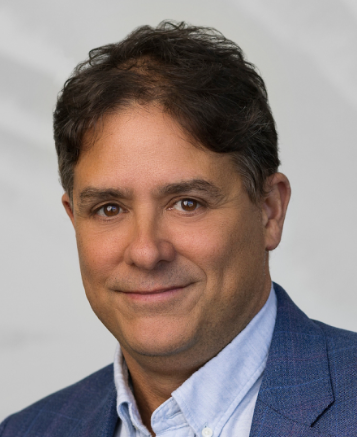 David B. Goldstein合作论文数Actio BioSciences, Inc.;Praxis Precision Medicines, Inc.7
 Daniel Lowenstein合作论文数Department of Neurology, School of Medicine, University of California, San Francisco7
 Erin Heinzen合作论文数Division of Pharmacotherapy and Experimental Therapeutics, Eshelman School of Pharmacy, The University of North Carolina at Chapel Hil7
 Edward Novotny合作论文数Department of Neurosurgery, Yale University7Paul Motika合作论文数6Anu Venkat合作论文数6Rani K Singh合作论文数6
 Gretchen Von Allmen合作论文数6Peter Widdess-Walsh合作论文数Beaumont Hosp Epilepsy Programme6
 Andrew S. Allen合作论文数Division of Integrative Genomics, Department of Biostatistics and Bioinformatics, School of Medicine, Duke University;Center for Statistical Genetics and Genomics, Department of Biostatistics and Bioinformatics, School of Medicine, Duke University6
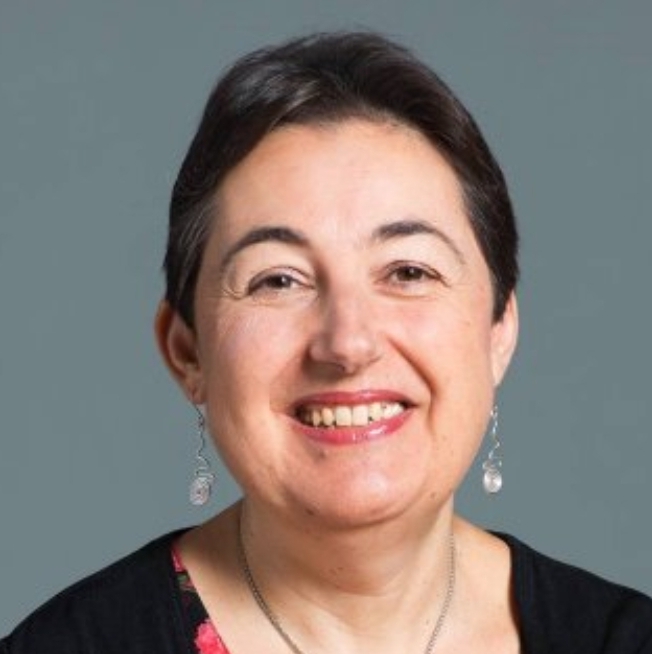 Jacqueline A. French合作论文数Department of Neurology, Grossman School of Medicine, New York University6
 Sucheta Joshi合作论文数Division of Pediatric Neurology, University of Michigan6
 Jack Parent合作论文数Department of Neurology, Medical School, University of Michigan;Michigan Neuroscience Institute, University of Michigan;Center for Cell Plasticity and Organ Design, University of Michigan;Taubman Institute, University of Michigan;Neurodevelopment and Regeneration Laboratory, Medical School, University of Michigan;Comprehensive Epilepsy Center, Medical School, University of Michigan6
 Melodie R. Winawer合作论文数Vagelos College of Physicians and Surgeons, Columbia University6
 Liu Lin Thio合作论文数6
 Judith L Z Weisenberg合作论文数6




