Severe peripheral nerve injuries result in incomplete recovery despite neurorrhaphy. Microsurgical suturing is technically demanding, time-intensive, and may produce variable fascicular alignment. Nerve Tape is an FDA-approved sutureless device enabling rapid, reproducible nerve coaptation. This study compared Nerve Tape with epineurial microsuturing following common peroneal nerve transection in Yucatan minipigs. Over 12 months, both groups demonstrated reinnervation of the tibialis anterior and extensor digitorum brevis, representing proximal and distal muscle targets, respectively. Tibialis anterior recovery was comparable between groups. In contrast, Nerve Tape produced greater distal motor recovery in the extensor digitorum brevis, with approximately 1.8-fold higher compound muscle action potential amplitude and 74.3% versus 46.0% recovery compared with microsutures. Compound nerve action potential amplitudes recorded from the motor branch of the deep peroneal nerve were also greater with Nerve Tape, whereas conduction velocities were comparable. Histological analysis demonstrated preserved fascicular architecture distal to the repair in both groups, with no significant differences in axon count, mean myelinated axon diameter, or g-ratio in the terminal common peroneal nerve or its distal motor branch. Clinical use was demonstrated in a representative case with progressive recovery. Nerve Tape supported durable structural and functional recovery and improved distal motor reinnervation compared with microsuturing.
This historical review examines Dr. Harry J. Buncke's development of microsurgical instrumentation and anastomotic techniques for submillimeter vessels, discusses the 1966 Vermont Microvascular Surgery Conference where technical knowledge was exchanged between plastic surgeons and neurosurgeons, and highlights how Buncke's methods directly informed Dr. M. Gazi Yaşargil's cerebral revascularization procedures. Buncke's innovations in microsuture technology, jeweler's tool adaptation, vasospasm control protocols, and vessel repair techniques for arteries < 1 mm in diameter, demonstrated through successful rabbit ear replantation in 1964, provided the technical foundation for intracranial vessel anastomosis. The 1966 conference facilitated direct transmission of these peripheral vessel techniques to neurosurgical applications, with Yaşargil performing the first superficial temporal artery-to-middle cerebral artery bypass in 1967 using instruments and methods derived from Buncke's work. This cross-specialty collaboration established the laboratory training paradigm, atraumatic handling principles, and anastomotic protocols that remain fundamental to contemporary microneurosurgical practice, including current surgical management of moyamoya disease and complex cerebrovascular pathology.
OBJECTIVE:Core outcome sets (COSs) are needed to promote data consistency across studies as well as data synthesis and comparability. The aim of the current study was to use a modified Delphi process to develop a COS for lateral femoral cutaneous neuropathy (LFCN), hereafter COS-LFCN. METHODS:A 5-stage approach was used to develop the COS-LFCN: 1) consortium development, 2) literature review to identify potential outcome measures, 3) Delphi survey to develop consensus on outcomes for inclusion, 4) Delphi survey to develop definitions, and 5) consensus meeting to finalize the COS and definitions. This study followed the Core Outcome Set - STAndards for Development, (COS-STAD) recommendations. RESULTS:The Core Outcomes in Nerve Surgery (COINS) Consortium comprised 25 participants, all neurological surgeons, representing 14 countries. The final COS-LFCN consisted of 41 factors and outcomes covering domains of demographics, diagnostics, patient-reported outcomes, motor/sensory outcomes, and complications. Appropriate instruments, methods of testing, and definitions were set. The consensus minimum duration of follow-up was 12 months, with the consensus optimal time points for assessment being preoperatively and 3, 6, and 12 months postoperatively. CONCLUSIONS:The COINS Consortium developed a consensus COS for LFCN and provided definitions, methods of implementation, and time points for assessment. The COS-LFCN should serve as the minimum data to be collected in all future neurosurgical studies on LFCN. Incorporation of this COS will help improve consistency in reporting, data synthesis and comparability, and minimize outcome reporting bias.
OBJECTIVE:Core outcome sets (COSs) are needed to promote data consistency across studies as well as data synthesis and comparability. The goal of the current study was to utilize a modified Delphi process to develop a COS-sciatic injury and neuropathy evaluation (COS-SINE). METHODS:A five-stage approach was utilized to develop the COS-SINE: stage 1, consortium development; stage 2, literature review to identify potential outcome measures; stage 3, Delphi survey to develop consensus on outcomes for inclusion; stage 4, Delphi survey to develop definitions; and stage 5, consensus meeting to finalize the COS and definitions. The study followed the Core Outcome Set-STAndards for Development recommendations. RESULTS:The Core Outcomes in Nerve Surgery (COINS) Consortium comprised 23 participants, all neurological surgeons, representing 13 countries. Three participants were excluded on the basis of agreed upon participation rules. The final COS-SINE consisted of 36 data points/outcomes covering the domains of demographics, diagnostics, patient-reported outcomes, motor and sensory outcomes, and complications. Appropriate instruments, methods of testing, and definitions were set. The consensus minimum duration of follow-up was 24 months, with consensus optimal time points for assessment identified as preoperatively and 3, 6, 12, 24, and 36 months postoperatively. CONCLUSIONS:The COINS Consortium developed a consensus COS and provided definitions, methods of implementation, and time points for assessment. The COS-SINE should serve as a minimum set of data that should be collected in all future neurosurgical studies on sciatic nerve injury and neuropathy. Incorporation of this COS should help improve consistency in reporting and data synthesis and comparability and should minimize outcome-reporting bias.
BACKGROUND:Ever since the first description of the condition meralgia paresthetica in 1878, there have been multiple studies on anatomical variations of the lateral femoral cutaneous nerve (LFCN). More than 200 publications are available in various databases. This nerve is of interest not only to nerve surgeons but also to laparoscopic surgeons, bariatric surgeons, general surgeons, orthopedists, and spine surgeons. OBSERVATIONS:Here, the authors report one such variation of the LFCN, noticed during a cadaveric dissection pertaining to a didactic course. The authors noticed that the LFCN was coursing 6 cm lateral to the anterior superior iliac spine (ASIS), above the iliac crest to enter the anterolateral aspect of the thigh. On further dissection proximally, the LFCN originated from the ilioinguinal nerve. LESSONS:It is necessary for many surgeons to know these variations to avoid iatrogenic complications during procedures like open or laparoscopic hernia repair, laparoscopic port insertions, bone graft harvesting from the iliac crest, hip replacement surgeries via the anterior approach, and bariatric surgery. Although conventional teachings are that the LFCN is medial to the ASIS and enters the thigh below the inguinal ligament approximately within 2 cm of the ASIS, there are significant variations. To the authors' knowledge, the origin from the ilioinguinal nerve has not previously been reported. https://thejns.org/doi/10.3171/CASE24790.
Peripheral nerve injury is a significant clinical challenge, often leading to permanent functional deficits. Standard interventions, such as autologous nerve grafts or distal nerve transfers, require sacrificing healthy nerve tissue and typically result in limited motor or sensory recovery. Nerve regeneration is complex and influenced by several factors: 1) the regenerative capacity of proximal neurons, 2) the ability of axons and support cells to bridge the injury, 3) the capacity of Schwann cells to maintain a supportive environment, and 4) the readiness of target muscles or sensory organs for reinnervation. Emerging bioengineering solutions, including biomaterials, drug delivery systems, fusogens, electrical stimulation devices, and tissue-engineered products, aim to address these challenges. Effective translation of these therapies requires a deep understanding of the physiology and pathology of nerve injury. This article proposes a comprehensive framework for developing restorative strategies that address all four major physiological responses in nerve repair. By implementing this framework, we envision a paradigm shift that could potentially enable full functional recovery for patients, where current approaches offer minimal hope.
INTRODUCTION: Endoscopic lumbar decompression is a common surgical intervention for radiculopathy, offering potential benefits over open decompression, such as shorter operative times and faster postoperative recovery. Both endoscopic and open approaches improve patient quality of life, but further studies are needed to fully understand the advantages of the increasingly used endoscopic method. METHODS: Patients at an academic medical center who underwent single-level lumbar nerve root decompression from 2019-2023 via the endoscopic approach were compared to those who underwent open decompression during the same period. Data extracted from electronic health records included demographics, Charlson comorbidity index (CCI), operative time, LOS, and patient-reported outcome measures (PROMs). Student’s t-tests were used to compare differences based on surgical technique. RESULTS: 2527 patients (mean age 60.4 ± 14.8y) underwent lumbar nerve root decompression with either endoscopic (n=112) or open (n=2415) approaches. Endoscopic cases had a significantly lower LOS (0.67 days, IQR: 0 to 1 day) than open cases (1.63 days, IQR: 0 to 2 days), with no significant differences in gender, race, BMI, age, and CCI (p=5.10*10^-8). Patients who underwent endoscopic decompression (-1.55, IQR: -5 to 0) experienced a similar postoperative decrease in pain on the VAS scale as those who had open surgeries (-2.11, IQR: -5 to 0), indicating non-superiority of open approaches compared to fully endoscopic approaches (p=0.083). CONCLUSIONS: Endoscopic lumbar decompression resulted in shorter hospital stays compared to open techniques, while showing non-inferior improvement in pain scores. The shorter LOS is likely due to reduced tissue trauma from smaller incisions and minimal muscle manipulation. Although pain scores were similar between both methods, the reduced LOS with endoscopic techniques may decrease immediate postoperative healthcare utilization.
BACKGROUND AND OBJECTIVES:Traumatic spinal cord injury (SCI) tends to occur in different demographics and with differing etiology between males and females. Sex-related differences may influence recovery, but there remains a lack of evidence on this subject. Our objective was to quantify the influence of sex on functional and neurological outcomes of SCI. METHODS:This was a retrospective cohort study of the multicenter, prospectively maintained SCI Model Systems database from 1992 to 2016. Traumatic SCI patients (≥15 years old) enrolled in a participating inpatient rehabilitation center within 30 days of injury with follow-up at 1 year were included. The primary outcome was the Functional Independence Measure (FIM), which quantifies independence in 13 activities of daily living. Secondary outcomes were individual FIM items, American Spinal Injury Association (ASIA) Motor Index Score at 1 year postinjury, and improvement in ASIA Impairment Scale (AIS). The impact of sex on each outcome was evaluated using propensity score-weighted multivariable regression analyses while controlling for covariates such as age, injury severity, and baseline function. RESULTS:The analysis included 3924 patients (20% female). Multivariable linear regression showed that female sex was associated with worse FIM scores at 1 year postinjury (B = -3.1, 95% CI: -4.4 to -1.8). The FIM items with the greatest differences in independence between males and females were bladder management and transfers, which favored males. For ASIA Motor Score, while females had 10-point greater absolute scores at 1 year ( P = .03) and 2-point greater improvement ( P = .03) compared with males, no effect was present after adjusting for confounding variables in multivariable regression. The rate of ASIA Impairment Scale improvement was higher in females ( P = .04), but this was not significant in multivariable regression (odds-ratio: 1.25, 95% CI: 0.96-1.63). CONCLUSION:Male sex is associated with greater functional independence, despite equal or greater motor recovery in female patients. Female SCI patients may benefit from targeted interventions to improve independence.
OBJECTIVE Common peroneal (fibular) neuropathy is the most common mononeuropathy of the lower extremity. Despite this, there are surprisingly few studies on the topic, and a knowledge gap remains in the literature. As one attempts to address this knowledge gap, a core outcome set (COS) is needed to guide the planning phases of future studies to allow synthesis and comparability of these studies. The objective of this study was to develop the COS-common peroneal neuropathy (CoPe) using a modified Delphi approach. METHODS A 5-stage approach was used to develop the COS-CoPe: 1) stage 1, consortium development; 2) stage 2, a literature review to identify potential outcome measures; 3) stage 3, a Delphi survey to develop consensus on outcomes for inclusion; 4) stage 4, a Delphi survey to develop definitions; and 5) stage 5, a consensus meeting to finalize COS and definitions. The study followed the COS-STAndards for Development (COS-STAD) recommendations. RESULTS The Core Outcomes in Nerve Surgery (COINS) Consortium comprised 23 participants, all neurological surgeons, representing 13 countries. The final COS-CoPe consisted of 31 data points/outcomes covering domains of demographics, diagnostics, patient-reported outcomes, motor/sensory outcomes, and complications. Appropriate instruments, methods of testing, and definitions were set. The consensus minimum duration of follow-up was 12 months. The consensus optimal time points for assessment were preoperatively and 3, 6, 12, and 24 months postoperatively. CONCLUSIONS The COINS Consortium developed a consensus COS and provided definitions, methods of implementation, and time points for assessment. The COS-CoPe should serve as a minimum set of data that should be collected in all future neurosurgical studies on common peroneal neuropathy. Incorporation of this COS should help improve consistency in reporting, data synthesis, and comparability, and should minimize outcome reporting bias.
OBJECTIVE When considering traumatic brachial plexus and upper extremity nerve injuries, iatrogenic nerve injuries, and nontraumatic nerve injuries, brachial plexus and upper extremity nerve injuries are commonly encountered in clinical practice. Despite this, data synthesis and comparison of available studies are difficult. This is at least in part due to the lack of standardization in reporting and a lack of a core outcome set (COS). Thus, there is a need for a COS for adult brachial plexus and upper extremity nerve injuries (COS-BPUE). The objective of this study was to develop a COS-BPUE using a modified Delphi approach. METHODS A 5-stage approach was used to develop the COS-BPUE: 1) consortium development, 2) literature review to identify potential outcome measures, 3) Delphi survey to develop consensus on outcomes for inclusion, 4) Delphi survey to develop definitions, and 5) consensus meeting to finalize the COS and definitions. The study followed the Core Outcome Set-STAndards for Development (COS-STAD) recommendations. RESULTS The Core Outcomes in Nerve Surgery (COINS) Consortium comprised 23 participants, all neurological surgeons, representing 13 countries. The final COS-BPUE consisted of 36 data points/outcomes covering demographic, diagnostic, patient-reported outcome, motor/sensory outcome, and complication domains. Appropriate instruments, methods of testing, and definitions were set. The consensus minimum duration of follow-up was 24 months, with the consensus optimal time points for assessment being preoperatively and 3, 6, 12, and 24 months postoperatively. CONCLUSIONS The COINS Consortium developed a consensus COS and provided definitions, methods of implementation, and time points for assessment. The COS-BPUE should serve as a minimum set of data that should be collected in all future neurosurgical studies on adult brachial plexus and upper extremity nerve injuries. Incorporation of this COS should help improve consistency in reporting, data synthesis, and comparability, and should minimize outcome reporting bias.
OBJECTIVE:Ulnar neuropathy at the elbow (UNE) is common, affecting 1%-6% of the population. Despite this, there remains a lack of consensus regarding optimal treatment. This is primarily due to the difficulty one encounters when trying to assess the literature. Outcomes are inconsistently reported, which makes comparing studies or developing meta-analyses difficult or even impossible. Thus, there is a need for a core outcome set (COS) for UNE (COS-UNE) to help address this problem. The objective of this study was to utilize a modified Delphi method to develop COS-UNE. METHODS:A 5-stage approach was utilized to develop COS-UNE: stage 1, consortium development; 2, literature review to identify potential outcome measures; 3, Delphi survey to develop consensus on outcomes for inclusion; 4, Delphi survey to develop definitions; and 5, consensus meeting to finalize the COS and definitions. The study followed the Core Outcome Set-STAndards for Development (COS-STAD) recommendations. RESULTS:The Core Outcomes in Nerve Surgery (COINS) Consortium comprised 21 participants, all neurological surgeons representing 11 countries. The final COS-UNE consisted of 22 data points/outcomes covering the domains of demographic characteristics, diagnostics, patient-reported outcomes, motor/sensory outcomes, and complications. Appropriate instruments, methods of testing, and definitions were set. The consensus minimum duration of follow-up was 6 months, with the consensus optimal timepoints for assessment identified as preoperatively and 3, 6, and 12 months postoperatively. CONCLUSIONS:The authors identified consensus data points/outcomes and also provided definitions and specific scales to be utilized to help ensure that clinicians are consistent in their reporting across studies on UNE. This COS should serve as a minimum set of data to be collected in all future neurosurgical studies on UNE. The authors hope that clinicians evaluating ulnar neuropathy will incorporate this COS into routine practice and that future studies will consider this COS in the design phase.
INTRODUCTION: Slimmer’s palsy refers to common peroneal nerve (CPN) entrapment neuropathy associated with rapid or significant weight loss. Indications and outcomes for CPN decompression in this population remain unclear. While there are reports documenting functional improvement after surgical decompression, there are also case series demonstrating recovery with non-operative management, including diet modification, nutritional supplementation, and rehabilitation. METHODS: Retrospective chart review was performed to identify patients (age >18) who underwent CPN decompression between 2012-2021 with documented history of weight loss >5 kg. Demographics, weight loss, operative details, electromyography findings, onset/degree of weakness by manual muscle testing (MMT), and extent of improvement were collected. Pre- and post-decompression conduction thresholds were measured intraoperatively. Descriptive statistics were performed, including paired t-tests for pre- and post-operative MMT scores and pre- and post-decompression conduction thresholds. RESULTS: Five total patients were identified. Median age was 39 years. Most were male (3/5), White (5/5), privately insured (3/5), current/former smokers (3/5), and normal weight (3/5). Mean weight loss was 27 kg (range: 5-45). Reasons for weight loss included intentional, chemotherapy-related, bariatric surgery, and one case of unexplained weight loss. Mean MMT score at time of evaluation was 2.0 + 0.45 for tibialis anterior (TA), 2.0 + 0.55 for extensor hallucis longus (EHL) and 2.2 + 0.58 for peroneus longus (PL). Time to surgery ranged from 4-6 months. Mean postoperative MMT scores were significantly improved in TA (4.6 + 0.24, p = 0.007), EHL (4.6 + 0.24, p = 0.007) and PL (4.6 + 0.24, p = 0.02) compared to baseline. Mean conduction thresholds (5.75 + 1.89) were lower after decompression (1.2 + 0.31), although not statistically significant in this sample (p = 0.12). CONCLUSIONS: In this small series, CPN decompression restored function for patients with Slimmer’s palsy. Nerve conduction block was observed intraoperatively in most cases, perhaps supporting a compressive etiology for this condition.
Cervical spinal cord injury (SCI) causes devastating loss of upper limb function and independence. Restoration of upper limb function can have a profound impact on independence and quality of life. In low-cervical SCI (level C5-C8), upper limb function can be restored via reinnervation strategies such as nerve transfer surgery. The translation of recovered upper limb motor function into functional independence in activities of daily living (ADLs), however, remains unknown in low cervical SCI (i.e., tetraplegia). The objective of this study was to evaluate the association of patterns in upper limb motor recovery with functional independence in ADLs. This will then inform prioritization of reinnervation strategies focused to maximize function in patients with tetraplegia. This retrospective study performed a secondary analysis of patients with low cervical (C5-C8) enrolled in the SCI Model Systems (SCIMS) database. Baseline neurological examinations and their association with functional independence in major ADLs-i.e., eating, bladder management, and transfers (bed/wheelchair/chair)-were evaluated. Motor functional recovery was defined as achieving motor strength, in modified research council (MRC) grade, of >= 3 /5 at one year from <= 2/5 at baseline. The association of motor function recovery with functional independence at one-year follow-up was compared in patients with recovered elbow flexion (C5), wrist extension (C6), elbow extension (C7), and finger flexion (C8). A multi-variable logistic regression analysis, adjusting for known factors influencing recovery after SCI, was performed to evaluate the impact of motor function at one year on a composite outcome of functional independence in major ADLs. Composite outcome was defined as functional independence measure score of 6 or higher (complete independence) in at least two domains among eating, bladder management, and transfers. Between 1992 and 2016, 1090 patients with low cervical SCI and complete neurological/functional measures were included. At baseline, 67% of patients had complete SCI and 33% had incomplete SCI. The majority of patients were dependent in eating, bladder management, and transfers. At one-year follow-up, the largest proportion of patients who recovered motor function in finger flexion (C8) and elbow extension (C7) gained independence in eating, bladder management, and transfers. In multi-variable analysis, patients who had recovered finger flexion (C8) or elbow extension (C7) had higher odds of gaining independence in a composite of major ADLs (odds ratio [OR] = 3.13 and OR = 2.87, respectively, p < 0.001). Age 60 years (OR = 0.44, p = 0.01), and complete SCI (OR = 0.43, p = 0.002) were associated with reduced odds of gaining independence in ADLs. After cervical SCI, finger flexion (C8) and elbow extension (C7) recovery translate into greater independence in eating, bladder management, and transfers. These results can be used to design individualized reinnervation plans to reanimate upper limb function and maximize independence in patients with low cervical SCI.
BACKGROUND:Occipital neuralgia (ON) is a debilitating headache disorder. Due to the rarity of this disorder and lack of high-level evidence, a clear framework for choosing the optimal surgical approach for medically refractory ON incorporating shared decision making with patients does not exist.METHODS:A literature review of studies reporting pain outcomes of patients who underwent surgical treatment for ON was performed, as well as a retrospective chart review of patients who underwent surgery for ON within our institution.RESULTS:Thirty-two articles met the inclusion criteria. A majority of the articles were retrospective case series (22/32). The mean number of patients across the studies was 34 (standard deviation (SD) 39). Among the 13 studies that reported change in pain score on 10-point scales, a study of 20 patients who had undergone C2 and/or C3 ganglionectomies reported the greatest reduction in pain intensity after surgery. The studies evaluating percutaneous ablative methods including radiofrequency ablation and cryoablation showed the smallest reduction in pain scores overall. At our institution from 2014 to 2023, 11 patients received surgical treatment for ON with a mean follow-up of 187 days (SD 426).CONCLUSION:Based on these results, the first decision aid for selecting a surgical approach to medically refractory ON is presented. The algorithm prioritizes nerve sparing followed by non-nerve sparing techniques with the incorporation of patient preference. Shared decision making is critical in the treatment of ON given the lack of clear scientific evidence regarding the superiority of a particular surgical method.
Acellularized nerve allografts (ANAs) have been developed as substitutes for nerve autograft to promote nerve regeneration after surgical repair. In this video, the authors demonstrate operative techniques for using ANAs to repair potentially functional nerve fascicles during tumor resection. A 67-year-old female with schwannomatosis requested resection of a painful enlarging mass of the left ulnar nerve proximal to the elbow. During surgery, neuromonitoring suggested that fascicles entering the tumor could be functional. Therefore, nerve allograft was used to repair the transected fascicles. The patient recovered with full strength and sensation in the ulnar distribution, with resolution of her preoperative symptoms. The video can be found here: https://stream.cadmore.media/r10.3171/2022.10.FOCVID22101
INTRODUCTION: High cervical spinal cord injury (SCI) results in complete impairment in upper limb function. Nerve transfer is an innovative reinnervation strategy for upper limb reanimation following SCI. However, the impact of upper limb motor recovery on the degree of long-term functional outcomes remains unknown. METHODS: A prospective cohort of high cervical SCI (C1-C4) patients enrolled in SCI model systems (SCIMS) was included. Baseline neurological examinations and functional independence measures (FIM) in eating, bladder-function, and transfers (bed/wheelchair/chair) were evaluated. At one-year follow-up, functional independence was compared in patients who gained recovery (motor grade >=3) in C5-elbow flexion, C6-wrist extension, C7-elbow extension, and C8-finger flexion. A multivariable logistic regression evaluated the impact of motor recovery on functional independence on composite outcome of feeding, bladder-function, and transfers. RESULTS: Between 1992-2016, 405 high cervical SCI patients were included. At baseline, 97% patients had impaired upper limb function with inability in all functions. At one-year follow-up, the largest proportion of patients gaining independence in eating, bladder-function, and transfers had recovery in C8-finger-flexion and C6-wrist-extension. C5-elbow-flexion recovery had lowest translation into functional independence. Patients who achieved C7-elbow-extension were able to transfer independently. On multivariable analysis, C8-finger-flexion recovery had 12-times higher odds (p=0.004) and C6-wrist-extension recovery had 7-times higher odds (p=0.04) of gaining functional independence in composite outcome. Age >=60 years and motor complete SCI (ASIA-A-B) were associated with reduced odds of gaining independence. 8% patients improved ASIA grades from baseline to 1-year. CONCLUSIONS: Following cervical SCI, C8-finger-flexion and C6-wrist-extension recovery can maximize functional independence. Recovery of C7-elbow-extension can increase transfer capability. This information may prioritize reinnervation strategies for individualized decision-making for nerve transfers in high cervical SCI.
OBJECTIVE:High cervical spinal cord injury (SCI) results in complete loss of upper-limb function, resulting in debilitating tetraplegia and permanent disability. Spontaneous motor recovery occurs to varying degrees in some patients, particularly in the 1st year postinjury. However, the impact of this upper-limb motor recovery on long-term functional outcomes remains unknown. The objective of this study was to characterize the impact of upper-limb motor recovery on the degree of long-term functional outcomes in order to inform priorities for research interventions that restore upper-limb function in patients with high cervical SCI. METHODS:A prospective cohort of high cervical SCI (C1-4) patients with American Spinal Injury Association Impairment Scale (AIS) grade A-D injury and enrolled in the Spinal Cord Injury Model Systems Database was included. Baseline neurological examinations and functional independence measures (FIMs) in feeding, bladder management, and transfers (bed/wheelchair/chair) were evaluated. Independence was defined as score ≥ 4 in each of the FIM domains at 1-year follow-up. At 1-year follow-up, functional independence was compared among patients who gained recovery (motor grade ≥ 3) in elbow flexors (C5), wrist extensors (C6), elbow extensors (C7), and finger flexors (C8). Multivariable logistic regression evaluated the impact of motor recovery on functional independence in feeding, bladder management, and transfers. RESULTS:Between 1992 and 2016, 405 high cervical SCI patients were included. At baseline, 97% of patients had impaired upper-limb function with total dependence in eating, bladder management, and transfers. At 1 year of follow-up, the largest proportion of patients who gained independence in eating, bladder management, and transfers had recovery in finger flexion (C8) and wrist extension (C6). Elbow flexion (C5) recovery had the lowest translation to functional independence. Patients who achieved elbow extension (C7) were able to transfer independently. On multivariable analysis, patients who gained elbow extension (C7) and finger flexion (C8) were 11 times more likely to gain functional independence (OR 11, 95% CI 2.8-47, p < 0.001) and patients who gained wrist extension (C6) were 7 times more likely to gain functional independence (OR 7.1, 95% CI 1.2-56, p = 0.04). Older age (≥ 60 years) and motor complete SCI (AIS grade A-B) reduced the likelihood of gaining independence. CONCLUSIONS:After high cervical SCI, patients who gained elbow extension (C7) and finger flexion (C8) had significantly greater independence in feeding, bladder management, and transfers than those with recovery in elbow flexion (C5) and wrist extension (C6). Recovery of elbow extension (C7) also increased the capability for independent transfers. This information can be used to set patient expectations and prioritize interventions that restore these upper-limb functions in patients with high cervical SCI.
Background:Brachial plexus region tumors are rare. In this study, we reviewed our experience with resection of tumors involving or adjacent to the brachial plexus to identify patterns in presentation and outcome.Methods:We report a retrospective case series of brachial plexus tumors operated on by a single surgeon at a single institution over 15 years. Outcome data were recorded from the most recent follow-up office visit. Findings were compared to a prior internal series and comparable series in the literature.Results:From 2001 to 2016, 103 consecutive brachial plexus tumors in 98 patients met inclusion criteria. Ninety percent of patients presented with a palpable mass, and 81% had deficits in sensation, motor function, or both. Mean follow-up time was 10 months. Serious complications were infrequent. For patients with a preoperative motor deficit, the rate of postoperative motor decline was 10%. For patients without a preoperative motor deficit, the rate of postoperative motor decline was 35%, which decreased to 27% at 6 months. There were no differences in motor outcome based on extent of resection, tumor pathology, or age.Conclusion:We present one of the largest recent series of tumors of the brachial plexus region. Although the rate of worsened postoperative motor function was higher in those without preoperative weakness, the motor deficit improves over time and is no worse than antigravity strength in the majority of cases. Our findings help guide patient counseling in regard to postoperative motor function.
Postoperative C5-6 palsies can occur in 5%-10% of cases after cervical spine surgery. In this video, the authors demonstrate operative techniques for nerve transfer to restore function for postoperative C5-6 palsy. The patient underwent C3-6 laminectomy and posterior fusion for cervical spondylotic myelopathy and developed weakness postoperatively in the C5-6 distribution bilaterally. He experienced spontaneous recovery to near full strength in the most affected muscle groups by 12 months except the left biceps (2/5), with at least antigravity shoulder abduction. He underwent left ulnar to musculocutaneous nerve fascicular transfer to improve elbow flexion and supination in the setting of good hand function. The video can be found here: https://stream.cadmore.media/r10.3171/2022.10.FOCVID22100.
 Zarina S. Ali合作论文数Department of Neurosurgery, Perelman School of Medicine, University of Pennsylvania30
 Midha Rajiv合作论文数28
 Jason H. Huang合作论文数Texas A&M University;TEXAS ASSOCIATION OF NEUROLOGICAL SURGEONS INC23
 Gregory G. Heuer合作论文数Department of Neurosurgery, Perelman School of Medicine, University of Pennsylvania15
 Robert J. Spinner合作论文数Department of Neurologic Surgery, Mayo Clinic15
 Mark Mahan合作论文数Barrow Neurological Institute13
 Wilson Z. Ray合作论文数Department of Neurosurgery, Washington University School of Medicine11
 Thomas J. Wilson合作论文数Department of Neurosurgery, Stanford University11
 David G. Kline合作论文数School of Medicine, Louisiana State University10
 Jared M. Pisapia合作论文数University of Pennsylvania, Hospital of the University of Pennsylvania8Stephen M. Russell合作论文数7
 Thomas Kretschmer合作论文数6Line Jacques合作论文数6
 Debora Garozzo合作论文数5Christopher F Dibble合作论文数5Stephen P Miranda合作论文数5Saad Javeed合作论文数Washington University in St. Louis School of Medicine5
 Justin K Zhang合作论文数Dept Neurol Surg, Washington Univ5
 Nora F Dengler合作论文数5
 Allan Belzberg合作论文数Department of Otolaryngology-Head and Neck Surgery, School of Medicine, Johns Hopkins University5
 Neil R. Malhotra合作论文数Department of Neurosurgery, Perelman School of Medicine, University of Pennsylvania5
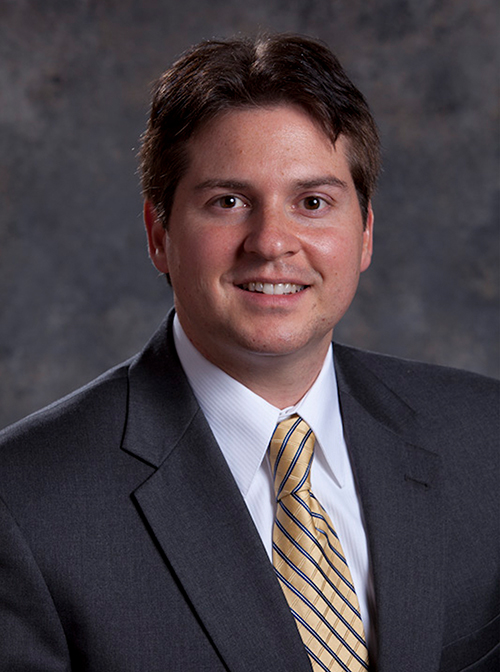 D. Kacy Cullen合作论文数Department of Neurosurgery, School of Medicine, University of Pennsylvania5
 Ross C. Puffer合作论文数University of Maryland Medical Center;Walter Reed National Military Medical Center;School of Medicine, University of Maryland5
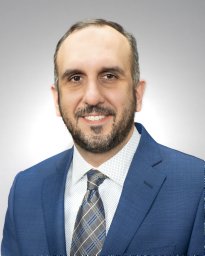 Faraji Amir H合作论文数Department of Neurological Surgery, University of Pittsburgh Medical Center5
 Yuval Shapira合作论文数5
 Elias Rizk合作论文数Penn State MS Hershey Medical Center, Penn State College of Medicine5
 Douglas H. Smith合作论文数Center for Brain Injury and Repair, University of Pennsylvania;Department of Neurosurgery, University of Pennsylvania5
 Nathan J Ranalli合作论文数5
 Gavin A Davis合作论文数Departments of Neurosurgery and Plastic/Craniofacial Surgery, Royal Children’s Hospital5
 Lukas Rasulic合作论文数Faculty of Medicine, University of Belgrade;Clinic for Neurosurgery, University Clinical Center of Serbia5
 Mariano Socolovsky合作论文数Hospital de Clínicas, University of Buenos Aires School of Medicine5Allan D. Levi合作论文数5
 Bryan Pfister合作论文数Biomedical Engineering Department, New Jersey Institute of Technology4Carlos A Rodriguez-Aceves合作论文数4Rajiv Midha合作论文数4
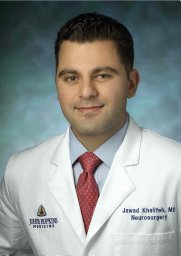 Jawad M Khalifeh合作论文数Dept Neurol Surg, Washington Univ4Ketan Desai合作论文数4
 Justin C. Burrell合作论文数Weill Cornell Medical College, Cornell University4
 Jennifer Hong合作论文数Division of Neurosurgery, Dartmouth Hitchcock Medical Center4
 Nicholas M Boulis合作论文数Department of Psychiatry, Yale University School of Medicine4Willem Pondaag合作论文数4
 Jacob A. Greenberg合作论文数4John E. Mcgillicuddy合作论文数4Fernando Guedes合作论文数3Neringa Juknis合作论文数3Jessica Nguyen合作论文数3
 Kevin Browne合作论文数3
 Huacong Wen合作论文数Department of Physical Medicine & Rehabilitation, University of Alabama at Birmingham3
 Paul J. Marcotte合作论文数Department of Neurosurgery, Perelman School of Medicine, University of Pennsylvania3




