Hyaluronic acid (HA) promotes cancer metastasis; however, the currently approved treatments do not target HA. Metastatic renal carcinoma (mRCC) is an incurable disease. Sorafenib (SF) is a modestly effective antiangiogenic drug for mRCC. Although only endothelial cells express known SF targets, SF is cytotoxic to RCC cells at concentrations higher than the pharmacological-dose (5-µM). Using patient cohorts, mRCC models, and SF combination with 4-methylumbelliferone (MU), we discovered an SF target in RCC cells and targeted it for treatment. We analyzed HA-synthase (HAS1, HAS2, HAS3) expression in RCC cells and clinical (n = 129), TCGA-KIRC (n = 542), and TCGA-KIRP (n = 291) cohorts. We evaluated the efficacy of SF and SF plus MU combination in RCC cells, HAS3-transfectants, endothelial-RCC co-cultures, and xenografts. RCC cells showed increased HAS3 expression. In the clinical and TCGA-KIRC/TCGA-KIRP cohorts, higher HAS3 levels predicted metastasis and shorter survival. At > 10-µM dose, SF inhibited HAS3/HA-synthesis and RCC cell growth. However, at ≤ 5-µM dose SF in combination with MU inhibited HAS3/HA synthesis, growth of RCC cells and endothelial-RCC co-cultures, and induced apoptosis. The combination inhibited motility/invasion and an HA-signaling-related invasive-signature. We previously showed that MU inhibits SF inactivation in RCC cells. While HAS3-knockdown transfectants were sensitive to SF, ectopic-HAS3-expression induced resistance to the combination. In RCC models, the combination inhibited tumor growth and metastasis with little toxicity; however, ectopic-HAS3-expressing tumors were resistant. HAS3 is the first known target of SF in RCC cells. In combination with MU (human equivalent-dose, 0.6–1.1-g/day), SF targets HAS3 and effectively abrogates mRCC.
INTRODUCTION:A proportion of prostate cancer (PCa) patients initially managed with active surveillance (AS) are upgraded to a higher Gleason score (GS) at the time of radical prostatectomy (RP). Our objective was to determine predictors of upgrading on RP specimens using a national database. METHODS:The Surveillance, Epidemiology, and End Results Prostate with Watchful Waiting database was used to identify AS patients diagnosed with very low- or low-risk PCa who underwent delayed RP between 2010 and 2015. The primary outcome was upgrading to GS 7 disease or worse. Logistic regression analyses were used to evaluate demographic and oncological predictors of upgrading on final specimen. RESULTS:A total of 3775 men underwent RP after a period of AS, 3541 (93.8%) of whom were cT2a; 792 (21.0%) patients were upgraded on RP specimen, with 85.4%, 10.6%, and 3.4% upgraded to GS 7(3+4), 7(4+3), and 8 diseases, respectively. On multivariable analysis, higher prostate-specific antigen (PSA) at diagnosis (5-10 vs. 0-2 ng/ml, odd ratio [OR] 2.59, p<0.001) and percent core involvement (80-100% vs. 0-20%, OR 2.52, p=0.003) were significant predictors of upgrading on final RP specimen, whereas higher socioeconomic status predicted lower odds of upgrading (highest vs. lowest quartile OR 0.75, p=0.013). CONCLUSIONS:Higher baseline PSA and percent positive cores involvement are associated with significantly increased risk of upgrading on RP after AS, whereas higher socioeconomic status predicts lower odds of such events. These results may help identify patients at increased risk of adverse pathology on final specimen who may benefit from earlier definitive treatment.
INTRODUCTION: The survival of patients with metastatic renal cell carcinoma (mRCC) is < 10% at 5-years, despite treatment. Sorafenib (SF) is a second-line oral treatment which improves overall survival by 12-18%. However, mechanism for SF failure is not known. Hyaluronic acid (HA) promotes cell proliferation, invasion and motility through its receptors CD44 and RHAMM. Hymecromone (HC) is a non−toxic dietary supplement that inhibits HA synthesis and down regulates CD44 and RHAMM mRNA levels. In this study we examined the mechanism of SF resistance and the efficacy of HC+SF combination as a targeted therapy for advanced RCC.METHODS: HAS3 levels were measured in kidney specimens (normal=45; tumor= 86) by qPCR. HAS3 promoter was cloned and effect of SF and HC on HAS3 promoter activity was determined. Response of Vector-only (EV) or HAS3-overexpressing (HAS3) or HAS3-knockdown (HAS3-KO) transfectants of 786-O and Caki-1 cells, primary RCC spheroids and endothelial cells to SF+HC combination was examined in proliferation, apoptosis, motility and invasion assays. Immunoblotting was performed for target analysis. Treatment efficacy was evaluated in the Caki−1 subcutaneous (s.c.) and orthotopic xenograft models.RESULTS: HAS3 levels were 5-10-fold elevated in mRCC patients’ tumors as compared to non-mRCC patients and normal kidney tissues, respectively. HAS3 levels were an independent predictor of metastasis (P=0.043; sensitivity: 85.7%). Combination of SF (5 µM) with HC (20, 40 µg/mL) downregulated (>80%) HAS3 expression, HAS3 promoter activity and HA synthesis in RCC cells. HC+SF combination inhibited RCC cell and primary tumor spheroid proliferation > 90%, motility/invasion (>80%) and induced apoptosis (5-fold). While HAS3 transfectants were resistant to SF+HC treatment, HAS3-KO transfectants were sensitive to SF. HA addition also attenuated the effect of HC+SF observed in EV cells. Endothelial cells co-cultured with HAS3 transfectants were resistant to SF+HC treatment. SF+HC up-regulated apoptosis effectors, but downregulated CD44, RHAMM, and phospho-Met levels in EV but not in HAS3 transfectants. HC (100 or 200 mg/kg) and SF (30 mg/kg) oral combination abrogated Caki-1 tumor growth (>80%), without serum/tissue toxicity. HC+SF treatment decreased HAS3/HA levels, Ki67 index and microvessel density. HAS-overexpressing tumors were resistant to treatment.CONCLUSION: This is the first study to demonstrate that HAS3 overexpression in mRCC contributes to SF failure and that HAS3/HA downregulation is a mechanism to re-sensitize cells to SF. HC+SF is an orally bioavailable and non-toxic combination that may be an effective therapeutic strategy for mRCC.Citation Format: Jiaojiao Wang, Andre R. Jordan, Sarrah S. Lahorewala, Vinata B. Lokeshwar. Biomarker-targeted novel combination for renal cell carcinoma [abstract]. In: Proceedings of the American Association for Cancer Research Annual Meeting 2019; 2019 Mar 29-Apr 3; Atlanta, GA. Philadelphia (PA): AACR; Cancer Res 2019;79(13 Suppl):Abstract nr 2065.
OBJECTIVE:To report on feasibility, safety, and continence outcomes using the Retzius-sparing approach in the salvage setting (sRS-RARP). MATERIALS AND METHODS:A total of 26 patients underwent robotic salvage prostatectomy at our institution from January 2012 to May 2020 by a single surgeon (RM). Twenty patients underwent sRS-RARP and 6 underwent the standard approach (sRARP). Pre-, intra-, and postoperative outcomes were compared between these groups with emphasis on continence and oncologic safety. RESULTS:Patients had comparable preoperative characteristics with no significant difference in age, race, prostate-specific antigen level, and Gleason score. Most patients underwent primary external beam radiation therapy (69.2%). Median time to biochemical failure was 7.9 years (IQR 6.1-13.4). sRS-RARP required less console time (141.5 vs 199.5.0 minutes, P = .008) and less blood loss (50.0 mL vs 100.0 mL, P = .045) compared to sRARP. Postoperative course was uneventful with a median hospital stay of 1 day. Median catheterization time was 14.0 days (IQR 11.5-17). Patients undergoing sRS-RARP had better immediate (25.0% vs 0.0%, P < .001), 3 month (80.0% vs 0%, P < .001), and 12 month continence rates (100% vs 44%, P = .0384) compared to sRARP patients. Likewise, median time to continence was significantly shorter for sRS-RARP patients (90.0 vs 270.0 days, P = .0095). Biochemical recurrence rate was 20.0% in the sRS-RARP group and 33.3% in the sRARP group (P = .60). CONCLUSION:Early experience suggests that sRS-RARP is feasible, oncologically safe, and may offer improved continence compared to the sRARP approach.
 Zachary Klaassen合作论文数3
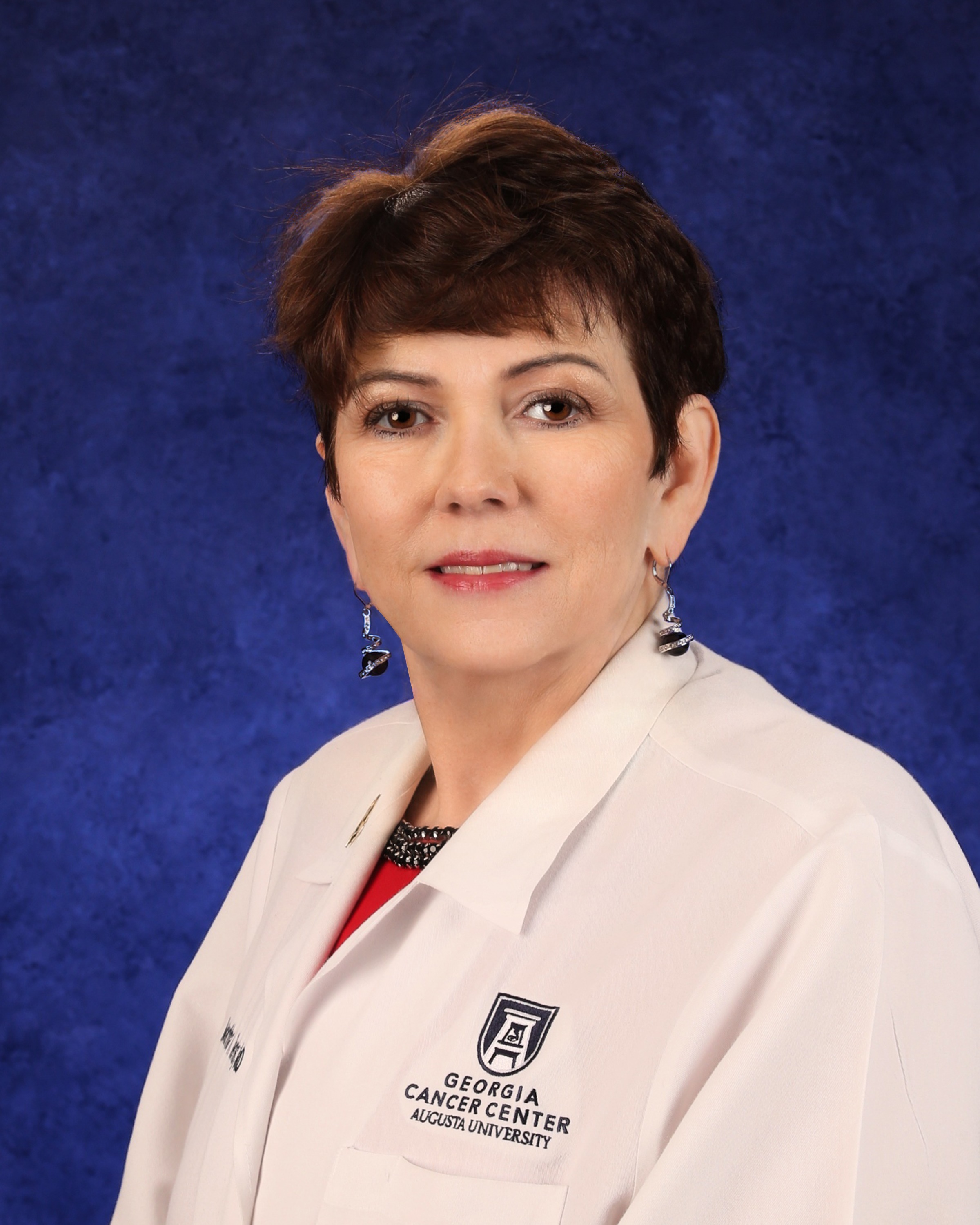 Martha Kennedy Terris合作论文数Division of Urology, Department of surgery, Augusta University Health3
 Jiaojiao Wang合作论文数College of Pharmacy, Jinan University2
 Andre R. Jordan合作论文数2
 Rashid Sayyid合作论文数Department of Radiology, AUBMC2
 Vinata B. Lokeshwar合作论文数2
 Rabii Madi合作论文数University of Michigan Health System2Soum D. Lokeshwar合作论文数2Brandon Wilson合作论文数1
 Karina Aguilar合作论文数1Anthony Hiffa合作论文数1Sarrah L Hasanali合作论文数1Atul Lodh合作论文数1Joseph McDaniels合作论文数1Semih Sarcan合作论文数1
 Luis E Lopez合作论文数1Daley S Morera合作论文数1Huabin Zhu合作论文数Augusta Univ, Med Coll Georgia, Dept Biochem & Mol Biol, Augusta, GA 30912 USA1
 Anuj Sharma合作论文数Department of Cellular Biology and Anatomy, Augusta University1John Z Benton合作论文数1
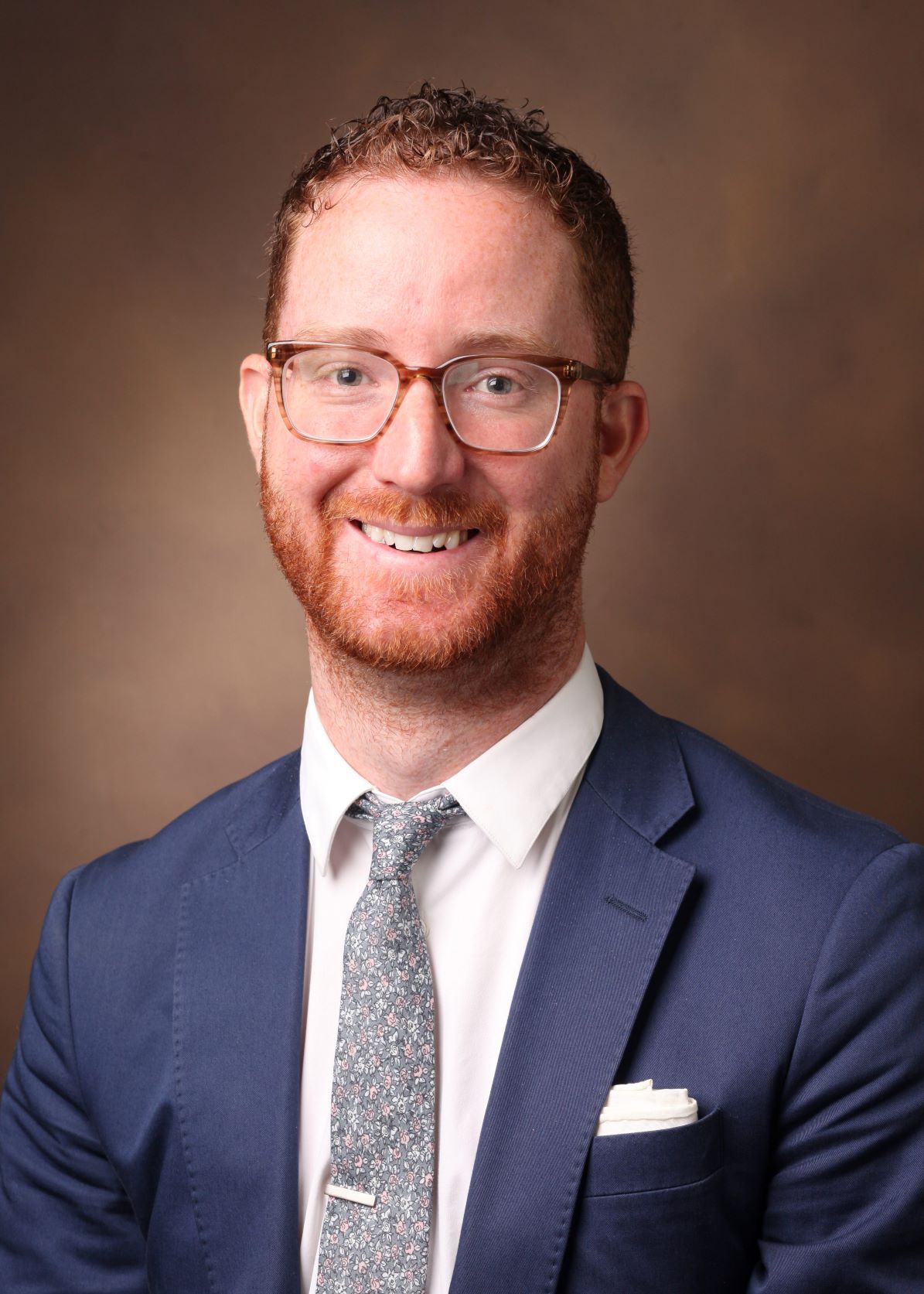 Christopher Wallis合作论文数University Health Network;Mount Sinai Hospital;Division of Urology, University of Toronto1
 Goldberg Hanan合作论文数The Institute of Urology, Tel Aviv University1Martha K Terris合作论文数1
 Muthusamy Thangaraju合作论文数Department of Biochemistry and Molecular Biology, Medical College of Georgia1
 Mark Soloway合作论文数Memorial Regional Hospital1




