Ovarian aging is a fundamental biological constraint on female fertility, driven by depletion of the primordial follicle pool and progressive alterations in the ovarian microenvironment. In recent years, a range of intraovarian interventions aimed at modifying ovarian aging, including platelet-rich plasma, autologous stem cell-based approaches, and mitochondrial transfer, have gained clinical and commercial attention. These strategies are supported by biologic hypotheses and early changes in surrogate markers such as antimüllerian hormone and antral follicle count, yet their clinical significance remains uncertain. This Views and Reviews critically evaluates the evidence supporting these interventions, emphasizing the distinction between transient follicular activation and true modification of reproductive aging. Clinical data are integrated with emerging mechanistic insights from aging biology, including nutrient-sensing pathways, partial epigenetic reprogramming, and ovarian fibrosis as a modifiable determinant of ovarian function. Across modalities, improvements in surrogate outcomes have not reliably translated into gains in embryo competence, euploidy, or live birth, and safety data remain limited, with procedural and infectious risks that warrant careful consideration. We conclude that routine clinical use of intraovarian aging-targeted interventions is premature. Future progress will require standardized protocols, adequately powered randomized trials with live birth endpoints, and rigorous assessment of both efficacy and risk.
Interventions for management of obesity continue to expand. This Views and Reviews discusses the impact of obesity on IVF outcomes and practices and reviews emerging tools, for weight management, specifically, GLP-1 agents.
To evaluate the performance of the endometrial receptivity assay (ERA) as a clinical diagnostic test. The control arm of the Synchrony trial served as an a priori non-selection prospective cohort study, since the ERA was performed in both the control and intervention groups, but no intervention was made in the control group. Using these data, the sensitivity, specificity, negative and positive predictive values (NPV, PPV) and other markers were calculated. The primary outcome was sustained implantation of euploid blastocysts (clinical pregnancy with fetal heart rate). A sensitivity analysis was also conducted, comparing patients with a nonreceptive ERA defined as recommending ≥ 24 hours change in progesterone exposure, with changes ≤12 hours considered normal. There were no differences in the clinical outcomes between the control and interventions arms of the clinical trial, nor in sensitivity analyses (Table 1). The sensitivity and specificity of the ERA to predict failure of sustained embryo implantation were poor (55% and 49% respectively). The ERA had a PPV of 74 and 78% in both models, but extremely poor NPV of 29%. Positive and negative likelihood ratios were also low in both analyses. Receiver operating characteristic (ROC) results demonstrated an area under curve (AUC) of 0.52.Tabled 1Receptive vs Nonreceptive1 (Primary Analysis)Receptive or Nonreceptive2 (Sensitivity Analysis)Clinical OutcomeReceptive (n=208)Nonreceptive (n=178)P valueReceptive(n=120)Nonreceptive(n=266)P valuePositive hCG (%)167 (80.3)140 (78.7)0.78799 (82.5)208 (78.2)0.404Sustained implantation (%)155 (74.5)126 (70.8)0.48094 (78.3)187 (70.3)0.129Clinical pregnancy loss (%)25 (12)16 (9)0.42518 (15)23 (8.6)0.090Live birth130 (62.5)109 (61.2)0.88176 (63.3)163 (61.3)0.786Statistical OutcomeReceptive vs Nonreceptive1 (Primary Analysis)Receptive or Nonreceptive2 (Sensitivity Analysis)Sensitivity55.2%33.5%Specificity49.5%75.2%Positive predictive value74.5%78.3%Negative predictive value29.2%29.7%Positive likelihood ratio1.091.35Negative likelihood ratio0.910.88ROC AUC0.520.541Nonreceptive: any result recommending ≥12 hours progesterone change2Nonreceptive: any result recommending ≥24 hours progesterone change Open table in a new tab 1Nonreceptive: any result recommending ≥12 hours progesterone change 2Nonreceptive: any result recommending ≥24 hours progesterone change ERA thresholds of both 12- and 24- hour displacement demonstrated poor diagnostic performance for predicting failure to achieve sustained implantation, with a negative predictive value of only 29%. Furthermore, likelihood ratios demonstrated the test to be highly unlikely to change clinical management or outcomes.
The endometrial receptivity assay (ERA) is a diagnostic tool designed to identify the optimal window of implantation on the basis of the transcriptomic signature of 238 genes expressed in the receptive phase of the endometrium ( 1 Igenomix. https://www.igenomix.com/our-services.era/#why-eraDate accessed: July 17, 2023 Google Scholar ). The assay purports to identify whether the endometrium is receptive (optimal time for embryo transfer and implantation), prereceptive (additional progesterone exposure time recommended), or postreceptive (less progesterone exposure time recommended). After its introduction to the market, ERA utilization was rapid and widespread in reproductive medicine ( 2 Díaz-Gimeno P. Horcajadas J.A. Martínez-Conejero J.A. Esteban F.J. Alamá P. Pellicer A. et al. A genomic diagnostic tool for human endometrial receptivity based on the transcriptomic signature. Fertil Steril. 2011; 95: 50-60 Abstract Full Text Full Text PDF PubMed Scopus (447) Google Scholar ). However, the clinical effectiveness of the ERA has been questioned recently by several studies. The Synchrony trial by Doyle et al. ( 3 Doyle N. Jahandideh S. Hill M. Widra E. Levy M. Devine K. Effect of timing by endometrial receptivity testing vs standard timing of frozen embryo transfer on live birth in patients undergoing in vitro fertilization. JAMA. 2022; 328: 2117-2125 Crossref PubMed Scopus (18) Google Scholar ) reported no difference in implantation and live birth in women undergoing vitrified euploid embryo transfer randomized to transfer timing on the basis of ERA testing results vs. standard progesterone exposure. The objective of this study was to evaluate the performance of the ERA as a clinical diagnostic test on the basis of an a priori analysis of the data from the Synchrony trial. Letter to “Evaluating the Endometrial Receptivity Assay: a nested diagnostic accuracy study within the Synchrony randomized clinical trial.”Fertility and SterilityPreviewWe have reviewed the research letter by Chae-Kim et al. (1) who assessed endometrial receptivity analysis (ERA) on the basis of the partial reanalysis of their Synchrony randomized clinical trial (RCT) data (2), and we commend them for evaluating this important topic. However, there are several concerns that we would like to raise. Full-Text PDF (In)Accuracy of the endometrial receptivity assay in the general fertility populationFertility and SterilityVol. 120Issue 6PreviewThe study by Chae-Kim et al. (1) in this month’s Fertility and Sterility seeks to characterize the diagnostic accuracy of the endometrial receptivity assay (ERA) in predicting implantation failure after frozen embryo transfer (FET). Their group used data from the control arm of the 2022 Synchrony trial, in which 386 participants underwent ERA testing followed by euploid FET (2). Individuals in the control arm of the Synchrony trial all underwent a standardized FET protocol after 123 (±3) hours of progesterone exposure because patients and providers were double blinded to the results of ERA testing. Full-Text PDF
The following may or may not have happened when the senior investigator was a fellow and was asked to "sit in" on the program directors meeting by his own fellowship director sometime in the 90s. Although he was trying to disappear into the corner, he paid careful attention, so he could report back to his program director. When the subject of expanding fellowship training to 3 years came up, the presiding Dr. X said, "Now remember guys [it was all guys], we can't state that we are doing this because we are training too many competitors, we have to say it is only for academic reasons." Thus, the 3-year fellowship was midwifed. Gotta love history. Over 10 years ago, the Journal of the American Medical Association published an article advocating shortening medical training by 30%. Emanuel and Fuchs (1Emanuel E.J. Fuchs V.R. Shortening medical training by 30.JAMA. 2012; 307: 1143-1144Crossref PubMed Scopus (116) Google Scholar) stated that "years of training have been added without evidence that they enhance clinical skills or the quality of care" and recommend decreasing time in training at all levels, from premedical training to medical school to residency and fellowship. It has taken time, but these changes are occurring. Reproductive endocrinology and infertility (REI) has evolved significantly since its inception. Like many other specialties, our practices have transitioned from primarily university-based, research-driven models to hybrid and private practice models. Many of these programs practice sound evidence-based care, and hybrid programs contribute to meaningful research and training. When our specialty started, the majority of graduating fellows became faculty at academic institutions after a 2-year fellowship; today, the majority of graduating fellows join a private practice after 3 years of training. We learn the basics during our fellowship and should graduate with the skills to be competent consultants. I would be surprised to find a colleague who does not acknowledge how much more we learn in the first years of independent practice. Other specialties that have streamlined training include cardiothoracic surgery, vascular surgery, urology, and plastic surgery, all of which have implemented integrated residencies that have shortened the length of training from 7–10 years to 5–6 years. The time spent training in general surgery is reduced, and the focus on subspecialty surgery is increased, thus allowing trainees to more efficiently achieve expertise in their desired field. Our literature has demonstrated that REI fellows do not need 3 years of training to become technically proficient. For example, fellows achieve similar outcomes to faculty on embryo transfers once they complete the appropriate training in their first year (2Bortoletto P. Romanski P.A. The reproductive endocrinology and infertility fellows are who we thought they were—highly proficient.Fertil Steril. 2022; 117: 123Abstract Full Text Full Text PDF Scopus (1) Google Scholar, 3Miller C.M. Weaver A.L. Zhao Y. Babayev S.N. Outcomes of embryo transfers performed by reproductive endocrinology and infertility fellows vs. faculty: an 11-year retrospective review.Fertil Steril. 2022; 117: 115-122Abstract Full Text Full Text PDF PubMed Scopus (4) Google Scholar). In fact, the very structure of our programs demonstrates that the technical and intellectual aspects of patient care do not require more than 12–18 months of training. This leaves research as an impetus for 3 years. Many of the current leaders in our field completed research within the constraints of a 2-year program and developed the requisite discipline to contribute meaningful research. Moreover, the additional year does not provide the credentials or experience to successfully compete for funding after fellowships. Our own postfellowship research opportunities illustrate this reality. One counterargument to shortening our training is that it only changes the number of graduating fellows in a single year. That is only true when we do not take the savings from the shortened fellowships and use that funding to expand program slots and add fellowship programs. Finally, opportunities already exist for extending REI training. Many programs support more specialized training for interested fellows in reproductive surgery, genetics, embryology, high-complexity clinical laboratory directorship, or research (4Feinberg E.C. Cedars M. Chaudhari G. DeCherney A. Falcone T. Scott Jr., R.T. et al.Reproductive Endocrinology and Infertility fellowship programs: does one size fit all?.Fertil Steril. 2021; 115: 569-575Abstract Full Text Full Text PDF Scopus (3) Google Scholar). The coronavirus disease 2019 pandemic demonstrated that competent REI physicians can graduate despite decreased clinical volume and research time (5Ghidei L. Gannon A. Schutt A. The impact of COVID-19 on REI fellowship educational experience.J Assist Reprod Genet. 2021; 38: 1163-1169Crossref PubMed Scopus (3) Google Scholar). For fellows who do not plan to incorporate additional training in their careers in these areas, the field would be well served to graduate competent REI physicians after the completion of their obstetrician and gynecologist residency and 2-year REI fellowship. Let us not fear change but embrace the needs of our patients and colleagues. We stand to thrive from going "back to the future" with 2-year fellowships.
This issue's Views and Reviews invited authors to update our readers on embryo selection alternatives to PGT-A, specifically, time lapse imaging (TLI), artificial intelligence tools, and noninvasive PGT-A. Although current PGT-A techniques are commonly described as the "gold standard" for embryo assessment, there are those who contend that it may be only fool's gold. Although we can and should continue to debate the value of and best indications for PGT technology, its goal remains of paramount importance—how do we select the best embryos for transfer and maximize live birth from single embryo transfer.
To determine if early embryo transfer after hysteroscopic polypectomy (≤ 28 days) has superior pregnancy outcomes when compared to delayed transfer in both fresh and frozen embryo transfers. Retrospective cohort from multicenter practice from January 2017 to December 2021. All embryo transfers with a history of hysteroscopic polypectomy in the preceding 180 days were included for analysis. Primary outcome was live birth. Secondary outcomes included: clinical intrauterine gestation, spontaneous abortion, biochemical pregnancy, not pregnant, stillbirth, and ectopic pregnancy. Chi-square test was used for categorical variables and T-test was used for continuous variables. GEE modeling was used to account for age and cycle repeats per patient. A total of 4,222 cases were identified as undergoing frozen (n = 3,112) or fresh (n = 1,110) embryo transfers following hysteroscopic polypectomy during the study period. There was no difference in live birth or other pregnancy outcomes between early and delayed transfer in either the fresh or frozen transfer groups. The time to embryo transfer was not associated with live birth or other pregnancy outcomes when time was used as a linear variable in either fresh or frozen transfers.Tabled 1FreshTime from polypectomy to ET≤ 28 days29-180 daysAge-adjusted P valueTotal (N)285825Age (mean SD)33.8 (3.96)35.7 (5.04)Live Birth (%)125 (43.9%)312 (37.8%)0.28Clinical Intrauterine Gestation (%)156 (54.7%)391 (47.4%)0.13SAB (%)26 (9.1%)72 (8.7%)0.71Biochemical (%)23 (8.1%)58 (7.0%)0.76Stillbirth (%)3 (1.1%)4 (0.5%)0.40Ectopic (%)3 (1.1%)5 (0.6%)0.32Not pregnant (%)103 (36.1%)371 (45.0%)0.06FrozenTotal (N)6632449Age (mean SD)35.8 (4.49)38.4 (4.80)Live Birth (%)272 (41.0%)974 (39.8%)0.626Clinical Intrauterine Gestation (%)360 (54.3%)1309 (53.5%)0.790SAB (%)87 (13.1%)329 (13.4%)0.777Biochemical (%)78 (11.8%)257 (10.5%)0.377Stillbirth (%)1 (0.2%)3 (0.1%)0.814Ectopic (%)3 (0.5%)12 (0.5%)0.811Not pregnant (%)222 (33.5%)871 (35.6%)0.401Note: ET, embryo transfer; SD, standard deviation; SAB, spontaneous abortion. Open table in a new tab Note: ET, embryo transfer; SD, standard deviation; SAB, spontaneous abortion. This large sample found that an early fresh or frozen embryo transfer following polypectomy was not negatively associated with pregnancy outcomes, relative to delaying transfer post-polypectomy.
To study the types and rates of embryonic aneuploidy in men with nonobstructive (NOA) vs obstructive (OA) azoospermia.
Importance:Endometrial receptivity testing is purported to improve live birth following frozen embryo transfer by identifying the optimal embryo transfer time for an individual patient; however, data are conflicting. Objective:To compare live birth from single euploid frozen embryo transfer according to endometrial receptivity testing vs standardized timing. Design, Setting, and Participants:Double-blind, randomized clinical trial at 30 sites within a multicenter private fertility practice in the Eastern US. Enrollment was from May 2018 to September 2020; follow-up concluded in August 2021. Participants underwent in vitro fertilization, preimplantation genetic testing for aneuploidy, endometrial receptivity testing, and frozen embryo transfer. Those with euploid blastocyst(s) and an informative receptivity result were randomized. Exclusion criteria included recurrent pregnancy loss, recurrent implantation failure, surgically aspirated sperm, donor egg(s), and unmitigated anatomic uterine cavity defects. Interventions:The intervention group (n = 381) underwent receptivity-timed frozen embryo transfer, with adjusted duration of progesterone exposure prior to transfer, if indicated by receptivity testing. The control group (n = 386) underwent transfer at standard timing, regardless of receptivity test results. Main Outcomes and Measures:The primary outcome was live birth. There were 3 secondary outcomes, including biochemical pregnancy and clinical pregnancy. Results:Among 767 participants who were randomized (mean age, 35 years), 755 (98%) completed the trial. All randomized participants were analyzed. The primary outcome of live birth occurred in 58.5% of transfers (223 of 381) in the intervention group vs 61.9% of transfers (239 of 386) in the control group (difference, -3.4% [95% CI, -10.3% to 3.5%]; rate ratio [RR], 0.95 [95% CI, 0.79 to 1.13]; P = .38). There were no significant differences in the intervention vs the control group for the prespecified secondary outcomes, including biochemical pregnancy rate (77.2% vs 79.5%, respectively; difference, -2.3% [95% CI, -8.2% to 3.5%]; RR, 0.97 [95% CI, 0.83 to 1.14]; P = .48) and clinical pregnancy rate (68.8% vs 72.8%, respectively; difference, -4.0% [95% CI, -10.4% to 2.4%]; RR, 0.94 [95% CI, 0.80 to 1.12]; P = .25). There were no reported adverse events. Conclusions and Relevance:Among patients for whom in vitro fertilization yielded a euploid blastocyst, the use of receptivity testing to guide the timing of frozen embryo transfer, compared with standard timing for transfer, did not significantly improve the rate of live birth. The findings do not support routine use of receptivity testing to guide the timing of embryo transfer during in vitro fertilization. Trial Registration:ClinicalTrials.gov Identifier: NCT03558399.
To compare trends in and rates of elective egg freezing (EF) cycles before and during the COVID-19 pandemic. We retrospectively identified all appointments for EF from June 2019-February 2020 (group 1, pre-pandemic) and June 2020-February 2021 (group 2, post-pandemic) for comparison. Total numbers of EF consultation appointments and retrievals, time to first EF cycle after initial consultation, as well as patient demographics were collected. Growth rates in EF cycles from pre- to post-pandemic were calculated as a whole, by time to first EF cycle from initial consultation, as well as by age group (<30, 30-34.9, 35-39.9, 40-44.9 and >45). Post-pandemic retrieval volume for EF increased by 39% compared to pre-pandemic despite only a 3% increase in new consultation appointments seen over the same timeframe. Demographics in patients pursuing EF between the two timeframes were similar (average age 36.8 years pre-pandemic vs 36.6 years post-pandemic). There was 44% growth in patients pursuing EF cycles in 90 days or less, primarily driven by increased numbers of EF cycles in the 30-34.9 year-old age group. Despite stable numbers of patients presenting for EF consultation pre- and post-pandemic, more EF retrieval cycles were observed post-pandemic, notably occurring at earlier timepoints from initial consultation and in patients <35. This may represent pandemic-related reevaluation of life goals, changes in financial status, and/or alterations in workplace flexibility. Qualitative survey data will provide further insight into the motivators and drivers of EF, particularly during a time of national crisis. Research focused on what factors were most responsible for the increase in EF cycles may enable providers and patients to make accommodations in the future.
To determine if delayed IVF stimulation start after hysteroscopic polypectomy (HP) has superior pregnancy outcomes when compared to an immediate start in both fresh and frozen embryo transfers (FET). We analyzed IVF cycles following HP from 2017 - 2021 at a large multicenter private practice. Cohorts of fresh and frozen embryo transfers performed after HP were identified using standard CBT codes. These cohorts were divided into 3 groups consistent with prior studies according to time to embryo transfer at intervals of: within 28 days, 28-90 days, and 28-180 days for both fresh and FET. The interval "within 28 days" represented "immediate IVF stimulation start." All other time intervals were compared to the "immediate start" group. To identify significant differences between groups, chi square analysis and linear regression were utilized to compare between groups with p values <0.05 for significance. Lastly, a continuous analysis of the number of days from HP to ET compared with live birth was made utilizing GEE analysis for all transfers. A total of 1619 cases were identified as undergoing frozen or fresh embryo transfers following HP, including 488 fresh and 1131 FET. Controlling for age, BMI, and PGT for aggregate FETs and fresh transfers, there was no difference in live birth when comparing the number of days from HP to ET (p= 0.984). Specifically, the time to embryo transfer was not associated with negative pregnancy outcomes from either fresh or FET, when comparing intervals of less than 28d, 28-90d and 28-180 days post HP; fresh (p= 0.14) or FET (p = 0.31). Pregnancy outcomes included not pregnant (NP), spontaneous abortion (SAB), ongoing pregnancy (ONG), stillbirth (SB), and live birth (LB). Delaying either fresh or frozen embryo transfer following HP does not significantly improve pregnancy outcomes.
To compare live birth (LB) and cycle characteristics by self-reported ethnicity in IVF cycles using autologous vitrified/thawed oocytes. We retrospectively identified autologous IVF cycles using vitrified oocytes from 2009 to 2020 in women who self-identified as Asian, Black, Hispanic, or White. Those without ethnicities reported were excluded. Ovarian stimulation, oocyte vitrification/thaw, IVF, ICSI, embryo culture/transfer/embryo vitrification were performed using published protocols. Primary outcome was LB per embryo transfer (ET) cycle. Statistical comparisons were performed using ANOVA, Chi-square or Proportion tests. Post-hoc analyses were performed for group comparisons where appropriate. In 523 individual oocyte thaw cycles, all ethnicities had similar numbers of MIIs and numbers of total and cryopreserved embryos per thaw cycle. Average age at time of oocyte cryopreservation was highest in Black women (p=0.024). BMI was statistically lower in Asian women and higher in Black women compared to all other groups (p<0.001). LB per all ETs as well as fresh and frozen ETs individually were not statistically different between the four groups. In IVF cycles using autologous vitrified/thawed oocytes, LB outcomes were similar across ethnicities, though numbers in ethnic minority groups were low. As more women return to thaw oocytes, continued collection of outcomes may further our understanding of ethnic disparities in IVF after autologous oocyte cryopreservation.
To compare live birth (LB) from single euploid frozen blastocyst transfer (FBT) according to Endometrial Receptivity Analysis (ERA) vs. standardized timing This was a single-center, assessor-blind, parallel-group RCT with 1:1 randomization. Recurrent pregnancy loss and recurrent implantation failure were excluded. All subjects underwent IVF-ICSI, PGTA, and ERA; those with PGTA-normal blastocyst(s) and an informative ERA were randomized. The Control group underwent standard timing FBT (progesterone exposure of 123 hrs +/- 3 hrs). The Study group underwent ERA-timed FBT. Ongoing pregnancy (OP), defined as an appropriately grown intrauterine pregnancy with FCA at 8-10 weeks and no subsequent pregnancy loss reported, was used as a proxy for LB, until LB data are available (September 2021). Secondary outcomes were pregnancy (+hCG) and pregnancy loss (+hCG not progressing to OP or LB). Dichotomous outcomes were compared by X2. 767 subjects were randomized: 381 to the Study group (ERA-timed FBT) and 386 to the Control group (standard timing FBT). In the intention-to-treat (ITT) analysis, there were no differences in the proportion of subjects with non-receptive ERA, nor in the primary or secondary FBT outcomes (Table). Limiting the analysis to those with a non-receptive ERA result (N=419), 62.5% of Control and 55.5% of Study subjects had an OP (RR 0.9; CI 0.70-1.14; p=0.17). Limiting the analysis to those for whom ERA recommended a change in FBT timing of at least 12 hours (only Pre- and Post-receptive results, excluding Early and Late receptive; N=243), 63.3% of Control and 54.5% of Study subjects had an OP (RR 0.86; CI 0.62-1.19; p=0.20). 11 subjects were excluded from the per protocol (PP) analysis. Results from the PP and ITT analyses were identical. ERA does not improve OP from single euploid FBT in an unselected population. An additional RCT is needed to assess whether ERA is beneficial in the setting of recurrent implantation failure.
OBJECTIVE:To determine whether vaginal progesterone for programmed endometrial preparation is noninferior to intramuscular progesterone in terms of live birth rates from frozen embryo transfer (FET).DESIGN:Three-armed, randomized, controlled noninferiority trial.SETTING:Multicenter fertility clinic.PATIENT(S):A total of 1,346 volunteer subjects planning vitrified-warmed transfer of high-quality nonbiopsied blastocysts were screened, of whom 1,125 subjects were ultimately enrolled and randomly assigned to treatment.INTERVENTION(S):The subjects were randomly assigned to receive, in preparation for FET, 50 mg daily of intramuscular progesterone (control group), 200 mg twice daily of vaginal micronized progesterone plus 50 mg of intramuscular progesterone every third day (combination treatment), or 200 mg twice daily of vaginal micronized progesterone.MAIN OUTCOME MEASURE(S):The primary outcome was live birth rate per vitrified-warmed embryo transfer. The secondary outcomes were a positive serum human chorionic gonadotropin test 2 weeks after FET, biochemical pregnancy loss, clinical pregnancy, clinical pregnancy loss, total pregnancy loss, serum luteal progesterone concentration 2 weeks after FET, and patient's experience and attitudes regarding the route of progesterone administration, on the basis of a survey administered to the subjects between FET and pregnancy test.RESULT(S):A total of 1,060 FETs were completed. The live birth rate was significantly lower in women receiving only vaginal progesterone (27%) than in women receiving intramuscular progesterone (44%) or combination treatment (46%). Fifty percent of pregnancies in women receiving only vaginal progesterone ended in miscarriage.CONCLUSION(S):The live birth rate after vaginal-only progesterone replacement was significantly reduced, due primarily to an increased rate of miscarriage. Vaginal progesterone supplemented with intramuscular progesterone every third day was noninferior to daily intramuscular progesterone, offering an effective alternative regimen with fewer injections.CLINICAL TRIAL REGISTRATION NUMBER:NCT02254577.
Research question: Ovarian stimulation during IVF cycles involves close monitoring of oestradiol, progesterone and ultrasound measurements of follicle growth. In contrast to blood draws, sampling saliva is less invasive. Here, a blind validation is presented of a novel saliva-based oestradiol and progesterone assay carried out in samples collected in independent IVF clinics. Design: Concurrent serum and saliva samples were collected from 324 patients at six large independent IVF laboratories. Saliva samples were frozen and run blinded. A further 18 patients had samples collected more frequently around the time of HCG trigger. Saliva samples were analysed using an immunoassay developed with Salimetrics LLC. Results: In total, 652 pairs of saliva and serum oestradiol were evaluated, with correlation coefficients ranging from 0.68 to 0.91. In the European clinics, a further 237 of saliva and serum progesterone samples were evaluated; however, the correlations were generally poorer, ranging from -0.02 to 0.22. In the patients collected more frequently, five out of 18 patients (27.8%) showed an immediate decrease in oestradiol after trigger. When progesterone samples were assessed after trigger, eight out of 18 (44.4%) showed a continued rise. Conclusions: Salivary oestradiol hormone testing correlates well to serum-based assessment, whereas progesterone values, around the time of trigger, are not consistent from patient to patient. ABSTRACT Research question: Ovarian stimulation during IVF cycles involves close monitoring of oestradiol, progesterone and ultrasound measurements of follicle growth. In contrast to blood draws, sampling saliva is less invasive. Here, a blind validation is presented of a novel saliva-based oestradiol and progesterone assay carried out in samples collected in independent IVF clinics. Design: Concurrent serum and saliva samples were collected from 324 patients at six large independent IVF laboratories. Saliva samples were frozen and run blinded. A further 18 patients had samples collected more frequently around the time of HCG trigger. Saliva samples were analysed using an immunoassay developed with Salimetrics LLC. Results: In total, 652 pairs of saliva and serum oestradiol were evaluated, with correlation coefficients ranging from 0.68 to 0.91. In the European clinics, a further 237 of saliva and serum progesterone samples were evaluated; however, the correlations were generally poorer, ranging from -0.02 to 0.22. In the patients collected more frequently, five out of 18 patients (27.8%) showed an immediate decrease in oestradiol after trigger. When progesterone samples were assessed after trigger, eight out of 18 (44.4%) showed a continued rise. Conclusions: Salivary oestradiol hormone testing correlates well to serum-based assessment, whereas progesterone values, around the time of trigger, are not consistent from patient to patient.
 Micah J Hill合作论文数Department of Reproductive and Adult Endocrinology, National Institute of Child Health and Human Development21
 Alan H. Decherney合作论文数National Institutes of Health21
 Kevin S. Richter合作论文数20
 Kate Mary Devine合作论文数16Andrew La Barbera合作论文数14
 Robert Rebar合作论文数14Michael W. Vernon合作论文数13Samad Jahandideh合作论文数11
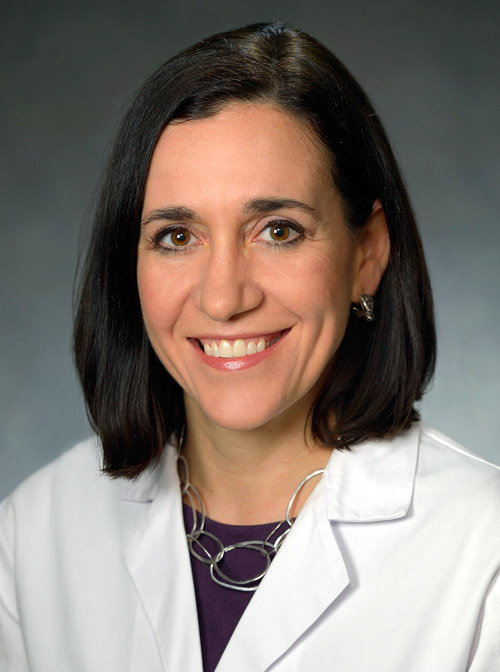 Clarisa R. Gracia合作论文数Reproductive Endocrinology and Infertility, Department of Obstetrics and Gynecology, Perelman School of Medicine, University of Pennsylvania11
 Jay I. Sandlow合作论文数Department of Urology, University of Iowa11
 Samantha M. Pfeifer合作论文数Ronald O. Perelman and Claudia Cohen Center for Reproductive Medicine, Weill Cornell Medicine, Cornell University10Richard Reindollar合作论文数9Randall R. Odem合作论文数9Margareta D. Pisarska合作论文数9Daniel a Dumesic合作论文数9
 Mitch Rosen合作论文数8Michael J Levy合作论文数7Michael Levy合作论文数7Butts Samantha F合作论文数7
 Owen K. Davis合作论文数Ronald O. Perelman and Claudia Cohen Center for Reproductive Medicine, Weill Cornell Medicine, Cornell University6Gregory Fossum合作论文数6Jeffrey Goldberg合作论文数5John Collins合作论文数5Levens Eric D合作论文数5Marcelle I. Cedars合作论文数5Healy Mae Wu合作论文数5Arthur W. Sagoskin合作论文数5Nicole Doyle合作论文数4
 James H Segars合作论文数4Kathleen Devine合作论文数4
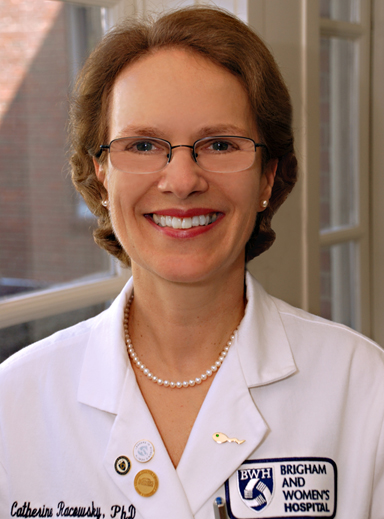 Catherine Racowsky合作论文数Brigham and Women's Hospital;Harvard Medical School4
 George Patounakis合作论文数4Rogerio A. Lobo合作论文数Department of Obstetrics and Gynecology, Columbia University College of Physicians and Surgeons4
 Jennifer E. Mersereau合作论文数Shady Grove Fertility4William H. Catherino合作论文数4
 Alan Penzias合作论文数Boston IVF, Waltham, Massachusetts4Jeanne E. O'Brien合作论文数3Marc Fritz合作论文数3Frank Chang合作论文数3
 Glenn L. Schattman合作论文数Ronald O. Perelman and Claudia Cohen Center for Reproductive Medicine, Weill Cornell Medicine, Cornell University3Wantman Ethan合作论文数3Bo Yu合作论文数3
 Luke, Barbara合作论文数Department of Obstetrics, Gynecology and Reproductive Biology, College of Human Medicine, Michigan State University3Morton B. Brown合作论文数Department of Biostatistics, School of Public Health, University of Michigan, Ann Arbor, Michigan3Valerie L. Baker合作论文数Department of Obstetrics and Gynecology, Stanford University3Robert J. Stillman合作论文数3
 Judy E. Stern合作论文数Dartmouth-Hitchcock Medical Center3R. Dale Mcclure合作论文数3Charles C. Coddington合作论文数3




