INTRODUCTION:The immediate postinjury immune response contributes in a complex manner to trauma-induced coagulopathy. The necessary transfusion of blood components can further impact a patient's immune response, creating a poorly understood cycle of transfusion, inflammation, and coagulopathy. The purpose of this study is to define the relationship between large volume transfusion and variations in the immune response following injury. METHODS:Utilizing the Pragmatic, Randomized Optimal Platelet and Plasma Ratios trial dataset, the time and volume of transfused blood products were compared to patients' inflammatory cascade for 72 h following injury. In order to model variations in the times and volumes of transfused blood products, time-varying effect modeling was used to assess cytokine response. RESULTS:A total of 522 patients were included in the analysis. A statistically significant correlation in IL 6, IP 10, MIP 1B, and RANTES levels was observed in response to volume and tempo of blood product administration. CONCLUSIONS:Cytokine levels in the acute post-traumatic period are related to blood product transfusion in a time- and volume-dependent manner, specifically showing increases in proinflammatory cytokine and chemokine signaling. An understanding of how blood product administration affects these cytokine signatures can help guide resuscitation practices and represents a potentially novel target for therapeutic intervention.
BACKGROUND:Blood transfusion before arrival at a hospital reduces mortality from traumatic hemorrhage and shock. Whether transfusion with whole blood is more beneficial than transfusion with blood components is uncertain, as are the effects of the length of time that blood products are in storage between donation and transfusion. METHODS:In this pragmatic, multicenter, phase 3, cluster-randomized trial, we assigned 44 air medical bases in a 2:1 ratio to the use of up to 2 units of whole blood or as-indicated blood components (plasma, red cells, or both) for prehospital transfusion in trauma patients during 1-month blocks. The primary outcome was death from any cause within 30 days after randomization. An observational substudy assessed outcomes according to the storage age of whole blood. RESULTS:Of 1020 eligible patients transported to hospitals by the air bases, 715 were assigned to receive whole blood and 305 to receive blood components; 695 and 298, respectively, were included in the primary analysis. Mortality at 30 days was 25.9% in the whole-blood group and 20.5% in the component group (adjusted odds ratio, 1.24; 95% confidence interval [CI], 0.87 to 1.76; P = 0.24). No substantial between-group differences in adverse events were observed. In the observational substudy, 30-day mortality was 27.1% among 210 patients who received whole blood with a storage age of 15 to 21 days and 26.4% among 443 patients who received whole blood with a storage age of 1 to 14 days (adjusted odds ratio, 0.99; 95% CI, 0.74 to 1.32). CONCLUSIONS:In injured patients with hemorrhagic shock, the use of whole blood for prehospital transfusion did not result in lower 30-day mortality than the use of blood components. (Funded by the Defense Health Agency Research Technology Portfolio Management, Combat Casualty Portfolio; TOWAR ClinicalTrials.gov number, NCT04684719.).
Importance:The initial treatment by emergency medical services (EMS) significantly affects the outcomes for severely injured patients. Effective control of hemorrhage, proper administration of blood products, and adherence to traumatic brain injury guidelines can reduce morbidity and mortality after trauma. Additionally, the experience of prehospital clinicians in high-acuity nontrauma conditions is associated with improved outcomes. Objective:To evaluate the association of annual trauma patient volume and outcomes at the individual EMS clinician level. Design, Setting, and Participants:A secondary subset analysis was performed of the Linking Investigations in Trauma and Emergency Services (LITES) Task Order 1 study, a prospective observational cohort from 2017 to 2021. It includes severely injured patients, identified by an Injury Severity Score of 9 or higher, who were transported to a trauma center by 1 air and 1 ground agency. Data were analyzed from February 2023 to June 2024. Exposures:EMS crew mean 3-year adult trauma volume and 6-hour mortality and several EMS industry quality metrics. Main Outcomes and Measures:Patient-level risk-adjusted regression models were constructed to determine the association between EMS crew mean 3-year adult trauma volume and 6-hour mortality and several EMS industry quality metrics. The association of airway success metrics and procedural intubation volume was also assessed. Results:A total of 6769 patient-clinician interactions involving 359 clinicians and 3649 patients (median [IQR] age, 54 [33-70] years; 2490 male [68.2%]) were included in this study. For every increase of 5 adult trauma patients annually per crew, there was a 10% decrease in 6-hour mortality (adjusted odds ratio [aOR], 0.899; 95% CI, 0.811-0.996) and a 2.6% decrease in in-hospital mortality (aOR, 0.974; 95% CI, 949-0.999). In subgroup analyses including traumatic brain injury (aOR, 0.974; 95% CI, 0.949-0.999) and prehospital shock (aOR, 0.974; 95% CI, 0.949-0.999), volume was associated with reduced 6-hour mortality. Highest trauma volume among treating EMS crew members, nontrauma volume, and years of experience were not significantly associated with differences in mortality. Among EMS industry quality metrics, decreasing scene time (regression coefficient, -0.134; 95% CI, -0.191 to -0.077) was significantly associated with higher clinician volume. Intubation procedural volume was associated with greater odds of success without hypotension or hypoxia (aOR, 1.110; 95% CI, 1.040-1.190). Conclusions and Relevance:Results of this cohort study suggest that higher patient volumes per EMS clinician were associated with lower early mortality rates after trauma. Exploring this association further is essential to optimize staffing, education strategies, and performance benchmarks.
INTRODUCTION:Exposure to prescription opioids following traumatic injury can increase the risk of developing tolerance, persistent opioid use and opioid use disorder. The mechanisms underlying opioid tolerance or dependence are not well understood, and no biomarkers predict risk. Opioid exposure causes epigenetic modifications, including alterations in microRNA (miRNA) expression. Several miRNAs, which regulate synaptic plasticity, are hypothesised to underlie substance use disorders and influence µ-opioid receptor levels, modulating opioid tolerance. This project aims to develop a bio-behavioural signature to predict persistent opioid use and chronic pain up to 6 months post-discharge. METHODS AND ANALYSIS:The study will use a prospective cohort design, enrolling 180 adult patients at a Level I Trauma Center who are prescribed opioids at discharge. Prospective data will be collected in the hospital and at 7 days and 1, 3 and 6 months post-discharge. Biological data (genotyping and miRNA levels) and clinical measures of opioid use, pain, pain sensitivity (EEG) and psychosocial functioning will be collected at each time point. Bayesian regression methods will be used to identify baseline clinical, genetic, epigenetic and psychosocial predictors of opioid use and pain outcomes at 6 months post-discharge. Growth mixture modelling will identify distinct subgroups with varying trajectories, followed by Bayesian hierarchical modelling to predict trajectory classification based on predictor variables. ETHICS AND DISSEMINATION PLAN:Ethics approval for this study was obtained from the University of Texas Health Science Center at Houston Committee for the Protection of Human Subjects (HSC-MS-24-0314). Findings will be disseminated in peer-reviewed scientific journals and at national and international conferences.
Background Social factors affect oral health status, and poor oral health has been associated with worse health outcomes. Using the Oral Health Risk Assessment Value Index (OHRAVI), a bedside tool for non-dentists to assess oral health, we investigated the interplay of oral health with social drivers of health and social vulnerability, as measured by the Social Vulnerability Index (SVI), in severely injured patients.Methods Our retrospective study included dentulous critically ill trauma patients who were previously assigned an OHRAVI score (range 0–3; unhealthy score >1). Patient demographics, comorbidities, and self-reported social drivers were obtained from health records. SVI was calculated using census-tract data. Bayesian regression analyses were performed to calculate posterior probabilities of an association between risk factors and poor oral health (PP OR >1).Results Among 170 patients, 91 (54%) patients had unhealthy OHRAVI scores. Median index OHRAVI score was 1.13 (IQR 0.86–1.43); median SVI was 0.7 (0.5–0.9). Median OHRAVI scores were higher in the high SVI group (SVI >0.7; OHRAVI 1.19) than in the low SVI group (SVI <0.7; OHRAVI 1.06, p=0.026). Social factors associated with poor oral health from Bayesian analysis (PP OR>1) included lack of social support (99%), housing instability (99%), divorced marital status (87%), and non-English primary language (86%). Social vulnerability was also associated with poor oral health (98%).Conclusions Poor oral health in critically ill injured patients was associated with lack of social support, housing insecurity, divorced marital status, non-English primary language, and increased social vulnerability. OHRAVI may provide quick, objective bedside assessment to help identify socially vulnerable patients and serve as a marker for the presence of social risk factors that may portend poor outcomes. Oral health may be a modifiable risk factor, and early identification of patients may allow them to benefit from oral hygiene regimens, including treatment with antimicrobial agents.Level of evidence Level II/III, prospective/retrospective cohort study with only one negative criterion.
Firearm violence is a leading cause of injury and mortality in the United States. Hospital-based violence intervention programs (HVIPs) are a promising public health strategy designed to reduce recurrent violence by engaging patients during hospitalization and connecting them to support services after discharge. This protocol describes the design and implementation of the Houston Hospital-Based Violence Intervention Program (Houston-HVIP), which will be evaluated by a randomized controlled trial conducted at a Level 1 trauma center in Houston, Texas. The study plans to enroll individuals aged 16-35 who present with gunshot wounds (GSW) at the Level 1 trauma center. Participants are randomized to either a treatment group receiving six months of intensive case management with direct referrals to social services or a control group receiving usual care, which involves indirect referral and limited case management. The primary outcome is a composite measure of an individual's exposure to firearm violence via (a) self-report, (b) hospital admission records, and (c) mortality records. Secondary outcomes measured at the individual level assess violent reinjury, attitudes toward violence, post-traumatic stress, aggression, and self-rated health. Outcomes are assessed at baseline and 3-, 6-, 9-, and 12-months post-enrollment. The study will enroll 274 participants and include both quantitative and qualitative assessments to evaluate program impact and participant experience. This protocol aims to contribute to the design and implementation of HVIPs in large Level 1 trauma centers.
Background: The relationship between inflammatory biomarkers (IB) and organ space surgical site infections (OS-SSIs) after emergency laparotomy (EL) is poorly understood. Methods: Retrospective, single-center analysis of patients in the Pragmatic, Randomized Optimal Platelet and Plasma Ratios (PROPPR) trial who underwent EL and survived 48 h after admission was performed. IB levels of IL-6, IL-8, G-CSF, MCP-1, neutrophil to lymphocyte ratio, and platelet to lymphocyte ratio were analyzed. IB and OS-SSIs association was evaluated using the Wilcoxon rank sum test. Results: Of 74 eligible patients, 80% were male, 69% sustained blunt trauma, the injury severity score was 31 (24-41), and 22% developed OS-SSIs. Levels of IL-6 (12, 24 h), IL-8 (2, 12, 24, 72 h), and MCP-1 (24 h) were higher in OS-SSI patients (P < 0.05). Conclusions: IL-6, IL-8, and MCP-1 levels were associated with OS-SSIs in PROPPR patients who underwent EL. The IB may help to predict high-risk patients for OS-SSIs.
Objective:To determine the feasibility, efficacy, and safety of early cold stored platelet transfusion compared with standard care resuscitation in patients with hemorrhagic shock.Background:Data demonstrating the safety and efficacy of early cold stored platelet transfusion are lacking following severe injury.Methods:A phase 2, multicenter, randomized, open label, clinical trial was performed at 5 US trauma centers. Injured patients at risk of large volume blood transfusion and the need for hemorrhage control procedures were enrolled and randomized. The intervention was the early transfusion of a single apheresis cold stored platelet unit, stored for up to 14 days versus standard care resuscitation. The primary outcome was feasibility and the principal clinical outcome for efficacy and safety was 24-hour mortality.Results:Mortality at 24 hours was 5.9% in patients who were randomized to early cold stored platelet transfusion compared with 10.2% in the standard care arm (difference, -4.3%; 95% CI, -12.8% to 3.5%; P=0.26). No significant differences were found for any of the prespecified ancillary outcomes. Rates of arterial and/or venous thromboembolism and adverse events did not differ across treatment groups.Conclusions and Relevance:In severely injured patients, early cold stored platelet transfusion is feasible, safe and did not result in a significant lower rate of 24-hour mortality. Early cold stored platelet transfusion did not result in a higher incidence of arterial and/or venous thrombotic complications or adverse events. The storage age of the cold stored platelet product was not associated with significant outcome differences.Trial Registration:ClinicalTrials.gov identifier: NCT 04667468.
Abstract Background Optimizing resuscitation to reduce inflammation and organ dysfunction following human trauma-associated hemorrhagic shock is a major clinical hurdle. This is limited by the short duration of pre-clinical studies and the sparsity of early data in the clinical setting. Methods We sought to bridge this gap by linking preclinical data in a porcine model with clinical data from patients from the Prospective, Observational, Multicenter, Major Trauma Transfusion (PROMMTT) study via a three-compartment ordinary differential equation model of inflammation and coagulation. Results The mathematical model accurately predicts physiologic, inflammatory, and laboratory measures in both the porcine model and patients, as well as the outcome and time of death in the PROMMTT cohort. Model simulation suggests that resuscitation with plasma and red blood cells outperformed resuscitation with crystalloid or plasma alone, and that earlier plasma resuscitation reduced injury severity and increased survival time. Conclusions This workflow may serve as a translational bridge from pre-clinical to clinical studies in trauma-associated hemorrhagic shock and other complex disease settings.
BACKGROUND:Maintaining balanced blood product ratios during damage control resuscitation (DCR) is independently associated with improved survival. We hypothesized that real-time performance improvement (RT-PI) would increase adherence to DCR best practice. STUDY DESIGN AND METHODS:From December 2020-August 2021, we prospectively used a bedside RT-PI tool to guide DCR in severely injured patients surviving at least 30 min. RT-PI study patients were compared to contemporary control patients at our institution and historic PROMMTT study patients. A subset of patients transfused ≥6 U red blood cells (RBC) in 6 h (MT+) was also identified. The primary endpoint was percentage time in a high ratio range (≥3:4) of plasma (PLAS):RBC and platelet (PLT):RBC over 6 h. Secondary endpoints included time to massive transfusion protocol activation, time to calcium and tranexamic acid (TXA) dosing, and cumulative 6-h ratios. RESULTS:Included patients (n = 772) were 35 (24-51) years old with an Injury Severity Score of 27 (17-38) and 42% had penetrating injuries. RT-PI (n = 10) patients spent 96% of the 6-h resuscitation in a high PLAS:RBC range, no different versus CONTROL (n = 87) (96%) but more than PROMMTT (n = 675) (25%, p < .001). In the MT+ subgroup, optimal PLAS:RBC and PLT:RBC were maintained for the entire 6 h in RT-PI (n = 4) versus PROMMTT (n = 391) patients for both PLAS (p < .001) and PLT ratios (p < .001). Time to TXA also improved significantly in RT-PI versus CONTROL patients (27 min [22-31] vs. 51 min [29-98], p = .035). CONCLUSION:In this prospective study, RT-PI was associated with optimized DCR. Multicenter validation of this novel approach to optimizing DCR implementation is warranted.
Background: Traumatic fibrinolytic dysfunction is often categorized into 3 phenotypes based on the result of thromboelastography (TEG) lysis at 30 minutes (LY30): fibrinolysis shutdown, physiologic fibrinolysis, and hyperfibrinolysis. However, the molecular pathophysiology of fibrinolytic dysfunction and the association with clinical outcomes have not been fully evaluated. Objectives: To assess whether posttraumatic fibrinolysis phenotypes identified by TEG correlate with levels of key fibrinolysis-related serum markers and with risk of mortality and hospital complications. Methods: This is a secondary analysis of the Pragmatic, Randomized Optimal Platelet and Plasma Ratios trial. Patients were stratified according to the degree of fibrinolysis upon arrival using TEG LY30 values: low LY30, <0.8%; normal LY30, 0.81% to 0.9%; and high LY30, >= 3%. Serial values of molecular markers (0-72 hours after admission) and clinical outcomes were compared between fibrinolysis groups. Results: A total of 547 patients were included (low LY30, 320; normal LY30, 108; high LY30, 119). The high LY30 group had higher tissue plasminogen activator and plasminantiplasmin values upon hospital arrival than the low LY30 or normal LY30 groups (P < .001, respectively). There was no significant difference in levels of tissue plasminogen activator, plasmin-antiplasmin, and plasminogen activator inhibitor 1 between the low LY30 and normal LY30 groups. The high LY30 group was associated with an increased risk of 24-hour and 30-day mortality, while there was no significant difference in mortality between the low LY30 and normal LY30 groups. Conclusion: Our results suggest that hyperfibrinolysis is the most common form of traumatic fibrinolytic dysfunction and is associated with worse outcome.
BACKGROUND The innate immune response is activated by tissue injury and may quickly become dysregulated in the setting of major trauma. Cytokines are a key component of this response and function to activate and mobilize neutrophils, macrophages, and natural killer cells. The purpose of this study was to understand how the kinetics of blood-based resuscitation may impact the cytokine response. Specifically, we hypothesize that transfusion kinetics make a fundamental contribution to the inflammatory response, beyond the volume of transfusion and injury severity. METHODS The Pragmatic, Randomized Optimal Platelet and Plasma Ratio data set was used in this retrospective analysis. Transfusion kinetics were quantified by calculating the total critical administration threshold episodes in three time periods, 1 to 2 hours following injury, 3 to 4 hours, and 5 to 6 hours following injury. The longitudinal response of key cytokines over 72 hours was assessed with a multivariable linear growth model, using critical administration threshold status as a time-varying covariate. RESULTS A total of 522 patients were included in this analysis. Pro-inflammatory cytokines interleukin (IL)-6 (p = 0.0354) and IL-8 (p < 0.0001) were significantly increased. Anti-inflammatory cytokines IL-1ra (p = 0.0001) and IL-10 (p < 0.0001) were significantly increased. Chemokines interferon-γ-inducible protein 10 (p = 0.0433), monocyte chemoattractant protein-1 (p = 0.0064), and macrophage inflammatory protein 1β (p = 0.0003) were significantly increased, while regulated up activation, normal T-cell expressed and secreted chemokine (p = 0.0216) was significantly decreased. Growth factors showed no significant response. CONCLUSION The kinetics of packed red blood cell transfusion demonstrate a potential association with the expression of cytokines following injury, beyond the total transfusion requirement or the severity of injury. Because cytokines activate and mobilize neutrophils, macrophages, and natural killer cells, these alterations may have a profound effect on degree and coordination of the immune response. As the contribution of various components of major resuscitation to inflammatory activation is clarified, such as types of blood product, tempo of transfusion, and operative care, targets for intervention should become more apparent. LEVEL OF EVIDENCE Therapeutic/Care Management; Level III.
Background:Traumatic haemorrhage is common after severe injury, leading to disability and death. Cryoprecipitate, a source of fibrinogen, may improve outcomes for patients with traumatic haemorrhage. Objective:To investigate the effects of early fibrinogen supplementation in the form of 3 pools (15 units, approximately 6 g of fibrinogen) of cryoprecipitate on 28-day mortality. Design:A randomised, parallel-group, unblinded, multicentre, international trial and economic evaluation. Patients were randomised to either the intervention (early cryoprecipitate) or the comparator (standard major haemorrhage protocol) arm via opaque, sealed envelopes in the emergency department or the transfusion laboratory/blood bank. All analyses were performed on an intention-to-treat basis. A cost-effectiveness analysis was undertaken. Setting:Twenty-five major trauma centres in the UK and one level 1 trauma centre in the USA. Participants:Adults who had traumatic haemorrhage following severe injury requiring activation of the major haemorrhage protocol and had received a blood transfusion. Intervention:Early cryoprecipitate - 3 pools (equivalent to 15 single units of cryoprecipitate or 6 g of fibrinogen supplementation), infused as rapidly as possible, within 90 minutes of arrival at hospital in addition to standard major haemorrhage protocol or standard major haemorrhage protocol only. Main outcome measures:The primary outcome was all-cause mortality at 28 days. The secondary outcomes were all-cause mortality at 6 hours, 24 hours, 6 months and 12 months from admission; death from bleeding at 6 hours and 24 hours; transfusion requirements at 24 hours from admission; destination of participant at discharge; quality-of-life measurements (EuroQol-5 Dimensions, five-level version and Glasgow Outcome Scale) at discharge/day 28 and 6 months after injury; and hospital resource use up to discharge or day 28 (including ventilator-days, hours spent in critical care and inpatient stays). Results:Eight hundred and five patients were randomised to receive the standard major haemorrhage protocol (control arm). Seven hundred and ninety-nine patients were randomised to receive an additional three pools of cryoprecipitate in addition to standard care (intervention arm). Baseline characteristics appeared well matched. Patients had a median age of 39 (interquartile range 26-55) years, and the majority (79%) were male. All-cause 28-day mortality (n = 1531 patients; intention to treat) was 25.3% in the intervention arm compared with 26.1% in the control arm (odds ratio 0.96; p = 0.74). Limitations:There was variability in the timing of cryoprecipitate administration, with overlap between the treatment arms, limiting the degree of intervention separation. Conclusions:There was no evidence that early empiric administration of high-dose cryoprecipitate reduced the risk of death in unselected patients with traumatic haemorrhage. There was also no difference in adverse events. The cost-effectiveness of the intervention was similar to that of standard care. Future work:Research to evaluate if fibrinogen replacement is more beneficial for selected patients, for example those with low fibrinogen blood levels, is needed, as is further exploration of whether there is a difference in outcome according to mechanism of injury. Trial registration:This trial is registered as ISRCTN14998314. Funding:This award was funded by the National Institute for Health and Care Research (NIHR) Health Technology Assessment programme (NIHR award ref: 15/57/02) and is published in full in Health Technology Assessment; Vol. 28, No. 76. See the NIHR Funding and Awards website for further award information.
Objective: The aim of this study was to evaluate the association of annual trauma patient volume on outcomes for emergency medical services (EMS) agencies. Background: Regionalization of trauma care saves lives. The underlying concept driving this is a volume-outcome relationship. EMS are the entry point to the trauma system, yet it is unknown if a volume-outcome relationship exists for EMS. Methods: A retrospective analysis of prospective cohort including 8 trauma centers and 20 EMS air medical and metropolitan ground transport agencies. Patients 18 to 90 years old with injury severity scores ≥9 transported from the scene were included. Patient and agency-level risk-adjusted regression determined the association between EMS agency trauma patient volume and early mortality. Results: A total of 33,511 were included with a median EMS agency volume of 374 patients annually (interquartile range: 90–580). Each 50-patient increase in EMS agency volume was associated with 5% decreased odds of 6-hour mortality (adjusted odds ratio=0.95; 95% CI: 0.92–0.99, P =0.03) and 3% decreased odds of 24-hour mortality (adjusted odds ratio=0.97; 95% CI: 0.95–0.99, P =0.04). Prespecified subgroup analysis showed EMS agency volume was associated with reduced odds of mortality for patients with prehospital shock, requiring prehospital airway placement, undergoing air medical transport, and those with traumatic brain injury. Agency-level analysis demonstrated that high-volume (>374 patients/year) EMS agencies had a significantly lower risk-standardized 6-hour mortality rate than low-volume (<374 patients/year) EMS agencies (1.9% vs 4.8%, P <0.01). Conclusions: A higher volume of trauma patients transported at the EMS agency level is associated with improved early mortality. Further investigation of this volume-outcome relationship is necessary to leverage quality improvement, benchmarking, and educational initiatives.
BackgroundThe use of low titer group O whole blood (LTOWB) for resuscitation of patients with traumatic hemorrhage is becoming increasingly common. Practices regarding the administration of RhD-positive LTOWB to childbearing age females (CBAFs) vary between institutions due to concerns about RhD alloimmunization. This study examined practices related to LTOWB transfusion as they pertain to age and sex.MethodsThis was a secondary analysis of the Shock, Whole blood, and Assessment of TBI (traumatic brain injury) trial, a prospective, multicenter observational cohort study where outcomes following LTOWB transfusion were analyzed at seven level 1 trauma centers between 2018 and 2021, as well as a survey on transfusion practices at these centers conducted in 2023. The proportion of patients who received LTOWB or components was examined over the course of the study and grouped by age and sex, and the RhD group of injured CBAFs was documented.ResultsA total of 1046 patients were evaluated: 130 females aged <50 years (CBAFs), 77 females aged ≥50 years; 661 males aged <50 years, and 178 males aged ≥50 years. Among them, 26.2% of CBAFs received RhD-positive LTOWB, whereas 57.1%–66.3% of other sex/age groups received LTOWB. The proportion of CBAFs who received LTOWB increased significantly throughout the 4 years of this study. Except for older women in years 2 and 4, CBAFs were significantly less likely to receive LTOWB than all other groups for the study period and individual years. Among the 33 CBAFs who received LTOWB and for whom an RhD type was available, 4/33 (12.1%) were RhD-negative, while 9/95 (9.5%) CBAFs who received component therapy were RhD-negative. RhD blood product selection practices varied considerably between institutions.ConclusionsMany institutions transfused LTOWB to CBAFs. Policies regarding RhD product selection varied. Of the total cohort, the proportion of RhD-negative CBAFs who received LTOWB increased over time but remained lower than all other groups.Level of evidence3.
ABSTRACT Introduction Venous thromboembolism (VTE) is a leading cause of morbidity and mortality in trauma patients, despite chemoprophylaxis. Statins have been shown capable of acting upon the endothelium. We hypothesized that statin therapy in the pre- or in-hospital settings leads to a decreased incidence of VTE. Methods We conducted a retrospective cohort study of injured patients who received statin therapy pre- or in-hospital. Adult, highest-level trauma activation patients admitted January 2018 - June 2022 were included. Patients on prehospital anticoagulants, history of inherited bleeding disorder, and who died within the first 24 hours were excluded. Statin users were matched to non-users by statin use indications including age, current heart and cardiovascular conditions and history, hyperlipidemia, injury severity, and body mass index. Time to in-hospital statin initiation and occurrence of VTE and other complications within 60 days were collected. Differences between groups were determined by univariate, multivariable logistic regression, and Cox proportional hazard analyses. Results Of 3,062 eligible patients, 79 were statin users that were matched to 79 non-users. There were no differences in admissions demographics, vital signs, injury pattern, transfusion volumes, lengths of stay, or mortality between groups. The overall VTE incidence was 10.8% (17/158). Incidence of VTE in statin users was significantly lower (3%) than non-users (19%; P = 0.003). Differences between statin users and non-users were observed for rates of DVT (0% vs 9%), PE (3% vs 15%), and sepsis (0% vs 5%). Exposure to statins was associated with an 82% decreased risk of developing VTE (hazard ratio = 0.18, 95% CI 0.04 – 0.86; P = 0.033). Conclusions Statin exposure was associated with decline in VTE and lower individual rates of DVT, PE, and sepsis. Our findings indicate that statins should be evaluated further as a possible adjunctive therapy for VTE chemoprophylaxis after traumatic injury. Level of Evidence and Study Type Level III, Retrospective Cohort Study
When any drug is in short supply, it must be rationed. Recent increases in the frequency of shortages require more rationing by clinicians. Most health systems have policies on managing drug shortages, but transparency of criteria according to which specific scarce medications should be rationed-and by whom-are rare. The COVID-19 pandemic offered several examples of clinical and ethical need to develop and implement clear, fair strategies for distributing medications in short supply. Lessons from the pandemic should inform strategies for managing drug shortages now and in the future.
BACKGROUND: There is a lack of reported clinical outcomes after opioid use in acute trauma patients undergoing anesthesia. Data from the Pragmatic, Randomized, Optimal Platelet and Plasma Ratios (PROPPR) study were analyzed to examine opioid dose and mortality. We hypothesized that higher dose opioids during anesthesia were associated with lower mortality in severely injured patients. METHODS: PROPPR examined blood component ratios in 680 bleeding trauma patients at 12 level 1 trauma centers in North America. Subjects undergoing anesthesia for an emergency procedure were identified, and opioid dose was calculated (morphine milligram equivalents [MMEs])/h. After separation of those who received no opioid (group 1), remaining subjects were divided into 4 groups of equal size with low to high opioid dose ranges. A generalized linear mixed model was used to assess impact of opioid dose on mortality (primary outcome, at 6 hours, 24 hours, and 30 days) and secondary morbidity outcomes, controlling for injury type, severity, and shock index as fixed effect factors and site as a random effect factor. RESULTS: Of 680 subjects, 579 had an emergent procedure requiring anesthesia, and 526 had complete anesthesia data. Patients who received any opioid had lower mortality at 6 hours (odds ratios [ORs], 0.02–0.04; [confidence intervals {CIs}, 0.003–0.1]), 24 hours (ORs, 0.01–0.03; [CIs, 0.003–0.09]), and 30 days (ORs, 0.04–0.08; [CIs, 0.01–0.18]) compared to those who received none (all P < .001) after adjusting for fixed effect factors. The lower mortality at 30 days in any opioid dose group persisted after analysis of those patients who survived >24 hours (P < .001). Adjusted analyses demonstrated an association with higher ventilator-associated pneumonia (VAP) incidence in the lowest opioid dose group compared to no opioid (P = .02), and lung complications were lower in the third opioid dose group compared to no opioid in those surviving 24 hours (P = .03). There were no other consistent associations of opioid dose with other morbidity outcomes. CONCLUSIONS: These results suggest that opioid administration during general anesthesia for severely injured patients is associated with improved survival, although the no-opioid group was more severely injured and hemodynamically unstable. Since this was a preplanned post hoc analysis and opioid dose not randomized, prospective studies are required. These findings from a large, multi-institutional study may be relevant to clinical practice.
OBJECTIVE Traumatic brain injury (TBI) and hemorrhage are responsible for the largest proportion of all trauma- related deaths. In polytrauma patients at risk of hemorrhage and TBI, the diagnosis, prognosis, and management of TBI remain poorly characterized. The authors sought to characterize the predictive capabilities of glial fibrillary acidic protein (GFAP) and ubiquitin C-terminal hydrolase L1 (UCH-L1) measurements in patients with hemorrhagic shock with and without concomitant TBI. METHODS The authors performed a secondary analysis on serial blood samples derived from a prospective observational cohort study that focused on comparing early whole-blood and component resuscitation. A convenience sample of patients was used in which samples were collected at three time points and the presence of TBI or no TBI via CT imaging was documented. GFAP and UCH-L1 measurements were performed on plasma samples using the i-STAT Alinity point-of-care platform. Using classification tree recursive partitioning, the authors determined the measurement cut points for each biomarker to maximize the abilities for predicting the diagnosis of TBI, Rotterdam CT imaging scores, and 6-month Glasgow Outcome Scale-Extended (GOSE) scores. RESULTS Biomarker comparisons demonstrated that GFAP and UCH-L1 measurements were associated with the presence of TBI at all time points. Classification tree analyses demonstrated that a GFAP level > 286 pg/ml for the sample taken upon the patient's arrival had an area under the receiver operating characteristic curve of 0.77 for predicting the presence of TBI. The classification tree results demonstrated that a cut point of 3094 pg/ml for the arrival GFAP measurement was the most predictive for an elevated Rotterdam score on the initial and second CT scans and for TBI progression between scans. No significant associations between any of the most predictive cut points for UCH-L1 and Rotterdam CT scores or TBI progression were found. The predictive capabilities of UCH-L1 were limited by the range allowed by the point-of-care platform. Arrival GFAP cut points remained strong independent predictors after controlling for all potential polytrauma confounders, including injury characteristics, shock severity, and resuscitation. CONCLUSIONS Early measurements of GFAP and UCH-L1 on a point-of-care device are significantly associated with CT-diagnosed TBI in patients with polytrauma and shock. Early elevated GFAP measurements are associated with worse head CT scan Rotterdam scores, TBI progression, and worse GOSE scores, and these associations are independent of other injury attributes, shock severity, and early resuscitation characteristics.
Importance:It is not clear which severely injured patients with hemorrhagic shock may benefit most from a 1:1:1 vs 1:1:2 (plasma:platelets:red blood cells) resuscitation strategy. Identification of trauma molecular endotypes may reveal subgroups of patients with differential treatment response to various resuscitation strategies.Objective:To derive trauma endotypes (TEs) from molecular data and determine whether these endotypes are associated with mortality and differential treatment response to 1:1:1 vs 1:1:2 resuscitation strategies.Design, Setting, and Participants:This was a secondary analysis of the Pragmatic, Randomized Optimal Platelet and Plasma Ratios (PROPPR) randomized clinical trial. The study cohort included individuals with severe injury from 12 North American trauma centers. The cohort was taken from the participants in the PROPPR trial who had complete plasma biomarker data available. Study data were analyzed on August 2, 2021, to October 25, 2022.Exposures:TEs identified by K-means clustering of plasma biomarkers collected at hospital arrival.Main Outcomes and Measures:An association between TEs and 30-day mortality was tested using multivariable relative risk (RR) regression adjusting for age, sex, trauma center, mechanism of injury, and injury severity score (ISS). Differential treatment response to transfusion strategy was assessed using an RR regression model for 30-day mortality by incorporating an interaction term for the product of endotype and treatment group adjusting for age, sex, trauma center, mechanism of injury, and ISS.Results:A total of 478 participants (median [IQR] age, 34.5 [25-51] years; 384 male [80%]) of the 680 participants in the PROPPR trial were included in this study analysis. A 2-class model that had optimal performance in K-means clustering was found. TE-1 (n = 270) was characterized by higher plasma concentrations of inflammatory biomarkers (eg, interleukin 8 and tumor necrosis factor α) and significantly higher 30-day mortality compared with TE-2 (n = 208). There was a significant interaction between treatment arm and TE for 30-day mortality. Mortality in TE-1 was 28.6% with 1:1:2 treatment vs 32.6% with 1:1:1 treatment, whereas mortality in TE-2 was 24.5% with 1:1:2 treatment vs 7.3% with 1:1:1 treatment (P for interaction = .001).Conclusions and Relevance:Results of this secondary analysis suggest that endotypes derived from plasma biomarkers in trauma patients at hospital arrival were associated with a differential response to 1:1:1 vs 1:1:2 resuscitation strategies in trauma patients with severe injury. These findings support the concept of molecular heterogeneity in critically ill trauma populations and have implications for tailoring therapy for patients at high risk for adverse outcomes.
 John B. Holcomb合作论文数Department of Surgery, Heersink School of Medicine, The University of Alabama at Birmingham;Decisio Health, Inc.85
 Charles E. Wade合作论文数Department of Surgery, McGovern Medical School, The University of Texas Health Science Center70
 Bryan Cotton合作论文数Department Of Surgery, McGovern Medical School, The University of Texas Health Science Center at Houston;Center for Translational Injury Research, The University of Texas Health Science Center at Houston52
 Martin A. Schreiber合作论文数Division of Trauma, Critical Care and Acute Care Surgery, School of Medicine, Oregon Health & Science University50
 Deborah J. Del Junco合作论文数45
 Eileen M. Bulger合作论文数Harborview Medical Center;University of Washington41Mitchell J. Cohen合作论文数34
 Kenji Inaba合作论文数Department of Surgery, Keck School of Medicine, University of Southern California;Division of Trauma and Surgical Critical Care, Keck School of Medicine, University of Southern California26Mohammad H Rahbar合作论文数24
 Peter Muskat合作论文数22
 Jeanette Podbielski合作论文数Ctr Translat Injury Res, Univ Texas Hlth Sci Ctr Houston18Karen J. Brasel合作论文数18Louis H. Alarcon合作论文数18John Myers合作论文数16
 Herb Phelan合作论文数14
 Barbara C. Tilley合作论文数School of Public Health, The University of Texas Health Science Center at Houston13Matijevic Nena合作论文数12
 Jeffrey D. Kerby合作论文数Division of Trauma and Acute Care Surgery, Department of Surgery, Heersink School of Medicine, The University of Alabama at Birmingham;Regional Paramedic Services, Inc.;720th Special Tactics Group12Sarah Baraniuk合作论文数12Brasel Karen J合作论文数11
 Rahbar Elaheh合作论文数Center for Translational Injury Research, University of Texas Health Science Center at Houston10
 John R. Hess合作论文数Harborview Medical Center, Department of Laboratory Medicine & Pathology, University of Washington10
 Bryce R H Robinson合作论文数10
 Beth A Mueller合作论文数Department of Epidemiology, School of Public Health, University of Washington10
 Thomas M. Scalea合作论文数School of Medicine, University of Maryland;R Adams Cowley Shock Trauma Center, University of Maryland10
 Logan Spector合作论文数Department of Pediatrics, University of Minnesota10
 Sandro Rizoli合作论文数Sunnybrook Research Institute10Scott Horel合作论文数School of Rural Public Health, Texas A&M Health Science Center10
 Rachael A Callcut合作论文数9Cardenas Jessica C合作论文数Center for Translational Injury Research, University of Texas Health Science Center9
 David Cumming合作论文数Department of Educational Psychology and Medicine (Division of Endocrinology),, University of Alberta9Susan E. Puumala合作论文数9
 Brian G. Leroux合作论文数Biostatistics, School of Public Health, University of Washington9
 Ernest E Moore合作论文数Denver Health Medical Center;Trauma Research Center, Department of Surgery, School of Medicine, University of Colorado Denver;Denver General Hospital8
 David B. Hoyt合作论文数Department of Surgery, School of Medicine, University of California, Irvine8
 Jean-Francois Pittet合作论文数8
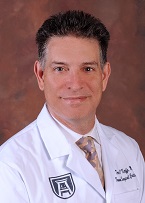 Terence O'Keeffe合作论文数Augusta University8Deborah M. Stein合作论文数8
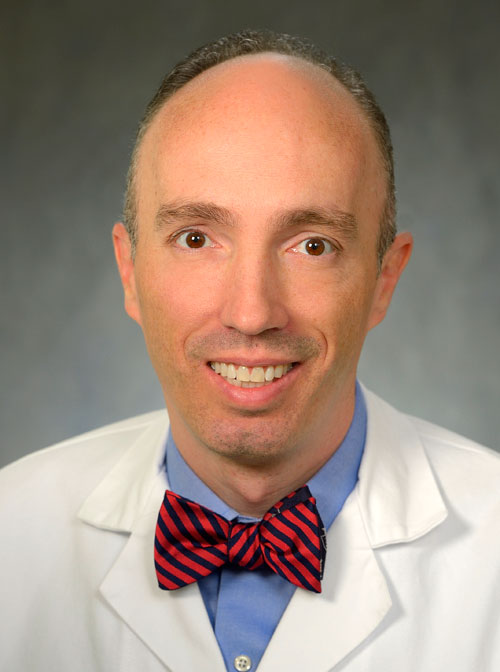 Jeremy W. Cannon合作论文数Surgery Faculty, Perelman School of Medicine, University of Pennsylvania7
 Stacia DeSantis合作论文数Center for Big Data in Health Sciences, School of Public Health, University of Texas Health Science Center at Houston7
 Timothy C. Fabian合作论文数Department of Surgery, Health Science Center, University of Tennessee7Gerald Van Belle合作论文数7
 Kimberly J Johnson合作论文数6Christopher N. Miller合作论文数6Savitri N. Appana合作论文数6
 Eric Chow合作论文数Clinical Research Division, Fred Hutchinson Cancer Center;Public Health Sciences Division, Fred Hutchinson Cancer Center;University of Washington6Thomas J Greene合作论文数6Von Behren Julie合作论文数6
 Jing Ning (宁晶)合作论文数Department of Public Administration, School of Government, University of International Business and Economics6




