BACKGROUND:The optimal duration for dual antiplatelet therapy (DAPT) after stent-assisted coiling (SAC) of intracranial aneurysms is unclear. Longer-term therapy may reduce thrombotic complications but increase the risk of bleeding complications. METHODS:A retrospective review of prospectively maintained data at 12 institutions was conducted on patients with unruptured intracranial aneurysms who underwent SAC between January 1, 2016 and December 31, 2020, and were followed ≥6 months postprocedure. The type and duration of DAPT, stent(s) used, outcome, length of follow-up, complication rates, and incidence of significant in-stent stenosis (ISS) were collected. RESULTS:Of 556 patients reviewed, 450 met all inclusion criteria. Nine patients treated with DAPT <29 days after SAC and 11 treated for 43-89 days were excluded from the final analysis as none completed their prescribed duration of treatment. Eighty patients received short-term DAPT. There were no significant differences in the rate of thrombotic complications during predefined periods of risk in the short, medium, or long-term treatment groups (1/80, 1.3%; 2/188, 1.1%; and 0/162, 0%, respectively). Similarly, no differences were found in the rate of hemorrhagic complications during period of risk in any group (0/80, 0%; 3/188, 1.6%; and 1/162, 0.6%, respectively). Longer duration DAPT did not reduce ISS risk in any group. CONCLUSIONS:Continuing DAPT >42 days after SAC did not reduce the risk of thrombotic complications or in-stent stenosis, although the risk of additional hemorrhagic complications remained low. It may be reasonable to discontinue DAPT after 42 days following non-flow diverting SAC of unruptured intracranial aneurysms.
Background and Purpose: Intra-arterial thrombolysis as an adjunct to mechanical thrombectomy is increasingly being considered to enhance reperfusion in acute ischemic stroke patients. Intra-arterial thrombolysis may increase the risk of post-thrombectomy intracerebral hemorrhage (ICH) in certain patient subgroups. Methods: We analyzed acute ischemic stroke patients treated with mechanical thrombectomy in a multicenter registry. The occurrence of any (asymptomatic and symptomatic) post-thrombectomy ICH was ascertained using standard definition requiring serial neurological examinations and computed tomographic scans. We determined the risk of ICH in subgroups defined by clinical characteristics, and use of intravenous (IV) thrombolysis. Results: A total of 146 (7.5%) patients received intra-thrombolysis among 1953 acute ischemic stroke patients who underwent mechanical thrombectomy. The proportion of patients who developed any ICH was 26 (17.8%) and 510 (28.2%) among patients who were and were not treated with intra-arterial thrombolysis (p=0.006). Among patients who received IV thrombolysis (n=1042), the proportion of patients who developed ICH was 9 (16.7%) and 294 (30.7%) among patients who were and were not treated with intra-arterial thrombolysis (p=0.028). The risk was not different in strata defined by age, gender, location of occlusion, pre-procedure National Institutes of Health Stroke Scale score, time interval between symptom onset and thrombectomy, Alberta Stroke Program Early CT score, systolic blood pressure, and serum glucose concentrations. Conclusions: In patients undergoing mechanical thrombectomy, the risk of any ICH and sICH was not increased with intra-arterial thrombolysis, including in those who had already received IV thrombolytics.
OBJECTIVE:Endovascular intracranial aneurysm (IA) management has significantly evolved over the last 2 decades. Despite these advancements, the aneurysm recanalization rate after coil embolization remains a concern. Statins have been found to affect vascular repair and remodeling; therefore, the authors hypothesized that patients receiving statin therapy at the time of coil embolization would have lower aneurysm recurrence and retreatment rates compared with patients not receiving statin therapy. METHODS:A post hoc analysis was conducted of the primary data from patients enrolled in the Hydrogel Endovascular Aneurysm Treatment Trial focusing on the impact of statin use on the recurrence rates of 3- to 14-mm IAs after endovascular coiling. The primary outcome measured included aneurysm recurrence over 18-24 months using the Raymond-Roy Occlusion Classification. Secondary outcomes included major and minor recurrence rates and retreatment rates. Propensity score matching based on patient and aneurysm characteristics was performed to mitigate selection bias. RESULTS:A total of 577 patients with data on statin use were eligible for this analysis. Of these, 178 (30.8%) patients were using statins and 399 (69.2%) were not. After propensity score matching, 156 (39.2%) patients were included in the statin group and 242 (60.8%) in the nonstatin group. The recurrence rate was 3.8% (6/156) in the statin group and 10.7% (26/242) in the nonstatin group (p = 0.013). In a subgroup analysis, statin use significantly reduced recurrence in patients with unruptured aneurysms (1.6% vs 9.7%, p = 0.005), but not in those with ruptured aneurysms (12.5% vs 13.6%, p = 0.876). CONCLUSIONS:Statin use was associated with a reduced rate of aneurysm recurrence in patients who underwent endovascular coiling for IAs with a decreased rate of retreatment during the follow-up period. Statins are a relatively low-risk treatment and may be an effective therapy to reduce recanalization of IAs, although further prospective studies are warranted to validate these findings.
OBJECTIVE:Treatment for Chiari malformation type I (CM-I) often includes surgical intervention in both pediatric and adult patients. The authors sought to investigate fundamental differences between these populations by analyzing data from pediatric and adult patients who required CM-I decompression. METHODS:To better understand the presentation and surgical outcomes of both groups of patients, retrospective data from 170 adults and 153 pediatric patients (2000-2019) at six institutions were analyzed. RESULTS:The adult CM-I patient population requiring surgical intervention had a greater proportion of female patients than the pediatric population (p < 0.0001). Radiographic findings at initial clinical presentation showed a significantly greater incidence of syringomyelia (p < 0.0001) and scoliosis (p < 0.0001) in pediatric patients compared with adult patients with CM-I. However, presenting signs and symptoms such as headaches (p < 0.0001), ocular findings (p = 0.0147), and bulbar symptoms (p = 0.0057) were more common in the adult group. After suboccipital decompression procedures, 94.4% of pediatric patients reported symptomatic relief compared with 75% of adults with CM-I (p < 0.0001). CONCLUSIONS:Here, the authors present the first retrospective evaluation comparing adult and pediatric patients who underwent CM-I decompression. Their analysis reveals that pediatric and adult patients significantly differ in terms of demographics, radiographic findings, presentation of symptoms, surgical indications, and outcomes. These findings may indicate different clinical conditions or a distinct progression of the natural history of this complex disease process within each population, which will require prospective studies to better elucidate.
BACKGROUND AND PURPOSE:Intraarterial thrombolysis as an adjunct to mechanical thrombectomy is increasingly being considered to enhance reperfusion in acute ischemic stroke patients. Intraarterial thrombolysis may increase the risk of post-thrombectomy intracerebral hemorrhage (ICH) in certain patient subgroups. METHODS:We analyzed acute ischemic stroke patients treated with mechanical thrombectomy in a multicenter registry. The occurrence of any (asymptomatic and symptomatic) post-thrombectomy ICH was ascertained using standard definition requiring serial neurological examinations and computed tomographic scans acquired within 48 hours of the thrombectomy. We determined the risk of ICH in subgroups defined by clinical characteristics and the use of intravenous (IV) thrombolysis. RESULTS:A total of 146 (7.5%) patients received intraarterial thrombolysis among 1953 acute ischemic stroke patients who underwent mechanical thrombectomy. The proportion of patients who developed any ICH was 26 (17.8%) and 510 (28.2%) among patients who were and were not treated with intraarterial thrombolysis, respectively (p = .006). The proportion of patients who developed symptomatic ICH was 4 (2.7%) and 30 (1.7%) among patients who were and were not treated with intraarterial thrombolysis, respectively (p = .34). Among patients who received IV thrombolysis (n = 1042), the proportion of patients who developed any ICH was 9 (16.7%) and 294 (30.7%) among patients who were and were not treated with intraarterial thrombolysis, respectively (p = .028). The risk was not different in strata defined by age, gender, location of occlusion, preprocedure National Institutes of Health Stroke Scale score, time interval between symptom onset and thrombectomy, Alberta Stroke Program Early CT Score, systolic blood pressure, and serum glucose concentrations. CONCLUSIONS:In patients undergoing mechanical thrombectomy, the risk of any ICH and symptomatic ICH was not increased with intraarterial thrombolysis, including in those who had already received IV thrombolytics.
INTRODUCTION: Verapamil is an FDA-approved calcium channel blocker administered for the standard-of-care treatment of vasospasm. Preclinical studies have shown that verapamil reduces inflammation and protects penumbra neurons from further damage and eventual death. METHODS: Patients were recruited based on inclusion and exclusion criteria in a clinical protocol reviewed and approved by two institutional review boards. The final cohort comprised 42 emergency care patients with an acute onset focal neurological deficit consistent with ischemic stroke and/or a computed tomographic scan consistent with acute cerebral ischemia. All patients were 18 years of age or older that presented within 24 hours of symptom onset and had a significant but not severe neurological deficit, measured by a National Institutes of Health Stroke Scale (NIHSS) score greater than four but less than 22. All patients received a mechanical thrombectomy intervention after identifying a large vessel occlusion (LVO). RESULTS: The Verapamil-treated group (N = 23) included 22 patients with middle cerebral artery (MCA) occlusions and 1 with a basilar posterior cerebral artery (PCA) occlusion. In these patients, investigators administered 10 mg of Verapamil intraarterially following mechanical thrombectomy. Patients exposed to control conditions (N = 19) were matched for age, biological sex, admission NIHSS score, occlusion location, administration of tPA, and achieved TICI score. Intraarterial Verapamil treatment did not significantly increase sICH, hemorrhagic transformation, or death compared to standard of care treatment, demonstrating safety in an acute ischemic stroke patient population. Verapamil treatment was associated with significantly greater changes in mRS score, improved recovery time, and shortened length of hospital stay compared to standard-of-care treatment. CONCLUSIONS: This study suggests that verapamil is a safe and effective neuroprotective drug in ischemic stroke clinical populations that require mechanical thrombectomy for treatment.
INTRODUCTION: Despite some consensus on the need for perioperative dual antiplatelet therapy (DAPT) after stent-assisted coiling (SAC), the ideal duration of therapy is not clear. METHODS: Ten institutions retrospectively reviewed data from databases prospectively maintained as part of a collaborative research group. Patients with unruptured intracranial aneurysms treated with DAPT following SAC (excluding flow diverters) between January 1, 2016 and December 31, 2020 with at least 6 months follow-up. Records were reviewed for type and duration of DAPT before and after SAC, type of stent, outcome (mRS), follow-up duration, peri-procedural and delayed complications, and rate of significant in-stent stenosis. Complications were considered “during period of risk” if they occurred during DAPT when short term had completed (hemorrhagic) or after completing DAPT when long term continued (thrombotic). RESULTS: 556 patients were reviewed. 450 met all inclusion criteria. Nine patients treated for fewer than 29 days after SAC and 10 treated 43-89 days were excluded from analysis. 80 were treated with short-term DAPT (30-42 days), 188 with medium term (90-179 days), and 163 with long term (180+ days). There were no significant differences in the rate of thrombotic complications during the period of risk in short (1/80; 1.25%), medium (2/188; 1.1%) or long (0/163; 0%) term groups, but rates of hemorrhagic complications were lower in the short-term group (0/80; 0%) versus medium (3/188; 1.6%) or long (1/163; 0.6%). Longer duration DAPT did not reduce the risk of in-stent stenosis (0%; 2.5%; 3.2%). CONCLUSIONS: Continuing DAPT beyond 42 days after SAC did not reduce the risk of thrombotic complications or in-stent stenosis and may increase the risk of hemorrhagic complications. It may be reasonable to discontinue DAPT after 42 days following SAC.
Emergency Medicine core clinical privileges include administration of thrombolytic therapy for myocardial infarction and stroke. However, emergency medicine providers have created their own paradigm to rely on neurology specialty consultation to treat acute stroke patients. A 2013 study supported by the American Academy of Neurology showed an 11% shortage of neurologists at that time and projected a 19% shortage by 2025. The lack of neurologists is a worldwide problem. To help ease the shortage, teleneurology and telestroke care has been implemented by neurologists, most notably for acute ischemic stroke (AIS) patients. We present a model in which an Emergency Medicine (EM) Stroke Champion (SC); an EM physician within our Neurologic Emergency Department, directs care for acute stroke patients at our comprehensive hub and primary stroke center spoke hospitals. The SCs independently treat patients with fibrinolytic therapy and provide teleneurology to fellow emergency physicians caring for acute stroke patients at spoke hospitals. Over nineteen months the SCs received 457 phone calls for patients meeting stroke alert criteria. Sixteen patients were deemed eligible for IV alteplase with one hemorrhagic conversion (6.25%). Sixty-four patients required transfer, and this was facilitated by the SCs. The concept of emergency physician SCs providing teleneurology consultation to other fellow emergency physicians was found to be feasible and safe. This model has the potential to be generalized not to just stroke champions, but to all emergency physicians to feel both confident and comfortable treating acute stroke patients.
Background Intracranial atherosclerotic disease (ICAD) is a common cause of posterior circulation acute ischemic stroke. We aimed to compare baseline characteristics, recanalization rates, and clinical outcomes in patients with acute basilar occlusion due to underlying ICAD to patients with other causes of occlusion. Methods The Trevo Registry (ClinicalTrials.gov Identifier: NCT02040259) was a prospective open‐label mechanical thrombectomy registry that included 2008 patients from 76 sites across 12 countries. For a secondary analysis, we selected patients with isolated acute basilar occlusion. We then classified patients into 2 groups: patients with acute basilar artery occlusion due to ICAD (ICAD group) and patients with acute basilar occlusion due to another cause (non‐ICAD group). Results We identified 90 subjects with acute basilar occlusion. According to stroke mechanism, there were 9 (10.0%) patients in the ICAD group and 81 (90.0%) in the non‐ICAD group. There was a significant difference ( P =0.001) in the lesion location between the 2 groups, with 60.5% of non‐ICAD occlusions located in the distal region and no ICAD occlusions there. The 2 groups showed a significant difference ( P =0.003) for rescue therapy with balloon angioplasty, with 33.3% in the ICAD group and 1.2% in the non‐ICAD group, respectively. In a multivariable model adjusted for age, baseline National Institutes of Health Stroke Scale, and intravenous tissue‐type plasminogen activator (tPA), the odds of 90‐day death (odds ratio=4.6; P =0.10) were higher for atherosclerotic subjects. Conclusion Acute basilar occlusions related to ICAD showed a similar good clinical outcome (modified Rankin scale (mRS) 0–2) and a tendency for a higher rate of 90‐day mortality compared with non‐ICAD occlusions.
Improved Patient Outcomes In A Specialized Neurological Emergency Department Introduction: Stroke is now the fifth leading cause of death in the U.S., but remains the leading cause of long term disability. Target: Stroke helps hospitals achieve improved stroke outcomes through reduced door-to-needle times for eligible stroke patients. Phase III of the American Heart Association/American Stroke Association initiative set more aggressive targets for timely treatment with IV alteplase. To achieve rapid treatment times and better patient outcomes, we created a neurologic emergency department (Neuro ED). Neuro ED hours are staffed by emergency physicians with specialized neuroscience training and administer IV alteplase independently, compared to the traditional ED (TED) where emergency providers consult neurology. Methods: This is a retrospective observational study from 2019-2021 comparing outcomes of acute ischemic stroke patients who received IV alteplase following implementation of the Neuro ED compared to a TED. The following metrics were calculated for each patient: Door to Needle times (DTN), door to CT times (DTCT), and pre and post National Institute of Health Stroke Scale (NIHSS) Results: 74 patients were treated in the Neuro ED and 45 patients were treated in the TED. Average DTN times in the Neuro ED were 27 minutes compared to 65 minutes in the TED. Patients treated in the Neuro ED achieved DTN times of 45 min or less 87% of cases, while only 24% of the time in the TED. Patients treated in the Neuro ED achieved DTN times of 30 min or less 65% of cases, with only 4% of cases in the TED. Average DTCT times in the Neuro ED were 8 minutes faster than the TED. No differences in admission NIHSS were found with an average of 8.75, but a significant improvement was found in discharge NIHSS. Average discharge NIHSS was 3.8 for Neuro ED stroke patients compared with 5.6 for TED patients (p<0.001). Conclusion: Implementation of a Neuro ED led to swift management and improved symptoms for stroke patients. A dedicated Neuro ED is highly effective in improving DTN times, DTCT times, and overall stroke outcomes.
Background Chronological heterogeneity in neurological improvement after endovascular thrombectomy (EVT) for large vessel occlusion (LVO) stroke is commonly observed in clinical practice. Understanding the temporal progression of functional independence after EVT, especially delayed functional independence in patients who do not improve early, is essential for prognostication and rehabilitation. We aim to determine the incidence of early functional independence (EFI) and delayed functional independence (DFI), identify associated predictors after EVT, and develop the Delayed Functional Independence After Neurothrombectomy (DEFIANT) score. Methods Demographic, clinical, radiological, treatment, and procedural information were analyzed from the Trevo Registry (patients undergoing EVT due to anterior LVO using the Trevo stent retriever). Incidence and predictors of EFI (modified Rankin Scale (mRS) score 0–2 at discharge) and DFI (mRS score 0–2 at 90 days in non-EFI patients) were analyzed. Results A total of 1623 patients met study criteria. EFI was observed in 45% (730) of patients. Among surviving non-EFI patients (884), DFI was observed in 35% (308). Younger age (p=0.003), lower discharge National Institutes of Health Stroke Scale (NIHSS) score (p<0.0001), and absence of any hemorrhage (p=0.021) were independent predictors of DFI. After age 60, the probability of DFI declines significantly with 5 year age increments (approximately 7% decline for every 5 years; p(DFI)= 1.3559–0.0699, p for slope=0.001). The DEFIANT score is available online (https://bit.ly/3KZRVq5). Conclusion Approximately 45% of patients experience EFI. About one-third of non-early improvers experience DFI. Younger age, lower discharge NIHSS score, and absence of any hemorrhage were independent predictors of DFI among non-early improvers.
OBJECTIVE:The objective of this paper is to present a narrative review of the use of triptans in the treatment of trigeminal neuralgia (TN), as well as to outline possible therapeutic mechanisms of action.BACKGROUND:TN is a debilitating neuropathic disorder with a variety of surgical and pharmacological treatments currently available. Despite treatment being heavily individually tailored, some patients remain refractory to management. The use of triptans for the treatment of TN has been commented on in the literature, yet major trials showing their effectiveness are lacking.METHODS:A narrative review of current literature was conducted to identify published original research analyzing the usage of triptans in TN via PubMed and Google Scholar.RESULTS:Limited case reports and studies have been done to analyze the use of triptans for the treatment of TN. Despite the limited results, the studies that have been done show some promise for triptans as an alternative treatment, in particular to those with refractory TN. Given the incapacitating nature of TN, another alternative treatment may be of benefit to those patients and can help reduce its associated morbidity.CONCLUSION:Patients with refractory TN may find relief of symptoms from the use of triptans. Larger clinical trials are needed to help determine which patients would benefit from their use as well as specific dosing. Caution should be given regarding the long-term use of triptans, in particular for the typical patient population with TN.
Background Systems of care surrounding endovascular therapy for stroke have garnered much attention in recent years. In‐hospital metrics, such as “door‐to‐puncture” and procedure times have been areas for quality improvement. The temporal trend and clinical significance of prehospital “onset‐to‐door” time, however, remains unknown. Methods We performed a systematic review of time metric data from all published randomized controlled and investigational device exemption trials involving endovascular therapy for stroke between 2005 and 2019 (n=26). Second, we conducted a record‐level observational analysis on a total of 3512 patients from 3 real‐world registries (Mechanical Embolus Removal in Cerebral Ischemia [MERCI], Thrombectomy REvascularization of Large Vessel Occlusions in Acute Ischemic Stroke [TREVO], and TREVO Stent‐Retriever Acute Stroke [TRACK]), together with 4 prospective trials (MERCI trial, Multi‐MERCI, TREVO‐EU, and TREVO‐2). Only patients receiving mechanical thrombectomy within 9 hours from onset‐to‐puncture time were included. Predictors of good outcome were identified using generalized linear mixed modeling. Results Door‐to‐puncture times (slope=−5.83 min/y; R 2 =0.25; P =0.046), procedure times (slope=−3.78 min/y; R 2 =0.54; P <0.001), and onset‐to‐reperfusion times (slope=−11.82 min/y; R 2 =0.57; P <0.001) improved over the years among previously published randomized controlled trials/investigational device exemption trials from 2005 to 2019. The prehospital metric of onset‐to‐door time, however, remained statistically unchanged (slope=1.03 min/y; R 2 <0.01; P =0.806). Pooled analysis from record‐level data demonstrated a similar temporal trend where door‐to‐puncture, procedure, and onset‐to‐reperfusion times declined by an average of 12 minutes (R 2 =0.45; P <0.0001), 6 minutes (R 2 =0.27; P <0.0001), and 8 minutes per year (R 2 =0.18; P <0.0001), respectively, over a similar time period. Time from onset to door, however, did not improve (3.6 min/y; R 2 =0.34; P =0.005). In a backward‐selection regression model, onset‐to‐door time was found to be a significant predictor of patient outcomes, where every hour delay in hospital arrival correlated with a 14% reduction in the odds of a good outcome. Conclusions “Door‐to‐puncture” and procedure times have seen significant improvements over the past decade. The prehospital component of “onset‐to‐door” time, however, has remained stagnant. This presents an unrealized opportunity to enhance patient outcomes through improved systems of care in the prehospital setting.
BACKGROUND AND PURPOSE Advanced imaging has been increasingly used for patient selection in endovascular stroke therapy. The impact of imaging selection modality on endovascular stroke therapy clinical outcomes in extended time window remains to be defined. We aimed to study this relationship and compare it to that noted in early-treated patients. METHODS Patients from a prospective multicentric registry (n=2008) with occlusions involving the intracranial internal carotid or the M1- or M2-segments of the middle cerebral arteries, premorbid modified Rankin Scale score 0 to 2 and time to treatment 0 to 24 hours were categorized according to treatment times within the early (0-6 hour) or extended (6-24 hour) window as well as imaging modality with noncontrast computed tomography (NCCT)±CT angiography (CTA) or NCCT±CTA and CT perfusion (CTP). The association between imaging modality and 90-day modified Rankin Scale, analyzed in ordinal (modified Rankin Scale shift) and dichotomized (functional independence, modified Rankin Scale score 0-2) manner, was evaluated and compared within and across the extended and early windows. RESULTS In the early window, 332 patients were selected with NCCT±CTA alone while 373 also underwent CTP. After adjusting for identifiable confounders, there were no significant differences in terms of 90-day functional disability (ordinal shift: adjusted odd ratio [aOR], 0.936 [95% CI, 0.709-1.238], P=0.644) or independence (aOR, 1.178 [95% CI, 0.833-1.666], P=0.355) across the CTP and NCCT±CTA groups. In the extended window, 67 patients were selected with NCCT±CTA alone while 180 also underwent CTP. No significant differences in 90-day functional disability (aOR, 0.983 [95% CI, 0.81-1.662], P=0.949) or independence (aOR, 0.640 [95% CI, 0.318-1.289], P=0.212) were seen across the CTP and NCCT±CTA groups. There was no interaction between the treatment time window (0-6 versus 6-24 hours) and CT selection modality (CTP versus NCCT±CTA) in terms of functional disability at 90 days (P=0.45). CONCLUSIONS CTP acquisition was not associated with better outcomes in patients treated in the early or extended time windows. While confirmatory data is needed, our data suggests that extended window endovascular stroke therapy may remain beneficial even in the absence of advanced imaging.
Management options for carotid stenosis include medical management, carotid endarterectomy, carotid stenting with distal filter protection, or stenting with either flow arrest or flow reversal techniques.1 Flow reversal with transcarotid artery revascularization (TCAR) technique represents a hybrid approach with surgical access to the common carotid for endovascular placement of a stent in the internal carotid artery. This direct access to the carotid artery avoids navigating the challenging anatomy of the aortic arch with endovascular devices.2 Compared to transfemoral stenting, TCAR possesses lower risk of transient ischemic attack and stroke, and compared to carotid endarterectomy, there is less risk of cranial neuropathy.3,4 We present the case of an 87-yr-old man with recurrent severe stenosis (85%) of the right internal carotid artery. The patient had a remote history of bilateral endarterectomies for asymptomatic stenosis and was found with recurrence and progression of right internal carotid artery stenosis. Options were discussed and decision was made to proceed with TCAR after he consented for the procedure. The patient tolerated the procedure well with satisfactory revascularization. Exam remained unremarkable prior to discharge on postoperative day 1 and during follow-up at 1 mo. Patient consented to the publication of their image.
Introduction: A 2013 study supported by the American Academy of Neurology showed an 11% shortage of neurologists with a projected 19% shortage by 2025. An additional supply of 3000 neurologists is needed by 2025 to meet the looming demand. To help ease the shortage, teleneurology has been implemented by neurologists, mainly for acute stroke patients. We present our model of emergency physician Stroke Champions (SCs) to direct care for stroke patients. Methods: Administering thrombolytics for stroke is a key component of emergency medicine core competencies. Our health system consists of 4 hospitals; a main hub and 3 spoke hospitals. The hub hospital innovatively developed a Neurologic Emergency Department (Neuro ED) with 5 board certified emergency physicians dedicated to caring for patients with any type of neurological complaint. The Neuro ED physicians are also designated as SCs that have specialized training to provide teleneurology to fellow emergency physicians caring for acute stroke patients at the additional hospitals. This supplementary training consists of a mini neurology fellowship with rotations through the neurologic ICU, specialized stroke floor, neurointerventional suite, and neuroradiology. Results: Over a 90-day period the command center received 67 phone calls for patients that met stroke alert criteria. Calls entailed managing BP, dosing alteplase, and recommendations for advanced neuroimaging. Most importantly, the SCs extensively reviewed inclusion and exclusion criteria for IV alteplase with the spoke emergency physician. Three patients were deemed eligible for IV alteplase, with no cases of intracranial hemorrhage. Seven patients required transfer and was facilitated by the SCs, reducing any delays. Reasons for transfer included 3 cases of hemorrhagic stroke, 3 large vessel occlusions for mechanical thrombectomy - one of which received IV alteplase, and 1 brain tumor. Conclusion: Teleneurology is a reliable means of reaching and treating stroke patients. With the severe current shortage of neurologists in the U.S., we now demonstrate a promising alternative of emergency physician Stroke Champions providing telestroke care. This model has produced a high success rate raising the standard of acute neurological care.
Mechanical thrombectomy as a treatment for large vessel occlusion to achieve rapid revascularization is supported in the literature. 1-3 The presenting symptoms will localize to functions of the ischemic area. The middle cerebral artery (MCA) supplies areas of the frontal, temporal, and parietal cortices, as well as the basal ganglia. Occlusion of the MCA will present with contralateral hemiplegia, sensory loss, and, if the dominant hemisphere is involved, language deficits. We present a right-hand-dominant 79-yr-old female with right MCA syndrome—her last known well time was 1.5 h prior to presentation. Her NIH (National Institutes of Health) Stroke Scale was 16, most notable for left hemiplegia. Although the patient presented early in the clinical time course, as part of our institution protocol, a computed tomography (CT) head, CT perfusion, and CT angiogram (CTA) were performed. CT head did not demonstrate acute hemorrhage, so she received intravenous tissue plasminogen activator. CTA demonstrated a right MCA occlusion and CT perfusion suggested a large area of salvageable tissue, so she was taken to the angiography suite for mechanical thrombectomy. Angiography of the right internal carotid artery (ICA) showed MCA occlusion (insular segment). A thrombectomy device was deployed over the area of occlusion and allowed to engage for 5 min. An aspiration catheter was advanced over the stentriever up against the clot. The stentriever device was withdrawn under continuous aspiration and follow-up angiography showed complete reperfusion. The patient demonstrated improvement and was eventually discharged to an inpatient rehabilitation center. Patient provided consent for photography per university protocol. Institutional review board (IRB) approval was not needed for the single-patient data included in this report.
This meeting abstract was removed due to the OA licensing requirements of this journal. The full abstract is listed here : https://www.svin.org/files/SVIN_2021_Abstracts_for_Web.pdf
 Mandy J Binning合作论文数62
 English Joey D合作论文数42
 Blaise W. Baxter合作论文数Lehigh Valley Health Network39
 Rishi Gupta合作论文数WellStar Health System36
 Bruno Bartolini合作论文数35
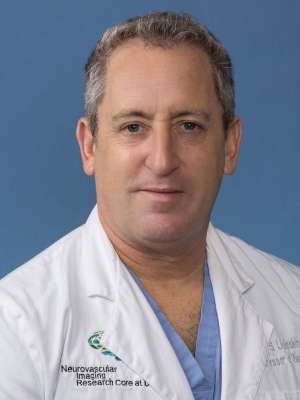 David S. Liebeskind合作论文数Department of Neurology, University of California, Los Angeles34Antonin Krajina合作论文数34Ronald F. Budzik合作论文数34Kenneth Liebman合作论文数33
 Adnan Siddiqui合作论文数Department of Neurosurgery, Jacobs School of Medicine and Biomedical Sciences, University at Buffalo;Canon Stroke and Vascular Research Center, University at Buffalo29
 Raul Nogueira合作论文数Department of Emergency Medicine, Emory University School of Medicine;Department of Neurology, Emory University School of Medicine29
 Elad I. Levy合作论文数Department of Neurosurgery, Jacobs School of Medicine & Biomedical Sciences, University at Buffalo28
 Andrew J. Ringer合作论文数Mayfield Clinic and Department of Neurosurgery, University of Cincinnati21
 Adam S. Arthur合作论文数Semmes Murphey21Sarraj Amrou合作论文数From the Department of Neurology, University of Texas;Department of Neurology, University of Alabama;Department of Neurology, Tulane University;Department of Neurology, Emory University;Department of Neurology, Sourasky Medical Center;and Department of Neurology, University of California, Los Angeles;University of Texas, Houston, University of California, Los Angeles19Mocco J合作论文数17
 Aditya S. Pandey合作论文数Medical School, University of Michigan;Comprehensive Stroke Center University of Michigan17
 Robert H. Rosenwasser合作论文数Department of Neurological Surgery, Sidney Kimmel Medical College, Thomas Jefferson University;Vickie and Jack Farber Institute for Neuroscience, Sidney Kimmel Medical College, Thomas Jefferson University17
 Demetrius Lopes合作论文数Advocate Aurora Health17
 Diogo Haussen合作论文数Department of Neurology, School of Medicine, Emory University16Peter Kan合作论文数15Maxim Mokin合作论文数15
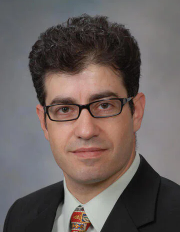 Rabih G. Tawk合作论文数Department of Neurosurgery, Mayo Clinic Florida15
 Ricardo A Hanel合作论文数14L Nelson Hopkins合作论文数14Alan S. Boulos合作论文数14
 Ali R. Malek合作论文数Neurocritical Care Unit, Tampa General Hospital14Maxwell Christina R合作论文数13Turner Raymond D合作论文数13
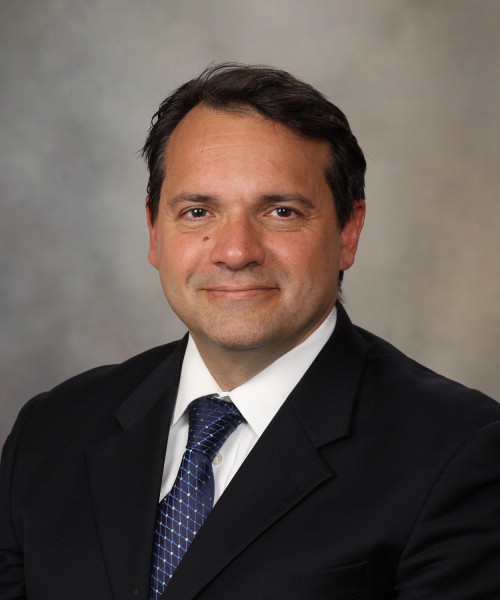 Giuseppe Lanzino合作论文数Department of Neurologic Surgery, Mayo Clinic;Department of Radiology, Mayo Clinic;Department of Neurosurgery, Mayo Clinic13Snyder Kenneth V合作论文数12
 Michael Levitt合作论文数University of Washington11Ryan Shields合作论文数10Zakaria Hakma合作论文数10Yanchang Zhang合作论文数10
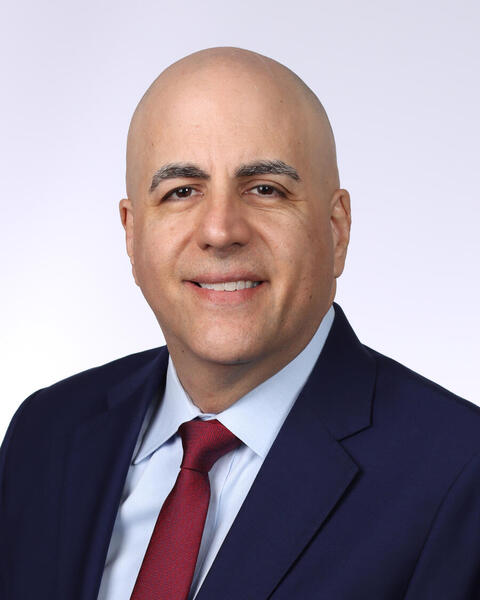 Bernard R. Bendok合作论文数Comprehensive Cancer Center, Mayo Clinic;Department of Radiology, Mayo Clinic10
 Schirmer M. Clemens合作论文数Geisinger9
 Babu Guai Welch合作论文数9
 Raul G Nogueira合作论文数Emory University8Ron Budzik合作论文数8Michael Frankel合作论文数8Narata Ana Paula合作论文数8
 Christopher S. Ogilvy合作论文数Beth Israel Deaconess Medical Center;Harvard Medical School8Nirav Vora合作论文数8
 Ashutosh Jadhav合作论文数Barrow Neurological Institute8
 Christine Michelle Farrell合作论文数7
 Thanh Nguyen合作论文数Department of Radiology, Weill Cornell Medicine, Cornell University7
 R. Webster Crowley合作论文数Department of Neurosurgery, Rush Medical College, Rush University;Medical Center, Rush University7James Robert F合作论文数7




