Case Presentation: A 30-year-old woman with a recently identified BRCA1 mutation presents for fertility preservation counseling. She denies any personal history of cancer but has a strong maternal family history of early-onset breast and ovarian cancers. She is nulligravid and desires at least two children. Her antim & euro;ullerian hormone (AMH) level is 0.7 ng/mL, with an antral follicle count of eight. She has met with cancer geneticists but has not yet consulted with breast or gynecologic oncology regarding risk-reducing surgery. The patient is concerned about how to safely and effectively achieve her reproductive goals. Clinical Question: In BRCA mutation carriers pursuing fertility preservation, how can clinicians intervene early to optimize reproductive potential, integrate cancer risk-reduction strategies, and counsel patients on the balance between oophorectomy timing, ovarian aging, and long-term family building?
OBJECTIVES: Lidocaine patches are a common topical analgesic therapy but have not been thoroughly investigated in the surgical or obstetric literature. We sought to investigate the impact of adding topical lidocaine patches to routine postcesarean pain management on patients' postcesarean pain scores and opioid use. STUDY DESIGN: This is a prospective randomized subject-blinded controlled trial of patients undergoing cesarean delivery at a single institution. Individuals were excluded if they had three or more cesarean sections (CS), abdominoplasty, history of abdominal hernia repair with mesh, active polysubstance use, or history of opiate use disorder with current medication-assisted treatment. Patients were randomized via a 1:1 randomization scheme to a placebo patch or lidocaine patch. Baseline maternal characteristics were collected. The primary outcome was mean visual analog pain scores (0-10). Our secondary outcome was total morphine equivalents used over the postoperative hospital stay. Pre- and poststudy surveys were performed to evaluate subject's prior analgesia use (including opioids) and patient experience in the study. RESULTS: A total of 100 patients were randomized and 93 had complete data for analysis (46 placebo group, 47 treatment group). Groups had similar baseline characteristics (age, BMI, ethnicity, surgical time, and estimated blood loss). Mean maximum postoperative pain score by visual analog scale did not differ between placebo or lidocaine patch groups on postoperative day (POD) 1 (P=.3), day 2 (P=.9), day 3 (P=.07), or day 4 (P=.09). Mean postoperative pain score by visual analog scale did not differ between placebo or lidocaine patch groups on POD 1 (P=.7), day 2 (P=.6), day 3 (P=.2), or day 4 (P=.5). In the poststudy survey, 0% of the respondents in the lidocaine patch group reported disruption of their care and 63% reported desired use of lidocaine patch in the future. CONCLUSION: The addition of lidocaine patches did not significantly decrease the maximum or average postoperative pain scores via visual analog scale after CS. More research is needed into nonopioid pain management strategies in the postoperative period in obstetric care.
OBJECTIVES:To characterise contemporary trends in the hormonal management of endometriosis in adolescent and young adult patients with biopsy-proven endometriosis. METHODS:Retrospective chart review of women aged 14-25 years who underwent laparoscopy for pelvic pain with biopsy-proven endometriosis between January 2011 and September 2020 at an academic tertiary hospital system. The final sample included 91 patients with biopsy-confirmed endometriosis. RESULTS:Combined oral contraceptives (COCs) were the most common initial treatment (64% of patients). Progestin-only formulations (low- and high-dose norethindrone acetate) were offered to younger patients (age 15.9 ± 2.7 years) than those offered COCs (19.9 ± 3.3 years) and levonorgestrel intrauterine devices (LNG-IUDs) (21.9 ± 1.7 years). Current treatments varied widely and included COCs (32%), LNG-IUDs (18%), oral progestins (low- and high-dose norethindrone, medroxyprogesterone) (14%), elagolix (9%), and leuprolide (8%). Oral adjuncts to LNG-IUD were common: usually low- or high-dose norethindrone (37% of patients with an LNG-IUD), but also included progesterone, COCs, and elagolix. CONCLUSIONS:Oral progestins, LNG-IUDs, and COCs were the mainstay of initial treatment. Subsequent treatments varied widely and included COCs, LNG-IUDs, oral progestins, elagolix, leuprolide, and combinations of these agents. We observed that most young women switched between therapies, suggesting that a personalised approach is often used to determine treatment plans among the wide range of options currently available. This study helps define the spectrum of treatment regimens for endometriosis in adolescent females.
Introduction: Inguinal endometriosis is a rare type of extra-pelvic endometriosis, which may occur in the absence of symptoms of intra-pelvic endometriosis. This case report highlights the importance of considering inguinal endometriosis in the workup of an inguinal mass and demonstrates a step-by-step surgical approach to management, with an accompanying video. Case Report: We encountered a case of a 31-year-old nulligravid woman who presented with a painful right inguinal mass. The patient underwent diagnostic laparoscopy, which was notable for Stage 1 intra-pelvic endometriosis, without involvement of the internal inguinal ring or round ligament. The inguinal mass was carefully resected from nearby vessels, muscles, and nerves. Pathology confirmed endometriosis. Conclusion: Gynecologists, in collaboration with a multidisciplinary team, should be prepared to workup, diagnose, and surgically manage inguinal endometriosis. When this condition is suspected, imaging should be obtained, and tissue biopsy may be considered, provided that a hernia has been ruled out. Surgical management is typically recommended and should entail diagnostic laparoscopy and excisional surgery.
Objective: To describe surgical correction of vaginal agenesis via a modified laparoscopic Vecchietti procedure with the goal of disseminating knowledge and improving surgical techniqueCase: An 18-year-old female presented with primary amenorrhea, age-appropriate secondary sex characteristics, a shallow vagina, and 46,XX karyotype. Imaging showed rudimentary uterine horns and normal ovaries, kidneys, and spine. Diagnosis of Mayer-RokitanskyKuster-Hauser syndrome type I was made. After an unsuccessful attempt at vaginal dilation and extensive counseling, the patient chose to have a laparoscopic Vecchietti procedure. Vecchietti vaginoplasty eliminates the need for grafts and creates a neovagina with accelerated vaginal dilation by stretching the introital mucosa with a spring mechanism. Results: A modified laparoscopic Vecchietti procedure was performed. Postoperatively, daily suture adjustments were made. When the device was removed after 7 days, the examination revealed a 9-cm vaginal canal, which was maintained with self-dilation.
A 18-year old female presented to pediatric gynecology clinic with primary amenorrhea. She had age appropriate secondary sex characteristics (breast and pubic hair Tanner 5) and a shallow 1.5 cm vagina. Work up included Estradiol 94 pg/ml, TSH 1.34 uIU/ml, Prolactin 7.2 ng/ml, FSH 4.9 mIU/ml and LH 18.4 mIU/ml and 46 XX karyotype. Pelvic ultrasound showed rudimentary uterine horns and normal ovaries. Patient had normal kidneys and spine. Diagnosis of MRKH syndrome was made. She attempted vaginal dilation for nine months which was not successful. After counseling about choices for vaginoplasty, she decided to proceed with laparoscopic Vecchietti procedure. Vecchietti vaginoplasty aims to create accelerated dilation with stretching of introital mucosa with an olive shaped device attached to spring mechanism without need for grafts. A 5-0 Fiberwire suture was passed through the acrylic olive to create traction sutures. Another suture was passed through the olive to monitor lengthening of vaginal canal. Exam under anesthesia revealed septate hymen which likely contributed to patient's inability to use dilators successfully. Hymenal septum was removed. Vecchietti traction device was placed on abdomen and outer edges were marked to locate lateral port sites. Laparoscopic entry was uneventful. Surveillance revealed two underdeveloped uterine horns, normal ovaries and tubes. Under direct visualization, a suture carrier was used to advance the traction suture from vaginal dimple into abdomen, entering pelvis 1cm lateral to the midline bilaterally. Next, the suture carrier was inserted and advanced extraperitoneally into the pelvis, 2 cm lateral to the bladder. Ipsilateral suture was retrieved and pulled out of the abdominal wall extraperitoneally on each side. With traction on sutures, olive moved cephalad in the vaginal dimple. Sutures were passed through a modified catheter tip placed at the skin site for a barrier protection and patient comfort during traction. Sutures were then threaded and secured onto the Vecchietti device on tension. Cystoscopy confirmed no injury and vaginal exam noted the olive at 5cm depth. Patient was admitted. She had patient controlled anesthesia throughout her stay. Daily adjustments of the sutures with advancement of 1 cm on both sides were performed. Sutures were cut, vaginal olive and Vecchietti device were removed on day #7. Pelvic exam revealed a 9cm vaginal canal. She was instructed on daily dilator use. She maintained a 9 cm vaginal length at 5 months postoperative visit. She was consented for this case presentation.
Ecem Esencan and Hugh S. Taylor are from Department of Obstetrics, Gynecology, and Reproductive Sciences at Yale University School of Medicine, New Haven, Connecticut; email: [email protected]. Financial Disclosure Hugh S. Taylor received grant support from AbbVie to Yale University to support Dr. Taylor's research. Ecem Esencan did not report any potential conflicts of interest.
Reproductive aging is characterized by a decline in oocyte quantity and quality, which is directly associated with a decline in reproductive potential, as well as poorer reproductive success and obstetrical outcomes. As women delay childbearing, understanding the mechanisms of ovarian aging and follicular depletion have become increasingly more relevant. Age-related meiotic errors in oocytes are well established. In addition, it is also important to understand how intraovarian regulators change with aging and how certain treatments can mitigate the impact of aging. Individual studies have demonstrated that reproductive pathways involving antimullerian hormone (AMH), vascular endothelial growth factor (VEGF), neurotropins, insulin-like growth factor 1 (IGF1), and mitochondrial function are pivotal for healthy oocyte and cumulus cell development and are altered with increasing age. We provide a comprehensive review of these individual studies and explain how these factors change in oocytes, cumulus cells, and follicular fluid. We also summarize how modifiers of folliculogenesis, such as vitamin D, coenzyme Q, and dehydroepiandrosterone (DHEA) may be used to potentially overcome age-related changes and enhance fertility outcomes of aged follicles, as evidenced by human and rodent studies.
Contributions of placentation abnormalities to maternal and fetal morbidity and mortality are well recognized. In pregnancies conceived with assisted reproductive technology (ART) use, we aimed to identify 1) magnitude of burden and abnormal placentation (AP) phenotypes, 2) patient and IVF cycle characteristics that may prognosticate eventual resolution of 1st trimester ultrasound (US) diagnosed placenta previa (PP), and 3) identify risks for placenta accreta (PA).
Sleep is vital to human bodily function. Growing evidence indicates that sleep deprivation, disruption, dysrhythmia, and disorders are associated with impaired reproductive function and poor clinical outcomes in women. These associations are largely mediated by molecular-genetic and hormonal pathways, which are crucial for the complex and time sensitive processes of hormone synthesis/secretion, folliculogenesis, ovulation, fertilization, implantation, and menstruation. Pathologic sleep patterns are closely linked to menstrual irregularity, polycystic ovarian syndrome, premature ovarian insufficiency, sub/infertility, and early pregnancy loss. Measures of success with assisted reproductive technology are also lower among women who engage in shift work, or experience sleep disruption or short sleep duration. Extremes of sleep duration, poor sleep quality, sleep disordered breathing, and shift work are also associated with several harmful conditions in pregnancy, including gestational diabetes and hypertensive disorders. While accumulating evidence implicates pathologic sleep patterns in impaired reproductive function and poor reproductive outcomes, additional research is needed to determine causality and propose therapeutic interventions.
Study Objective To demonstrate surgical management of an inguinal endometrioma. Design Stepwise demonstration of surgical techniques with narrated video footage. Setting Yale New Haven Hospital, New Haven, CT. Patients or Participants A 31-year-old woman with a painful right inguinal endometrioma. Interventions The patient underwent diagnostic examination with pelvic MRI, which noted concern for an inguinal endometrioma. Biopsy confirmed endometriosis. She then underwent diagnostic laparoscopy, with resection of intra-pelvic and inguinal endometriosis. The technical steps of management and resection of an inguinal endometrioma have been detailed in the video with an emphasis on anatomic landmarks by utilizing visual illustrations. An incision was made at the inguinal ligament and taken down to the superficial fascia using Bovie cautery. The mass was progressively mobilized from the superficial inguinal ring superiorly, sartorius muscle laterally, and adductor longus muscle medially. Several perforating branches of the femoral vein as well as the round ligament of the uterus, at the level of the external inguinal ring, were ligated and tied off. The mass was removed in full, and the resected bed fulgurated. A drain was placed and the incision was closed in multiple layers. Measurements and Main Results Diagnostic laparoscopy revealed intrapelvic Stage I endometriosis. The right round ligament and internal inguinal ring were without evidence of endometriosis. The 3.1 × 3 × 2.8 cm inguinal mass was fully resected. Final pathology confirmed both intrapelvic and inguinal endometriosis. Conclusion Inguinal endometriosis is exceedingly rare, with an estimated incidence of 0.6%. Given the broad differential diagnosis, imaging should be performed. In addition, biopsy can be considered, provided a hernia has been ruled out. Surgical management should entail diagnostic laparoscopy and excisional surgery. To demonstrate surgical management of an inguinal endometrioma. Stepwise demonstration of surgical techniques with narrated video footage. Yale New Haven Hospital, New Haven, CT. A 31-year-old woman with a painful right inguinal endometrioma. The patient underwent diagnostic examination with pelvic MRI, which noted concern for an inguinal endometrioma. Biopsy confirmed endometriosis. She then underwent diagnostic laparoscopy, with resection of intra-pelvic and inguinal endometriosis. The technical steps of management and resection of an inguinal endometrioma have been detailed in the video with an emphasis on anatomic landmarks by utilizing visual illustrations. An incision was made at the inguinal ligament and taken down to the superficial fascia using Bovie cautery. The mass was progressively mobilized from the superficial inguinal ring superiorly, sartorius muscle laterally, and adductor longus muscle medially. Several perforating branches of the femoral vein as well as the round ligament of the uterus, at the level of the external inguinal ring, were ligated and tied off. The mass was removed in full, and the resected bed fulgurated. A drain was placed and the incision was closed in multiple layers. Diagnostic laparoscopy revealed intrapelvic Stage I endometriosis. The right round ligament and internal inguinal ring were without evidence of endometriosis. The 3.1 × 3 × 2.8 cm inguinal mass was fully resected. Final pathology confirmed both intrapelvic and inguinal endometriosis. Inguinal endometriosis is exceedingly rare, with an estimated incidence of 0.6%. Given the broad differential diagnosis, imaging should be performed. In addition, biopsy can be considered, provided a hernia has been ruled out. Surgical management should entail diagnostic laparoscopy and excisional surgery.
Purpose of review To discuss changes in female demographic parameters in the US and associated increase in utilization of fertility services. Recent findings Fractions of women earning bachelor's, master's, and doctoral degrees increased from 1970 to 2018 (32.6 vs 64.8; 7.9 vs 27.3; 0.54 vs 5.7 per 10,000 women; P < .001; respectively). This was associated with decrease in percentage of married women (61.9% vs 50.8%) and increase in median age at first marriage (20.8 vs 27.8). In parallel, mean age of mothers at first birth increased (21.4 vs 26.8), and pregnancy rates of women aged 35–39 and 40–44 years doubled between 1980 and 2010 (0.036 vs 0.077; 0.009 vs 0.019 per 1,000 women). With later pregnancy attempts, female fertility rates decreased from 1970 to 2017 (87.9% vs 60.3%; P < .001). Women undergoing assisted reproductive technologies (ART) treatment with a DOR diagnosis increased (12% vs 31%), and ART cycles using donor eggs increased (16,161 vs 24,300), between 2005 and 2016. Summary Participation of women in education is paralleled by increased female employment, later occurrence of marriage, increased age of childbearing, decreased fertility rates, and increased DOR diagnosis.
Objective: To determine if high alpha-fetoprotein (AFP) level in vaginal blood collected on a sanitary pad can assist with detecting an active miscarriage. Design: A prospective cohort study. Setting: Academic medical center. Patient(s): Five groups were evaluated: women with active miscarriage, pregnancy of unknown location, completed miscarriage or extrauterine pregnancy (EUP), ongoing pregnancy, and undergoing elective dilation and curettage (DEtC). Intervention(s): None. Main Outcome Measure(s): For each patient, AFP level in the vaginal blood collected on a sanitary pad was quantified. Result(s): The vaginal blood AFP median levels (and their ranges) were 3.7 IU/mL (0.5-739.2) and 4,542 IU/mL (15.6-100,000) in the active miscarriage (n = 16) and the elective DEW (n = 24) groups, respectively. Alpha-fetoprotein was detected in all elective DEtC and active miscarriage cases except in 1 case. In the ongoing pregnancy group (n = 35), only 2 of 35 specimens showed detectable AFP levels. In the pregnancy of unknown location (n = 12) and the completed miscarriage or EUP (n = 10) groups, no AFP was detected. Receiver operating characteristic analysis demonstrated 93.7010 sensitivity and 97.8% specificity for the detection of an active miscarriage (cutoff 0.61 IU/mL; area under the curve 0.96). Conclusion(s): Alpha-fetoprotein can be extracted from vaginal blood collected on sanitary pads. A high level of vaginal AFP can assist with the same-day detection of an active miscarriage. This novel test is useful in differentiating active miscarriages from ongoing pregnancies, completed miscarriages, and EUPs and, therefore, it reduces uncertainty, anxiety level, and number of repeat office visits. (C) 2020 by American Society for Reproductive Medicine.
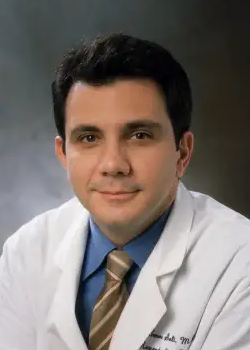 Emre Seli合作论文数Department of Obstetrics, Gynecology and Reproductive Sciences, Yale School of Medicine, Yale University14
 Man Zhang合作论文数11
 Wang Tianren合作论文数Third Hospital, Peking University11
 Jiang Zongliang合作论文数7
 Burcin Simsek合作论文数Department of Statistics, University of Pittsburgh6
 E. Seli合作论文数5
 Muhammed Burak Bener合作论文数Department of Cell Biology, University of Connecticut Health5Walter Jessica R合作论文数4
 David Seifer合作论文数Department of Obstetrics, Gynecology & Reproductive Sciences, Yale School of Medicine4
 Richard T Scott合作论文数Department of Obstetrics, Gynecology and Reproductive Sciences, Yale University;Rutgers, The State University of New Jersey4
 Serdar E. Bulun合作论文数Department of Obstetrics and Gynecology, Feinberg School of Medicine, Northwestern University4Gabriela Beroukhim合作论文数3Ping Yin合作论文数Department of Obstetrics & Gynecology, Feinberg School of Medicine, Northwestern University3
 Hugh Taylor合作论文数Department of Obstetrics Gynecology and Reproductive Sciences, School of Medicine, Yale University;Yale-New Haven Hospital3
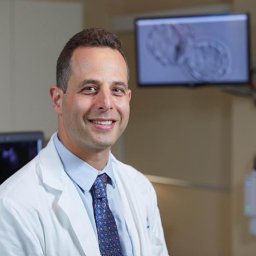 Mor Amir合作论文数Department of Obstetrics and Gynecology, Maimonides Medical Center3
 Tamas Horvath合作论文数Department of Comparative Medicine, School of Medicine, Yale University;Department of Obstetrics, Gynecology and Reproductive Sciences, School of Medicine, Yale University3
 Mingrui Zhang合作论文数Amazon3Deborah E. Ikhena合作论文数2Mursal Gardezi合作论文数2Gizem Imamoglu合作论文数2
 Shimeng Liu合作论文数Northwestern Univ, Feinberg Sch Med, Chicago, IL 60611 USA2Matthew T Dyson合作论文数2
 Alla Vash-Margita合作论文数Department of Obstetrics, Gynecology and Reproductive Sciences, Yale School of Medicine, Yale University2
 Lubna Pal合作论文数Department of Obstetrics, Gynecology and Reproductive Sciences, Yale School of Medicine, Yale University2Oz Harmanli合作论文数Department of Obstetrics, Gynecology and Reproductive Sciences, Yale School of Medicine, Yale University2
 Masoud Azodi合作论文数Department of Obstetrics, Gynecology and Reproductive Sciences, Yale School of Medicine, Yale University2
 Karen Jubanyik合作论文数Department of Emergency Medicine, Yale University2Coon John S合作论文数2
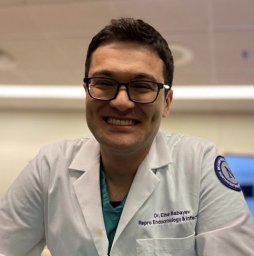 Babayev Elnur合作论文数Department of Obstetrics, Gynecology, and Reproductive Sciences, Yale School of Medicine2
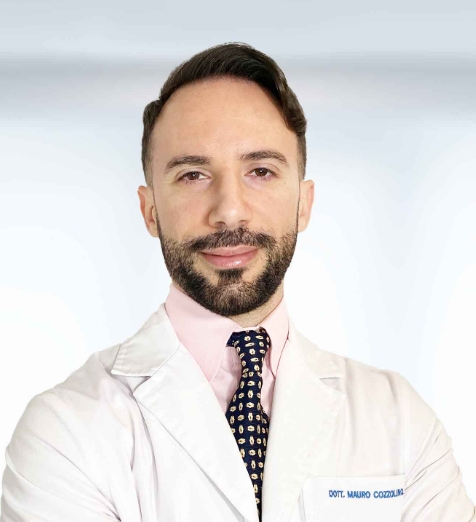 Mauro Cozzolino合作论文数IVIRMA Roma2Richard Scott合作论文数2Stephanie Nichols合作论文数Marine Laboratories2A. Vash-Margita合作论文数1Denny Sakkas合作论文数1Dan Needleman合作论文数1Simge Yuksel合作论文数1Tim H Sanchez合作论文数1B. St Martin合作论文数1
 Elif Soysal合作论文数1Brad St Martin合作论文数1Stacy A Kujawa合作论文数1Christopher Arkfeld合作论文数1Hong Zhao合作论文数1Tugba Gursoy合作论文数1
 Padmini Manrai合作论文数1T Sanchez合作论文数1Guangxin Li合作论文数Yale Univ, Sch Med, Dept Surg, New Haven, CT 06510 USA1
 Jared C. Robins合作论文数American Society for Reproductive Medicine1




