BACKGROUND:The learning environment plays a critical role in learners' satisfaction and outcomes. However, we often lack insight into learners' perceptions and assessments of these environments. It can be difficult to discern learners' expectations, making their input critical. When medical students and surgery residents are asked to evaluate their teachers, what do they focus on?MATERIALS AND METHODS:Open-ended comments from medical students' evaluations of residents and attending surgeons and from residents' evaluations of attendings during the 2016-2017 academic year were analyzed. Content analysis was used, and codes derived from the data. A matrix of theme by learner role was created to distinguish differences between medical student and resident learners. Subthemes were grouped based on similarity into high-order themes.RESULTS:Two overarching themes were Creating a positive environment for learning by modeling professional behaviors and Intentionally engaging learners in training and educational opportunities. Medical students and residents made similar comments for the subthemes of appropriate demeanor, tone and dialog, respect, effective direct instruction, feedback, debriefing, giving appropriate levels of autonomy, and their expectations as team members on a service. Differences existed in the subthemes of punctuality, using evidence, clinical knowledge, efficiency, direct interactions with patients, learning outcomes, and career decisions.CONCLUSIONS:Faculty development efforts should target professional communication, execution of teaching skills, and relationships among surgeons, other providers, and patients. Attendings should make efforts to discuss their approach to clinical decision making and patient interactions and help residents and medical students voice their opinions and questions through trusting adult learner-teacher relationships.
BACKGROUND:Despite an increasing number of women in the field of surgery, bias regarding cognitive or technical ability may continue to affect the experience of female trainees differently than their male counterparts. This study examines the differences in the degree of operative autonomy given to female compared with male general surgery trainees.METHODS:A smartphone app was used to collect evaluations of operative autonomy measured using the 4-point Zwisch scale, which describes defined steps in the progression from novice ("show and tell") to autonomous surgeon ("supervision only"). Differences in autonomy between male and female residents were compared using hierarchical logistic regression analysis.RESULTS:A total of 412 residents and 524 faculty from 14 general surgery training programs evaluated 8,900 cases over a 9-month period. Female residents received less autonomy from faculty than did male residents overall (P < .001). Resident level of training and case complexity were the strongest predictors of autonomy. Even after controlling for potential confounding factors, including level of training, intrinsic procedural difficulty, patient-related case complexity, faculty sex, and training program environment, female residents still received less operative autonomy than their male counterparts. The greatest discrepancy was in the fourth year of training.CONCLUSION:There is a sex-based difference in the autonomy granted to general surgery trainees. This gender gap may affect female residents' experience in training and possibly their preparation for practice. Strategies need to be developed to help faculty and residents work together to overcome this gender gap.
To determine the rate of missed CT findings of ileal carcinoid tumor prior to pathologic diagnosis and the resultant diagnostic delay.
BACKGROUND:Surgical resident duty hour limitations have necessitated operative skill training outside of the operating room. Although wet-lab skills training is ideal, materials and human resource requirements make wet labs-utilizing biologic samples cost prohibitive for many residency programs. To resolve this problem, our general surgery residency program collaborated with the Institution's School of Veterinary Medicine Surgery Residency program to pilot a cost-effective interdisciplinary surgical skills curriculum.MATERIALS AND METHODS:The general surgery residency program manager and program director initiated a collaboration with the Veterinary Surgery Residency. Postgraduate year (PGY) 2 general surgery residents and PGY 1-3 veterinary surgery residents participated in monthly joint surgical skills practice sessions. A novel interdisciplinary surgical skills curriculum was implemented that incorporated skills beneficial to both sets of trainees utilizing donated canine cadavers.RESULTS:A total of nine joint skills sessions were conducted for nine general surgery residents and five veterinary surgery residents. A cost analysis was conducted for a surgical skills curriculum servicing both programs independently and compared to the actual costs of the collaborative curriculum. The cost analysis estimated total savings generated by the collaborative to be $27,323.79. Review of initial feedback from trainees suggest that skill sessions reinforce knowledge, and that the collaborative skills sessions were an enjoyable and valuable learning activity.CONCLUSIONS:The skills curriculum collaborative has proven to be a cost-effective and high quality interdisciplinary pedagogic tool. The partnership allowed for mutually beneficial resource sharing and allowed for the initiation of a surgical skills wet lab that had previously been unavailable to both groups.
Background. Concerns exist regarding the competency of general surgery graduates with performing core general surgery procedures. Current competence assessment incorporates minimal procedural numbers requirements. Methods. Based on the Zwisch scale we evaluated the level of autonomy achieved by categorical PGY1-5 general surgery residents at 14 U.S. general surgery resident training programs between September 1, 2015 and December 31, 2016. With 5 of the most commonly performed core general surgery procedures, we correlated the level of autonomy achieved by each resident with the number of procedures they had performed before the evaluation period, with the intent of identifying specific target numbers that would correlate with the achievement of meaningful autonomy for each procedure with most residents. Results. Whereas a definitive target number was identified for laparoscopic appendectomy (i.e. 25), for the other 4 procedures studied (i.e. laparoscopic cholecystectomy, 52; open inguinal hernia repair, 42; ventral hernia repair, 35; and partial colectomy, 60), target numbers identified were less definitive and/or were higher than many residents will experience during their surgical residency training. Conclusions. We conclude that procedural target numbers are generally not effective in predicting procedural competence and should not be used as the basis for determining residents' readiness for independent practice. (C) 2017 Published by Elsevier Inc.
Atraumatic splenic rupture (ASR) is a rare, spontaneous, and potentially life-threatening condition that occurs in the absence of trauma; yet the management of ASR has largely defaulted to the treatment algorithm related to blunt splenic trauma. Our aim is to determine if it is appropriate and safe to use the treatment algorithm for blunt splenic trauma in the management of both pathological and non-pathological ASR. We present a case of non-pathological ASR that was successfully managed without splenectomy. A comprehensive literature review on spontaneous ASR was also performed to include publications from January 1975 to February 2015. 914 total cases of ASR were identified: 70 non-pathological and 844 pathological. Overall, 86.5% of these patients received splenectomy based on the presence or absence of traditional signs of clinical instability or deterioration, as utilized in cases of traumatic splenic rupture. There were only 11 non-pathological cases detailed. Unlike our present case, all of these cases resulted in splenectomy. The present case is that of a 37 year-old man with grade III splenic rupture, successfully managed without surgery or splenectomy. Details regarding ASR patients are limited in current literature. The majority of patients with ASR will receive splenectomy, regardless of etiology. Our review would suggest that it is appropriate and safe to pursue conservative non-surgical therapy in select patients who present with ASR of any given etiology (even non-pathological), while utilizing the same indications for splenectomy used in cases of blunt abdominal trauma.
Introduction: Rectal cancer is a common and lethal disease. Surgical resection after chemoradiation remains the standard of care, and is followed by adjuvant chemotherapy in patients at high risk for recurrence. the rate of complications following surgery for rectal cancer remains unacceptably high. We wanted to evaluate the effect of complications on overall survival. We hypothesized that delay in initiation of chemotherapy following surgery for rectal cancer negatively impacts survival. Methods: From 1995-2010, 301 patients underwent surgical resection of rectal cancer at our institution. A retrospective clinical review was conducted focusing on the timing of chemotherapy following surgery and the factors that delayed or prevented therapy. This data was correlated with cancer-specific survival. Categorical variables were analyzed via the Chi-square test. Multivariable analyses were performed. A p<0.05 was considered significant. Results: Among the 301 patients, 30 were known to have a delay in administration of chemotherapy, defined as >56 days following surgery. Of those delays, 50% were due to surgical complications. at follow-up, patients with a delay in chemotherapy were significantly more likely to be deceased from rectal cancer as compared to patients who did not have a delay in administration (48% v 16% mortality, p<0.0018). Conclusions: Delays in initiation of chemotherapy following surgical resection of rectal cancer can have a significant impact on cancer-specific mortality. The most common cause of delay is due to surgical complications. Decreases in rates of surgical complications could have an impact on survival.
Purpose: Thymidylate synthase (TS) and thymidine phosphorylase (TP) expression have been shown to be predictors of response to therapy. The toxicity, efficacy, surgical morbidity, and immunohistochemical TS and TP expression were assessed in surgical resection specimens after preoperative chemoradiation.Methods and Materials: Twenty patients with clinical stage I to III rectal adenocarcinoma received preoperative chemoradiation and underwent surgical resection 6 weeks later.Results: Posttreatment tumor stages were T1 to T2 and N0 in 30% of patients; T3 to T4 and N0 in 30% of patients; and T1 to T3 and N1 to N2 in 15% of patients. Pathologic complete response (pCR) was evident in 25% and tumor regression occurred in a total of 80% of patients. Anal sphincter-sparing surgery was performed in 80% of cases. Acute and perioperative complications were minimal, with no grade 3/4 toxicity or treatment breaks. Pelvic control was obtained in 90% of patients. With a median follow-up of 65.5 months (range, 8-80 months), the 6-year actuarial survival rate was 75%. Local failure was significantly associated with nonresponse to therapy and with high TS and low TP expression (p = 0.008 and p = 0.04, respectively).Conclusions: The combination of capecitabine, celecoxib, and x-radiation therapy yields excellent response: a 25% pathologic pCR, no acute grade 3/4 toxicity, and minimal surgical morbidity. Nonresponders expressed significantly increased TS levels and decreased TP levels in posttreatment resection specimens compared to responders. (C) 2011 Elsevier Inc.
Introduction: Morbidity and Mortality (M&M) conference has been a long-standing tradition of surgical residency programs' didactic training. Programs have attempted various ways to improve the educational value of M&M conference and increase the rate of complications reported. Minor complications are sometimes not reported in M&M conference because they are considered insignificant to patient outcome or occur commonly after surgery. As part of a larger effort to improve the educational quality of our M&M conference, we sought to integrate a specific, focused curriculum for minor complication reporting and evaluate the perception of the educational value of this curriculum. Methods: A minor complications curriculum was designed to give residents formal training in how to recognize, treat and prevent minor complications. Faculty identified twenty complications as minor complications. We created a two-year curriculum to cover each minor complication. A junior resident was assigned to give a ten minute presentation each month, assessing one minor complication in depth during M&M conference. Presentations included an explanation of the department's definition of the complication, a discussion of relevant risk factors based on an evidence-based literature review, presentation of the frequency and risk factors for that complication at our institution based on review of NSQIP data, and a discussion of appropriate treatment. To assess the educational impact of the curriculum we surveyed residents and faculty about the educational value of M&M conference three months before and eleven months after implementation of the minor complications curriculum. Results: Fifty percent of the 48 residents and faculty responded to the survey prior to conference changes and 39% of 51 residents and faculty responded after intervention. Prior to introducing minor complication presentations into M&M conference only 58% of survey respondents said that minor complications should be reported at M&M conference. After eleven months of the minor complications curriculum 95% of respondents said that minor complications should be reported (p <0.01). Eighty-nine percent of respondents found the minor complication presentations to be educationally beneficial and 75% of respondents attended 3 or more presentations. Interestingly, post-survey respondents were also more likely than pre-survey respondents to identify that a purpose of M&M conference was improving patient care (29% vs 71%, p<0.05). Conclusion: The institution of a formal evidence-based presentation of minor complications has increased faculty and residents' perception of the importance of reporting minor complications at M&M conference, with faculty and residents reporting that the presentations were educationally beneficial. Perhaps more surprising is that since institution of the formal minor complications presentation, faculty and residents' perception that M&M conference can be a means to improve patient care has increased. In depth, evidence-based discussion of minor complications is associated with increased perception of the importance of reporting these complications, and should continue to be incorporated into our curriculum.
There is currently great discrepancy in the training requirements between medical societies regarding the recommended threshold number of colonoscopies needed to assess for technical competence. Our goal was to determine the number of colonoscopies performed by surgical residents, rate of cecal intubation, as well as trainee perceptions of colonoscopy training after completion of their training period.
Background: Approximately 40% of surgical residents pursue one to three years of dedicated research during residency. Research residents continue to participate in didactic conferences, are occasionally responsible for patient care, and continue to take the American Board of Surgery In-training Exam (ABSITE) each year. Most programs have a dedicated research curriculum for these residents; however, many do not have a formal general surgery curriculum for research residents. We sought to compare research and clinical resident performance on the ABSITE to determine if there might be a need for a formal general surgery curriculum for research residents, to keep pace with their clinical peers. Methods: We conducted a retrospective, single institution analysis of ABSITE scores from the years 1997-2008. We analyzed two cohorts of residents: PG3 clinical residents (n=57) and residents doing dedicated research (n=26); i.e., each cohort had completed two clinical years. We compared each cohort's mean percent correct on “Basic Science”, “Clinical Management” and “Total” ABSITE questions. Linear mixed models were compared via likelihood ratio tests. All p-values are two-sided; p<0.05 was used as the criterion for statistical significance. Results: Research residents averaged 68.6% correct on total ABSITE compared to 70.6% for clinical PG3s (p=0.04). On the clinical management portion of the ABSITE, averages are 68.9% vs. 72.2% (p=0.01), respectively. Conclusions: Our finding that research residents perform more poorly than their clinical peers on the ABSITE exam suggests that residents might benefit from an organized, formal general surgery curriculum during their research years.
Background. Although the number of residents choosing general surgery continues to decline, few studies have examined the factors that influence surgical residents to pursue general surgery as a career. Using a survey of former graduates, we evaluated factors that influenced residents' decisions to enter their chosen area of surgery. We then compared those residents who pursued general surgery with those that decided to subspecialize.Methods. A 32-item web survey was sent to 99 graduates of a university general surgery program, all of whom matriculated between 1985 and 2006. Results were then analyzed using Fisher's exact test with significance determined as P <= 0.05.Results. A total of 83 (84%) survey recipients replied. Of the respondents, 35 (42%) were general surgeons, 46 (55%) subspecialized, and two (3%) did not specify their field. Those that entered general surgery practices were significantly less likely to rank research opportunities and the ability to teach medical students and residents as important in choosing their current field. They were, however, more likely to rank duration of training as important compared with those who subspecialized. General surgeons were significantly more likely than those who specialized to have chosen their career paths prior to entering residency, 60% versus 4% (P < 0.0001). They were also significantly more likely to be in private practice and not associated with a University/Academic institution, 66% versus 36% (P = 0.013).Conclusion. In our survey, surgical residents who pursue general surgery were more likely to have chosen their career path prior to beginning residency, and to rank duration of training as an important factor in that decision. These findings suggest that the response to the decreasing numbers of general surgeons needs to happen prior to residency, and that a restructuring of surgical education may need to involve concentrating the training of general surgeons into a shorter time frame. (C) 2010 Elsevier Inc. All rights reserved.
Background The Accreditation Council for Graduate Medical Education (ACGME) has placed great emphasis on residents learning to identify their training needs and to develop learning strategies to address these needs. In surgery, residents can play an active role in identifying training needs through self-assessment of their procedural skills. Our study contributes to the growing body of literature regarding practice-based learning and improvement by attempting to determine if surgery resident experience is associated with comfort level and perceived training needs. Methods Twenty-five general surgery residents completed a surgical experience survey, which asked them to indicate the range of times they performed a procedure, their comfort level in performing the procedure, and the quality of training they felt they received. Residents were given a survey with cases appropriate for their postgraduate year. A Cochran-Armitage trend test was used to evaluate the trends between comfort level and experience, and training needs and experience. A P value of 0.05 was considered statistical significance in all analyses. Results Resident comfort level demonstrated a positive trend compared with case volume both in the self-reported survey and ACGME case log (P values<0.001). Additionally, higher levels of training were associated with increased comfort level (P value=0.05). Perceived training needs and experience were also associated (P value<0.001), demonstrating that with increased experience, residents felt that their training needs were being met. Conclusion Our study demonstrates that residents are able to assess their comfort level and training needs based on both actual and perceived experience. The procedural survey has been a useful tool for resident self-assessment in that residents are able to play a more active role in their education by developing appropriate learning plans.
Of 178 patients with sclerosing cholangitis treated since 1950, 88 patients had associated inflammatory bowel disease, 72 had no such history, and 18 had iatrogenic injury or stone disease. A total of 233 biliary operations were performed, with a 75% rate of temporary improvement after initial operation. Subsequent operations resulted in a lower success rate and a higher mortality rate. Radiologic findings included predominant extrahepatic, intrahepatic, and diffuse disease in 29%, 28%, and 43% of patients, respectively; no survival differences were noted. Seventy-five of one hundred three deaths (73%) were related to liver failure, bleeding, or sepsis. Of 14 patients undergoing portosystemic shunt, 13 died of surgical complications or related disease. Orthotopic liver transplantation was performed in 16 patients and resulted in eight deaths, mainly in patients who had previously undergone extensive surgical treatment. No survival differences were seen between the patients with inflammatory bowel disease, those without the condition, or those who had colectomy. Surgical treatment in patients with sclerosing cholangitis should be minimized. Orthotopic liver transplantation should be offered as the treatment of choice for patients with portal hypertension, refractory cholangitis, advanced cirrhosis, or progressive liver failure.
 Francis Scholz合作论文数3
 John W. Braasch合作论文数3
 Gregory D. Kennedy合作论文数Department of Surgery, University of Wisconsin School of Medicine and Public Health3
 Jonathan P Fryer合作论文数Department of Surgery, Feinberg School of Medicine, Northwestern University2
 Kyla Terhune合作论文数2
 Sharon M Weber合作论文数Division of Surgical Oncology, Department of Surgery, School of Medicine and Public Health, University of Wisconsin-Madison;Carbone Cancer Center, University of Wisconsin-Madison2
 Mary Schuller合作论文数2Choi Jennifer合作论文数Department of Surgery, Indiana University2
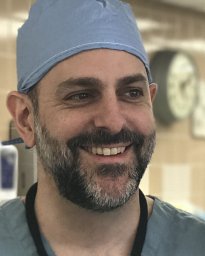 Brian Christopher George合作论文数Massachusetts General Hospital, Harvard University2
 Samuel P Mandell合作论文数2
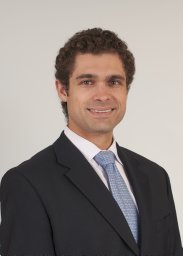 Jordan Bohnen合作论文数Massachusetts Gen Hosp, Dept Surg, Boston, MA 02114 USA2
 Michel Gagner合作论文数Westmount Square Surgical Center;Clinique Michel Gagner, MD, Inc.;GT Metabolic Solutions Inc.2Nathaniel J. Soper合作论文数2
 Paul E Wise合作论文数2Jeffrey G. Chipman合作论文数2
 Keith D Lillemoe合作论文数Brigham and Women's Hospital;Massachusetts General Hospital;Harvard Medical School2Gary Dunnington合作论文数2Ricardo L. Rossi合作论文数Department of Surgery, Universidad de Chile, Universidad Católica, Clínica Alemana, Santiago, Chile (RLR)2Chandrakanth Are合作论文数2
 Reed Williams合作论文数2Edward Auyang合作论文数2
 Shari L Meyerson合作论文数2
 John Mullen合作论文数Department of Surgery, Massachusetts General Hospital;Harvard University2
 Douglas Stewart Smink合作论文数Brigham and Women's Hospital;Harvard Medical School2
 Jacob A. Greenberg合作论文数2Andreas H Meier合作论文数Department of Surgery, Stanford University2Laura Torbeck合作论文数2C. P. Heise合作论文数1Roger L Jenkins合作论文数1Maureen Martin合作论文数1Rl Jenkins合作论文数1Robert J. Mcdonald合作论文数1
 Andrew Joseph Walker合作论文数1
 Mehmet Koc合作论文数1
 Rebecca M. Minter合作论文数Division of Surgical Oncology, Department of Surgery, University of Wisconsin-Madison1
 Ann P O'Rourke合作论文数Division of Acute Care and Regional General Surgery, Department of Surgery, University of Wisconsin-Madison1
 Patrick Pfau合作论文数Department of Medicine, School of Medicine and Public Health, University of Wisconsin-Madison1
 Corrine Voils合作论文数Department of Nutritional Sciences, College of Agricultural and Life Sciences, University of Wisconsin-Madison1
 Sarah Jung合作论文数1Akshya Gupta合作论文数1C. Heise合作论文数1Fw Nugent合作论文数1
 David D Odell合作论文数Department of Surgery, Feinberg School of Medicine, Northwestern University1
 Debra A DaRosa合作论文数Department of Surgery, Feinberg School of Medicine, Northwestern University1
 Lihui Zhao合作论文数Department of Preventive Medicine, Feinberg School of Medicine, Northwestern University1Lubner Meghan G合作论文数1
 Bleedorn Jason A合作论文数School of Veterinary Medicine, University of Wisconsin-Madison1




