Treprostinil palmitil (TP) is a prodrug of treprostinil that has been formulated as an inhaled powder, termed TPIP, for evaluation in patients with pulmonary arterial hypertension. In these characterization studies we investigated the aerosol performance of TPIP in response to changes in capsule fill, device resistance, and inspiratory flow rate to enable selection of an inhaler for clinical use. Capsules containing 8, 16 or 32 mg of TPIP (80, 160, or 320 μg TP, respectively) were evaluated using four commercially-available, breath-actuated RS01 devices (Plastiape, S. p.A., Osnago, Italy) with low, medium, high or ultra-high inspiratory resistances, creating 12 different capsule and device configurations for evaluation. Aerosol characterization was performed using the next generation impactor at compendial conditions of 23°C and 35% relative humidity and a flow rate corresponding to a 4 kPa pressure drop. The aerosol mass median aerodynamic diameter, geometric standard deviation, fine particle fraction, emitted dose and fine particle dose (FPD) were calculated from the in vitro impactor data. The TP emitted dose at 4 kPa exceeded 75% for all 12 capsule and device configurations. The FPD, an estimate of the respirable dose, varied between 61.0 and 70.6% of the loaded TP dose for all four devices with the 8 and 16 mg TPIP capsule dose. For the 32 mg TPIP capsule dose, the FPD remained above 61.0% for the high and ultra-high resistance devices but decreased to 48.5 and 52.6% for the low and medium resistance devices, respectively. Based on this initial data, the high resistance device was selected for additional characterization studies at 40 and 80 L/min corresponding to pressure drops of 1.4 and 5.4 kPa. The FPD was relatively insensitive to changes in flow rate, providing an expectation of a consistent total lung dose of TP under scenarios simulating variability in how the device is used. Based on these findings, the high resistance device was chosen for further development in human clinical trials.
Background: Neutrophil elastase (NE) activity is increased in bronchiectasis and correlated with exacerbations. Brensocatib is an oral, selective, reversible dipeptidyl peptidase 1 inhibitor that blocks activation of neutrophil serine proteases and reduces NE activity. Aims: To evaluate the efficacy of brensocatib compared to placebo in subgroups of patients with bronchiectasis. Methods: WILLOW (NCT03218917) was a phase 2, randomized, double-blind, placebo-controlled study. Adults were randomized 1:1:1 to brensocatib 10 or 25 mg or placebo once daily. The primary endpoint was time to first bronchiectasis exacerbation over 24-weeks. Time to, and rate of, exacerbations were further analyzed in subgroups based on patient characteristics, medical history, disease severity, and baseline sputum NE. Safety and tolerability were assessed. Results: Brensocatib prolonged time to exacerbation vs placebo (brensocatib 10 mg, P=0.027; brensocatib 25 mg, P=0.044). Point estimates for time to, and rate of, exacerbation favored both brensocatib doses (hazard ratios <1; rate ratios <1) vs placebo in nearly all subgroups, including the subgroup without detectable sputum NE at baseline. Exacerbation-related hospitalization rates were 5.9% with brensocatib (pooled) and 8.0% with placebo. Brensocatib reduced sputum activity of NE, proteinase 3, and cathepsin G in a dose-dependent manner. Adverse events in ≥10% of brensocatib-treated patients were cough, headache, increased sputum, and dyspnea. Conclusions: Among patient subgroups (including analysis by baseline sputum NE, medical history, and disease severity), brensocatib consistently prolonged time to first exacerbation and reduced rates of exacerbation.
Cough is induced by inhaled prostacyclin analogues including treprostinil (TRE), and, at higher doses, treprostinil palmitil (TP), a prodrug of TRE. In this report, we have investigated mechanisms involved in TRE- and TP-induced cough, using a dry powder formulation of TP (TPIP) to supplement previous data obtained with an aqueous suspension formulation of TP (TPIS). Experiments in guinea pigs and rats investigated the prostanoid receptor subtype producing cough and whether it involved activation of sensory nerves in the airways and vasculature. Experiments involved treatment with prostanoid, tachykinin and bradykinin receptor antagonists, a cyclooxygenase inhibitor and TRE administration to the isolated larynx or intravenously. In guinea pigs, cough with inhaled TRE (1.23 µg·kg−1) was not observed with an equivalent dose of TPIP and required higher inhaled doses (12.8 and 35.8 µg·kg−1) to induce cough. TRE cough was blocked with IP and tachykinin NK1 receptor antagonists but not with EP1, EP2, EP3, DP1 or bradykinin B2 antagonists or a cyclooxygenase inhibitor. TRE administered to the isolated larynx or intravenously in rats produced no apnoea or swallowing, whereas citric acid, capsaicin and hypertonic saline had significant effects. The mechanisms inducing cough with inhaled TRE likely involves the activation of prostanoid IP receptors on jugular C-fibres in the tracheobronchial airways. Cough induced by inhaled dry powder and nebulised formulations of TP occurs at higher inhaled doses than TRE, presumably due to the slow, sustained release of TRE from the prodrug resulting in lower concentrations of TRE at the airway sensory nerves.
Background: Inhaled treprostinil (TRE [Tyvaso®]) is a QID vasodilator indicated for pulmonary arterial hypertension (PAH). C16TR for Inhalation (INS1009) is a lipid nanoparticle formulation of treprostinil prodrug (hexadecyltreprostinil), under development to provide QD or BID dosing for PAH. C16TR is converted to free treprostinil and hexadecanol. Animal studies found that single-dose inhalation of C16TR resulted in sustained levels of treprostinil in plasma and C16TR in lungs. Objectives: First-in-human study of C16TR to determine the MTD of a single dose and characterize the PK of free treprostinil and C16TR in healthy volunteers. Methods: The first cohort of 8 subjects received single-dose open-label TRE 54µg, and were then randomized 3:1 (double-blinded) to receive a single-dose of C16TR at 85µg or placebo (85 µg of C16TR has an equivalent amount of treprostinil as 54µg of TRE). Results: Cmax values of treprostinil were higher after TRE dosing than after C16TR (TRE:C16TR median, 12.0 [range, 4.25-21.3]). AUC0-24 was lower (approx. 30%) for C16TR (TRE:C16TR median, 1.32 [range, 1.03-2.18]). Treprostinil AUC profiles were flatter after C16TR treatment, and Tmax occurred later (median, 1 h vs 0.25 h for TRE). The plasma half-life of treprostinil after C16TR was muchlonger (median, 6.4 h vs 0.6 h for TRE). Conclusion: The longer half-life of treprostinil after C16TR administration was likely due to sustained pulmonary release, consistent with preclinical studies of C16TR. Compared to TRE (54µg), C16TR (85ug) resulted in a 12 times lower plasma Cmax of treprostinil. The overall exposure to treprostinil was only 30% lower. The AEs in this cohort were similar to other inhaled prostanoids.
Background: Inhaled treprostinil (TRE [Tyvaso®]), a vasodilator for pulmonary arterial hypertension (PAH), must be administered QID and is associated with cough. C16TR for Inhalation (INS1009) is a lipid nanoparticle formulation of treprostinil prodrug (hexadecyltreprostinil) that is being developed to provide QD dosing for PAH. C16TR is converted to free treprostinil and hexadecanol. Preclinical studies demonstrated that single-dose inhalation with C16TR is well tolerated and produces long-acting pulmonary vasodilation and sustained levels of treprostinil in plasma and C16TR in lungs. Objectives: First-in-human study of C16TR to determine the PK of free treprostinil and C16TR in healthy volunteers. Methods: The first cohort of 8 subjects received single-dose open-label TRE 54 µg, and was then randomized 3:1 (double-blinded) to single-dose C16TR 85 µg or placebo. The next 4 cohorts were to be randomized 2:1 to single-dose C16TR at 170, 340, 510, 765 µg, or placebo. Results: 24 subjects received C16TR, 85 µg, 170 µg or 340 µg. The PK profiles were qualitatively similar. Cmax was attained within 1 hr and sustained for approx. 8 hr. The mean C max (mg/L) was 0.0976, 0.146, and 0.333, respectively. The mean AUC 0-24 (µg*h /L) was 0.634, 1.24, and 2.19 for the 85 mg, 170 mg, and 340 mg cohorts, respectively. Dose escalation was halted due to observed AE profile in the third cohort. Conclusions: Concentration-time profile demonstrated pharmacokinetic characteristics which could produce sustained effect. Trepostinil systemic exposure as assessed by C max and AUC increased with increasing dose in an approximately dose proportionate manner. In general, AEs were similar to other inhaled prostanoids.
The Division of Lung Diseases of the National Heart, Lung, and Blood Institute, with the Office of Rare Diseases Research, held a workshop to identify priority areas and strategic goals to enhance and accelerate research that will result in improved understanding of the lung vasculature, translational research needs, and ultimately the care of patients with pulmonary vascular diseases. Multidisciplinary experts with diverse experience in laboratory, translational, and clinical studies identified seven priority areas and discussed limitations in our current knowledge, technologies, and approaches. The focus for future research efforts include the following: (1) better characterizing vascular genotype phenotype relationships and incorporating systems biology approaches when appropriate; (2) advancing our understanding of pulmonary vascular metabolic regulatory signaling in health and disease; (3) expanding our knowledge of the biologic relationships between the lung circulation and circulating elements, systemic vascular function, and right heart function and disease; (4) improving translational research for identifying disease-modifying therapies for the pulmonary hypertensive diseases; (5) establishing an appropriate and effective platform for advancing translational findings into clinical studies testing; and (6) developing the specific technologies and tools that will be enabling for these goals, such as question-guided imaging techniques and lung vascular investigator training programs. Recommendations from this workshop will be used within the Lung Vascular Biology and Disease Extramural Research Program for planning and strategic implementation purposes.
BACKGROUND AND OBJECTIVE:The safety of air travel in patients with pneumothorax-prone pulmonary diseases, such as lymphangioleiomyomatosis (LAM), has not been studied to any great extent. A questionnaire-based evaluation of air travel in patients with LAM was conducted to determine experiences aboard commercial aircraft.METHODS:A survey was sent to women listed in the US LAM Foundation registry (n = 389) and the UK LAM Action registry (n = 59) to assess air travel, including problems occurring during flight. Women reporting a pneumothorax in flight were followed up to ascertain further details about the incident.RESULTS:327 (73%) women completed the survey. 308 women answered the travel section, of whom 276 (90%) had "ever" travelled by aeroplane for a total of 454 flights. 95 (35%) women had been advised by their doctor to avoid air travel. Adverse events reported included shortness of breath (14%), pneumothorax (2%, 8/10 confirmed by chest radiograph), nausea or dizziness (8%), chest pain (12%), unusual fatigue (11%), oxygen desaturation (8%), headache (9%), blue hands (2%), haemoptysis (0.4%) and anxiety (22%). 5 of 10 patients with pneumothorax had symptoms that began before the flight: 2 occurred during cruising altitude, 2 soon after landing and 1 not known. The main symptoms were severe chest pain and shortness of breath.DISCUSSION AND CONCLUSION:Adverse effects occurred during air travel in patients with LAM, particularly dyspnoea and chest pain. Hypoxaemia and pneumothorax were reported. The decision to travel should be individualised; patients with unexplained shortness of breath or chest pain before scheduled flights should not board. Patients with borderline oxygen saturations on the ground should be evaluated for supplemental oxygen therapy during flight. Although many women had been advised not to travel by air, most travelled without the occurrence of serious adverse effects.
OBJECTIVE:To review three prospective, randomized, placebo-controlled, double-blind clinical studies of formoterol (Foradil Aerolizer; Novartis Pharmaceuticals; Basel, Switzerland) at dosages of 12 microg and 24 microg bid for the treatment of patients with asthma.DATA SOURCES:Clinical studies submitted to the US Food and Drug Administration in support of the approval of Foradil Aerolizer for marketing in the United States.RESULTS:More patients treated regularly with formoterol, 24 micro g bid, had a serious asthma exacerbation than did patients who had been treated with placebo. In the first study, 4 of 135 adult patients (3%) who had been treated with formoterol, 24 microg bid, had a serious asthma exacerbation compared to none of 136 placebo-treated patients. In the second study, 5 of 136 patients (3.7%) treated with formoterol, 24 microg bid, had a serious asthma exacerbation compared to 2 of 141 placebo-treated patients (1.4%). In the third study, 11 of 171 pediatric patients (6.4%) treated with formoterol, 24 microg bid, had a serious asthma exacerbation compared to none of 176 placebo-treated patients.CONCLUSION:Regular use of high-dose inhaled formoterol (24 microg bid) may be associated with more frequent serious asthma exacerbations.
 Carlos Fernandez合作论文数4
 Walter Perkins合作论文数4Chris Rubino合作论文数2Danlin Xu合作论文数2Zhili Li合作论文数2
 David Cipolla合作论文数Aradigm Corporation2
 David Han合作论文数Department of Cell Biology, University of Connecticut;Center for Vascular Biology, University of Connecticut2Mona Darwish合作论文数2Vladimir S. Malinin合作论文数2Judy Shizuru合作论文数1Kevin C. Mange合作论文数1Helena Gauani合作论文数1Karen A Fagan合作论文数1Dorothy B. Gail合作论文数1Thomas Baker合作论文数1Marsha M. Cohen合作论文数1Robert J Meyer合作论文数1Donna M Konicek合作论文数1H. J. Bogaard合作论文数1Jun Zou合作论文数1Adam J Plaunt合作论文数1
 Gregory P. Downey合作论文数Department of Medicine, National Jewish Health;Integrated Department of Immunology, University of Colorado Denver1
 Paul T Schumacker合作论文数Department of Pediatrics, Feinberg School of Medicine, Northwestern University;Department of Cell and Developmental Biology, Feinberg School of Medicine, Northwestern University1
 Paul M Hassoun合作论文数School of Medicine, Johns Hopkins University;Johns Hopkins Hospital1
 Naftali Kaminski合作论文数Yale School of Medicine;Boehringer Ingelheim Pharmaceuticals, Inc.1
 Ivan F. McMurtry合作论文数Department of Pharmacology, College of Medicine, University of South Alabama;Center of Lung Biology, University of South Alabama1
 Francis X. McCormack合作论文数Division of Pulmonary and Critical Care Medicine, College of Medicine, University of Cincinnati1Metersky Mark L合作论文数1
 Simon Johnson合作论文数Division of Respiratory Medicine, Faculty of Medicine & Health Sciences, University of Nottingham;School of Medicine, University of Nottingham1Aldred Micheala A合作论文数1
 Sharon I Rounds合作论文数Department of Pathology and Laboratory Medicine, The Warren Alpert Medical School, Brown University;Department of Medicine, The Warren Alpert Medical School, Brown University;Providence VA Medical Center1
 Stacey Pollock Bar-Ziv合作论文数1
 Joseph Loscalzo合作论文数Department of Medicine, Brigham and Women’s Hospital;Harvard Medical School1
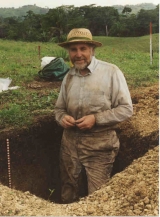 Timothy Moore合作论文数Dept. of Geography,McGill University1
 Mark T. Gladwin合作论文数School of Medicine, University of Maryland1Newman John H合作论文数1Kammerman Lisa合作论文数1
 Charles L. Daley合作论文数Department of Medicine, National Jewish Health1
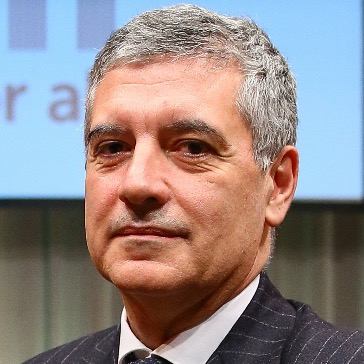 Francesco Bruno Arturo Blasi合作论文数Department Pathophysiology and Transplantation, University of Milan1O'Donnell Anne E合作论文数1Mann Marianne合作论文数1
 Stephen Archer合作论文数Division of Cardiology, Department of Medicine, School of Medicine, Queen's University;Translational Institute of Medicine, Queen's University1
 Serpil Erzurum合作论文数Cleveland Clinic1
 Steven M Kawut合作论文数Center for Clinical Epidemiology and Biostatistics, Perelman School of Medicine1Anthracite Raymond合作论文数1
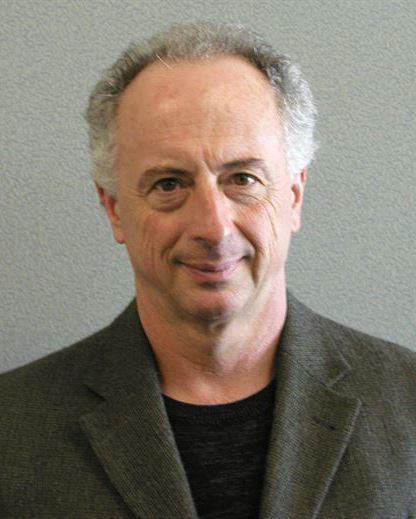 Rubin Tuder合作论文数Division of Pulmonary Sciences and Critical Care Medicine, School of Medicine, University of Colorado Denver;Department of Pathology, School of Medicine, University of Colorado Denver;Department of Environmental Health and Human Sciences, Bloomberg School of Public Health, Johns Hopkins University1Erik R. Swenson合作论文数1
 Donald McDonald合作论文数McDonald Laboratory, University of California, San Francisco;Helen Diller Comprehensive Cancer Center, University of California, San Francisco;Department of Anatomy, University of California, San Francisco1Kurt R. Stenmark合作论文数1




