BACKGROUND:Metabolic dysregulations have been reported in multiple sclerosis (MS), but it is unclear whether metabolic profiles at disease onset predict long-term outcomes. OBJECTIVES:We evaluated whether baseline metabolic profiles at MS onset could predict disease activity/progression over 5 years. METHODS:This prospective study included 468 patients enrolled in the BENEFIT trial at first clinical episode who completed 5 years of follow-up. Untargeted metabolomic profiling of 545 metabolites was performed at baseline using liquid chromatography-mass spectrometry. Associations with clinical and radiological outcomes were assessed using regression models, and machine learning was applied to identify metabolic signatures of worse outcomes. Models were adjusted for demographic, clinical, and lifestyle covariates. RESULTS:Distinct metabolomic signatures were associated with worse 5-year outcomes, including relapses, lesion volume, brain atrophy, and disability (Expanded Disability Status Scale (EDSS), multiple sclerosis functional composite (MSFC)). These signatures modestly improved outcome prediction beyond established predictors, with the largest gain for brain volume loss (area under the curve (AUC) = 0.68-0.86). Pathway analysis showed enrichment of nicotinate/nicotinamide, histidine, and arginine metabolism across several outcomes, with unsaturated fatty acid biosynthesis specifically with relapses. CONCLUSION:Metabolic profiles in early MS modestly improve the prediction of 5-year outcomes beyond clinical factors. Consistent enrichment across some pathways suggests potential biological relevance, warranting further investigation of individual metabolites.
BACKGROUND AND OBJECTIVES:Higher dietary intake of alpha-linolenic acid (ALA), a plant-derived omega-3 polyunsaturated fatty acid (PUFA), was associated with a lower risk of multiple sclerosis (MS) in a prospective cohort study and lower risk of new lesions, relapses, and disability progression in a patient cohort. We examined whether serum levels of ALA and other PUFAs predicted MS outcomes up to 11 years after clinical onset. METHODS:This prospective study was conducted among participants in the BENEFIT clinical trial, who had serum samples collected starting at randomization. Serum fatty acids were measured using gas chromatography. We evaluated the association of individual fatty acids with time to clinically definite MS (CDMS) and other measures of disease activity and progression using Cox, negative binomial, and linear regression. RESULTS:We followed 468 participants for 5 years, including 278 followed to year 11. At baseline, the median age was 30 years and 71% were women. Higher baseline serum ALA levels were associated with a lower risk of CDMS and relapses during follow-up. The multivariable-adjusted hazard ratios for CDMS comparing top to bottom quartile were 0.60 (95% CI 0.39-0.95) and 0.60 (95% CI 0.37-0.98) after 5 and 11 years, respectively. The multivariable adjusted risk ratios for relapses comparing top to bottom quartile were 0.60 (95% CI 0.38-0.94) and 0.65 (95% CI 0.43-0.99) after 5 and 11 years, respectively. None of the other 35 fatty acids were associated with CDMS risk. Three fatty acids were associated with relapse rate after 5 years, but not 11 years. Higher ALA levels were associated with a slower decline in MS Functional Composite, an assessment of disability, at 5 years. The association was similar at 11 years, but the results did not retain statistical significance. Baseline ALA levels were not associated with subsequent changes in cognitive function, time to confirmed Expanded Disability Status Scale progression, new active lesions, or brain volume loss. DISCUSSSION:Higher serum ALA levels were associated with a lower risk of CDMS, relapses, and disability progression in a large prospective cohort. The results were null or inconsistent for other fatty acids.
Multiple sclerosis (MS) treatment intervention with immunomodulating therapy at early disease stage improves short term clinical outcomes. The objective of this study is to describe the long-term outcomes and healthcare utilization of patients with clinically isolated syndrome (CIS) included in the Betaferon®/Betaseron® in Newly Emerging MS for Initial Treatment (BENEFIT) randomized, parallel group trial. In BENEFIT patients were assigned to “early” IFNB-1b treatment or placebo (“delayed” treatment). After 2 years or conversion to clinically definite multiple sclerosis (CDMS), all patients were offered IFNB-1b and were reassessed 15 years later. Of 468 patients, 261 (55.8
Objective: To examine whether serum metabolite levels measured at clinical onset of multiple sclerosis (MS) are associated with long-term disease activity and progression. Background: Single metabolites have been suggested to be dysregulated in MS, however, it is unknown whether serum metabolites in early MS predict long-term outcomes. Design/Methods: We conducted a prospective study among 276 participants enrolled in the BENEFIT study at the time of their clinically isolated syndrome and followed them for 11 years. We measured 552 known metabolites in serum samples collected at baseline using liquid chromatography-mass spectrometry. Concentrations were log-transformed and standardized by sex. Using elastic net logistic regression with 5-fold cross-validation, we integrated data on all metabolites to identify a metabolic signature predictive of changes in clinical/radiological measures from month 6 to year 11 (above median changes), indicating worse MS progression. Models were adjusted for age, sex, treatment allocation, steroid use, multifocal symptom onset, number of T2 lesions, and body mass index at baseline, and further for mean 25-hydroxyvitamin D and smoking based on repeated serum cotinine levels within the first 2 years from CIS. Results: We identified metabolic signatures indicating a worse outcome by year 11 for total relapses (number of metabolites: 12), T2 lesion volume (24), brain volume (40), EDSS (7), and MSFC (14). The signatures were similar when accounting for vitamin D and smoking. When including the top 10 contributing metabolites according to variable importance in the projection score in multivariable-adjusted logistic regression models, we found them to be moderately predictive of worse disease activity and progression at year 11 (AUCs ranging from 0.55 to 0.7). Conclusions: These results suggest that metabolic signatures in early MS may moderately add to the predictive value of known predictors. Disclosure: Dr. Cortese has received personal compensation in the range of $500-$4,999 for serving as a speaker at educational event with Roche. Ms. Peng has nothing to disclose. The institution of Dr. Bjornevik has received research support from Michael J. Fox Foundation. The institution of Dr. Bjornevik has received research support from National Multiple Sclerosis Society. The institution of Dr. Bjornevik has received research support from Department of Defense. The institution of Clary B. Clish has received research support from NIH. Clary B. Clish has received personal compensation in the range of $0-$499 for serving as a grant reviewer with NIH. Gilles Edan has received personal compensation in the range of $500-$4,999 for serving on a Scientific Advisory or Data Safety Monitoring board for Celgene. Gilles Edan has received personal compensation in the range of $500-$4,999 for serving on a Scientific Advisory or Data Safety Monitoring board for Merck. Gilles Edan has received personal compensation in the range of $0-$499 for serving on a Speakers Bureau for Biogen. Gilles Edan has received personal compensation in the range of $0-$499 for serving on a Speakers Bureau for Merck. Dr. Freedman has received personal compensation in the range of $5,000-$9,999 for serving as a Consultant for Actelion(Janssen/J&J). Dr. Freedman has received personal compensation in the range of $5,000-$9,999 for serving as a Consultant for Alexion. Dr. Freedman has received personal compensation in the range of $500-$4,999 for serving as a Consultant for BiogenIdec. Dr. Freedman has received personal compensation in the range of $500-$4,999 for serving as a Consultant for BMS/Celgene. Dr. Freedman has received personal compensation in the range of $5,000-$9,999 for serving as a Consultant for EMD Inc. Dr. Freedman has received personal compensation in the range of $5,000-$9,999 for serving as a Consultant for Sanofi-Genzyme. Dr. Freedman has received personal compensation in the range of $500-$4,999 for serving as a Consultant for Roche. Dr. Freedman has received personal compensation in the range of $500-$4,999 for serving as a Consultant for Novartis. Dr. Freedman has received personal compensation in the range of $0-$499 for serving on a Scientific Advisory or Data Safety Monitoring board for Actelion (Janssen/J&J). Dr. Freedman has received personal compensation in the range of $500-$4,999 for serving on a Scientific Advisory or Data Safety Monitoring board for Alexion. Dr. Freedman has received personal compensation in the range of $500-$4,999 for serving on a Scientific Advisory or Data Safety Monitoring board for Atara Biotherapeutics. Dr. Freedman has received personal compensation in the range of $0-$499 for serving on a Scientific Advisory or Data Safety Monitoring board for Bayer Healthcare. Dr. Freedman has received personal compensation in the range of $0-$499 for serving on a Scientific Advisory or Data Safety Monitoring board for BiogenIdec. Dr. Freedman has received personal compensation in the range of $0-$499 for serving on a Scientific Advisory or Data Safety Monitoring board for Clene Nanomedicine. Dr. Freedman has received personal compensation in the range of $500-$4,999 for serving on a Scientific Advisory or Data Safety Monitoring board for GRI Bio. Dr. Freedman has received personal compensation in the range of $500-$4,999 for serving on a Scientific Advisory or Data Safety Monitoring board for Roche. Dr. Freedman has received personal compensation in the range of $500-$4,999 for serving on a Scientific Advisory or Data Safety Monitoring board for Magenta Therapeutics. Dr. Freedman has received personal compensation in the range of $500-$4,999 for serving on a Scientific Advisory or Data Safety Monitoring board for Merck Serono. Dr. Freedman has received personal compensation in the range of $500-$4,999 for serving on a Scientific Advisory or Data Safety Monitoring board for Novartis. Dr. Freedman has received personal compensation in the range of $5,000-$9,999 for serving on a Scientific Advisory or Data Safety Monitoring board for Sanofi Genzyme. Dr. Freedman has received personal compensation in the range of $10,000-$49,999 for serving on a Speakers Bureau for Sanofi Genzyme. Dr. Freedman has received personal compensation in the range of $10,000-$49,999 for serving on a Speakers Bureau for EMD Serono. The institution of Dr. Freedman has received research support from Sanofi Genzyme. Dr. Hartung has received personal compensation in the range of $500-$4,999 for serving as a Consultant for BMS Celgene. Dr. Hartung has received personal compensation in the range of $10,000-$49,999 for serving as a Consultant for Geneuro. Dr. Hartung has received personal compensation in the range of $5,000-$9,999 for serving on a Scientific Advisory or Data Safety Monitoring board for Novartis. Dr. Hartung has received personal compensation in the range of $500-$4,999 for serving on a Scientific Advisory or Data Safety Monitoring board for Novartis. Dr. Hartung has received personal compensation in the range of $500-$4,999 for serving on a Scientific Advisory or Data Safety Monitoring board for Merck. Dr. Hartung has received personal compensation in the range of $5,000-$9,999 for serving on a Scientific Advisory or Data Safety Monitoring board for Bayer. Dr. Hartung has received personal compensation in the range of $500-$4,999 for serving on a Scientific Advisory or Data Safety Monitoring board for TG Therapeutics. Dr. Hartung has received personal compensation in the range of $500-$4,999 for serving on a Scientific Advisory or Data Safety Monitoring board for Roche. Dr. Hartung has received personal compensation in the range of $500-$4,999 for serving as an Editor, Associate Editor, or Editorial Advisory Board Member for Frontiers Neurology. The institution of Dr. Montalban has received personal compensation in the range of $10,000-$49,999 for serving as a Consultant for Biogen. The institution of Dr. Montalban has received personal compensation in the range of $10,000-$49,999 for serving as a Consultant for Merck/ EMD Serono. The institution of Dr. Montalban has received personal compensation in the range of $10,000-$49,999 for serving as a Consultant for Novartis. The institution of Dr. Montalban has received personal compensation in the range of $5,000-$9,999 for serving as a Consultant for Teva. The institution of Dr. Montalban has received personal compensation in the range of $5,000-$9,999 for serving as a Consultant for Hoffmann-La Roche. The institution of Dr. Montalban has received personal compensation in the range of $5,000-$9,999 for serving as a Consultant for Actelion/ Janssen. The institution of Dr. Montalban has received personal compensation in the range of $10,000-$49,999 for serving as a Consultant for BMS/ Celgene. The institution of Dr. Montalban has received personal compensation in the range of $5,000-$9,999 for serving as a Consultant for Sanofi/ Genzyme. Dr. Montalban has received personal compensation in the range of $5,000-$9,999 for serving on a Scientific Advisory or Data Safety Monitoring board for Actelion/ Janssen. Dr. Montalban has received personal compensation in the range of $5,000-$9,999 for serving on a Scientific Advisory or Data Safety Monitoring board for Biogen. Dr. Montalban has received personal compensation in the range of $10,000-$49,999 for serving on a Scientific Advisory or Data Safety Monitoring board for BMS/ Celgene. Dr. Montalban has received personal compensation in the range of $10,000-$49,999 for serving on a Scientific Advisory or Data Safety Monitoring board for Merck/ EMD Serono. Dr. Montalban has received personal compensation in the range of $500-$4,999 for serving on a Scientific Advisory or Data Safety Monitoring board for Novartis. Dr. Montalban has received personal compensation in the range of $500-$4,999 for serving on a Scientific Advisory or Data Safety Monitoring board for Hoffmann-La Roche. Dr. Montalban has received personal compensation in the range of $10,000-$49,999 for serving on a Scientific Advisory or Data Safety Monitoring board for Sanofi-Genzyme. The institution of Dr. Montalban has received personal compensation in the range of $500-$4,999 for serving on a Scientific Advisory or Data Safety Monitoring board for Immunic Therapeutics. The institution of Dr. Montalban has received personal compensation in the range of $500-$4,999 for serving on a Scientific Advisory or Data Safety Monitoring board for Viatris/ Mylan. The institution of Dr. Montalban has received personal compensation in the range of $500-$4,999 for serving on a Scientific Advisory or Data Safety Monitoring board for Sandoz. The institution of Dr. Montalban has received research support from Biogen. The institution of Dr. Montalban has received research support from Hoffmann-La Roche. The institution of Dr. Montalban has received research support from Sanofi/ Genzyme. The institution of Dr. Montalban has received research support from Merck/ EMD Serono. The institution of Dr. Montalban has received research support from Novartis. The institution of Dr. Montalban has received research support from Teva Pharmaceuticals. The institution of Dr. Montalban has received research support from Actelion/ Janssen. The institution of Dr. Montalban has received research support from BMS/ Celgene. Dr. Sandbrink has received personal compensation for serving as an employee of Topas Therapeutics. Dr. Sandbrink has received personal compensation for serving as an employee of Vico Therapeutics. Dr. Sandbrink has received stock or an ownership interest from Forward Pharma. Dr. Sandbrink has received stock or an ownership interest from Topas Therapeutics. Dr. Sandbrink has received stock or an ownership interest from Vico Therapeutics. Dr. Sandbrink has received stock or an ownership interest from Bayer. Dr. Radue has nothing to disclose. Frederik Barkhof has received personal compensation in the range of $500-$4,999 for serving as a Consultant for Merck. Frederik Barkhof has received personal compensation in the range of $0-$499 for serving as a Consultant for Biogen. Frederik Barkhof has received personal compensation in the range of $500-$4,999 for serving as a Consultant for Combinostics. Frederik Barkhof has received personal compensation in the range of $500-$4,999 for serving as a Consultant for IXICO. Frederik Barkhof has received personal compensation in the range of $500-$4,999 for serving as a Consultant for Janssen. Frederik Barkhof has received personal compensation in the range of $500-$4,999 for serving on a Scientific Advisory or Data Safety Monitoring board for EISAI. Dr. Wicklein has received personal compensation for serving as an employee of Bayer AG. The institution of Dr. Kappos has received research support from Bayer. The institution of Dr. Kappos has received research support from Biogen. The institution of Dr. Kappos has received research support from Genentech. The institution of Dr. Kappos has received research support from Genzyme. The institution of Dr. Kappos has received research support from Janssen. The institution of Dr. Kappos has received research support from Merck Serono. The institution of Dr. Kappos has received research support from Minoryx. The institution of Dr. Kappos has received research support from Novartis. The institution of Dr. Kappos has received research support from Roche. The institution of Dr. Kappos has received research support from Sanofi. The institution of Dr. Kappos has received research support from Santhera. The institution of Dr. Kappos has received research support from Swiss MS Society, Swiss National Research Foundation, European Union, Roche Research Foundation, Innosuisse. The institution of Dr. Kappos has received research support from Shionogi. The institution of Dr. Kappos has received research support from Japan Tobacco. The institution of Dr. Kappos has received research support from Auriga Vision AG. The institution of Dr. Kappos has received research support from EMD Serono. The institution of Dr. Kappos has received research support from Glaxo Smith Kline. The institution of Dr. Kappos has received research support from Wellmera AG. The institution of Dr. Kappos has received research support from Eli Lilly (Suisse) SA. The institution of Dr. Kappos has received research support from Bristol Myers Squibb. The institution of Dr. Kappos has received research support from Celltrion Inc. Dr. Kappos has received intellectual property interests from a discovery or technology relating to health care. Ms. Munger has received personal compensation in the range of $5,000-$9,999 for serving on a Scientific Advisory or Data Safety Monitoring board for Biogen. The institution of Ms. Munger has received research support from Department of Defense. The institution of Dr. Ascherio has received research support from NIH and US Department of Defense .
To determine whether serum levels of polyunsaturated fatty acids (PUFAs) are associated with multiple sclerosis (MS) disease activity or progression.
To examine the association of serum levels of bile acid metabolites with multiple sclerosis (MS) progression.
Background: There is a lack of studies on the association between obesity and conversion from a clinically isolated syndrome (CIS) to multiple sclerosis (MS). Objective: The aim of this study was to determine whether obesity predicts disease activity and prognosis in patients with CIS. Methods: Body mass index (BMI) at baseline was available for 464 patients with CIS in BENEFIT. Obesity was defined as BMI ⩾ 30 kg/m2 and normal weight as 18.5 ⩽ BMI < 25. Patients were followed up for 5 years clinically and by magnetic resonance imaging. Hazard of conversion to clinically definite (CDMS) or to 2001 McDonald criteria (MDMS) MS, annual rate of relapse, sustained progression on Expanded Disability Status Scale (EDSS), change in brain and lesion volume, and development of new brain lesions were evaluated. Results: Obese individuals were 39% more likely to convert to MDMS (95% CI: 1.02–1.91, p = 0.04) and had a 59% (95% CI: 1.01–2.31, p = 0.03) higher rate of relapse than individuals with normal weight. No associations were observed between obesity and conversion to CDMS, sustained progression on EDSS or magnetic resonance imaging (MRI) outcomes, except for a larger reduction of brain volume in obese smokers as compared to normal weight smokers (−0.82%; 95% CI: −1.51 to −0.12, p = 0.02). Conclusion: Obesity was associated with faster conversion to MS (MDMS) and a higher relapse rate.
Both interferon beta-1b (IFN-β-1b) and interferon beta-1a (IFN-β-1a) are immunomodulators that require regular subcutaneous self-administration by patients with multiple sclerosis (MS). However, no electronic autoinjector is available for IFN-β-1a in the US. This retrospective cohort study investigated adherence to two subcutaneous disease-modifying therapies, IFN-β-1b and IFN-β-1a, during two periods (before and after the introduction of the BETACONNECT® autoinjector for IFN-β-1b). Data were evaluated from the MarketScan database for adults in the US with an MS diagnosis and a medical claim for subcutaneous IFN-β-1b or IFN-β-1a, either before (October 2013–September 2015) or after the introduction of BETACONNECT (October 2016–September 2018). Patient populations were propensity-score matched by demographic and clinical characteristics. Persistence was recorded, and adherence was evaluated by medication possession ratio (MPR). The study included 196 IFN-β-1b and 365 IFN-β-1a people with MS (PwMS) (pre-BETACONNECT period), and 126 IFN-β-1b and 223 IFN-β-1a PwMS (post-BETACONNECT period). In the pre-BETACONNECT period, the proportion with at least 80% MPR was higher for IFN-β-1a (90%) than for IFN-β-1b (83%), but in the post-BETACONNECT period the proportion with ≥ 80% MPR was higher for IFN-β-1b (92%) than for IFN-β-1a (86%). In the pre-BETACONNECT period, median persistence (in days) was higher for IFN-β-1a (199) than for IFN-β-1b (152), while in post-BETACONNECT period persistence was higher for IFN-β-1b (327) than for IFN-β-1a (229). Following the introduction of BETACONNECT, this exploratory study suggested that PwMS taking IFN-β-1b were more adherent compared with those taking IFN-β-1a, with higher persistence, and more than 90% reached 80% MPR, a threshold commonly used to define good adherence.
Abstract Background Despite trends towards the increased age of patients living with multiple sclerosis (MS), little is known about the response of older adults with MS to disease-modifying therapies (DMTs). Thus, a post-hoc analysis was undertaken using data from a 2-year, international, non-interventional, prospective cohort study (NCT00787657; BEACON: BEtaferon prospective study on Adherence, COping and Nurse support) of patients above the age of 40 years with MS and starting interferon beta-1b (IFNB-1b) treatment within 6 months before study entry. Methods Middle-aged and older patients with MS were divided into two sub-groups: 41–50 years and > 50 years. Treatment with IFNB-1b started within 6 months before study entry. Patients were followed-up for a 2-year observation period. Assessments included disease history and course, annualised relapse rate (ARR), Expanded Disability Scale Score (EDSS), treatment adherence, Hospital Anxiety and Depression Scale (HADS), and adverse events (AE). Results At baseline, the intention-to-treat (ITT) population (n = 481) aged 41–50 years (n = 327) and > 50 years (n = 154), had mean (standard deviation [SD]) ages of 45.1 (2.8) and 56.2 (4.2) years, maximum age of 72 years, and duration of MS since onset of symptoms of 3.9 (5.2) and 5.9 (7.1) years, respectively. At baseline, the proportion of patients with relapsing–remitting MS (RRMS) was 96.3 and 94.9 %, and secondary progressive MS (SPMS) was 3.7 and 5.1 %, in the 41–50 and > 50 years sub-groups, respectively. The ARR in the 2 years before study start was 0.93 (0.48) and 0.86 (0.54) for the 41–50 and > 50 years groups, respectively, and decreased since study start to 0.20 (1.09) and 0.07 (0.37), respectively. The percentage of patients with anxiety and depression, as measured by HADS, were stable over the study period. Polypharmacy (five or more medications) was seen in 32.3 and 41.2 % of patients aged 41–50 and > 50 years. No unexpected AEs were reported. Conclusions This study provides observational data on patients between 40 and 72 years of age, suggesting that IFNB-1b can be an effective and well-tolerated treatment option in MS patients of advanced age. Trial registration ClinicalTrials.gov, NCT00787657.
This retrospective analysis of a US claims database evaluated adherence, as indexed by medication possession ration (MPR) and persistence, to two subcutaneous disease-modifying therapies (DMTs) for multiple sclerosis (MS); interferon beta (IFNβ)-1a and IFNβ-1b, during the period prior to and following the introduction of an electronic autoinjector device (eAID) for IFNB-1b. Data from MarketScan for patients with a medical claim for IFNβ-1a or -1b either prior to the introduction of the eAID (Oct 2013–Sep 2015) or post approval and uptake of the eAID (Oct 2016–Sep 2018), were evaluated. Patients aged ≥18 years with ≥1 confirmed MS diagnosis in the 12-month period prior to the first prescription of relevant DMT within the defined time periods were included in this analysis. Four cohorts were defined, consisting of incident IFNβ-1a or -1b users over the 24-month periods prior to and following the introduction and uptake of the eAID. Within each time period, patient populations were propensity-score matched on demographic and clinical characteristics. MPR and persistence to IFNβ-1a and -1b are described for the period prior to and following the introduction of the eAID. MPR: In the pre-eAID period, >80% of IFNβ-1a users met an 80% threshold, while almost 30% of IFNβ-1b users did not. In the post-eAID period, >80% of both IFNβ-1a and -1b users met an 80% threshold. Persistence: In the pre-eAID period, median persistence in days was higher for IFNβ-1a (199, 95%CI 167 – 235) than for IFNβ-1b (152, 95%CI 105 – 231) while in post-eAID period, persistence was higher for IFNβ-1b (327, 95%CI 244 – 440) than for IFNβ-1a (229, 95% CI 184 – 304). Following the introduction of an eAID, users of IFNβ-1b were more adherent, with improved persistence and with >80% of users meeting 80% MPR, a threshold commonly used to define good adherence.
OBJECTIVE:To investigate whether vitamin D, smoking, and anti-Epstein-Barr virus (EBV) antibody concentrations predict long-term cognitive status and neuroaxonal injury in multiple sclerosis (MS).METHODS:This study was conducted among 278 patients with clinically isolated syndrome who participated in the clinical trial BENEFIT (Betaferon/Betaseron in Newly Emerging Multiple Sclerosis for Initial Treatment) and completed the 11-year assessment (BENEFIT-11). We measured serum 25-hydroxyvitamin-D (25(OH)D), cotinine (smoking biomarker), and anti-Epstein-Barr virus nuclear antigen 1 (EBNA-1) immunoglobulin G (IgG) at baseline and at months 6, 12, and 24 and examined whether these biomarkers contributed to predict Paced Auditory Serial Addition Test (PASAT)-3 scores and serum neurofilament light chain (NfL) concentrations at 11 years. Linear and logistic regression models were adjusted for sex, baseline age, treatment allocation, steroid treatment, multifocal symptoms, T2 lesions, and body mass index.RESULTS:Higher vitamin D predicted better, whereas smoking predicted worse cognitive performance. A 50-nmol/L higher mean 25(OH)D in the first 2 years was related to 65% lower odds of poorer PASAT performance at year 11 (95% confidence intervals [95% CIs]: 0.14-0.89). Standardized PASAT scores were lower in smokers and heavy smokers than nonsmokers (p trend = 0.026). Baseline anti-EBNA-1 IgG levels did not predict cognitive performance (p trend = 0.88). Associations with NfL concentrations at year 11 corroborated these findings-a 50-nmol/L higher mean 25(OH)D in the first 2 years was associated with 20% lower NfL (95% CI: -36% to 0%), whereas smokers had 20% higher NfL levels than nonsmokers (95% CI: 2%-40%). Anti-EBNA-1 antibodies were not associated with NfL.CONCLUSIONS:Lower vitamin D and smoking after clinical onset predicted worse long-term cognitive function and neuronal integrity in patients with MS.
Background: The goal of the present cohort study was to review outcomes of patients exposed to interferon beta-1b during pregnancy. Methods: Pregnancy cases with exposure to interferon beta-1b reported to Bayer's pharmacovigilance (PV) database from worldwide sources from January 1995 through February 2018 were retrieved for evaluation. Only cases where pregnancy outcomes were unknown at the time of reporting (i.e. prospective cases) were included in the analysis of this retrospective cohort study. Results: As of February 2018, 2581 prospective pregnancies exposed to interferon beta-1b were retrieved from the database; 1348 pregnancies had documented outcomes. The majority of outcomes [1106 cases (82.0%)] were live births. Health status was known for 981 live births (no known health status for 125). Most of the prospective pregnancies with known outcomes corresponded to live births with no congenital anomalies [896 cases (91.3%)]. Spontaneous abortion occurred in 160 cases (11.9%). Congenital birth defects were observed in 14/981 live births with known health status [1.4%, 95% confidence interval (CI) 0.78-2.38]. No consistent pattern in the type of birth defect was identified. Rates of both spontaneous abortion and birth defects were not higher than the general population. Conclusions: These PV data, the largest sample of interferon beta-1b-exposed patients reported to date, suggest no increase in risk of spontaneous abortion or congenital anomalies in women exposed during pregnancy.
Neuroanatomical pattern classification using support vector machines (SVMs) has shown promising results in classifying Multiple Sclerosis (MS) patients based on individual structural magnetic resonance images (MRI). To determine whether pattern classification using SVMs facilitates predicting conversion to clinically definite multiple sclerosis (CDMS) from clinically isolated syndrome (CIS). We used baseline MRI data from 364 patients with CIS, randomised to interferon beta-1b or placebo. Non-linear SVMs and 10-fold cross-validation were applied to predict converters/non-converters (175/189) at two years follow-up based on clinical and demographic data, lesion-specific quantitative geometric features and grey-matter-to-whole-brain volume ratios. We applied linear SVM analysis and leave-one-out cross-validation to subgroups of converters (n = 25) and non-converters (n = 44) based on cortical grey matter segmentations. Highest prediction accuracies of 70.4% (p = 8e-5) were reached with a combination of lesion-specific geometric (image-based) and demographic/clinical features. Cortical grey matter was informative for the placebo group (acc.: 64.6%, p = 0.002) but not for the interferon group. Classification based on demographic/clinical covariates only resulted in an accuracy of 56% (p = 0.05). Overall, lesion geometry was more informative in the interferon group, EDSS and sex were more important for the placebo cohort. Alongside standard demographic and clinical measures, both lesion geometry and grey matter based information can aid prediction of conversion to CDMS.
 Ludwig Kappos合作论文数Research Center for Clinical Neuroimmunology and Neuroscience Basel, University Hospital Basel;Department of Clinical Research, University of Basel35
 Mark Freedman合作论文数Ottawa Hospital Research Institute;Multiple Sclerosis Research Unit, University of Ottawa;Faculty of Medicine, University of Ottawa;Multiple Sclerosis Research Unit, Ottawa Hospital34
 Gilles Edan合作论文数PRIME Education, LLC;Department of Neurology, University Hospital of Rennes;Institut des Neurosciences Cliniques de Rennes33
 Frederik Barkhof合作论文数Centre for Medical Image Computing, Faculty of Engineering, University College London;Department of Medical Physics, Faculty of Engineering, University College London32
 Hans-Peter Hartung合作论文数Department of Neurology, Heinrich-Heine-University;Brain and Mind Center, University of Sydney;Medical University Vienna;Palacky University Olomouc30
 Dawn Wendy Langdon合作论文数London27
 Sten Fredrikson合作论文数Karolinska University Hospital, Karolinska University Hospital25
 Bernhard Hemmer合作论文数Neurologischen Klinik, Technischen Universität München;Faculty of Medicine, Technische Universität München18
 Rupert Sandbrink合作论文数Bayer Schering Pharma AG17
 Iris-Katharina Penner合作论文数Dept Cognit Psychol & Methodol, Univ Basel12
 Naraporn Prayoonwiwat合作论文数12Dirk Pleimes合作论文数12
 Alberto Ascherio合作论文数Department of Epidemiology, Harvard T.H. Chan School of Public Health;Brigham and Women's Hospital, Harvard Medical School12Schippling Sven合作论文数11Christoph Pohl合作论文数11
 Edward Fox合作论文数Edwin L. Cox School of Business, Southern Methodist University11R. Koelbach合作论文数10
 Marianna Cortese合作论文数Department of Nutrition, Harvard T.H. Chan School of Public Health10
 Kassandra Munger合作论文数Harvard T.H. Chan School of Public Health, Harvard University9Gustavo Suarez合作论文数8Beckmann Karola合作论文数8
 Radue Ernst-Wilhelm合作论文数Med Image Anal Ctr, Univ Basel Hosp7
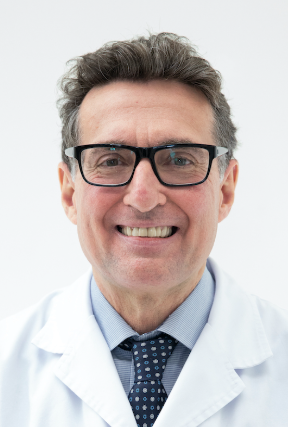 Xavier Montalban合作论文数Multiple Sclerosis Center of Catalonia, Vall d’Hebron University Hospital;Universitat Autònoma de Barcelona7Ralf Koelbach合作论文数6
 Sabine Schipplick (比内•席普利克)合作论文数6Michael Sjostrom合作论文数Department of Biosciences and Nutrition, Karolinska Institutet6
 Maria Hagströmer合作论文数Department of Biosciences and Nutrition, Karolinska Institutet Unit for Preventive Nutrition6
 Kjetil Bjornevik合作论文数Department of Epidemiology, Harvard T.H. Chan School of Public Health, Harvard University;Department of Nutrition, Harvard T.H. Chan School of Public Health, Harvard University5
 Frederick W Foley合作论文数5M. Tintore合作论文数4C. Pohl合作论文数4P. Scherer合作论文数4Andrea Schulze合作论文数4
 Kyeong Kyu Kim合作论文数4K. Kunze合作论文数4Gustav Pfeiffer合作论文数Dept. of Neurology, University Hospital Eppendorf4
 Jens Kuhle合作论文数Neuroimmunology Unit, University Hospital Basel;Multiple Sclerosis Centre, University Hospital Basel;Departement Klinische Forschung, Universität Basel4E. J. Fox合作论文数3G. Suarez合作论文数3T. Asawavichienjinda合作论文数3T. Tantirittisak合作论文数3E. Fox合作论文数3U. K. Zettl合作论文数3
 Elena Hernandez Martinez de Lapiscina合作论文数Ctr Neuroimmunol, Univ Barcelona3Francesco Patti合作论文数3Samart Nidhinandana合作论文数3
 Siwaporn Chankrachang合作论文数3Martin Daumer合作论文数LMU Munich3
 Ralph H. Benedict合作论文数Division of Neuropsychology, Department of Neurology, Jacobs School of Medicine & Biomedical Sciences, University at Buffalo3




