The U.S. Midwest exemplifies anthropogenically driven losses of soil organic carbon (SOC) following conversion of the North American prairie to agricultural over the past two centuries. The current near-equilibrium SOC of the agriculturally dominated Midwest is a new phase for this landscape—and stands to inform future trajectories of SOC. Understanding historical SOC change in the U.S. Midwest is particularly important because it is a global hotspot of both crop production and SOC deficits, and thus where unrealized SOC increase potential affords co-benefits to future agroecosystem productivity. Here we overview shifts in SOC equilibrium at the landscape level in the U.S. Midwest in three major phases: (1) post-glacial SOC accumulation, (2) rapid SOC loss to a lower equilibrium following agricultural land use, and (3) future potential trajectories assuming continued agricultural land use. For each phase, we evaluate changes in SOC as a dynamic equilibrium resulting from a balance of inputs and outputs, and synthesize climatic, ecological, and agricultural drivers of changes in carbon input and output to illustrate the magnitude and timescales of SOC change from past to present. Agricultural practices that may partially restore SOC to varying extents are discussed. While few are likely to fully recoup SOC stocks to the level of prairies, socioeconomics will likely pose greater challenges to rebuilding SOC—and to what extent is ideal is itself subjective. We conclude by proposing four major areas for future research relevant to SOC and carbon cycling in the U.S. Midwest: the amount and fate of relic prairie-derived SOC, the role of subsurface SOC, potentially large but irreversible loss of SIC, and water management impacts on SOC.
Grazing lands cover approximately one-third of the contiguous United States, support much of the nation's beef production, and are an important component of the U.S. terrestrial carbon budget. In this study, we quantified net ecosystem carbon balance (NECB), the net status of grazing lands as a carbon sink (C-sink) or source (C-source) and a key determinant of soil health and productivity. Our primary objective was to synthesize multiple years of annual NECB across heterogeneous grazing lands across the continental U.S and evaluate annual NECB against physical drivers (mean annual precipitation (MAP), mean annual temperature (MAT), vegetation, and moisture condition) and management practices (grazing pressure index (GPI) and fertilization history). We hypothesized that (1) NECB is higher in mesic and fertilized grasslands; (2) NECB increases with MAP and MAT but decreases with GPI; and (3) interactive effects exist among MAP, MAT, and GPI. Using carbon fluxes measured by eddy covariance towers and methane emissions including both enteric methane and manure derived from stocking rates across seven USDA Long-term Agroecosystem Research Network sites, we found: (1) grazing lands were a C-sink or carbon neutral at most sites; (2) vegetation type, moisture conditions, or fertilization had no significant effect on NECB; (3) NECB increased with MAP and MAT, but decreased with a higher GPI; and (4) MAT had a significant positive effect on NECB when MAP exceeded 750 mm (greater water availability). The effect of GPI on NECB was significantly negative when MAP was below 1000 mm, significantly negative when MAT < 12 °C and significantly positive when MAT > 16 °C. Thus, most grazing lands in our study acted as C-sinks unless water deficit, low temperature, or heavy grazing were interactively present. Understanding how climate and management influence NECB of grazing lands is key to maintaining resilient agroecosystems that secure beef production and sustain rural prosperity.
Agrivoltaics, combining agriculture with photovoltaic systems, offers a promising solution to address land-use conflict between food and energy production. However, the complexities of agrivoltaics and its effects on the water-energy-carbon interactions remain poorly understood. In this study, we developed a process-based agrivoltaic model within the Community Land model 5 to assess the impacts of agrivoltaics on water, energy, and carbon cycles. The model was validated using data from agrivoltaic sites in Illinois and Colorado, generally capturing spatiotemporal variations in light conditions, soil moisture, and biomass carbon. Simulation results suggest that agrivoltaics significantly impact water, energy, and carbon budgets at the patch and system levels for maize and soybean in Illinois and grass in Colorado (2000-2014). Our findings show that the impacts of agrivoltaics vary by climate conditions and plant types. In dry climates, rainfall redistribution and shading from agrivoltaics conserve soil moisture and enhance evapotranspiration, promoting greater carbon assimilation and soil carbon storage for C3 grass. Conversely, in wetter regions, reduced solar radiation from shading becomes the dominant factor, lowering carbon assimilation and sequestration for maize and soybean. These results suggest that agrivoltaics can help mitigate drought impacts in arid environments. Our analysis of land equivalent ratios across different photovoltaic ground coverage ratios (PV GCR) shows that a medium PV GCR (60%) under "AgPV" deployment, where PV and plants share the same land, maximizes land-use efficiency at the study sites. Our modeling study supports informed decision-making to promote sustainable management of water, energy, and food resources amid environmental change.
Increasing global demands for food and energy necessitate innovative land-use solutions. Agrivoltaics, colocating solar photovoltaics with agriculture, shows promise, but its widespread adoption faces complex biophysical and economic trade-offs in a changing climate. Here, we develop an integrated biophysical-economic modeling framework to quantify how agrivoltaics affect biophysical and economic impacts across the Midwestern United States under both current and project climate conditions. We find strong regional divergences driven by climate gradients. In the humid eastern Midwest, solar panel shading limits photosynthesis, leading to reduced yields (maize-24%; soybean-16%) and lower farmers' profitability (maize-16%; soybean-2%) compared to conventional agriculture. Conversely, in the semiarid western region, shading alleviates heat and water stress, moderating yield reductions for maize (-12%) and even boosting soybean yields (+6%), resulting in improved economic returns (-6% for maize; +9% for soybean), for a scenario with 33% photovoltaic ground coverage ratio. Although agrivoltaics generate substantial electrical energy across all regions, high upfront installation costs challenge solar developers compared to standalone solar photovoltaics. However, our analysis identifies "win-win" opportunities where soybean-based agrivoltaics in the semiarid region produce economic benefits for both farmers and solar developers, highlighting the necessity for region-specific designs tailored to local climate conditions. Critically, future climate projections indicate eastward expansion of semiarid conditions, broadening areas where agrivoltaics can mitigate crop yield penalties (even boosting yield) and improve overall profitability, especially under high-emission scenarios. The results provide a mechanistic and economically integrated understanding essential for developing evidence-based and region-specific strategies to scale agrivoltaics in a changing climate.
Maize (Zea mays L.) is the dominant bioenergy feedstock in the US Midwest but its cultivation since the early 1800s has incurred substantial losses in soil organic carbon (SOC). We quantified differences in SOC stocks under perennial bioenergy crops of Panicum virgatum L. (switchgrass) and Miscanthus x giganteus Greef et Deuter (miscanthus) planted on former maize and soybean fields relative to maize-based annual cropping and native prairie. Comparisons were made at seven locations across Illinois, USA, spanning a range of climate and soil types. Across sites, SOC stocks to 1-m depth on an equivalent soil mass basis were 146 Mg C ha-1 under prairie, 107 Mg C ha-1 under miscanthus, 97.9 Mg C ha-1 under switchgrass, and 87.7 Mg C ha-1 under maize. Higher SOC demonstrates the potential of perennial bioenergy crops to rebuild the SOC deficit accrued under nearly two centuries of maize-based annual cropping. SOC stock increased in the first 5 years under mature bioenergy crops at four out of seven sites. Carbon isotope (delta 13C) analyses of surface depths confirmed short-term increases in SOC to be derived from miscanthus and switchgrass. Stocks of SOC could be increased over time under miscanthus or switchgrass cultivation even with annual harvesting, though our measured rates of SOC accumulation were lower than previous estimates for Illinois and varied by site.
ABSTRACT The expansion of sugarcane (cane), a high‐yielding perennial crop, will likely reshape the bioenergy landscape in the Southeastern US. However, its ecohydrological implications, particularly following conversion from grazed pastures, a dominant land use in the region, remain highly uncertain. We investigated the impact of cane expansion on evapotranspiration (ET) and its partitioning, and the mechanisms influencing both ET components and water use efficiency (WUE) across multiple scales and growth cycles in subtropical Florida. We combined eddy covariance, biometric measurements, and process‐based stomatal conductance (gs) models. ET was 1.7% lower in cane than in improved pasture (IMP) but exceeded that in semi‐native pasture (SN) by 21%. Transpiration (T) followed a similar pattern, consistent with lower gs in cane relative to IMP. Cane had more conservative water use and greater sensitivity of gs to vapor pressure deficit (VPD) compared to IMP pasture, suggesting cane may be more tolerant of increasing atmospheric water demand. In contrast, SN showed lower gs and weaker stomatal sensitivity to VPD compared to cane, resulting in lower T. In cane, stomatal regulation and T varied across growth cycles, with stomata becoming less water conservative as stands matured, highlighting the importance of incorporating stand age‐dependent stomatal regulation into hydrological models. Evaporation (E) was higher in cane than pastures (19%–26%), partially offsetting WUE gains. Cane exhibited higher intrinsic WUE (GPP/gs; Gross Primary Productivity), ecosystem WUE (GPP/ET), and harvest WUE (harvest/ET) than both pasture types. Large‐scale pasture‐to‐cane conversion could produce widely contrasting hydrological outcomes. The net regional impact will depend on the proportion of each pasture type converted and on cane's high gs sensitivity to VPD, which triggers tight stomatal regulation and conservative water use, both of which will become increasingly consequential under intensifying atmospheric water demand.
Tallgrass prairie conversion to maize-based agriculture in central North America has resulted in substantial loss of soil organic carbon (SOC) in less than two centuries. However, evaluations of how management practices may mitigate SOC losses are generally limited in soil depth and/or duration, missing long-term SOC stock outcomes that manifest over timescales of decades or longer. To address this, we sampled soils in year 145 of the Morrow Plots experiment to (i) evaluate effects of crop rotation and fertility management on SOC stocks and (ii) distinguish prairie- versus maize-derived SOC after continuous maize cropping since 1876 using stable carbon isotope (C-13) natural abundance. Soil organic carbon stock by equivalent soil mass (ESM) was + 30.7 Mg C ha(-1) (+31.7 %) higher under maize-oat-alfalfa than continuous maize, but similar between maize-soybean and continuous maize. NPK fertilization and manuring did not influence SOC stocks by ESM. Response of SOC stocks at 15 cm depth intervals to NPK fertilization varied by depth and crop rotation, with lower SOC stocks at 30-45 cm under continuous maize and maize-soybean. Maize-derived C ranged 19.5-59.6 % of SOC stock across depths, indicating the majority of SOC was still derived from tallgrass prairie even after 145 years of continuous maize cropping. Our results confirm the potential of diversified crop rotation for minimizing SOC losses relative to tallgrass prairie at the supracentennial scale, and highlight the importance of relic prairie soil organic matter for future crop production in central North America.
Nitrogen (N) fertilizer supports global food production, but its use and overuse drive emissions of nitrous oxide (N _2 O), a potent and long-lived greenhouse gas. Understanding the drivers of N _2 O fluxes remains elusive, making it difficult to predict emissions in time and space and to develop and evaluate ways to lower emissions through management. Major scientific uncertainties underlying the understanding of the drivers of N _2 O fluxes identified in a workshop of N _2 O emissions experts include poor process-based understanding of controls on soil N _2 O emissions in the field; insufficient data to reduce uncertainty in N _2 O budgets from the field to regional scales, including N _2 O emission measurements and importantly, field-scale N balances; and high uncertainty in model predictions of soil N _2 O emissions across environmental and management conditions. To reduce these uncertainties, we present the concept of N _2 Onet, a global collaborative initiative to accelerate advances in N _2 O measurement, analyses, and mitigation. N _2 Onet will serve as an observational network of supersites with multi-scale measurements; a database hub for N _2 O flux and ancillary data; and a catalyst for community building, information sharing, and training. By coalescing and coordinating the global community of researchers, N _2 Onet will provide a roadmap for reducing N _2 O emissions from agriculture worldwide.
Quantifying the carbon (C) uptake of Miscanthus x giganteus (M x g) in both aboveground and belowground structures (e.g., net primary productivity (NPP)) and differences among methodological approaches is crucial. Our objectives were to directly measure Mxg NPP and evaluate the effects of nitrogen application, location, and belowground biomass sampling methods. We hypothesize that increased nitrogen application increases the overall NPP of M x g and that quantifying rhizome biomass using excavations will produce the lowest variability between replicates. We collected biomass from mature M x g stands from three locations in Iowa with three nitrogen application rates and one site in Illinois. We destructively sampled at two time points, when rhizome mass is anticipated to be at a minimum (initial) and anticipated to be at its maximum (peak). Biomass was collected from 1 x 1 m quadrats in which one in-clump and one beside-clump cores were collected and then excavated to 30 cm depth to extract all rhizomes. We found that aboveground M x g NPP ranged from 15.4 Mg Da ha-1 year-1 to 36.4 Mg Da ha-1 year-1 and belowground M x g NPP ranged from 4.4 Mg Da ha-1 year-1 to 19.6 Mg Da ha-1 year-1. M x g NPP varied across sites, fertilization, and calculation assumptions. Aboveground NPP (yield) was on average 68.7% of the total NPP. Root-to-shoot ratios at peak biomass decreased with nitrogen application rate, from an average of 1.9 for 0 N plots to 0.89 for 224 N fertilized plots. There was more variation in core data than from excavations; however, when in-clump and beside-clump cores were averaged together, core and excavation averages were not different. Overall, these results show that the range of mature M x g NPP is driven by aboveground productivity, influenced by nitrogen application and site. Our results provide useful data to constrain agro-ecosystem models and provide crucial insights for future perennial belowground sampling.
The expansion of sugarcane onto land currently occupied by improved (IMP) and semi-native (SN) pastures will reshape the U.S. bioenergy landscape. We combined biometric, ground-based and eddy covariance methods to investigate the impact of sugarcane expansion across subtropical Florida on the carbon (C) budget over a 3-year rotation. With 2.3- and 5.1-fold increase in productivity over IMP and SN pastures, sugarcane displayed a C use efficiency (CUE; i.e., fraction of gross C uptake allocated to plant growth) of 0.59, well above that of pastures (0.31-0.23). Sugarcane also had greater C allocation to aboveground productivity and hence, harvestable biomass relative to IMP and SN. Cane heterotrophic respiration over the 3-year rotation (903 +/- 335 gC m-2 year-1) was 1% and 14% higher than IMP and SN pastures, respectively. These soil C losses responded largely to disturbance over the first year after conversion (1510 +/- 227 gC m-2 year-1) but declined in subsequent years to an average 599 +/- 90 gC m-2 year-1-well below those of IMP (933 +/- 140 gC m-2 year-1) and SN (759 +/- 114 gC m-2 year-1) pastures-despite a significant 40%-61% increase in soil C inputs. Soil C inputs, however, shifted from root-dominated in pastures to litter-dominated in sugarcane, with only 5% C allocation to roots. Reduced decomposition rates in sugarcane were likely driven by changes in the recalcitrance and distribution rather than the size of the newly incorporated soil C pool. As a result, we observed a rapid shift in the net ecosystem C balance (NECB) of sugarcane from a large source immediately following conversion to approaching the net C losses of IMP pastures only 2 years after conversion. The environmental cost of converting pasture to sugarcane underscores the importance of implementing management practices to harness the soil C storage potential of sugarcane in advancing a sustainable bioeconomy in Southeastern United States.
Effectively quantifying hot moments of nitrous oxide (N2O) emissions from agricultural soils is critical for managing this potent greenhouse gas. However, we are challenged by a lack of standard approaches for identifying hot moments, including (a) determining thresholds above which emissions are considered hot moments, and (b) considering seasonal variation in the magnitude and frequency distribution of net N2O fluxes. We used one year of hourly N2O flux measurements from 16 autochambers that varied in flux magnitude and frequency distribution in a conventionally tilled maize field in central Illinois, USA, to compare three approaches to identify hot moment thresholds: standard deviations (SD) above the mean, 1.5x the interquartile range (IQR), and isolation forest (IF) identification of anomalous values. We also compared these approaches on seasonally subdivided data (early, late, and non-growing seasons) versus the whole year. Our analyses revealed that 1.5x IQR method best identified N2O hot moments. In contrast, using 2 or 4 SD both yielded hot moment threshold values too high, and IF yielded threshold values too low, leading to missed N2O hot moments or low net N2O fluxes mischaracterized as hot moments, respectively. Furthermore, seasonally subdividing the data set not only facilitated identification of smaller hot moments in the late- and non-growing seasons when N2O hot moments were generally smaller but it also increased hot moment threshold values in the early growing season when N2O hot moments were larger. Consequently, of the methods evaluated here, we recommend using the 1.5x IQR method on whole year data sets to identify N2O hot moments.
As global atmospheric CO2 rapidly approaches a key tipping point, there is an urgent need to implement strategies to reverse this pattern. A generally accepted understanding of carbon (C) in agricultural fields includes: (H1) substantial C loss occurs when natural vegetation is converted to crops, (H2) soils typically reach a steady-state C concentration under contemporary practices, and (H3) improved management or crop selection can enhance soil C stocks over time. Significant variability exists, but studies consistently show large C losses from agricultural ecosystems, supporting H1. Although steady-state C levels (H2) are commonly assumed, measuring C gains or losses in mature agroecosystems is challenging. Efforts to increase soil C storage (H3) have limited data due to the diversity of potential practices, compounded by substantial variability in soil C measurements. Here, long-term (7-17 year) ecosystem C flux data from diverse cropping systems revealed that conventionally tilled annual row crops (maize and soybean) act as significant long-term atmospheric C sources, challenging H2. Furthermore, conservation tillage practices reduced C losses compared with conventional tillage but showed minimal evidence for long-term ecosystem C storage, even after 20+ years. This indicates that no-till practices reduce C losses but imply that no soil C is added, challenging H3. By contrast, perennial Miscanthus × giganteus, Panicum virgatum, and restored tallgrass prairie systems store C at the ecosystem scale more effectively than minimally tilled annual row crops. Analysis over multiple years demonstrates significant ecosystem C storage with perennial crops, varying by species, starting in the first year of transition. These findings, although focused on one region, suggest that the assumptions of steady-state C levels and increased storage from conservation practices do not universally apply and that significant changes to agroecosystems are required to increase C storage.
Soybean-corn (S-C) is the most common cropping sequence in the U.S. Midwest, known for improving corn yield compared with continuous corn (C-C). However, the underlying mechanisms and impacts on crop productivity, environmental sustainability, and economic returns are not fully understood. Using the agroecosystem model, ecosys, we simulated S-C and C-C systems under different nitrogen (N) fertilizer application rates, demonstrating good performance in capturing N rate-corn yield responses and CO2 fluxes across 10 Illinois sites. Our analysis revealed: (1) under normal N rates (151 kg N/ha), soybean residues contributed an average of 36% less carbon but 47% more N than corn, resulting in higher early spring soil temperatures and net mineralization in the subsequent corn year, boosting corn yields for S-C relative to C-C. This yield benefit was reduced with higher N rates. (2) S-C reduced soil organic carbon (SOC) relative to C-C due to faster decomposition of soybean residue under normal N rates, but mitigated nitrous oxide (N2O) and ammonia (NH3) emissions. Effects on N leaching varied, with reductions during soybean years and increases in the following corn years. N rates shifted the relative differences of SOC and N losses between S-C and C-C. (3) Economically, S-C provided $1133/ha higher returns than C-C at low N rates (50 kg N/ha) under typical market conditions (soybean: $410/Mg, corn: $178/ Mg, and N fertilizer: $193/Mg). However, this advantage diminished at higher N rates due to increased costs and smaller corn yield gains, especially under extreme market scenarios with high corn prices and lower soybean-tocorn and fertilizer-to-corn price ratios. These findings highlight trade-offs among crop yield, nutrient losses and soil carbon change by adopting S-C in the U.S. central Midwestern cropping systems.
Energy crops will be critical for scaling up production of Sustainable Aviation Fuel in the United States and reducing greenhouse gas emissions. Here we examine the economic incentives for the extent and type of land conversion needed to scale up fuel production from a mix of cellulosic feedstocks and quantify its greenhouse gas intensity. We show that even with the availability of marginal non-cropland, there will be incentives for converting cropland to produce energy crops as the price of sustainable aviation fuel increases. But contrary to expectations, we find that scaling up fuel production by converting more cropland and more non-cropland from existing uses to energy crops lowers its net greenhouse gas intensity, due to high soil carbon sequestration rate of energy crops, even after considering land use change emissions.The potential savings in emissions are larger than the foregone soil carbon accumulation benefits from keeping that land in current uses.
Changes in winter precipitation accompanying emerging climate trends lead to a major carbon-climate feedback from Arctic tundra. However, the mechanisms driving the direction, magnitude, and form (CO2 and CH4) of C fluxes and derived climate forcing (i.e. GWP, global warming potential) from Arctic tundra under future precipitation scenarios remain unresolved. Here, we investigated the impacts of 18 years of shallow (SS, -15-30 %) and deeper (IS, +20-45 %; DS, +70-100 %) snow depth on ecosystem C fluxes and GWP in moist acidic tundra over the growing season. The response of Arctic tundra C fluxes to snow accumulation was markedly non-linear. Both shallow- and deeper- winter snow decreased Arctic tundra CO2 emissions relative to ambient (AS), ultimately reducing ecosystem C losses over the growing season. Gross primary productivity (GPP) increased with moderate increases in snow depth and decreased with further snow accumulation closely following transitions in shrub abundance. Photosynthetic uptake, however, was tightly regulated by canopy structure and plant respiration (Raut) to GPP ratio was highly conserved despite substantial transformations of plant community across snow treatments revealing a prominent role of heterotrophic respiration (Rhet) in driving net ecosystem exchange. Consistently, ecosystem C gains responded to constraints on Rhet by temperature limitation within colder soils at SS, and by snow- and thaw-induced increases in soil-water content (SWC) that promoted anaerobic decomposition and dampened the temperature sensitivity of Rhet at IS and DS. Greater CH4 emissions from wetter soils, however, increased the global warming potential (GWP) of Arctic tundra emissions at IS and DS despite decreases in C losses. Overall, our findings indicate the potential of Arctic tussock tundra to reduce C losses over the growing season but also to significantly contribute to the ecosystem GWP under emerging trends in winter precipitation.
Mitigating agricultural soil greenhouse gas (GHG) emissions can contribute to meeting the global climate goals. High spatial and temporal resolution, large-scale, and multi-year data are necessary to characterize and predict spatial patterns of soil GHG fluxes to establish well-informed mitigation strategies, but not many of such datasets are currently available. To address this gap in data we collected two years of in-season soil carbon dioxide (CO2) and nitrous oxide (N2O) fluxes at high spatial resolution (7.4 sampling points ha(-1)) from three commercial sites in central Illinois, one conventionally managed continuous corn (2.8 ha in 2021; 5.4 ha in 2022) and two (one site 5.4 ha in 2021 and 2.0 ha in 2022, another site 2.7 ha both years) under conservation practices in corn- soybean rotations. At the field-scale, the spatial variability of CO2 was comparable across sites, years, and management practices, but N2O was on average 77 % more spatially variable in the conventionally managed site. Analysis of N2O hotspots revealed that although they represent a similar proportion of the sampling areas across sites (conventional: 12 %; conservation: 13 %), hotspot contribution to field-wide emission was greater in the conventional site than in the conservation sites (conventional: 51 %; conservation: 34 %). Also, the spatial patterns, especially hotspot locations, of both gases were inter-annually inconsistent, with hotspots rarely occurring in the same location. Overall, our result indicated that traditional field-scale monitoring with gas chambers may not be the optimal approach to detect GHG hotspots in row crop systems, due to the unpredictable spatial heterogeneity of management practices. Meanwhile, sensitivity analysis demonstrated that reliable (< 25 % error) field-scale soil GHG flux estimates are attainable when sampled above certain spatial resolutions (1.6 points ha(-1) for CO2 and 5.6 points ha(-1) for N2O in our dataset). Especially for N2O, lower spatial resolutions were prone to underestimating its field-wide flux.
Humid, subtropical grazing lands utilized for cattle production are significant agroecosystems that are important for economic production, global food security, and biodiversity. Prescribed fire, an important management tool, is used for controlling woody plant encroachment, maintaining wildlife habitat, and stimulating forage regrowth. Fire also interacts with grazing to maintain grassland structure and heterogeneity. Understanding this fire-grazing interaction is important to producers because spatio-temporal cattle behavior has been linked to both livestock production and environmental impact through patterns of pasture utilization. The goal of the study was to understand how two fire regimes affected spatial and temporal grazing behavior, including grazing intensity, grazing evenness, and circadian and seasonal grazing patterns. A randomized block design experiment was established in 2017 with 16 pastures (16 ha each), at Archbold Biological Station's Buck Island Ranch in FL, USA. We examined two prescribed fire management techniques, one represented the prevailing practice of the region with prescribed fire applied to entire pastures (full burn = FB), and the other 'alternative' regime applied patch-burn (PB), in which one-third of a pasture was burned each year. Here we present results from the first year of the study, after the first patch-burns and the full burns were implemented. Global Positioning System data loggers on cows recorded 5-min location fixes to track cows and cattle grazing behavior was inferred based on distances between GPS locations. Cattle behavior was significantly different in PB vs. FB pastures. Over a year with five grazing periods, cattle spent on average 38% more time grazing in burned vs unburned patches within PB pastures. PB burned patches were also grazed with a more even spatial distribution compared to unburned patches. In contrast, in FB pastures, cattle grazing intensity and evenness were similar across the entire pasture. Time of day, temperature, season, and fire treatment all had small effects on the circadian cattle grazing patterns. Our study suggests that PB can be a management tool to manipulate cattle behavior in humid subtropical grazinglands, with potential implications for pasture utilization and beef production, carbon and nutrient cycling, and wildlife habitat.
Globally, soils hold approximately half of ecosystem carbon and can serve as a source or sink depending on climate, vegetation, management, and disturbance regimes. Understanding how soil carbon dynamics are influenced by these factors is essential to evaluate proposed natural climate solutions and policy regarding net ecosystem carbon balance. Soil microbes play a key role in both carbon fluxes and stabilization. However, biogeochemical models often do not specifically address microbial-explicit processes. Here, we incorporated microbial-explicit processes into the DayCent biogeochemical model to better represent large perennial grasses and mechanisms of soil carbon formation and stabilization. We also take advantage of recent model improvements to better represent perennial grass structural complexity and life-history traits. Specifically, this study focuses on: 1) a plant sub-model that represents perennial phenology and more refined plant chemistry with downstream implications for soil organic matter (SOM) cycling though litter inputs, 2) live and dead soil microbe pools that influence routing of carbon to physically protected and unprotected pools, 3) Michaelis-Menten kinetics rather than first -order kinetics in the soil decomposition calculations, and 4) feedbacks between decomposition and live microbial pools. We evaluated the performance of the plant sub-model and two SOM cycling sub-models, Michaelis-Menten (MM) and first -order (FO), using observations of net ecosystem production, ecosystem respiration, soil respiration, microbial biomass, and soil carbon from long-term bioenergy research plots in the mid-western United States. The MM sub-model represented seasonal dynamics of soil carbon fluxes better than the FO sub-model which consistently overestimated winter soil respiration. While both SOM submodels were similarly calibrated to total, physically protected, and physically unprotected soil carbon measurements, the models differed in future soil carbon response to disturbance and climate, most notably in the protected pools. Adding microbial-explicit mechanisms of soil processes to ecosystem models will improve model predictions of ecosystem carbon balances but more data and research are necessary to validate disturbance and climate change responses and soil pool allocation.
Enhanced rock weathering (EW) is an emerging atmospheric carbon dioxide removal (CDR) strategy being scaled up by the commercial sector. Here, we combine multiomics analyses of belowground microbiomes, laboratory-based dissolution studies, and incubation investigations of soils from field EW trials to build the case for manipulating iron chelators in soil to increase EW efficiency and lower costs. Microbial siderophores are high-affinity, highly selective iron (Fe) chelators that enhance the uptake of Fe from soil minerals into cells. Applying RNA-seq metatranscriptomics and shotgun metagenomics to soils and basalt grains from EW field trials revealed that microbial communities on basalt grains significantly upregulate siderophore biosynthesis gene expression relative to microbiomes of the surrounding soil. Separate in vitro laboratory incubation studies showed that micromolar solutions of siderophores and high-affinity synthetic chelator (ethylenediamine-N,N '-bis-2-hydroxyphenylacetic acid, EDDHA) accelerate EW to increase CDR rates. Building on these findings, we develop a potential biotechnology pathway for accelerating EW using the synthetic Fe-chelator EDDHA that is commonly used in agronomy to alleviate the Fe deficiency in high pH soils. Incubation of EW field trial soils with potassium-EDDHA solutions increased potential CDR rates by up to 2.5-fold by promoting the abiotic dissolution of basalt and upregulating microbial siderophore production to further accelerate weathering reactions. Moreover, EDDHA may alleviate potential Fe limitation of crops due to rising soil pH with EW over time. Initial cost-benefit analysis suggests potassium-EDDHA could lower EW-CDR costs by up to U.S. $77 t CO2 ha(-1 )to improve EW's competitiveness relative to other CDR strategies.
ABSTRACTThe expansion of sugarcane, a tropical high‐yielding feedstock, will likely reshape the Southeastern United States (SE US) bioenergy landscape. However, the sustainability of sugarcane, particularly as it displaces grazed pastures, is highly uncertain. Here, we investigated how pasture conversion to sugarcane in subtropical Florida impacts net ecosystem CO2 exchange (NEE) and net ecosystem carbon (C) balance (NECB). Measurements were made over three full growth cycles (> 3 years) in sugarcane—plant cane, PC; first ratoon cane, FRC; second ratoon cane, SRC—and in improved (IM) and semi‐native (SN) pastures, which make up ca. 37% of agricultural land in the region. Immediately following conversion, PC was a stronger net source of CO2 than pastures, indicating the importance of CO2 losses related to land disturbance. Sugarcane, however, shifted to a strong net sink of CO2 after first regrowth, and overall sugarcane was a stronger net CO2 sink than pastures. Both stand age and low water availability during cane emergence and tillering substantially decreased its potential gross CO2 uptake. Accounting for all C gains and removals (i.e., NECB), greater frequency of burn events and repeated harvest increased removals and overall made sugarcane a stronger C source relative to pastures despite substantial C inputs from the previous land use and a stronger CO2 sink strength. Time since conversion substantially reduced C losses from sugarcane, and the NECB of SRC was similar to that of IM pasture but lower than that of SN pasture, indicating a rapid shift in the NECB of cane. We conclude that the C‐balance implications following conversion will depend on the proportion of IM versus SN pastures converted to sugarcane. Furthermore, our findings suggest that no‐burn harvest management strategies will be critical to the development of a sustainable bioenergy landscape in SE US.
 Carl Bernacchi合作论文数Department of Crop Sciences, College of Agricultural, Consumer and Environmental Sciences, University of Illinois Urbana-Champaign65
 Nuria Gomez-Casanovas合作论文数Energy Biosciences Institute, University of Illinois at Urbana-Champaign43
 Hudiburg Tara W合作论文数Dept Forest Rangeland & Fire Sci, Univ Idaho36
 Michael Paul Masters合作论文数36
 May R Berenbaum合作论文数Department of Entomology, School of Integrative Biology, College of Liberal Arts and Sciences, University of Illinois Urbana-Champaign34Elena Blanc‐Betes合作论文数Institute for Sustainability, Energy, and Environment Univ. of Illinois at Urbana‐Champaign30
 Madhu Khanna合作论文数Department of Agricultural and Consumer Economics, College of Agricultural, Consumer & Environmental Sciences, University of Illinois at Urbana-Champaign27
 Kristina Anderson-Teixeira合作论文数Smithsonian Tropical Research Institute27
 William H. Schlesinger合作论文数Cary Institute of Ecosystem Studies25
 Kaiyu Guan合作论文数Department of Natural Resources & Environmental Sciences, College of Agricultural, Consumer and Environmental Sciences, University of Illinois at Urbana-Champaign;Aspiring Universe Corporation;NASA Acres Consortium25Jason G. Hamilton合作论文数Department of Biology, Ithaca College24Arthur R. Zangerl合作论文数24
 Wendy H. Yang合作论文数Department of Plant Biology, School of Integrative Biology, College of Liberal Arts and Sciences, University of Illinois at Urbana-Champaign23
 Stephen Long合作论文数Department of Bioengineering, The Grainger College of Engineering, University of Illinois Urbana-Champaign23I. B. Kantola合作论文数20
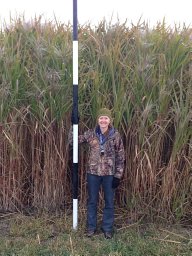 Kantola Ilsa B合作论文数19
 Bin Peng合作论文数State Key Lab. of Remote Sensing Sci., Inst. of Remote Sensing & Digital Earth;c;State Key Lab. of Remote Sensing Sci., Inst. of Remote Sensing & Digital Earth17
 Bill Parton合作论文数Natural Resource Ecology Laboratory, Colorado State University;Department of Forest Rangeland and Watershed Stewardship, Colorado State University17
 Sarah C. Davis合作论文数16
 David J. Beerling合作论文数School of Biosciences, University of Sheffield;Leverhulme Centre for Climate Change Mitigation, University of Sheffield15
 Jorge A. Zavala合作论文数Department of Plant Biology;Institute for Genomic Biology;University of Illinois;Institute for Genomic Biology, University of Illinois15
 Orla Dermody合作论文数Program in Ecology and Evolutionary Biology, University of Illinois14
 Donald Richard Ort合作论文数Department of Plant Biology, School of Integrative Biology, College of Liberal Arts & Sciences, University of Illinois at Urbana-Champaign;Department of Crop Sciences, College of Agricultural, Consumer and Environmental Sciences, University of Illinois at Urbana-Champaign14
 Elizabeth Boughton合作论文数Department of Biology and Graduate Program in Conservation Biology, University of Central Florida14
 Adrien Claude Finzi (Adrien Finz)合作论文数Department of Biology, Boston University14
 Paul D Nabity合作论文数Institute for Integrative Genome Biology, University of California Riverside13Mihai Aldea合作论文数12Adam C. von Haden合作论文数12
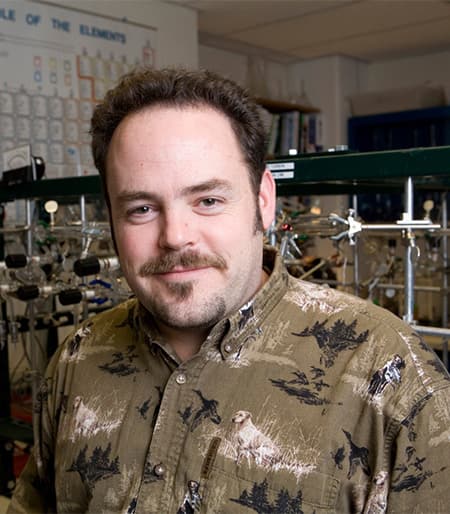 Jed P. Sparks合作论文数Department of Ecology and Evolutionary Biology, College of Arts and Sciences, Cornell University12
 Moore Caitlin合作论文数11Melannie D. Hartman合作论文数11
 Clare Casteel合作论文数Plant Pathology and Plant-Microbe Biology Section, School of Integrative Plant Science, College of Agriculture and Life Sciences, Cornell University10
 DoKyoung Lee合作论文数Department of Crop Sciences, Education and Communications, College of Agricultural, Consumer and Environmental Sciences, University of Illinois at Urbana-Champaign10
 Bridget O'Neill合作论文数9
 Ragan Callaway合作论文数Division of Biological and Biomedical Sciences, University of Montana;Center for Integrated Research on the Environment, University of Montana9
 Marcelo Zeri合作论文数Energy Biosciences Institute, University of Illinois at Urbana-Champaign9
 Jinyun Tang合作论文数Lawrence Berkeley Natl Lab, Univ Calif Berkeley8SA Heckathorn合作论文数7
 Wang Zhou (周望)合作论文数School of Agriculture and Biotechnology, Sun Yat-sen University7
 Kevin J. Wolz合作论文数7
 Mark B. Burnham合作论文数Center for Advanced Bioenergy and Bioproducts Innovation, University of Illinois at Urbana-Champaign7
 Hafiz Maherali合作论文数Department of Integrative Biology, College of Biological Science, University of Guelph7
 William K. Smith合作论文数Department of Biology, Wake Forest University;Center for Energy, Environment and Sustainability, Wake Forest University;University of Wyoming7
 Zhenong Jin (金哲侬)合作论文数College of Urban and Environmental Sciences, Peking University7
 Richard Baker Thomas合作论文数Department Of Biology West Virginia University7
 Hilary M. Swain合作论文数7Christopher K. Black合作论文数6Nicholas J. DeLucia合作论文数Global Change and Photosynthesis Research Unit, Agricultural Research Service USDA Urbana6
 Danielle Berardi合作论文数Department of Forest, Rangeland and Fire Sciences, University of Idaho6




