Background Advances in antiretroviral therapy (ART) have extended the life expectancy of people living with HIV (PWH) in Peru, shifting the healthcare focus toward managing chronic non-communicable comorbidities (NCDs). Yet data on NCD burden among aging PWH in Peru are sparse. Methods We conducted a scoping review of peer-reviewed studies from PubMed and LILACS, in English or Spanish, that assessed non-AIDS comorbidities in Peruvian adults with HIV. Results We identified 23 studies, all from Lima, mostly cross-sectional or retrospective, involving predominantly male ART patients. Commonly investigated comorbidities included neurocognitive impairment, mental health disorders (especially depression), cardiovascular disease, and metabolic syndrome; bone disease and non-AIDS malignancies were less studied. Conclusions Findings suggest frequent cognitive, metabolic, and cardiovascular issues among PWH. Yet critical gaps remain: little is known about frailty, disability, or long-term outcomes. Expanded screening, longitudinal studies, and integrated care models are needed to improve long-term health in aging PWH in Peru.
Rheumatologic and musculoskeletal diseases are among the most common disorders and causes of disability worldwide. Many of these require advanced therapeutics and subspecialty health care. In most of the countries, there is a shortage of trained specialists to treat patients with these diseases. The lack of subspecialty care, especially in low-resource countries, is largely attributable to a lack of or insufficient training opportunities for the rheumatology workforce. Addressing these issues will require expanding training programs, improving opportunities for fulfillment in rheumatology academic careers, and using technologies for training and as platforms to increase access to specialist care in remote areas.
PURPOSE:To determine the positive predictive values (PPVs) of ICD-9- and ICD-10-based diagnostic coding algorithms to identify periprosthetic joint infection (PJI) following total hip arthroplasty (THA) within the United States (US) Veterans Health Administration (VHA). METHODS:We selected patients with: (1) any position hospital discharge ICD-9 or ICD-10 diagnosis of PJI, (2) ICD-9, ICD-10, or current procedural terminology (CPT) procedure codes for THA any time prior to PJI diagnosis, (3) CPT code for hip X-ray within ±90 days of the PJI diagnosis, and (4) 1 or more CPT codes for arthrocentesis, arthrotomy, or revision arthroplasty all occurring within ±90 days of the PJI diagnosis date. We obtained separate samples of patients for ICD-9 and ICD-10-based PJI diagnoses. These samples were stratified by THA medical center volume. Infectious disease physicians adjudicated each identified PJI event. The PPV (95% confidence interval [CI]) for the ICD-9 and ICD-10 PJI algorithms were calculated. RESULTS:Among the 90 sampled hip PJI events for the ICD-9 era, 79 were confirmed PJIs (PPV 87.8%, 95% CI 79.2%-93.7%). For the 90 sampled hip PJI events for the ICD-10 era, 72 were confirmed PJIs (PPV 80.0%, 95% CI 70.3%-87.7%). CONCLUSION:These algorithms yielded a PPV of 87.8% (ICD-9) and 80.0% (ICD-10), for confirmed PJI events and could be considered for use in future pharmacoepidemiologic studies.
Rheumatic diseases pose a significant challenge in Uganda, where access to care is limited. Patient self-management is an effective strategy for improving health outcomes. In collaboration with The Arthritis Association of Uganda (TAAU), a patient-led organization, we developed and piloted a virtual patient education series to support self-management. We hypothesized that it would be feasible and acceptable, and that we could collect measures regarding readiness for self-management and disease-related knowledge. With input from TAAU, four sessions were developed: Introduction to Arthritis, Exercise Nutrition, Women’s Health Rheumatic Disease, and Understanding My Disease Rheumatology Medications. Adults receiving care at Mulago Hospital Rheumatology Clinic were invited to participate, and completed surveys assessing demographics, pre- and post-session self-management readiness via the Patient Activation Measure® (PAM®) and knowledge. Feasibility metrics were analyzed descriptively. Pre–post measures were evaluated using t-tests. On average, 21 participants attended each session (48 ± 14 years, 64
OBJECTIVE:To identify longitudinal predictors of neuropsychiatric damage in SLE and compare predictors of organic versus all neuropsychiatric outcomes. METHODS:We studied 657 patients from the multiethnic Lupus in Minorities: Nature vs Nurture cohort (5944 person-visit observations). Organic neuropsychiatric damage (seizures, cerebrovascular accident, neuropathy, transverse myelitis) and all neuropsychiatric damage (organic plus cognitive impairment/psychosis) were defined using the Systemic Lupus International Collaborating Clinic/American College of Rheumatology Damage Index. Random survival forests with time-varying covariates modelled 173 predictors. Feature importance was assessed by permutation methods and SHapley Additive exPlanations (SHAP). RESULTS:92 patients (14.0%) had organic and 197 (30.0%) had any neuropsychiatric damage; models were trained on incident events (48 and 90, respectively). Random survival forests achieved C-indices of 0.738 (organic) and 0.775 (all neuropsychiatric damage) outperforming Cox regression. For organic damage, glucocorticoid highest ever daily dose was the strongest predictor, followed by social support deficits and retirement status, exceeding disease activity measures. Tangible material support deficits specifically dominated the social support signal. SHAP dependence analysis suggested a model-derived inflection in risk contribution between approximately 40 and 60 mg/day, with current dose contributing approximately 2.8-fold more to model-predicted risk for all neuropsychiatric damage than for organic damage alone (mean |SHAP| 0.022 vs 0.008). For the secondary outcome, physician global assessment, fatigue and pain ranked highest, suggesting distinct predictor profiles for cognitive versus organic outcomes. Social determinants of health contributed independently of clinical severity. CONCLUSIONS:In this exploratory analysis, glucocorticoid exposure and tangible social support deficits emerged as leading, potentially modifiable predictors of neuropsychiatric damage in SLE, often outranking disease activity measures, with implications for glucocorticoid stewardship, tangible-support screening and outcome-specific management. External validation in an independent contemporary cohort is required prior to clinical translation.
Background: Connective tissue diseases (CTDs) are a group of autoimmune disorders in which immune thrombocytopenia (ITP) represents a common and important manifestation. Current CTD-ITP management mainly relies on glucocorticoids and immunosuppressive agents.Objectives: This systematic review and meta-analysis aims to evaluate the efficacy and safety of immunosuppressive agents in patients with CTD-ITP.Design: Systematic review and meta-analysis.Methods: This study was conducted using eight databases up to July 22, 2024. Observational studies and experimental trials with relevant efficacy and safety data were included. Methodological quality were evaluated using the Newcastle-Ottawa Scale and the ROBINS-I tool. The Mantel-Haenszel formula with a random effect model was employed to estimate the overall effect size. Subgroup analyses were performed based on the study characteristics, clinical features, and treatment regimen.Results: Through integrating 24 studies (1 single-arm clinical trial, 1 case-control, and 22 cohort studies) involving 775 CTD-ITP patients, the pooled estimates of the optimal overall and complete response rate for immunosuppressive therapy were 82% (95% CI: 75-88) and 64% (95% CI: 56-72), with stable results after sensitivity analysis. The combined side-effect incidence was 31% (95% CI: 24-39). The pooled relapse rate was 30% (95% CI: 18-43) among 403 immunosuppressive therapy responders.Conclusion: Immunosuppressive treatments exhibited favorable efficacy and safety in CTD-ITP patients. Future larger-scale multicenter studies are needed.
Abstract Background More than half of people living with HIV in the United States are 50 years of age or older. Understanding how best to assess and address conditions associated with aging in HIV primary care is important for this population. Methods We trained clinicians in an academic HIV clinic to assess and address the 4F’s (polypharmacy, Falls, and Fragility Fractures) in their patients aging with HIV (PAH). We share results of this screening as well as key knowledge, attitudes, and practices (KAP) from the pre-test assessment of our clinician champions. Results 126 patients 50+ years of age were enrolled. The mean age is 63±6 years. 49% were assigned female at birth and 1% are transwomen. 48% identify as Black, 48% White, and 14% Hispanic. 30% smoke tobacco, and 30% report ongoing marijuana use. Patients take 10±5 medications; 25% have hyperpolypharmacy ( >15 medications), and 66% are on potentially inappropriate medications (PIMs). At least a quarter of patients have peripheral neuropathy: 25% have decreased sensation on the plantar surface of either foot; 35% have decreased vibratory sense on the right great toe,37% on the left. 42% reported a fall/near-fall in the past year; 10% experienced a serious fall leading to a visit with a healthcare provider. Mean risk of a serious fall in the next year is moderate: 4.05%±4.13%. 34% reported a fracture as an adult. Mean FRAX scores indicate a low 10-year risk for fragility fracture (major osteoporotic fracture: 8.71%±6.95%; hip fracture 2.11%±3.58%). Eleven HIV clinicians are engaged with this project. Most (73%) regularly perform medication reconciliation. 55% report asking about falls only if the patient brings it up. 18% have never assessed their patients for fracture risk, and 36% have done so once. Conclusion Polypharmacy, peripheral neuropathy, PIMs, falls, and fractures are important intersectional risk factors for adverse outcomes in PAH and are inconsistently assessed by clinicians. Medication reconciliation is an important first step in identifying polypharmacy. Deprescribing, identifying patients with peripheral neuropathy, and discussing fall prevention are key foci for future interventions. Providing training resources for HIV clinicians to assess and prevent the 4F’s is crucial and feasible. Disclosures Richard Marottoli, MD, MPH, The Hartford: Advisory Panel on Older Driver Safety Michael D. Virata, MD, FACP, Janssen: Advisor/Consultant|Janssen: Honoraria|ViiV Pharmaceuticals: Advisor/Consultant|ViiV Pharmaceuticals: Honoraria
Non-communicable diseases (NCDs) are a significant cause of morbidity and mortality for the aging HIV population worldwide. In Peru, no data exists on how providers address NCDs for persons living with HIV (PLWH). This study examines HIV physician confidence and current management practices for NCDs for PLWH in Peru. We recruited public-sector HIV physicians via Peru's National HIV, STI and Hepatitis Program's (NHSTIHP) physician registry and by program coordinator referral. Participants completed a telephone survey encompassing seven NCDs [hyperlipidemia, hypertension, diabetes, osteoporosis, sarcopenia, non-AIDS defining cancers, neurocognitive impairment (NCI)] and three modifiable risk factors (obesity, tobacco, and alcohol use). Survey domains included: (1) provider and practice characteristics (2) NCDs encountered, (3) provider confidence in prevention, diagnosis, and treatment (based upon a four-point Likert scale), (4) screening frequency and management approaches (free response). We obtained contact information from 167 physicians working with the NHSTIHP, and 78 (47%) volunteered to participate (mean age 45.8 ± 9.3 years; 26% women; 78% infectious disease trained) across 23 of the 25 regions of Peru. The majority (>50%) of physicians reported at least one patient with: hyperlipidemia, hypertension, diabetes, NCI, cervical cancer, obesity, tobacco, and/or alcohol use. Physicians felt most confident independently managing metabolic disorders (hyperlipidemia, diabetes, hypertension, obesity), and least confident with NCI and sarcopenia. Most physicians (>50%) would manage the NCDs, although management approaches differed. NCD screening that was part of the NHSTIHP National HIV care guidelines was more consistently performed than screening beyond the scope of the existing guidelines. Peruvian HIV physicians encounter NCDs in their patient population and manage these conditions and risk factors despite variable confidence and/or knowledge of best practices. This study highlights opportunities for expanding physician education, addressing systems-level barriers to NCD care, and the need for locally relevant, epidemiologically-based, HIV-specific NCD care guidelines.
BACKGROUND: Osteoporosis has emerged as an important comorbidity for people living with HIV (PLWH) as life expectancy for this population has increased in the anti-retroviral therapy era. In countries lacking a robust primary care system such as China, chronic co-morbidities of HIV such as osteoporosis and fractures may be particularly under-recognized. Understanding barriers and opportunities for integration of bone health promotion strategies into current HIV care settings can aid in bone health program development and may provide a model of primary/secondary preventive care that is currently lacking. METHODS: Adopting grounded theory approach, we conducted a qualitative research study between April-July 2021. In-depth interviews were carried out with 13 HIV care providers, including physicians and nurses involved in both clinical care and coordination of HIV care services, from four cities across China. Two independent coders applied the constant comparison method for transcript analysis on providers’ current knowledge and practices on bone health in HIV, as well as opportunities and barriers to future program development. RESULTS: Interviewed providers recognized osteoporosis as a topic of increasing importance in long-term HIV care yet conceded that bone health received less priority than other aging-related comorbidities in routine HIV care. They reported receiving little formalized training on managing osteoporosis and limited access to education on this topic due to financial and human resources constraints. However, providers saw significant potential for program development in three key areas: creation and adoption of population-specific guidelines for osteoporosis prevention, screening, and management practices; increased access to training regarding osteoporosis screening, interpretation of results, and management algorithms; and development of structured interdisciplinary care services and referral networks. CONCLUSIONS: Osteoporosis is an issue of increasing importance for the comprehensive care of PLWH. Population-specific recommendations on prevention, screening and management of osteoporosis, targeted education programs and tools, and innovative interdisciplinary expansion of current HIV care networks were identified by HIV care providers as key strategies for osteoporosis and fracture prevention and broader promoting bone health among Chinese PLWH.
More than half of people living with HIV in the US are 50+ years of age. HIV clinicians must be comfortable assessing for and managing conditions associated with aging. We trained 11 clinicians at an academic HIV ambulatory care center to assess and prevent the 4F’s (polypharmacy, fragility fractures, falls) among their patients 50+ years old. We share baseline patient data and results from the HIV clinicians’ knowledge, attitudes, and practices baseline assessment. 125 patients were enrolled. Mean age was 63±6 years, 49% were women, 48% identified as Black. 30% were current smokers, and 30% reported ongoing marijuana use. The mean number of medications prescribed was 10±5. However, 25% experienced hyperpolypharmacy (taking 15+ medications), and 66% were prescribed potentially inappropriate medications (PIMs). Mean FRAX scores indicated low 10-year risk for fragility fractures (major osteoporotic fracture: 8.71%±6.95%; hip fracture 2.11%±3.58%). Using our serious fall risk assessment tool, we found that 27% of women and 24% of men were at high risk for a serious fall within the next 6 months. Among the clinicians participating in the study, 73% performed medication reconciliation at least once a year. 55% reported asking about falls only if the patient brought it up, and 36% had only asked their patients once about falls. 18% had never assessed their patients’ fracture risk. Polypharmacy, high medication count, and PIMs are key risk factors for adverse outcomes among older adults. Deprescribing and fall and fracture prevention are key foci for future interventions.
The global climate crisis is a health crisis that impacts both rheumatology patients and providers. Extreme weather events and pollution impact health care access, infrastructure, medication availability and efficacy, and disease activity. Rheumatologists and patients with rheumatic disease have faced these climate change-related challenges worldwide with limited support systems in place. In this narrative review, we present perspectives of rheumatologists from 5 countries representing Africa, Asia, Europe, Latin America and the Caribbean, and North America, who have navigated the drivers and consequences of climate change. Uniting lived experience with existing evidence, we discuss suggestions for climate adaptation to foster resilient global rheumatology practice.
With the global scale-up of antiretroviral therapy (ART) and improved life expectancy, people living with HIV (PLWH) increasingly face non-infectious comorbidities, and metabolic syndrome (MetS) is one of the most prevalent. MetS is associated with unfavorable health outcomes, including cardiovascular disease, chronic kidney disease, and metabolic dysfunction-associated fatty liver disease. However, data on the prevalence and risk factors of MetS among treatment-naïve PLWH in China are limited. The aim was to investigate the prevalence and risk factors of MetS and to understand its association with multi-organ damage. Data on sociodemographic, physical, and clinical characteristics were collected from a completed multicenter, prospective cohort study in China. MetS was diagnosed according to criteria proposed by the China Diabetes Society. Univariate and multivariable logistic regression were applied to identify associated risk factors for MetS. The relationship with organ damage, including kidney, liver, heart, and bone health, were also been assessed. Among the 449 participants (median age 30 years; 92.9
Research regarding HIV, substance use disorders (SUD), and SARS-CoV-2 infections after COVID-19 vaccination is limited. In the Veterans Aging Cohort Study (VACS)–HIV cohort, we followed vaccinated persons with HIV (PWH) and without HIV (PWoH) from 12/2020 to 3/2022 and linked SARS-CoV-2 test results for laboratory-confirmed breakthrough infection through 9/2022. We examined associations of substance use (alcohol use disorder [AUD], other SUD, smoking status) and HIV status and severity with breakthrough infections, using Cox proportional hazards regression hazard ratios (HR). To test for potential interactions between substance use and HIV, we fit survival models with a multiplicative interaction term. Among 24,253 PWH and 53,661 PWoH, 8.0
 Taisheng Li (李太生)合作论文数Peking Union Medical College Hospital19
 Weibo Xia (夏维波)合作论文数Peking Union Medical College Hospital16
 Diego M Cabrera合作论文数14
 Liana Fraenkel合作论文数Yale School of Medicine13
 Patricia J. Garcia合作论文数Facultad de Salud Publica y Administracion, Universidad Peruana Cayetano Heredia;School of Public Health, Cayetano Heredia University - Peru;Department of Global Health, University of Washington12Michael T Yin合作论文数College of Physicians and Surgeons, Columbia University11
 Karl Insogna合作论文数Endocrinology, Internal Medicine, Yale School of Medicine, Yale University10
 Amy Justice合作论文数Department of General Medicine, School of Medicine, Yale University10
 Mengtao Li (李梦涛)合作论文数Peking Union Medical College Hospital10
 Xiaofeng Zeng (曾小峰)合作论文数Peking Union Medical College Hospital10
 Jennifer Hanberg合作论文数9
 Julie Womack合作论文数School of Nursing, Yale University9
 Kathleen Akgün合作论文数Pulmonary, Critical Care & Sleep Medicine, Internal Medicine, Yale School of Medicine, Yale University9
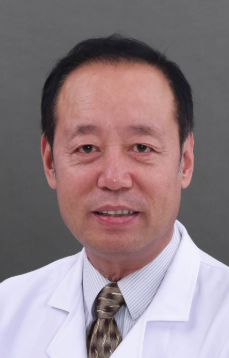 Wei Yu (余卫)合作论文数Peking Union Medical College Hospital, Chinese Academy of Medical Science8Yvett Pinedo合作论文数7Wenmin Guan合作论文数7Song Xiaojing合作论文数7
 Tracy Rabin合作论文数Council on African Studies, Yale Macmillan Center, Yale University7Rebecca Slotkin合作论文数6Clara Wong合作论文数6Han Yang合作论文数6Wei Pan合作论文数6
 Andrew Cohen合作论文数Geriatric Medicine, Internal Medicine, Yale School of Medicine, Yale University6
 Jeremy I. Schwartz合作论文数Council on African Studies, Yale Macmillan Center, Yale University6
 Ferrante Lauren E合作论文数6
 Qian Wang (王迁)合作论文数Peking Union Medical College Hospital6
 Rebecca Grainger合作论文数Wellington School of Medicine, University of Otago;Malaghan Institute of Medical Research;Malaghan Institute of Medical Research, University of Otago6
 Maria C Rodriguez-Barradas合作论文数Baylor College of Medicine6Xinping Tian (田新平)合作论文数5Randi Silibovsky合作论文数5Andrew K. Tusubira合作论文数5
 Jiuliang Zhao (赵久良)合作论文数Peking Union Medical College Hospital5Mari Armstrong-Hough合作论文数5
 Jean W Liew合作论文数School of Medicine, Boston University5
 Nicola Hawley合作论文数Chronic Disease Epidemiology, Yale School of Public Health, Yale School of Medicine, Yale University5
 Robert Kalyesubula合作论文数Makerere University College of Health Sciences5Alexandra Hajduk合作论文数Geriatric Medicine, Internal Medicine, Yale School of Medicine, Yale University5
 Christine Ngaruiya合作论文数Council on African Studies, Yale Macmillan Center, Yale University5
 Vincent Lo Re合作论文数Division of Infectious Diseases, Department of Medicine, Perelman School of Medicine, University of Pennsylvania5
 Youlin Qiao (乔友林)合作论文数Cancer Hospital, Chinese Academy of Medical Sciences;Department of Global Health, School of Population Medicine and Public Health, Chinese Academy of Medical Sciences;State Key Laboratory of Pathogenesis, Prevention and Treatment of High Incidence Diseases in Central Asia, Xinjiang Medical University5
 Richard Conway合作论文数5
 Putman Michael合作论文数Department of Medicine, University of Chicago5
 Pedro Machado合作论文数Department of Neuromuscular Diseases, University College London;University College London Hospitals;Rheumatology Department, Northwick Park Hospital5
 Isaac Ssinabulya合作论文数5
 Zachary Wallace合作论文数Rheumatology Unit, Mass General Research Institute;Harvard Medical School;Rheumatology Unit, Massachusetts General Hospital5Akiteng Ann R合作论文数5
 Namrata Singh合作论文数Department of Internal Medicine, University of Iowa Hospital and Clinics5
 Manuel Francisco Ugarte-Gil合作论文数Department of Medicine, Universidad Científica del Sur5Weinstein Erica合作论文数5




