Semantic image segmentation with standard CNNs often misses long-range structure and topological cues, leading to boundary leaks, holes, or label inconsistencies. We address this with a Multi-View Graph Neural Network (MVGNN) that makes the structural assumptions explicit: each predicted region becomes a node, and multiple complementary graphs (views) encode distinct spatial relations such as geometric proximity for long-range smoothing, boundary connectivity for contour fidelity, and hierarchical inclusion for part-whole consistency. A learned fusion module aggregates these views into a unified multigraph on which a lightweight GNN refines region labels.We evaluate MVGNN on synthetic data and on FASSEG, comparing against U-Net and U-Net+CRF. Across datasets, MVGNN improves Dice Score and reduces Hausdorff Distance, with the largest gains on cluttered scenes and near thin or intricate boundaries. Ablations confirm that (i) each view contributes additively to quality, (ii) choosing appropriate graph operators (NNConv, ChebConv) matters for capturing complementary relations, and (iii) fusing views is superior to any single-graph variant. These results indicate that explicitly modelling multi-relation structure offers a robust and efficient alternative for segmentation, yielding sharper boundaries and more globally consistent masks.
Opportunistic collaborations allow autonomous agents to dynamically cooperate with each other to assess a shared goal. This type of collaboration represents an exciting technological capability avenue by combining several key technological advancements in hardware (miniaturized components, high computational capabilities), in communication (5G networks, Cloud Solutions) along with powerful Artificial Intelligence (AI) solutions. Among the enablers for opportunistic collaborations are universal ontology and world representation for a common advanced understanding of tasks and overall capabilities. This paper introduces an opportunistic collaborative framework with a case study involving two heterogeneous agents with different sensory abilities—a depth camera and a wheeled robot. The communication is established through an unstructured ontology via Generative AI (GenAI). The mission involves the retrieval of an object within the camera’s Field Of View (FOV) that is obstructed from the robot. The camera performs object detection and localization in the environment and the robot navigates using its LiDAR. The implementation is done within the ROS2 (Robot Operating System) middleware. To assess the collaboration efficiency, an autonomous navigation is conducted in parallel, with a depth camera integrated within the robot itself. The evaluation is carried out using a Monte Carlo simulation. The results demonstrate that the collaborative-based scenario is superior to the autonomous-based scenario in terms of time and distance (energy saving). This approach enables heterogeneous smart devices that have no prior knowledge of one another to communicate naturally without following any predefined protocol and to cooperate when situated independently in different locations in an unknown environment.
Epilepsy is a neurological disorder characterized by recurrent epileptic seizures, which are often unpredictable and increase mortality and morbidity risks. Objective: The objective of this study is to address the challenges of EEG-based epileptic seizure detection by introducing a novel methodology, Deep Embedded Gaussian Mixture (DEGM). Methods: The DEGM method begins with a deep autoencoder (DAE) for embedding the input EEG data, followed by Singular Value Decomposition (SVD) to enhance the representational quality of the embedding while achieving dimensionality reduction. A Gaussian Mixture Model (GMM) is then employed for clustering purposes. Unlike conventional supervised machine learning and deep learning techniques, DEGM leverages deep clustering (DC) algorithms for more effective seizure detection. Results: Empirical results from two real-world epileptic datasets demonstrate the notable performance of DEGM. The method's effectiveness is particularly remarkable given the substantial size of the datasets, showcasing its ability to handle large-scale EEG data efficiently. Conclusion: In conclusion, the DEGM methodology provides a novel and effective approach for EEG-based epileptic seizure detection, addressing key challenges such as data variability and artifact contamination. Significance: By combining deep autoencoders, SVD, and GMM, DEGM achieves superior clustering performance compared to existing methods, representing a significant advancement in biomedical research and clinical applications for epilepsy. Its robust performance on large datasets underscores its potential for improving seizure detection accuracy, ultimately contributing to better patient outcomes.
Clustering is essential for uncovering hidden patterns and relationships in complex datasets. Its importance reveals when labeled data is scarce, expensive, time-consuming to obtain. Real-world applications often exhibit heterogeneity due to the diverse nature of the encapsulated data. This heterogeneity poses a significant challenge in data analysis, modeling, and makes traditional clustering methods ineffective. By adopting a hybrid architecture based on two promising techniques, multi-view and deep clustering, our method achieved better results, outperforming several existing methods including K-means, deep embedded clustering, deep clustering network, deep embedded K-means among many others. Multiple experiments conducted across diverse publicly accessible datasets validate the effectiveness of our proposed method based on well established evaluation metrics such as Accuracy and Normalized Mutual Information (NMI). Furthermore, we applied our method on the air pollution data of Luxembourg, a country with sparse sensor coverage. Our method demonstrated promising results, and unveil a new dimension that pave way for future work in air pollution’s level prediction and hotspots detection, crucial steps towards effective pollution reduction strategies.
Epilepsy is a neurological disorder characterized by recurrent, unpredictable seizures, posing significant risks to morbidity and mortality. Despite numerous advancements in automated seizure detection methods, their clinical application remains limited due to several challenges. One primary issue is the prolonged training phase required by supervised models. Additionally, many existing techniques struggle to generalize effectively across diverse patient populations. To address these limitations, we propose a novel methodology, the Deep Variational Gaussian Mixture (DVGM) model. This approach integrates a deep variational autoencoder (VAE) to embed input EEG data, followed by Singular Value Decomposition (SVD) for dimensionality reduction and enhancement of representational quality. Subsequently, a Gaussian Mixture Model (GMM) is employed for clustering. Unlike supervised machine learning (ML) and deep learning (DL) methods that require extensive training, the DVGM utilizes deep clustering (DC) algorithms, enabling efficient and effective seizure detection. The DVGM model was trained on the publicly available Children’s Hospital of Boston (CHB) dataset and tested on a French dataset acquired at the Centre Hospitalier Universitaire (CHU) of Angers. The results demonstrated outstanding performance. This highlights its ability to overcome generalization challenges.Clinical relevance— This study introduces the DVGM model, which enhances the accuracy and efficiency of epileptic seizure detection. By addressing challenges such as prolonged training times and poor generalizability across patient populations, this methodology offers a scalable and reliable solution for analyzing large-scale EEG data. Its demonstrated success across diverse datasets suggesting its potential for improving diagnostic workflows and patient outcomes in clinical neurology.
Accurate building segmentation plays a crucial role in a wide range of applications such as urban planning, monitoring, and mapping. Different deep learning models were employed for building segmentation. However, these models analyze images from a single view. Given the limitations of single-view building segmentation models, our research aims to enhance accuracy by proposing a novel multi-view U-Net deep model for accurate building segmentation that incorporates multiple views of the images. We employ two pre-trained convolutional neural network architectures, MobileNetV2 and ResNet50, to extract features representing two different views of our images. By fusing these features, our proposed method effectively captures complementary information, leading to enhanced segmentation accuracy. To further improve the model's performance, we incorporate skip connections and up-convolutional layers to ensure fine-grained feature propagation. Our experimental results on a large building dataset demonstrate a significant improvement in segmentation accuracy 91% compared to state-of-the-art methods, highlighting the effectiveness of our multiview fusion approach. The experimental results enhance the benefits of creating different views by adopting the novel concept proposed in this paper. This research has the potential to redefine the landscape of building segmentation in applications such as urban planning and mapping. We also conducted a test on a large study area (city scale of Belval-Luxembourg). This demonstrates the capabilities of our method and its efficiency in segmenting satellite images from a large extent area and reinforces its potential for real-world applications.
Despite the growing body of research on automated epileptic seizure detection, clinical adoption of these techniques remains limited. This can be attributed to several factors, especially the time-intensive nature of model training, and the lack of generalizability to diverse patient populations. To overcome these challenges, our paper introduces a hybrid CNN-LSTM-AT model designed to exhibit robustness in cross-site variability. The model employs a one-dimensional convolutional neural network (1D CNN) to leverage the temporal dynamics within EEG data, extracting informative features that capture the sequential variations in brain activity. These extracted features are subsequently fed into a long short-term memory (LSTM) module, complemented by an attention (AT) mechanism, to harness the LSTM's memory capabilities and enhance feature relevance. An AT layer is strategically incorporated post-LSTM module to prioritize critical input parameters, thus reducing complexity and time. To mitigate the issue of cross-site variability, the model is trained on the publicly available Children's Hospital of Boston (CHB- MIT) dataset and rigorously evaluated on a French dataset acquired from the Centre Hospitalier Universi-taire of Angers (CHU). Experimental results demonstrate that our proposed approach surpasses state-of-the-art methods. As far as our knowledge extends, this study represents the first attempt to address cross-site datasets while incorporating the AT mechanism.
Background and Objective: Epilepsy, marked by recurrent seizures, poses a significant health risk. Accurate automatic seizure detection from scalp EEG recordings is crucial. This study proposes a novel multi-view deep clustering (MV-DC) approach for improved epilepsy detection.Methods: MV-DC leverages two complementary views: an autoencoder (AE) and a variational autoencoder (VAE). The AE extracts key features and reduces dimensionality, while the VAE introduces probabilistic elements for enhanced data representation. Both views use singular value decomposition (SVD) to identify subspaces conducive to clustering.Joint representations from both views are fed into a Gaussian Mixture Model (GMM) for clustering. This fusion empowers the GMM to generate more significant and interpretable clusters.Results: Evaluation on two EEG datasets demonstrates MV-DC's superior performance compared to single-view models.On the Children Boston dataset, MV-DC achieves 98.6% accuracy, 97.7% precision, 98.3% recall, 98.0% F1-score, and 92.0% NMI, significantly outperforming single-view models (p-value < 0.05). Similar improvements are observed on local french dataset (CHU), with MV-DC reaching 98.8% accuracy, 98.5% precision, 98.2% recall, 98.4% F1-score, and 94.4% NMI.Conclusion: MV-DC offers superior epilepsy detection accuracy, interpretability, and efficiency compared to existing methods. Its unsupervised nature further reduces the computational burden. These findings highlight the potential of MV-DC for enhanced clinical care in epilepsy management.
Air pollution is amongst the top environmental threats that affect human health and that receive considerable attention in cities. Recent studies have demonstrated the efficacy of early warning techniques in avoiding harmful pollution effects. Thus, air quality monitoring is a necessity to grant a sustainable livability. Deep Learning methods are usually used in smart cities to monitor and forecast air pollutants concentrations. This study proposes a generalization of a deep learning model under the transfer learning paradigm to overcome the limitations of a small in-situ measurements network. More specifically, Nitrogen dioxide levels were estimated in Luxembourg, which has a limited number of ground stations. The initial fine-tuning yielded unsatisfactory outcomes. Consequently, adapted augmentation techniques were applied to improve the model performance. Specifically, the R-squared value improved from 0.12 to 0.79, the Mean Absolute Error dropped from 7.4 to 3.54, and the Mean Squared Error decreased from 93.4 to 19.17. The proposed network framework in this paper can be applied to any geographic area worldwide, enabling the estimation of pollution maps with high spatial resolution. Moreover, the effectiveness of satellite images in predicting the abnormal temporal patterns of Nitrogen dioxide has been proven.
Existing graph-based incomplete multi-view clustering methods mainly adopt the three-step strategy, i.e., graph completion, graph fusion (consensus representation learning) and subsequent k -means clustering. Such three-step schemes inevitably seek sub-optimal clustering results due to information loss. Besides, existing methods for incomplete multi-view clustering tasks focus on inferring the missing instances using global complementary information without considering the local structure of data. In addition, their weight allocation strategies for views are mostly static, the model cannot adaptively select the informative views during the process of training. To solve these issues, we propose a novel one-step graph-based incomplete multi-view clustering (OGIMC) method, which introduces the strategy of local structure preservation and adaptive weights into the model. Furthermore, a rank constraint imposed on the Laplacian matrix of the fused graph integrates the separate objectives into a unified training framework. Extensive experimental results demonstrated that OGIMC outperforms state-of-the-art baselines remarkably.
Machine learning, particularly classification algorithms, has been widely employed for diagnosing COVID-19 cases. However, these methods typically rely on labeled datasets and analyze a single data view. With the vast amount of patient data available without labels, this paper addresses the novel challenge of unsupervised COVID-19 diagnosis. The goal is to harness the abundant data without labels effectively. In recent times, multi-view clustering has garnered considerable attention in the research community. Spectral clustering, known for its robust theoretical framework, is a key focus. However, traditional spectral clustering methods generate only nonlinear data projections, necessitating additional clustering steps. The quality of these post-processing steps can be influenced by various factors, such as initialization procedures and outliers. This paper introduces an enhanced version of the recent “Multiview Spectral Clustering via integrating Nonnegative Embedding and Spectral Embedding” method. While retaining the benefits of the original technique, the proposed model integrates two essential constraints: (1) a constraint for ensuring the consistent smoothness of the nonnegative embedding across all views and (2) an orthogonality constraint imposed on the columns of the nonnegative embedding matrix. The effectiveness of this approach is demonstrated using COVIDx datasets. Additionally, the method is evaluated on other image datasets to validate its suitability for this study.
Epileptic seizures, unpredictable and potentially fatal, pose a significant threat to patients' health. Timely detection through electroencephalography (EEG) is crucial, but the high variability of seizure patterns and signal artifacts presents challenges. Existing automated detection methods often rely on supervised learning, which may struggle with these difficulties. This article introduces a novel fully unsupervised approach, the Deep Gaussian Mixture Model (DGMM), that leverages the power of deep clustering (DC) to address these challenges. DGMM employs a deep autoencoder (AE) to extract essential features from EEG data in a reduced-dimensional space. It then uses a Gaussian Mixture Model (GMM) to identify seizure patterns within this space without human intervention, ensuring efficient processing and analysis. Evaluated on a large real-world dataset, DGMM demonstrates substantial performance improvements compared to existing methods. In contrast to conventional supervised methods, our approach achieves a significant reduction in processing time, demonstrating its computational efficiency. This promising result suggests that DGMM holds significant potential for enhancing automated seizure detection and improving patient care.
Semantic image segmentation is a fundamental task in computer vision, frequently addressed using deep learning techniques. Nevertheless, these methods often struggle to fully capture the structural details and semantic relationships present within an image. We propose a new approach, based on a multiview graph neural network, allowing to exploit various kinds of structural information, each one being related to a particular view. We perform experiments on both a synthetic dataset and a real-world one and demonstrate that our model is superior to conventional graph neural network and resilient to small training datasets. Subsequently, our method outperforms other classic methods when considering a few training data. Additionally, the integration of views appears to improve convergence in training. Our findings highlight the potential of multi-view representations in enhancing image segmentation tasks, paving the way for more advanced and accurate computer vision systems.
Recently, many studies have been conducted on automated epileptic seizures detection. However, few of these techniques are applied in clinical settings for several reasons. One of them is the imbalanced nature of the seizure detection task. Additionally, the current detection techniques do not really generalize to other patient populations. To address these issues, we present in this paper a hybrid CNN-LSTM model robust to cross-site variability. We investigate the use of data augmentation (DA) methods as an efficient tool to solve imbalanced training problems. The model trained on the publicly Children’s Hospital of Boston (CHB) data set achieved great performance on a french data set acquired at the Centre Hospitalier Universitaire of Angers (CHU). Results showed that this approach outperforms both other deep learning (DL) and state-of-the-art methods.
Machine learning, and specifically classification algorithms, has been widely used for the diagnosis of COVID-19 cases. However, these methods require knowing the labels of the datasets, and use a single view of the dataset. Due to the widespread of the COVID-19 cases, and the presence of the huge amount of patient datasets without knowing their labels, we emphasize in this paper to study, for the first time, the diagnosis of COVID-19 cases in an unsupervised manner. Thus, we can benefit from the abundance of datasets with missing labels. Nowadays, multi-view clustering attracts many interests. Spectral clustering techniques have attracted more attention thanks to a well-developed and solid theoretical framework. One of the major drawbacks of spectral clustering approaches is that they only provide a nonlinear projection of the data, which requires an additional clustering step. Since this post-processing step depends on numerous factors such as the initialization procedure or outliers, this can affect the quality of the final clustering. This paper provides an improved version of a recent method called Multiview Spectral Clustering via integrating Nonnegative Embedding and Spectral Embedding. In addition to keeping the benefits of this method, our proposed model incorporates two types of constraints: (i) a consistent smoothness of the nonnegative embedding across all views, and (ii) an orthogonality constraint over the nonnegative embedding matrix columns. Its advantages are demonstrated using COVIDx datasets. Besides, we test it with other image datasets to prove the right choice of this method in this study.
This paper introduces a novel cellular automata model that combines Long Short-Term Memory, Attention, and Neural Network models to capture spatio-temporal Land Use Change (LUC) behaviors while addressing the challenge of imbalanced datasets. The proposed method is developed and validated using data from Belgium, defined as three (100x100) m raster-based built-up maps for 2000, 2010, and 2020. The model is trained and validated using data from 2000 to 2010, and its effectiveness is tested using data from 2010 to 2020. The key contribution of our approach lies in its ability to tackle long-term temporal dependency and class imbalance problems in LUC science. Our proposed method significantly enhances the performance of spatio-temporal LUC simulation. Additionally, we adopt a data splitting strategy that takes into account the different transitions between classes, improving the accuracy of the model predictions of minority class. The obtained results demonstrate the efficiency of the proposed model in capturing complex spatio-temporal dynamics and reducing the impact of imbalanced datasets surpassing existing methods. The implications of our study extend beyond LUC modeling, as the proposed approach can be applied to a wide range of applications where machine learning is used to model complex environmental and geographical phenomena.
Epilepsy is a neurological disorder characterized by recurring seizures, detected by electroencephalography (EEG). EEG signals can be detected by manual time-consuming analysis and recently by automatic detection. The latter poses a significant challenge due to the high dimensional and non-stationary nature of EEG signals. Recently, deep learning (DL) techniques have emerged as valuable tools for seizure detection. In this study, a novel data-driven model based on DL, incorporating a self-attention mechanism (SAT), is proposed. One notable advantage of the proposed method is its simplicity in application, as the raw signal data is directly fed into the suggested network without requiring expertise in signal processing. The model leverages a one-dimensional convolutional neural network (CNN) to extract relevant features from EEG signals. These features are then passed through a long short-term memory (LSTM) module to benefit from its memory capabilities, along with a SAT mechanism. The key contribution of this paper lies in the addition of the SAT layer to the LSTM encoder, enabling enhanced exploration of the latent mapping during the encoding step. Cross-subject experiments revealed good performance of this approach with F1-score of 97.8% and 92.7% for binary and five-class epileptic seizure recognition tasks, respectively, on the public UCI dataset, and 97.9% on the CHB-MIT database, surpassing state-of-the-art DL performance. Besides, the proposed method exhibits robustness to inter-subject variability.
Air pollution is a serious environmental danger to people, specifically those who live in urbanised regions. Air pollution is also responsible for the climate crisis. Latest researches have shown the efficiency of early alert procedures that permits citizens to decrease their exposure to air pollution. Hence, monitoring air quality has turned into an essential need in most cities. Circulation, electricity, combustible uses, and various factors contribute to air pollution. Air quality ground stations are placed across most countries to record diverse air pollutants (including NO2), but they have a limited number, constraining therefore the accuracy of ground-level NO2 at high temporal and spatial resolutions. Conversely, satellite remote sensing data measures NO2 densities at a global scale. This paper presents a Data Cleaning technique for satellite images so Transfer Learning could be applied in a further step to estimate NO2 concentrations at Luxembourg with high spatial resolutions based on a pretrained Residual Network 50 (ResNet-50).
 Hichem Snoussi合作论文数Inst Charles Delaunay, Univ Technol Troyes23
 Cédric Richard合作论文数Laboratoire Lagrange, Observatoire de la Côte d'Azur, Université Côte d'Azur;Department of Electrical Engineering, University Côte d'Azur19
 Thierry Denoeux合作论文数Heudiasyc Laboratory, Department of Computer Science, Universite De Technologie De Compiegne14
 Amadou Gning合作论文数UMR CNRS 6599, Université de Technologie de Compiègne12
 Fadi Dornaika合作论文数Departamento de Ciencias de la Computacion e Inteligencia Artificial, Universidad del Pais Vasco11
 Régis Lengellé合作论文数Université de Technologie de Troyes11
 Nisrine Jrad合作论文数10
 Sally El Hajjar合作论文数9
 Ghalia Nassreddine合作论文数Universite de Technologie de Compiegne8
 Hichem Omrani合作论文数CEPS/INSTEAD8
 Rosana El Jurdi合作论文数UNIHAVRE, Normandie Univ7
 Charbel Chahla合作论文数University of Technology of Troyes, Troyes, France7
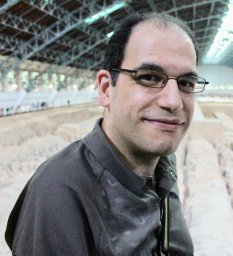 Paul Honeine合作论文数Laboratoire d’Informatique, du Traitement de l’Information et des Systemes, Universite de Rouen Normandie7
 Caroline Petitjean合作论文数LITIS EA4108, University of Rouen7
 Anne Humeau-Heurtier合作论文数7
 Patrick Van Bogaert合作论文数7
 Farah Mourad合作论文数7Tala Abdallah合作论文数6Zoulficar Younes合作论文数6
 Lyudmila Mihaylova合作论文数Department of Automatic Control and Systems Engineering, University of Sheffield6Joanna Akrouche合作论文数5A Badawi合作论文数5
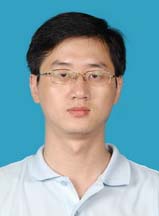 Lei Qin (秦磊)合作论文数Institute of Computing Technology , Chinese Academy of Sciences5Akseer Nadia合作论文数5
 Philippe Bonnifait合作论文数UMR CNRS Heudiasyc 7253, Univ Technol Compiegne5
 Mohamed Sallak合作论文数5A Ahmad Kiadaliri合作论文数4U. Bacha合作论文数4I A Adedeji合作论文数4K H Abate合作论文数4S. El Hajjar合作论文数4BD Betsu合作论文数4Monika Arora合作论文数4P Azzopardi合作论文数4S. Abera合作论文数4K Alam合作论文数4
 Stan Biryukov合作论文数Institute for Health Metrics and Evaluation, University of Washington4
 Eric Châtelet合作论文数Charles Delaunay Institute (ICD-LM2S), Sciences and Technologies for Risk Management (STMR), Troyes University of Technology, CNRS, 12 rue Marie Curie, BP 2060, 10010 Troyes, France4
 Ziyad Al-Aly合作论文数Division of General Medicine & Geriatrics, John T. Milliken Department of Medicine, School of Medicine, Washington University in St. Louis;Research and Development Service, VA St. Louis Health Care System;U.S. Department of Veterans Affairs4
 Fullman Nancy合作论文数Institute for Health Metrics and Evaluation, University of Washington4
 Deena Alasfoor合作论文数Ministry of Health4
 Ryan Barber合作论文数Institute for Health Metrics and Evaluation, University of Washington4
 Abajobir Amanuel Alemu合作论文数Public Health Department, Debremarkos University4Abbas Kaja M合作论文数4
 Zulfiqar Bhutta合作论文数Department of Nutritional Sciences, Temerty Faculty of Medicine, University of Toronto;Dalla School of Public Health, University of Toronto;Centre for Global Child Health, Hospital for Sick Children;Institute of Global Health and Development, Aga Khan University;Centre of Excellence in Women and Child Health, Aga Khan University4
 Sawsan Kanj合作论文数4
 Till Bärnighausen合作论文数Heidelberg Institute of Global Health, Universitätsklinikum Heidelberg4
 Derrick Bennett合作论文数Nuffield Department of Population Health, Medical Sciences Division, University of Oxford4
 Farah Mourad-Chehade合作论文数4




