IntroductionData on positive rechallenge in idiosyncratic drug-induced liver injury (DILI) are scarce. We aim to analyse the clinical presentation, outcome and drugs associated with positive rechallenge in two DILI registries.MethodsCases from the Spanish and Latin American DILI registries were included. Demographics, clinical characteristics and outcome of cases with positive rechallenge according to CIOMS/RUCAM and current definitions were analysed.ResultsOf 1,418 patients with idiosyncratic DILI, 58 cases had positive rechallenge (4.1%). Patients with positive rechallenge had shorter duration of therapy (p=0.001) and latency (p=0.003). In patients with rechallenge, aspartate transaminase levels were increased (p=0.026) and showed a prolonged time to recovery (p=0.020), albeit no differences were seen in terms of fatal outcomes. The main drug implicated in rechallenge was amoxicillin-clavulanate (17%). The majority of re-exposure events were unintentional (71%). Using both existing definitions of positive rechallenge, there were four cases which exclusively fulfilled the current criteria and five which only meet the historical definition. All cases of positive rechallenge, irrespective of the pattern of damage, fulfilled the criteria of either alanine transaminase (ALT) ≥3 times the upper limit of normal (ULN) and/or alkaline phosphatase (ALP) ≥2 times ULN.ConclusionsEpisodes of rechallenge were characterised by shorter duration of therapy and latency, and longer time to resolution, but did not show an increased incidence of fatal outcome. Based on our findings, ALT ≥3 times ULN and/or ALP ≥2 times ULN, regardless of the pattern of damage, is proposed as a new definition of rechallenge in DILI.
Introduction and Objectives: Severe alcohol-associated hepatitis (AH) is an entity with high morbidity and mortality; however, data in Latin America is limited. We aimed to characterize patients hospitalized for AH in a multinational cohort in Latin America. Materials and Methods: Multicenter prospective cohort study. We included patients admitted with severe AH between 2015-2022. Sociodemographic and clinical information was recorded. The analysis included survival analysis using Kaplan-Meier curves. This study was approved by the institutional ethics committee. Results: 470 patients from 24 centers (8 countries: Mexico, Chile, Argentina, Brazil, Peru, Bolivia, Colombia, and Ecuador) were included. Age 49.8 ± 10.6 years, 85.6% of men and 45% had a previous diagnosis of cirrhosis. Median MELD at admission was 26.9 [22-32] points. 26.5% met SIRS criteria and 34.3% had an acute kidney injury (AKI) on admission. Only 36.8% of patients were treated with corticosteroids. Survival at 30 days was 75.0% (95%CI: 70.1-79.3%) and 62.8% (95%CI: 57.1-68.0%) at 90 days. A total of 191 (45.8%) patients presented infections, 31.4% at admission and 24.9% during hospitalization. The most frequent locations of community-acquired infections were respiratory (33.5%), urinary (32.1%), spontaneous bacterial peritonitis (14.9%), and skin (10.5%), while the most frequent pathogens were Escherichia coli (40%), Klebsiella pneumoniae (12%), and Enterococcus (6%). The presence of infection at admission was associated with a decreased survival at 90-days (66.9% versus 48.1%, p=0.0002). AKI at admission was also associated with decreased survival at 90-days (86.8% versus 51.3%, p<0.0001). In the long term, only 3.2% of patients have been transplanted. Conclusions: This multicenter study shows high morbidity and mortality in patients with severe AH, which is comparable to other regions worldwide. The presence of infections and AKI at admission were frequent and were associated with higher mortality. Unfortunately, the access to liver transplantation was extremely low in our cohort.
Background: Predicting short-term mortality in patients with cirrhosis and bacterial infections is challenging. Aims: To compare the performance of various scores in predicting in-hospital mortality in this population. Methods: We performed an analysis of the multicenter prospective cohort study of patients with cirrhosis with bacterial infections throughout Argentina and Uruguay (clinicatrials.gov.NCT03919032). Patients were classified according to the CLIF criteria as having ACLF or mere acute decompensation (AD). We evaluated the performance of scores of liver disease and infection severity in predicting in-hospital mortality. MELD, MELD-Na, and Quick SOFA (qSOFA) were computed in all patients. CLIF-AD was only computed in patients without ACLF, and CLIF-ACLF only in patients with ACLF. We plotted ROC curves and estimated their area under the curve (AUROC). Results: We included 472 patients: 66% male, mean age 57 ± 12 years. Most frequent infections: SBP (30%) and urinary tract infection (25%). Overall, 332 (70%) patients had acute decompensation, and 140 (30%) ACLF. In-hospital mortality rate was 19%: 41% in patients with ACLF vs 10% in patients with AD (p<0,001). When we evaluated the AUROC of the entire cohort, MELD and MELD-Na performed similarly: 0.74 (95% CI 0.68-0.81) and 0.74 (95% CI 0.67-0.80), respectively; whereas qSOFA showed the lowest performance: 0.62 (95% CI 0.57-0.68). When evaluating only patients with ACLF, CLIF-ACLF performed significantly better than the other ones: AUROC 0.76 (95% CI 0.67-0.84, p =0.01). All scores performed poorly in patients with AD (Figure). Conclusion: The best tool to predict in-hospital mortality in patients with infection-related ACLF was the CLIF-ACLF score. In patients with infection-related AD, all scores performed poorly. Evaluation of the scores performance is of paramount importance in different regions and for each complication of cirrhosis separately.
Predictive Factors of Decompensation and Death in 670 Patients with Hepatitis C Treated with Direct-Acting Antivirals Gualano G1, Ameigeiras B2, Ferreiro M3, MuNoz A4, Artola YM5, SilviaBorzi S6, Blanco M7, Isla R8, Salgado P9, Reggiardo MV10, Adrover R11, Fernandez G12, Sixto M13, Botto G14, Ratusnu N15, Barreyro F16, Chao S17, Sirotinsky E18, Alonso MI2, Ballerga EG3, Romero G4, Garcia D5, Bessone F10, Fassio E1* and Grupo Argentino para el Estudio y Tratamiento de la Hepatitis C (GAETHeC) 1Hospital Nacional Prof. Alejandro Posadas, El Palomar, provincia de Buenos Aires, Argentina 2Hospital General de Agudos Dr. Jose M. Ramos Mejía, ciudad Autonoma de Buenos Aires, Argentina 3Hospital de Clínicas Jose de San Martín, ciudad Autonoma de Buenos Aires, Argentina 4Hospital de Gastroenterologia Dr. C. Bonorino Udaondo, ciudad Autonoma de Buenos Aires, Argentina 5Sanatorio Municipal Dr. Julio Mendez, ciudad Autonoma de Buenos Aires, Argentina 6Hospital Rodolfo Rossi, La Plata, provincia de Buenos Aires, Argentina 7Hospital Int. General de Agudos Dr. Oscar Alende, Mar del Plata, provincia de Buenos Aires, Argentina 8Hospital General de Agudos Parmenio Pinero, ciudad Autonoma de Buenos Aires, Argentina 9Instituto de Investigaciones en Salud Publica, Universidad de Buenos Aires, ciudad Autonoma de Buenos Aires, Argentina 10Hospital Provincial del Centenario, Rosario, provincia de Santa Fe, Argentina 11Centro de Hepatologia, La Plata, provincia de Buenos Aires, Argentina 12 Hospital Medico Policial Bartolome Churruca, ciudad Autonoma de Buenos Aires, Argentina 13Programa Provincial de HIV/SIDA, ETS y Hepatitis Virales, Santa Fe, provincia de Santa Fe, Argentina 14 Hospital General de Agudos Dr. Teodoro Alvarez, ciudad Autonoma de Buenos Aires, Argentina 15Hospital Regional Gdor Ernesto Campos, Ushuaia, provincia de Tierra del Fuego, Argentina 16Hospital Escuela de Agudos Dr. Ramon Madariaga, Posadas, provincia de Misiones, Argentina 17Hospital Int. General de Agudos Presidente Perón, Sarandí, provincia de Buenos Aires, Argentina 18 Centro de Estudios Digestivos, Comodoro Rivadavia, provincia de Chubut, Argentina
Background: Severe cutaneous adverse reactions can manifest in a wide spectrum of heterogeneous clinical presentations, including drug reaction with eosinophilia and systemic symptoms (DRESS), a severe idiosyncratic drug reaction. DRESS is characterized by presence of rash, fever, eosinophilia and/or lymphopenia, and liver injury but there is no consensus for the definition of this condition. We aimed to evaluate clinical phenotype, outcome and causative agents associated with DRESS.
Idiosyncratic drug-induced liver injury (DILI) caused by xenobiotics (drugs, herbals, and dietary supplements) is an elusive liver disease presenting with a range of phenotypes and severity, including acute hepatitis that is indistinguishable from viral hepatitis, autoimmune hepatitis, steatosis, fibrosis or rare chronic vascular syndromes, asymptomatic liver test abnormalities,and acute liver failure. Case definition and characterization using liver biochemistry and histology are crucial for appropriate phenotyping. The incidence of DILI is probably higher than expected by the cases that are identified in clinical practice because of misdiagnosis and underreporting.The pathogenesis of DILI is complex, depending on the interaction of a drug’s physicochemical properties and host factors. Genome-wide association studies have identified several alleles from the major histocompatibility complex system, indicating a fundamental role of the adaptive immune system in DILI pathogenesis. As specific biomarkers for hepatotoxicity are still not available, the diagnosis of DILI remains one of exclusion of the alternative causes of liver damage. Structured causality assessment using the Roussel Uclaf Causality Assessment Method (RUCAM) or previously Council for International Organizations of Medical Sciences (CIOMS) instrument adds consistency to the diagnostic process, although there is room for improvement in the scale domains and score weighting. The therapy for idiosyncratic hepatotoxicity is supportive and relies on the prompt withdrawal of the offending agent. Corticosteroid therapy for hypersensitivity reactions or ursodeoxycholicacid for prolonged cholestasis is empirically used, although the degree of evidence is low. Existing databases have enabled a better prediction of immediate and long-term DILI prognosis. Multivariate models have identified clinical and analytical variables as predictive of acute liver failure and mortality as well as of chronic DILI. This review contains 2 figures, 5 tables, and 55 references Key Words: adaptive immune system; causality assessment; drug-induced liver injury; epidemiology; HLA alleles; pharmacogenetics; registries; risk factors
Morbidity and mortality attributable to chronic hepatitis C virus (HCV) infection are increasing in many countries as the infected population ages. Models were developed for 15 countries to quantify and characterize the viremic population, as well as estimate the number of new infections and HCV related deaths from 2013 to 2030. Expert consensus was used to determine current treatment levels and outcomes in each country. In most countries, viremic prevalence has already peaked. In every country studied, prevalence begins to decline before 2030, when current treatment levels were held constant. In contrast, cases of advanced liver disease and liver related deaths will continue to increase through 2030 in most countries. The current treatment paradigm is inadequate if large reductions in HCV related morbidity and mortality are to be achieved.
The hepatitis C virus (HCV) epidemic was forecasted through 2030 for 15 countries, and the relative impact of two scenarios was considered: (i) increased treatment efficacy while holding the treated population constant and (ii) increased treatment efficacy and increased annual treated population. Increasing levels of diagnosis and treatment, in combination with improved treatment efficacy, were critical for achieving substantial reductions in disease burden. In most countries, the annual treated population had to increase several fold to achieve the largest reductions in HCV-related morbidity and mortality. This suggests that increased capacity for screening and treatment will be critical in many countries. Birth cohort screening is a helpful tool for maximizing resources. In most of the studied countries, the majority of patients were born between 1945 and 1985.
M30/CK18-cleavage staining, indicators of hepatocyte apoptosis. Indicators of oxidative stress, including the accumulation of 4-HNEprotein adducts and JNK phosphorylation, were also increased. In contrast, mice deficient in MLK3 were protected from ethanolinduced increases in plasma ALT/AST, pro-inflammatory cytokines and hepatic protein expression of RIP3. Ethanol-induced JNK phosphorylation and oxidative stress were also attenuated in MLK3deficient mice. However, MLK3-deficiency did not affect ethanolinduced steatosis or hepatocyte apoptosis. Conclusions: Taken together, these results suggest that MLK3 participates in the development of ethanol-induced oxidative stress, activation of JNK and induction of necroptotic programmed hepatocyte death. Pharmacological intervention of this pathway could be targeted as a potential therapeutic strategy to suppress necroptosis-induced inflammation and hepatocyte injury in patients with ALD.
Chronic hepatitis C virus (HCV) infection is a leading cause of liver related morbidity and mortality. In many countries, there is a lack of comprehensive epidemiological data that are crucial in implementing disease control measures as new treatment options become available. Published literature, unpublished data and expert consensus were used to determine key parameters, including prevalence, viremia, genotype and the number of patients diagnosed and treated. In this study of 15 countries, viremic prevalence ranged from 0.13% in the Netherlands to 2.91% in Russia. The largest viremic populations were in India (8 666 000 cases) and Russia (4 162 000 cases). In most countries, males had a higher rate of infections, likely due to higher rates of injection drug use (IDU). Estimates characterizing the infected population are critical to focus screening and treatment efforts as new therapeutic options become available.
Drug-induced liver injury (DILI) is an important cause of morbidity and mortality worldwide, with varied geographical differences. The aim of this prospective, descriptive, cross-sectional study was to identify and characterize cases of DILI in a hospital of Zulia state, Venezuela. Thirteen patients with a presumptive diagnosis of DILI attended by the Department of Gastroenterology, Hospital Universitario, Zulia state, Venezuela, from December-2012 to December-2013 were studied. Ibuprofen (n = 3; 23.1%), acetaminophen (n = 3; 23.1), isoniazid (n = 2; 15.4%) and Herbalife products (n = 2; 15.4%) were the main drugs involved with DILI. Acetaminophen and ibuprofen showed a mixed pattern of liver injury (n = 3; 23.1%) and isoniazid presented a hepatocellular pattern (n = 2; 15.4%). The CIOMS/RUCAMS allowed the identification of possible (n = 7; 53.9%), probable (n = 4; 30.8%) and highly-probable cases (n = 2; 15.4%) of DILI. Amoxicillin/clavulanate, isoniazid, isotretinoin, methotrexate and Herbalife nutritional products were implicated as highly-probable and probable agents. The highest percentage of DILI corresponded to mild cases that recovered after the discontinuation of the agent involved (n = 9; 69.3%). The consumption of Herbalife botanical products is associated with probable causality and fatality (n = 1; 7.7%). In conclusion, the frequency of DILI cases controlled by the Department of Gastroenterology of the Hospital Universitario of Maracaibo was low, being ibuprofen, acetaminophen, isoniazid and products Herbalife the products most commonly involved. It is recommended to continue with the prospective registration of cases, with an extended follow up monitoring period and to facilitate the incorporation of other hospitals in the Zulia State and Venezuela.
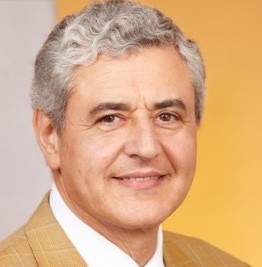 Raúl J. Andrade合作论文数Departamento De Medicina Y Dermatología, Universidad De Málaga;Department of Medicine, University of Malaga;University Hospital of Málaga19
 Stephens Camilla合作论文数18H Tanno合作论文数17M. I. Lucena合作论文数17
 Hernández Nelia合作论文数16
 Andres Gonzalez-Jimenez合作论文数15
 Inmaculada Medina Caliz合作论文数Farmacología y Pediatría Departamento, Facultad de Medicina, Universidad de Málaga;Instituto de Investigación en Biomédica de Málaga;Hospital Universitario Virgen de la Victoria15
 Marco Arrese合作论文数School of Medicine, Pontificia Universidad Católica de Chile15M Robles Díaz合作论文数13B. Garcia-Munoz合作论文数11M García Cortés合作论文数10Ortega-Alonso Aida合作论文数10Julio Vorobioff合作论文数10M. C. Fernandez合作论文数8Navarro J M合作论文数8Maria Dolores Prieto合作论文数8J. R. Brahm合作论文数7
 Raymundo Paraná Ferreira Filho合作论文数Faculdade de Medicina, Universidade Federal da Bahia7Manuel Romero-Gomez合作论文数7A Godoy合作论文数6F Fay合作论文数6
 Pere Ginès合作论文数Liver Unit, Hospital Clinic of Barcelona;University of Barcelona6Adrian Gadano合作论文数Liver Transplant Unit, Hospital Italiano de Buenos Aires6David Kershenobich合作论文数6
 Eduardo Fassio合作论文数6N. Méndez-Sánchez合作论文数5M. Jimenez合作论文数5Hallal Hacibe合作论文数5Abraham Ruiz合作论文数5Jorge Palazzi合作论文数5
 Agustin Castiella合作论文数Gastroenterology Service, Mendaro Hospital5O Fay合作论文数5M Campodonico合作论文数4S. Blanco合作论文数4J. Sanabria合作论文数4J. M. Moreno-Planas合作论文数4Vorobioff Julio D合作论文数4Sánchez Amelia合作论文数4Eva Zapata合作论文数4
 Marcos Girala合作论文数c;a;Department of Computer Science and Artificial Intelligence;Basque Health Service - Osakidetza4
 Sebastián Marciano合作论文数4Ruben Terg合作论文数4Germán Soriano合作论文数4
 Manuel Mendizabal合作论文数Trasplante Hepático y Cirugía Hepatobiliar, Hospital Universitario Austral4P Puri合作论文数3A C Gadano合作论文数3
 Undram Lkhagvaa合作论文数3D. Houlihan合作论文数3Teresa Schroder合作论文数3




